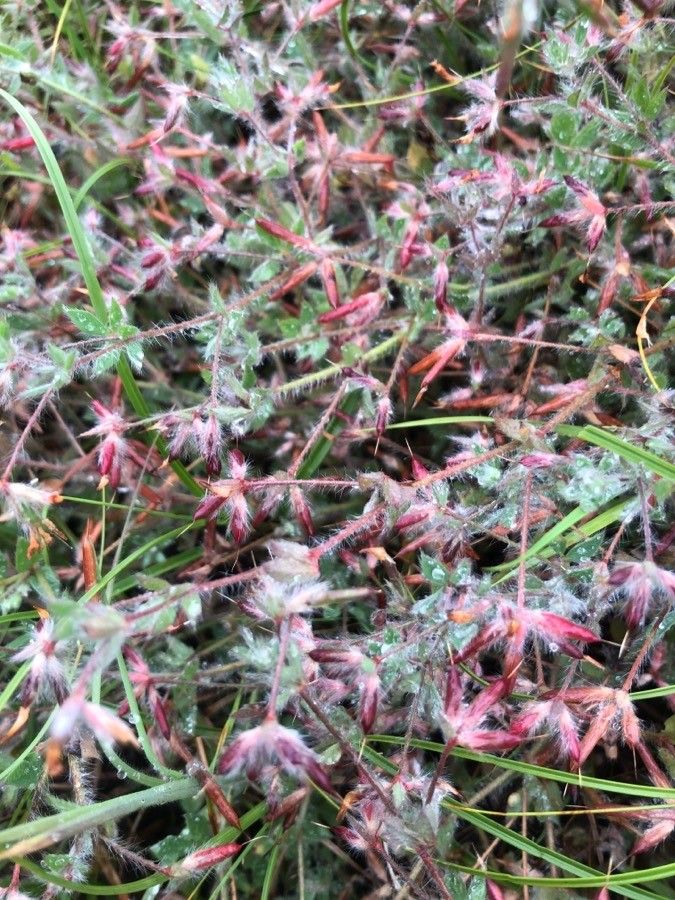
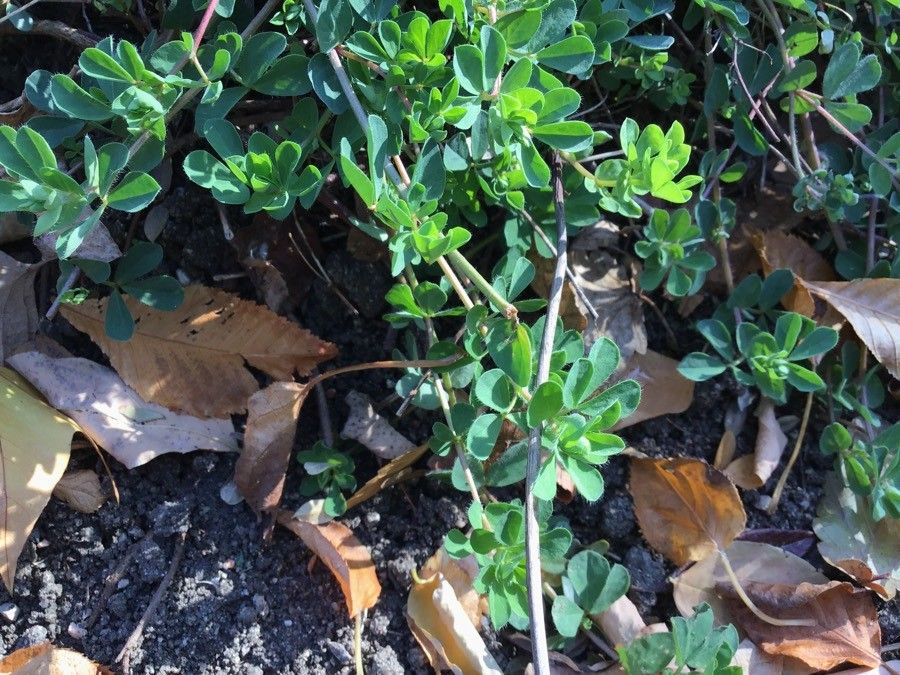
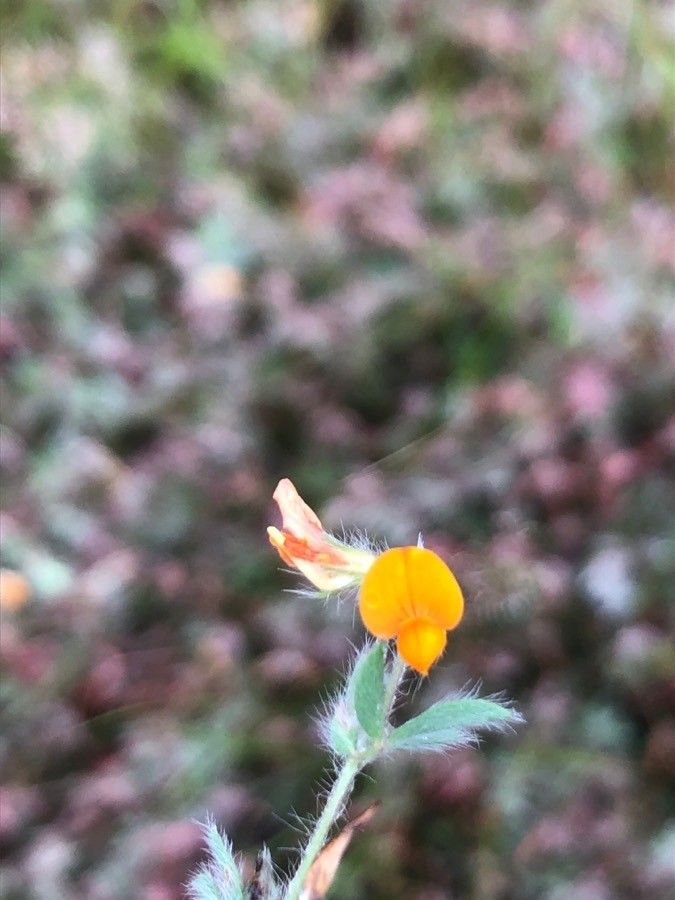
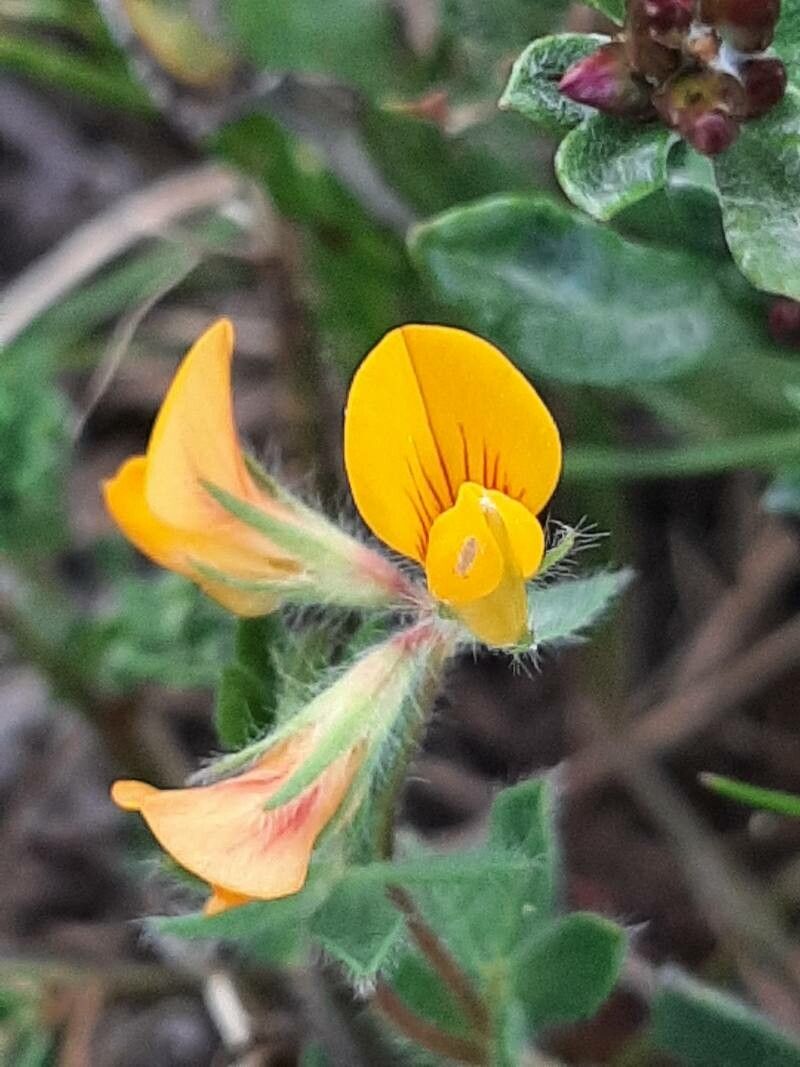
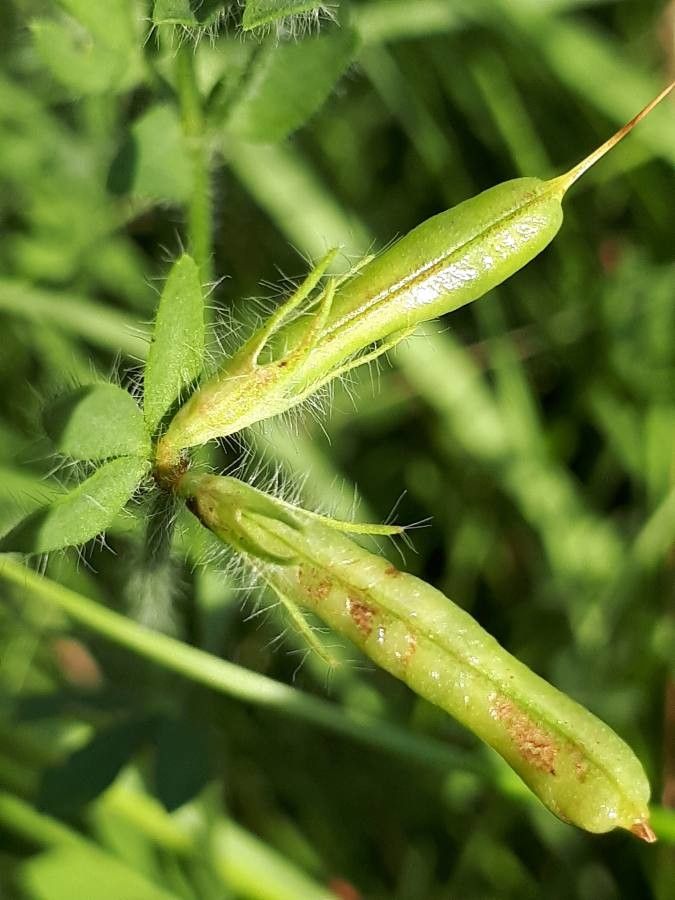
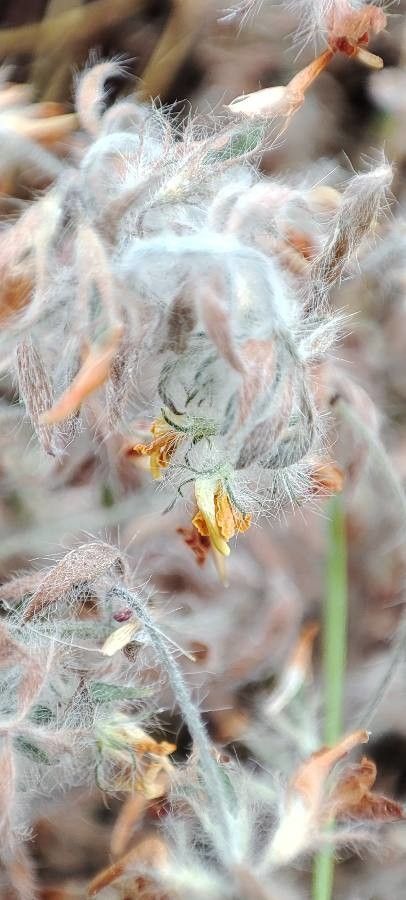
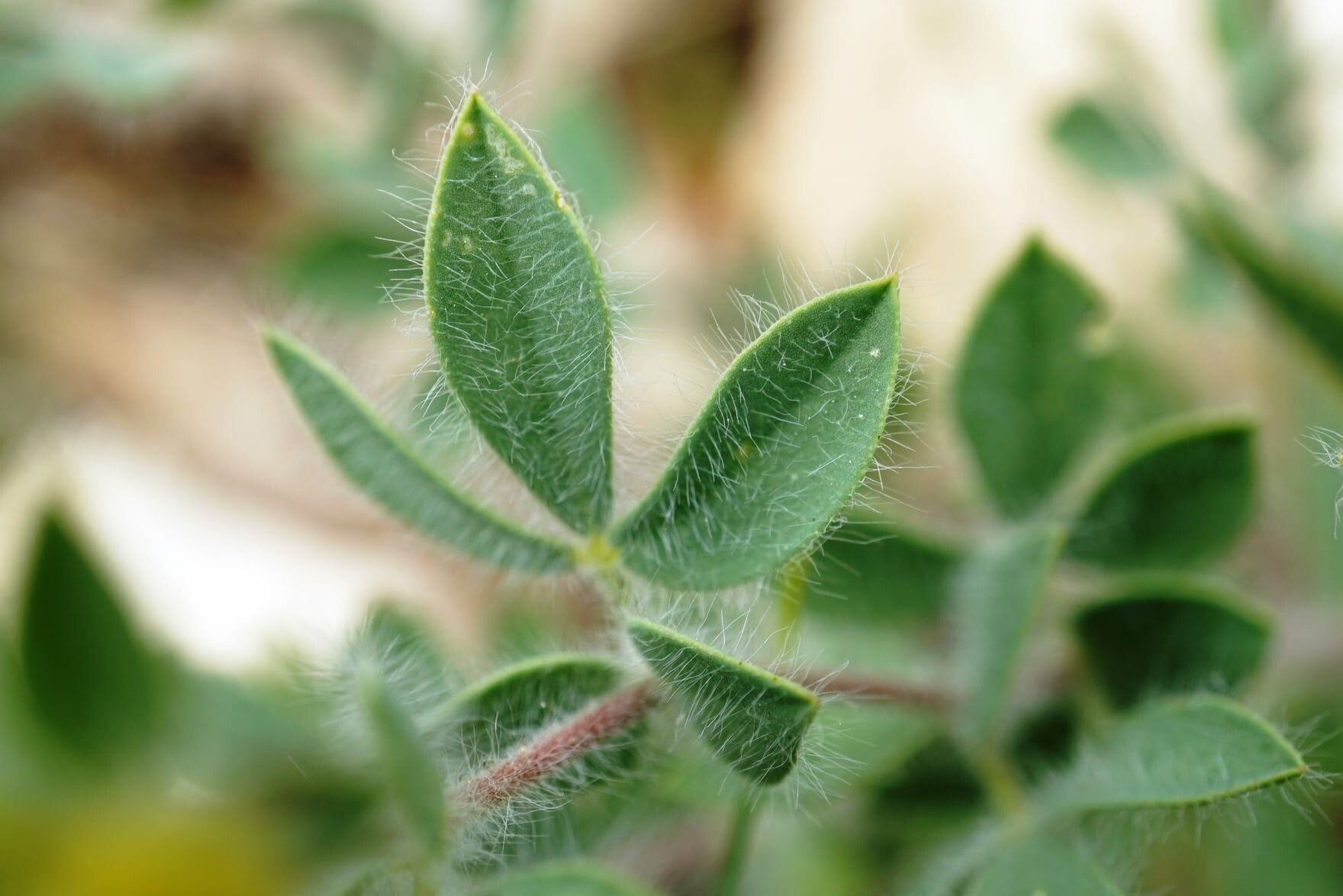
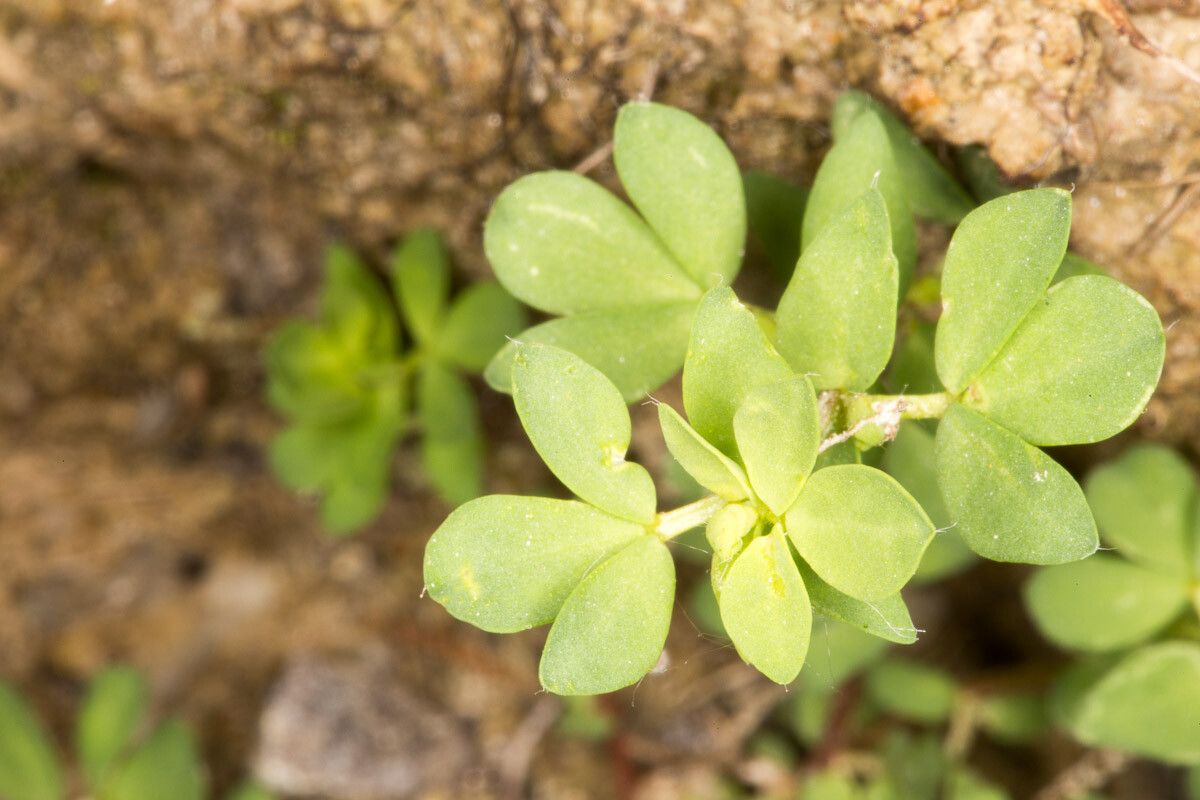
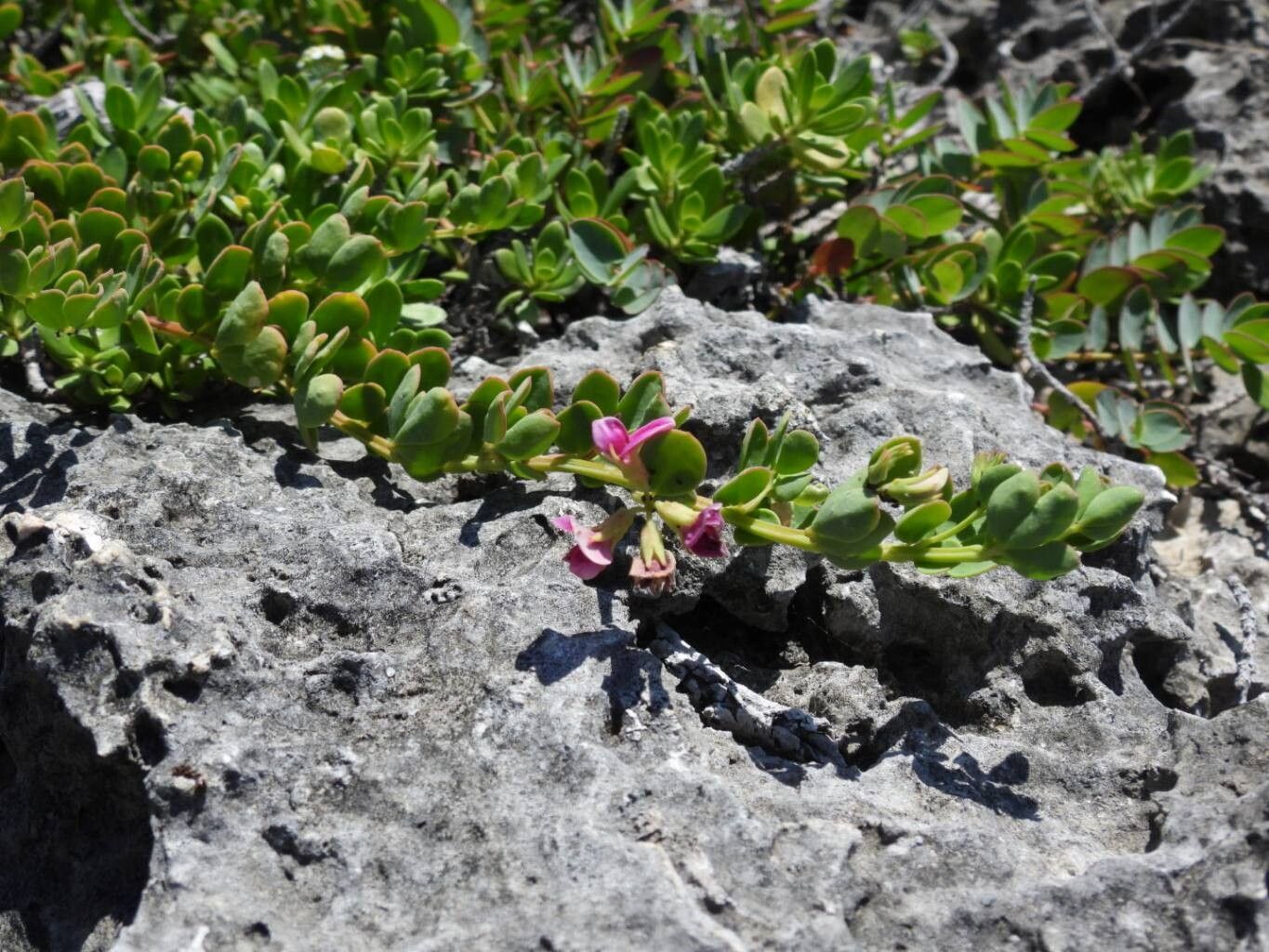
Lotus hispidus, commonly known as hispid bird's-foot trefoil, is a perennial herbaceous plant belonging to the Fabaceae family. Native to Europe and Asia, it thrives in various habitats, including meadows, grasslands, and open woodlands. The plant can grow up to 50 cm tall, featuring a branched stem that bears pinnate leaves with five leaflets. Its yellow flowers, which bloom from May to August, are grouped in clusters at the ends of the stems. The fruit is a small pod containing several seeds.
Historically, Lotus hispidus has been used for medicinal purposes due to its anti-inflammatory properties. It has also served as fodder for livestock, thanks to its high protein content.
Lotus hispidus plays a vital role in maintaining biodiversity by providing food sources for pollinators such as bees and butterflies. Additionally, its deep root system helps prevent soil erosion by stabilizing the soil.
In summary, Lotus hispidus is an essential plant species that significantly contributes to ecological balance while offering various benefits for human use.
Hairy bird's-foot-trefoil has strong disease resistance and is generally not prone to illnesses. However, it can be affected by pests and diseases present nearby, and such infections are usually not severe. In terms of care, this plant needs moderate maintenance. It should be pruned regularly to keep a good appearance and support healthy growth. Fertilizing can also help encourage flowering. Hairy bird's-foot-trefoil is suitable for anyone with outdoor space, such as a garden or patio, and does not demand extensive care experience. It may require more attention if grown indoors.
How to keep Lotus Hispidus.
Light
Hairy bird's-foot-trefoil is a perennial herbaceous plant that favors sunny sites and comes from open habitats, commonly found in meadows and grasslands. It prefers full sun but can also tolerate partial sun.
Water
The hairy bird's-foot-trefoil, native to dry environments, thrives with minimal moisture and only requires weekly watering. Typically cultivated outdoors, this hardy herbaceous plant benefits from careful water management during its growing season to ensure optimal growth and vitality.
Temperature
Hairy bird's-foot-trefoil can tolerate a wide range of temperatures, but its distribution may still be restricted by different combinations of moisture and heat. It does best in warm summer conditions with sufficient rainfall or watering. Extended periods of cloudy, rainy weather or prolonged high temperatures can raise the risk of Hairy bird's-foot-trefoil dying. In winter, appropriate protection from cold can increase the plant's chances of survival.
Fertilizer
For Hairy bird's-foot-trefoil, the primary time to fertilize is in early spring when the flowers are forming. The correct fertilizer promotes better blooms and helps Hairy bird's-foot-trefoil produce attractive flowers. Fertilizing in early spring ensures strong flowering during the season and supplies energy for dormant growth phases.
Pruning
Hairy bird's-foot-trefoil features compact clusters of vibrant yellow flowers atop fine, hairy stems. To maintain its shape and encourage healthy growth and abundant blooms, it's best to prune from early to late spring. Pruning also helps prevent diseases. Use clean, sharp tools to remove dead stems and reduce overcrowding, improving airflow around the plant.
Botanical profile.
- Plant Type
- Herb
- Life Cycle
- Perennial
- Genus
- Lotus
- Family
- Leguminosae
- Hardiness Zone
- 8-11
- Mature Height
- 10 cm to 30 cm
- Mature Spread
- 15 cm to 40 cm
- Leaf Color
- Green, Dark Green
- Leaf Type
- Deciduous
- Flower Color
- White, Pink
- Flower Size
- 1.02 cm to 2.03 cm
- Bloom Time
- Late spring, Early summer, Mid summer
- Planting Time
- Spring, Summer, Autumn
- Harvest Time
- Mid summer, Late summer, Early fall
Other names.
Reader questions.
What are the sunlight requirements for Hairy bird's-foot-trefoil (Lotus hispidus)?
Hairy bird's-foot-trefoil (Lotus hispidus) has specific sunlight requirements to thrive. It needs partial sun, which means about 3-6 hours of sunlight each day, or it can grow in full sun, receiving more than 6 hours of sunlight daily. It's essential to observe the way sunlight moves through your garden to select the best spots that provide the ideal balance of light and shade. This careful placement ensures the plants grow happily and healthily.