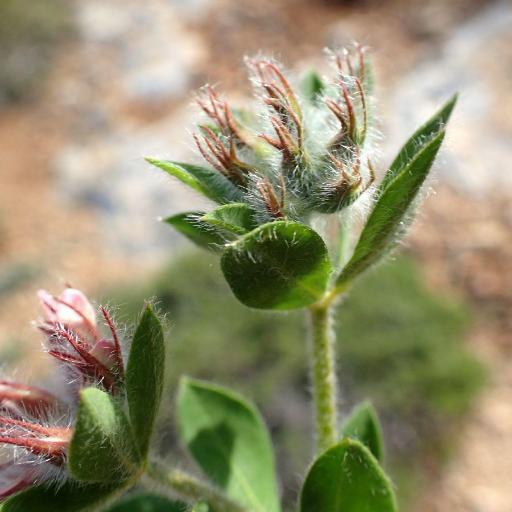
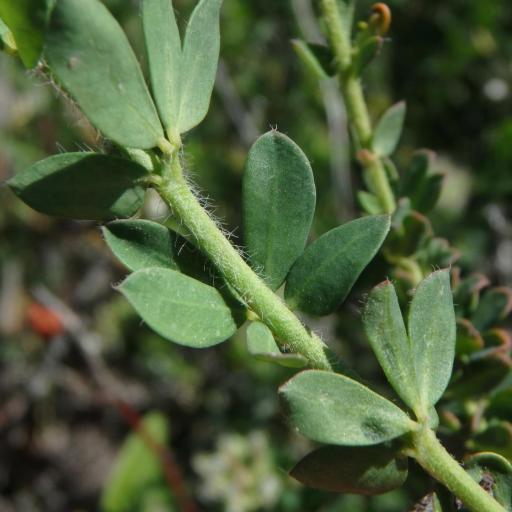
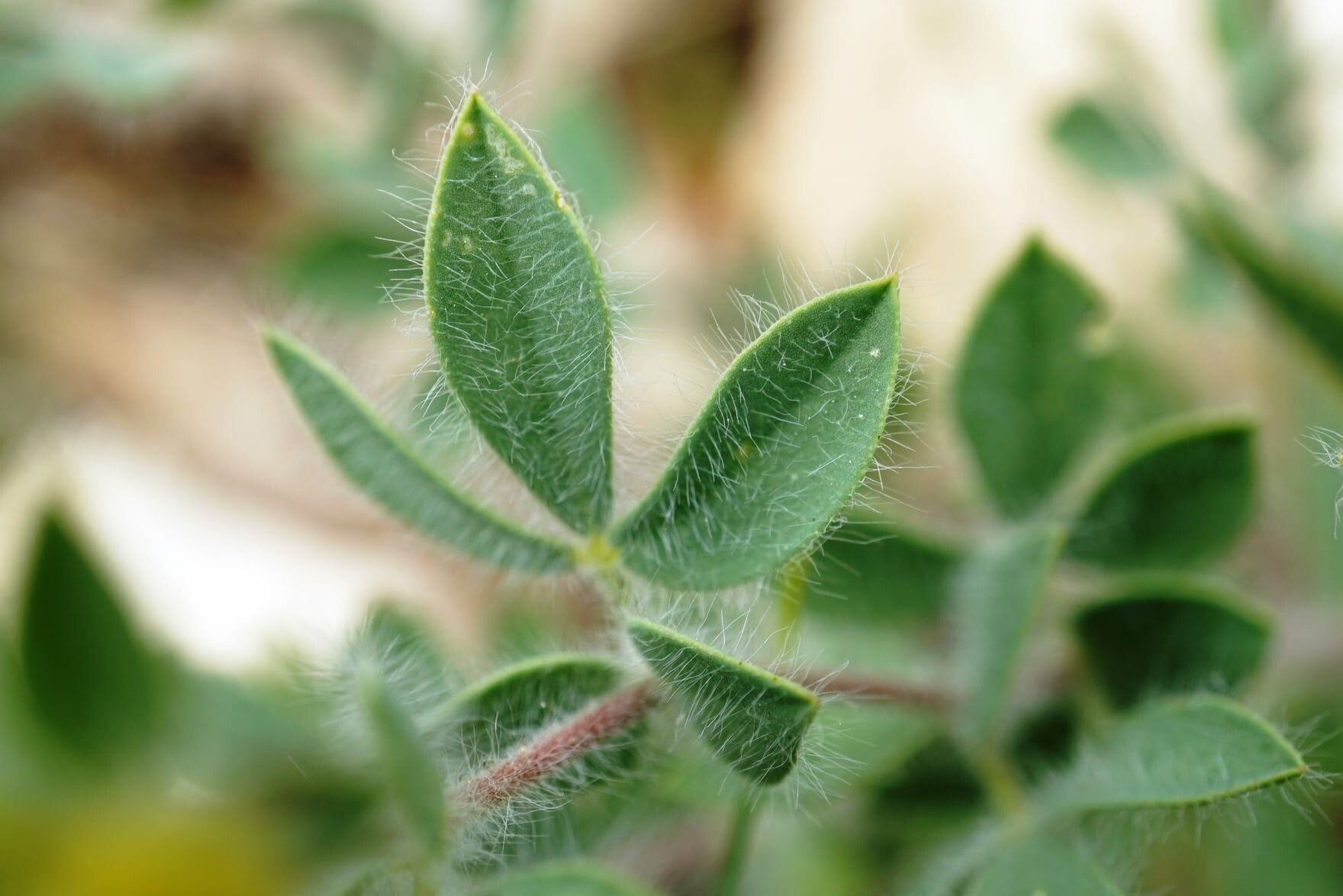
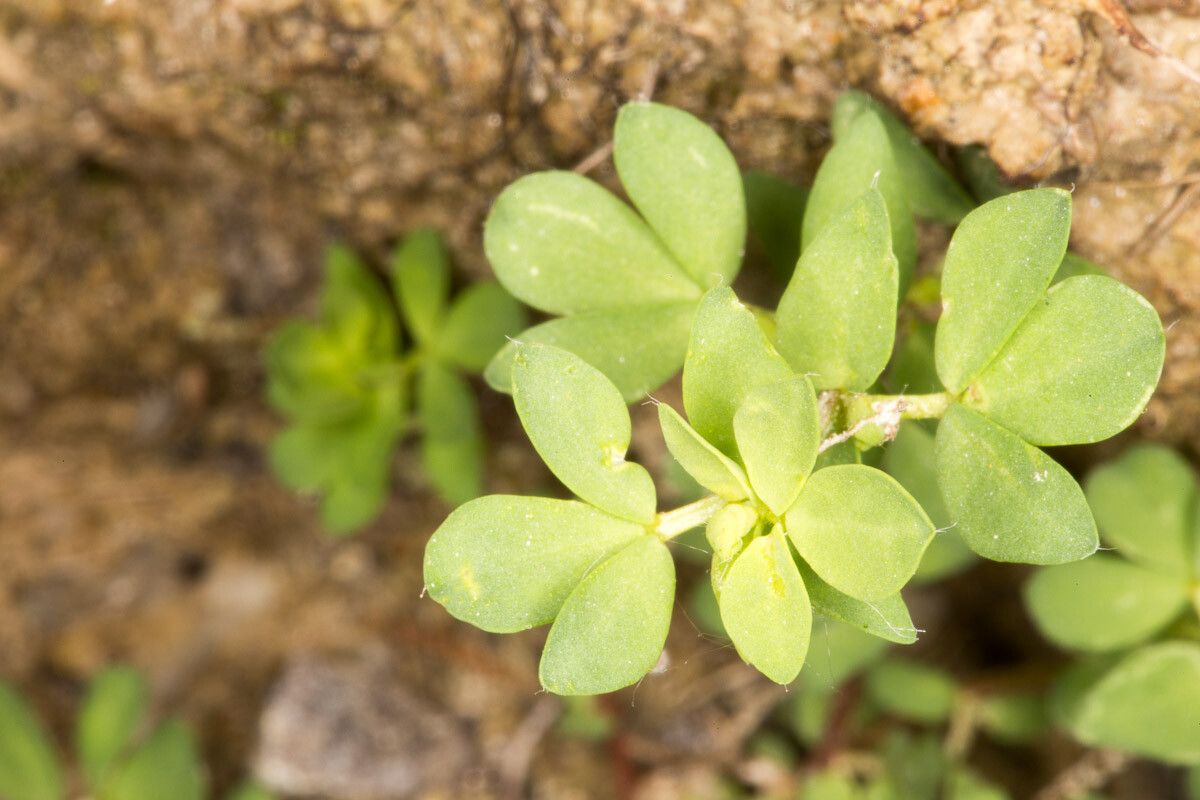
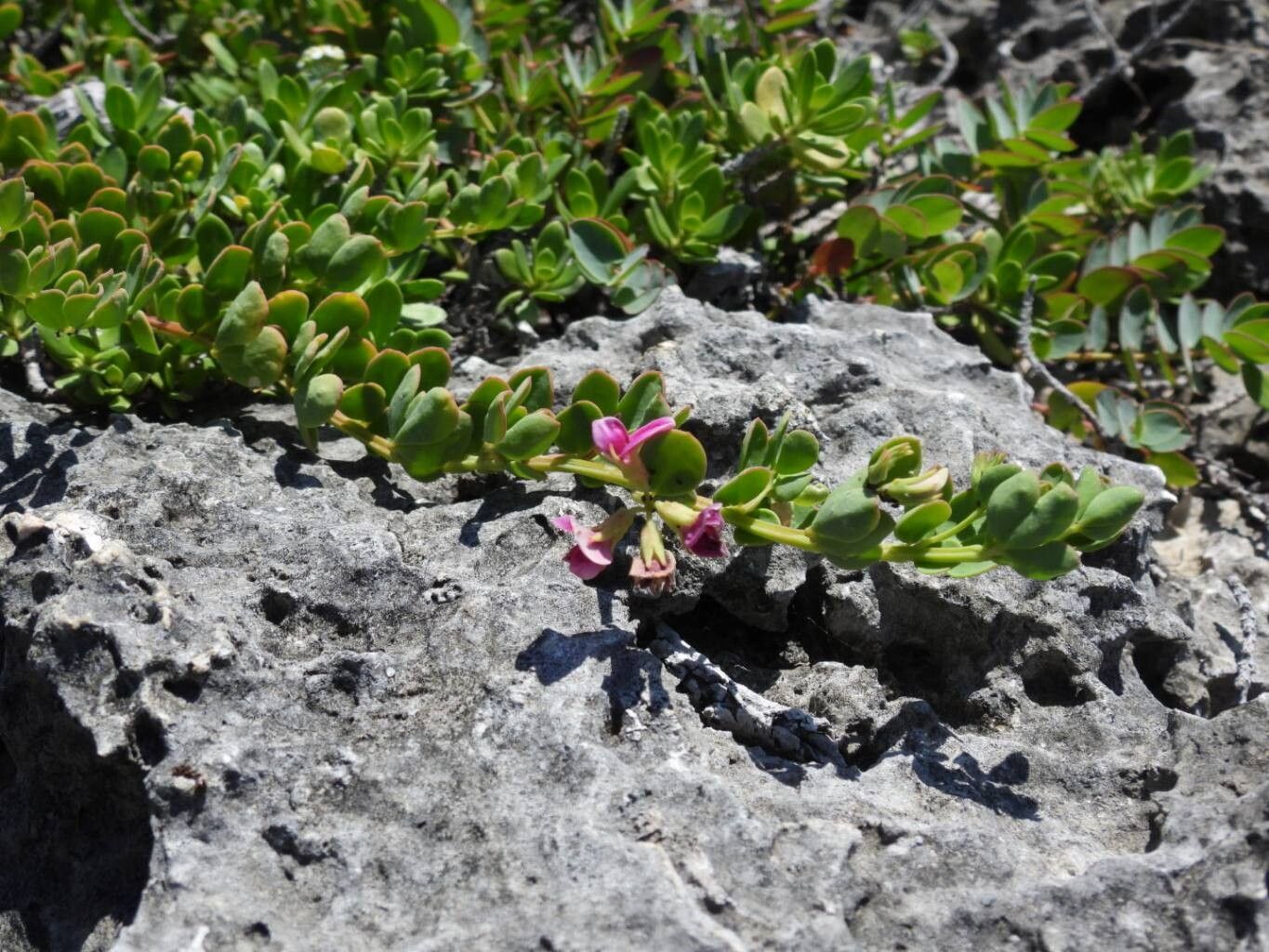
Lotus hirsutus, also known by the synonym Dorycnium hirsutum, common name: canary clover or hairy canary-clover, is a species of flowering plant in the legume family Fabaceae.
Hairy canary clover is disease-resistant and generally not prone to disease. Regarding care, the plant is fairly low-maintenance. When grown outdoors it needs little watering, and larger plants typically do not require pruning. Smaller plants, however, should be pruned after they have bloomed. Hairy canary clover is suitable for anyone with outdoor space, such as a garden or deck, and does not require much gardening experience.
How to keep Lotus Hirsutus.
Light
The hairy canary clover performs best when exposed to abundant sunlight, which supports robust growth. Coming from regions with plentiful sun, it is adapted to bright environments. Insufficient light can stunt its growth, while excessive sun may scorch the plant.
Temperature
Hairy canary clover is native to areas with mild to warm temperatures, preferring 59 to 95 °F (15 to 35 °C). When seasons change, adjust the growing conditions to mimic that native climate for optimal growth.
Fertilizer
Proper timing is essential for fertilizing Hairy canary clover. Start in early spring and continue monthly through early summer. Fertilizer encourages attractive blooms and supplies energy during both dormant and active growth periods.
Botanical profile.
- Plant Type
- Shrub
- Life Cycle
- Perennial
- Genus
- Lotus
- Family
- Fabaceae
- Hardiness Zone
- 8-10
- Mature Height
- 20 cm to 49 cm
- Mature Spread
- 61 cm to 91 cm
- Leaf Color
- Green, Gray, Silver
- Leaf Type
- Evergreen
- Flower Color
- Pink, Purple
- Flower Size
- 1.02 cm to 1.52 cm
- Bloom Time
- Late spring, Early summer, Mid summer
- Planting Time
- Winter
- Harvest Time
- Late summer, Early fall
Other names.