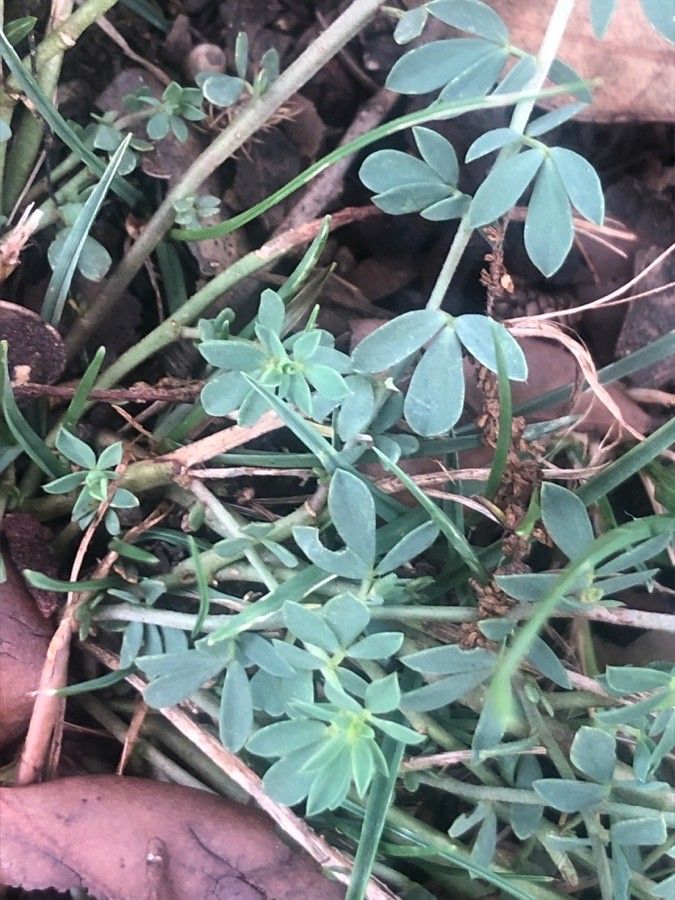
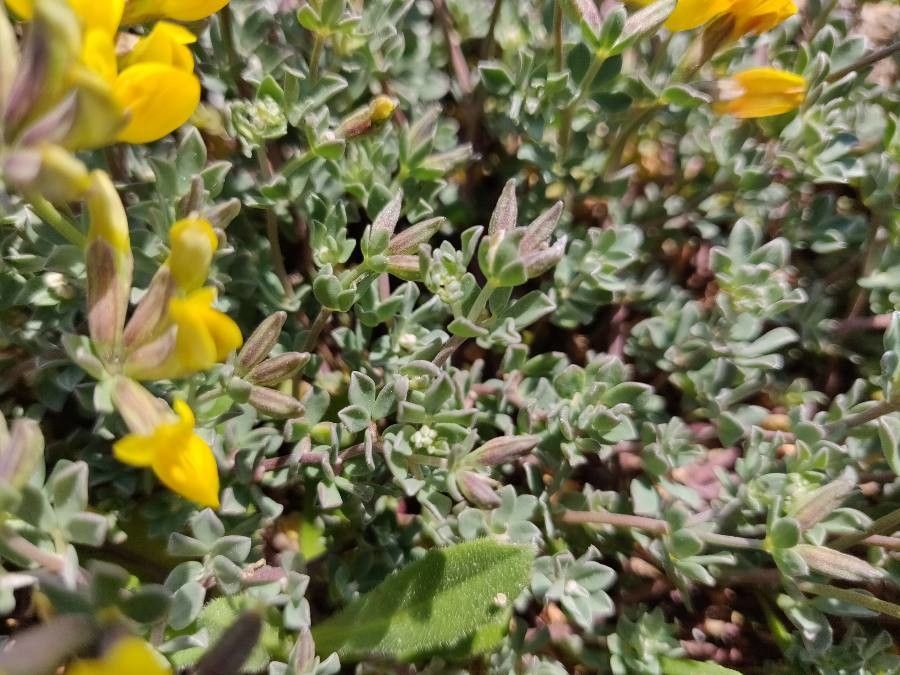
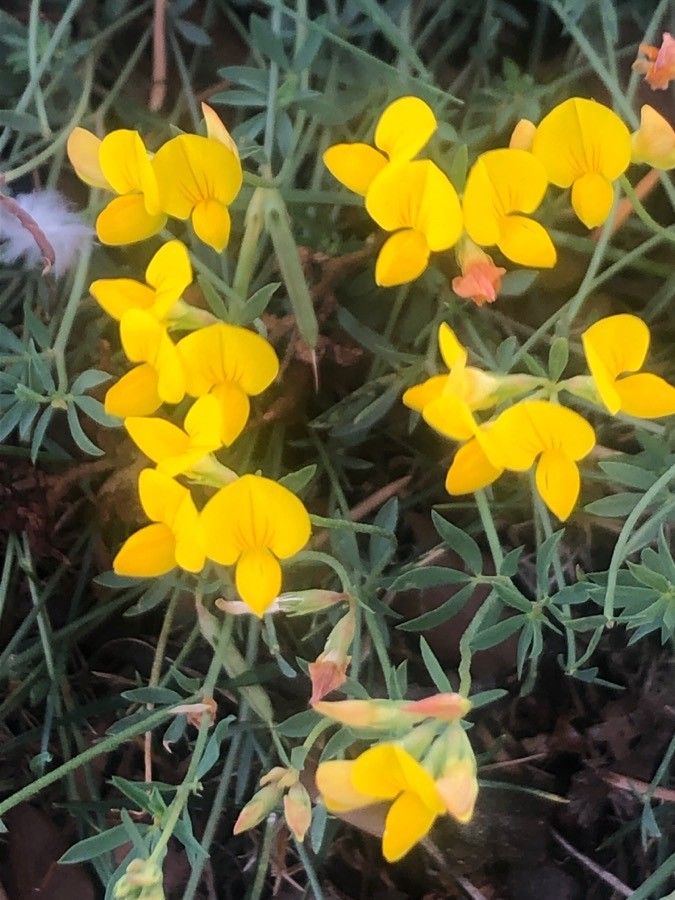
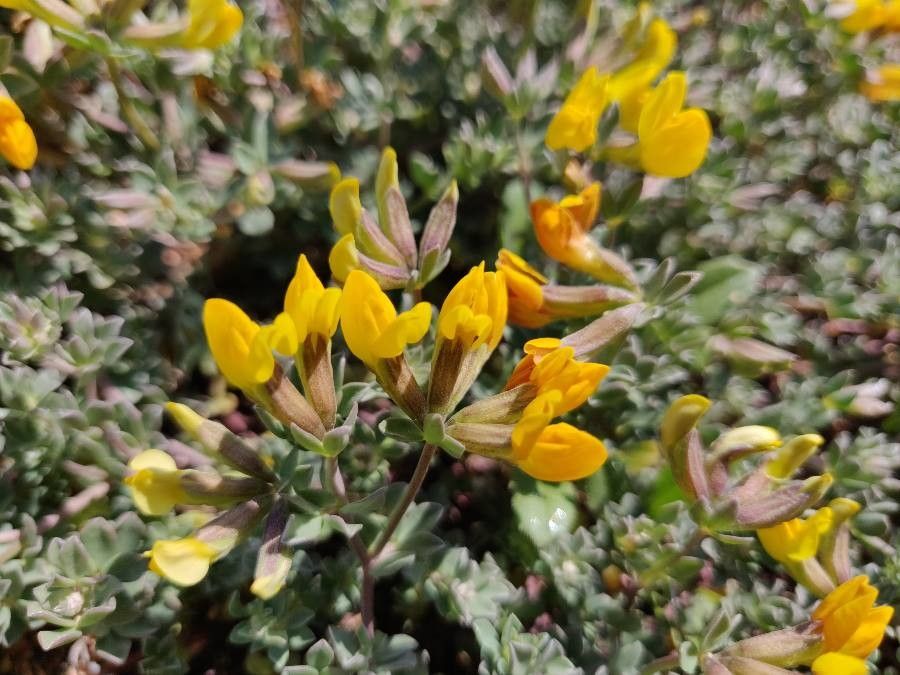
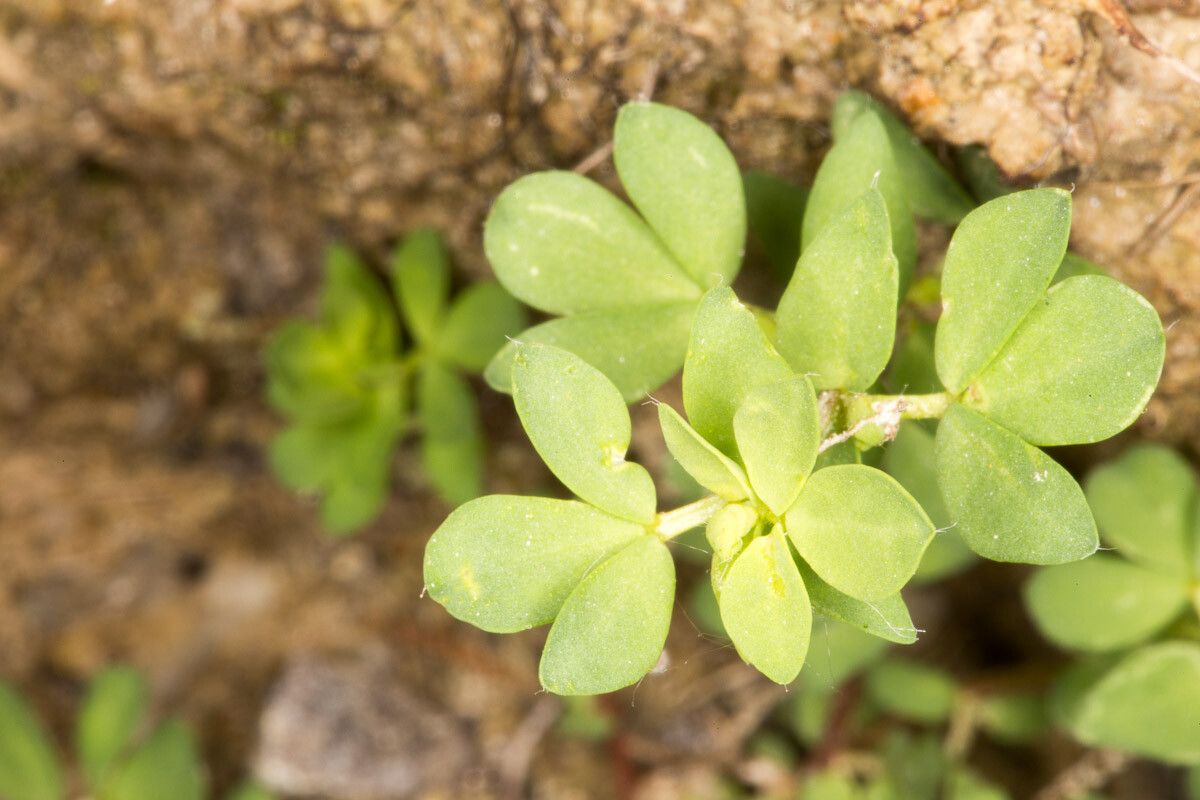
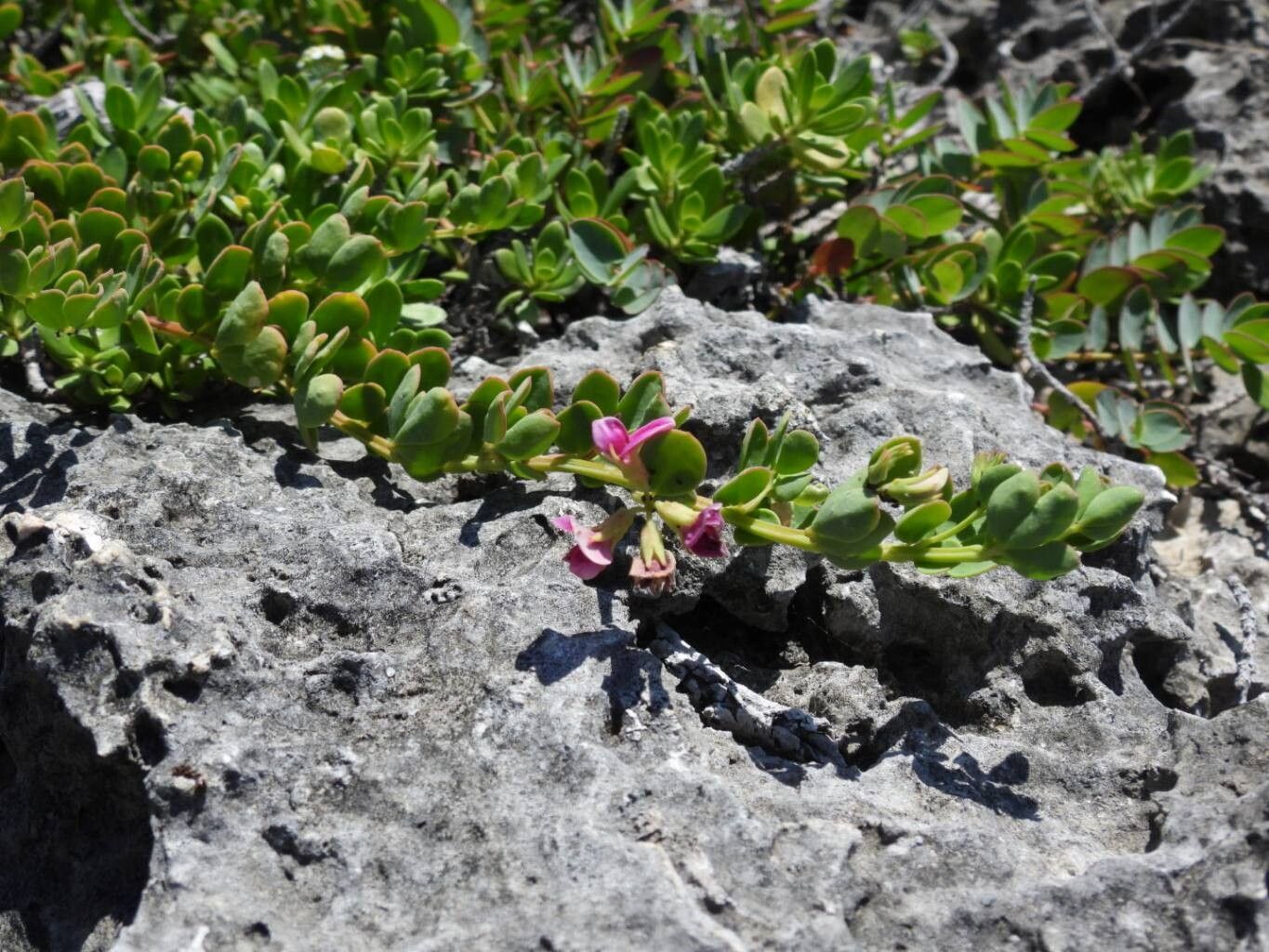
Lotus cytisoides, commonly known as the Spanish bird's-foot trefoil, is a perennial herbaceous plant in the Fabaceae family. Native to the Mediterranean region, it thrives in various habitats such as rocky slopes, dry meadows, and open woodlands.
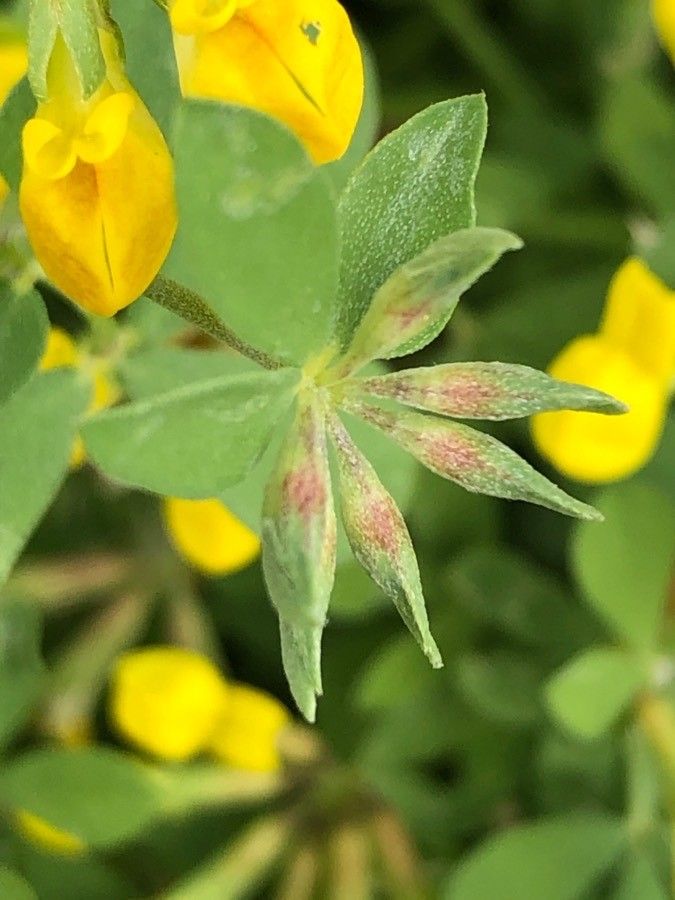
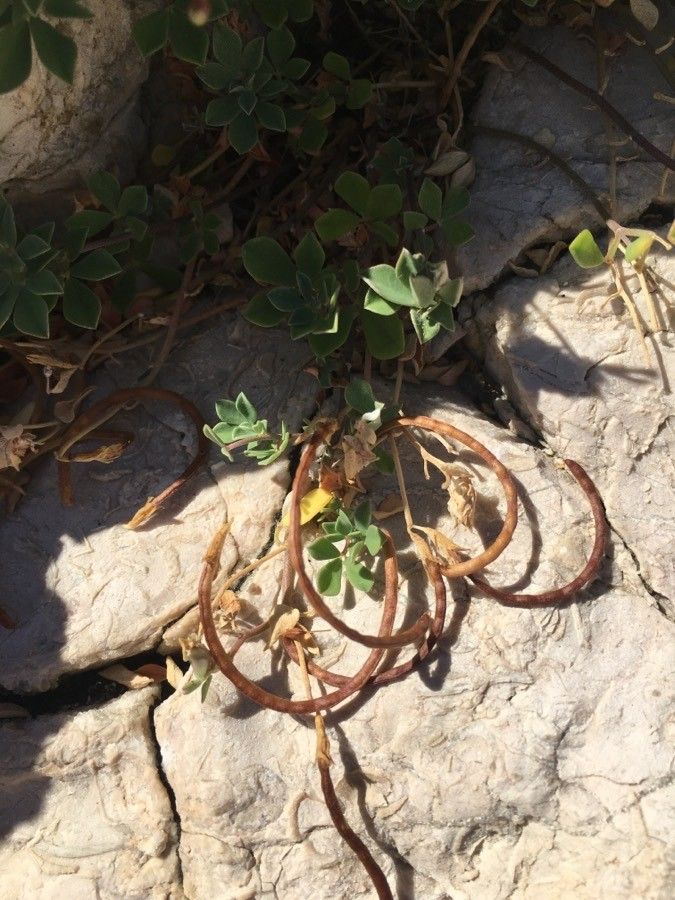
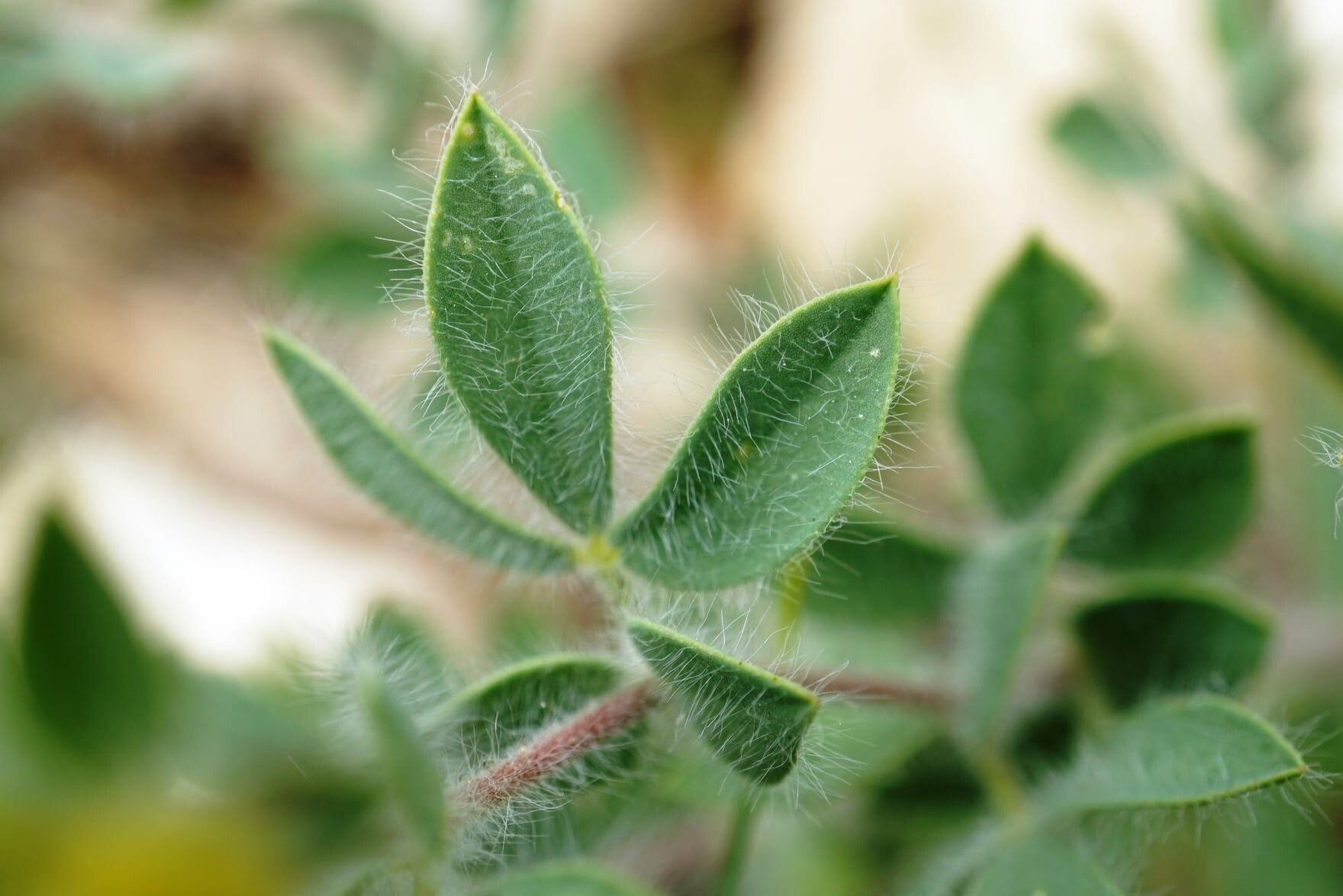
Reaching up to 50 cm in height, the plant features a woody stem with numerous branches. Its trifoliate leaves have elliptical leaflets that are green on top and grayish-green underneath. The small yellow flowers are characterized by their five petals arranged in a bird's-foot shape.
Lotus cytisoides is a valuable forage plant for livestock due to its high protein content. It also has medicinal properties; for example, it is used as an anti-inflammatory agent to treat skin conditions like eczema.
The Spanish bird's-foot trefoil can be propagated through seeds or cuttings during spring or autumn. It prefers well-drained soils with moderate moisture levels but can tolerate drought conditions once established.
Overall, Lotus cytisoides is an attractive ornamental plant that provides ecological benefits while also offering practical uses in agriculture and medicine.
Grey bird's-foot-trefoil is fairly disease-resistant and is generally not prone to illnesses. However, it can be susceptible to pests and diseases present in its surroundings. These infections are typically not severe. For care, this plant requires moderate maintenance. It should be pruned regularly to maintain a tidy appearance and promote healthy growth. Fertilizing can also help encourage flowering. Grey bird's-foot-trefoil is suitable for anyone with an outdoor area, such as a garden or patio, and does not demand extensive care experience. It may need more attention when grown indoors.
How to keep Lotus Cytisoides.
Light
Grey bird's-foot-trefoil is a sun-loving, perennial herbaceous plant native to open habitats and commonly found in meadows and grasslands. It prefers full sun but can also tolerate partial sun.
Water
Grey bird's-foot-trefoil, native to Mediterranean climates, is a drought-tolerant plant that requires minimal irrigation. Ideally, it should be watered once a week. This plant thrives outdoors in full sun, where the increased evapotranspiration influences its watering needs, making it an excellent choice for arid environments.
Temperature
Grey bird's-foot-trefoil comes from tropical areas, where the climate is usually warm and humid. As a result, it is well suited to high temperatures and humidity. It does not tolerate sudden temperature changes and prefers a stable temperature environment, so avoiding temperature fluctuations indoors is important. It typically cannot withstand cold and requires warmer conditions to grow. If the ambient temperature falls too low, the plant may stop growing or even die.
Fertilizer
Correct fertilization is vital for the health and appearance of Grey bird's-foot-trefoil. Fertilize Grey bird's-foot-trefoil in summer, repeating the application monthly throughout the season. Nutrients support growth and help maintain the plant's parts. Fertilization improves the flower display of Grey bird's-foot-trefoil, ensuring the best blooms.
Pruning
Grey bird's-foot-trefoil, with its silver-green leaves and bright yellow flowers, thrives when pruned from early to late spring. To ensure the plant remains healthy and vibrant, trim away dead stems and limit cuts to only a third of its size, which helps prevent shock. This careful pruning encourages denser foliage and more abundant blooms, enhancing the plant's compact form and ornamental appeal.
Botanical profile.
- Plant Type
- Herb
- Life Cycle
- Perennial
- Genus
- Lotus
- Family
- Fabaceae
- Hardiness Zone
- 10-12
- Mature Height
- 20 cm to 25 cm
- Mature Spread
- 30 cm to 61 cm
- Leaf Color
- Light Green, Gray
- Leaf Type
- Deciduous
- Flower Color
- Yellow
- Flower Size
- 1.02 cm to 2.03 cm
- Bloom Time
- Mid spring, Late spring, Early summer
- Planting Time
- Spring, Summer, Autumn
- Harvest Time
- Summer
Other names.
Reader questions.
How should I water my Grey bird's-foot-trefoil plant?
To properly water the Grey bird's-foot-trefoil, use filtered water at room temperature or slightly warmer. Tap water may contain harmful particles for this plant's health. Since the Grey bird's-foot-trefoil is from a warm environment, using cold water can be a shock to its system. Avoid overhead watering, as it can cause foliage problems. Instead, apply filtered room temperature water directly to the soil until it is thoroughly soaked. This helps moisten the roots and aids in their spread through the soil to collect necessary nutrients.
What are the sunlight requirements for Grey bird's-foot-trefoil?
Grey bird's-foot-trefoil requires full sun, which means it needs above 6 hours of sunlight daily, but it can also tolerate partial sun conditions, equating to about 3-6 hours of sunlight. This sun-loving perennial herbaceous plant thrives best in open habitats such as meadows and grasslands. It's important to observe the movement of sunlight through your garden to ensure that you're choosing spots that provide the perfect balance of light and shade for your plants, ensuring their optimal growth and happiness.
What is Grey bird's-foot-trefoil?
Grey bird's-foot-trefoil, scientifically known as Lotus cytisoides, is a plant species. Unfortunately, the provided information does not include further details about its characteristics, habitat, uses, or any specific attributes. Please consult a more detailed source for comprehensive information on Grey bird's-foot-trefoil.
What should I do if I give my Grey bird's-foot-trefoil too much or too little water?
Both overwatering and underwatering can harm your Grey bird's-foot-trefoil, but overwatering is more common. If this species gets too much water, its stems and leaves may wilt and turn yellow. Overwatering for a long time can also cause diseases like root rot, mold, and mildew that can kill the plant. Underwatering is less common because the Grey bird's-foot-trefoil can tolerate drought. However, it can still happen and result in brittle, brown leaves. It's essential to recognize signs of overwatering early. Some diseases caused by overwatering, like root rot, may be irreversible if not addressed promptly. If you see early signs, reduce watering immediately and check the soil's drainage. Replace soil that doesn't drain well with a loose, well-draining potting mix. If you notice signs of underwatering, increase watering until the signs disappear.
How do artificial lights help Grey bird's-foot-trefoil growth indoors?
Indoor plants like Grey bird's-foot-trefoil require adequate lighting for optimal growth. When natural sunlight is insufficient, especially during winter or in areas of the home that do not receive enough sunlight, artificial lights can be a vital solution. LED lights are a popular choice because they can provide specific wavelengths needed by plants. For full sun plants, 30-50W/sq ft of artificial light is recommended, whereas partial sun plants need 20-30W/sq ft, and full shade plants require 10-20W/sq ft. The light source should be placed 12-36 inches above the plant and kept on for 8-12 hours per day to mimic natural daylight hours, promoting faster and healthier growth.
How often do I need to water my Grey bird's-foot-trefoil?
If your Grey bird's-foot-trefoil plant is in a pot, the most precise way to determine if it needs water is by checking the soil. Simply insert your finger into the soil and if the top two to three inches feel dry, then it's time to water it. If you have your Grey bird's-foot-trefoil planted outdoors in the ground, you can use a similar method to test the soil. Again, check the top few inches and if they are dry, it's time to give it some water. During spring and early fall, watering about once a week should be sufficient using this method. However, during extremely hot weather, you may need to increase watering to around twice a week or more. It's worth noting that mature, well-established Grey bird's-foot-trefoil plants have a remarkable ability to tolerate drought.
What are the symptoms of inadequate lighting for Grey bird's-foot-trefoil?
When Grey bird's-foot-trefoil is subjected to inadequate lighting, several symptoms can manifest, indicating the plant is struggling. These include new leaves growing smaller than previous ones, leggy or sparse growth, increased shedding of older leaves, halted or delayed new leaf production, and leaves appearing lighter or developing irregular color patterns indicating a lack of chlorophyll. Conditions such as chlorosis, sunscald, leaf curling, wilting, and leaf scorching can also occur as a result of unsuitable light conditions, either due to insufficient light or excessive sun exposure.
How much water does my Grey bird's-foot-trefoil require?
To properly water your Grey bird's-foot-trefoil, don't be afraid to give it a generous amount of water. Make sure the top two to three inches of soil are dry before watering and then give it a thorough soaking. The water should be enough to completely saturate the soil and drain through the pot's drainage holes. If you don't see any excess water draining, you may have not given enough water. Avoid letting water accumulate in the soil as it can harm the plant. On the other hand, if water doesn't drain well from the pot, it could indicate poor soil drainage, which is not good for the plant's health. If the plant is outside, 1 inch of rain per week should be enough.
What solutions can correct light deficiency issues for Grey bird's-foot-trefoil?
To address light deficiency in Grey bird's-foot-trefoil, it is essential to gradually introduce the plant to more sunlight or supplement natural light with artificial lighting. For indoor plants, gradually moving them to a sunnier location each week until they receive at least 6 hours of direct sunlight daily is beneficial. Use south-facing windows and keep curtains open during the day. If the plant is large or not easily moved, consider using artificial light sources for at least 8 hours daily. Outdoors, moving plants to sunnier spots gradually helps them adapt without the risk of sunburn. Reducing obstructions or transplanting smaller plants during their dormant period to areas with ample sunlight can improve health in garden settings.
How do I water my Grey bird's-foot-trefoil as it grows?
The water needs of the Grey bird's-foot-trefoil can vary based on its growth stages. During the first few years of its life or after transplanting to a new location, it requires more water. This is because during these stages, the plant focuses on developing new roots to support future growth, and these roots need extra moisture. As the plant matures, it will require less water. Additionally, during the bloom period, the plant may need more water as flower development requires significant moisture.
How should I water my Grey bird's-foot-trefoil throughout the year?
The Grey bird's-foot-trefoil has different water needs throughout the year. During the hottest months, it requires more water and you may need to water it more than once a week. However, in the winter, it enters a dormant phase and requires far less water. In fact, you may not need to water it at all. If you do choose to water it in winter, limit it to about once a month to avoid the risk of disease.
What's the difference between watering my Grey bird's-foot-trefoil inside and outside?
The Grey bird's-foot-trefoil is commonly grown indoors by gardeners who do not live in temperate or tropical regions. It is important to note that soil in a container can dry out faster than ground soil, especially in the presence of drying elements like air conditioning units. If the plant is planted outside and receives regular rainfall, watering may not be necessary. However, for those growing the plant indoors, regular watering is required as rainwater cannot penetrate the soil.