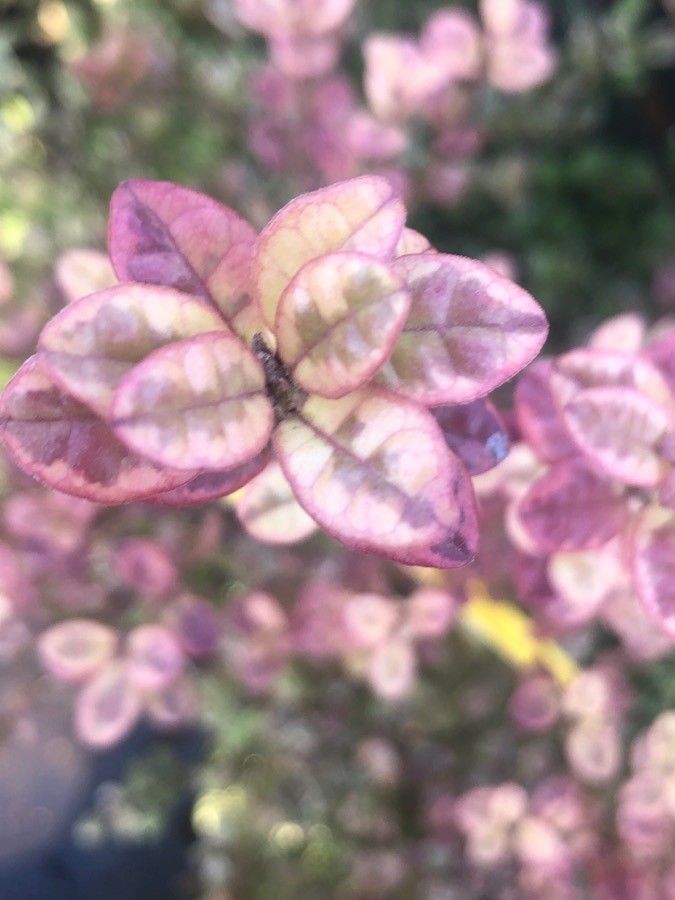
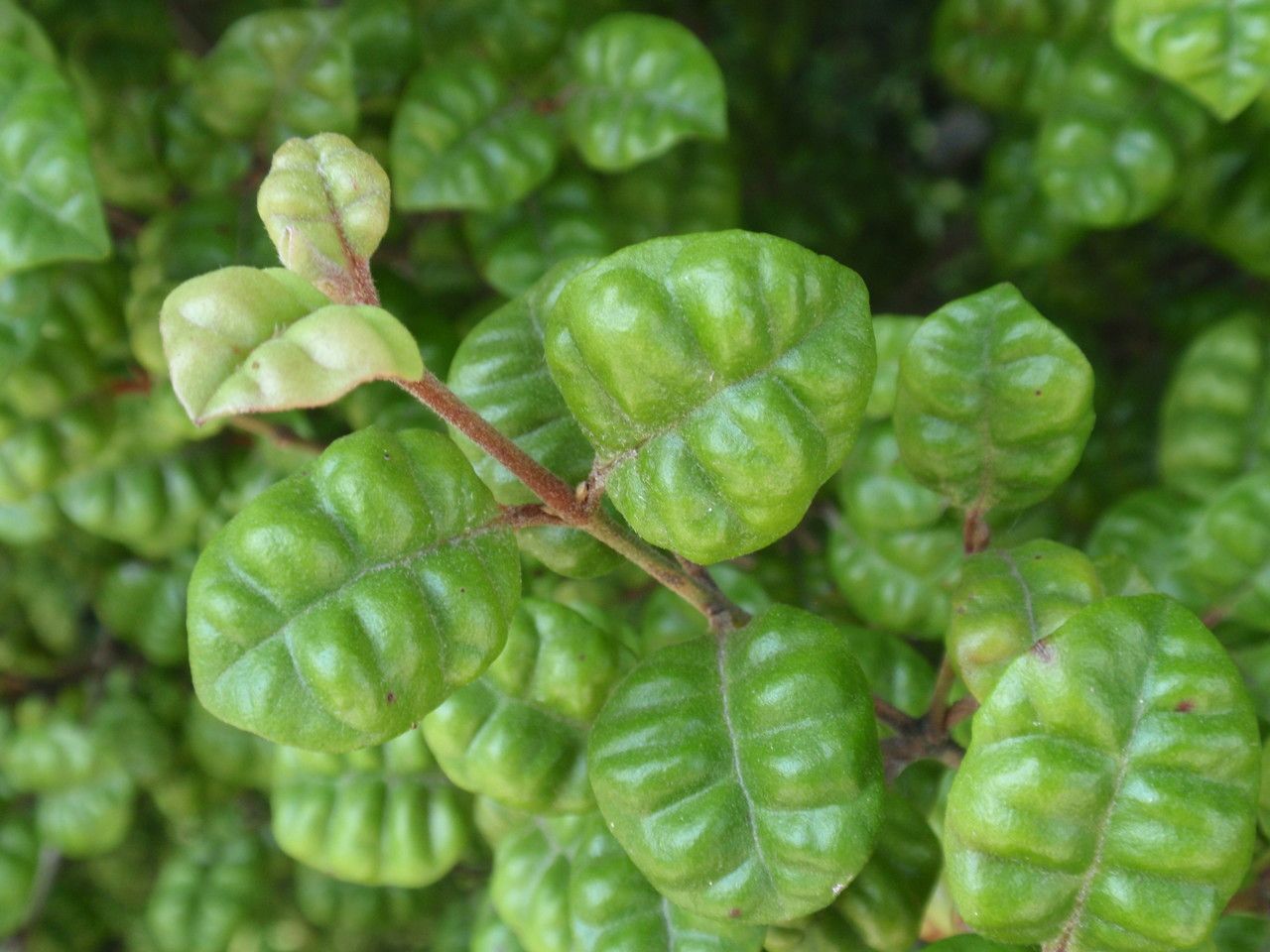
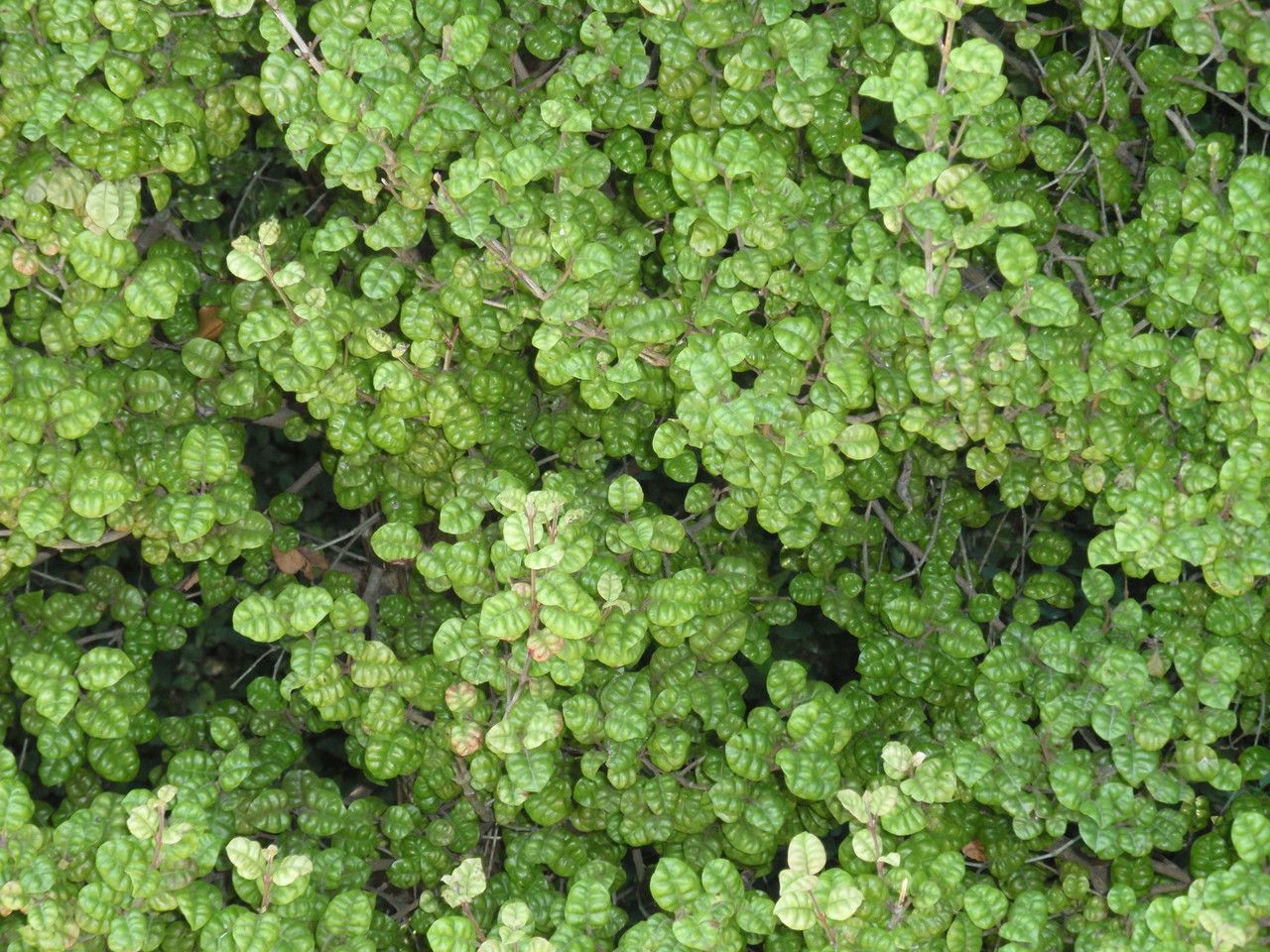
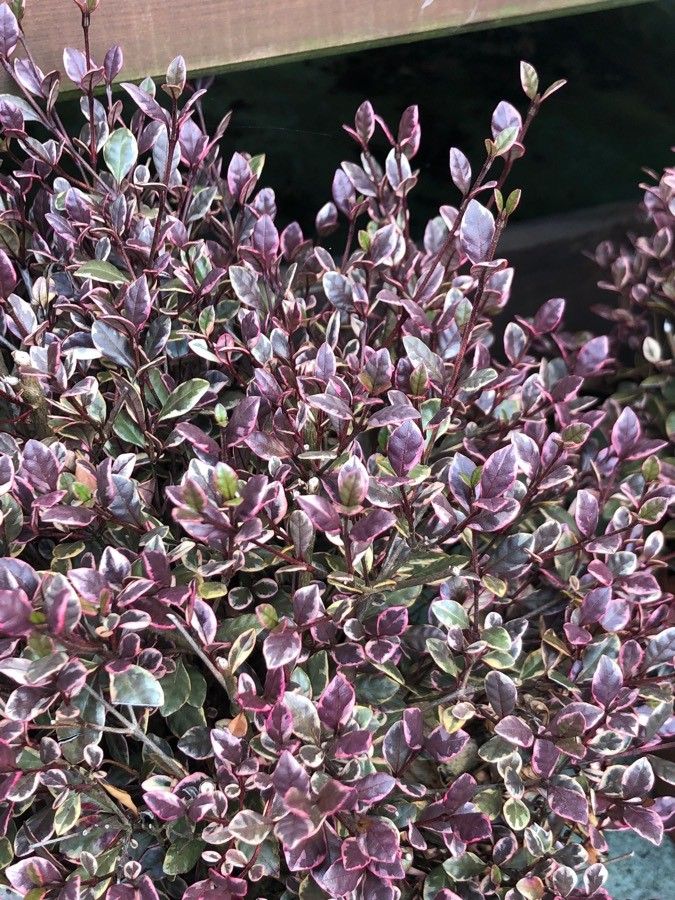
Lophomyrtus bullata, also known by its Māori name of ramarama, is a species of evergreen myrtle shrub in the genus Lophomyrtus, family Myrtaceae. It is endemic to New Zealand.Lophomyrtus bullata grows to a height of 8 metres, producing many branches closely packed together. The leaves are oval shaped, thick, shiny and bubbled, varying in colour from dark green to yellow green. They can also appear spotted with red, maroon, or blackish marks. Ramarama flowers between November and March, and subsequently fruits from January through to June.As of 2020, ramarama has become severely threatened by myrtle rust (Austropuccinia psidii), a pathogenic fungus that arrived in New Zealand in 2017.
Rama rama has strong resistance to disease and is generally not susceptible to illnesses. Regarding care, this plant is fairly low-maintenance. When grown outdoors, it needs only light watering and larger specimens usually do not require pruning. Smaller plants, however, should be pruned after they have finished blooming. Rama ramat is appropriate for anyone with an outdoor area, such as a garden or deck, and does not call for extensive care experience.
How to keep Lophomyrtus Bullata.
Light
Rama rama prefers abundant light but can also do well in moderate light. The light conditions in its native habitat reflect this and help promote healthy growth. Excessive light exposure can cause damage, while insufficient light may restrict its growth.
Temperature
Rama rama is adapted to flourish in its native habitat with temperatures ranging from 59 to 100 °F (15 to 38 ℃). It prefers a temperate climate but can acclimate when necessary. Seasonal temperature shifts should be gradual to prevent stressing the plant.
Fertilizer
Timing is essential for fertilizing Rama rama. Start fertilizing in early spring and continue monthly until early summer. Fertilizer encourages attractive blooms and gives the plant energy during both dormant and active growth periods.
Pruning
Rama Rama is known for its attractive leaves and colorful foliage. To maintain its health and beauty, it's important to prune the plant from early to late winter. During this time, remove any dead or crossing branches to improve airflow. Regular thinning will also encourage growth. It is best to avoid heavy pruning when the plant is not dormant, as this can reduce stress and help keep the plant healthy and appealing all year round.
Botanical profile.
- Plant Type
- Shrub
- Life Cycle
- Perennial
- Genus
- Lophomyrtus
- Family
- Myrtaceae
- Hardiness Zone
- 8-11
- Mature Height
- 7.92 m
- Mature Spread
- 1.52 m
- Leaf Color
- Green, Bronze
- Leaf Type
- Evergreen
- Flower Color
- White
- Flower Size
- 1.27 cm to 1.52 cm
- Bloom Time
- Winter
- Planting Time
- Spring, Summer, Autumn
- Harvest Time
- Spring
- Native Area
- New Zealand
Other names.
Reader questions.
How much water does my fish need?
To properly water your Rama rama, you don't always need to use a lot of water. If only a few inches of soil have dried since your last watering, giving it about five to ten ounces of water is enough for healthy growth. You can also determine the water volume based on the dryness of the soil. Take note of how many inches of soil have dried between waterings. To ensure your Rama rama gets enough moisture, make sure to water it sufficiently so that all the dry soil layers from the previous watering are moistened. If more than half of the soil has dried out, give it more water until you see excess water draining from the pot's holes. If your Rama rama is planted in an area with sufficient rain, it may not need additional watering. When it's young or being established, give it 1-2 inches of rain per week. As it grows, it can rely on rainwater alone, unless there's hot weather with no rainfall for 2-3 weeks, in which case give it a thorough watering to prevent stress.
Do I have to put fertilizer on my Rama rama plant?
No matter which type of Rama rama you have, regular fertilization is crucial for its overall health. Providing the right nutrients promotes stronger growth and increases its resilience to tough conditions, as well as its ability to fight off diseases and pests. The foliage of your Rama rama is particularly appealing, so it's important to maintain it. To achieve this, you should establish and stick to a fertilization schedule tailored to your specific Rama rama. This will result in vibrant leaves and an overall lush appearance.
What kind of sunlight does Rama rama need?
Rama rama plants thrive in full or part sun. They prefer direct morning light, but during summer, they should be shielded from intense afternoon sun. Too much hot afternoon sun in temperate environments can scorch the leaves, affecting the plant's looks and well-being.
What temperature is best for Rama rama?
Plants can be affected by colder temperatures because they are at the same temperature as the air around them. When exposed to sunlight, they can warm up again, but this does not happen in winter. The ideal temperature range for Rama rama plants is typically between 70-85℉ (21-30℃). They might be able to tolerate temperatures as low as 20-30℉ (-6-0℃), and even as low as 15℉ (-10℃), but not for an extended period of time as it can result in frost damage. The maximum temperature should be around 70-85℉ (21-30℃), and it is recommended to spray them with water occasionally and provide some shade to prevent wilting.
How can I know if I'm giving enough water to my Rama rama?
The Rama rama often faces issues with overwatering, which can be identified through various signs. Typically, an overwatered Rama rama will have yellowing leaves and may even shed some of them. Overwatering can also cause the plant's overall structure to shrivel and potentially lead to root rot. Conversely, an underwatered Rama rama will begin to wilt and may develop brown or brittle leaves. Regardless of whether you observe signs of overwatering or underwatering, it is important to take action and restore the health of your Rama rama.
What is the best time to fertilize my Rama rama?
To ensure healthy growth for your Rama rama, it is recommended to fertilize it during late winter or early spring. This provides all the necessary nutrients for your plant to thrive once the weather warms up. In warm climate regions, an extra fertilization in early fall can be beneficial. Not only does this add nutrients for the upcoming growing season, but it also helps your Rama rama withstand the cold winter and prevents foliage damage. Fertilizing earlier in the fall also allows the new branches enough time to grow and become better equipped to handle the winter conditions.
Does Rama rama need to stay out of the sun?
Rama rama, a plant that benefits from bright morning sun and some full sun exposure, may struggle with the harsh, hot midday sun during summer. While ground-planted Rama rama can gradually adapt to the increasing intensity of the summer sun, potted plants that have been indoors or in protected areas may suffer injury if suddenly exposed to direct midday summer sun. To shield this plant from the intense afternoon sun, it is recommended to either plant or place it in an understory location that provides shade at midday, such as beneath taller trees or plants, or near a building or landscape feature.
Do I need to change the temperature for Rama rama as it grows?
When growing Rama rama, it is important to research and ensure that the temperature is suitable. Some growers may choose to decrease the plants' thermostats to save on HVAC costs, but it is essential to understand that temperature can impact flowering, pest management, and plant quality. During winter, certain species of Rama rama may enter a dormant state, causing growth to halt. As the seasons change and the base temperature increases, Rama rama can grow faster. Species naturally found in warm environments have higher optimal temperatures compared to those thriving in cooler climates. Exposing Rama rama seeds to cooler temperatures can lead to decreased uniformity and delays. Lowering the temperature during flowering may be desirable, but not during other phases. Cooler night temperatures also require less water, so irrigation should be adjusted accordingly.
How should I water my Rama rama plant?
Your Rama rama doesn't require specific watering methods, so you can use various common tools like watering cans, hoses, or even cups to water it. It's best to water directly on the soil, making sure all areas are equally moistened to provide the necessary water to the entire root system. Filtered water is recommended to avoid potential harmful particles in tap water. Water at room temperature or slightly above is preferable to avoid shocking the Rama rama. However, this plant generally responds well to any type of water.
When is the best time to not fertilize my Rama rama?
There are a few times throughout the year when you should avoid fertilizing your Rama rama plant. The first is during the early and mid-winter months when the plant is dormant and does not require any feeding. Another time to avoid fertilizing is during the late spring and all of the summer, as the weather during this period tends to be hotter and drier. Fertilizing during these times can have a negative effect on your Rama rama plant. To prevent any problems, it is best to stick to a fertilization schedule of feeding only during early spring and early fall.
How many hours of sunlight should Rama rama get each day to grow healthy?
To ensure healthy growth, Rama rama should receive a minimum of 3-6 hours of sun per day. While this is a minimum requirement, plants that can tolerate part sun can also do well in full sun. These plants are more adaptable as they need less light for photosynthesis compared to those that specifically need full sun or part shade.
How can I make sure Rama stays warm during cold seasons?
To help your plant withstand colder temperatures, stop fertilizing it so that new growth stops and the existing foliage becomes more resilient. You can also protect the plant by creating structures like cages or trellises to keep it warm. Additionally, consider using heat mats to gently warm the soil, as they can consistently maintain the ideal temperature range for the plant.