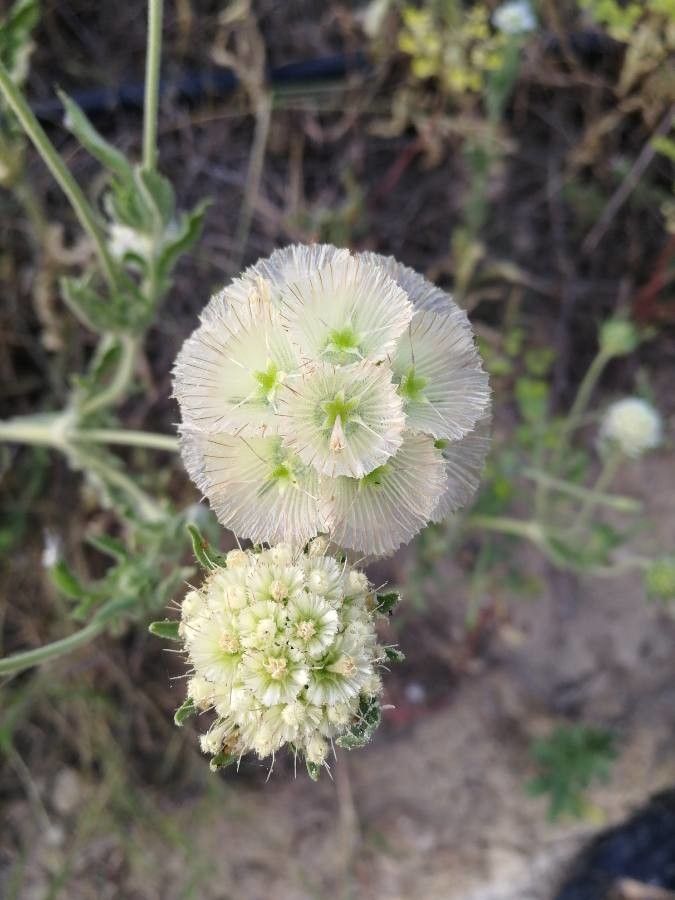
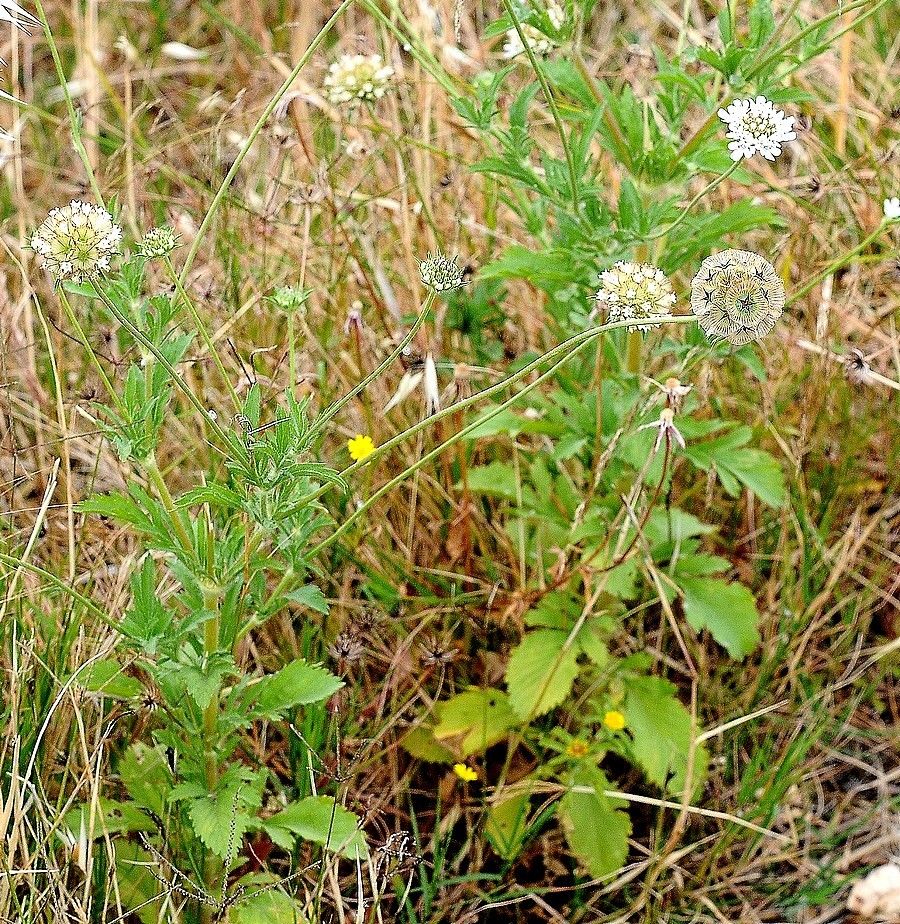
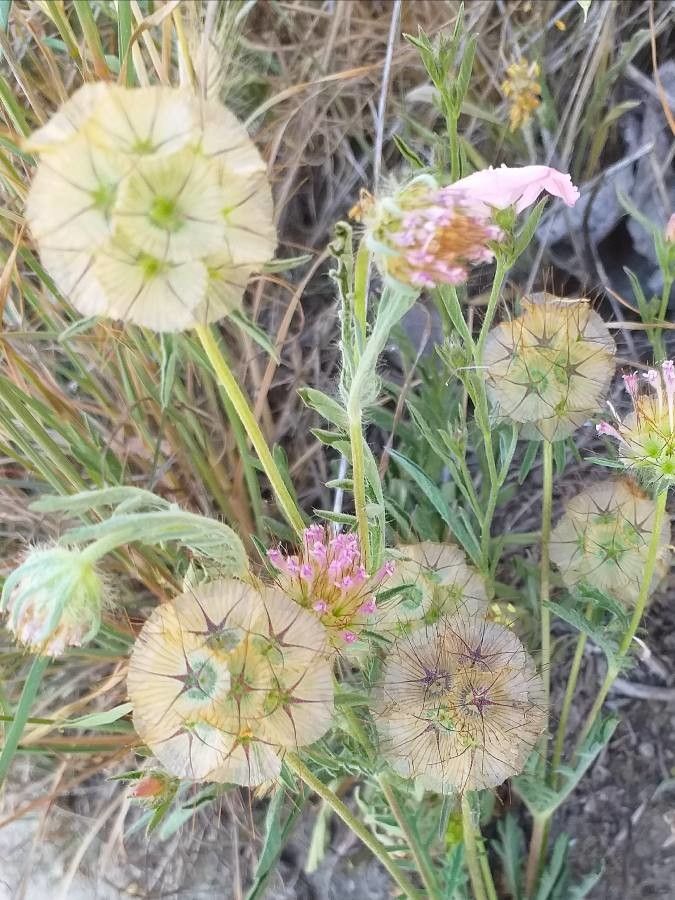
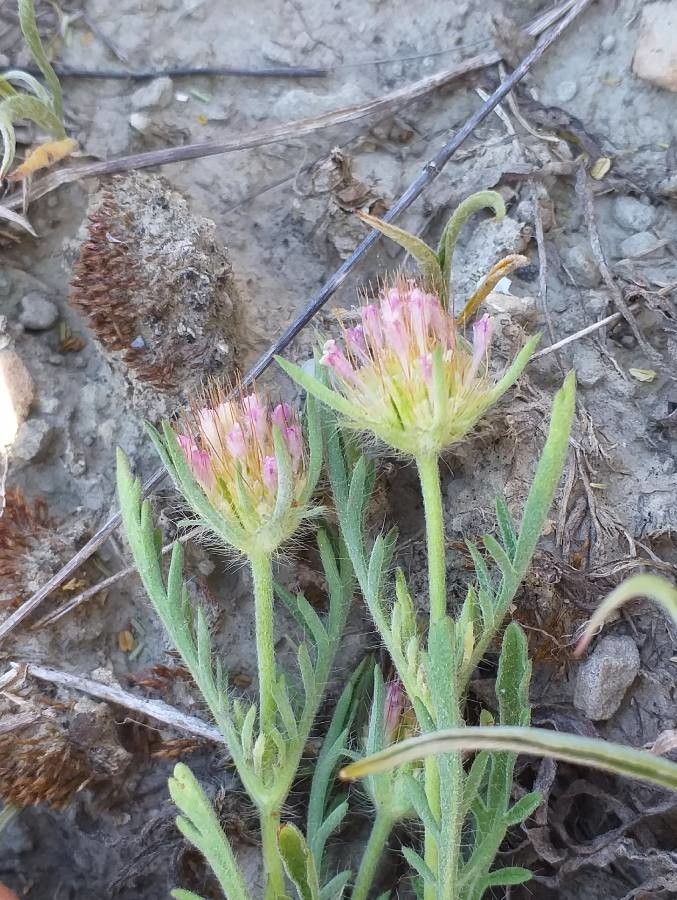
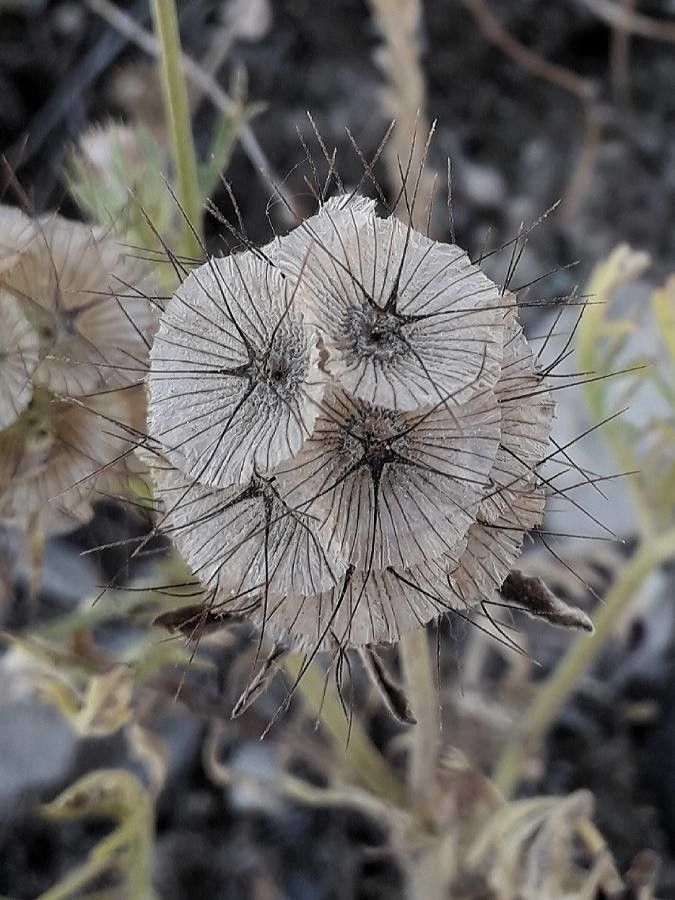
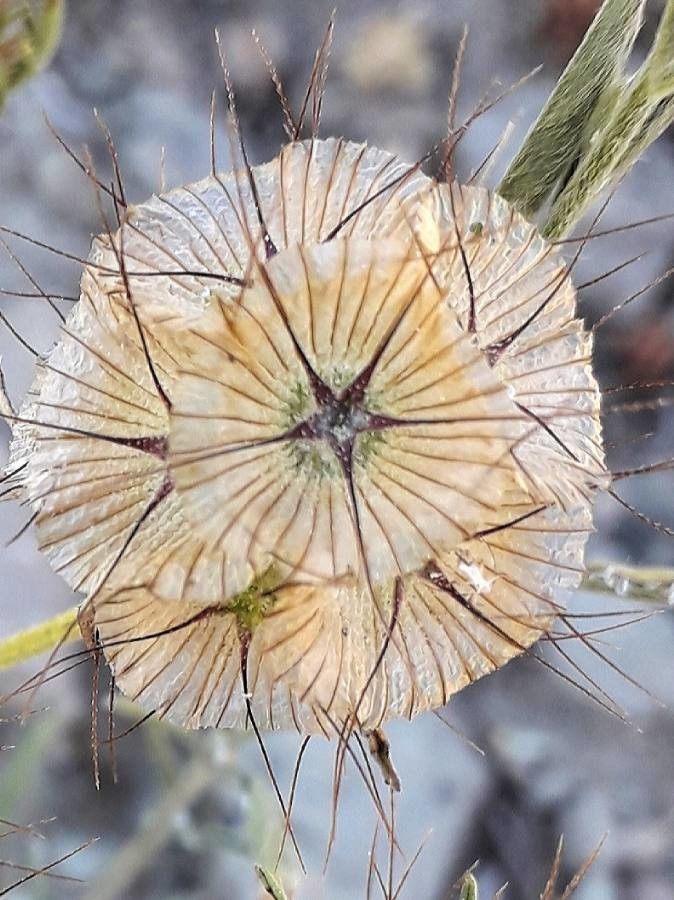
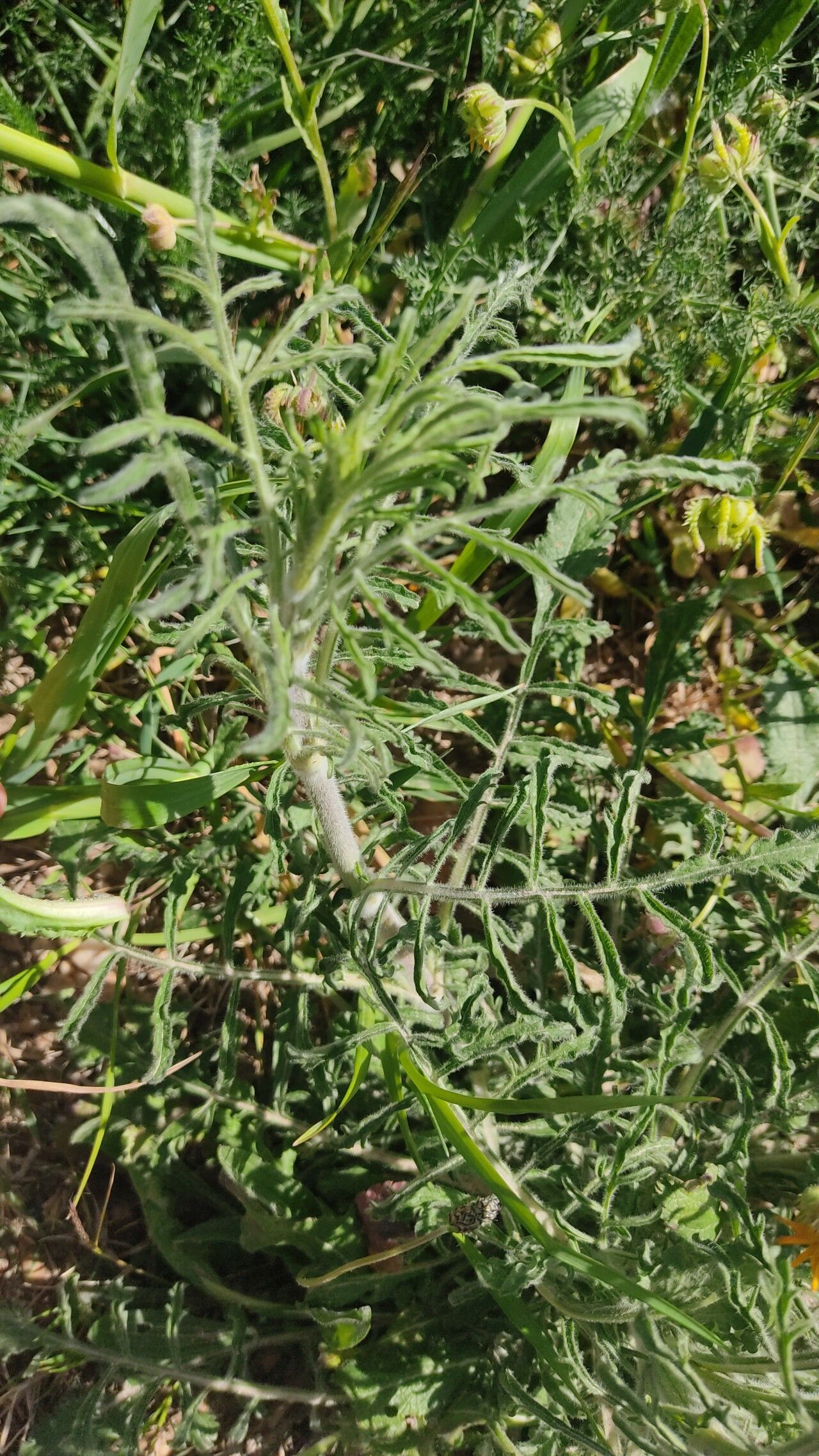
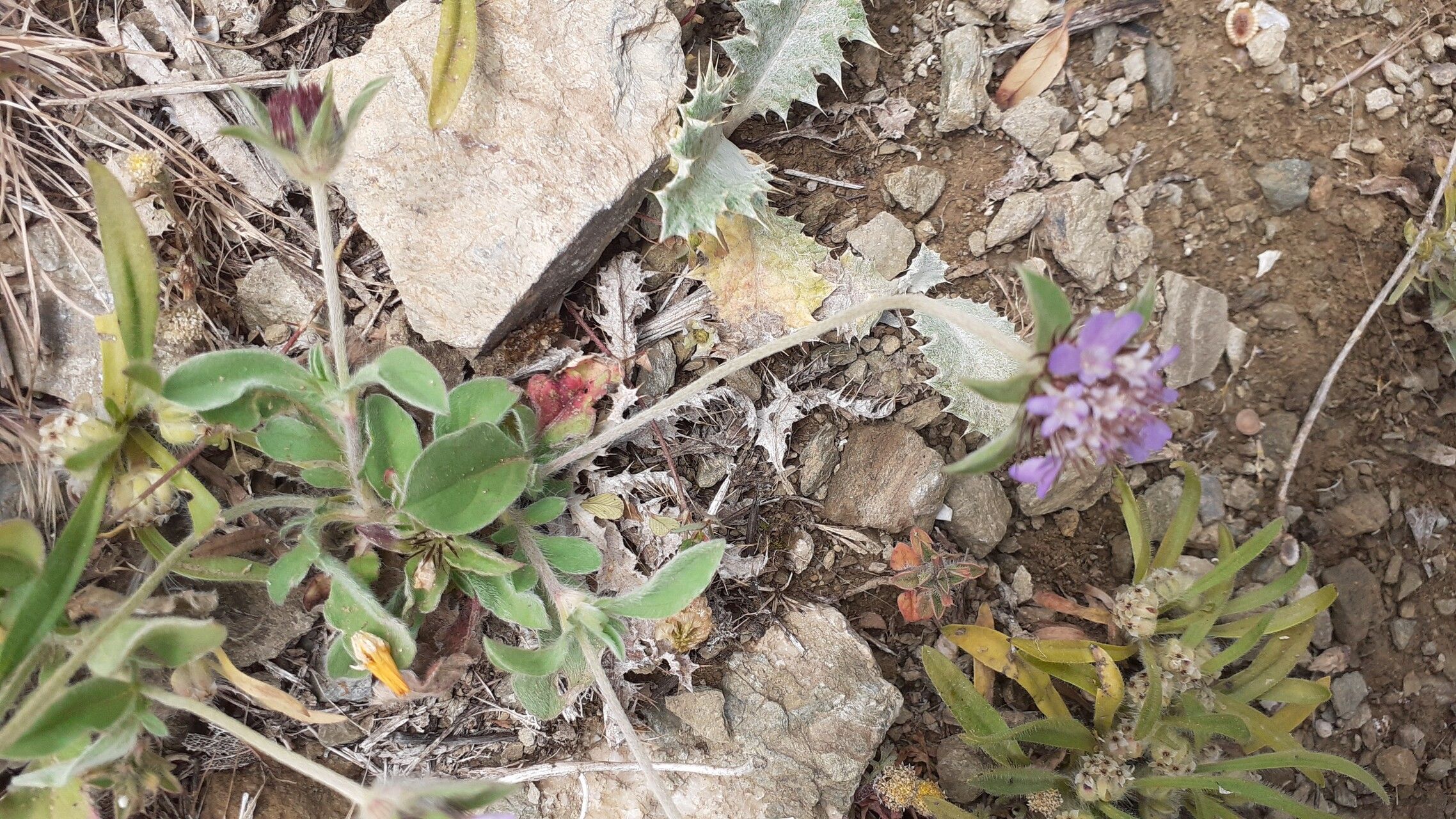
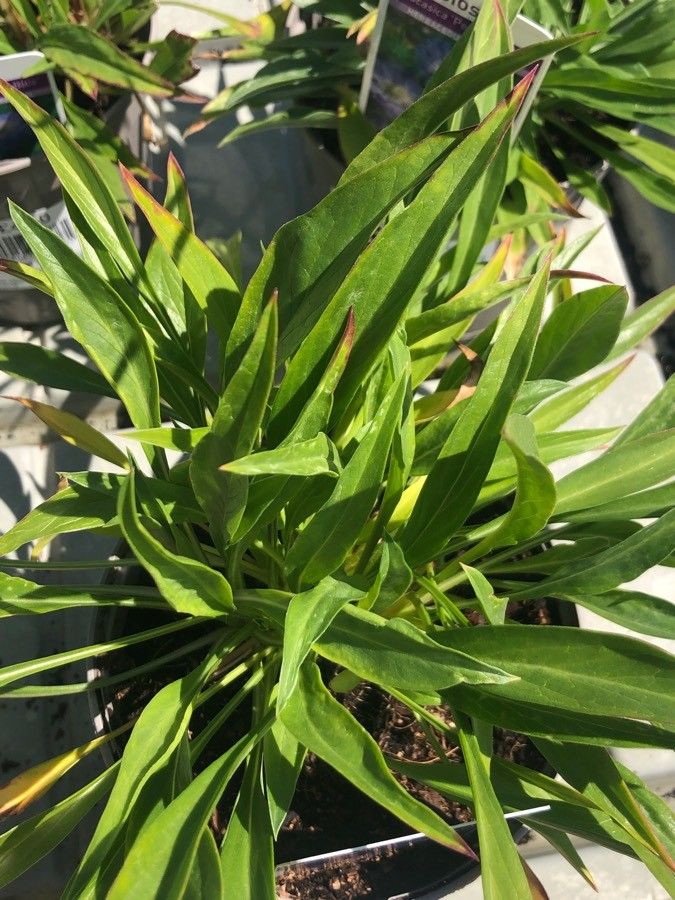
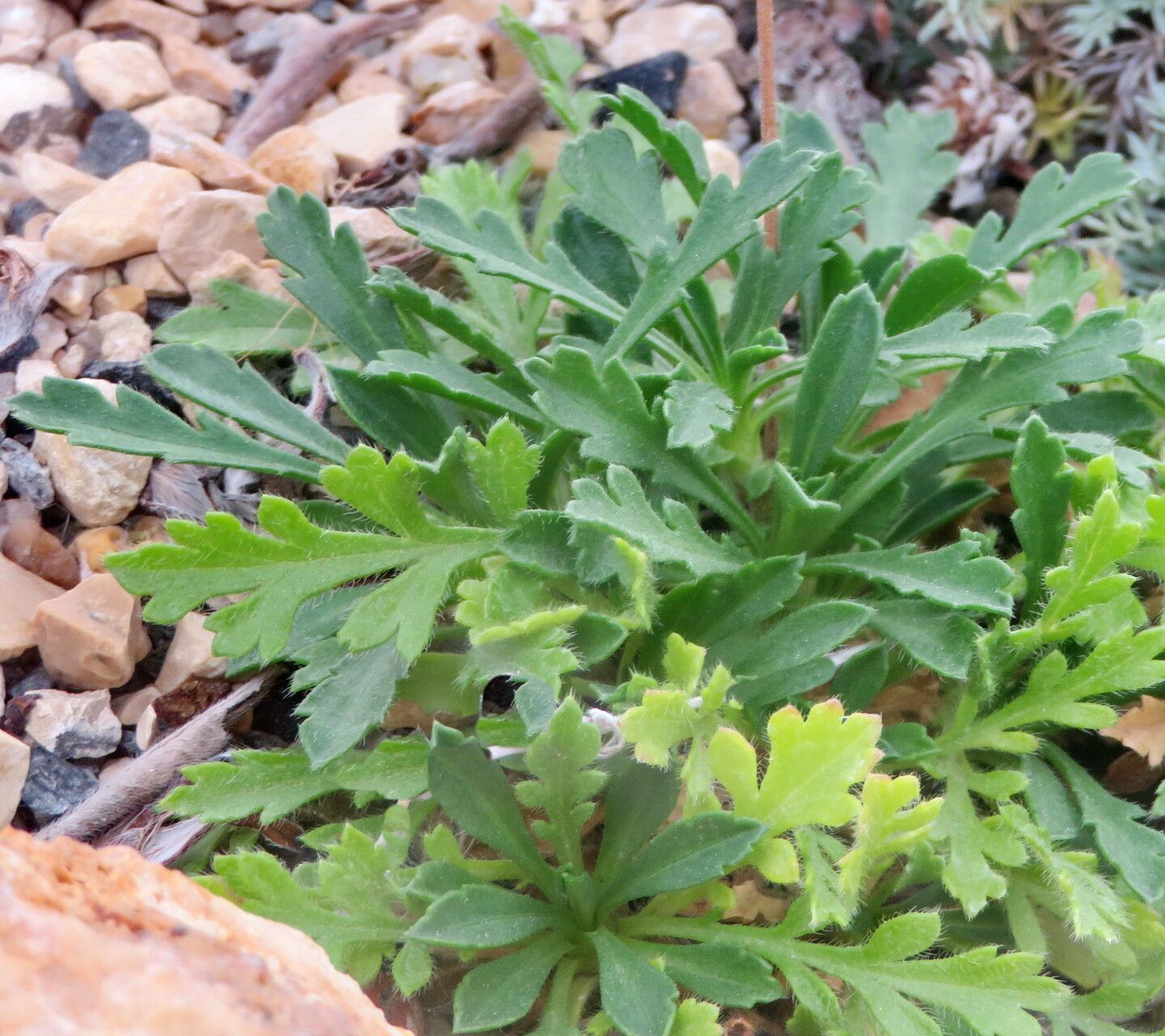
Lomelosia stellata, synonyms including Scabiosa stellata, is a species of flowering plant in the honeysuckle family, Caprifoliaceae. It is known by the common name starflower pincushions or starflower scabious. It was formerly placed in the teasel family. Native to southwestern Europe and North Africa, it is also grown as an ornamental plant. This erect annual has an inflorescence which is a dense spherical cluster of pale blue flowers, followed by showy fruits with striped, fan-like funnel-shaped papery bracts.
Starflower pincushions are fairly disease-resistant and generally not prone to illnesses. However, they can be vulnerable to pests and diseases present in their environment. These infections are typically mild. For care, this plant requires moderate maintenance. It should be pruned regularly to maintain a tidy appearance and support healthy growth. Fertilizing can also help encourage flowering. Starflower pincushions are suitable for anyone with outdoor space, such as a garden or patio, and do not demand much gardening experience. They may need more care when kept indoors.
How to keep Lomelosia Stellata.
Light
Starflower pincushions require generous amounts of sunlight to flourish. Their native habitat indicates a preference for constant sun, although they do not demand a specific tolerance level for sunlight. Excessive or insufficient sun exposure can harm their growth and overall health.
Water
Starflower pincushions are native to Mediterranean regions where they flourish in dry, rocky environments. These plants prefer to be watered weekly, allowing the soil to dry out between waterings. Indoors, they benefit from a well-draining potting mix. When grown outdoors, starflower pincushions thrive in rock gardens and perform best when slightly under-watered to prevent root rot.
Temperature
Starflower pincushions originate from mild climates and grow best at temperatures between 68 and 95°F (20 and 35℃). This temperate plant prefers steady, moderate warmth throughout the year. As seasons change, keep an eye on indoor temperatures to replicate these conditions.
Fertilizer
After Starflower pincushions has opened most of its blooms to full size, resume fertilizing. When the flowers are at their highest output, fertilize every three to four weeks, weather permitting. Then, once Starflower pincushions begins to produce fewer new blooms, stop fertilizing; there’s no need to fertilize when the plant can no longer produce more blooms.
Pruning
Starflower pincushions feature star-shaped blooms clustered together like pincushions. Begin pruning in early spring to remove any dead growth. Then, in late spring, selectively thin out some of the growth. This helps improve air circulation, reduces the risk of disease, and enhances flowering, ensuring a vibrant and healthy display.
Botanical profile.
- Plant Type
- Herb
- Life Cycle
- Annual
- Genus
- Lomelosia
- Family
- Caprifoliaceae
- Hardiness Zone
- 3-9
- Mature Height
- 30 cm to 46 cm
- Mature Spread
- 37 cm to 46 cm
- Leaf Color
- Light Green, Gray
- Leaf Type
- Semi-evergreen
- Flower Color
- Lavender
- Flower Size
- 2.03 cm to 3.05 cm
- Bloom Time
- Mid spring, Late spring, Early summer
- Planting Time
- Spring, Summer
- Harvest Time
- Summer
- Native Area
- Libya, Tunisia, Spain, France, Algeria, Morocco, Portugal
Other names.
Reader questions.
What should I do if I give my Starflower pincushions too much or too little water?
To prevent underwatering Starflower pincushions, it is simple: when you notice the plant needs more moisture, water it more frequently. Overwatering, on the other hand, can be a serious issue if not caught early. This can lead to diseases and eventually the decline and death of the plant. To prevent this, choose a suitable location with plenty of sunlight to dry the soil and good drainage to avoid waterlogging. If you overwater a potted Starflower pincushion, consider transferring it to a new pot with proper drainage and loose soil.
What are the sunlight requirements for Starflower pincushions (Lomelosia stellata)?
Starflower pincushions require above 6 hours of sunlight daily to flourish, highlighting the importance of full sun exposure for their growth. Observing how sunlight moves through your garden is crucial in selecting locations that provide the perfect balance of light and shade, ensuring the plant's happiness and health. Originating from habitats that favor constant sun, these plants thrive best with ample solar exposure, although they do not have a specific tolerance for varying sunlight amounts.
What is the ideal temperature range for Starflower pincushions?
Starflower pincushions, botanically known as Lomelosia stellata, thrives optimally in mild climates with temperatures ranging between 68 to 95°F (20 to 35°C). This temperate plant prefers consistent and moderate warmth throughout the year. As such, it's important to monitor indoor temperatures to mimic these conditions, ensuring the environment remains within its ideal temperature range.
How should I water my Starflower pincushions?
To water Starflower pincushions, you have several options for watering tools such as a garden hose with a spray nozzle or a watering can. It's not too particular about the type of water it receives, so rainwater, tap water, or filtered water will all suffice. However, it's best to avoid watering from above as this can harm the leaves, flowers, and potentially lead to disease. Drip irrigation systems are a great method for watering this plant as they distribute water evenly and directly to the soil. If you have a Starflower pincushion growing in a container, you can use a cup, watering can, or tap to water it directly into the soil.
How do artificial lights benefit indoor plants, and what are some guidelines for their use?
Indoor plants, including Starflower pincushions, require adequate lighting for optimal growth, especially when natural sunlight is insufficient, such as in winter or in less sunny spaces. Artificial lights, like LED lights, provide a vital solution for promoting faster, healthier growth by offering the necessary wavelengths of light. For full sun plants, 30-50W/sq ft of artificial light is needed, partial sun plants require 20-30W/sq ft, and full shade plants need 10-20W/sq ft. The light source should be placed 12-36 inches above the plant to mimic natural sunlight, and most plants benefit from 8-12 hours of light per day.
How does Starflower pincushions handle cold temperatures?
Starflower pincushions possesses strong cold resistance, typically not requiring special frost protection during winter. However, should temperatures be expected to dip below -35°C, it becomes crucial to provide cold protection. This can be accomplished by covering the plant with insulating materials like soil or straw. Additionally, watering the plant abundantly before the first freeze of autumn is recommended, ensuring the soil stays moist, aiding in drought and water scarcity prevention for the plant during the colder months.
How often do I need to water my Starflower pincushions?
Starflower pincushions require regular watering throughout the growing season. In the spring, water the plant once per week. As the season progresses and it gets warmer, you might need to water it two to three times per week. However, be careful not to overwater as it can harm the plant. Regardless of how often you water, the soil should be moist but not wet. If you have a potted Starflower pincushion, you'll need to water it more frequently compared to one planted in the ground. Generally, water a potted plant a few times per week, while you can stick to once per week for a plant in the ground.
What are some common symptoms of inadequate lighting in Starflower pincushions?
When Starflower pincushions are grown indoors with inadequate light, they may display symptoms such as smaller new leaves, leggy or sparse growth, faster leaf drop, slower or no new growth, lighter-colored new leaves, chlorosis (leaves turning yellow due to chlorophyll breakdown), sunscald (damage from intense sunlight exposure), leaf curling, wilting, and leaf scorching. These symptoms indicate either too much or too little sunlight exposure, affecting the plant's ability to grow healthily.
What should I do if the temperature falls below -35°C?
In the rare event that temperatures fall below -35°C, Starflower pincushions may not display noticeable changes during winter, but come spring, there could be diminished sprouting or none at all. Should this occur, the solution is to remove any parts of the plant that have failed to sprout in spring, aiding in the rejuvenation of the plant for the upcoming growing season.
How much water do my Starflower pincushions require?
When watering your Starflower pincushions, there are a few different approaches you can take. Some gardeners prefer to check the soil moisture by feeling it. In this method, you should water until the top six inches of soil feel moist. Alternatively, you can use a specific measurement to determine how much water to give your plants. Generally, about two gallons per week is recommended, but this may vary based on temperature and soil dryness. However, be cautious of overwatering if your plant requires less than two gallons per week. For Starflower pincushions in containers, a different approach is needed. Here, you should water until all layers of dry soil are moistened. To check, simply stick your finger in the soil or observe a slight trickle of excess water draining from the pot.
How can you remedy the poor growth conditions of Starflower pincushions caused by inadequate lighting?
To remedy poor growth conditions caused by inadequate lighting for Starflower pincushions, gradually increase their exposure to sunlight. For indoor plants, move them each week to progressively sunnier locations until receiving at least 6 hours of direct sunlight daily or supplement with artificial light for at least 8 hours a day. For outdoor plants, similarly gradually move them to sunnier spots while avoiding sudden changes to prevent sunburn. Minimize obstructions that block sunlight, and consider transplanting smaller plants to sunnier locations during their dormant period, ensuring they have ample sunlight and good drainage for healthy growth.
How does Starflower pincushions react to high temperatures?
During the summertime, it is crucial to ensure that Starflower pincushions are kept below 35°C. Exposure to temperatures exceeding 38°C might result in the leaves becoming lighter in color, curling, becoming susceptible to sunburn, and in severe cases, the plant may wilt and become dry. To mitigate these effects, sunburned and dried-up parts of the plant should be trimmed away. Moving the plant to a shaded location, away from the midday and afternoon sun, or utilizing a shade cloth can be effective strategies. Furthermore, watering the plant in the morning and in the evening to maintain soil moisture is beneficial in combating the heat's adverse effects.