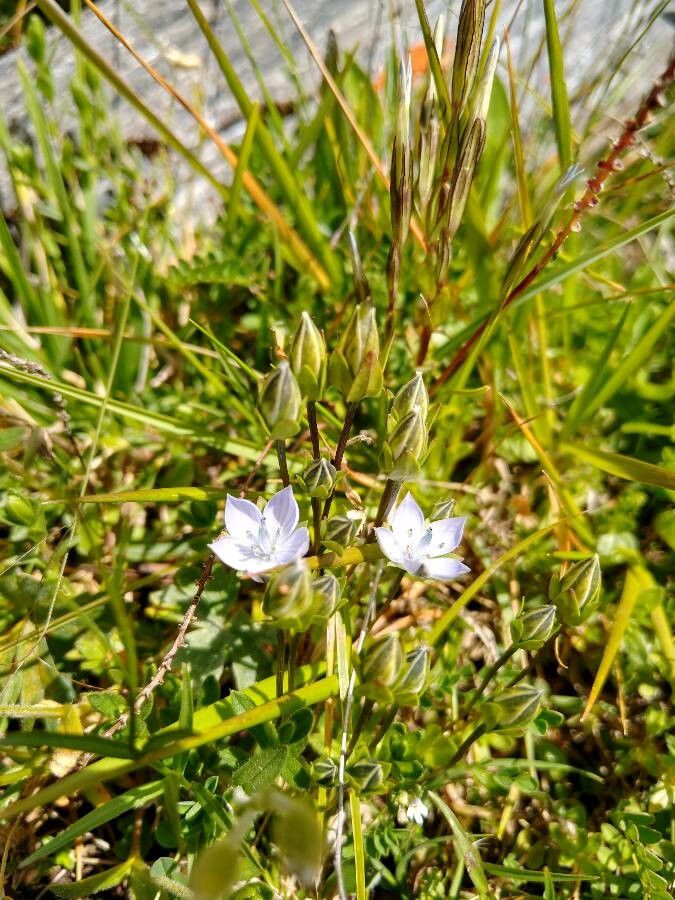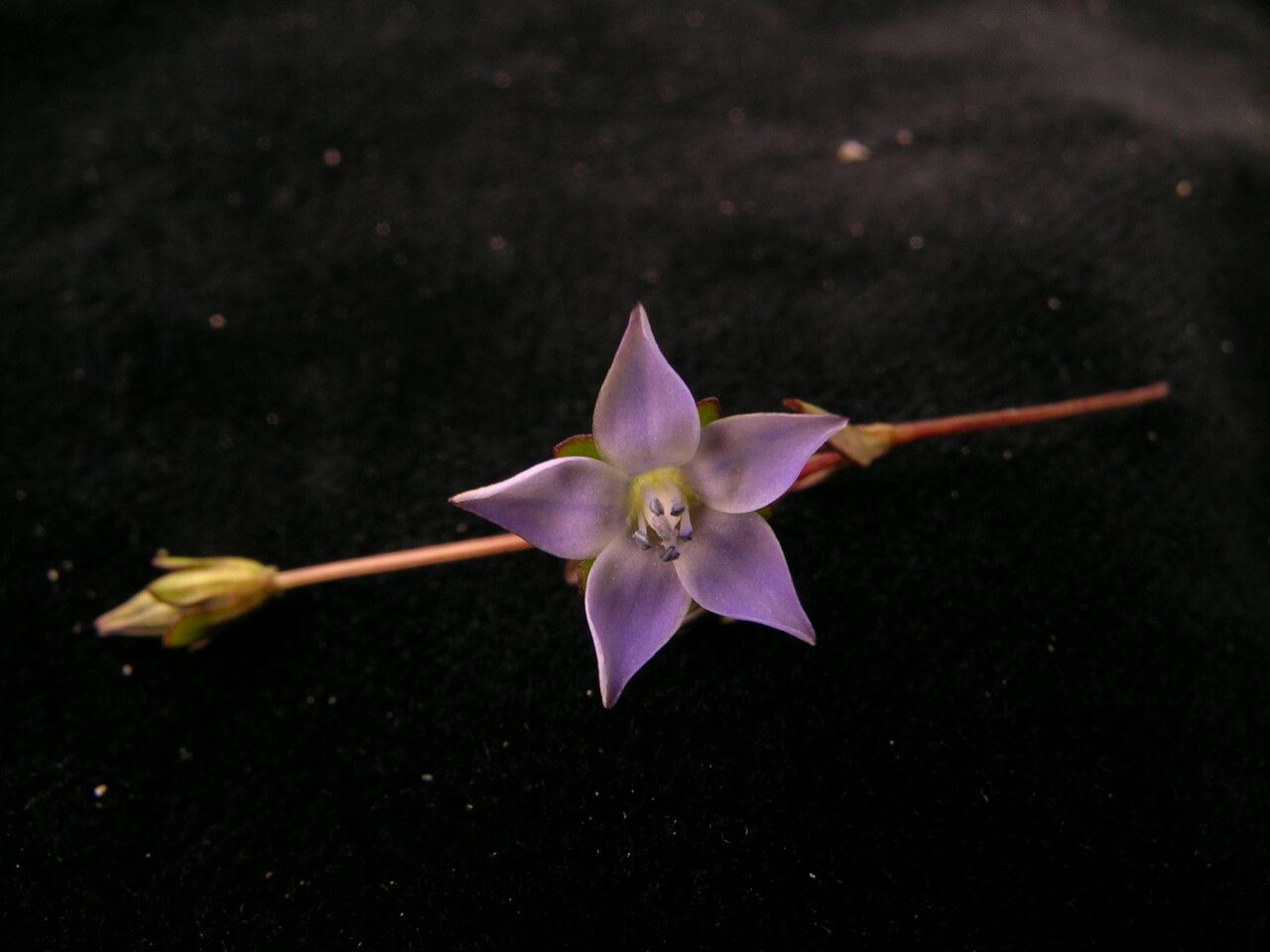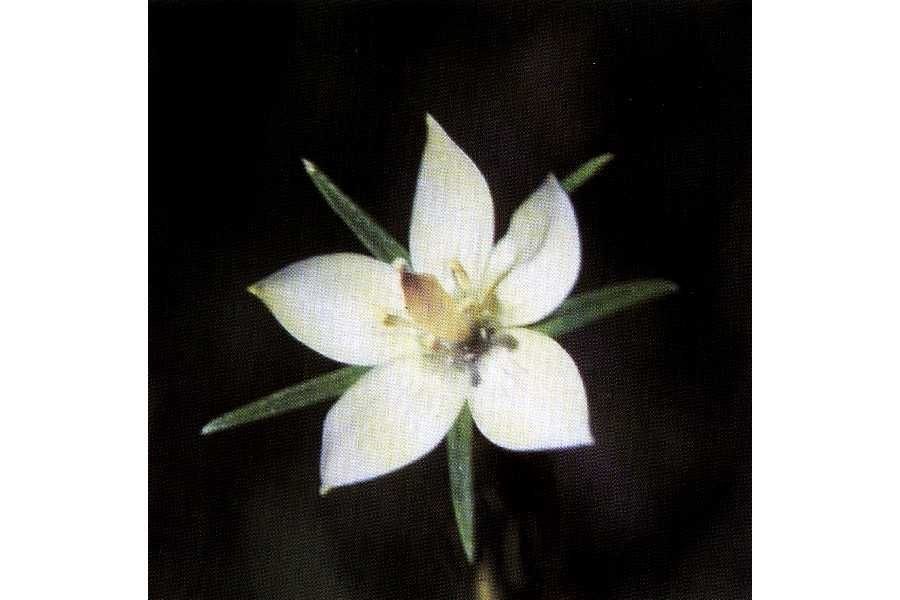
Marsh felwort is fairly disease-resistant and generally not prone to illnesses. However, it can be vulnerable to pests and diseases present in its environment. These infections are typically mild. Regarding care, the plant requires moderate maintenance. Regular pruning is necessary to preserve a neat appearance and encourage healthy growth. Fertilizing can also help stimulate flowering. Marsh felwort is well suited for anyone with outdoor space, such as a garden or patio, and does not demand extensive gardening experience. It may need more attention when grown indoors.
How to keep Lomatogonium Rotatum.
Light
Marsh felwort is native to bright, open habitats and performs best in full sun. It will tolerate some shade but favors direct sunlight for optimal growth. This plant, which can be annual or biennial, is noted for its sun-loving habit.
Fertilizer
When Marsh felwort has most of its flowers fully bloomed, it signifies the need to commence fertilizing once more. As the blooms reach their prime, kick-start the fertilization process every three to four weeks, depending on the weather conditions. However, when Marsh felwort begins to produce less fresh blooms, cease the fertilization. There is no necessity to fertilize if the plant is incapable of yielding additional blooms.
Pruning
The marsh felwort, a plant that flourishes in marshy environments, is known for its delicate blue flowers. To encourage healthy growth, it should be pruned after its late spring bloom. Make sure to use sterilized tools to remove any dead or diseased stems, which will help prevent infections. Pruning not only improves air circulation but also reduces the risk of fungal problems. Additionally, it supports early growth, promoting optimal regeneration.
Botanical profile.
- Plant Type
- Herb
- Life Cycle
- Annual, Biennial
- Genus
- Lomatogonium
- Family
- Gentianaceae
- Hardiness Zone
- 4-8
- Mature Height
- 10 cm to 20 cm
- Mature Spread
- 5 cm to 15 cm
- Leaf Color
- Green
- Leaf Type
- Semi-evergreen
- Flower Color
- Blue, Purple
- Flower Size
- 1.02 cm to 2.03 cm
- Bloom Time
- Late summer, Early fall
- Planting Time
- Summer, Autumn
- Harvest Time
- Early fall, Mid fall
- Native Area
- Russia, Kyrgyzstan, Kazakhstan, Denmark, Iceland, Mongolia, China
Other names.
Reader questions.
How is watering Marsh felwort different when it's inside versus outside?
Most Marsh felwort plants grow outdoors rather than indoors for a few reasons. Firstly, these plants tend to grow quite tall, making it impractical to keep them indoors. Secondly, Marsh felwort requires more daily sunlight than most indoor locations can provide. If you do manage to find a suitable indoor spot, be prepared to water your Marsh felwort more frequently compared to an outdoor location. This is because indoor environments are typically drier due to HVAC units, and container soil can dry out faster than ground soil.
What are the sunlight requirements for Marsh felwort?
Marsh felwort thrives in environments with full sun, needing more than 6 hours of sunlight daily for optimal growth. It can also tolerate partial sun, requiring about 3-6 hours of sunlight. It's important to observe how sunlight moves through your garden to find the perfect spot that provides the right balance of light and shade for your plants.
Can Marsh felwort grow with artificial lighting?
Yes, Marsh felwort can grow under artificial lighting, especially when natural sunlight is insufficient. Adequate lighting is vital for indoor plants, promoting faster, healthier growth. LED lights are recommended due to their customizability for specific wavelengths. Full sun plants need 30-50W/sq ft, partial sun plants need 20-30W/sq ft, and full shade plants need 10-20W/sq ft of artificial light. The light source should be placed 12-36 inches above the plant for 8-12 hours per day to mimic natural sunlight conditions.
What are the signs of inadequate light for Marsh felwort?
When Marsh felwort does not receive enough light, it may exhibit symptoms such as small new leaves, leggy or sparse growth, faster leaf drop, slower or no new growth, lighter-colored new leaves, chlorosis, sunscald, leaf curling, wilting, and leaf scorching. These symptoms indicate that the plant is struggling with light deficiency, affecting its growth and overall health.
How can I improve light conditions for Marsh felwort?
To improve light conditions for Marsh felwort, gradually move the plant to a sunnier location over a week to ensure at least 6 hours of direct sunlight daily. For indoor plants, consider using a south-facing window or artificial lights like desk or ceiling lamps or professional plant grow lights for at least 8 hours daily. Outdoor plants should also be moved to sunnier spots gradually, and for ground plants, reduce obstructions by pruning trees or transplanting the plant to a location with ample sunlight and good drainage. Note that parts of the plant affected by insufficient sunlight may not recover, but new growth will be healthy after improving light exposure.