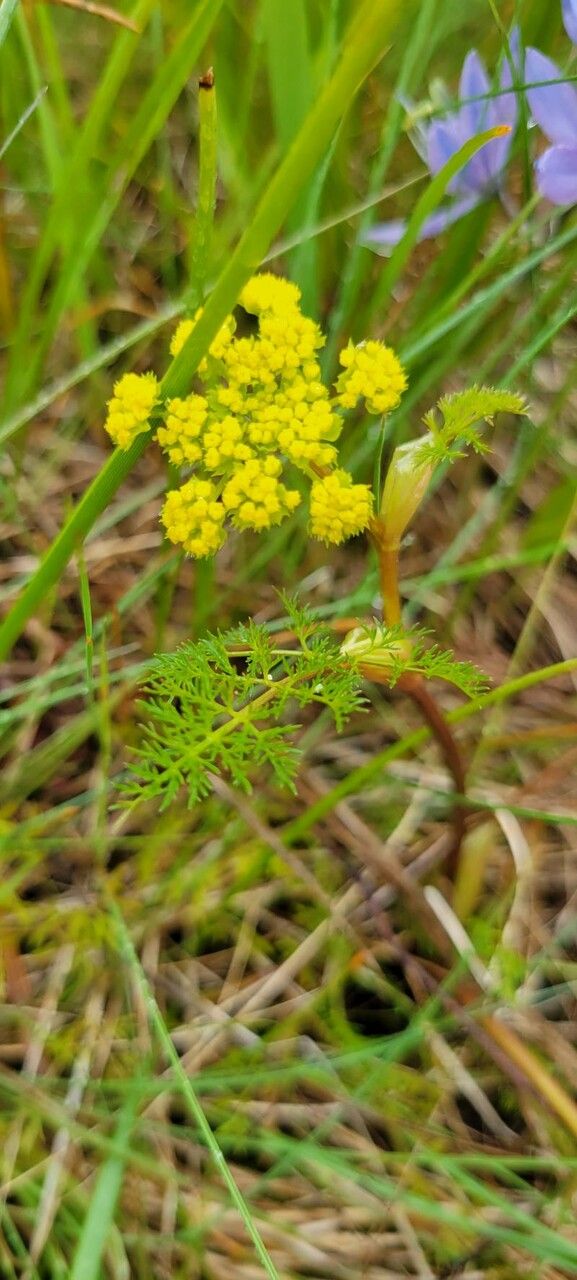
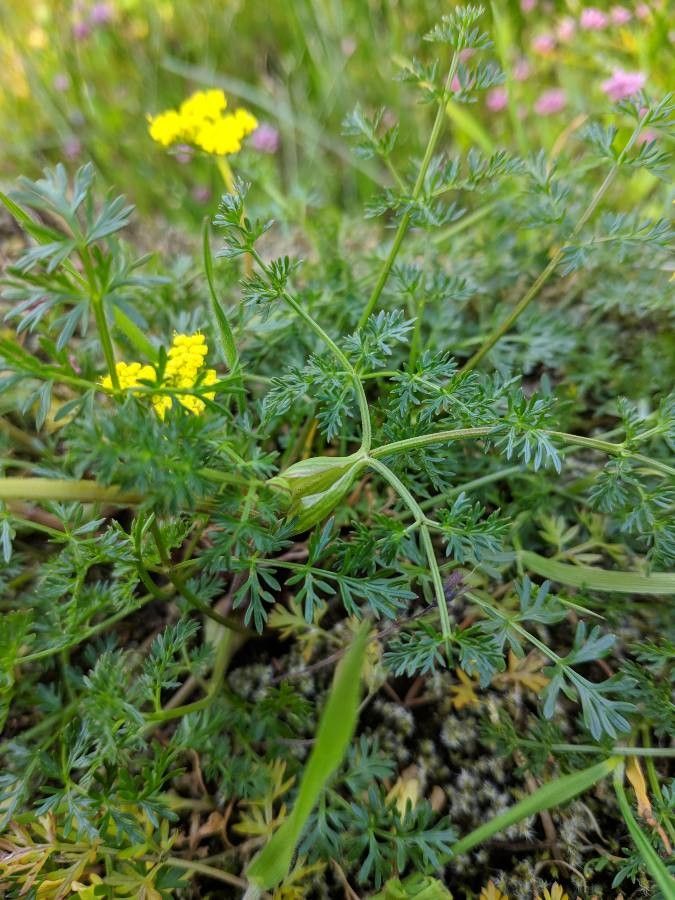
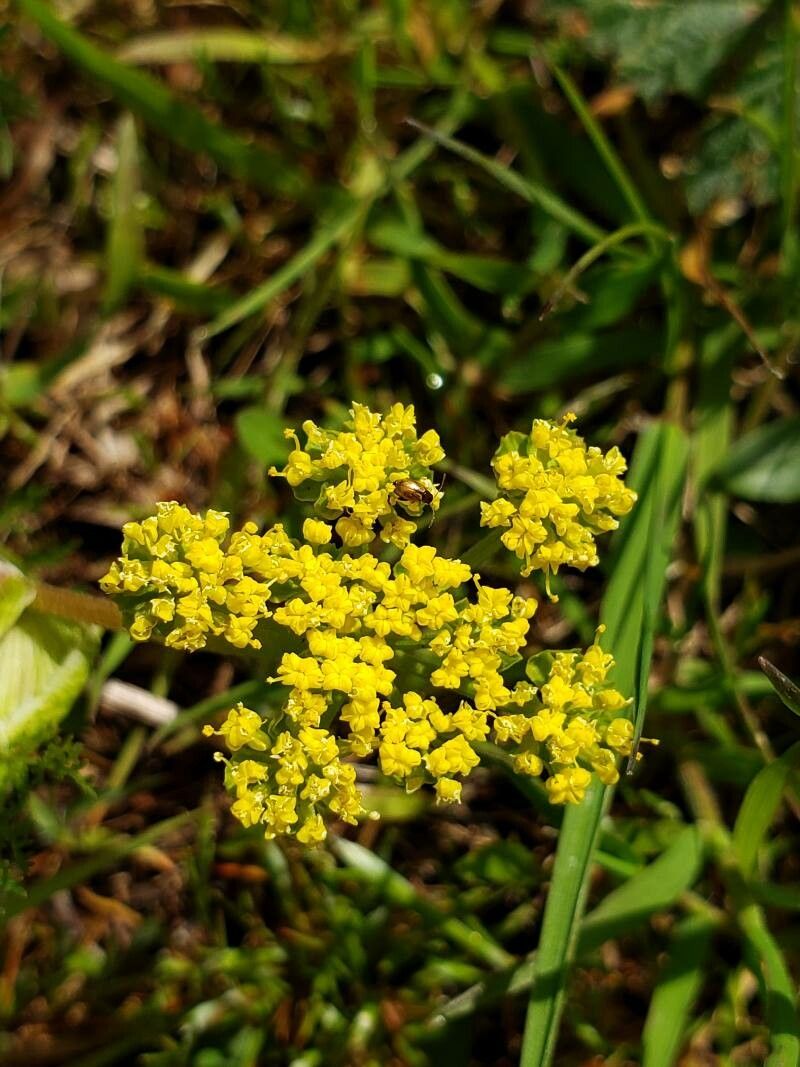
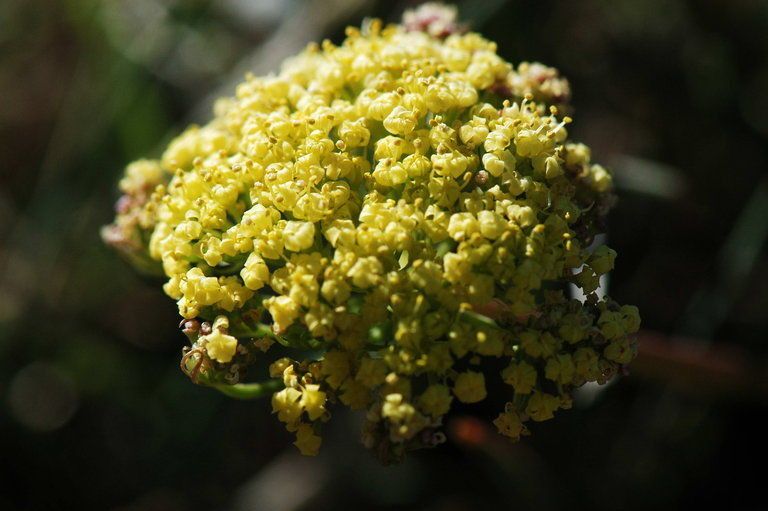
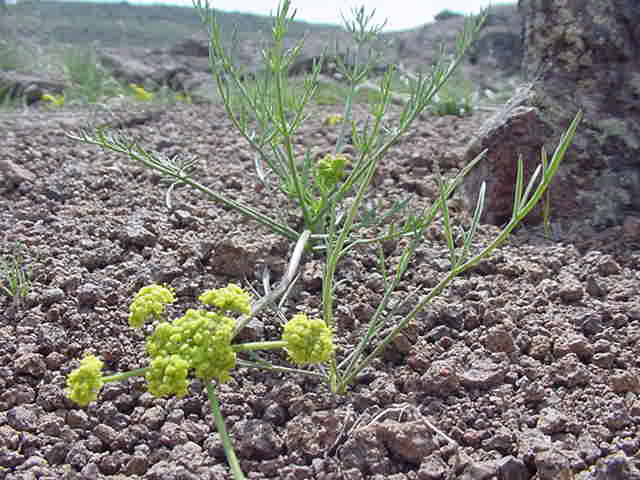
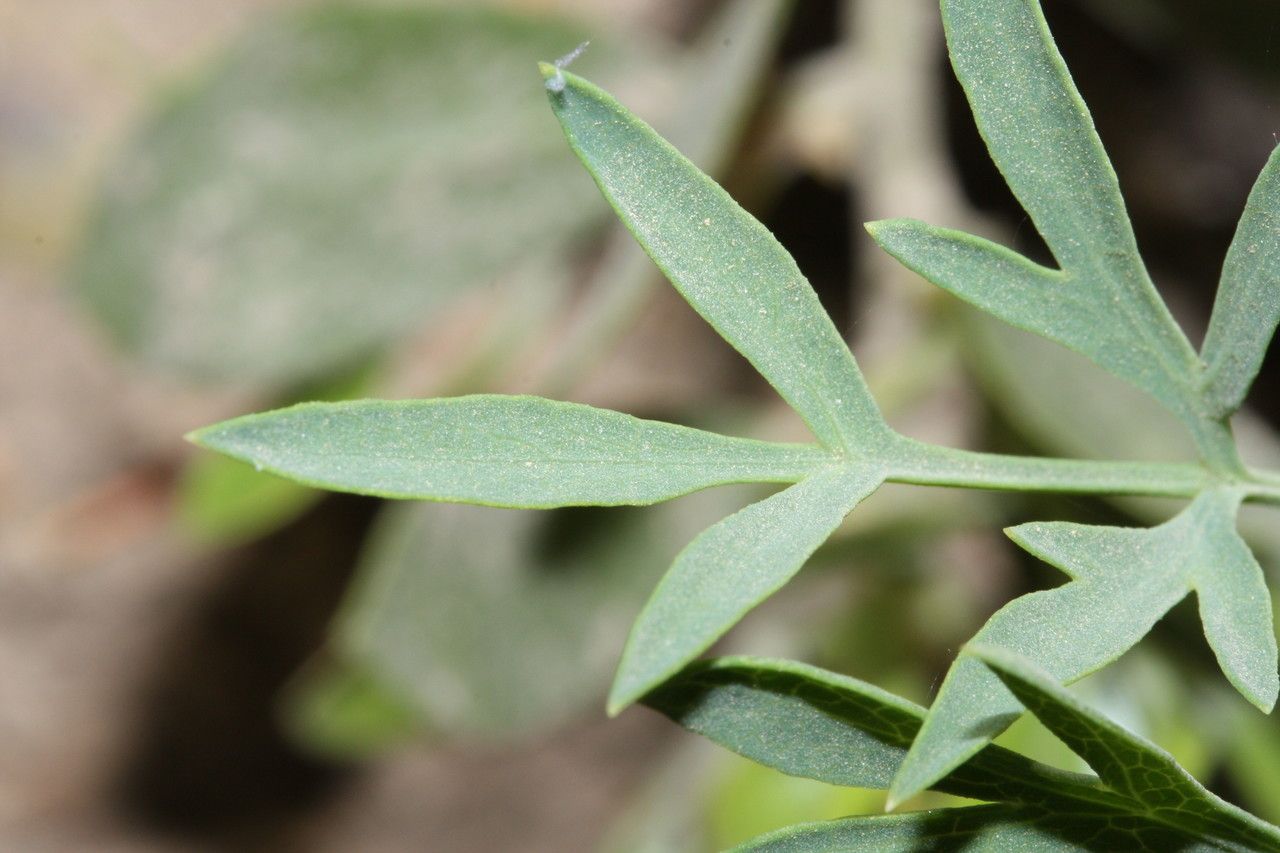
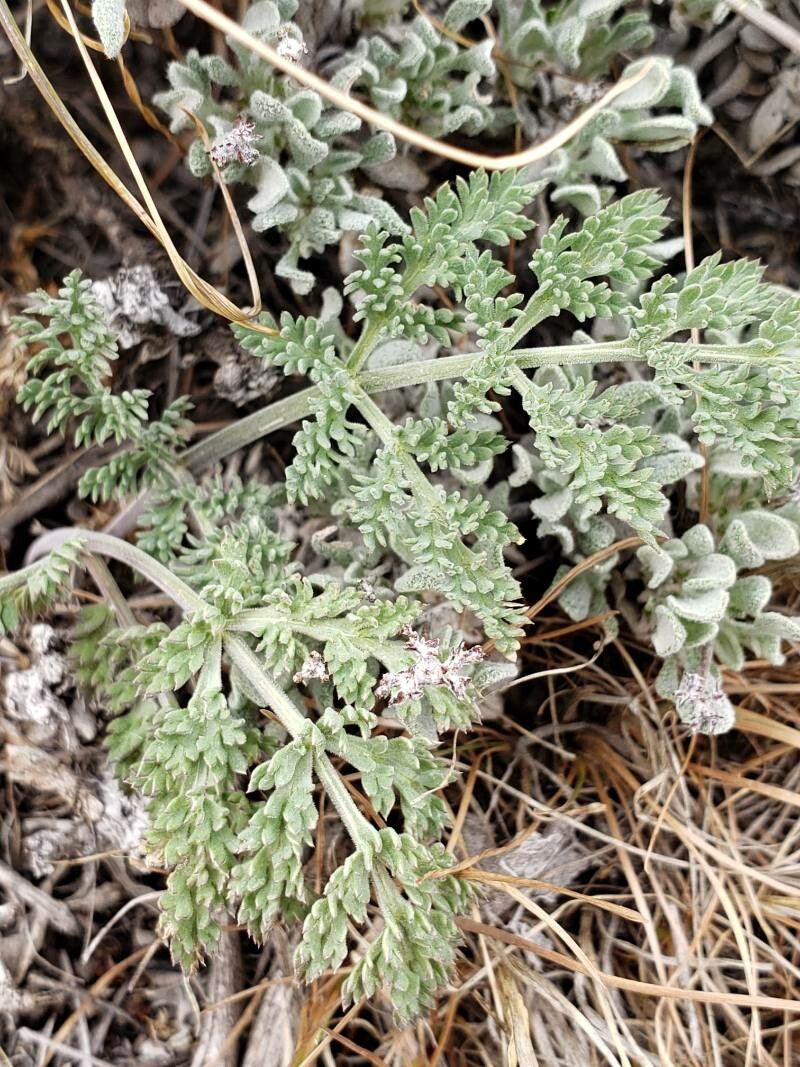
Lomatium utriculatum is a species of flowering plant in the carrot family known by the common name common lomatium or spring gold. It is native to western North America from British Columbia to California, where it grows in many types of habitat including chaparral, and in the Sierra Nevada.
Common lomatium has strong resistance to disease and is typically not vulnerable to illnesses. Still, it can be affected by pests and diseases present in its environment. Such infections are generally mild. Regarding upkeep, this plant needs a moderate level of care. It should be pruned on a regular basis to preserve a neat appearance and healthy growth. Applying fertilizer can also encourage blooming. Common lomatium is appropriate for anyone with outdoor areas like a garden or patio and does not demand extensive gardening experience. It may need extra attention when cultivated indoors.
How to keep Lomatium Utriculatum.
Light
Common lomatium thrives when exposed to sunlight all day, encouraging vigorous growth. Native to bright, sunlit habitats, this plant tolerates environments without any shade. Neither excessive nor insufficient sunlight prevents its development. However, its growth may be reduced if it does not receive sunlight regularly.
Water
Common lomatium flourishes when it receives balanced hydration that matches the moisture patterns of its native habitat. Watering once a week replicates its natural conditions, enabling the plant to tolerate short periods of drought while promoting steady growth. Typically grown outdoors, common lomatium demonstrates adaptability to different climates and needs less irrigation once it becomes established in comparable environments.
Temperature
Common lomatium is a plant adapted to moderate climates, initially thriving in environments with temperatures from 59 to 95 ℉ (15 to 35 ℃). As seasons shift, gradual temperature adjustments within this preferred range are recommended to preserve optimal growth condition.
Fertilizer
One fertilizer application in spring is typically enough for Common lomatium, but multiple feedings can boost growth. Apply fertilizer every one to one and a half months. Fertilization improves the leaves' appearance and function, helping maintain even color and a healthy texture. It also promotes root development and nutrient uptake for the plant's long-term health.
Pruning
Common lomatium needs minimal pruning, mainly to remove dead or damaged stems. The best time for pruning is from early to late spring. This practice helps maintain the plant’s health, shape it, and encourage vigorous growth. Additionally, regular inspections for disease are important to ensure good air circulation and sunlight penetration.
Botanical profile.
- Plant Type
- Herb
- Life Cycle
- Perennial
- Genus
- Lomatium
- Family
- Apiaceae
- Hardiness Zone
- 7-9
- Mature Height
- 15 cm to 61 cm
- Mature Spread
- 30 cm to 49 cm
- Leaf Color
- Green, Dark Green
- Leaf Type
- Semi-evergreen
- Flower Color
- Yellow
- Flower Size
- 0.15 cm
- Bloom Time
- Early spring, Mid spring
- Planting Time
- Spring, Summer, Autumn
- Harvest Time
- Late spring, Early summer
Other names.
Reader questions.
How do I water my Common lomatium as it grows?
The water requirements of the Common lomatium can vary depending on its growth stages. When the plant is in its initial years or has just been transplanted, it will need more water to support the development of new roots. These roots require extra moisture to ensure their optimal performance. As the plant matures over a few seasons, it will require less water. Additionally, during the bloom period, the Common lomatium may need extra water as the flowers utilize a significant amount of moisture.
What are the sunlight requirements for Common Lomatium (Lomatium utriculatum)?
Common Lomatium thrives in environments that provide continuous exposure to sunlight throughout the day. Ideally, these plants need more than 6 hours of sunlight daily to ensure robust growth and health. They are native to sun-drenched habitats and can adapt to varying levels of sunlight, being resilient against both excessive and inadequate exposure. However, regular exposure to sunlight is crucial for their development, and their growth can be hindered if they do not receive enough light. It's also beneficial to observe how sunlight moves through your garden to find the perfect balance of light and shade, ensuring the plants' happiness.
What temperature is best for Common lomatium?
The temperature requirements for Common lomatium depend on the season. During the growing season, which is when the plant sprouts, the ideal temperature range is 65-80℉(18-27℃). If temperatures drop below 15℉(-10℃), the plant may suffer and its leaves may brown and wilt. However, if it's a short cold snap, the plant could survive with some assistance. In warmer parts of the year, Common lomatium should be protected from temperatures above 95-105℉ (35-40℃). Excessive heat can cause wilting, drooping, and sunburn on the leaves, which can be challenging for the plant to recover from. Fortunately, there are quick and easy ways to address this issue.
What is the most effective way to water my Common lomatium?
To ensure the Common lomatium stays healthy, it is recommended to water it with filtered water at room temperature. Tap water can contain harmful particles, so filtered water is preferable. The Common lomatium originates from a warm environment, so using cold water can be a shock to the plant. It is also best to avoid overhead watering, as this can cause problems with the foliage. Instead, water the plant by applying filtered room temperature water directly to the soil until it is completely soaked. This will benefit the plant by moistening the roots and aiding in nutrient absorption.
How can artificial lighting benefit indoor Common Lomatium plants?
Indoor Common Lomatium plants require adequate lighting to grow optimally, especially in conditions where natural sunlight is insufficient, such as in winter or in less sunny spaces. Artificial lights provide a vital solution, promoting faster and healthier growth. LED lights are particularly recommended because they can be customized to deliver specific wavelengths of light needed by the plants. The proper amount of artificial light varies by plant type: full sun plants need 30-50W/sq ft, partial sun plants need 20-30W/sq ft, and full shade plants need 10-20W/sq ft. The light source should be placed 12-36 inches above the plant, and the duration should mimic natural daylight hours, with most plants requiring 8-12 hours of light per day.
What temperature does a Common lomatium seedling need during its first year?
If you have just planted your Common lomatium outdoors for the first time, it requires extra care during the coldest months. Frost can cause serious damage and prevent it from growing back in the spring. To protect it, maintain temperatures above 40℉(5℃) by either bringing it indoors or using mulch or fabric barriers. During the first year or two, it's best to plant Common lomatium in a shadier spot as smaller plants struggle to regulate their own temperature in the heat. Limit direct sunlight to five hours per day, especially if the temperature exceeds 80℉(27℃). Use shadecloth and provide frequent watering or misting to control summer heat.
What do I do if I give my Common lomatium too much or too little water?
Both overwatering and underwatering can harm the health of your Common lomatium plant, but overwatering is a more common problem. Too much water can cause the stems and leaves to wilt and turn yellow. It can also lead to diseases like root rot, mold, and mildew, which can be fatal for the plant. Underwatering is less common because this plant can tolerate drought. However, it is still possible, and you may notice brittle and brown leaves if it happens. It's important to recognize the signs of overwatering early to prevent irreversible damage. If you see these signs, reduce your watering immediately and check the soil's drainage. Replace the soil with a loose and well-draining potting mix if it doesn't drain well. On the other hand, if you notice signs of underwatering, simply increase your watering frequency until the signs improve.
What are the signs of light deficiency in Common Lomatium?
Common Lomatium may exhibit several symptoms when exposed to inadequate light. These include small or mature leaves growing smaller in size, leggy or sparse growth due to elongated spaces between leaves or stems, faster leaf drop as a means to conserve resources, slower or halted new growth as the plant enters survival mode, lighter-colored new leaves indicating a lack of chlorophyll, and symptoms caused by excessive sunlight such as chlorosis (yellowing of leaves), sunscald, leaf curling to minimize water loss, wilting due to increased water loss, and leaf scorching. These symptoms highlight the importance of providing adequate sunlight to maintain plant health.
How can I keep Common lomatium safe from very hot or very cold weather?
If the temperature drops below 15℉(-10℃) during the growing season, here are some ways to protect Common lomatium from frost or cold damage. If it's planted in a container, bring it inside with bright, indirect light until the temperature goes back above the lower threshold. If it's planted in the ground, use mulch or horticultural fabric to create a barrier that insulates and protects the plant from frost and cold wind. On the other hand, if the temperature goes above 80℉(27℃) in the shade during the day, take care to limit Common lomatium's exposure to sunlight to six hours or less, preferably in the morning. You can put up shade cloth or a fine plastic mesh to reduce direct sunlight during the hottest parts of the day. Another option is to install a misting system that releases slow cooling mist around the base of the plant to lower ground temperatures.
How frequently should I water my Common lomatium?
If your Common lomatium plant is in a pot, the most precise way to determine if it needs water is by checking the soil with your finger. If the top two to three inches of soil feels dry, it's time to water it. If you have your Common lomatium planted in the ground outdoors, you can use a similar method to test the soil. Once the top few inches of soil have dried out, it's time to water. During the spring and early fall, you will likely need to water this plant about once a week using this method. However, in extremely hot weather, you may need to increase watering frequency to about twice a week or more. It's important to note that mature, well-established Common lomatium plants have a remarkable ability to survive drought conditions.
What solutions are available for light-deficient Common Lomatium plants?
To address light deficiency in Common Lomatium plants, it's important to gradually increase their exposure to sunlight. For indoor plants, this involves moving them closer to south-facing windows where they can get at least 6 hours of direct sunlight daily or using artificial lights such as desk or ceiling lamps for a minimum of 8 hours daily. Outdoor plants should be gradually moved to sunnier locations each week to avoid shock and sunburn. Additionally, minimizing obstructions like tree branches can help increase sunlight exposure. If necessary, smaller plants can be transplanted during their dormant period to a location with more sunlight and better drainage. It's crucial to note that while parts of the plant that have suffered due to insufficient light may not recover, new growth should be healthy once proper light conditions are established.
Temperature suggestions for the dormant season of Common lomatium.
During the cold winter months, Common lomatium needs to remain dormant until the right time to sprout. Sprouting too early can be fatal, especially if a frost occurs. Ideally, winter temperatures should be below freezing, but if they reach 40℉(5℃), it's still okay. In some climates, unexpected warm periods can cause premature sprouting. In this case, you can protect the sprout from frost by covering it with clear plastic. This protection can be removed once the danger of frost has passed. This method increases the chances of successful sprouting.