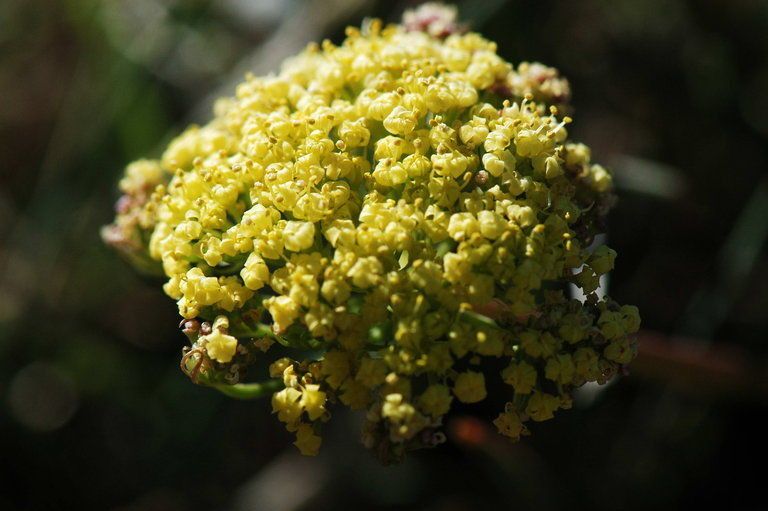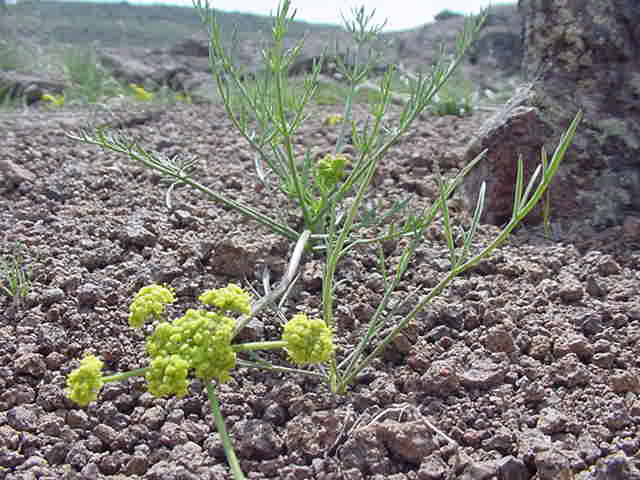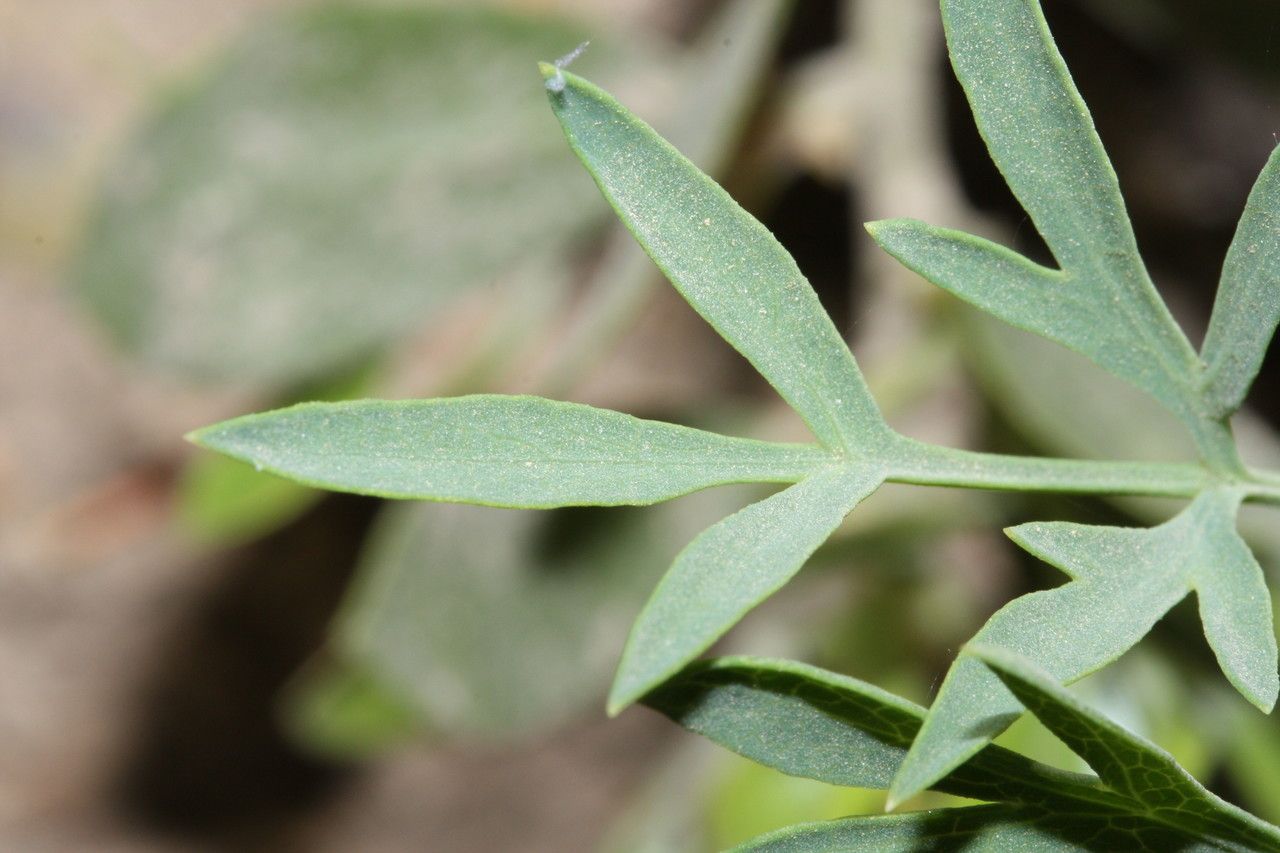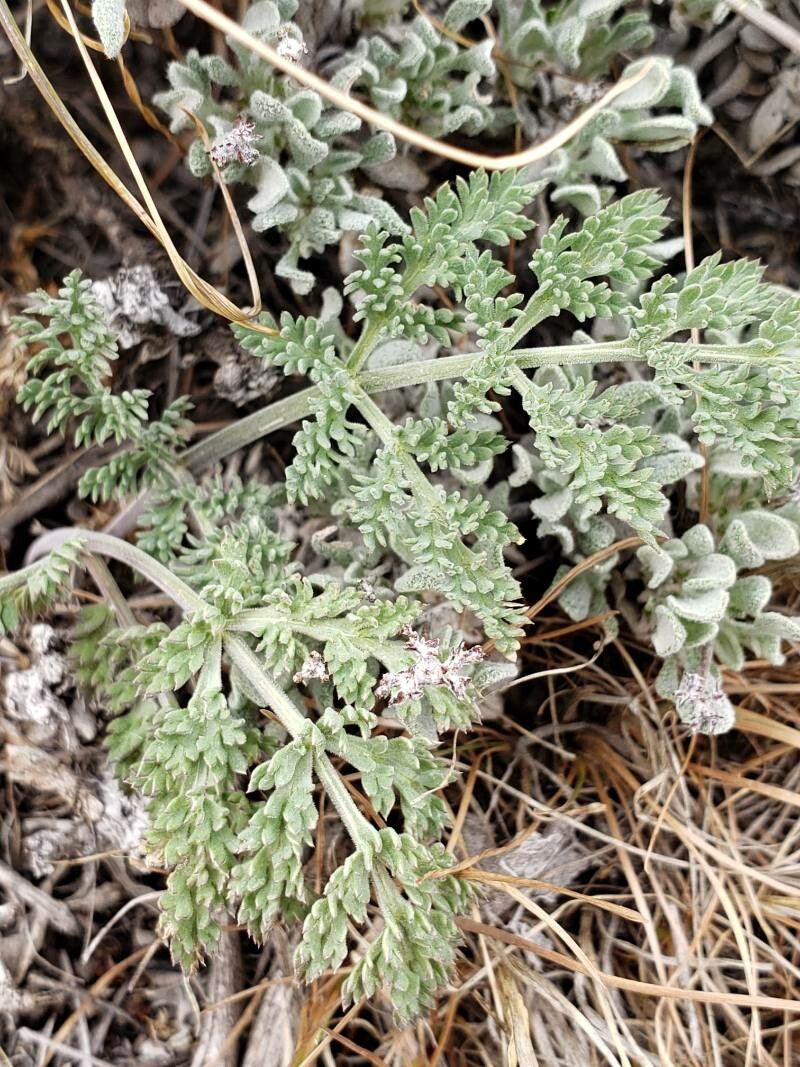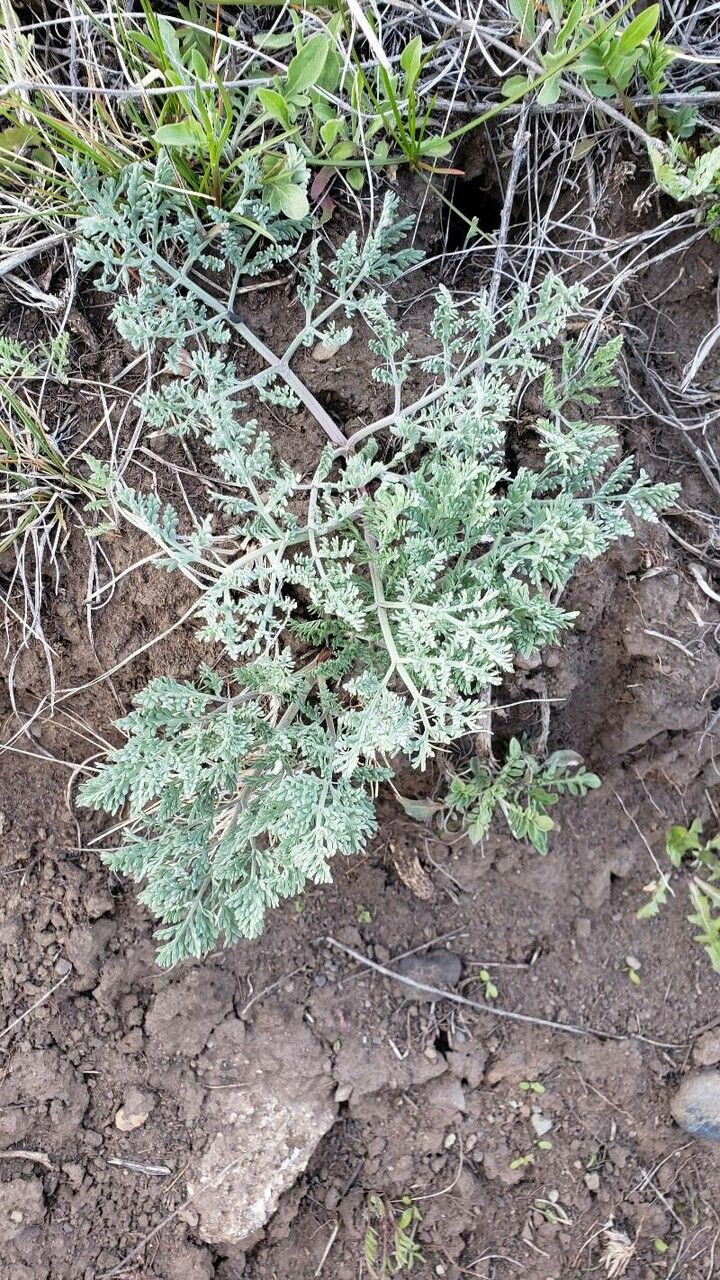
Lomatium foeniculaceum is a species of flowering plant in the carrot family known by the common name desert biscuitroot. It is native to much of western and central North America, where it grows in many types of habitat.
Desert biscuitroot shows good resistance to disease and is generally unlikely to suffer from illnesses. Still, it can be affected by pests and diseases present nearby, though such problems are typically mild. Regarding care, this plant demands a moderate amount of attention. It should be pruned regularly to preserve a neat appearance and support healthy growth. Applying fertilizer can also encourage flowering. Desert biscuitroot is appropriate for anyone with outdoor areas like a garden or patio and does not call for extensive gardening experience. It may need more attention if kept indoors.
How to keep Lomatium Foeniculaceum.
Light
Desert biscuitroot is a sun-loving perennial herbaceous plant native to open habitats and commonly found in meadows and grasslands. It prefers full sun but can also tolerate partial sun.
Water
Desert biscuitroot, native to arid regions, is a drought-tolerant plant that thrives with minimal moisture. To keep it healthy, water it weekly, but be careful not to overwater. When growing desert biscuitroot outdoors, use well-draining soil to prevent root rot and mimic its natural dry habitat.
Temperature
Desert biscuitroot can tolerate a wide range of temperatures, but its distribution may still be constrained by different combinations of moisture and heat. It performs best in warm summer conditions with sufficient rainfall or irrigation. Extended periods of cloudy, rainy weather, as well as prolonged high temperatures, can raise the likelihood of Desert biscuitroot dying. In winter, protecting it from cold can increase its chances of survival.
Fertilizer
Usually, one application of fertilizer in spring is enough for Desert biscuitroot, though multiple feedings can optimize growth. Apply fertilizer every month to a month and a half. Fertilization improves the leaves' appearance and function, helping maintain even color and a healthy texture. It also encourages root development and enhances nutrient uptake for the plant's long-term health.
Pruning
Pruning desert biscuitroot from early to late spring can significantly improve its growth and shape. By removing dead stems, you can reduce stress on the plant before new growth begins. This practice also improves air circulation, which helps lower the risk of disease, and encourages strong, healthy development. Be sure to use clean, sharp tools to prevent injury to the plant and avoid spreading disease.
Botanical profile.
- Plant Type
- Herb
- Life Cycle
- Perennial
- Genus
- Lomatium
- Family
- Apiaceae
- Hardiness Zone
- 3-8
- Mature Height
- 30 cm
- Mature Spread
- 20 cm to 40 cm
- Leaf Color
- Green, Dark Green
- Leaf Type
- Semi-evergreen
- Flower Color
- Yellow
- Flower Size
- 0.25 cm to 0.51 cm
- Bloom Time
- Early spring, Mid spring
- Planting Time
- Spring
- Harvest Time
- Late spring, Early summer
Other names.
Reader questions.
Is Desert biscuitroot harmed by sunlight? How can we keep Desert biscuitroot safe from the sun and heat?
In warm climates, some Perennial Flowering Plants may struggle with excessive heat and suffer from sun damage. They can wilt, dry out, or even experience growth problems if they are consistently exposed to the intense afternoon sun. However, not all plants require protection from the light afternoon sun. For those that are harmed by intense afternoon exposure, it is recommended to provide them with some shade in warmer climates. Gardeners can achieve this by planting these plants in areas that do not receive direct heat during the afternoon, such as under trees or behind bushes.