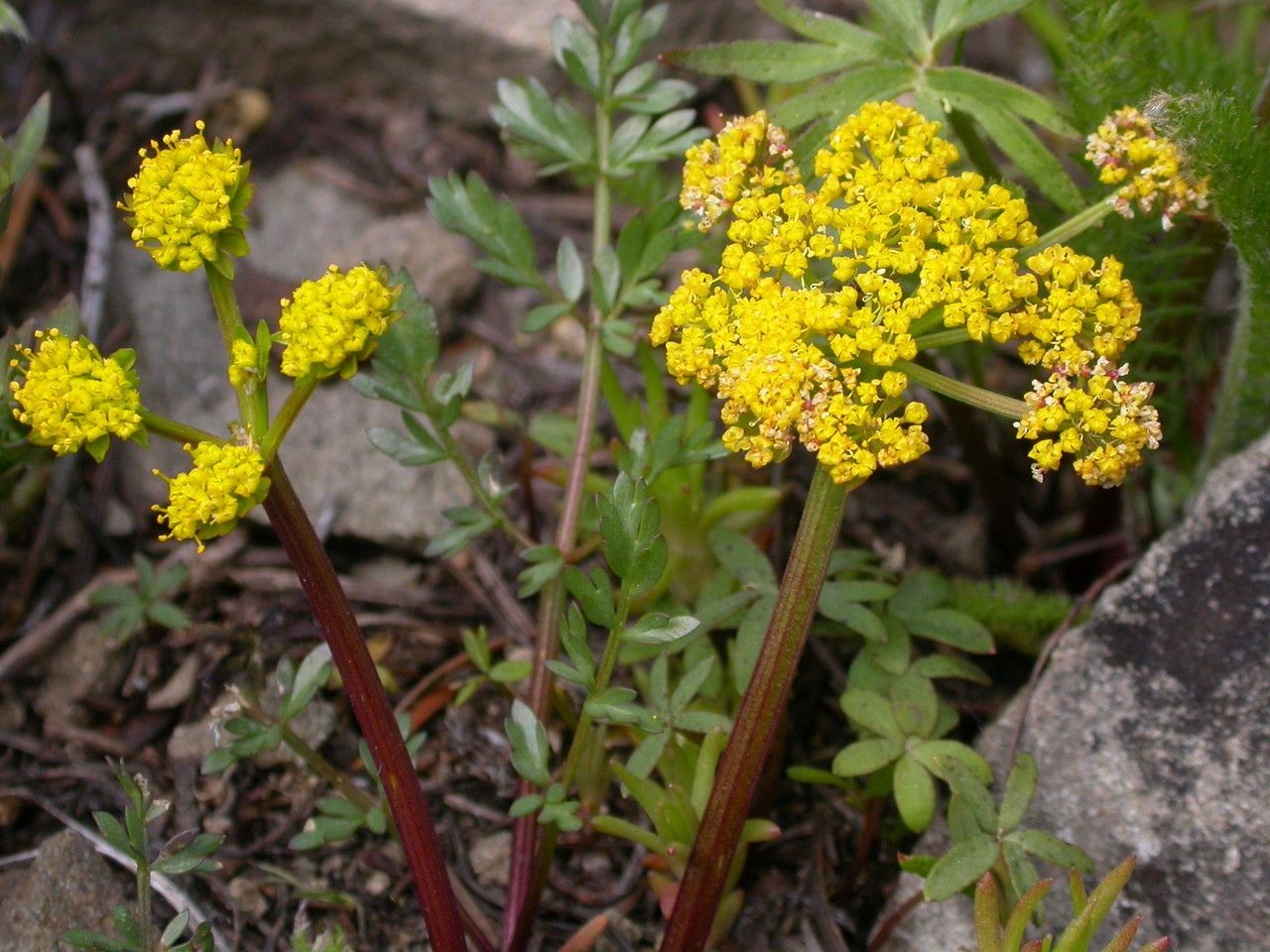
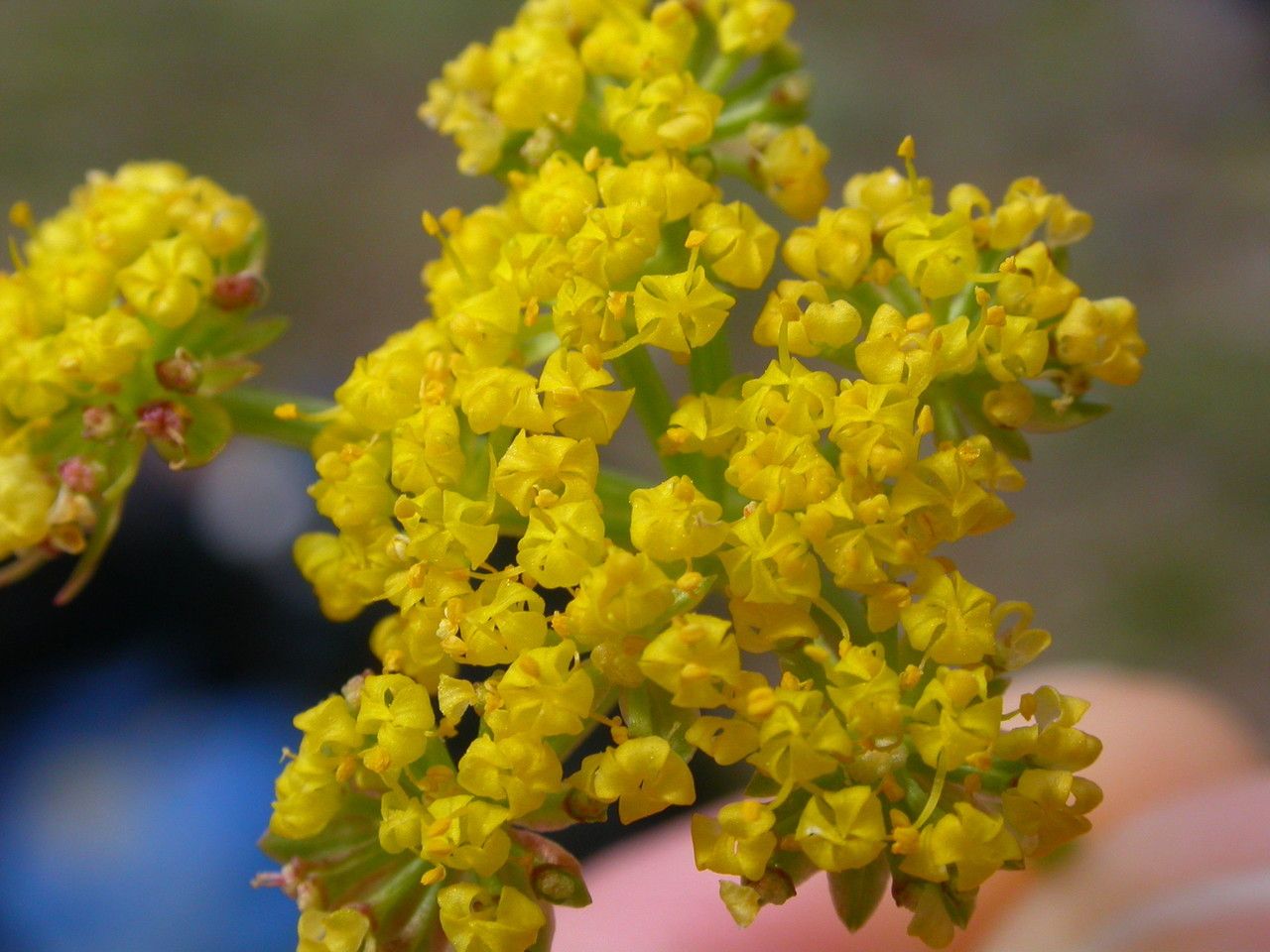
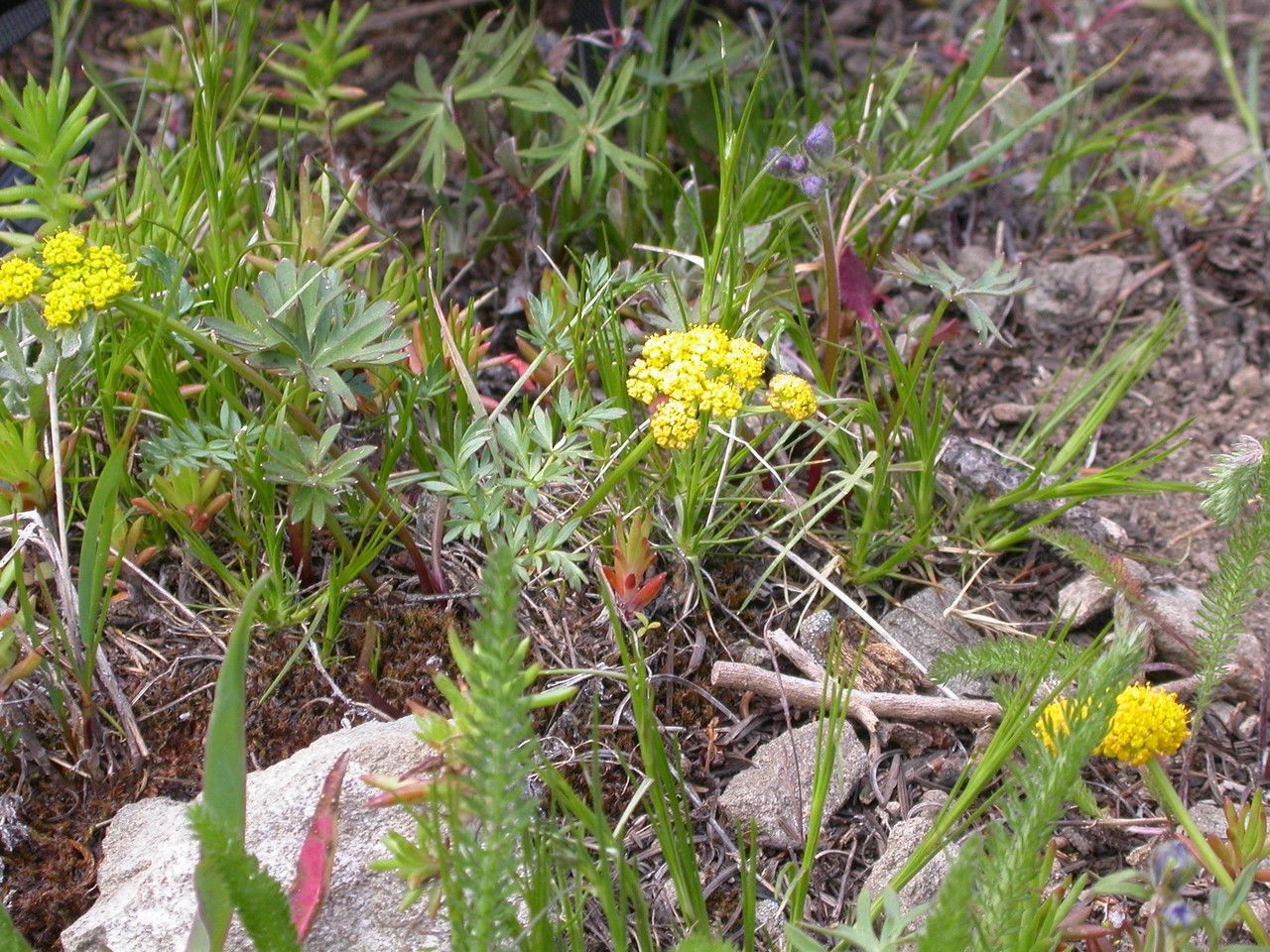
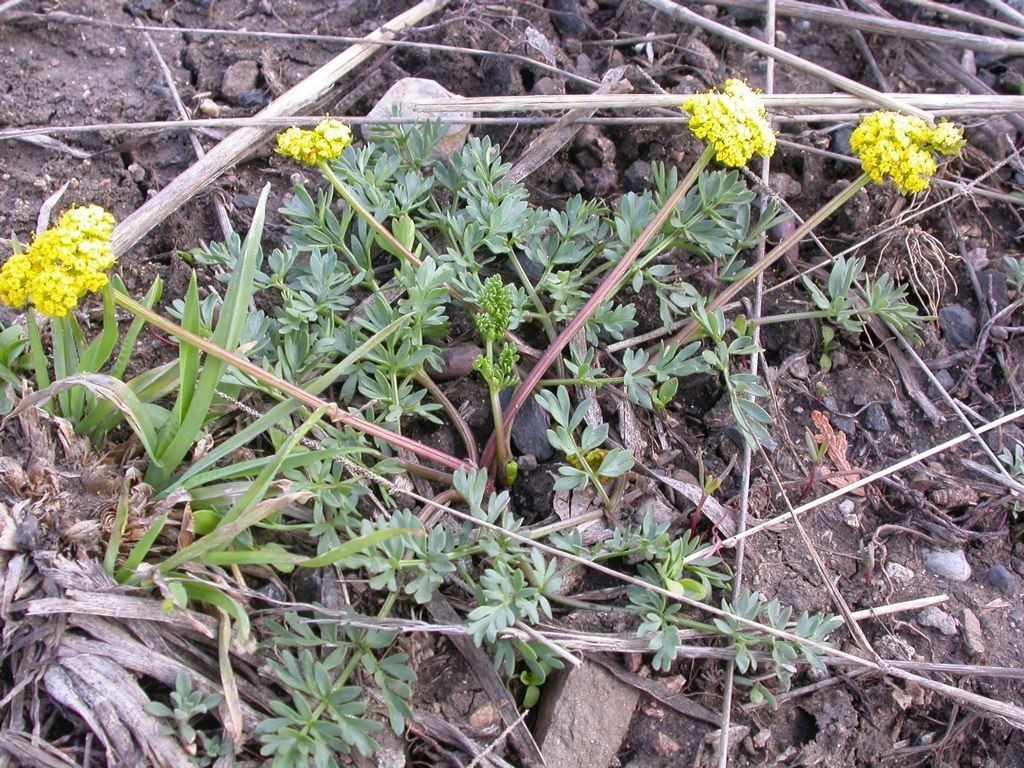
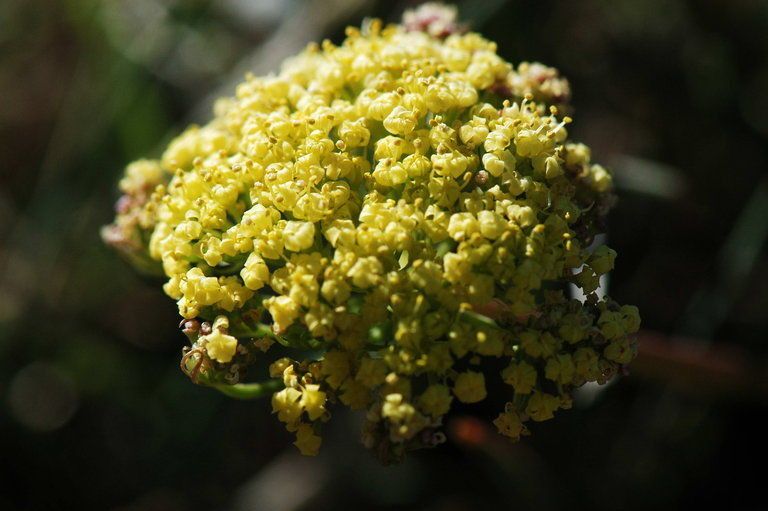
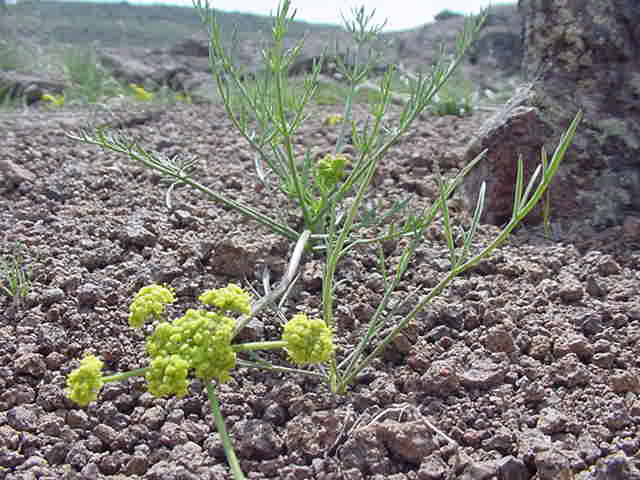
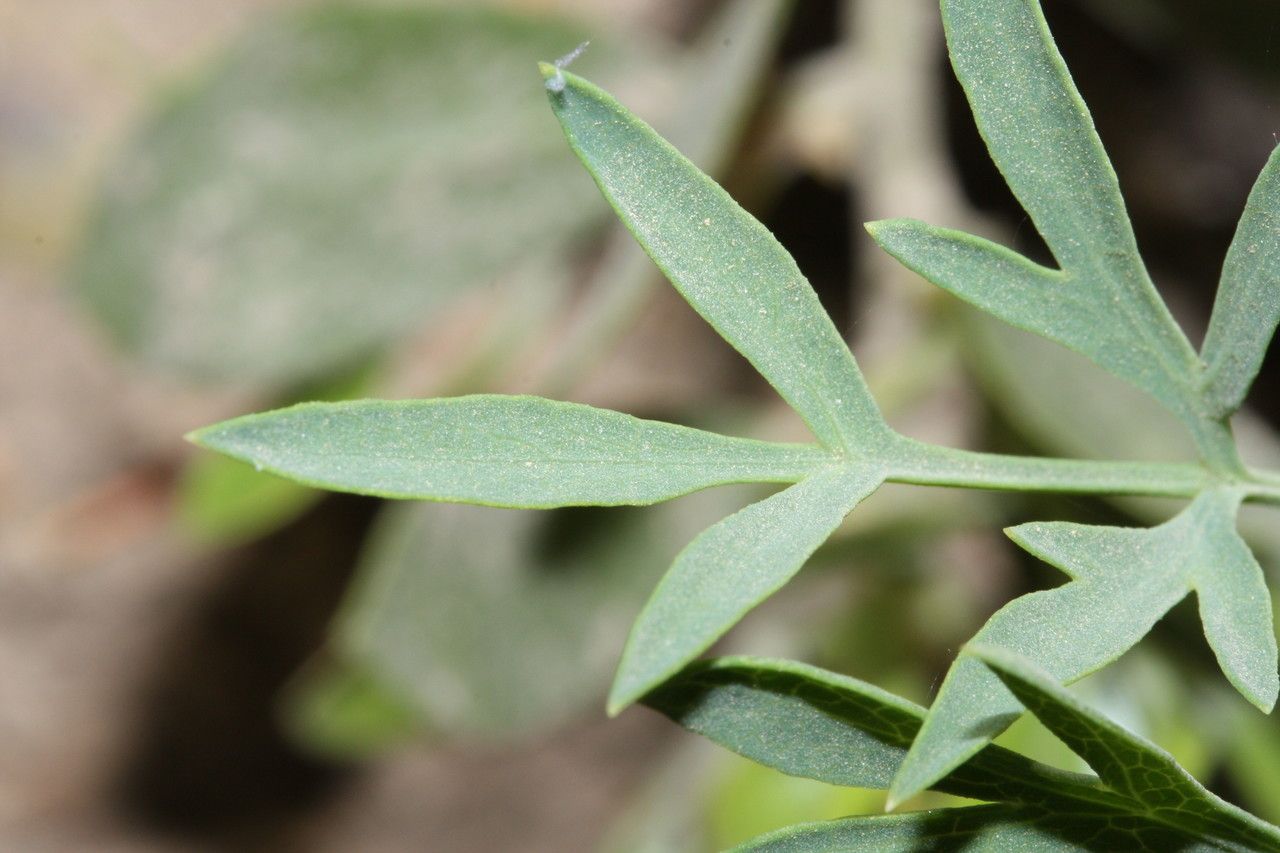
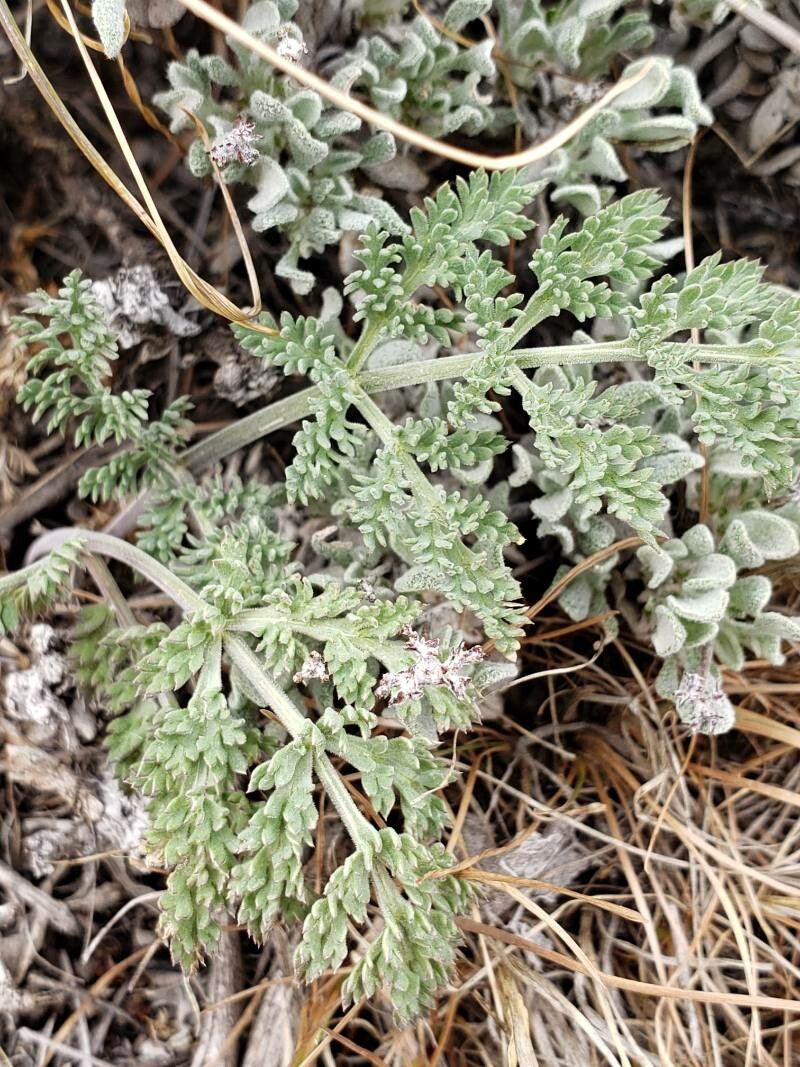
Lomatium cous (cous biscuitroot) is a perennial herb of the family Apiaceae. The root is prized as a food by the tribes of the southern plateau of the Pacific Northwest. Meriwether Lewis collected a specimen in 1806 while on his expedition.It is called x̣áwš in the Sahaptin language, and qáamsit (when fresh) and qáaws (when peeled and dried) in the Nez Perce language. It is called shappelell by the Chinooks: "... and a kind of bisquit, which the natives make of roots called by them shappelell." -- Meriwether Lewis, Friday, January 9th, 1806. From The Definitive Journals of Lewis & Clark, Down the Columbia to Fort Clatsop. Volume 6 of the Nebraska Edition. Gary E. Moulton, Editor. University of Nebraska Press, Lincoln, 1990.
Cous biscuitroot is fairly disease-resistant and typically does not get sick easily. Still, it can be vulnerable to pests and diseases present in its environment, though such problems are generally mild. As for care, the plant needs moderate maintenance. It should be pruned regularly to keep a neat appearance and support healthy growth. Applying fertilizer can also encourage flowering. Cous biscuitroot is a good choice for anyone with outdoor space, like a garden or patio, and does not demand extensive care experience. It may, however, need extra attention when kept indoors.
How to keep Lomatium Cous.
Fertilizer
Fertilizing Cous biscuitroot once in spring is generally enough, though repeated feedings can maximize growth. Apply feedings every month to a month and a half. Fertilization improves the appearance and function of the leaves, helping maintain consistent color and a healthy texture. It also promotes root development and nutrient uptake for long-term plant health.
Pruning
Cous biscuitroot, a plant native to the western United States, features fern-like leaves and yellow flowers arranged in umbels. To encourage healthy growth, prune the plant from early to late spring, focusing on removing any dead stems. Regular light pruning can enhance air circulation and improve flowering, but heavy pruning should be avoided. For more detailed care information, consult horticultural guides.
Botanical profile.
Other names.