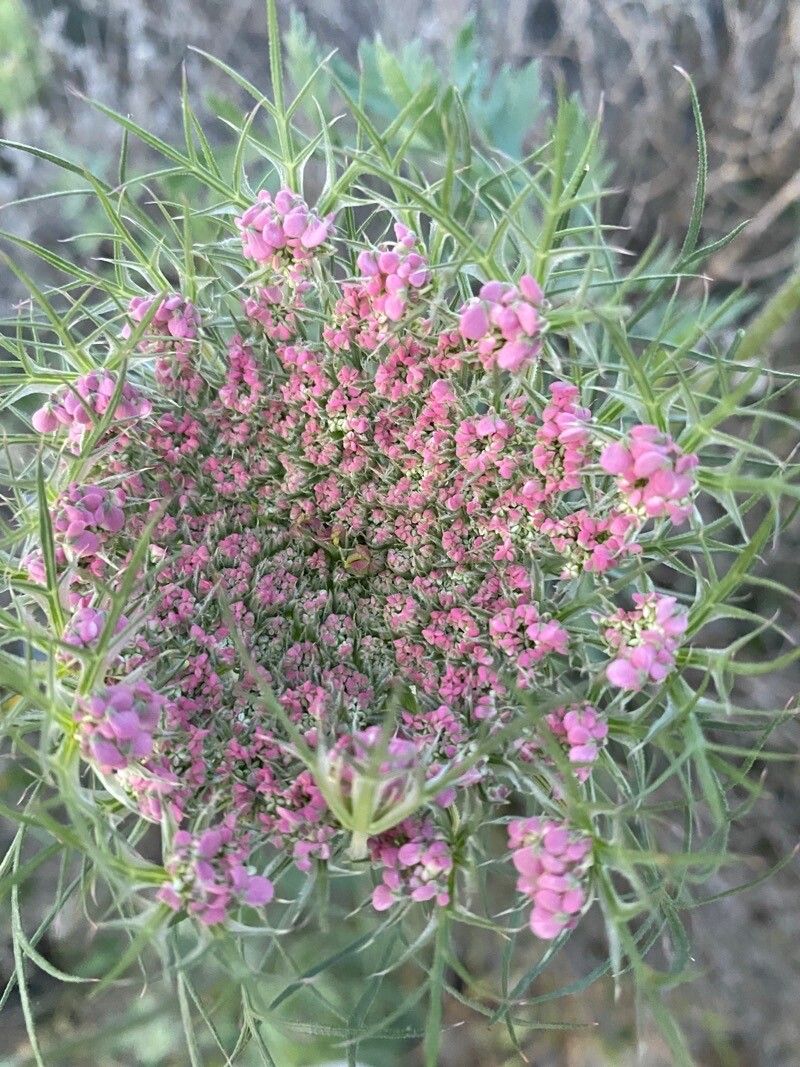
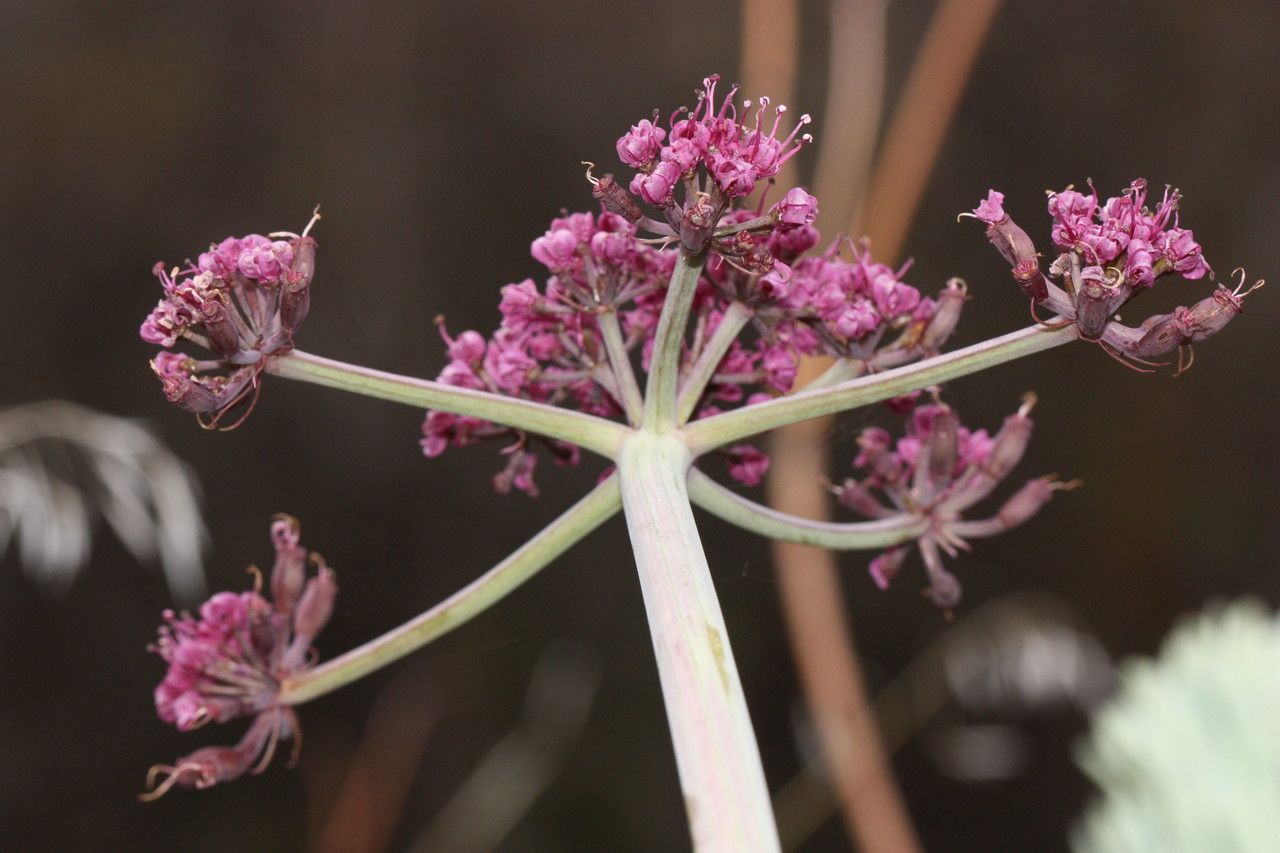
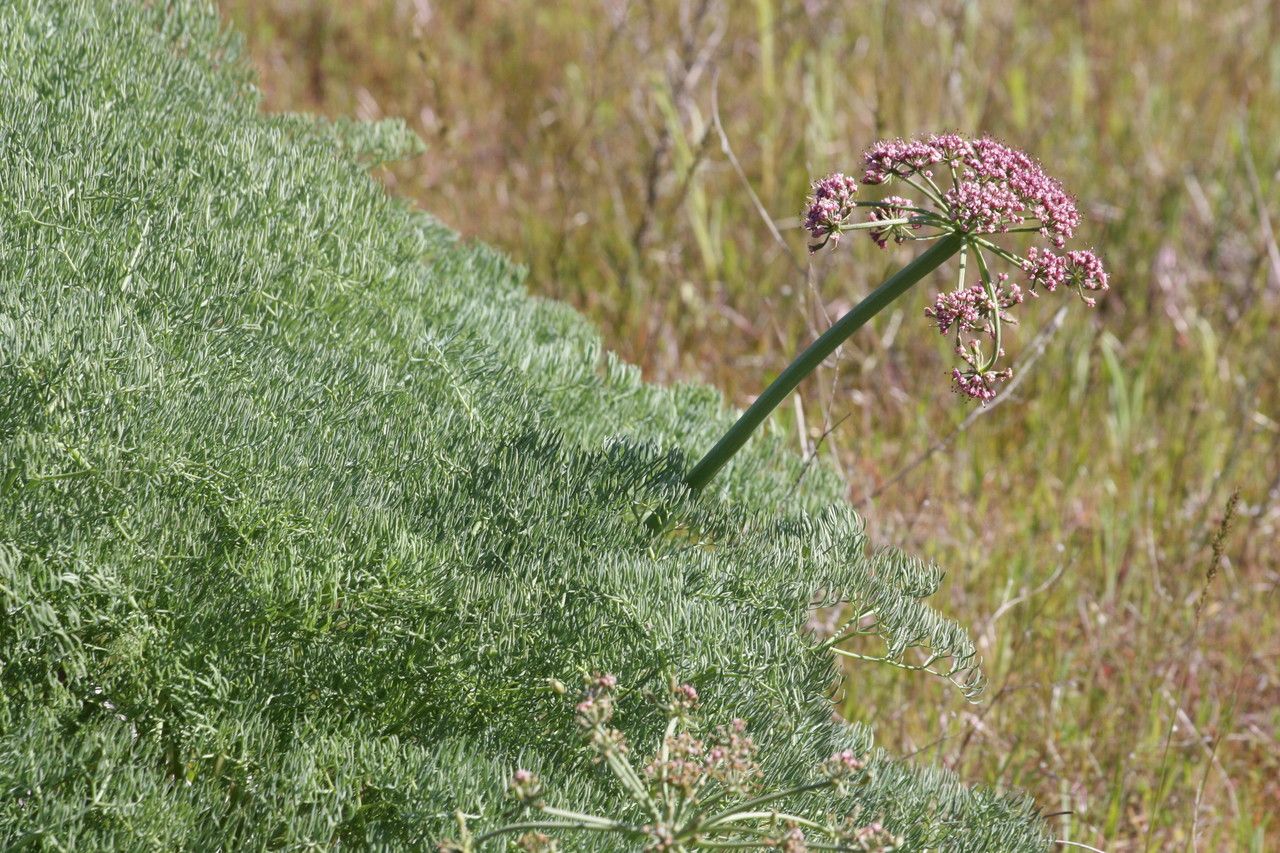
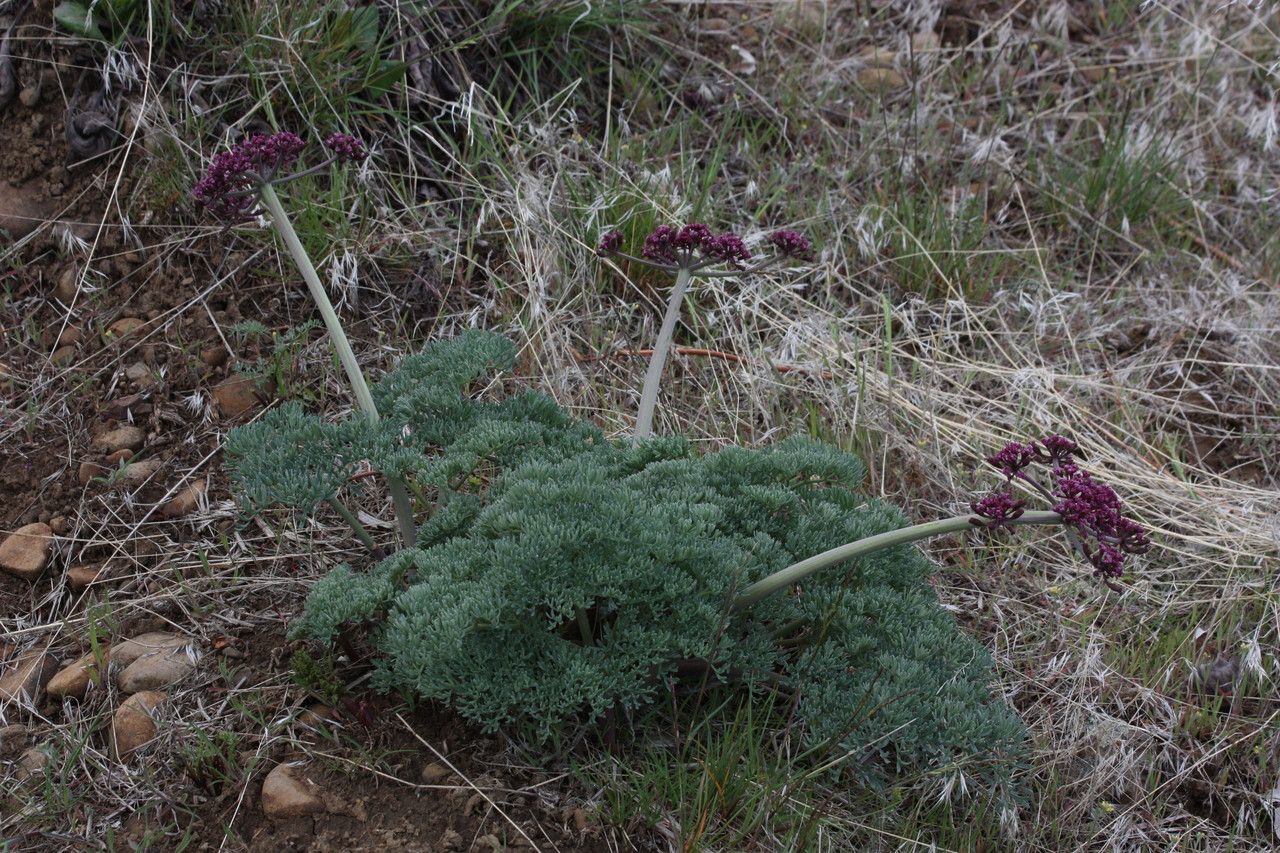
Lomatium columbianum, commonly known as Columbia desert parsley, is a perennial herbaceous plant in the Apiaceae family. Native to western North America, it thrives in diverse habitats such as dry slopes, meadows, and open forests.
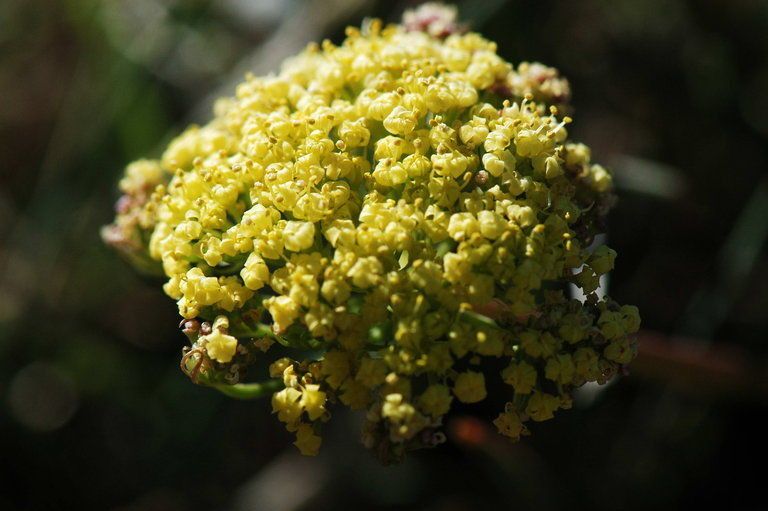
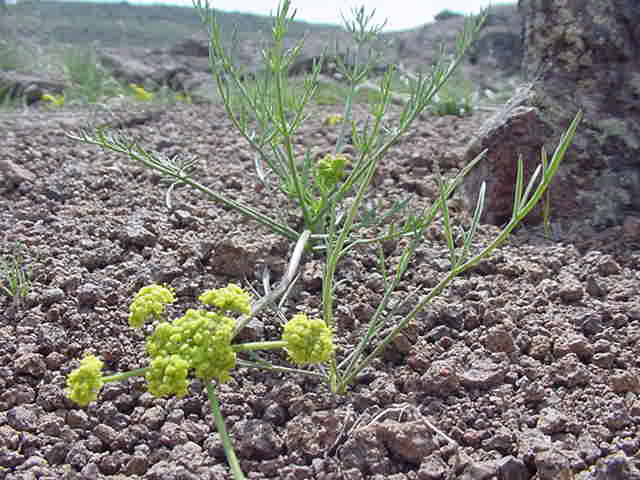
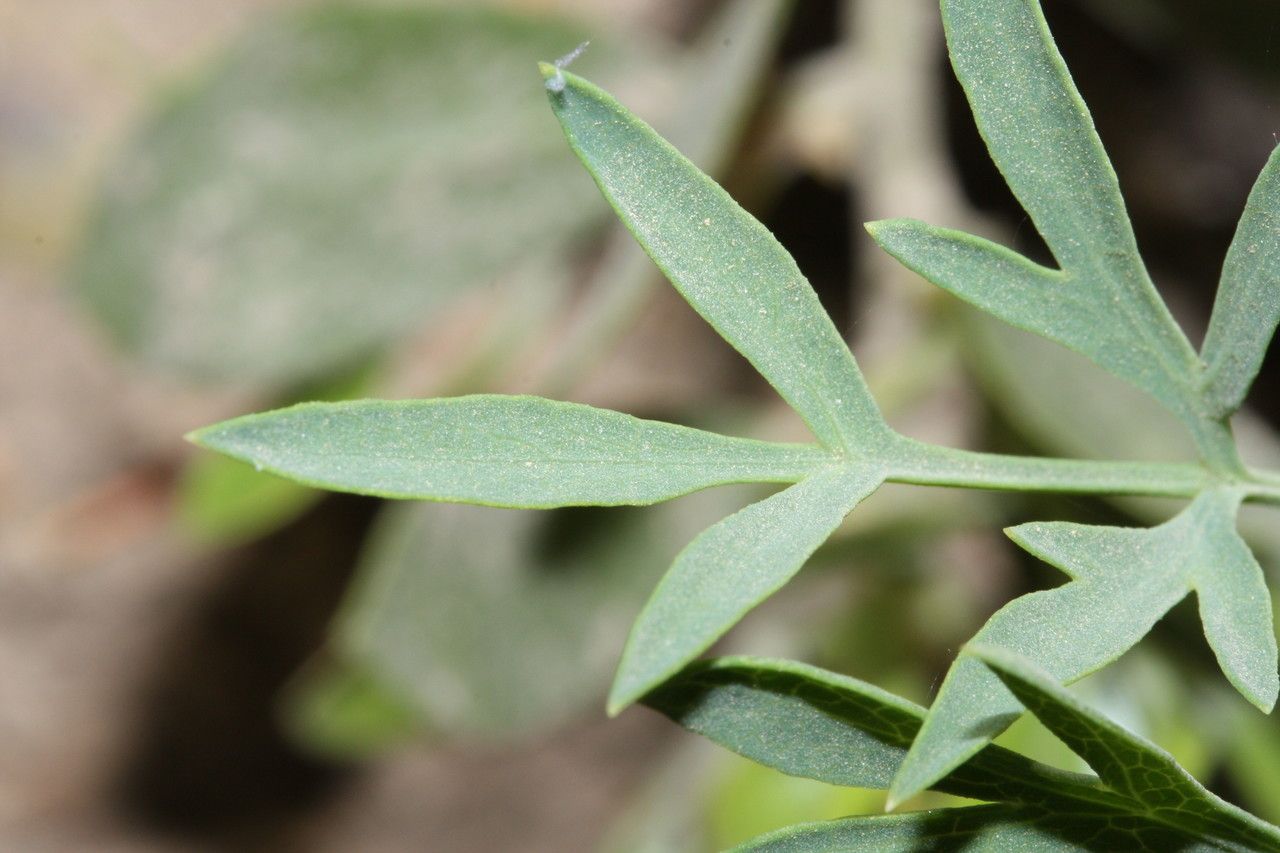
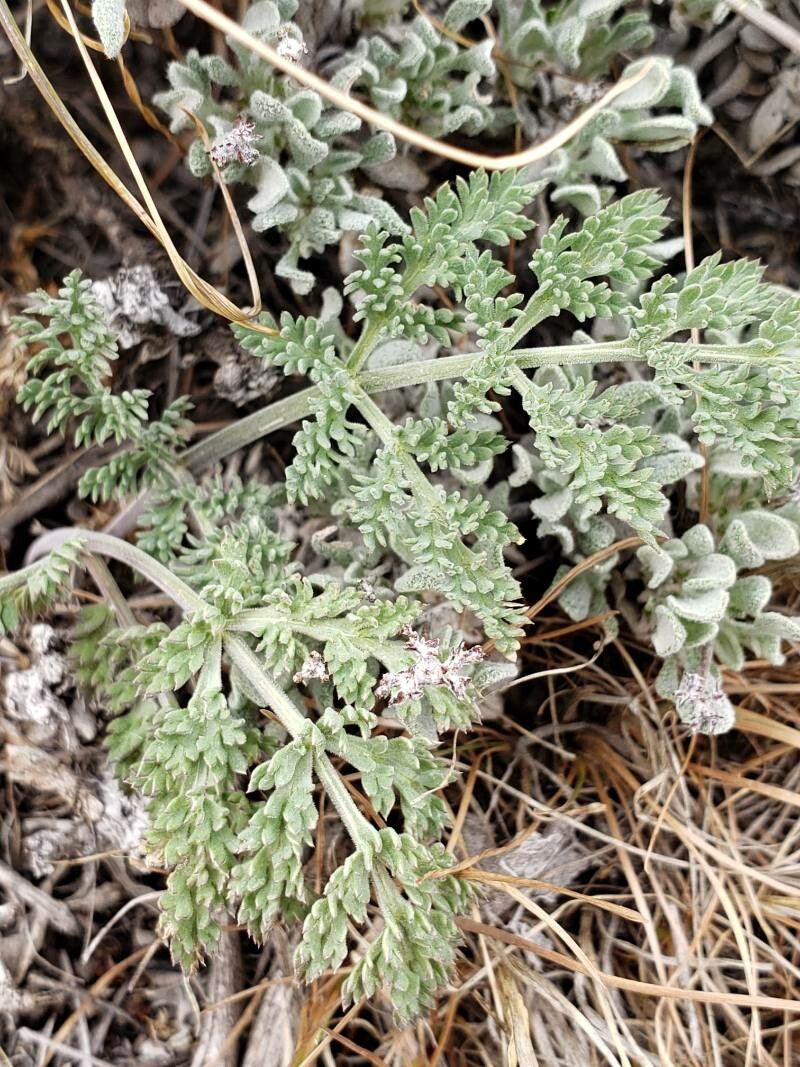
This plant can grow up to 60 cm tall and features a taproot extending up to 1 meter deep into the soil. Its leaves are finely divided into numerous small leaflets, giving them a feathery appearance. The flowers are small, yellowish-green, and arranged in umbels at the tips of long stalks.
Indigenous peoples have used Lomatium columbianum for centuries for its medicinal properties, particularly its antibacterial qualities. Native Americans also consumed the roots as a food source, either roasting or boiling them.
Ecologically, Lomatium columbianum plays a vital role by providing food for pollinators such as bees and butterflies. Its deep taproot system also aids in preventing soil erosion.
However, the species is considered threatened or endangered in some regions due to habitat loss driven by human activities like agriculture and urbanization.
Lomatium columbianum is a crucial native plant with significant ecological value, and it deserves protection to prevent further habitat destruction caused by human activities.
Purple leptotaenia has strong resistance to diseases and is generally not vulnerable to them. Still, it can be affected by pests and illnesses present in its environment. Such infections are typically mild. Regarding care, the plant is moderately demanding. It should be trimmed regularly to preserve an attractive appearance and healthy development. Applying fertilizer can also encourage flowering. Purple leptotaenia is well suited for anyone with outdoor areas like a garden or patio and does not demand extensive gardening experience. It may need more attention when cultivated indoors.
How to keep Lomatium Columbianum.
Light
Purple leptotaenia is a sun-loving perennial herbaceous plant native to open habitats, often found in meadows and grasslands. It prefers full sun but can also tolerate partial sun conditions.
Fertilizer
One fertilizer application in spring is typically enough for Purple leptotaenia, though multiple feedings can maximize growth. Feed once every month to a month and a half. Fertilization improves leaf appearance and function, encouraging even color and a healthy texture. It also promotes root growth and nutrient uptake for long-term plant health.
Pruning
To keep your purple leptotaenia in top shape and to encourage healthy growth, prune it in early spring. Remove any dead stems and thin out crowded areas to improve air circulation. When pruning, cut just above a leaf node to stimulate new growth, enhance blooming, and prevent disease. This will optimize the plant's vitality and aesthetic appeal.
Botanical profile.
- Plant Type
- Herb
- Life Cycle
- Perennial
- Genus
- Lomatium
- Family
- Apiaceae
- Hardiness Zone
- 4-8
- Mature Height
- 30 cm to 76 cm
- Mature Spread
- 15 cm to 30 cm
- Leaf Color
- Green
- Leaf Type
- Deciduous
- Flower Color
- Yellow
- Flower Size
- 0.20 cm to 0.25 cm
- Bloom Time
- Mid spring, Late spring
- Planting Time
- Spring, Summer
- Harvest Time
- Early summer, Mid summer
Other names.