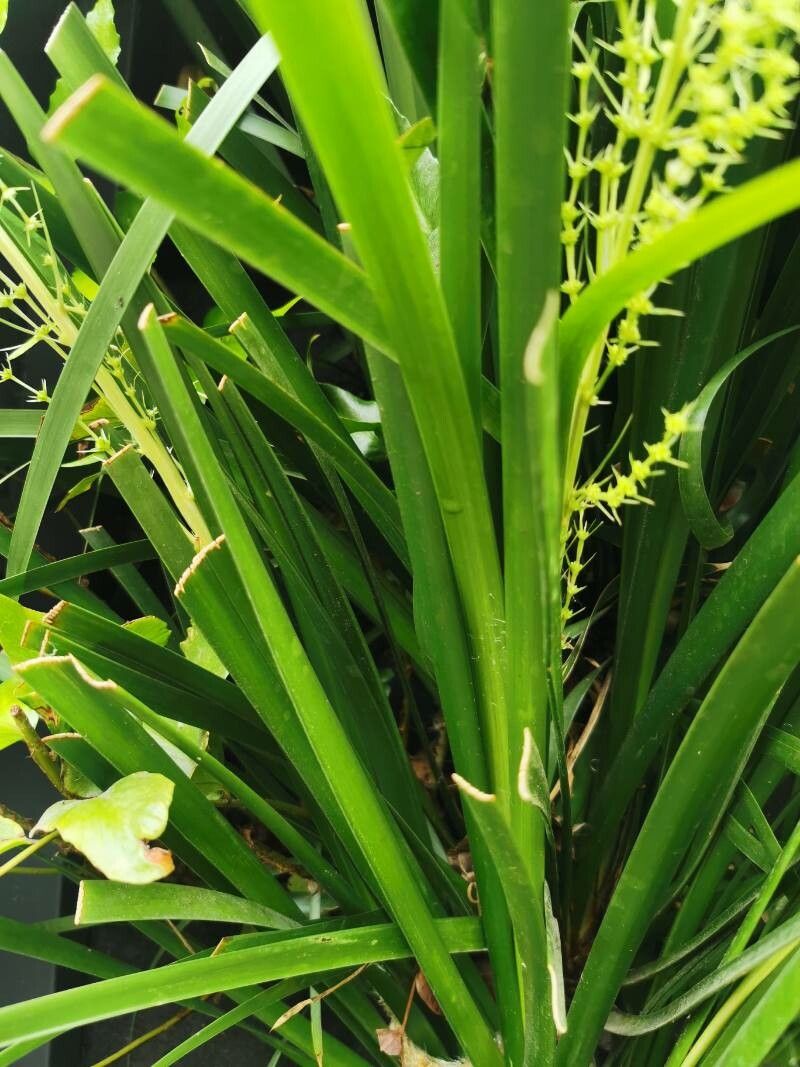
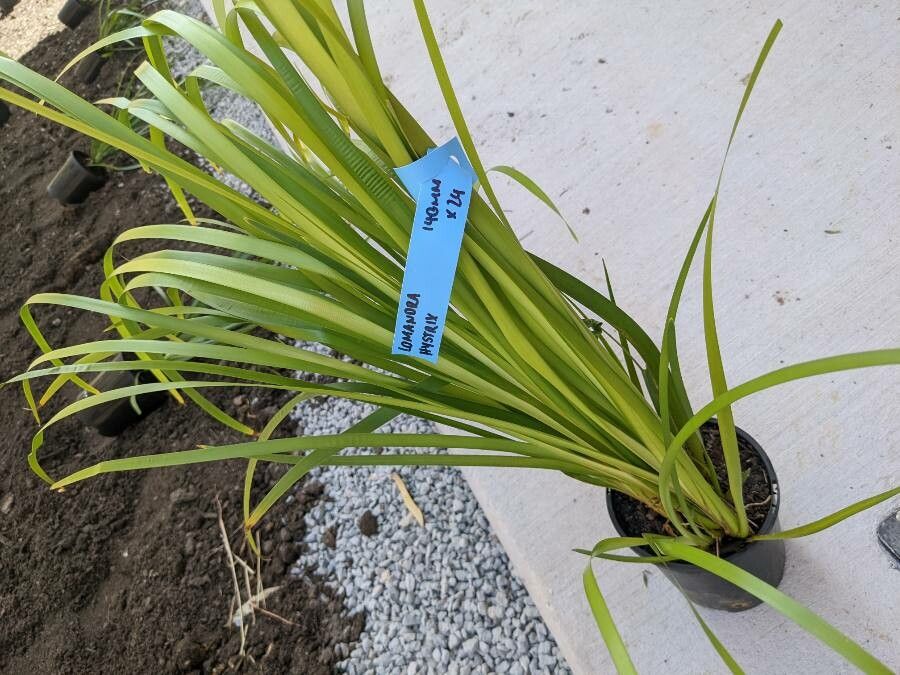
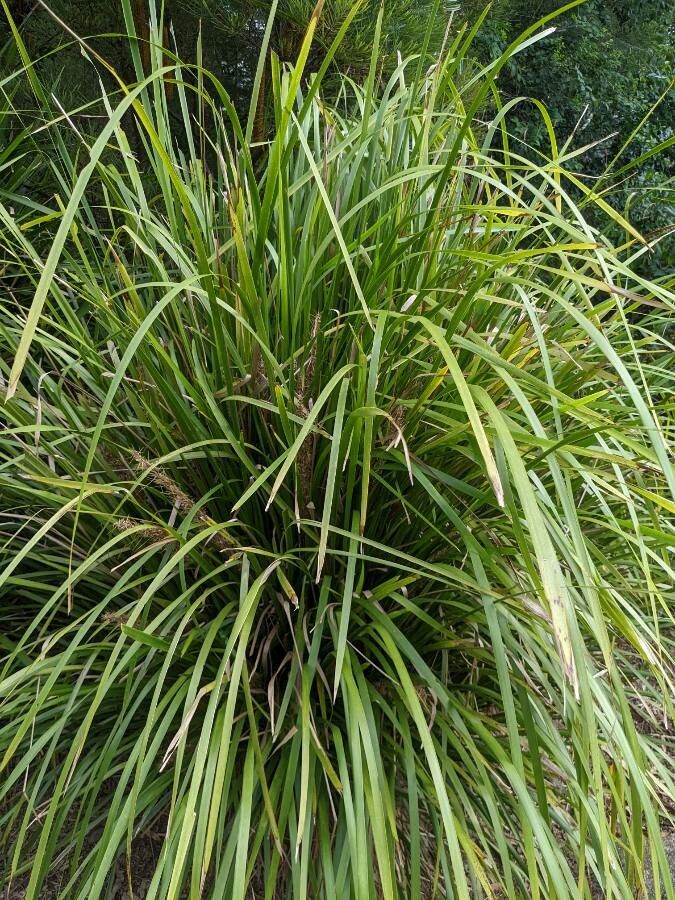
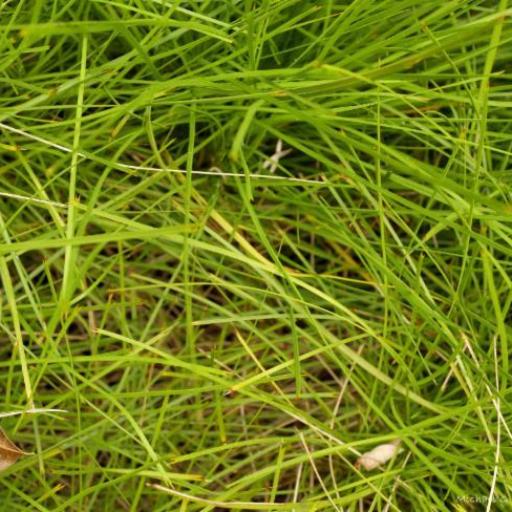
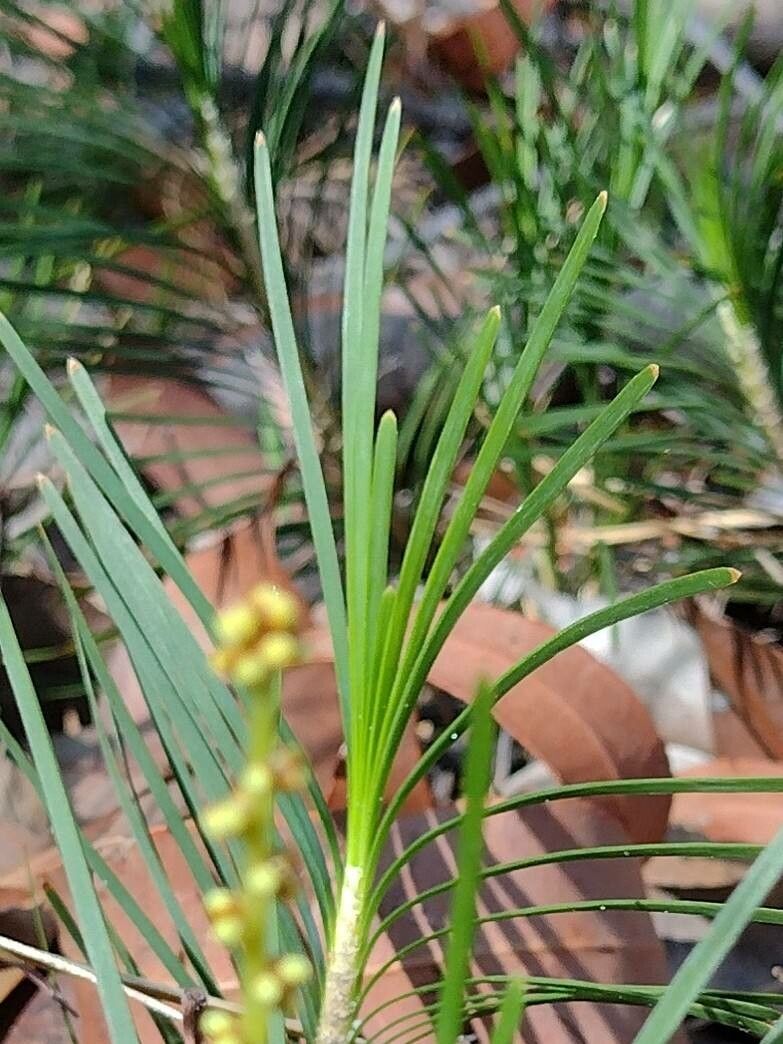
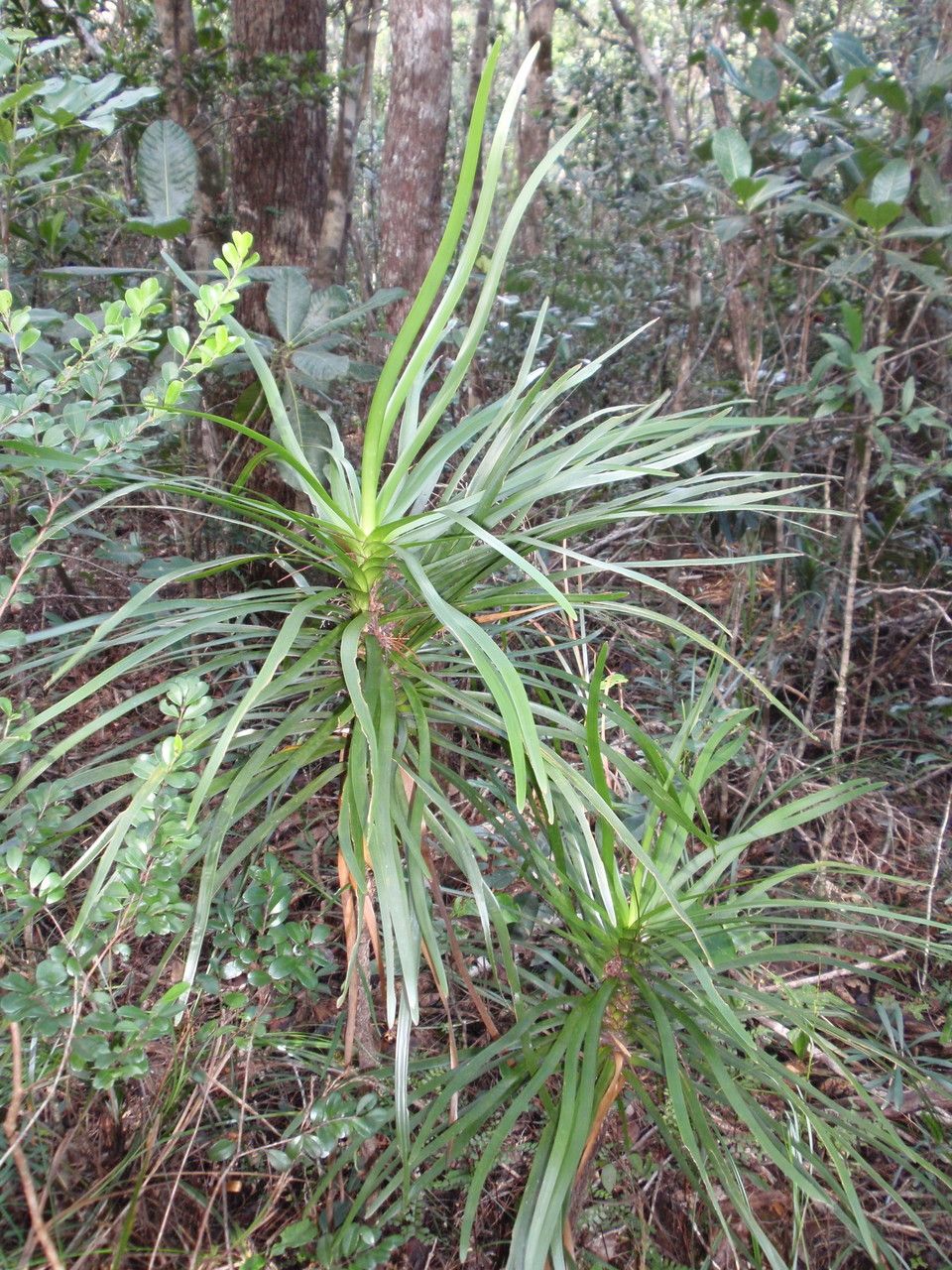
Lomandra hystrix, commonly known as mat rush or basket grass, is a perennial plant native to Australia. It belongs to the Asparagaceae family and is widely cultivated for its ornamental value. The plant features long, narrow leaves that grow in a clumping habit and can reach up to 1 meter in height. These tough, leathery leaves are blue-green, adding an attractive texture to any landscape.
Highly adaptable, Lomandra hystrix can thrive in various soil types, from sandy to heavy clay soils. It prefers full sun or partial shade but can also tolerate shady conditions, making it an ideal choice for diverse landscaping projects.
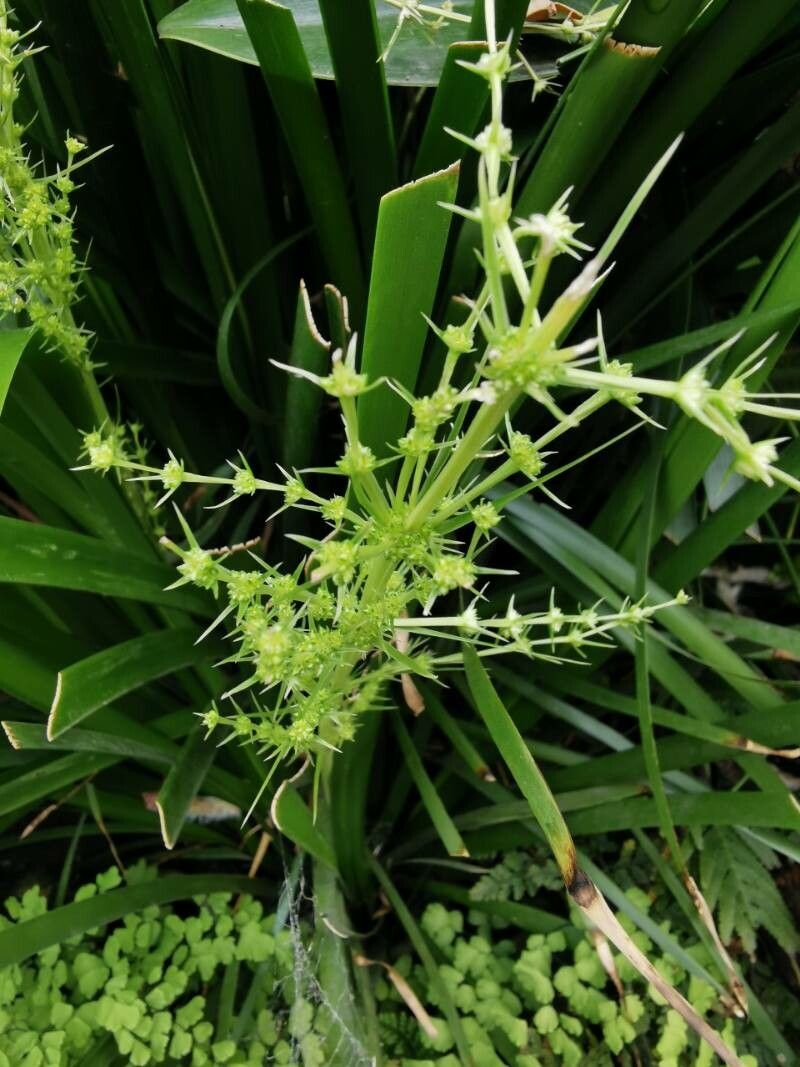
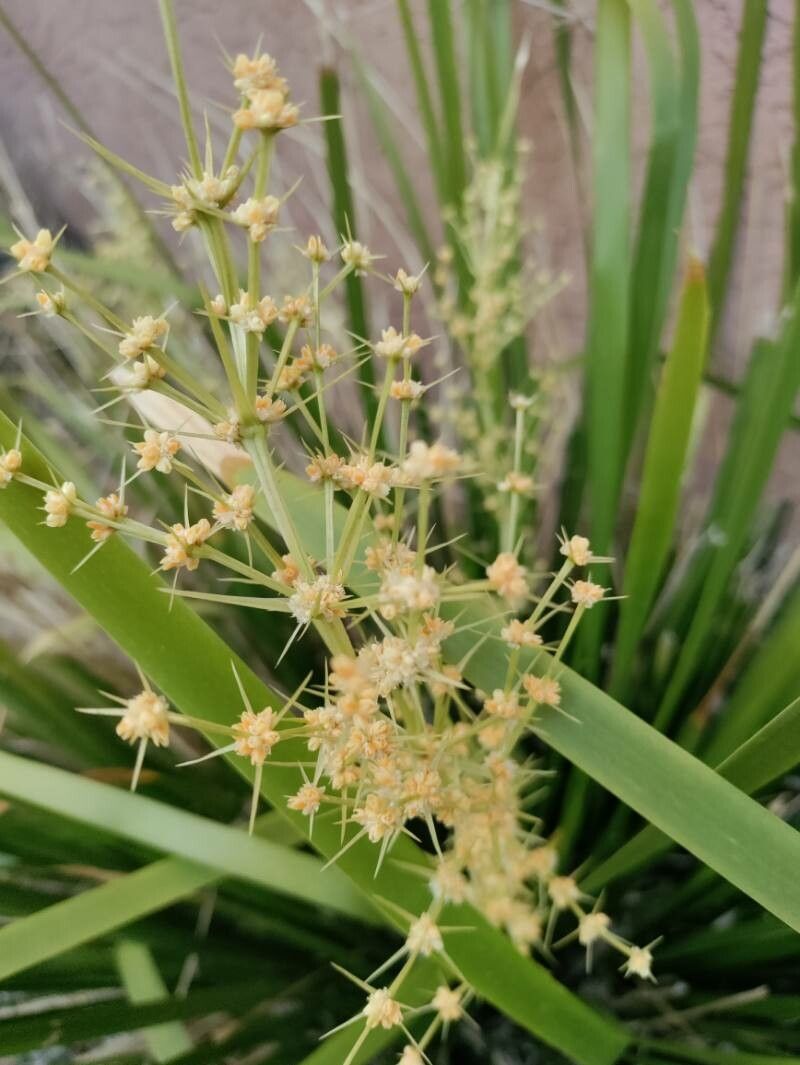
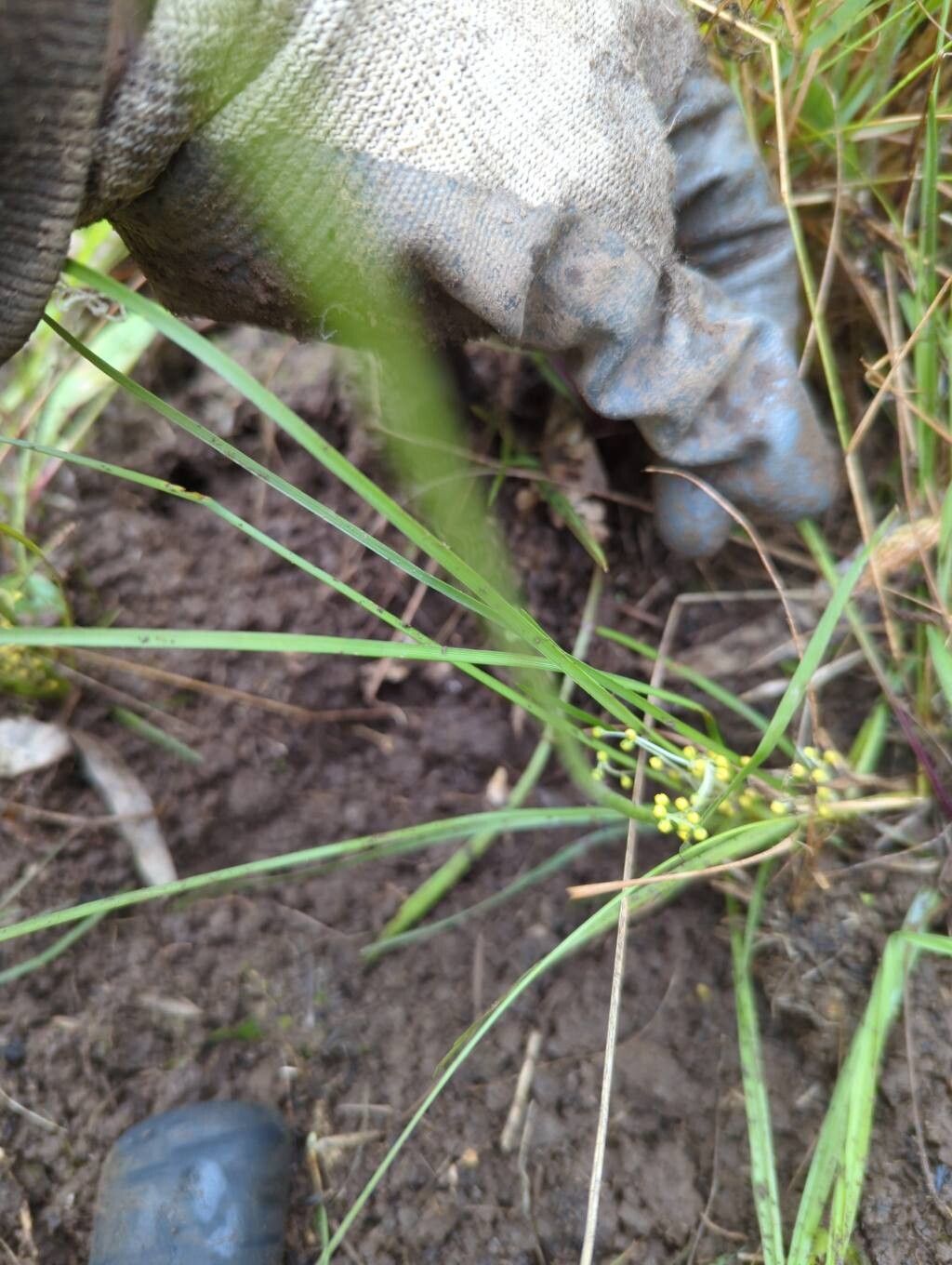
In spring, the plant produces small yellow flowers on spikes that emerge from the center of its foliage. These flowers are followed by small black berries, adding further interest in autumn.
Lomandra hystrix has multiple uses, including erosion control on slopes, serving as ground cover under trees or shrubs, and being suitable for mass planting in gardens or parks due to its hardiness and low maintenance requirements.
Overall, Lomandra hystrix is an attractive ornamental grass with numerous practical uses, making it a popular choice among gardeners worldwide.
Slender mat rush is fairly disease-resistant and typically not prone to illnesses. Nonetheless, it can be affected by pests and diseases found nearby. These issues are generally mild. Regarding care, the plant is moderately demanding. It should be pruned regularly to preserve a tidy appearance and healthy growth. Applying fertilizer can also encourage flowering. Slender mat rush is appropriate for anyone with outdoor space, such as a garden or patio, and does not need extensive care experience. It may need more attention when kept indoors.
How to keep Lomandra Hystrix.
Light
Slender mat rush naturally occurs in places like forest understories or rocky areas, where it grows in natural shade. It prefers partial sun but can adapt to full sun or full shade, demonstrating its versatile and hardy nature.
Water
Slender mat rush, native to areas with consistent moisture, thrives in well-watered environments and requires weekly watering for optimal growth. As an evergreen plant, it needs consistently moist soil to keep its foliage healthy. For best results, cultivate slender mat rush outdoors, where it can benefit from natural rainfall and receive occasional supplemental watering during dry periods.
Temperature
Slender mat rush is fairly adaptable to temperature, able to withstand high heat and wide temperature swings. When it gets hot, care should be taken with watering and providing suitable shade to avoid sunburn. However, Slender mat rush is relatively sensitive to low temperatures. While it can tolerate some cold, very low temperatures can cause frost damage.
Fertilizer
Usually a single fertilizer application in spring is adequate for Slender mat rush, although repeated feedings can enhance growth. Apply fertilizer roughly every month to six weeks. Fertilization improves the leaves' appearance and function, helping maintain uniform color and a healthy texture. It also promotes root development and nutrient uptake for the plant's long-term health.
Pruning
Slender mat rush is an evergreen plant with grass-like features, known for its dense, clumping growth and narrow leaves. To encourage fresh growth and maintain its shape, prune it by trimming old foliage between early and late spring. Proper pruning enhances air circulation, reduces the risk of disease, and improves the plant's aesthetic appeal.
Botanical profile.
- Plant Type
- Herb
- Life Cycle
- Perennial
- Genus
- Lomandra
- Family
- Asparagaceae
- Hardiness Zone
- 8-11
- Mature Height
- 91 cm
- Mature Spread
- 91 cm
- Leaf Color
- Green
- Leaf Type
- Evergreen
- Flower Color
- Yellow
- Flower Size
- 0.25 cm to 0.51 cm
- Bloom Time
- Mid spring, Late spring, Early summer
- Planting Time
- Spring, Autumn
- Harvest Time
- Mid summer, Late summer, Early fall
Other names.
Reader questions.
What is Slender Mat Rush?
Slender Mat Rush, known botanically as Lomandra hystrix, is a plant species recognized for its unique qualities and characteristics. The detailed information about its essentials, symptoms, and additional aspects was not provided.