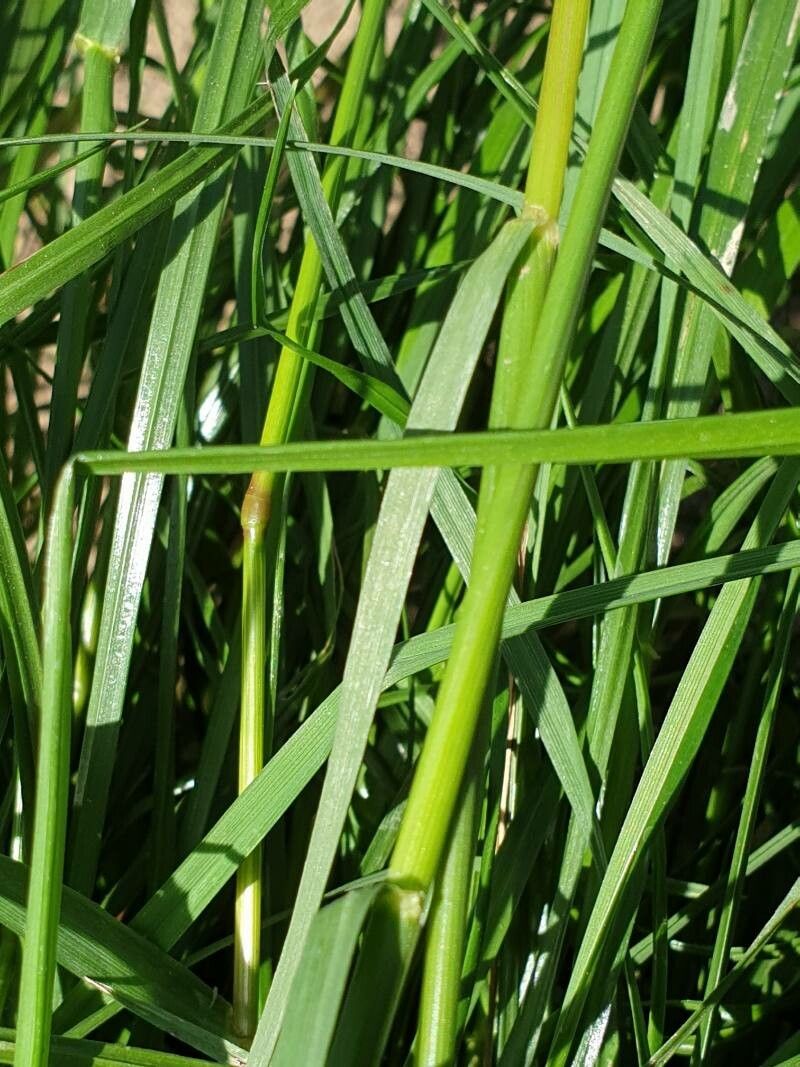
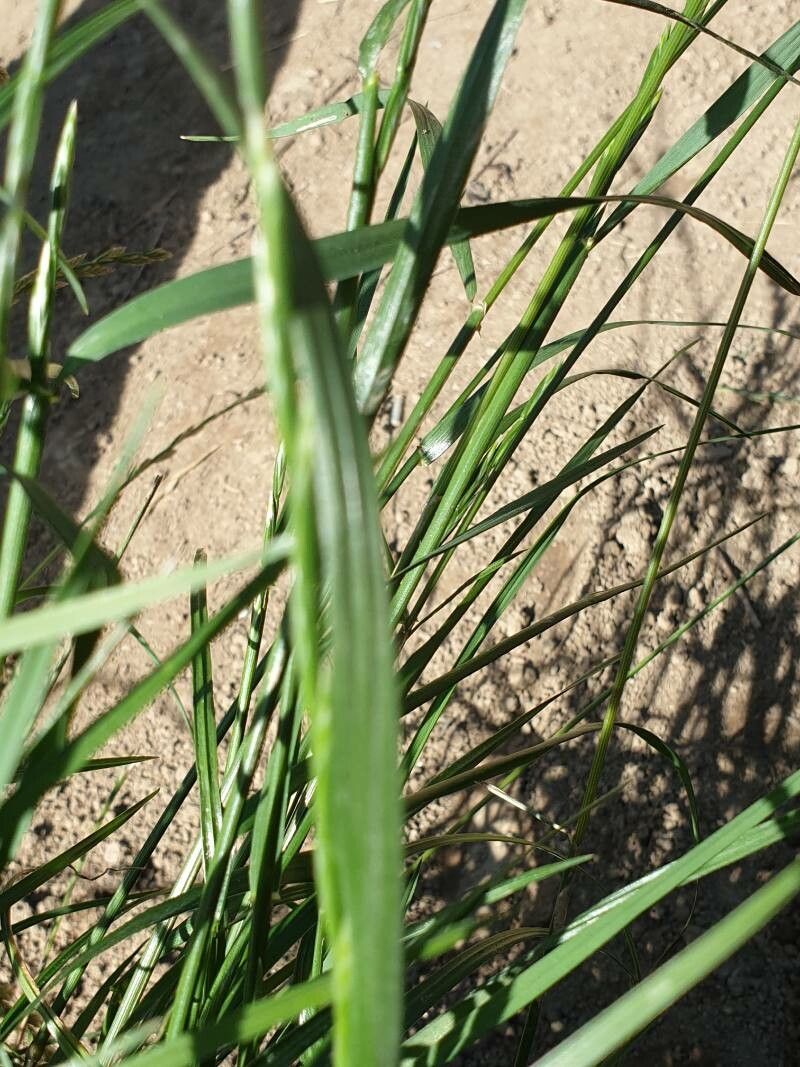
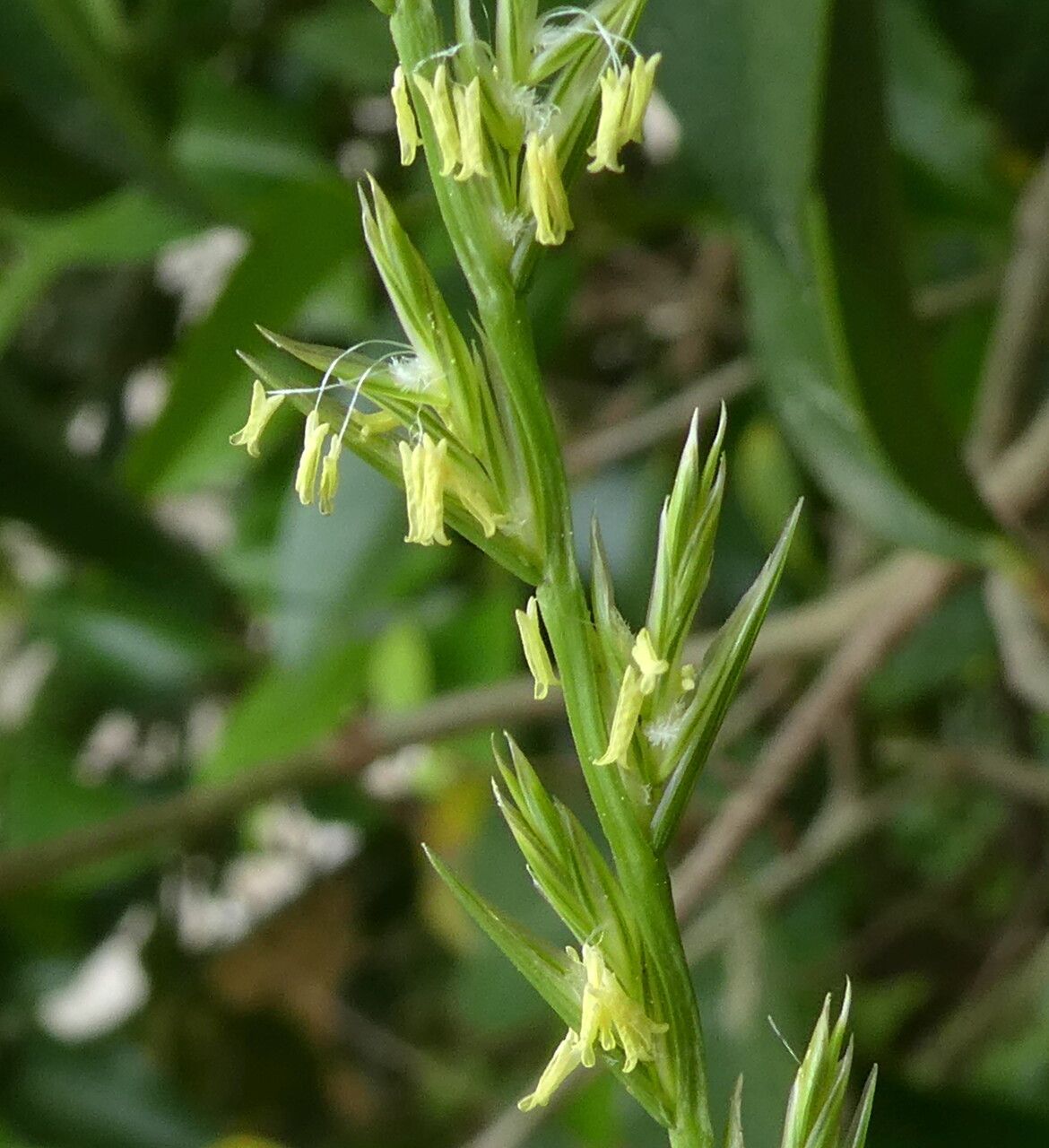
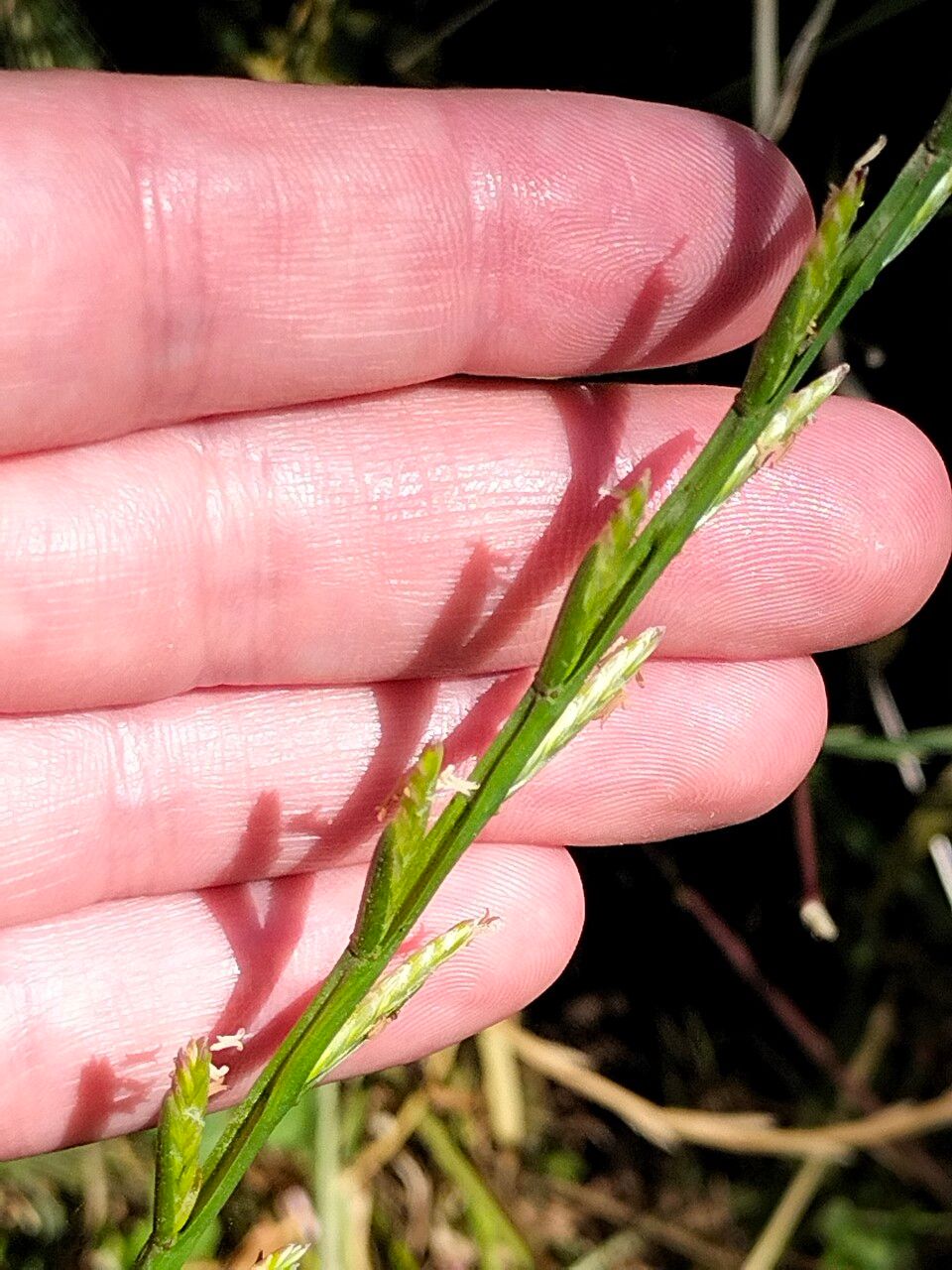
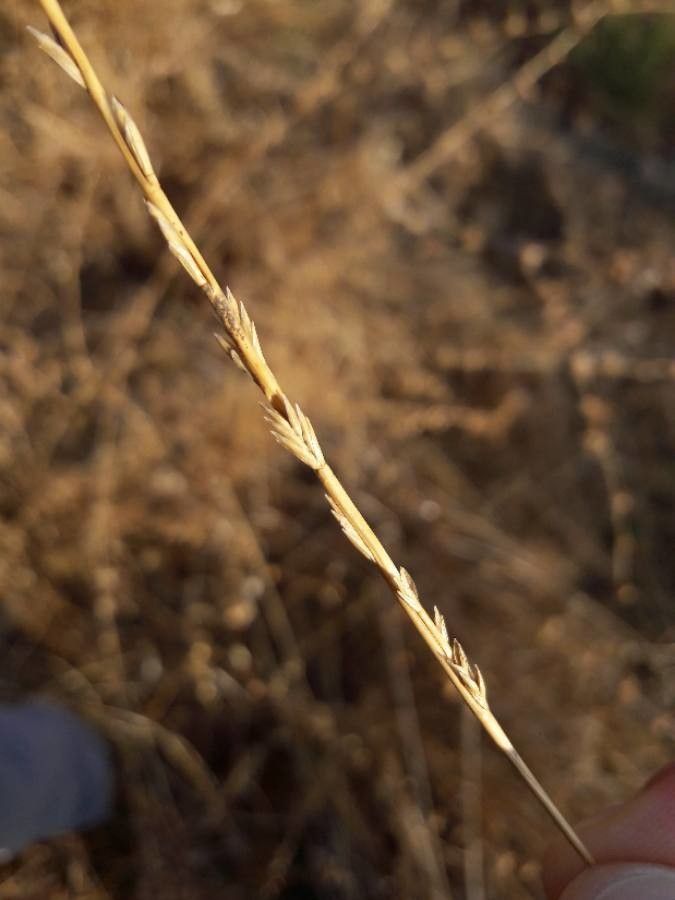
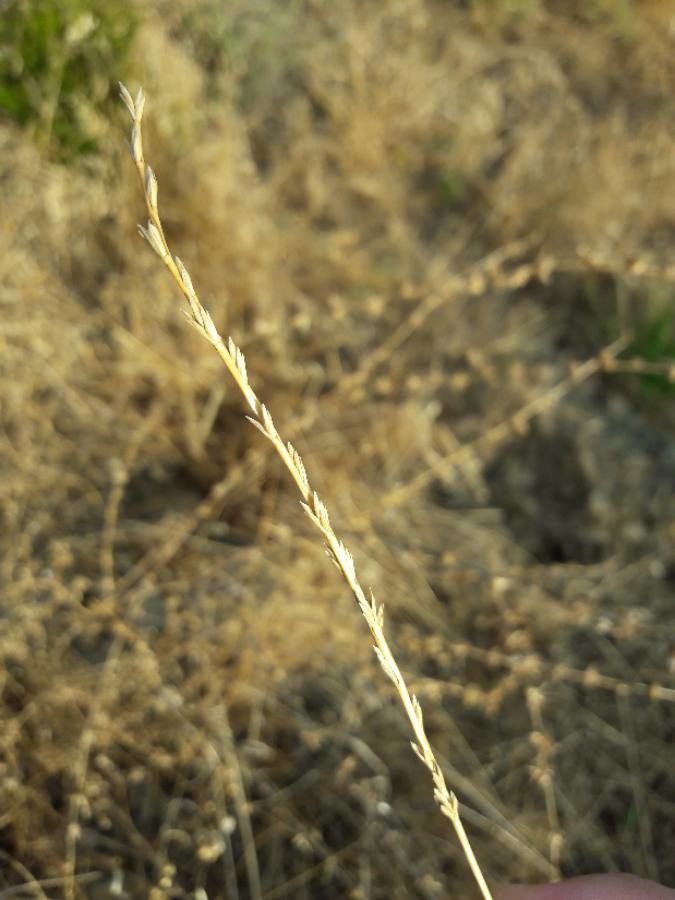
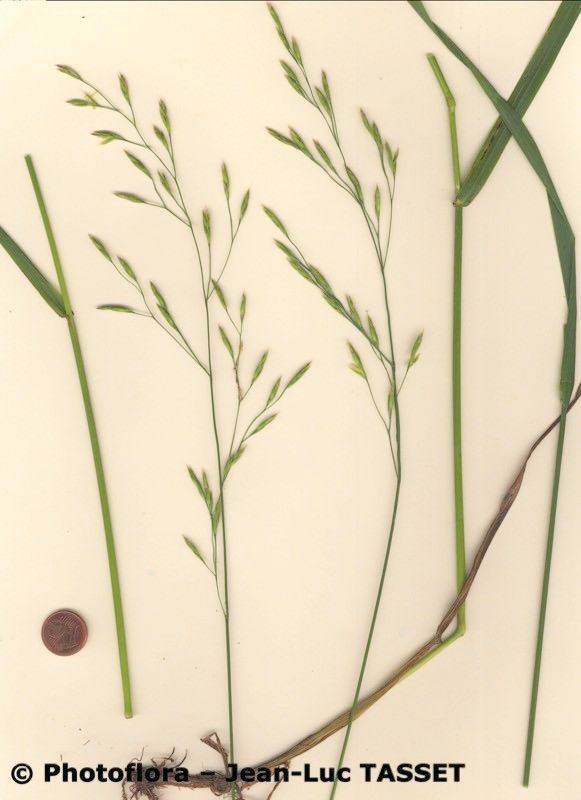
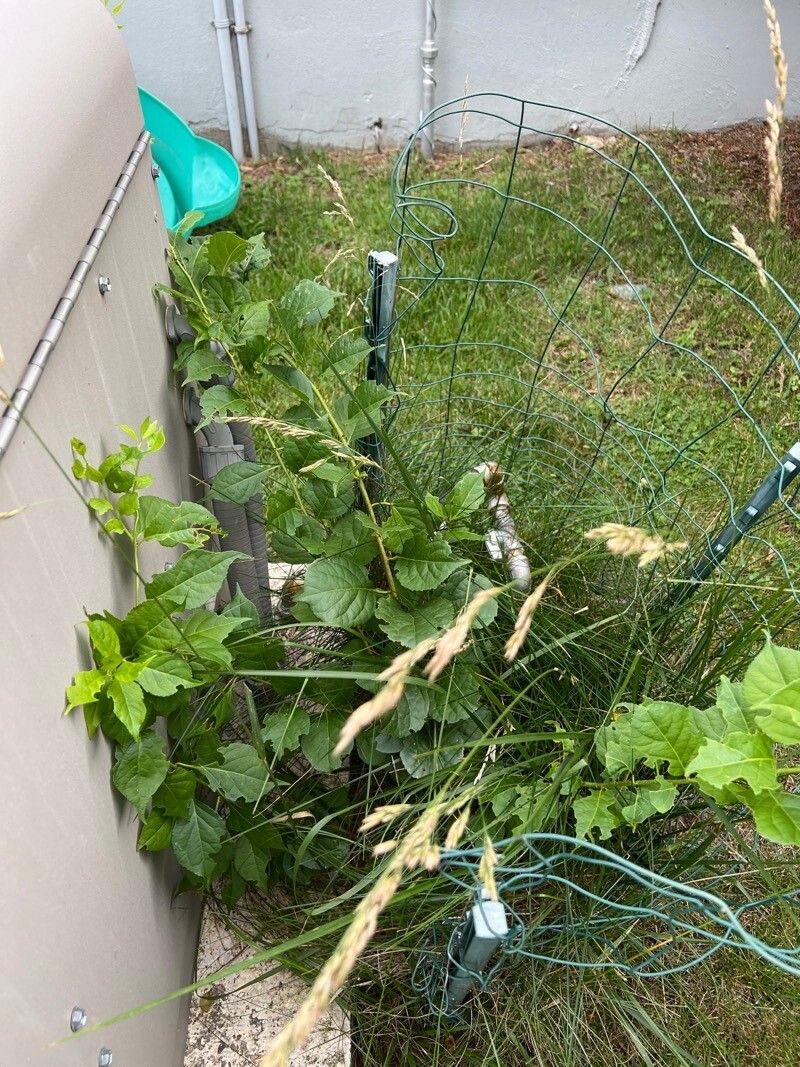
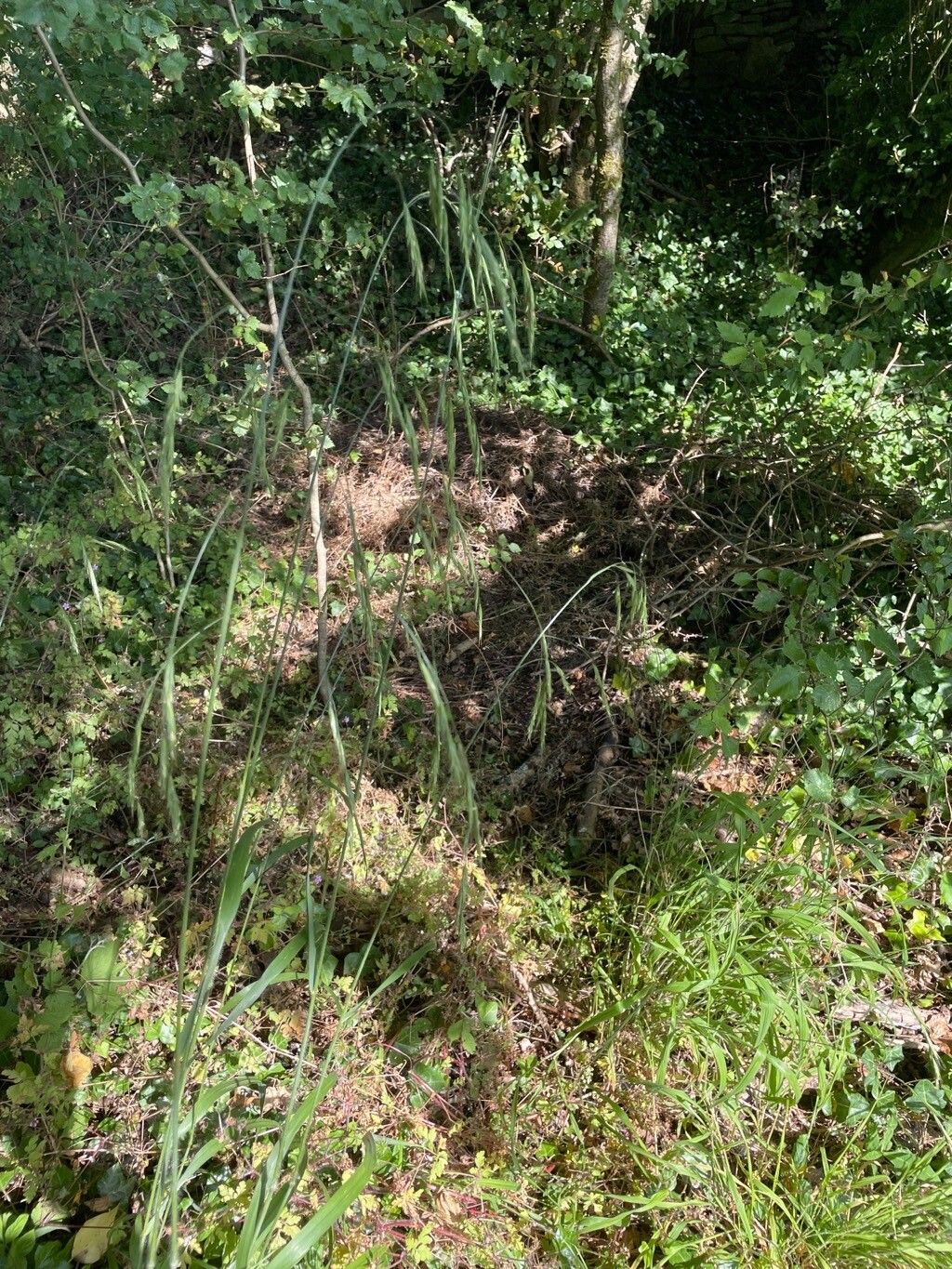
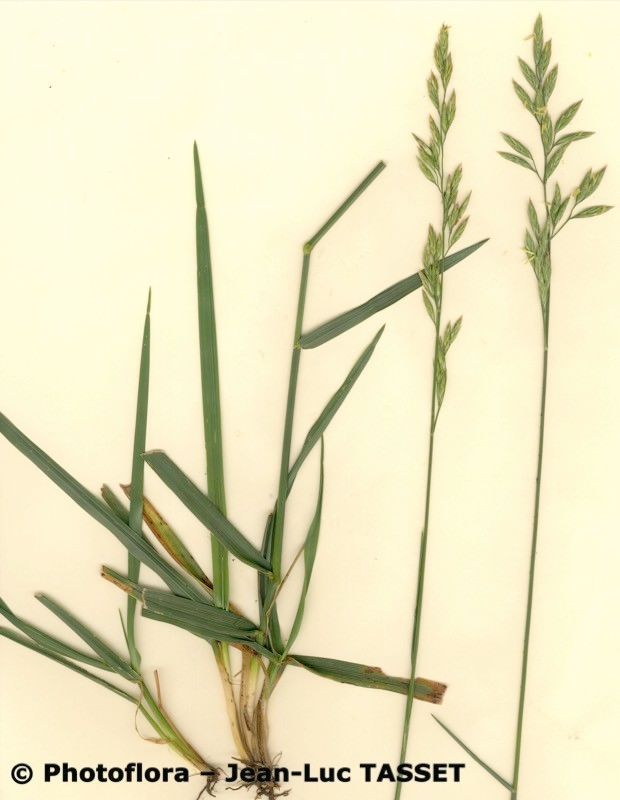
Lolium rigidum is a species of annual grass. Common names by which it is known include annual ryegrass, a name also given to Italian ryegrass (Lolium multiflorum), rigid ryegrass, stiff darnel, Swiss ryegrass and Wimmera ryegrass. It is a native of southern Europe, northern Africa, the Middle East and the Indian subcontinent and is grown as a forage crop, particularly in Australia, where it is also a serious and economically damaging crop weed.
Annual rye-grass shows good resistance to diseases and is typically not vulnerable to them. Regarding maintenance, this plant is relatively easy to care for. When grown outside it needs only light watering, and larger specimens generally do not require pruning. Smaller plants, however, should be pruned after they finish flowering. Annual rye-grasst is suitable for anyone with an outdoor area, like a garden or a deck, and does not need extensive care experience.
How to keep Lolium Rigidum.
Light
Annual rye-grass does best with a generous amount of sunlight and is well adapted to sun-rich environments. Because it originates from light-intensive habitats, its vigorous growth and overall health are strongly influenced by abundant sunlight. A lack of sunlight may lead to weakened performance, while overexposure to sun has no noted detrimental effect.
Water
Annual ryegrass thrives in temperate climates and prefers consistent moisture, needing weekly watering without becoming waterlogged. As an annual grass, it grows well outdoors with natural rainfall, but it is also suitable for container growth. In containers, you can effectively manage hydration levels.
Temperature
Annual rye-grass is native to regions characterized by mild climates and prefers a steady temperature between 68 and 95 °F (20 and 35 °C) for optimal growth. Seasonal decreases or increases in temperature should be taken into account in relation to this ideal range.
Fertilizer
Annual rye-grass is a cool-season grass that mainly grows in spring and fall. It becomes dormant in winter and its growth slows in summer. Applying suitable fertilizers in spring can replenish nutrients and encourage vigorous, dense growth. Well-nourished lawns are greener, more resilient, and better able to resist pests and weeds.
Pruning
To promote healthy, dense growth and manage its spread, annual ryegrass should be pruned in early to late spring. Trim it to a height of 5-7.5 cm (2-3 inches). Regularly remove dead foliage to maintain its health, align with growth cycles, and control pests, ensuring the grass remains robust and attractive.
Botanical profile.
- Plant Type
- Grass
- Life Cycle
- Annual
- Genus
- Lolium
- Family
- Poaceae
- Hardiness Zone
- 8
- Mature Height
- 30 cm to 61 cm
- Mature Spread
- 20 cm to 40 cm
- Leaf Color
- Green, Dark Green
- Leaf Type
- Semi-evergreen
- Flower Color
- Yellow, Green, Purple, Brown
- Flower Size
- 30.48 cm
- Bloom Time
- Late spring, Early summer, Mid summer
- Planting Time
- Spring, Summer
- Harvest Time
- Mid summer, Late summer, Early fall
- Native Area
- Saudi Arabia, Libya, Egypt, Turkey, India, Tunisia, Bulgaria, Armenia, Pakistan, Greece, Morocco, Ukraine, Lebanon, Uzbekistan, Russia, Afghanistan, Iraq, Syria, Jordan, Italy, Spain, Switzerland, Israel, Iran, Albania, Azerbaijan, Algeria, Kuwait, Turkmenistan, Portugal
Other names.
Reader questions.
How much water does my Annual rye-grass require?
Watering your Annual rye-grass is a simple task. Regardless of your location, give the grass about one inch of water each time you water it. The only exception is during the summer when the grass goes dormant. During this time, give it light but appropriate waterings to protect it from the sun. The amount of water needed depends on the size of the grass area you are caring for. A large area will require more water than a small lawn.
What are the sunlight requirements for Annual rye-grass (Lolium rigidum)?
Annual rye-grass (Lolium rigidum) thrives in full sun, requiring more than 6 hours of sunlight daily to grow best. It's crucial to observe how sunlight moves through your garden to pick spots that offer a good balance of light and shade, ensuring the plant's health and happiness. This grass species, originating from illumination-intensive habitats, demonstrates vigorous growth and robust health with abundant sunlight exposure. While it can suffer from weakened performance in insufficient light, overexposure to sunlight does not notably affect it adversely.
What is the ideal temperature range for the growth of Annual rye-grass?
Annual rye-grass thrives in mild climates, with an optimal temperature range between 68 to 95°F (20 to 35°C) for its growth. It's essential to adjust for temperature changes seasonally to stay within this ideal range. This grass species has strong cold resistance, meaning it usually doesn't require special frost protection measures in winter. However, in regions where winter temperatures drop below -10°C, it's crucial to provide cold protection by covering the plant with soil or straw. Additionally, watering the plant abundantly before the first freeze in autumn helps to keep the soil moist and prevents drought and water scarcity for the plant during the winter and early spring.
How should I water my Annual rye-grass when it is at different stages of growth?
To establish a new lawn, you should make significant changes to your watering schedule. New lawns grown from seed or sod need frequent watering to keep the soil moist, enabling the roots to take hold. Once the lawn is established, adjust your watering based on the natural growth cycle. In spring and fall, when the Annual rye-grass is most active in growing, water it about an inch per week. In summer, the grass becomes dormant but still requires more frequent, light waterings. During winter, the grass should be completely dormant and does not need any water.
How does artificial lighting support Annual rye-grass grown indoors?
For Indoor Annual rye-grass or in environments with inadequate natural sunlight, especially during winter or in less sunny spaces, artificial lighting can be a critical solution. Using the right type of artificial light, like LED, which can be customized to provide specific light wavelengths needed by plants, helps in promoting faster and healthier growth. Full sun plants need an artificial light intensity of 30-50W/sq ft, partial sun plants need 20-30W/sq ft, and full shade plants require 10-20W/sq ft. The artificial light source should be placed 12-36 inches above the plant, mimicking natural sunlight, and the lighting should last 8-12 hours per day to emulate the natural daylight duration.
How does low temperature affect Annual rye-grass and what are the solutions?
Annual rye-grass is cold-tolerant and can thrive in temperatures above 20°C. During the winter months, it's important to keep the temperature above 0°C. Temperatures falling below -10°C might not cause immediate visible damage during the winter, but they can lead to decreased sprouting or a complete lack of sprouting in the spring. To mitigate these effects in spring, any parts of the plant that have failed to sprout should be removed to encourage new growth.
How should I water my Annual rye-grass to keep it healthy?
People typically grow Annual rye-grass as a lawn, and there are specific methods to follow when watering this grass. One option is to use a hose with a spray nozzle attachment. However, the best approach is to install a sprinkler system. For optimal results, it is recommended to use a sprinkler system with a timer, ensuring the grass receives the right amount of water at the right time. When watering, it is advisable to use cool or room temperature water. Additionally, it is beneficial to water in the morning, as this allows the soil to absorb the water while the sunlight helps evaporate any excess moisture.
What are the symptoms of insufficient or excessive sunlight exposure in Annual rye-grass?
Annual rye-grass exhibits various symptoms in response to inadequate or excessive sunlight. Insufficient light can lead to smaller new leaves, leggy or sparse growth, early leaf drop, delayed or halted growth, pale new leaves, and symptoms of chlorosis. On the other hand, excessive sunlight exposure may cause sunscald, leaf curling, wilting, leaf scorching, and chlorosis. These symptoms reflect the plant's struggle in unfavorable light conditions, whether it's adapting to low light by conserving resources or defending against intense sunlight to prevent water loss and damage.
What steps should be taken if Annual rye-grass is exposed to high temperatures?
During the summer, it's crucial to keep Annual rye-grass's temperature below 35°C. Exposure to temperatures above 38°C can lead to the leaves becoming lighter in color, prone to curling and sunburn, and in severe cases, the entire plant may wilt and dry out. To combat this, sunburned and dried-up parts of the plant should be trimmed away. Moving the plant to a shaded area during the midday and afternoon sun or using a shade cloth can protect it. Additionally, watering the plant in the morning and evening will help keep the soil moist and the plant healthy.
What should I do if I give too much or too little water to my Annual rye-grass?
If you accidentally overwater your Annual rye-grass, there are steps you can take to revive your lawn. To fix the issue, start by aerating your lawn to help excessive water drain. Additionally, consider dethatching the grass. On the other hand, if you underwater your Annual rye-grass, the approach is different. Let the lawn grow a bit longer before mowing and provide it with slightly more water than before.
How can you address lighting issues for Annual rye-grass indoors and outdoors?
To address light deficiencies for Annual rye-grass, a gradual adjustment to sunnier conditions is recommended. For indoor plants, move them gradually each week to a location with at least 6 hours of direct sunlight, preferably near a south-facing window. Additionally, providing artificial light, such as keeping a desk or ceiling lamp on for at least 8 hours daily or using professional grow lights, can support their light needs. Outdoors, relocate your plants to sunnier spots gradually to prevent sunburn, observing and adapting to the light environment. If natural sunlight is blocked, consider pruning trees or transplanting the plant to a location with better sunlight and drainage. Note that parts of the plant that suffered from insufficient light may not recover, but new growth will be healthy with improved light conditions.
How often do I need to water my Annual rye-grass?
The frequency of watering your Annual rye-grass depends on where you live, the climate conditions, and the season. For those in cooler northern regions, watering once every 1-2 weeks is usually sufficient. In southern latitudes, watering once a week is often necessary. However, if there is regular rainfall, adjust your watering schedule accordingly. It's important to note that rainfall alone may not be enough to keep the lawn alive. During the summer, when Annual rye-grass typically goes into a dormant period, it may still need some water to avoid drying out, but it won't require water for new growth.