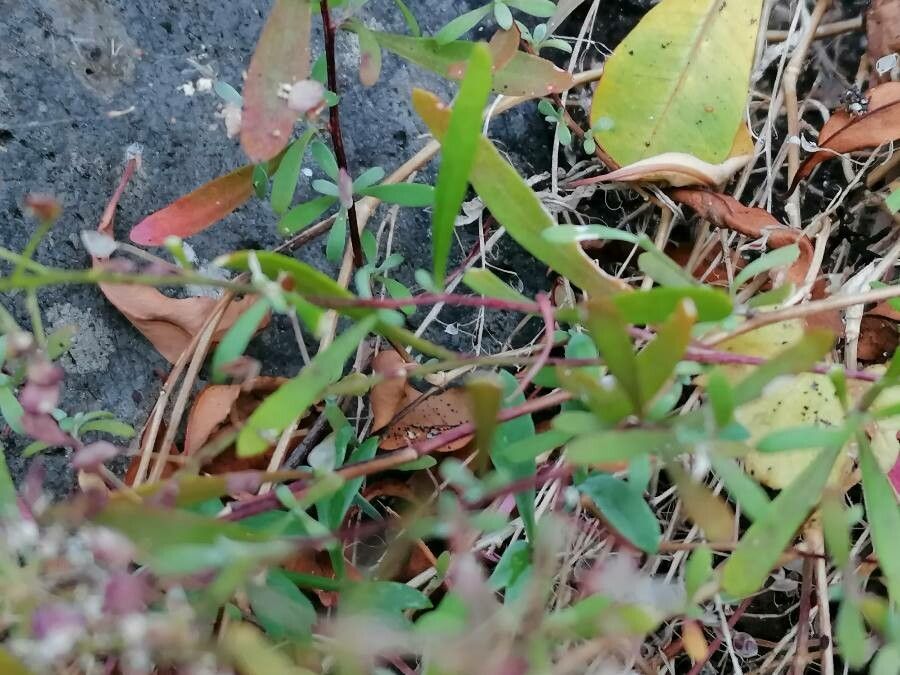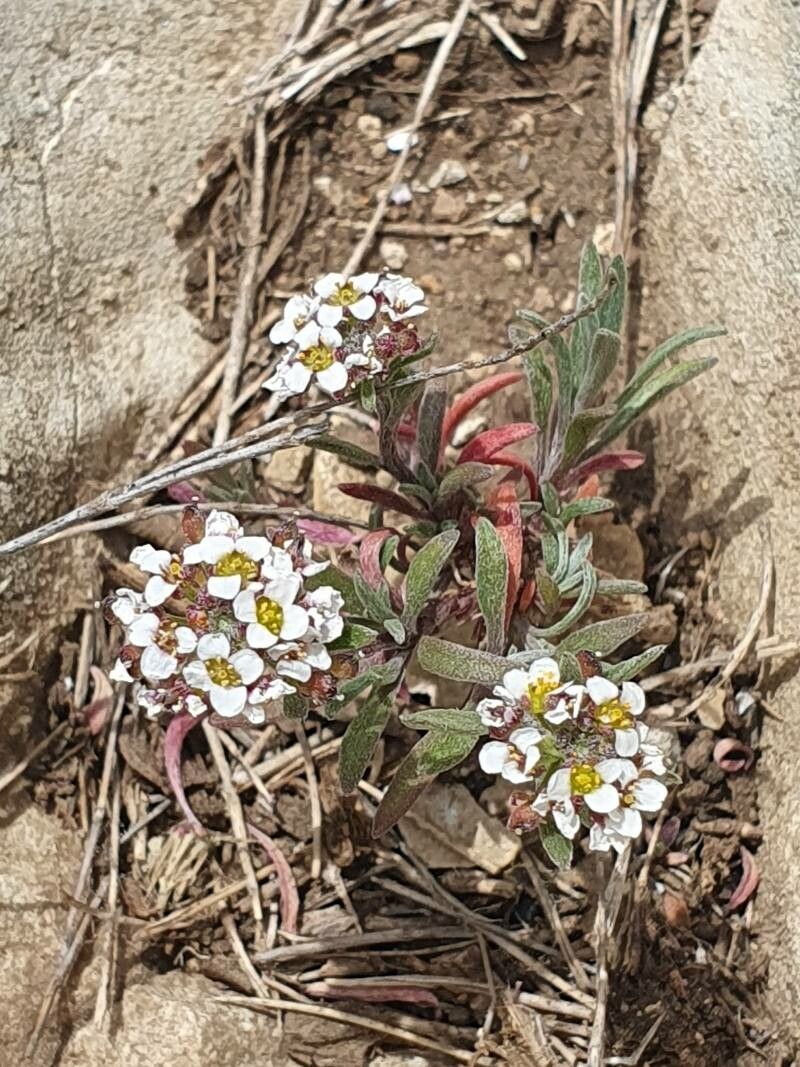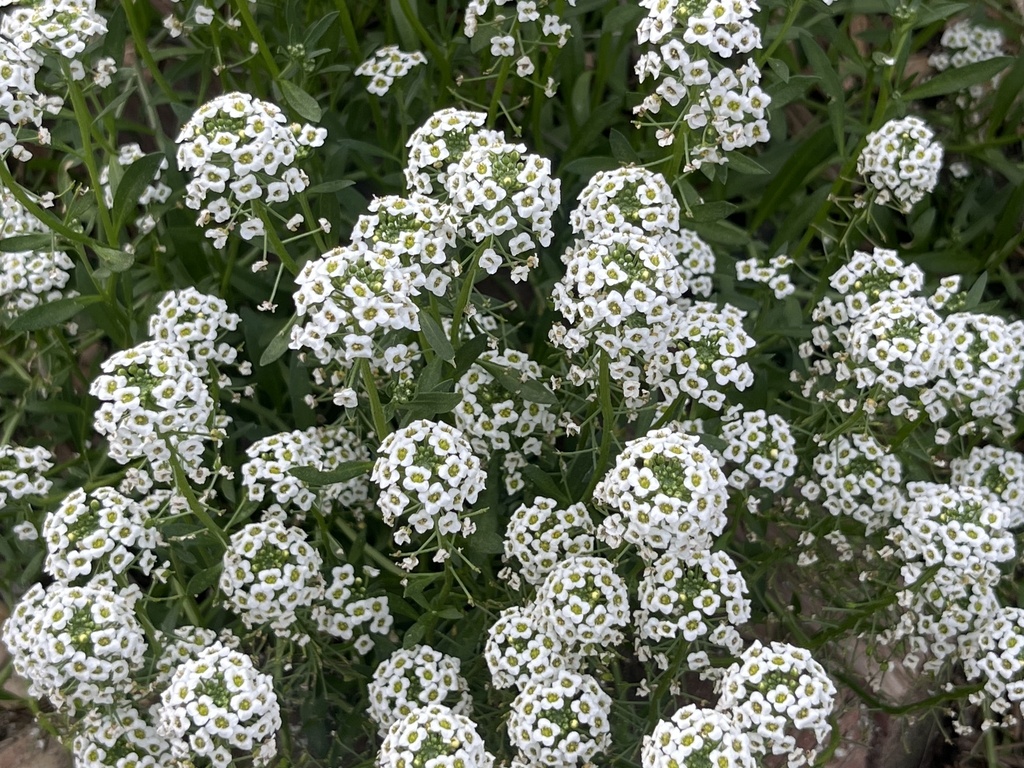
Lobularia maritima, commonly known as sweet alyssum, is a low-growing annual plant belonging to the Brassicaceae family. Native to the Mediterranean region, it has been widely cultivated in gardens and landscapes worldwide. This plant features small, fragrant flowers that bloom in clusters available in shades of white, pink, lavender, and purple. Its leaves are small, oval-shaped, and gray-green in color.
Sweet alyssum is remarkably easy to grow and thrives in full sun or partial shade with well-drained soil. It can serve as ground cover or be used as an edging plant for borders or containers. The flowers attract bees and butterflies, making sweet alyssum an excellent choice for pollinator gardens.
The pleasant fragrance of Lobularia maritima makes it popular for use in perfumes. Additionally, its medicinal properties have been employed to treat respiratory ailments such as asthma and bronchitis.
Sweet alyssum flowers, as their name implies, give off a sweet fragrance. Many people describe this scent as similar to honey. This appealing aroma likely explains why sweet alyssum attracts a variety of insects, especially bees and butterflies. FUN FACT · FROM THE LIBRARY
Overall, Lobularia maritima is an attractive ornamental annual with fragrant blooms that can be easily grown by gardeners of all skill levels, contributing to its popularity worldwide.
Sweet alyssum, scientifically known as Lobularia maritima, was originally named Alyssum maritimum, which is why the word "alyssum" remains in its common name. The term "sweet" is used to describe the flowers' lovely honey-like fragrance. When the delicate flowers bloom, they release a sweet and beautiful scent, thus earning the name sweet alyssum.
Sweet alyssum is fairly disease-resistant and generally not prone to illnesses. Nevertheless, it can develop leaf spots when light and airflow are inadequate and watering is excessive. The plant's care level is regarded as easy, since it only needs regular watering and little other attention. It is well suited to people who lack the time and energy to perform frequent care.
How to keep Lobularia Maritima.
Light
Sweet alyssum does best in full sun all day but can tolerate a bit of shade. This attractive garden favorite, native to sunlit habitats, benefits from ample sunlight for healthy growth. Too little light can hinder its growth, while too much exposure may cause wilting.
Water
Sweet alyssum, native to the Mediterranean, thrives in well-drained, moderately moist soil. It does best with regular watering—ideally twice a week—and full sun exposure. This makes it adaptable to outdoor environments with different water conditions.
Humidity
This plant needs special care because it loves high humidity levels of 60-80% or more. The best way to achieve this is by placing a humidifier near the plant. Daily misting is also essential! Make sure the room has good ventilation.
Temperature
Sweet alyssum is native to habitats where temperatures range from 68 to 95 °F (20 to 35 ℃). It does best in moderate to warm climates. Seasonal adjustments may be needed to handle temperature fluctuations and maintain its healthy growth.
Fertilizer
When most of Sweet alyssum's blooms have opened to full size, it is time to resume fertilizing. Around the peak of its flowering, apply fertilizer again every three to four weeks, weather permitting. Once Sweet alyssum begins producing fewer new blooms, stop fertilizing; there is no need to feed the plant when it can no longer produce additional flowers.
Pruning
Sweet alyssum is a fragrant annual plant known for its low-growing, spreading habit and an abundance of tiny blooms. To maintain its shape and encourage growth, trim the plant by one-third after its initial flowering in the spring. Regularly deadheading the flowers will also help extend the blooming period. For effective pruning, make sure to use clean, sharp shears.
Pot & Repot
When repotting Sweet alyssum, choose a pot that is 1-2 inches (2.5–5.1 cm) larger in diameter and ensure it has good drainage. Use a well-draining potting mix and consider adding perlite for extra drainage. Repot in spring or early summer, water thoroughly afterward, and place it in a shady spot at first.
Toxicity
Sweet alyssum plants are non-toxic to humans and pets.
Further reading →
The toxicity and danger assessments provided are for reference only. We do not assure their accuracy, so it's crucial not to depend on them. Seek professional advice when necessary for accurate guidance.
Botanical profile.
- Plant Type
- Herb
- Life Cycle
- Annual, Perennial, Biennial
- Genus
- Lobularia
- Family
- Brassicaceae
- Hardiness Zone
- 5-9
- Mature Height
- 5 cm to 30 cm
- Mature Spread
- 20 cm to 30 cm
- Leaf Color
- Green, Gray, Silver
- Leaf Type
- Deciduous
- Flower Color
- White, Lavender
- Flower Size
- 0.13 cm to 0.25 cm
- Bloom Time
- Spring, Late summer, Fall, Winter
- Planting Time
- Spring
- Harvest Time
- All year round
- Native Area
- Libya, Egypt, Tunisia, Italy, Spain, France, Algeria, Morocco, Portugal
Other names.
Reader questions.
When Should I Water My Sweet Alyssum?
Timely watering is crucial for the health and growth of sweet alyssum, aiding in maintaining crispness, supporting photosynthesis, and nutrient transport. To determine when to water, check for soil dryness by inserting a finger an inch deep into the soil - if dry, it's watering time. Observe the plant's leaves; if they look droopy but perk up after watering, it indicates the plant needs water. However, wilting can also signify overwatering; other signs like yellowing leaves and root rot can help differentiate. A healthy sweet alyssum maintains a vibrant green color; dullness may indicate underwatering. Stunted growth or lack of blooming suggests insufficient water. Avoid overwatering to prevent waterlogged roots and root rot, while chronic underwatering can lead to slow growth and death.
Why should I put fertilizer on my Sweet alyssum?
Plants need nutrients to survive, and most gardeners know this. For Sweet alyssum, it's especially important to provide the right nutrients in the right amounts after the first pollination to ensure its survival and continuous blooming season. Fertilizer is also beneficial for Sweet alyssum because it helps build a strong root system, which is necessary since its roots are delicate and easily damaged. By fertilizing at planting, Sweet alyssum can establish a solid root structure that not only gives it stability but also sets the stage for abundant flowering. Timing the fertilizer correctly can even extend the flowering period of Sweet alyssum.
What are the sunlight requirements for sweet alyssum?
Sweet alyssum thrives in full sunlight, requiring more than 6 hours of sunlight daily for optimal growth, but it can also endure partial sun, about 3-6 hours of sunlight. It is essential to observe the movement of sunlight through your garden to pick spots that ensure the right balance of light and shade, promoting the plant's health. Inadequate light can stunt its growth, while too much direct exposure can lead to wilting.
What are the ideal temperature conditions for Sweet Alyssum?
Sweet Alyssum, or Lobularia maritima, thrives in environments where temperatures range between 68°F (20°C) and 95°F (35°C), making it best suited for moderate to warm climates. Despite its strong cold resistance, caring for Sweet Alyssum involves seasonal adjustments to accommodate temperature fluctuations and ensure healthy growth. While special frost protection measures are usually unnecessary, if winter temperatures are expected to fall below -25°C, it is crucial to protect the plant using materials like soil or straw. Additionally, watering the plant abundantly before the first freeze in autumn to maintain soil moisture can help prevent drought and water scarcity during winter and early spring.
How Should I Water My Sweet Alyssum?
Sweet alyssum requires specific care in watering to thrive. The best method is deep watering, focusing on the root zone to encourage deep root growth. This approach involves watering the plant slowly at the base, ensuring the soil absorbs the water deeply. Tools like a moisture meter can assist in gauging the soil's moisture level, while a narrow-spouted watering can helps direct the water accurately to the plant's base. For those considering bottom-watering, it's effective in preventing excess moisture on foliage by letting the plant absorb water from the bottom up in a tray, aiding in deep root growth. Misting is generally unnecessary and could lead to fungal diseases. Regular monitoring of soil moisture, especially the top inch feeling dry, dictates the watering frequency, which varies based on climate, pot size, and soil drainage.
When should I fertilize my Sweet alyssum to get the best results?
Sweet alyssum experiences rapid growth after the last frost. It is best to fertilize sweet alyssum during planting, which occurs once the plant is placed in the ground or in planters. This initial application of fertilizer will be the only one until later in the year when the blooms are abundant. Once the season is in full swing and most of the sweet alyssum blooms have opened to their full size, it is time to resume fertilizing. Fertilize every three to four weeks, depending on the weather, when the blooms are at their peak output. When the sweet alyssum starts producing fewer new blooms, stop fertilizing as there is no need to continue when the plant can no longer produce blooms.
Can sweet alyssum grow with artificial lighting?
Yes, sweet alyssum can grow with artificial lighting, especially when natural sunlight is insufficient. It's crucial for indoor plants to receive adequate lighting for optimal growth. LED lights are a popular choice because they can be customized to provide specific wavelengths needed by plants. Full sun plants need 30-50W/sq ft, partial sun plants require 20-30W/sq ft, and full shade plants need 10-20W/sq ft of artificial light. The light source should be placed 12-36 inches above the plant, and most plants need 8-12 hours of light per day.
How does Sweet Alyssum react to low temperatures?
Sweet Alyssum shows a robust tolerance to cold conditions, flourishing best when temperatures are above 20°C. However, it should remain above 0°C during winter. Exposure to temperatures below -25°C might not visibly affect the plant during the winter but can lead to decreased sprouting or a complete absence of sprouting in the spring. To manage this, any parts of the plant that have failed to sprout by spring should be removed. This proactive step helps in the plant's recovery and ensures its continued growth.
How Much Water Does Sweet Alyssum Really Need?
Sweet alyssum, being drought-tolerant, originates from Mediterranean climates, accustomed to brief, dense rainfall followed by dry conditions. The water quantity varies, focusing on ensuring a thorough soaking for potted plants to reach shallow roots, typically about 1 cup for a small to medium-sized plant in a 6-inch pot, but adjust according to the soil drying out. The leaves of sweet alyssum are great indicators of proper watering; look for vibrant green and avoid wilting or yellowing, which suggest under and overwatering, respectively. Excess water can lead to root rot, whereas insufficient water leads to wilted leaves and stunted growth. This plant is more likely to recover from underwatering due to its drought-resistant nature.
When is it not a good idea to add fertilizer to my Sweet alyssum?
Regular fertilizing is important for Sweet alyssum, but it's crucial to apply it at the right time. Sometimes it's necessary to hold back on fertilizing. This can be due to climate-related factors or other controllable factors that affect the plant, soil, or climate. For example, fertilizing should be avoided if there are sudden severe weather changes, like a cold snap in the middle of summer. It's best to wait until the weather is warm again. Similarly, if the soil is too dry or compacted, it won't be able to absorb the fertilizer properly, so it's better to wait until the soil conditions improve. Additionally, it's best not to apply fertilizer when temperatures are extremely hot, as this can cause the fertilizer to break down too quickly. It's important to address any pest or disease issues before re-fertilizing.
What are the signs of insufficient light in sweet alyssum?
When sweet alyssum is grown in conditions with inadequate light, it may show several symptoms including smaller new leaves, leggy or sparse growth, faster leaf drop, slowed or halted growth, and lighter-colored new leaves. These signs indicate that the plant is struggling to photosynthesize efficiently, which is critical for its growth and health.
What should I do if Sweet Alyssum experiences high temperatures?
Sweet Alyssum should be kept below 35°C during summer months to prevent heat stress. When temperatures soar above 38°C, the plant may exhibit signs of distress such as lighter colored leaves, curling, susceptibility to sunburn, and, in severe cases, wilting and drying. To protect and revitalize the plant, trim away any sunburned and dried-up parts. Relocate the plant to a shadier spot during the midday and afternoon sun or use a shade cloth for protection. Regular watering in the morning and evening is essential to keep the soil moist and help the plant cope with high temperatures.