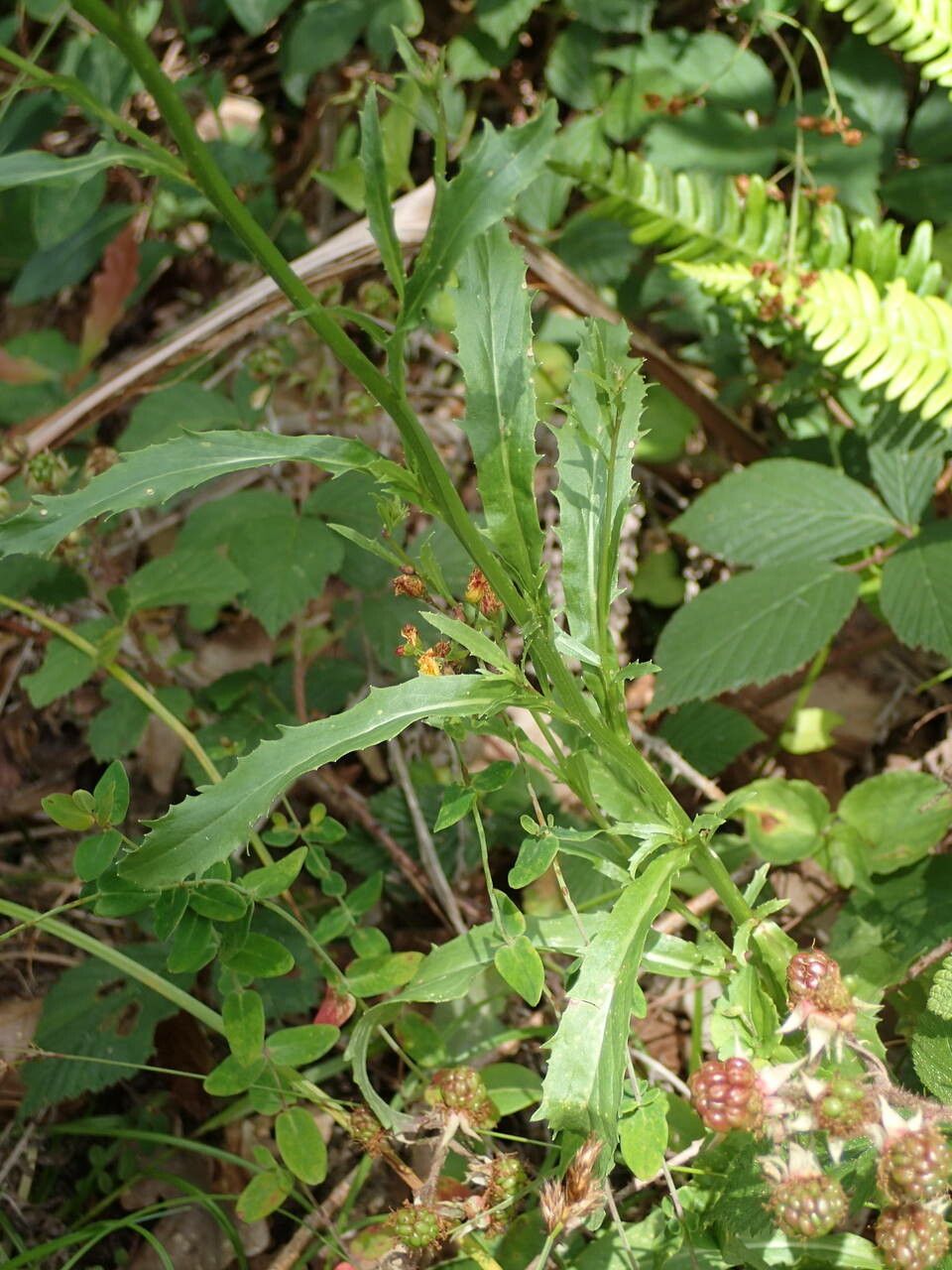
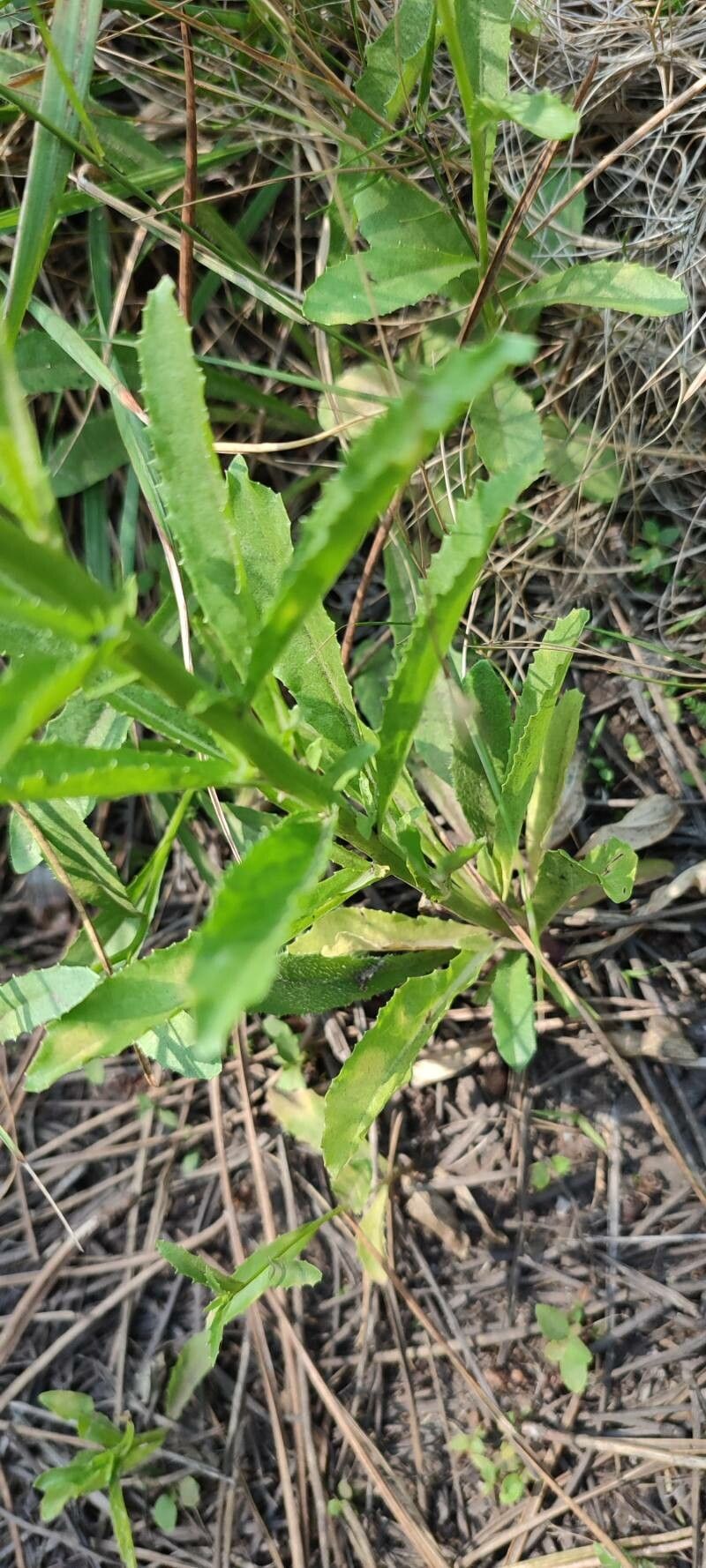
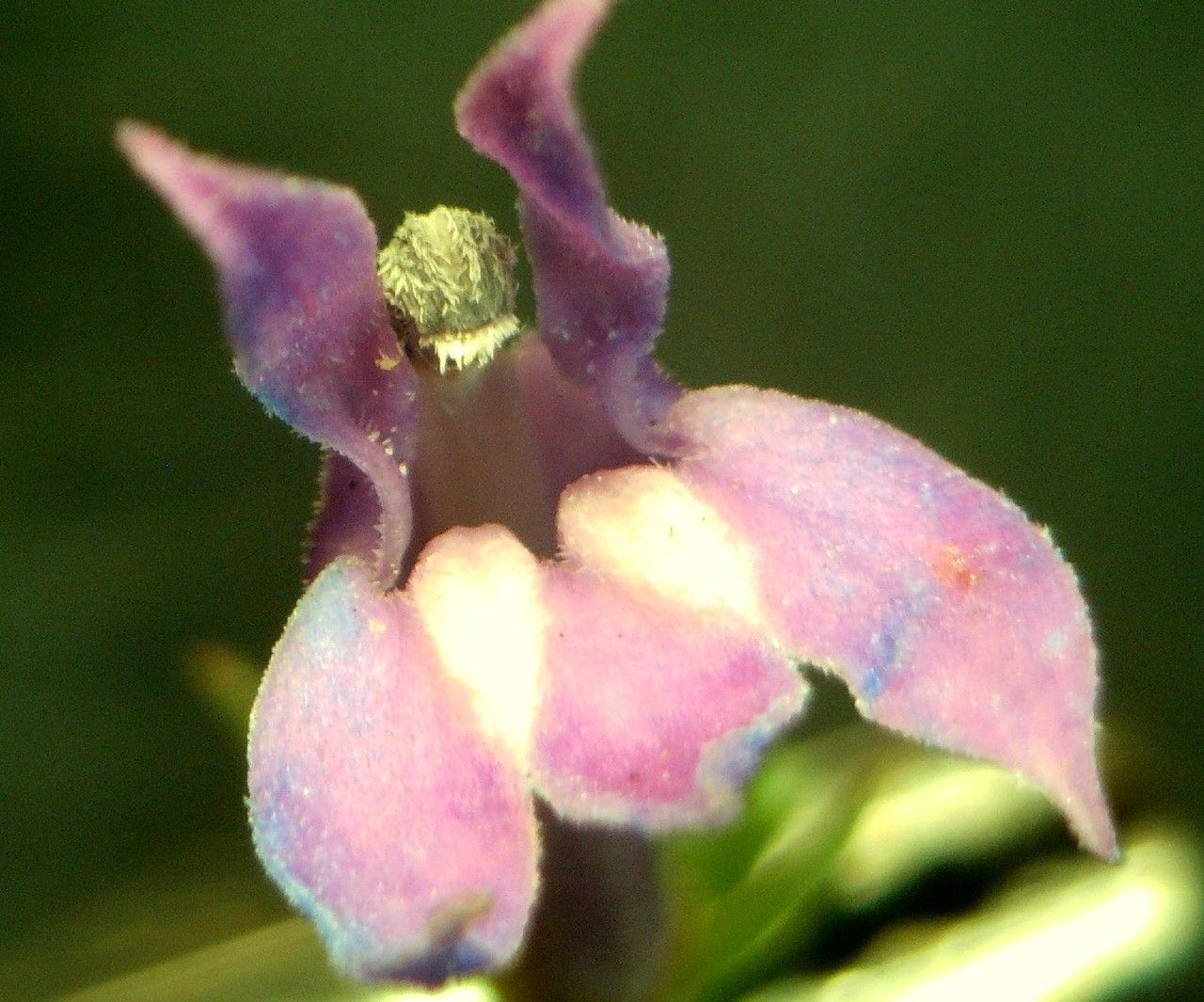
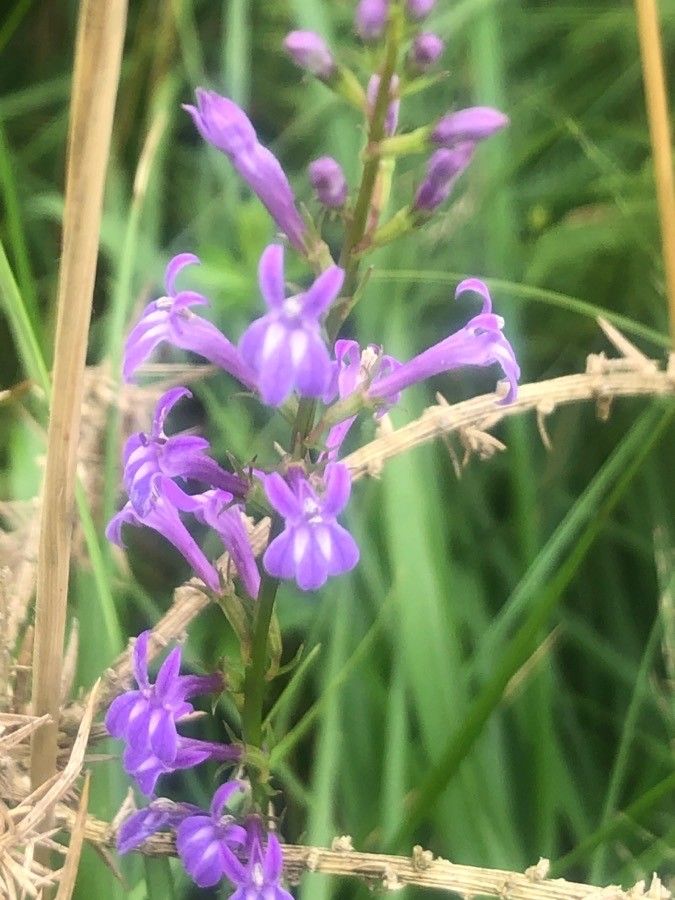
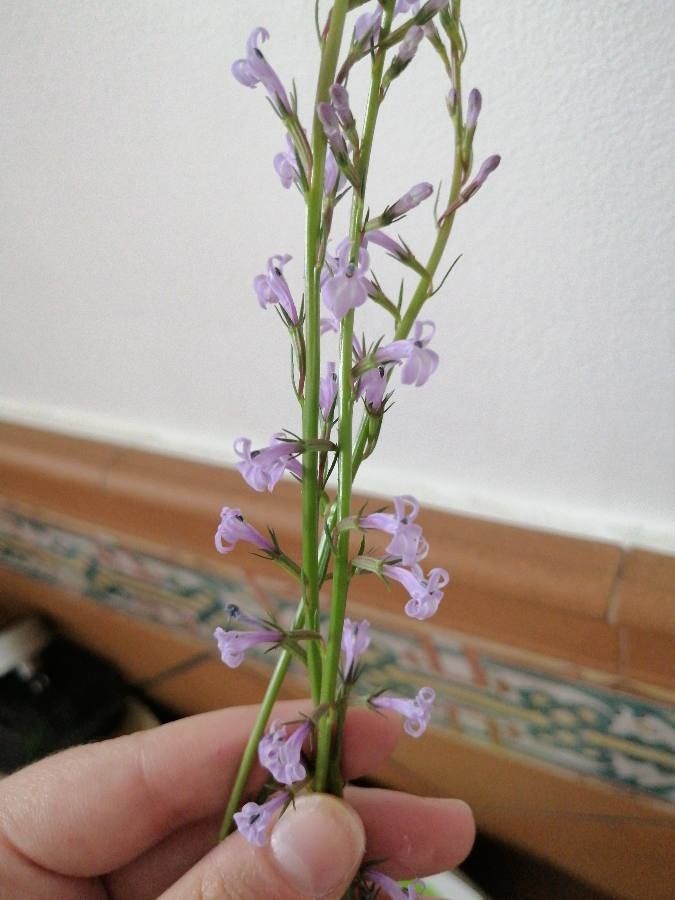
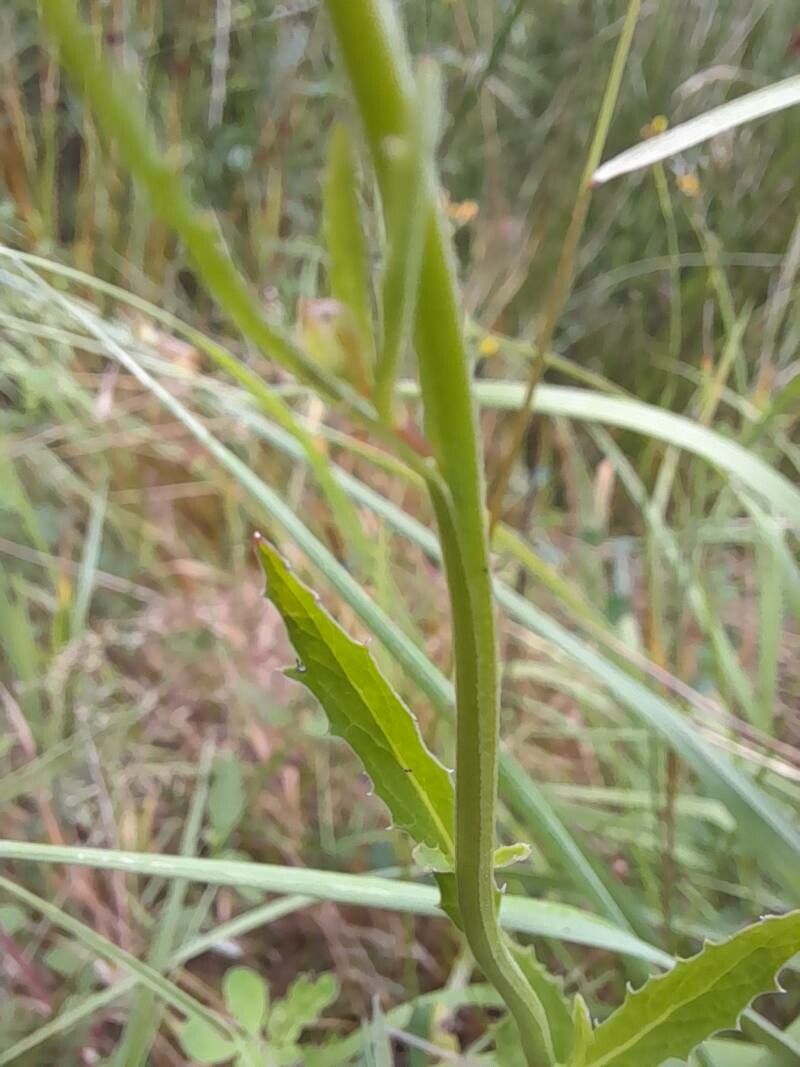
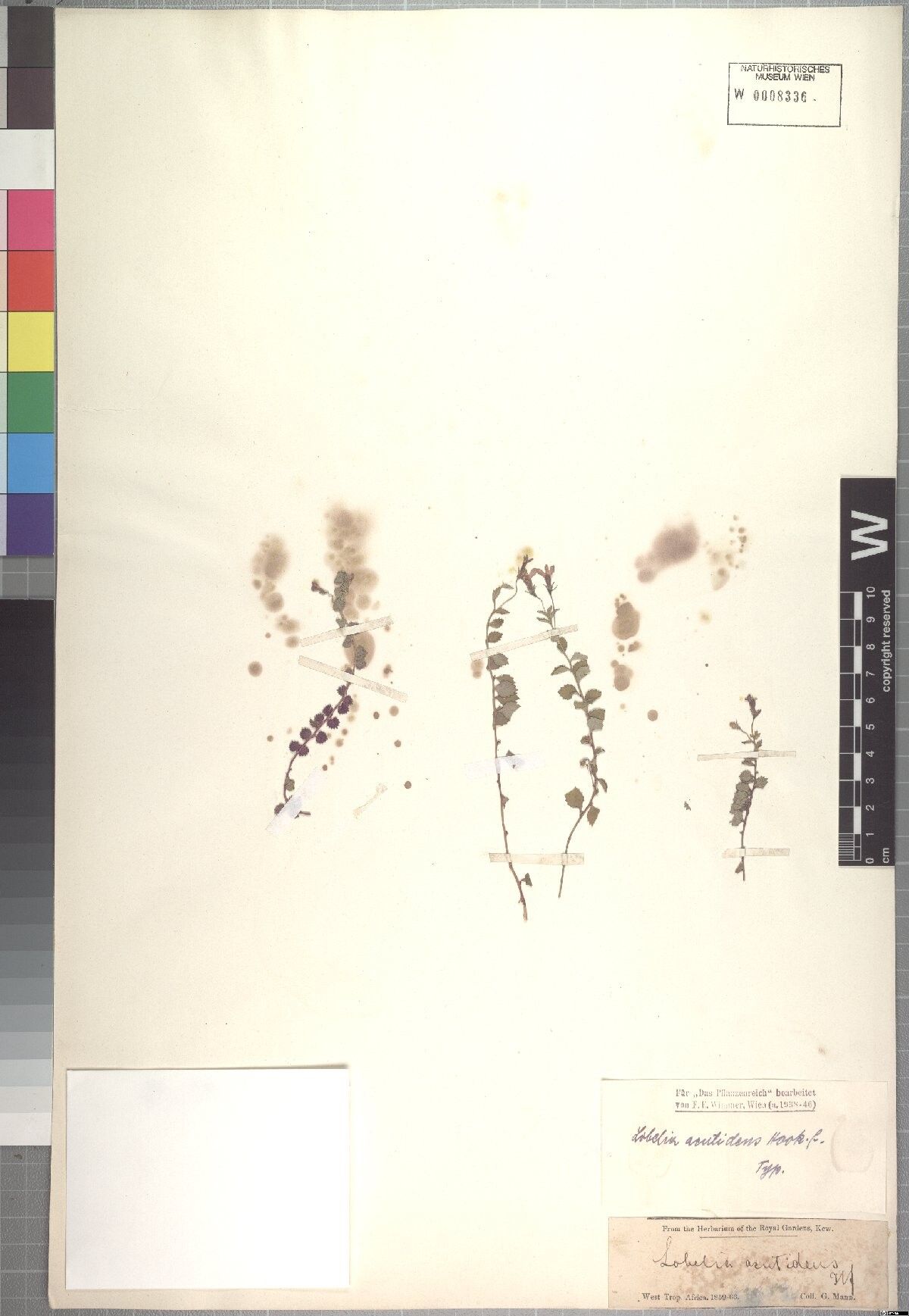
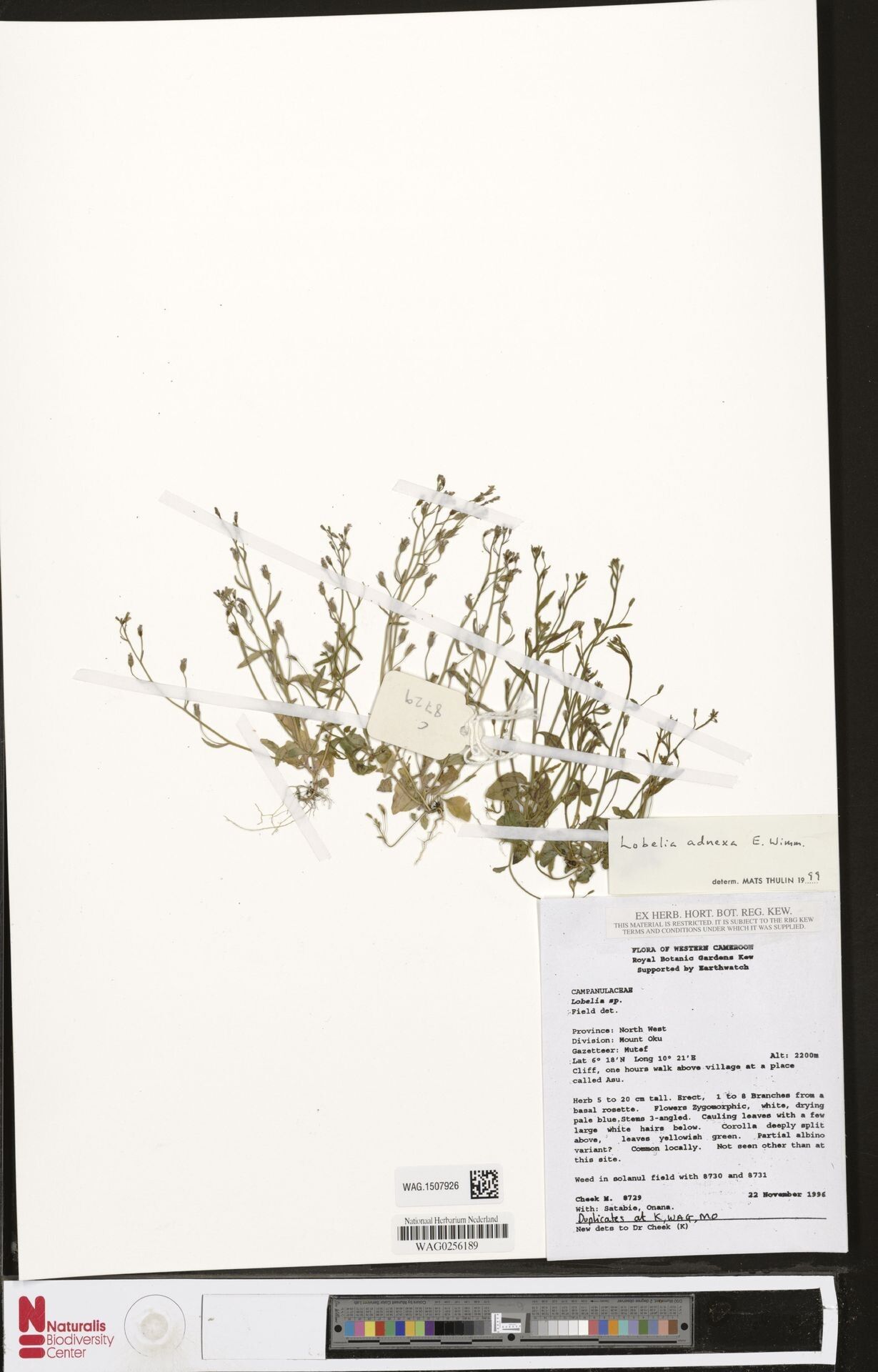
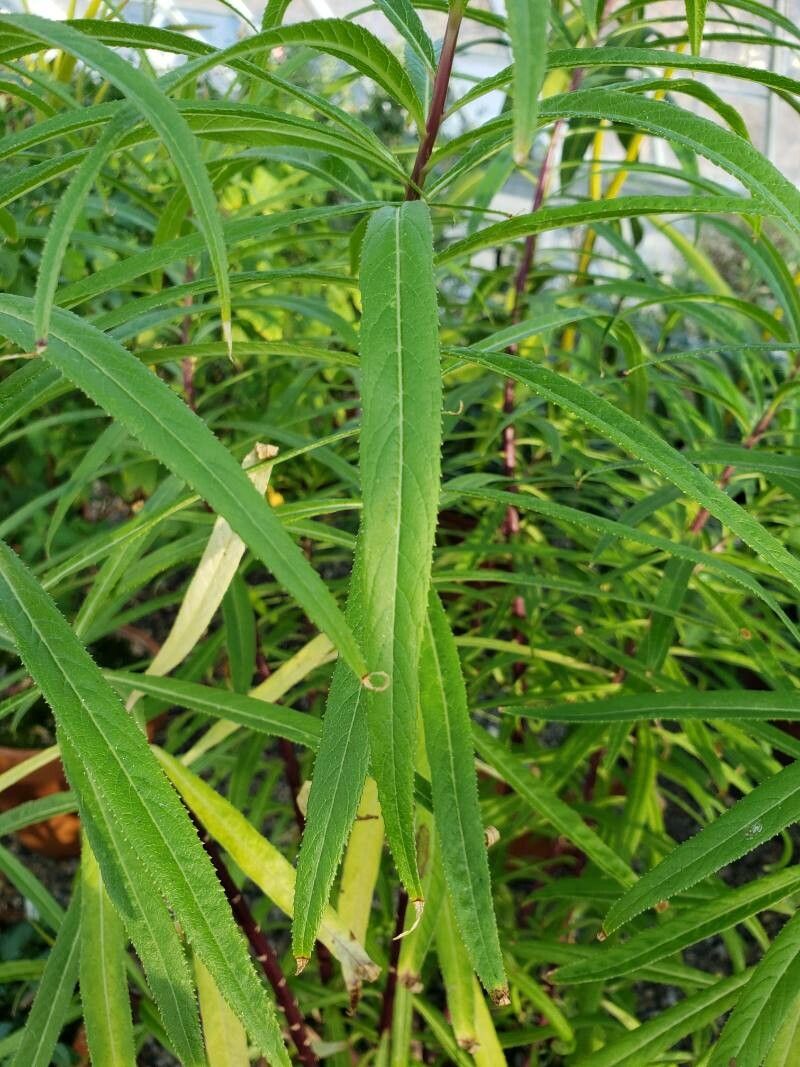
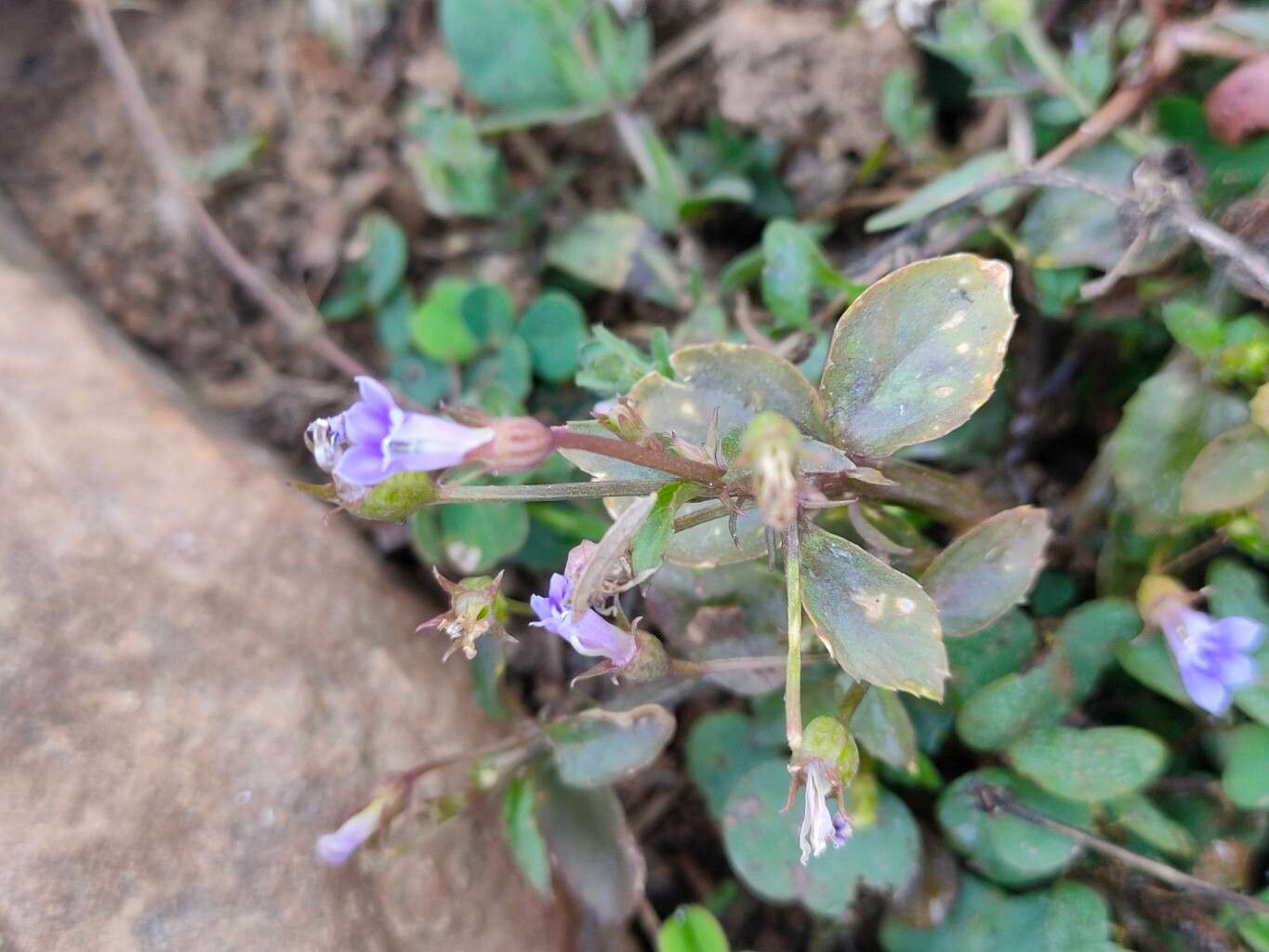
Lobelia urens, commonly known as heath lobelia or acrid lobelia is a species of flowering plant in the bellflower family. It is predominantly native to western Europe but can also be found in northern Morocco and in the island of Madeira off Northwest Africa. It can be found in communities on grassy heaths, rough pastures, and open heathy woodlands, often found on woodland margins on infertile acid soils. Within this they are found in low-lying terrain, often valley bottoms. The soils are seasonally waterlogged.
Acrid lobelia shows strong resistance to disease and is generally not prone to getting sick. Still, it can be affected by pests and diseases present in its surroundings. These problems are typically not serious. For care, this plant requires a moderate level of maintenance. It should be pruned regularly to keep a good appearance and support healthy growth. Fertilizing can also help encourage flowering. Acrid lobelia is appropriate for anyone with an outdoor area, such as a garden or patio, and does not demand much prior care experience. It may need more attention when grown indoors.
How to keep Lobelia Urens.
Light
Acrid lobelia naturally occurs in settings like forest understories or rocky areas, where it receives natural shade. It favors partial sun but can adjust to full sun or full shade, illustrating its versatile, hardy nature.
Water
Acrid lobelia flourishes in moisture-rich environments, needing soil that remains consistently moist and requires weekly watering to prevent drought stress. Although it is generally cultivated outdoors, it greatly benefits from natural rainfall, particularly during its active growing season when its need for water intensifies.
Temperature
Acrid lobelia can tolerate a wide range of temperatures, but its distribution may still be restricted by particular combinations of moisture and heat. It performs best in warm summer climates with sufficient rainfall or watering. Extended periods of cloudy, rainy weather or prolonged high temperatures can raise the likelihood of Acrid lobelia dying. In winter, adequate protection from cold can improve the plant's chances of survival.
Fertilizer
One fertilizer application in spring is generally enough for Acrid lobelia, though repeated feedings can maximize growth. Feed about once every month to six weeks. Fertilizing improves the leaves' appearance and function, encouraging even color and a healthy texture. It also promotes root development and nutrient uptake for the plant's long-term health.
Pruning
Acrid lobelia, famous for its vibrant tubular blue flowers, benefits from pruning between early and late spring. Pruning involves removing dead stems to encourage growth and improve airflow, as well as trimming spent flower spikes after blooming to extend the flowering period. Consistent care enhances the overall health and appearance of acrid lobelia.
Botanical profile.
- Plant Type
- Herb
- Life Cycle
- Perennial
- Genus
- Lobelia
- Family
- Campanulaceae
- Hardiness Zone
- 6-9
- Mature Height
- 30 cm to 76 cm
- Mature Spread
- 20 cm to 40 cm
- Leaf Color
- Dark Green
- Leaf Type
- Deciduous
- Flower Color
- Lavender
- Flower Size
- 1.02 cm to 1.52 cm
- Bloom Time
- Summer
- Planting Time
- Spring, Summer
- Harvest Time
- Late summer, Early fall, Mid fall
- Native Area
- Spain, France, United Kingdom, Morocco, Belgium, Portugal
Other names.
Reader questions.
What are the sunlight requirements for Acrid Lobelia (Lobelia urens)?
Acrid Lobelia, also known as Lobelia urens, thrives in conditions where it can receive sunlight ranging from partial to full. Full sun exposure means the plant should get above 6 hours of direct sunlight daily, while partial sun refers to about 3-6 hours of sunlight. It's important to observe the movement of sunlight through your garden to find spots that offer an optimal balance of light and shade. This ensures the plants' well-being by catering to their specific light requirements.
What is the botanical name of Acrid lobelia?
The botanical name of Acrid lobelia is Lobelia urens. This particular detail helps in correctly identifying the plant, distinguishing it from other species in the Lobelia genus.