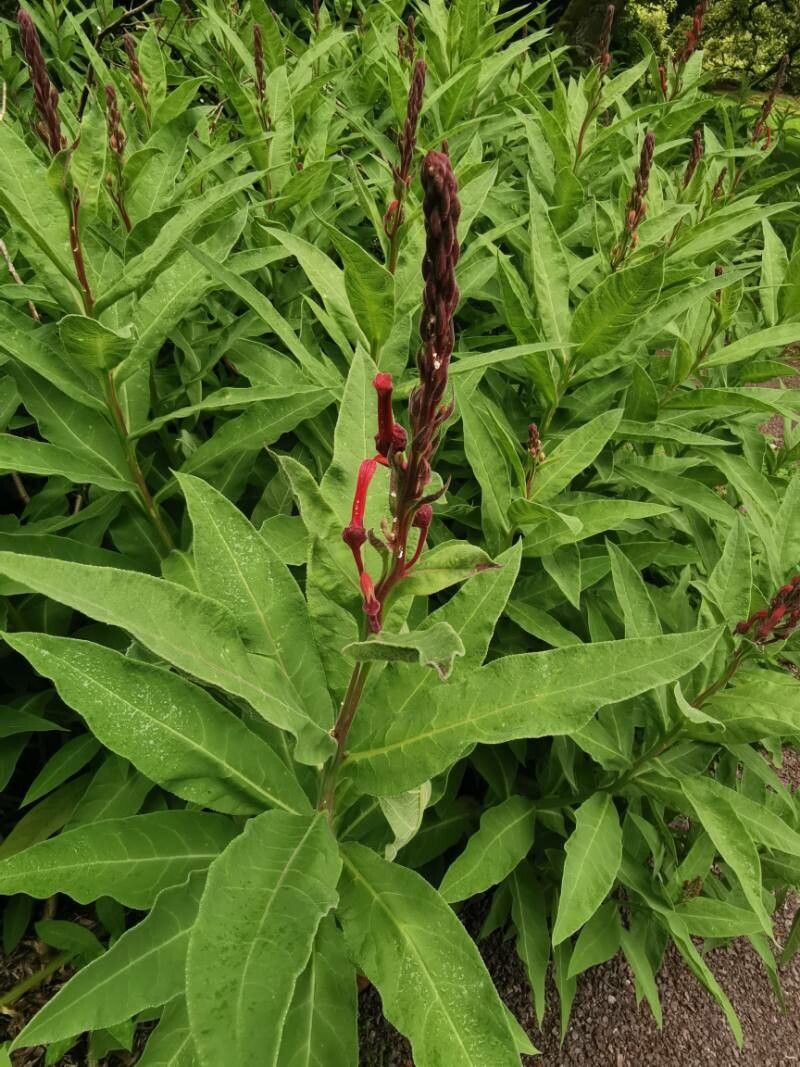
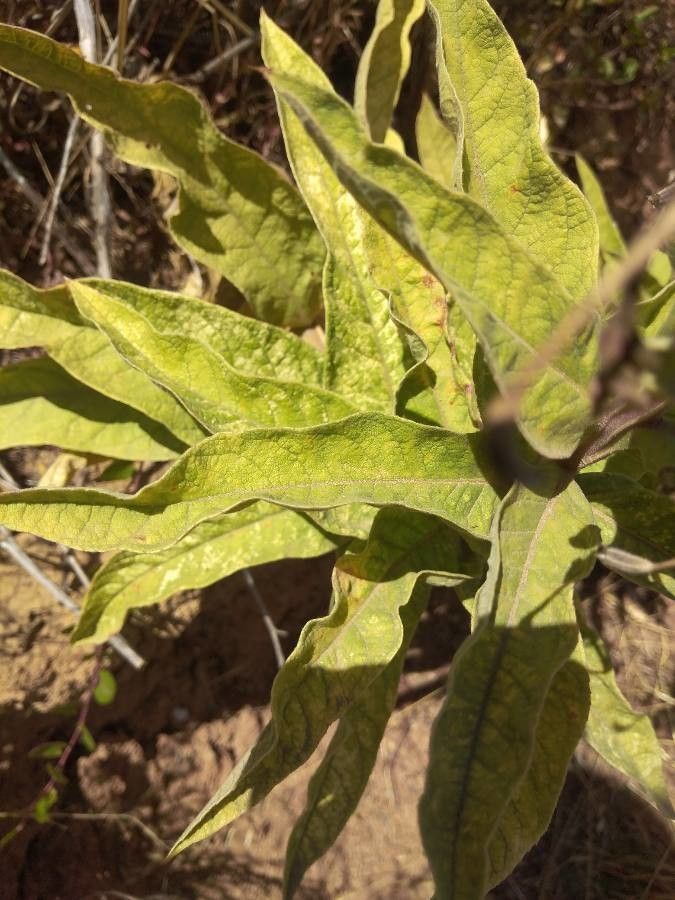
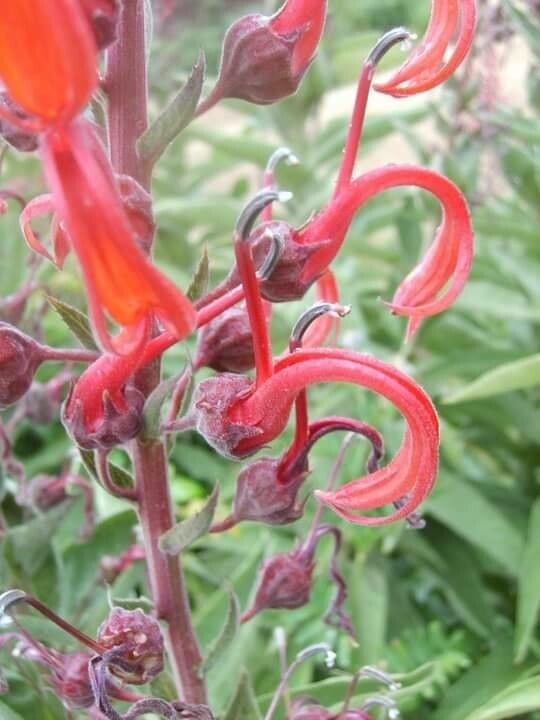
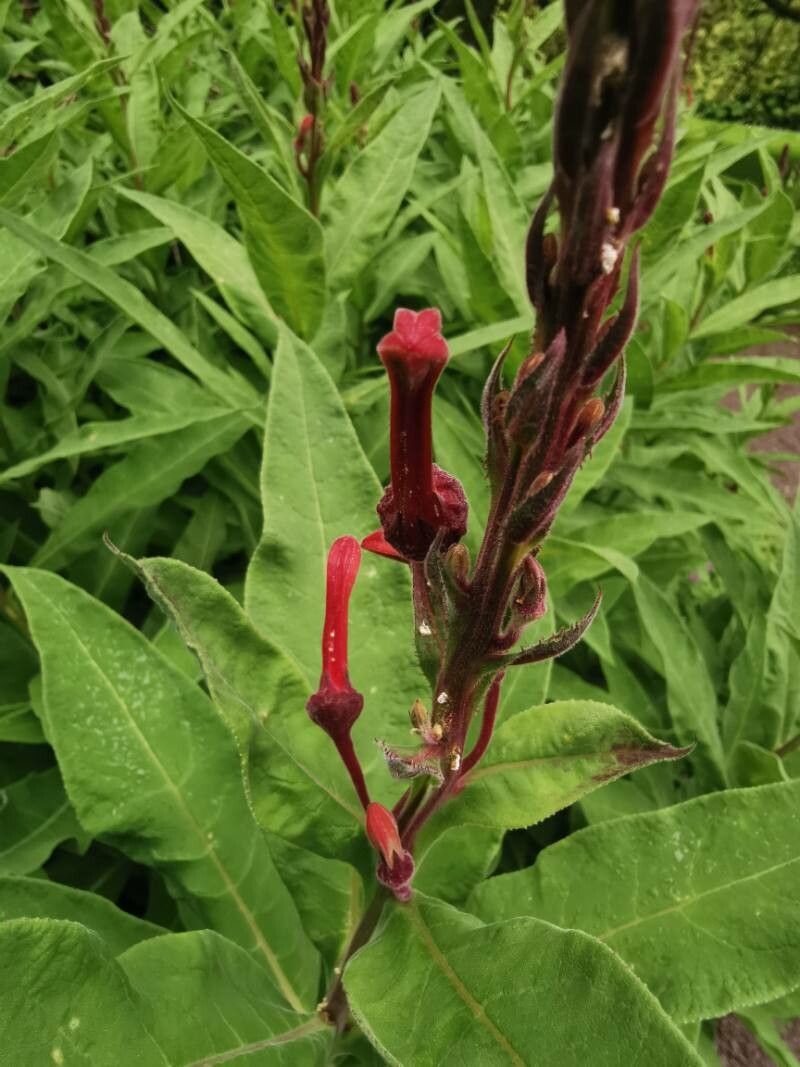
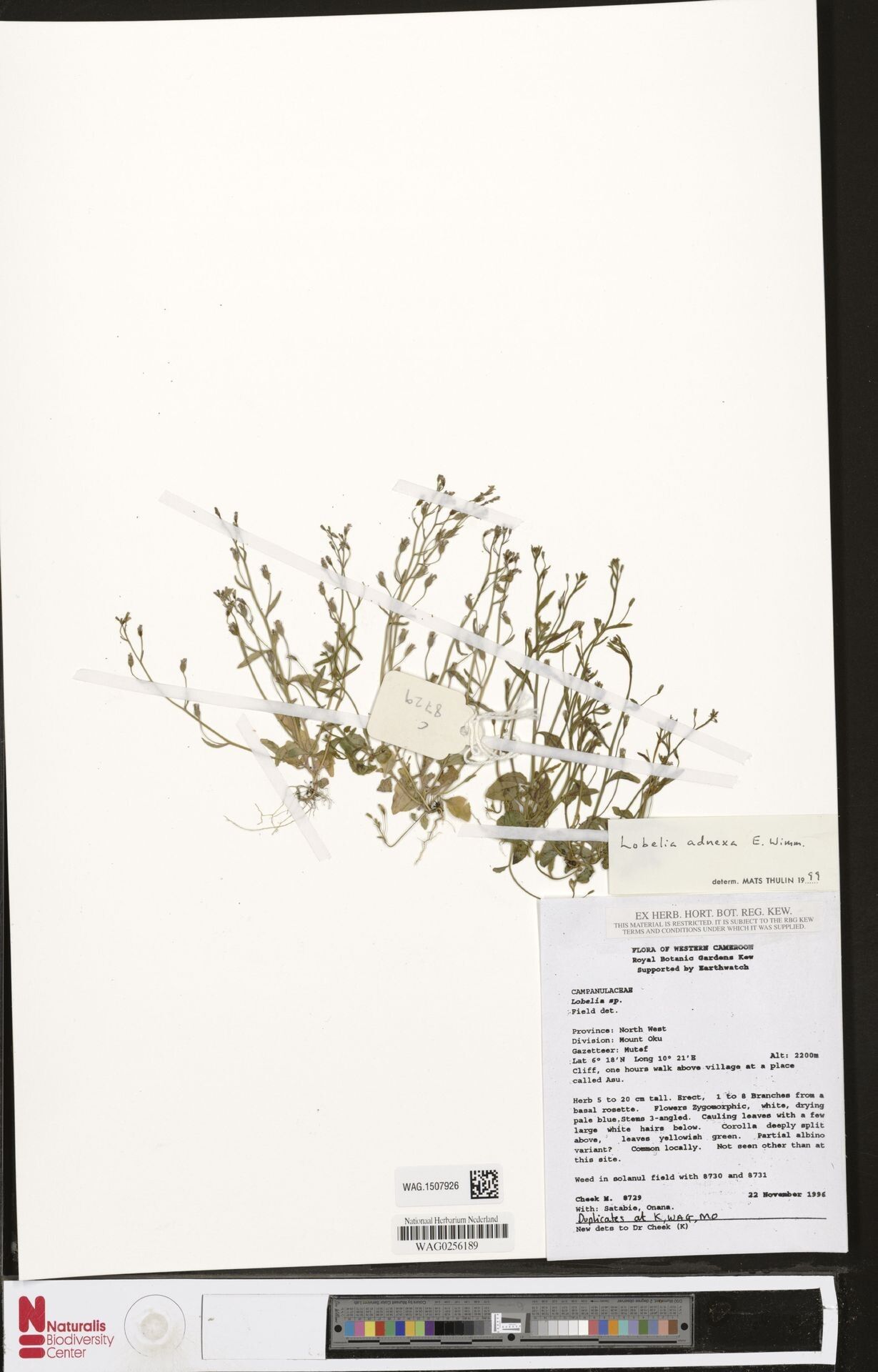
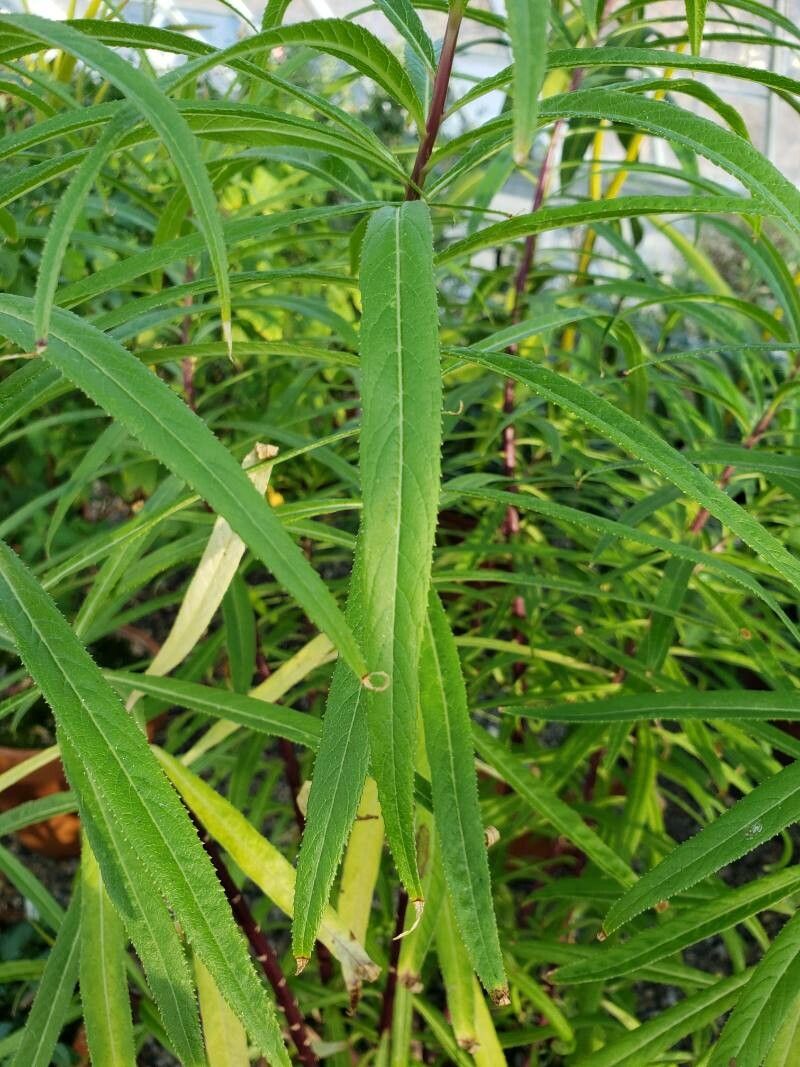
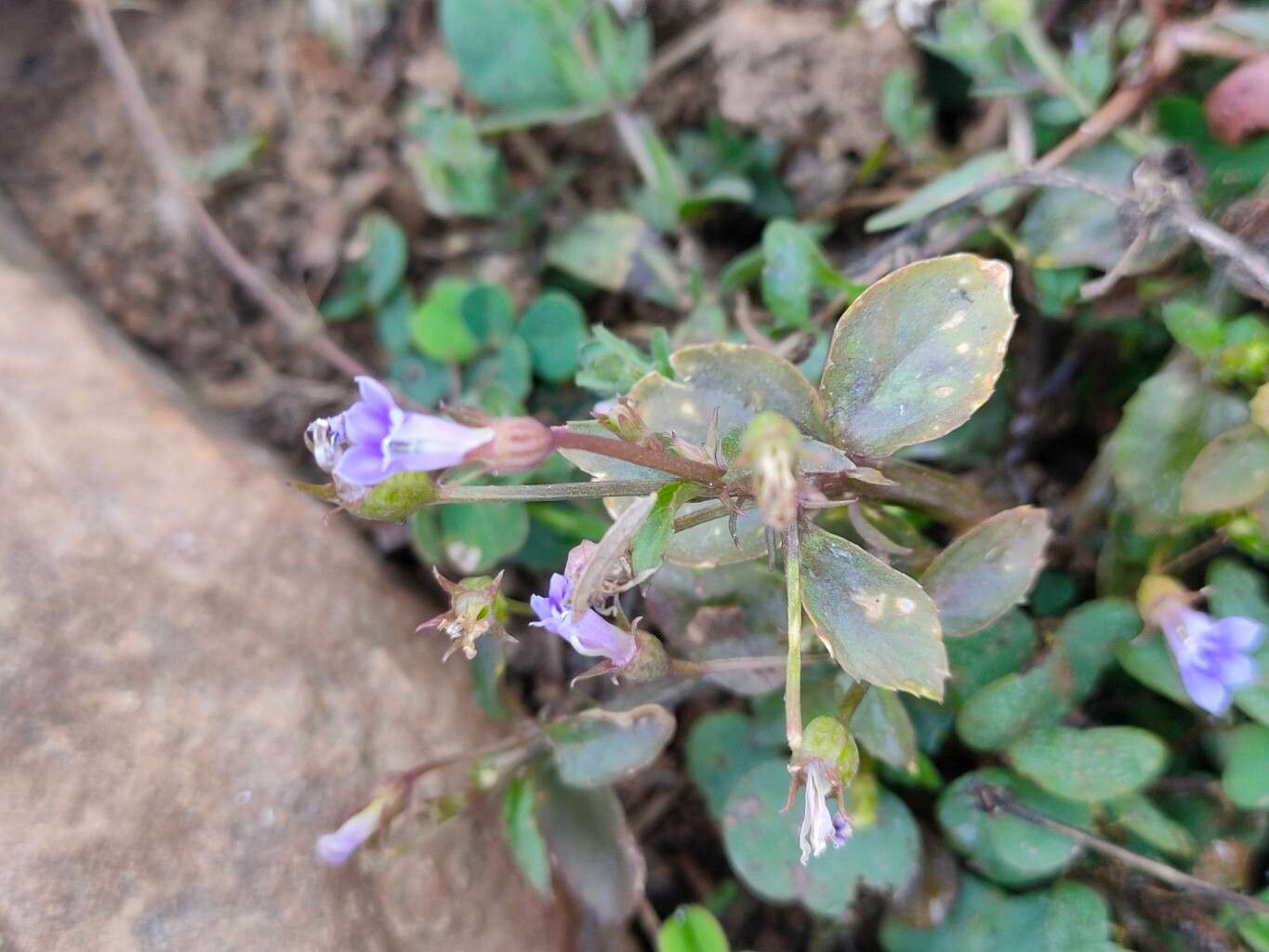
Lobelia tupa is a species of Lobelia native to central Chile from Valparaíso south to Los Lagos regions.Lobelia tupa is an evergreen perennial plant which grows up to 4 m tall and thrives in dry soils. The foliage is grey-green, with felty elliptical leaves 10–15 cm long. The flowers are red, tubular and 2-lipped and are produced in a sympodium pattern. The plant has numerous ethnobotanical uses due to its pharmaceutically active alkaloids. The latex is used as an abortifacient, and the large, felty leaves are smoked as a narcotic with possible hallucinogenic effects - whence one of its common names, Tabaco del Diablo (Devil's tobacco). Ironically, this plant has been used to treat nicotine addiction because it contains the nicotine-related alkaloid Lobeline (a mixed agonist–antagonist at nicotinic acetylcholine receptors). The Mapuche of Southern Chile consider it a sacred plant. Tupa leaves have also been found to contain chemicals that act as a respiratory stimulant.
Devil's tobacco is fairly resistant to disease and usually does not suffer from many illnesses. That said, it can be affected by pests and diseases present in its environment. When infections do occur, they are typically mild. Regarding upkeep, this plant needs a moderate level of care. It should be trimmed on a regular basis to preserve its appearance and encourage healthy growth. Applying fertilizer can also aid in boosting flowering. Devil's tobacco is appropriate for anyone who has outdoor space, like a garden or patio, and does not demand extensive gardening experience. If grown indoors, it may need more attentive care.
How to keep Lobelia Tupa.
Light
Devil's tobacco is a sun-loving herbaceous perennial native to open habitats and commonly found in meadows and grasslands. It prefers full sun but can also tolerate partial sun.
Water
Devil's tobacco, which originates from Chile, grows best in a temperate climate with well-drained soil. To keep the soil moist without causing waterlogging, it's important to water the plant weekly. This plant thrives outdoors and benefits from increased watering during its growing season to ensure optimal foliage and flowering.
Temperature
Devil's tobacco is fairly adaptable to temperature, tolerating higher heat and wide temperature swings. In hot weather, care should be taken to water appropriately and provide some shade to avoid sunburn. On the other hand, Devil's tobacco has limited tolerance for low temperatures. While it can endure mild cold, very cold conditions can cause frost damage.
Fertilizer
The best time to fertilize a Devil's tobacco is in early spring, as it comes out of dormancy and begins active growth. Fertilizing supplies essential nutrients for healthy development. Although Devil's tobacco has relatively low fertilizer requirements, an annual application can boost its survival and encourage better, longer-lasting flowers.
Pruning
Devil's tobacco is characterized by its tall red flowers and strong growth. Pruning should take place from early to late spring, focusing on removing dead stems and overcrowded branches. This helps improve air circulation and encourages abundant flowering. Regular pruning also prevents the plant from becoming leggy, ensuring it remains a well-shaped and manageable addition to your garden.
Pot & Repot
Repot devil's tobacco every 2 to 3 years in early spring using a deep container to accommodate its long taproot. After repotting, ensure the plant receives plenty of sunlight and avoid overwatering. This will help enhance the flower display and promote the overall health of the plant.
Botanical profile.
- Plant Type
- Herb
- Life Cycle
- Perennial, Annual
- Genus
- Lobelia
- Family
- Campanulaceae
- Hardiness Zone
- 8-10
- Mature Height
- 1.22 m
- Mature Spread
- 91 cm
- Leaf Color
- Green, Gray, Silver
- Leaf Type
- Deciduous
- Flower Color
- Red, Orange
- Flower Size
- 3.05 cm to 5.08 cm
- Bloom Time
- Summer
- Planting Time
- Spring, Summer
- Harvest Time
- Early fall, Mid fall
Other names.