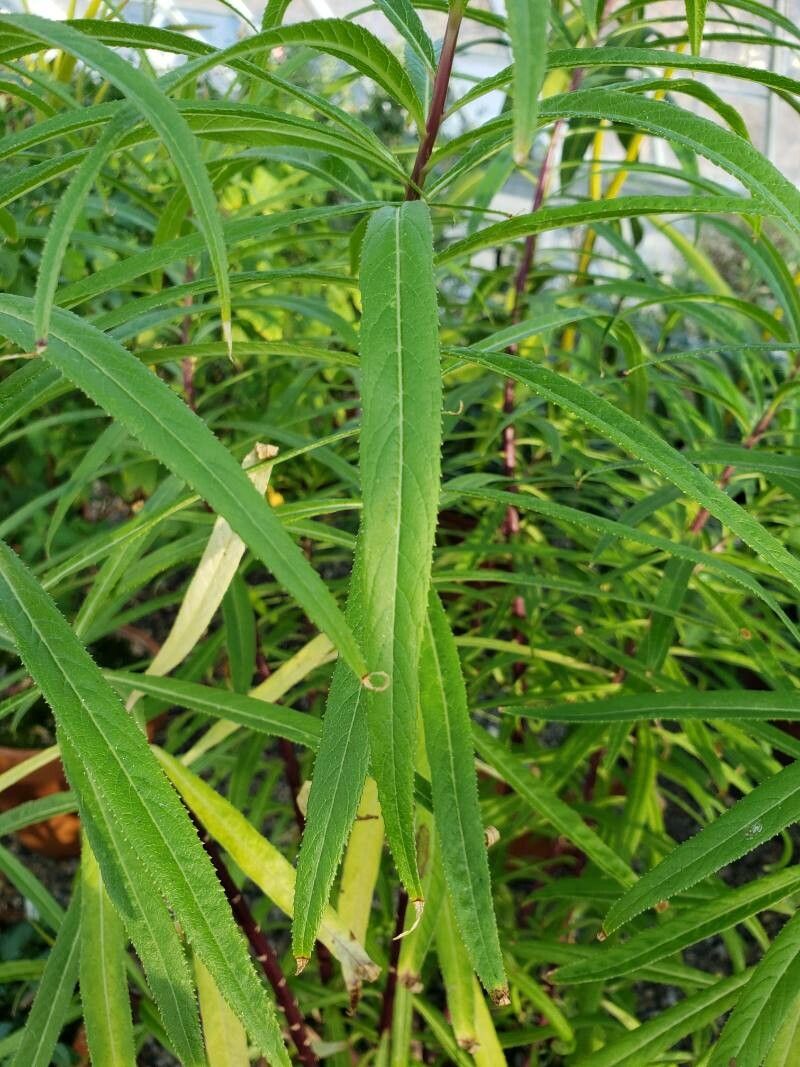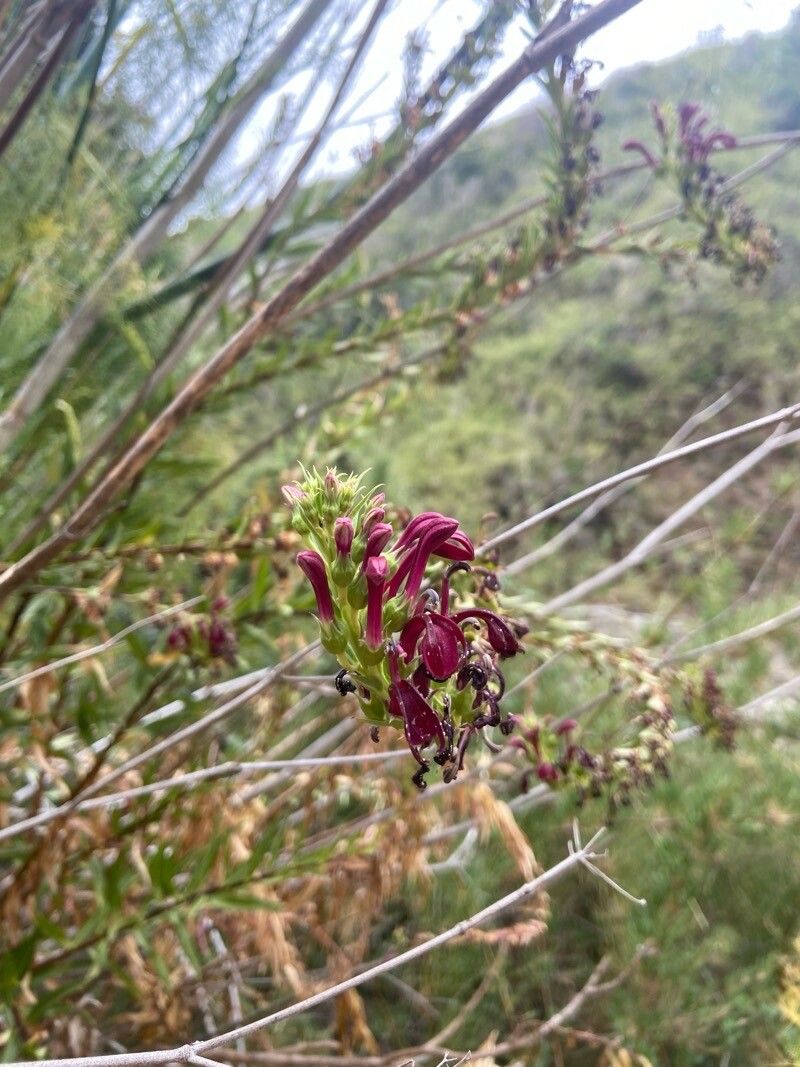
Lobelia polyphylla, called the tabaco del Diablo, is a species of flowering plant in the family Campanulaceae, native to northern and central Chile. When smoked, it has narcotic and hallucinogenic effects.
Tupa shows strong disease resistance and is generally not prone to illnesses. However, it can be vulnerable to pests and diseases present in its environment. These problems are usually minor. For care, this plant requires a moderate amount of attention. It should be pruned regularly to keep a good appearance and support healthy growth. Fertilizing can also help encourage flowering. Tupa is well suited for anyone with outdoor space, such as a garden or patio, and does not demand extensive care experience. It may need more attention if grown indoors.
How to keep Lobelia Polyphylla.
Light
Tupa is a perennial herbaceous plant that favors sunny conditions and is native to open habitats, commonly found in meadows and grasslands. It prefers full sun but can also tolerate partial sunlight.
Water
Tupa thrives in consistently moist environments but can tolerate short periods of dryness. To ensure optimal health, water the plant once a week. During its active growth season, efficient irrigation is essential, as its development is closely tied to water availability.
Temperature
Tupa demonstrates good adaptability to temperature, tolerating higher heat and wider temperature swings. When temperatures are high, care should be taken with watering and suitable shade provided to avoid sunburn. Conversely, Tupa is relatively poorly tolerant of low temperatures; although it can endure some cold, excessively cold conditions can cause frost damage.
Fertilizer
The best time to fertilize a Tupa is in early spring, as it comes out of dormancy and begins active growth. Fertilization supplies essential nutrients for healthy development. Although Tupa has relatively low fertilizer requirements, feeding it once a year can improve its survival and encourage better, longer-lasting flowers.
Pruning
Tupa plants are known for their vibrant flowers and dense foliage. For optimal growth, prune them between early and late spring. Focus on removing dead stems and trimming back overgrown branches. To protect the blooms, avoid heavy pruning while the plant is flowering. Using proper pruning techniques improves air circulation, increases light penetration, and supports healthy growth. For additional pruning tips and best practices, refer to horticultural guides on tupa care.
Botanical profile.
- Plant Type
- Herb
- Life Cycle
- Perennial
- Genus
- Lobelia
- Family
- Campanulaceae
- Hardiness Zone
- 8-11
- Mature Height
- 30 cm to 61 cm
- Mature Spread
- 20 cm to 40 cm
- Leaf Color
- Green, Dark Green
- Leaf Type
- Semi-evergreen
- Flower Size
- 2.03 cm to 3.05 cm
- Bloom Time
- Summer
- Planting Time
- Spring, Summer
- Harvest Time
- Early fall, Mid fall