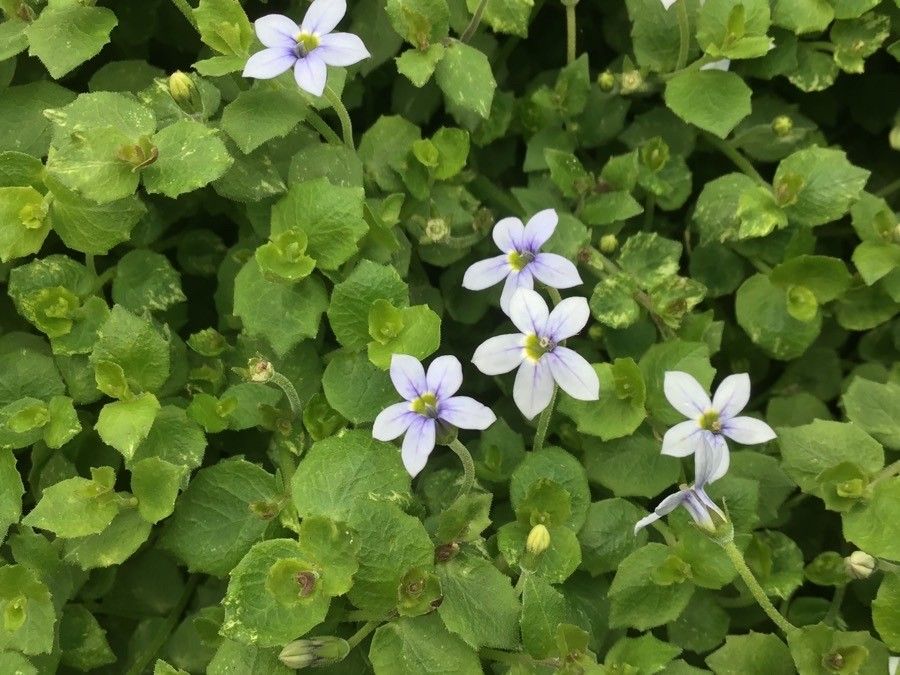
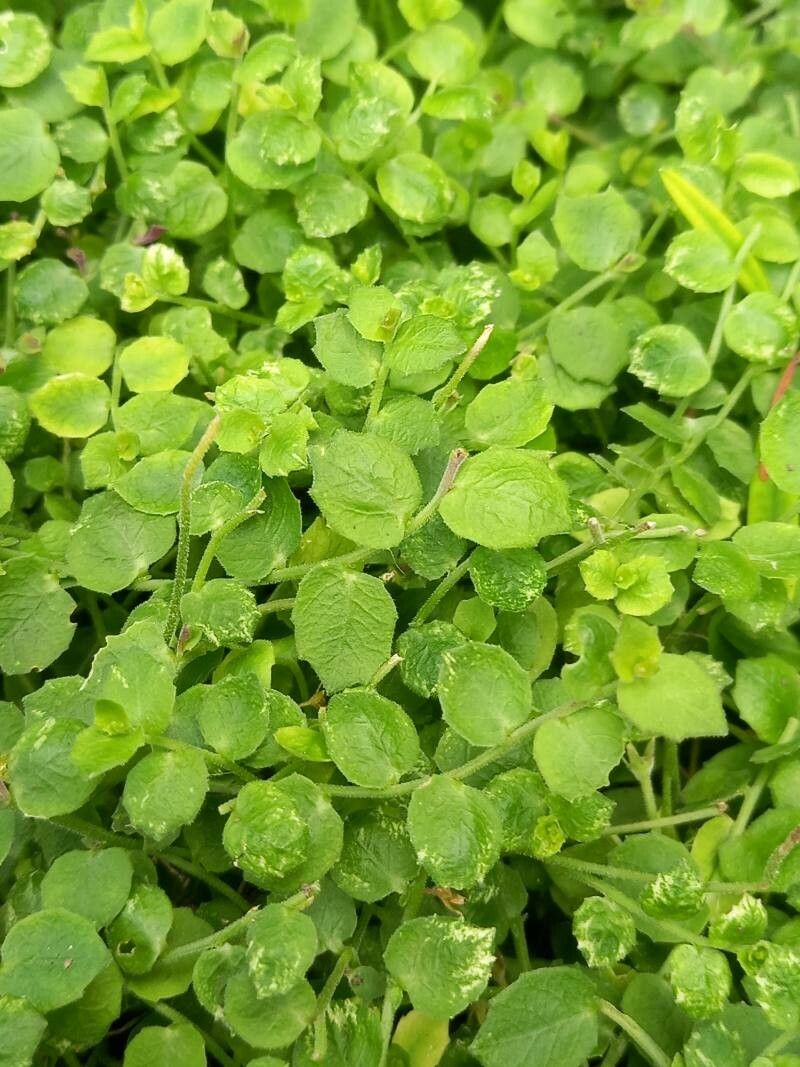
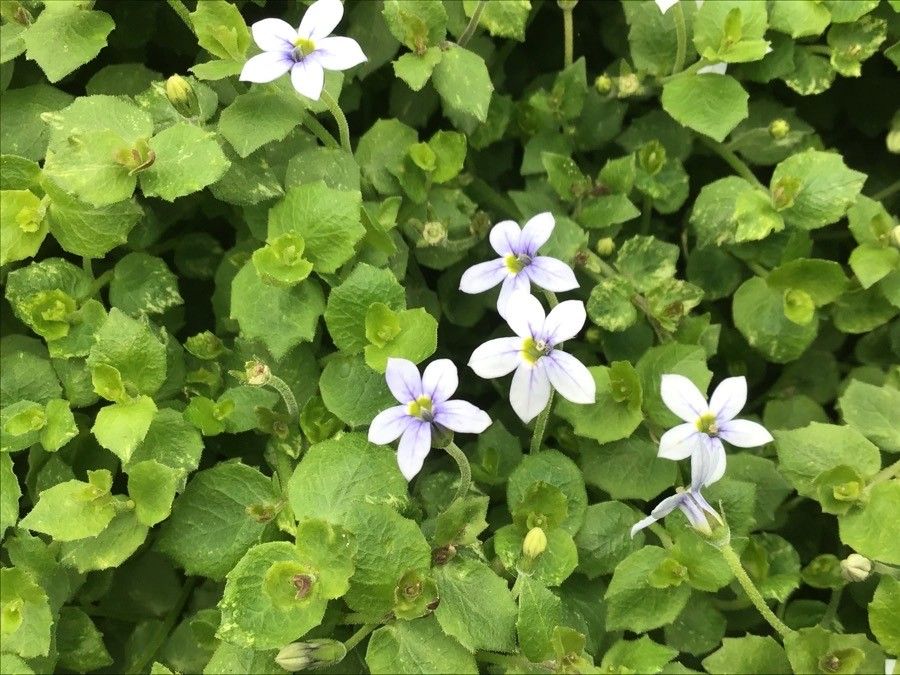
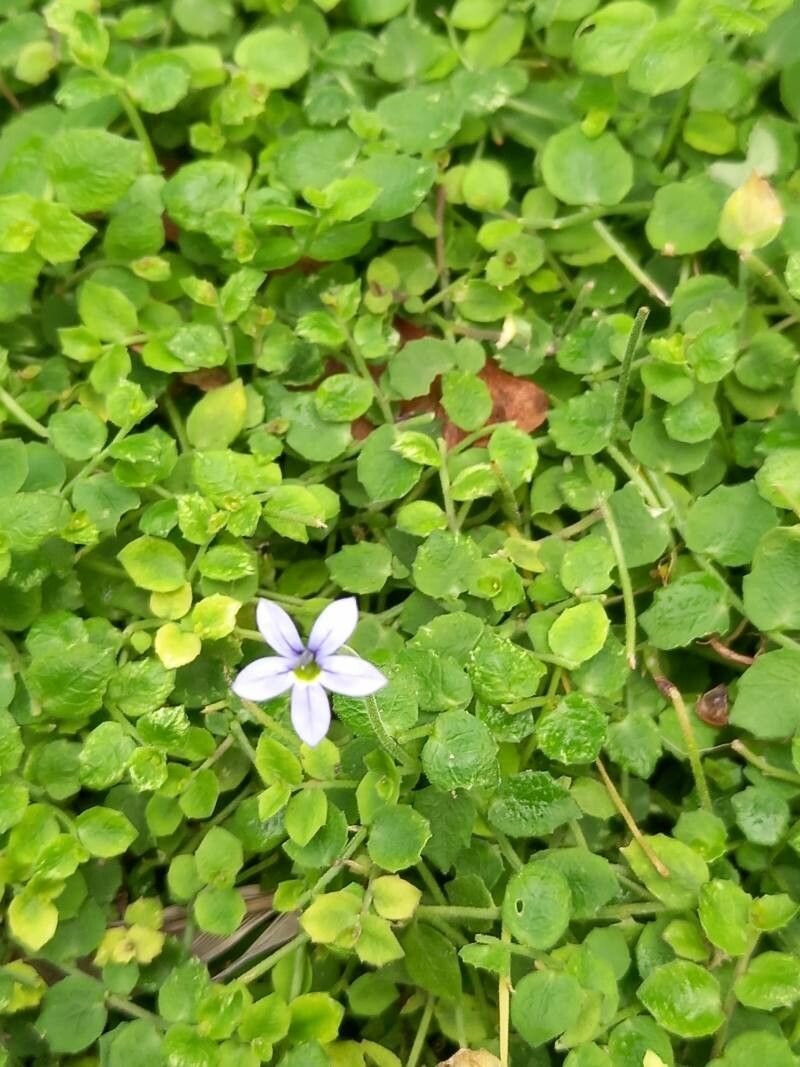
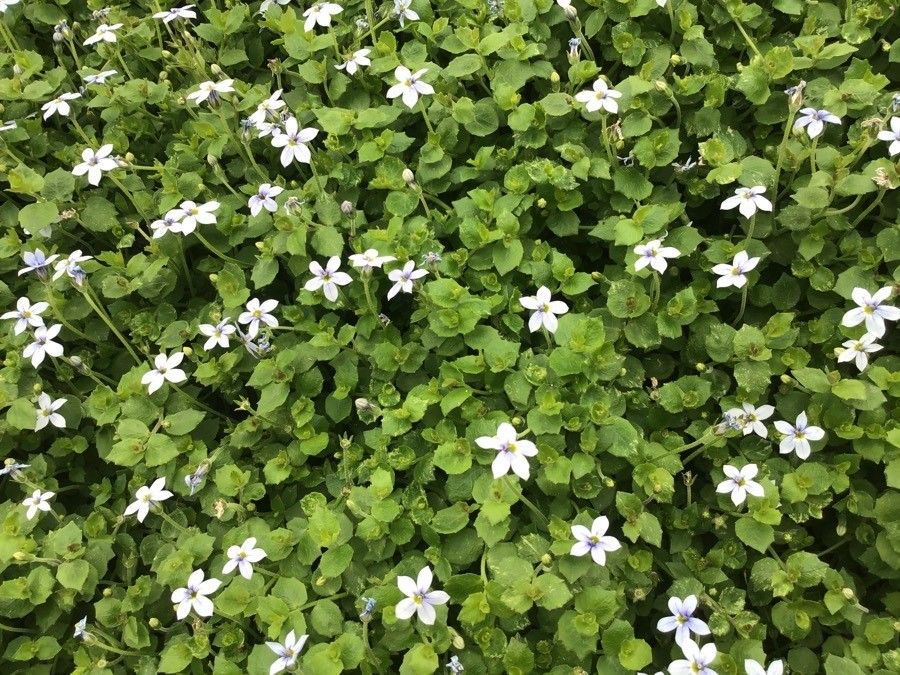
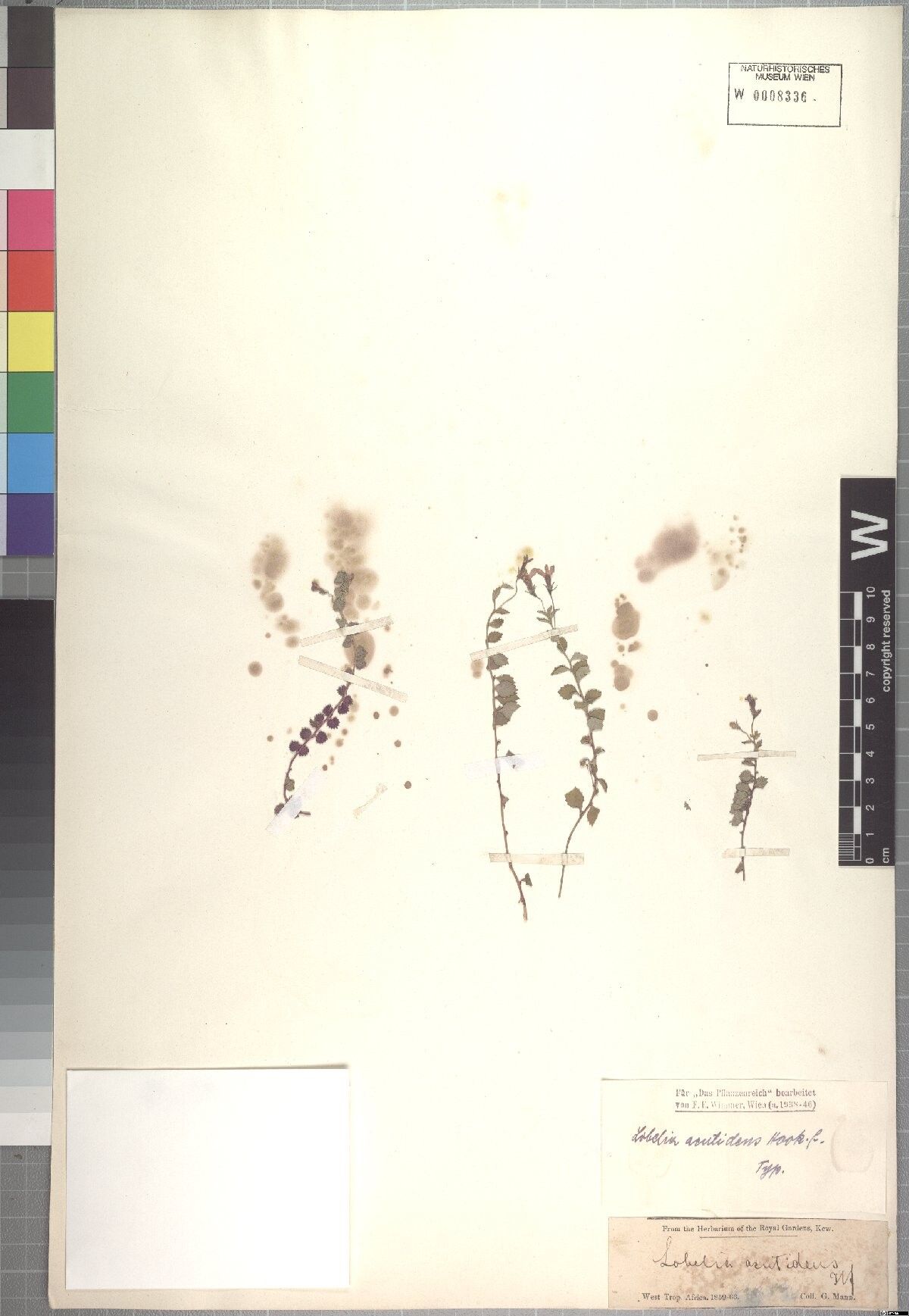
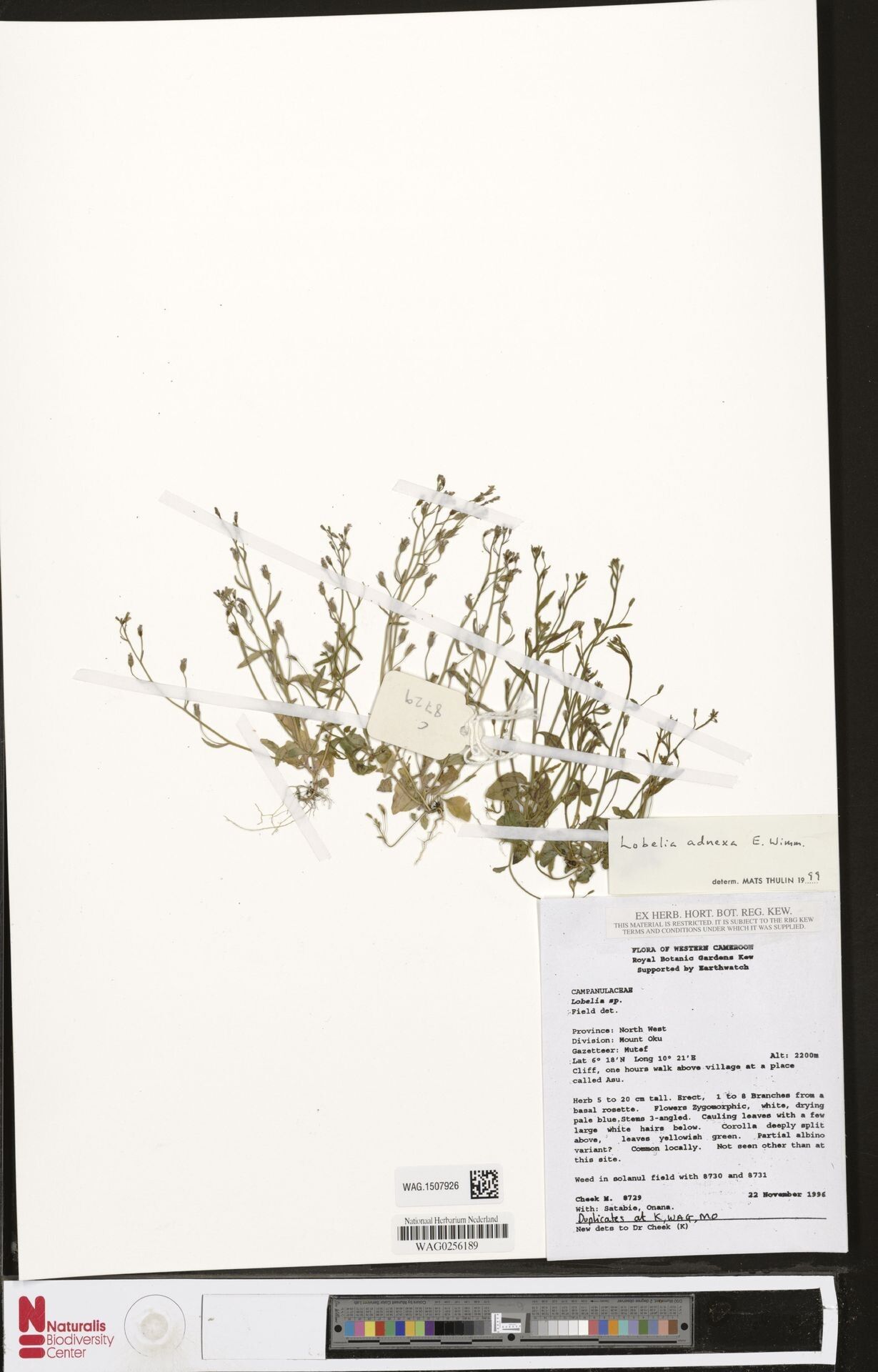
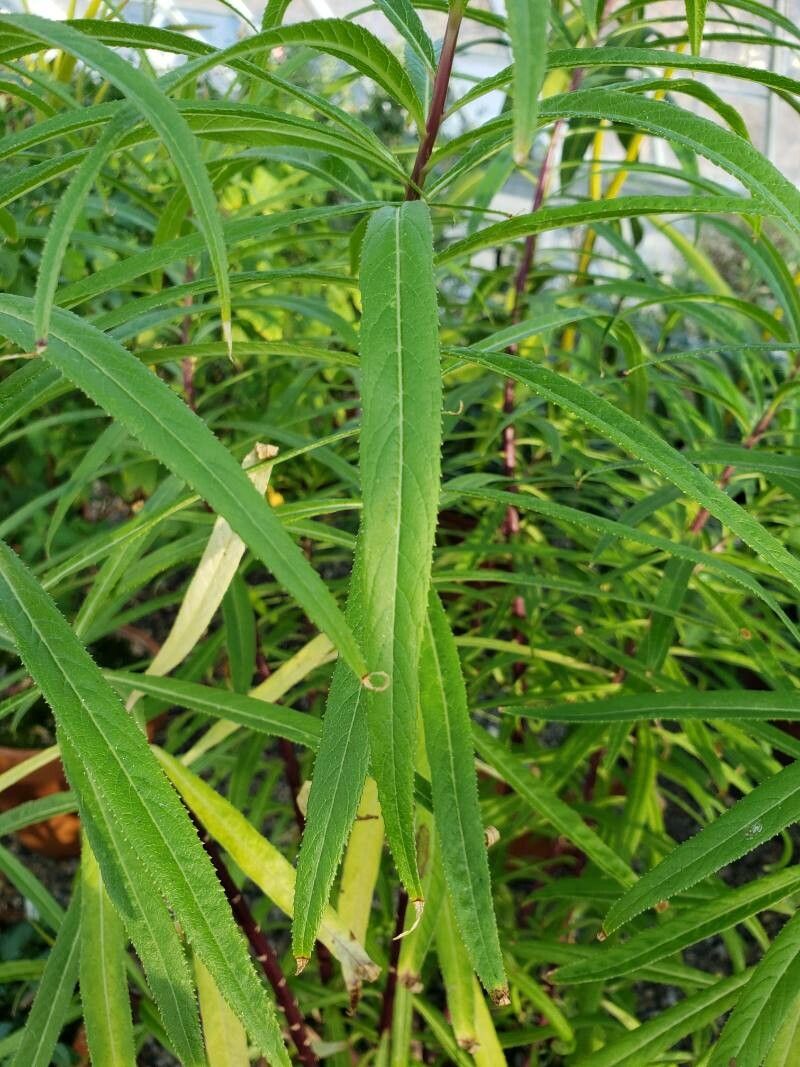
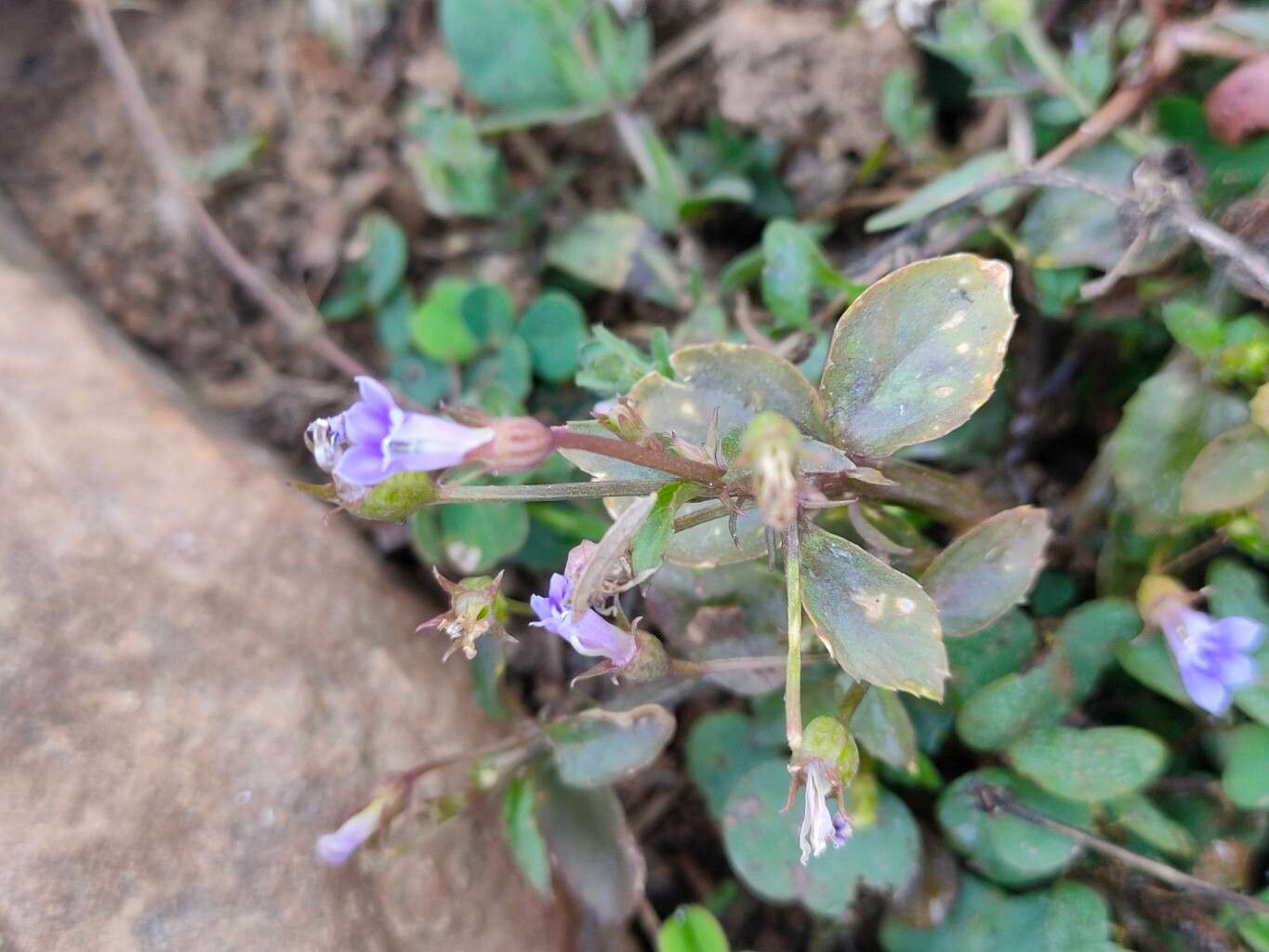
Lobelia pedunculata, commonly known as matted pratia, trailing pratia or blue star creeper, is a perennial herb from Australia.It has sky-blue starry flowers, and can spread by underground stolon. In a garden setting some gardeners have found its ability to spread to be a nuisance.
Blue star creeper has good resistance to disease and is generally not prone to illnesses. However, it can be vulnerable to pests and diseases present in its surroundings, though these infections are usually not severe. For care, this plant requires moderate maintenance. It should be pruned regularly to maintain an attractive appearance and healthy growth, and fertilizing can help encourage flowering. Blue star creeper is suitable for anyone with outdoor space, such as a garden or patio, and does not require much care experience. It may need more attention when grown indoors.
How to keep Lobelia Pedunculata.
Light
Blue star creeper is native to habitats such as forest understories or rocky areas, where it receives natural shade. It prefers partial sun but can tolerate full sun or full shade, illustrating its versatile and hardy nature.
Water
Water blue star creeper sufficiently by providing good drainage and allowing the soil to dry 1 to 2 inches deep between waterings. Deep watering, reaching 6 to 8 inches, is essential, especially when weekly rainfall is less than 1 inch, since blue star creeper is not drought-tolerant.
Temperature
Blue star creeper can tolerate a wide range of temperatures, but its range may still be constrained by different combinations of moisture and heat. It grows best in warm summer climates with sufficient rainfall or watering. Extended periods of cloudy, rainy weather or prolonged high temperatures can increase the chance of Blue star creeper dying. In winter, protecting it from cold can improve its survival rate.
Fertilizer
The best time to fertilize Blue star creeper is in early spring, when it is coming out of dormancy and starting active growth. Fertilization supplies essential nutrients for healthy development. Although Blue star creeper has fairly low fertilizer requirements, an annual application can improve its survival and encourage better, longer-lasting flowers.
Pruning
Blue star creeper is a low-maintenance plant that benefits from minimal pruning. The best time to prune is in early spring, which helps promote fullness and improve air circulation. To keep the plant healthy, remove any dead stems and thin out crowded areas. You may also consider lightly trimming the plant after it blooms, as this can encourage a second round of flowering. Always use clean, sharp tools when pruning to prevent disease and maintain the plant's ornamental appeal.
Pot & Repot
To keep your blue star creeper healthy, replant it every 2-3 years during the spring. Choose a shallow, wide container to accommodate its spreading growth. After repotting, water it regularly and place it in partial shade to aid its recovery. Handle the plant gently to protect its delicate root system during the process.
Botanical profile.
- Plant Type
- Herb
- Life Cycle
- Perennial
- Genus
- Lobelia
- Family
- Campanulaceae
- Hardiness Zone
- 7-10
- Mature Height
- 5 cm
- Mature Spread
- 61 cm
- Leaf Color
- Green, Dark Green
- Leaf Type
- Deciduous
- Flower Color
- Blue, Violet
- Flower Size
- 0.51 cm to 1.02 cm
- Bloom Time
- Mid spring, Late spring, Early summer
- Planting Time
- Spring, Summer, Autumn
- Harvest Time
- Summer
Other names.
Reader questions.
What are the sunlight requirements for Blue Star Creeper?
Blue Star Creeper (Lobelia pedunculata) thrives in varying amounts of sunlight, making it versatile for different garden spots. It requires 'full sun' conditions, meaning it should receive above 6 hours of sunlight daily, to flourish best. However, it can also adapt to 'partial sun' with about 3-6 hours of sunlight. It's important to observe the way sunlight moves through your garden to find locations that offer the right balance of light and shade. By doing so, you ensure your Blue Star Creeper's happiness and growth.
What is the Blue Star Creeper?
The Blue Star Creeper, known botanically as Lobelia pedunculata, is a plant notable for its significant characteristics, though specific details about its essentials and symptoms were not provided in the information. It is recognized by its common name 'Blue Star Creeper' and its botanical designation.