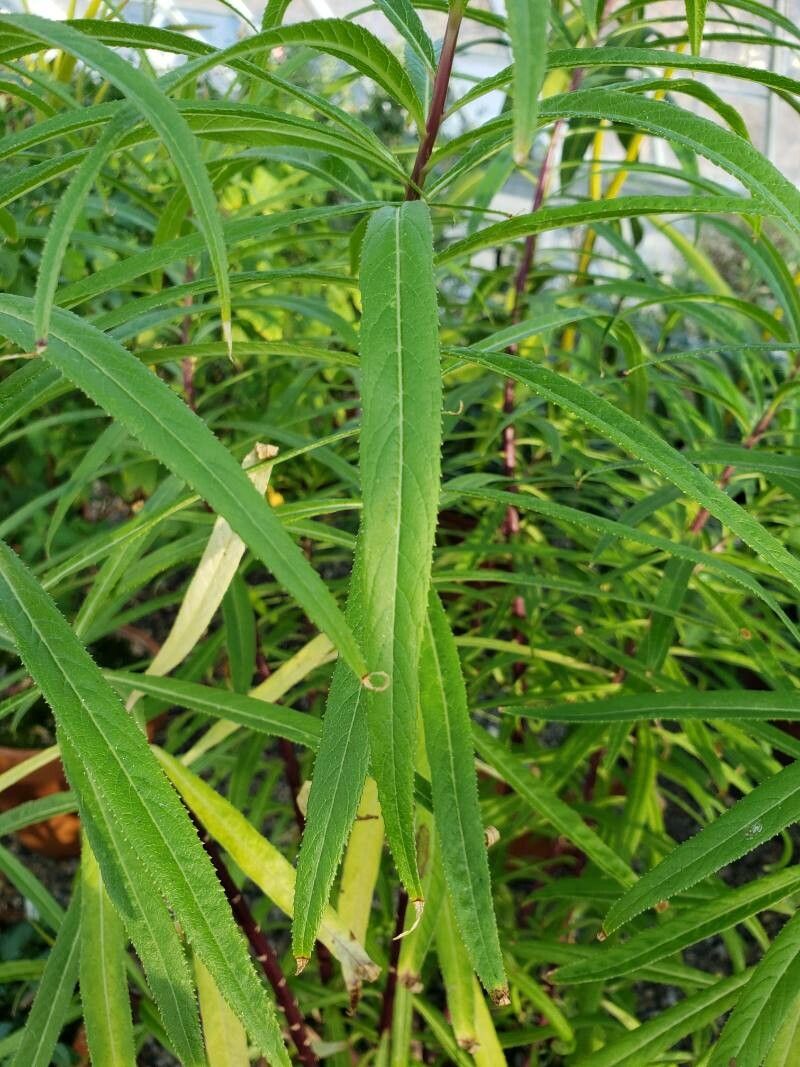
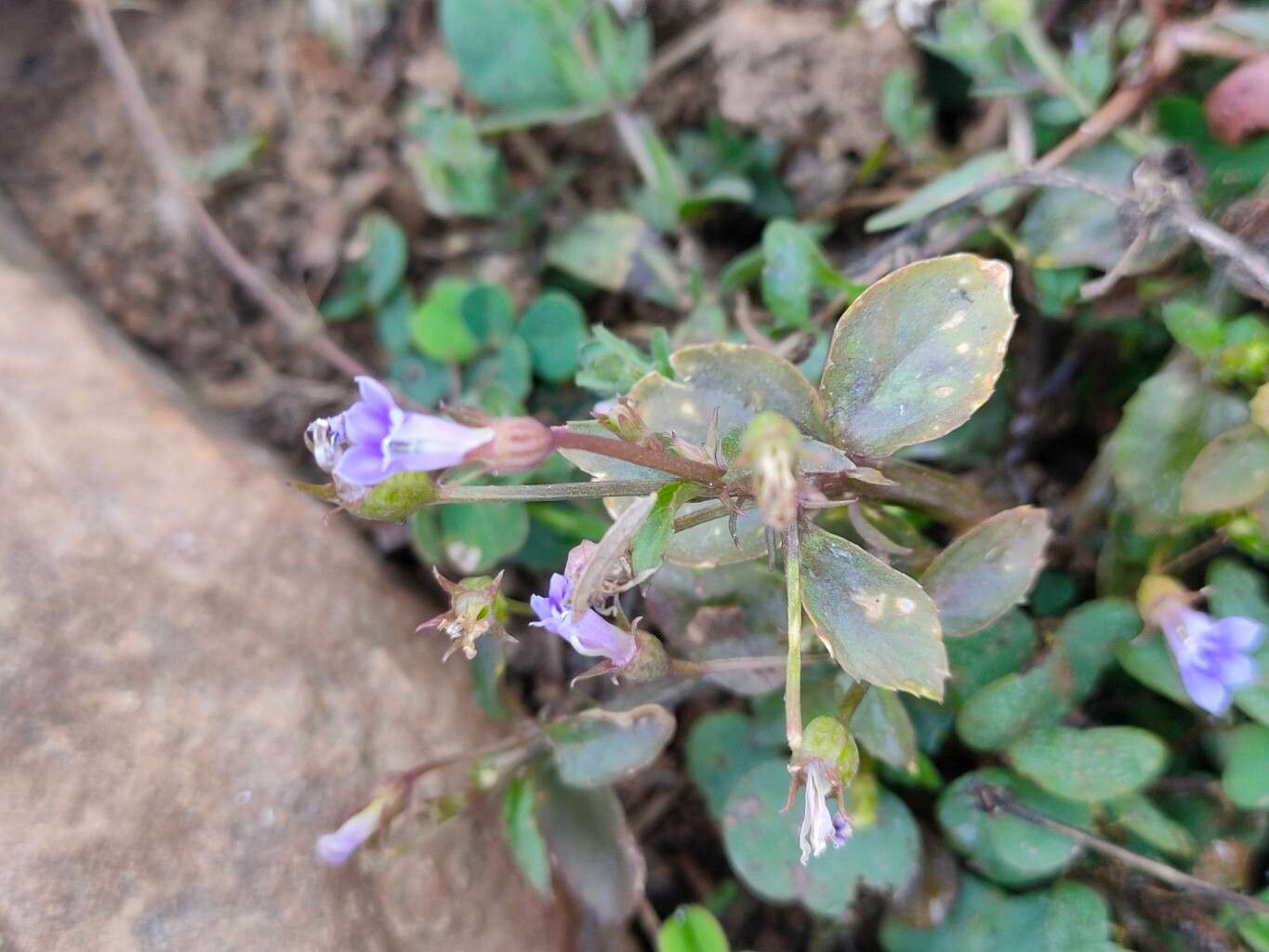
Common pratia has strong disease resistance and is generally not prone to illnesses. It can, however, be vulnerable to pests and diseases present in its environment. Such infections are typically mild. Regarding care, this plant has moderate maintenance needs. It should be pruned regularly to preserve a neat appearance and encourage healthy growth. Fertilizing can also encourage flowering. Common pratia is well suited for anyone with an outdoor area, like a garden or patio, and does not require extensive gardening experience. It may need more attention when cultivated indoors.
How to keep Lobelia Nummularia.
Light
The common pratia does best in spots that get ample sunlight all day, though it can also endure locations where the sun’s rays are filtered. This tendency reflects its native habitat, which provided abundant daytime sun. Too much or too little light can harm the common pratia’s healthy development, potentially causing color fading or slower growth.
Water
Common pratia, which originates from moist environments, requires consistent hydration and evenly moist soil to thrive. It benefits from weekly watering, particularly during dry spells, to stay healthy. While it is often found outdoors and benefits from natural rainfall, ensuring regular water availability is crucial for its growth.
Temperature
Common pratia does best in its native temperate climate, requiring temperatures of 50 to 77 °F (10 to 25 °C). For optimal growth, maintain the ambient temperature so it reflects its natural environment, especially during seasonal changes.
Fertilizer
Appropriate fertilization is essential for Common pratia's health and appearance. Fertilize Common pratia during summer, applying it monthly throughout the season. These nutrients drive growth and help maintain the plant's parts. Fertilizing boosts Common pratia's flower display, ensuring the best blooms.
Pruning
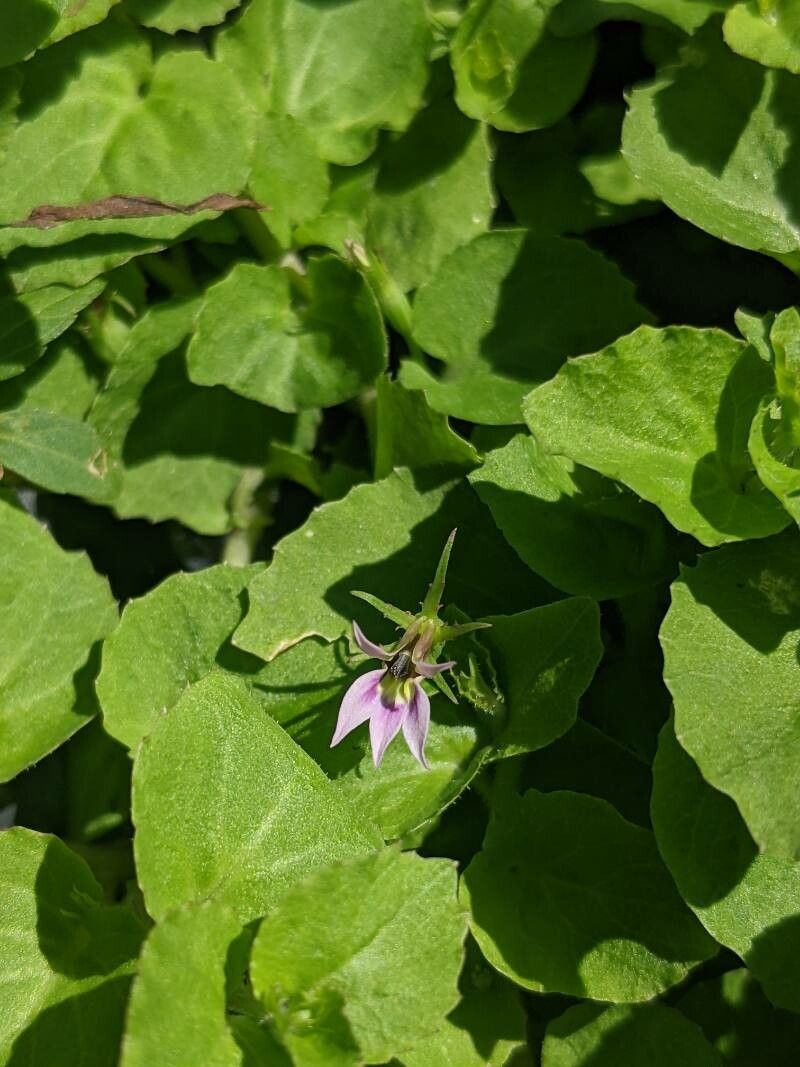
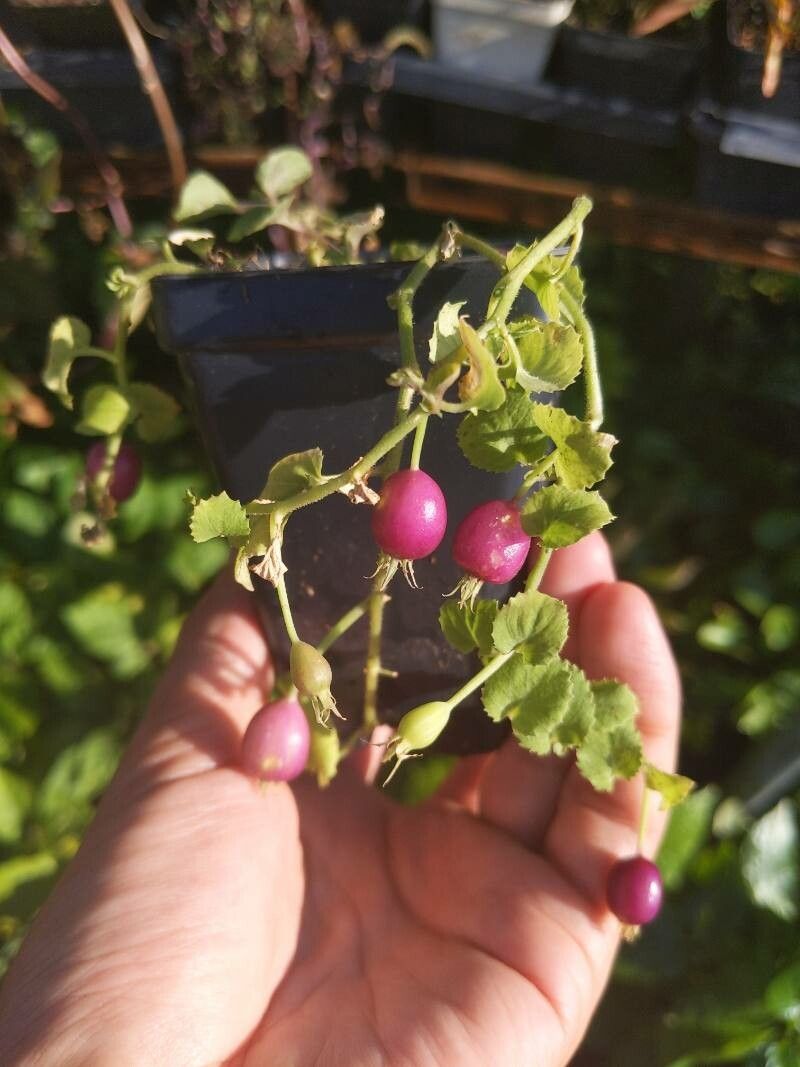
Common pratia is a low-growing perennial featuring small, round leaves and star-shaped blue flowers. To promote growth and remove dead stems, prune the plant from early to late spring. Using clean, sharp tools helps maintain healthier foliage and encourages blooming, enhancing the plant's vigor and appearance.
Botanical profile.
- Plant Type
- Herb
- Life Cycle
- Perennial
- Genus
- Lobelia
- Family
- Campanulaceae
- Hardiness Zone
- 6
- Mature Height
- 15 cm
- Mature Spread
- 30 cm to 61 cm
- Leaf Color
- Green
- Leaf Type
- Semi-evergreen
- Flower Color
- Lavender
- Flower Size
- 2.54 cm
- Bloom Time
- Late spring, Summer
- Planting Time
- Spring, Summer
- Harvest Time
- Late summer, Fall
- Native Area
- Nepal, Sri Lanka, India, Malaysia, Indonesia, Vietnam, Myanmar, Philippines, Bhutan, Bangladesh, Laos, Thailand, China