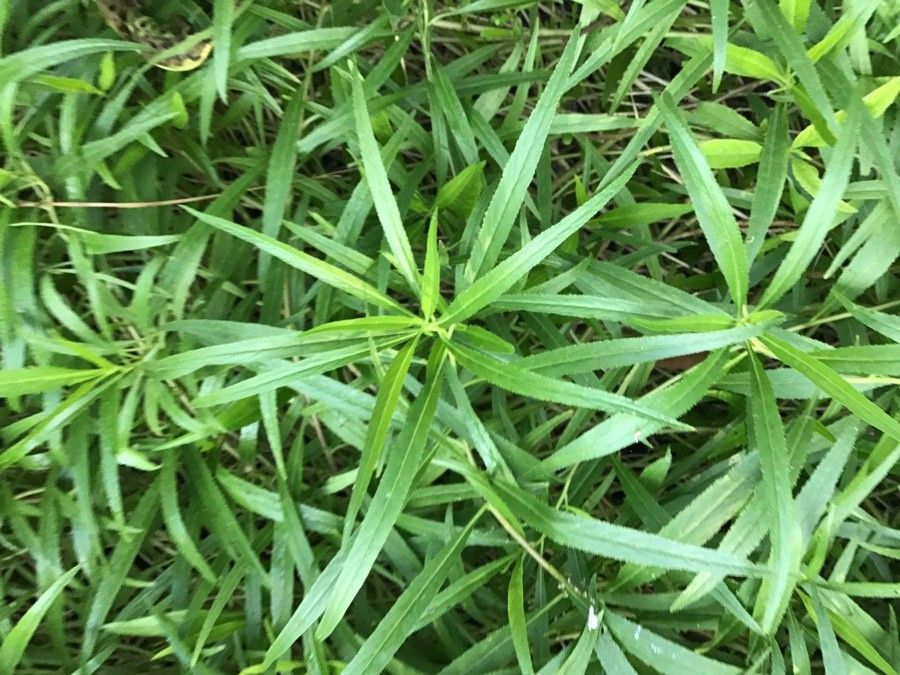
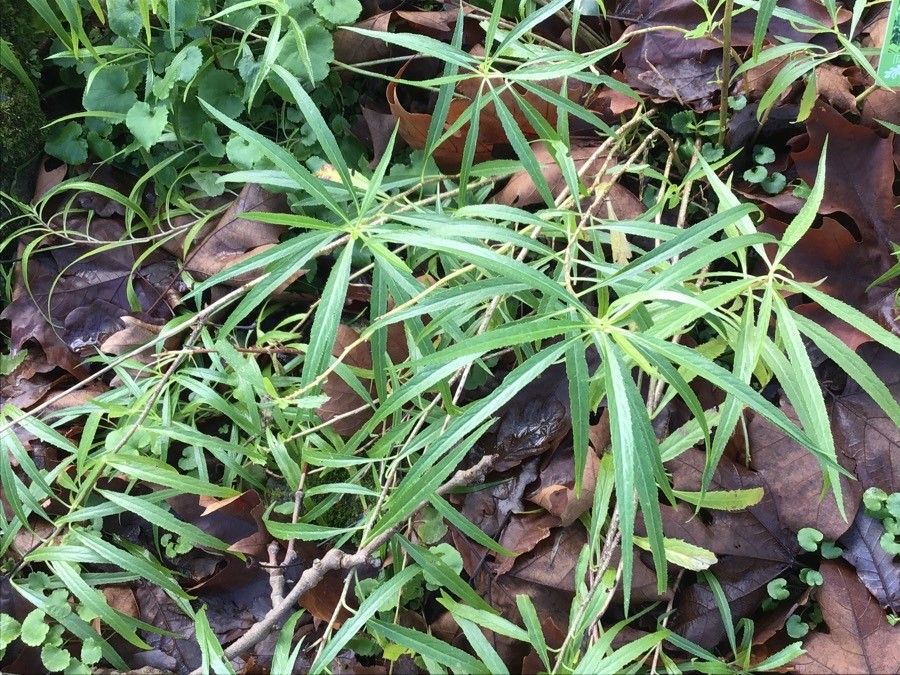
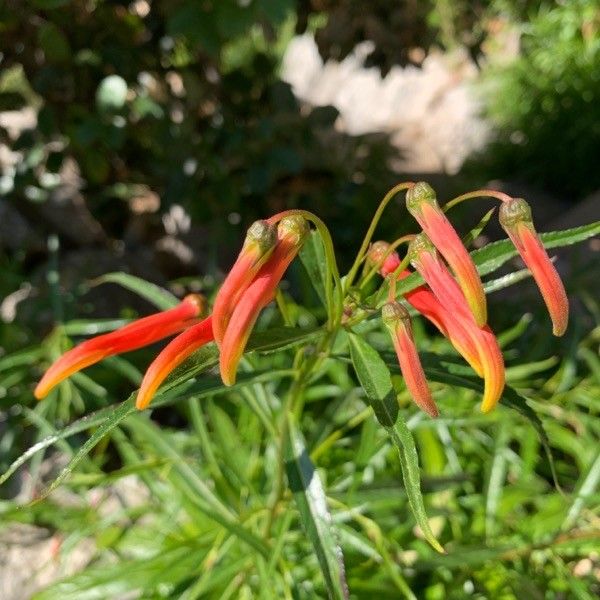
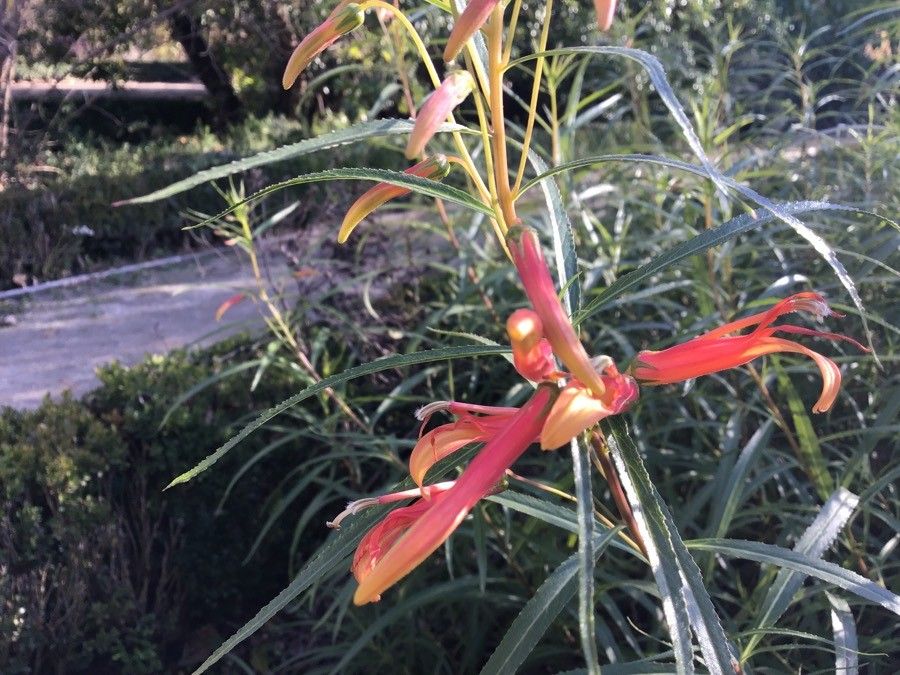
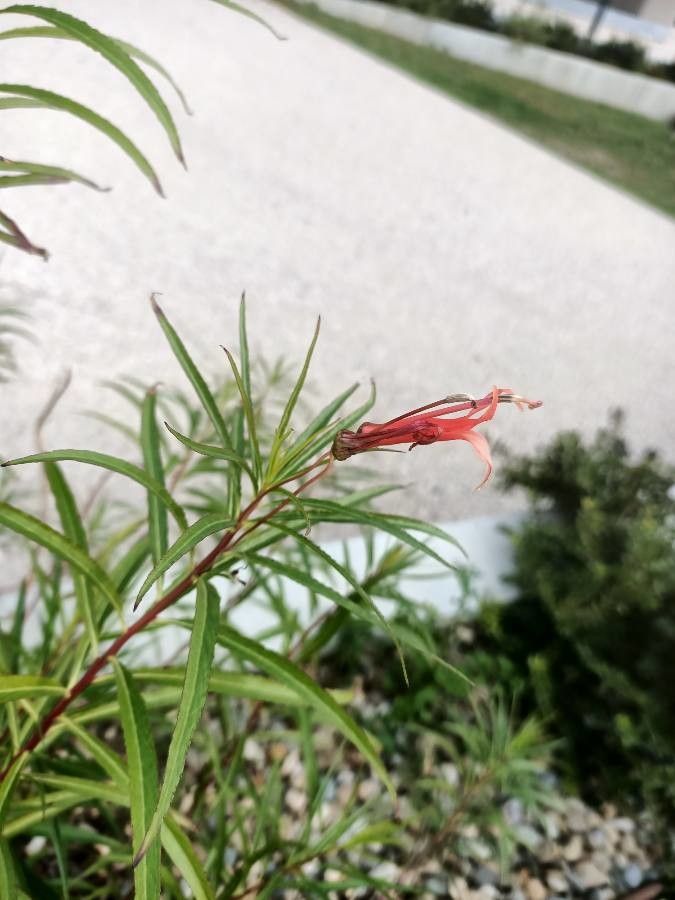
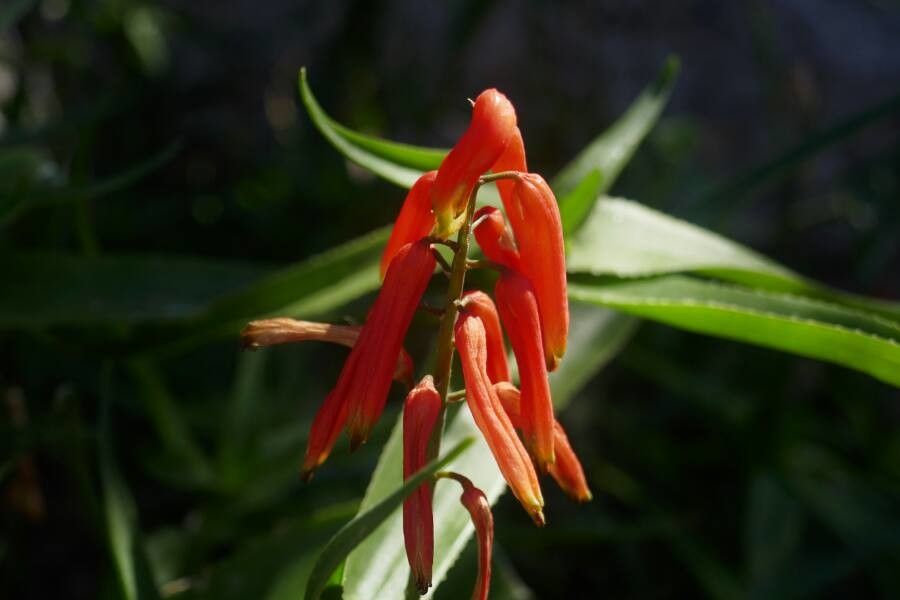
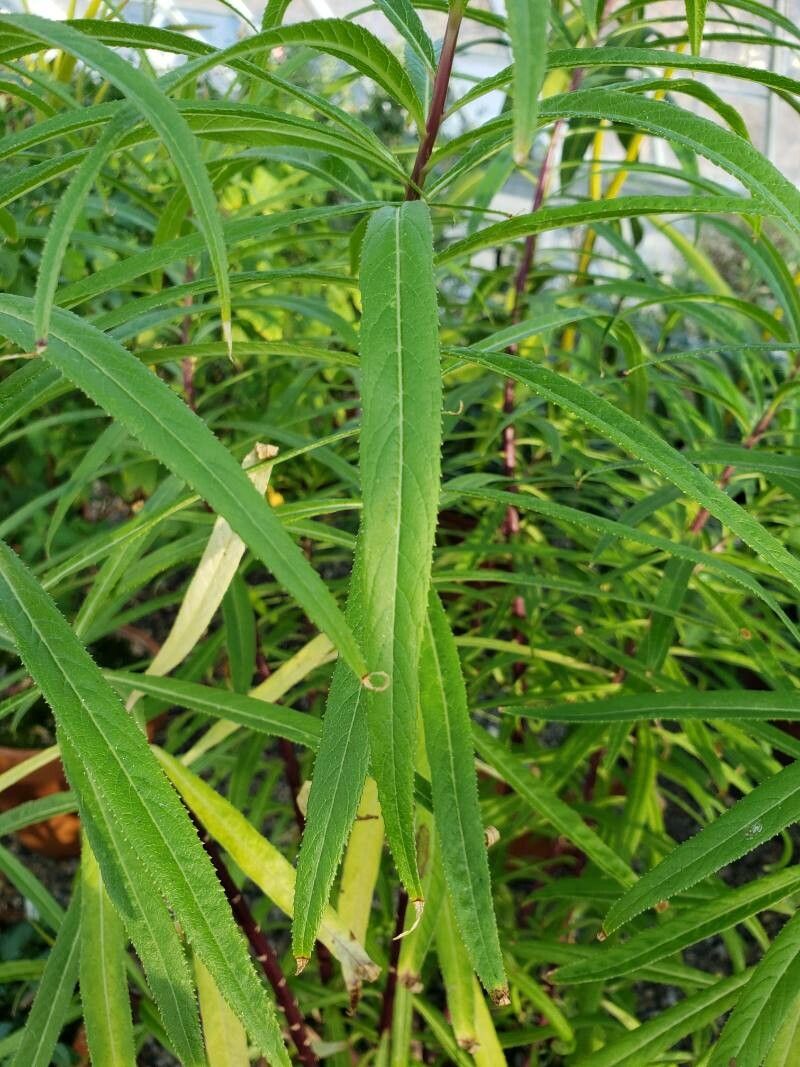
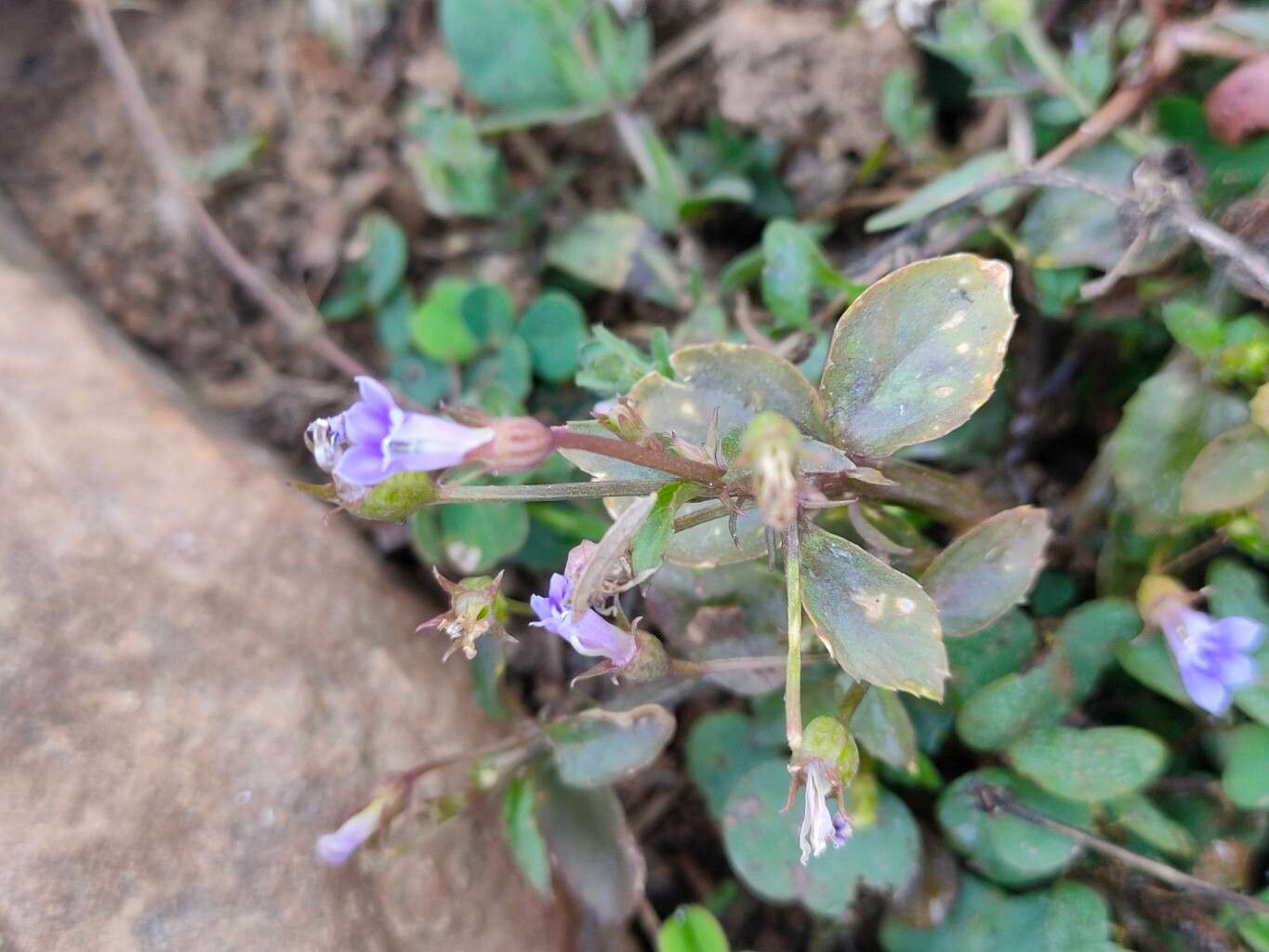
Lobelia laxiflora, commonly known as Mexican lobelia, is a species of flowering plant in the Campanulaceae family. It is native to various regions of Mexico, including Oaxaca, Puebla, and Veracruz. Typically, this plant grows up to 1 meter in height and features long, narrow leaves arranged alternately along its stem.
The flowers of Lobelia laxiflora are bell-shaped and exhibit a vibrant blue or purple coloration. They blossom during the summer months, attracting pollinators such as bees and butterflies with their sweet nectar.
In traditional medicine, Lobelia laxiflora has been used to treat various respiratory ailments such as asthma and bronchitis. The plant contains alkaloids that have bronchodilator effects, which can help alleviate symptoms associated with these conditions.
Overall, Lobelia laxiflora is a beautiful flowering plant that not only adds aesthetic value but also possesses medicinal properties. This makes it an important species for horticulture enthusiasts and traditional medicine practitioners alike.
Mexican Lobelia is fairly resistant to disease and typically not prone to illnesses. However, it can be vulnerable to pests and diseases present in its surroundings. Such infections are generally mild. Regarding care, this plant needs moderate maintenance. Regular pruning is necessary to keep it attractive and to encourage healthy growth. Fertilizing can also encourage flowering. Mexican Lobelia is well suited to anyone with outdoor space, such as a garden or patio, and does not require extensive care experience. It may need more attention when cultivated indoors.
How to keep Lobelia Laxiflora.
Light
Mexican Lobelia prefers abundant daily sunlight but can still grow with less. Coming from a naturally sunny habitat, it performs best in those conditions. It nevertheless tolerates lower light to some extent, though reduced illumination can limit its overall vigor.
Water
Mexican Lobelia thrives in moist environments and requires consistent hydration. It prefers soil that remains evenly moist but isn't waterlogged. Watering once a week is ideal for promoting lush growth. However, if you're growing it outdoors, be sure to adjust your watering schedule based on the amount of rainfall.
Temperature
Mexican Lobelia naturally occurs in habitats where temperatures range from 59 to 95 °F (15 to 35 °C). It prefers moderate climates instead of extremes of heat or cold. Modify indoor conditions to replicate these temperatures through the seasons.
Fertilizer
The best time to fertilize a Mexican Lobelia is in early spring, when it is coming out of dormancy and beginning active growth. Fertilizing supplies essential nutrients needed for healthy development. Although Mexican Lobelia has relatively low fertilizer requirements, an annual application can improve its chances of survival and encourage better, longer-lasting blooms.
Pruning
To help Mexican Lobelia thrive, prune it in early spring by removing any leggy stems and dead branches. This encourages bushier growth and better flowering. Pruning also improves air circulation and overall plant health. Be sure to use sharp, clean tools, and consult regional horticultural guides for the best results.
Botanical profile.
- Plant Type
- Herb
- Life Cycle
- Perennial
- Genus
- Lobelia
- Family
- Campanulaceae
- Hardiness Zone
- 7-10
- Mature Height
- 91 cm
- Mature Spread
- 34 cm
- Leaf Color
- Green
- Leaf Type
- Evergreen, Deciduous
- Flower Color
- Red, Orange
- Flower Size
- 2.03 cm to 3.05 cm
- Bloom Time
- All year round
- Planting Time
- Spring, Summer, Autumn
- Harvest Time
- All year round
Other names.
Reader questions.
How can I water my Mexican Lobelia plant in the most effective way?
To properly water the Mexican Lobelia, use filtered water at room temperature or slightly warmer. This is because tap water may have harmful particles for the plant. The Mexican Lobelia is used to a warm environment, so cold water can be a shock to it. Avoid overhead watering to prevent foliage issues. Instead, saturate the soil with filtered room temperature water until it is fully soaked. This helps the roots spread and collect nutrients.
What will happen if I give too much fertilizer to my Mexican Lobelia?
When caring for your Mexican Lobelia, remember that it does not require a large amount of fertilizer every year. Giving it too much fertilizer can have negative effects. Firstly, excessive fertilizer can lead to fertilizer burn, where the roots of the plant lose nutrients and moisture, causing the plant to decline. Overfertilizing can also weaken the Mexican Lobelia and make it more susceptible to disease. Additionally, giving too much fertilizer may result in fewer or no flowers, which is a disadvantage since the blooms of this plant are highly prized by many gardeners.
What are the sun requirements for Mexican Lobelia?
Mexican Lobelia flourishes best in full sun, requiring more than 6 hours of sunlight daily, although it can also grow under partial sun conditions, which amounts to about 3-6 hours of sunlight. This plant is native to regions where sunlight is plentiful, and thus, it thrives best when exposed to similar conditions. Inadequate light might not stop its growth entirely but could limit its robustness. When natural sunlight isn't sufficient, especially during winter or in less sunny locations, artificial lighting can be an essential substitute to ensure optimal growth. Indoor plants can benefit significantly from LED lights, which provide specific wavelengths necessary for healthy plant development. For full sun plants, 30-50W/sq ft of artificial light is recommended, with partial sun plants needing 20-30W/sq ft, and full shade plants requiring 10-20W/sq ft.
What temperature conditions are best for growing Mexican Lobelia?
Mexican Lobelia thrives in environments with temperature ranges between 59 to 95°F (15 to 35°C), favoring moderate climates over extremely hot or cold ones. It demonstrates strong cold resistance, implying that special frost protection measures aren't typically necessary. However, for winter temperatures expected to drop below -15°C, cold protection by covering the plant with soil or straw is advisable. Additionally, watering the plant abundantly before the first freeze in autumn to keep the soil moist can help prevent drought and water scarcity during winter and early spring.
What should I do if I give my Mexican Lobelia too much or too little water?
Overwatering and underwatering can harm your Mexican Lobelia, but overwatering is more common. Too much water can cause wilting, yellowing leaves, and diseases like root rot, mold, and mildew that can kill the plant. Mexican Lobelia is fairly drought-tolerant, so underwatering is less likely. However, if it does happen, you may notice brittle, brown leaves. It's important to recognize the signs of overwatering early. Some diseases caused by overwatering, like root rot, can't be fixed if you wait too long. If you see early signs of overwatering, reduce watering immediately. Check the soil drainage and replace it with a well-draining mix if needed. If you see signs of underwatering, simply water more regularly until the signs go away.
Why is it necessary to add fertilizer to my Mexican Lobelia plant?
Fertilization is important for the Mexican Lobelia for a few reasons. Firstly, it provides essential nutrients that promote the plant's growth above and below the ground. However, the Mexican Lobelia's overall fertilization needs are relatively low. While it may survive adequately without fertilization, annual fertilization can greatly benefit the plant. It helps sustain the plant's life and may result in better and longer-lasting flowers. Therefore, to ensure the Mexican Lobelia looks its best, regular annual fertilization should be maintained.
What symptoms indicate that Mexican Lobelia is getting insufficient light?
When Mexican Lobelia is not receiving enough light, it may exhibit several symptoms indicative of light deficiency. These include smaller new leaves when compared to older ones, leggy or sparse growth with increased spacing between leaves or stems, early leaf drop as a resource conservation measure, slower growth or complete cessation of new leaf production, paler new leaves or those with irregular coloration due to lesser chlorophyll and essential nutrients, and chlorosis, where leaves lose their green coloring and turn yellow. Overexposure can lead to sunscald, leaf curling as a defense against too much sunlight, wilting from excessive water loss, and leaf scorching, characterized by brown, dry, or crispy leaf edges.
How should Mexican Lobelia be cared for in low temperatures?
Mexican Lobelia is cold-tolerant and best kept above 15°C during winter, and it should be ensured that it remains above -10°C. If temperatures fall below -15°C, there might not be noticeable changes during winter, but there may be a decrease in sprouting or even a lack of sprouting in spring. To mitigate this, in spring, remove any parts of the plant that have failed to sprout.
How frequently should I water my Mexican Lobelia?
If your Mexican Lobelia is in a pot, the most precise way to determine if it needs water is to check the soil moisture by sticking your finger into it. If the top two to three inches of soil are dry, it is time to water it. When growing Mexican Lobelia outdoors in the ground, you can use a similar method to test the soil. Once again, if the top few inches of soil have dried out, it is time to water. Typically, during the spring and early fall, you will need to water this plant about once a week using this method. However, during extremely hot weather, you may need to increase the watering frequency to twice or more per week. Despite this, mature and well-established Mexican Lobelia plants have an impressive ability to tolerate drought.
When should I fertilize my Mexican Lobelia for the best results?
The best time to fertilize a Mexican Lobelia is in the late winter to early spring when it is coming out of dormancy and starting to grow. This helps promote healthy growth and is ideal for setting the plant up for a successful season. While it is generally recommended to fertilize in the early spring, it is also acceptable to fertilize in the fall. However, it is not recommended to fertilize during the summer and winter.
How can I address light-related issues with my Mexican Lobelia?
For indoor Mexican Lobelia experiencing light deficiency, one remedy is to gradually relocate the plant to a position where it can receive at least 6 hours of direct sunlight per day, utilizing a south-facing window for maximum exposure. If the plant is large or difficult to move, consider supplementary lighting, such as keeping a desk or ceiling lamp on for at least 8 hours daily, or invest in professional grow lights. For outdoor plants, carefully transition them to sunnier spots over several weeks to avoid shock. Any parts of the plant already damaged by insufficient light may not recover, but new growth should be healthy post-adjustment. To ensure minimal sunlight obstruction, prune any trees or shrubs blocking sunlight. If dealing with smaller plants that can be moved, consider transplanting them during their dormant period to a location with ample sunlight and good drainage.
What are the recommended care tips for Mexican Lobelia in high temperatures?
In the summer months, it's important to keep Mexican Lobelia below 35°C. If temperatures rise above 41°C, the plant's leaves may lighten in color, become prone to curling, suffer from sunburn, and in severe cases, the plant may wilt and dry out entirely. To combat this, trim away the sunburned and dried parts. It's beneficial to move the plant to a shaded location or use a shade cloth to protect it from the midday and afternoon sun. Ensuring the plant is watered in the morning and evening will help keep the soil moist and support the plant's health during high temperatures.