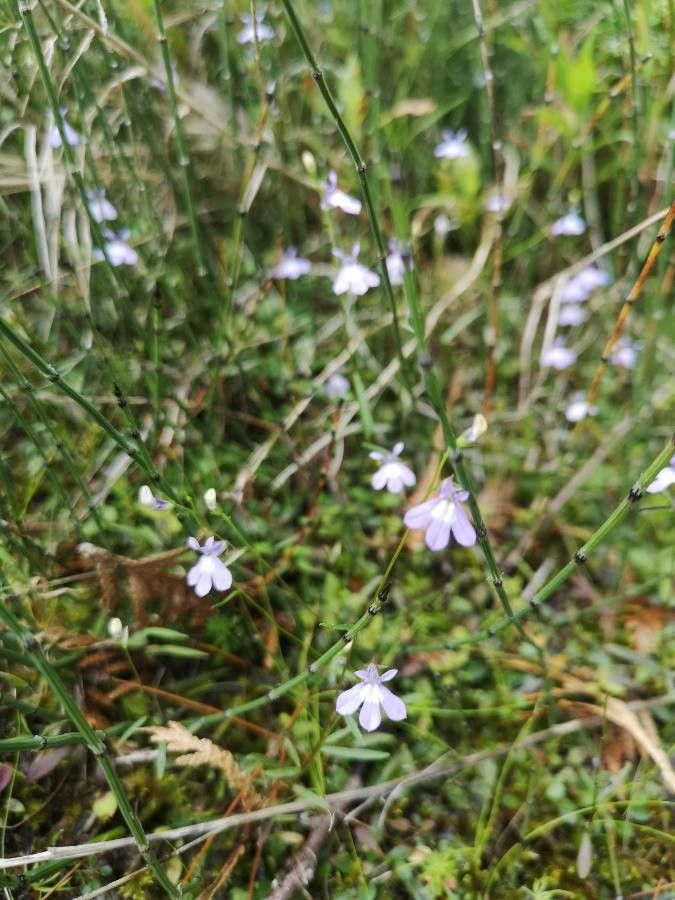
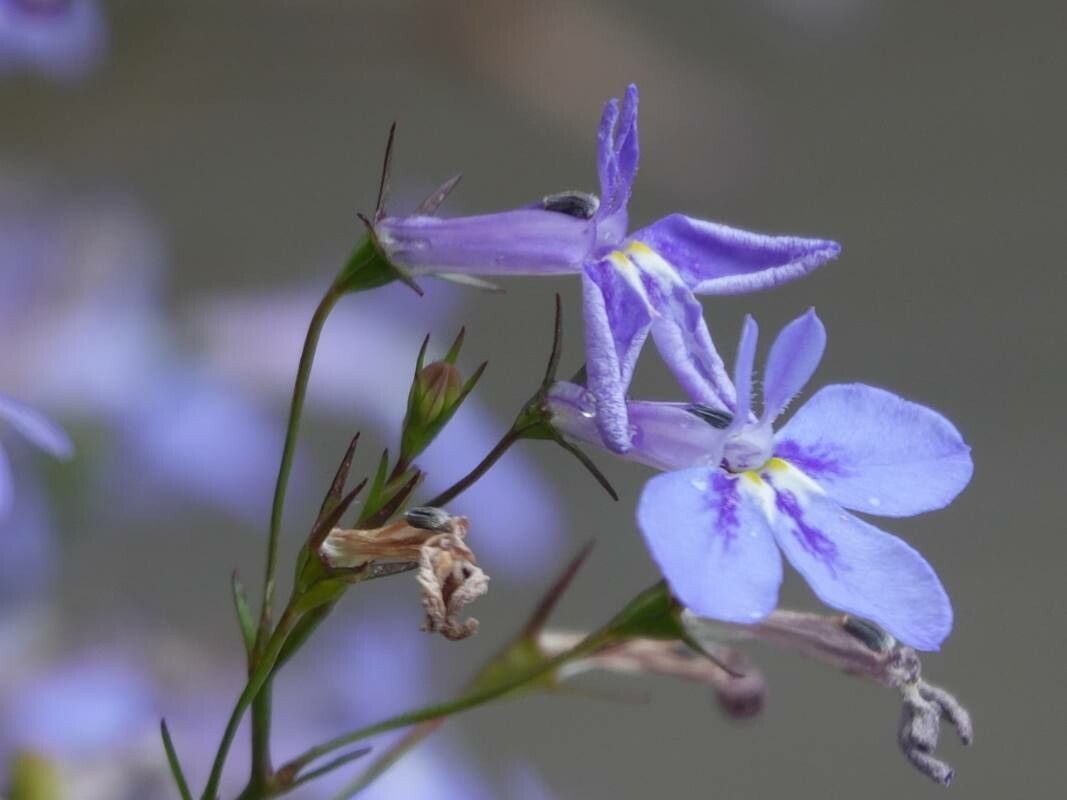
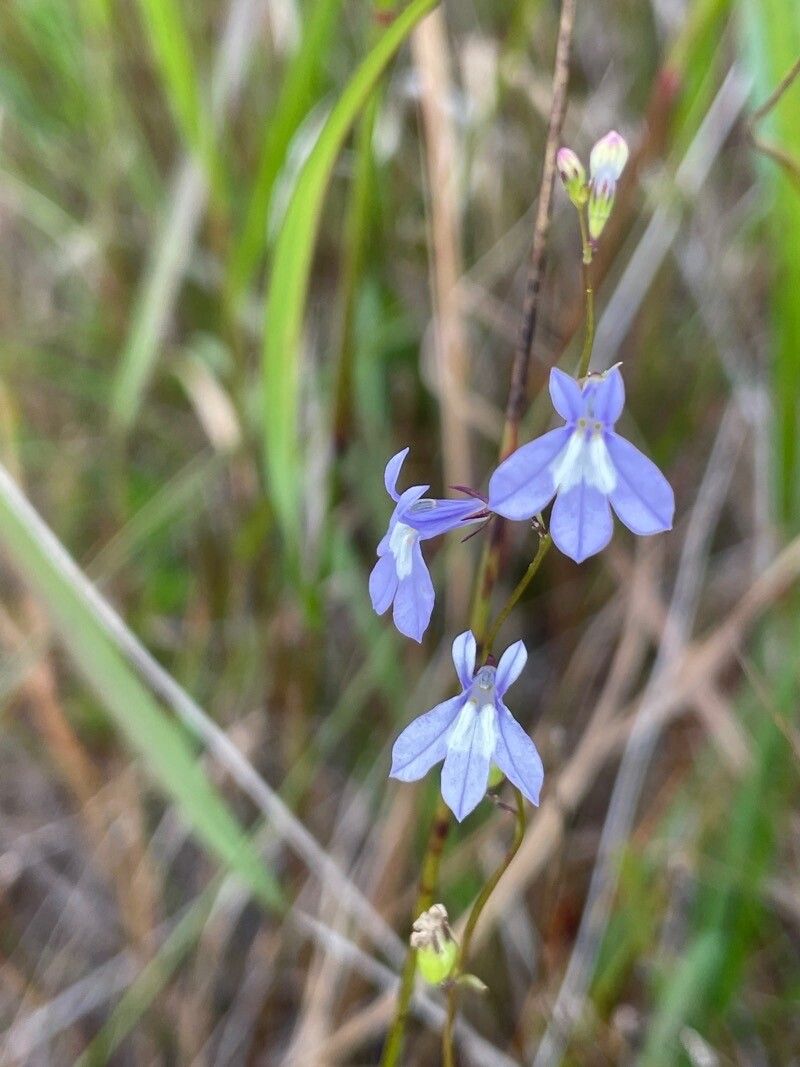
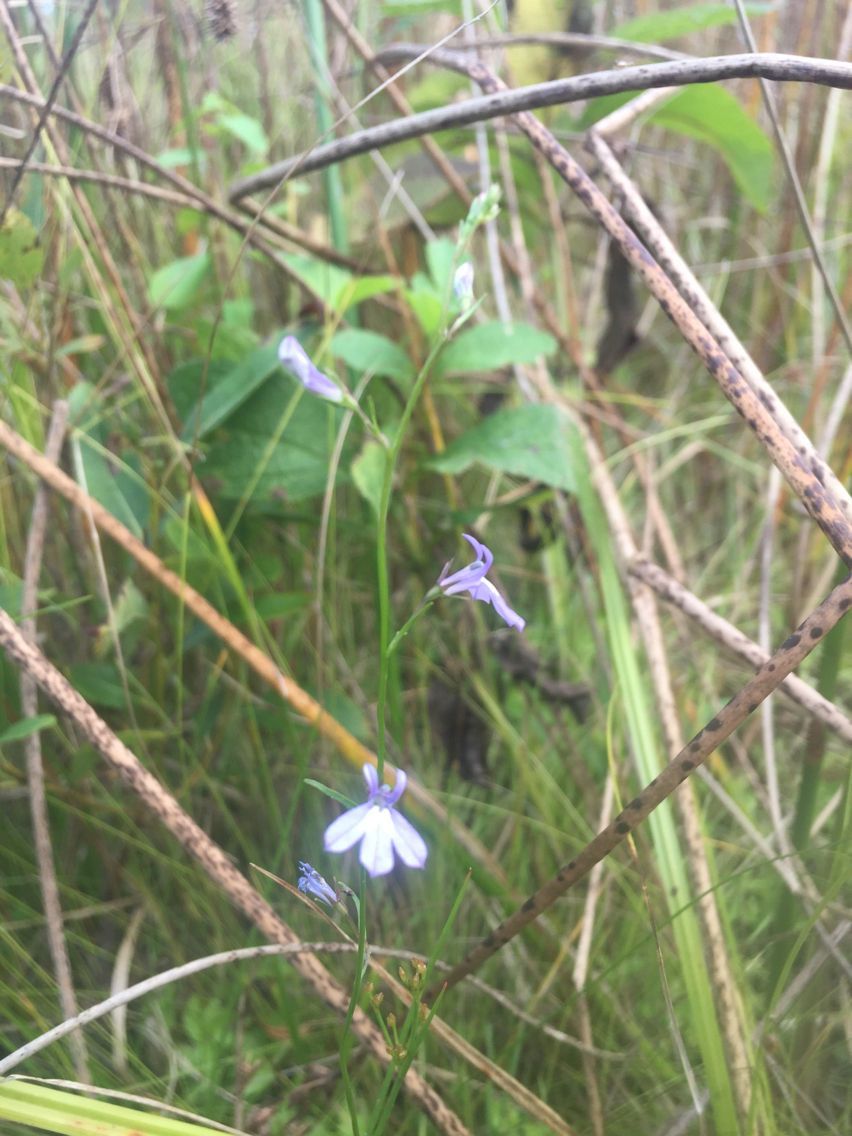
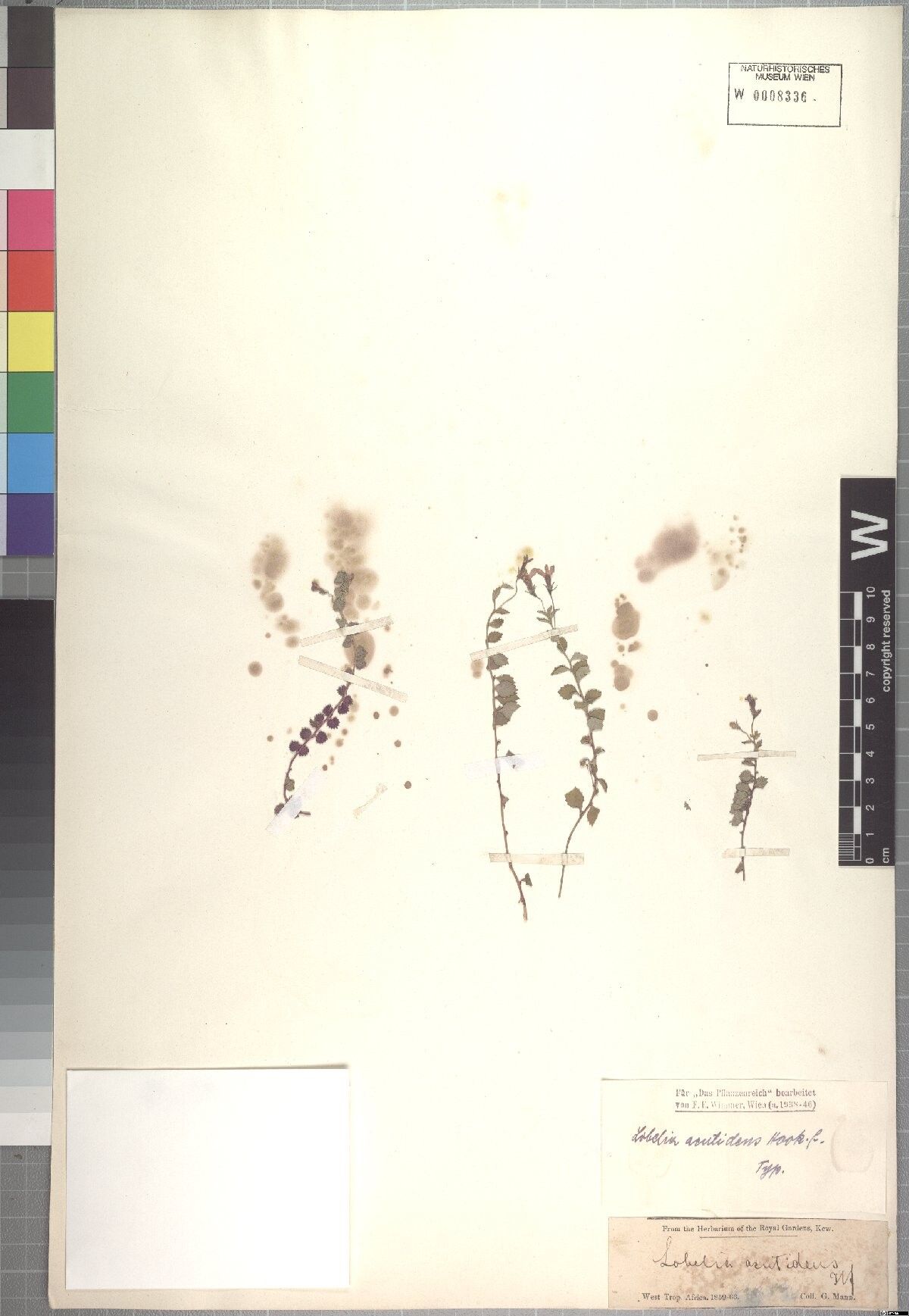
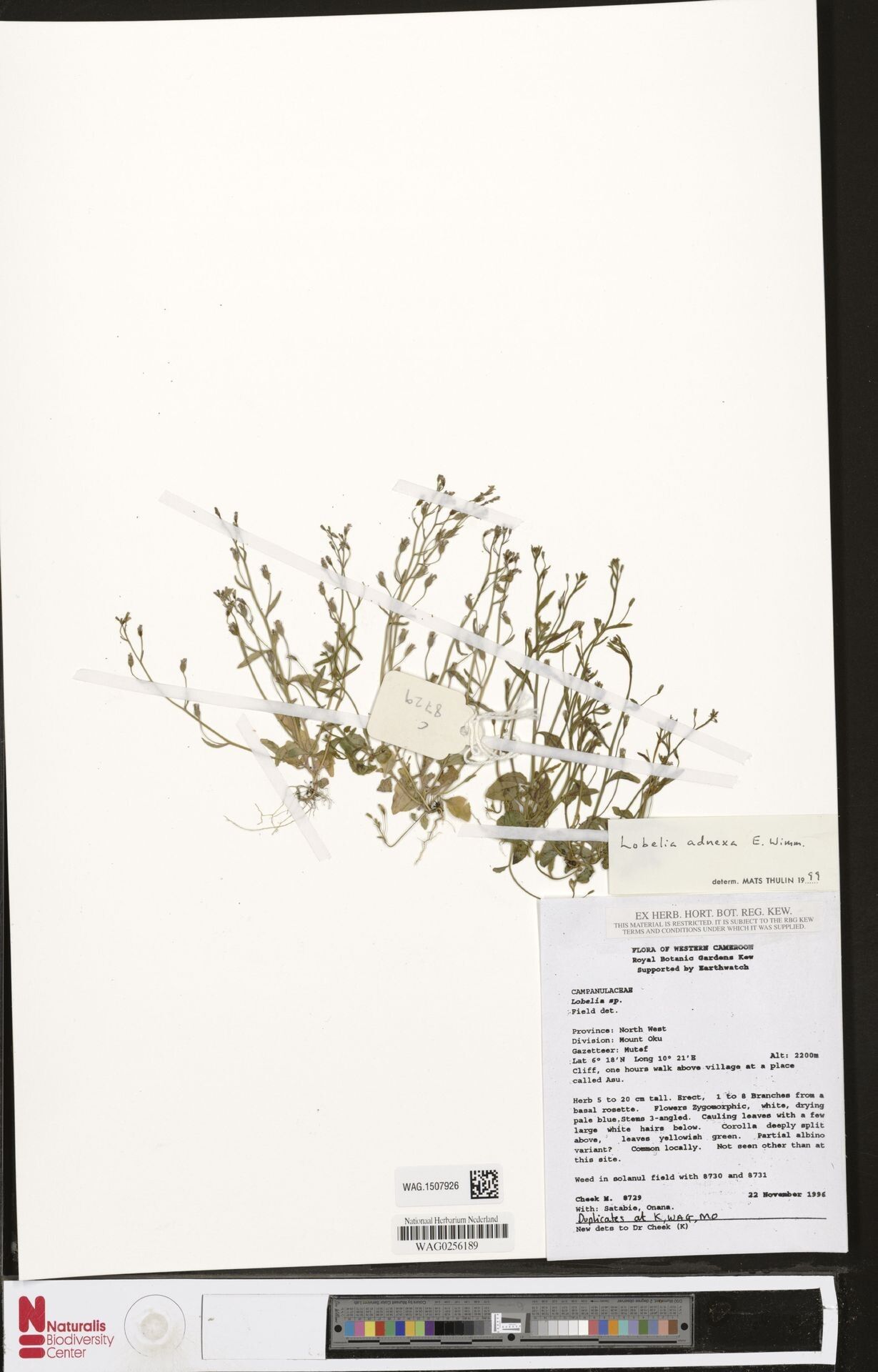
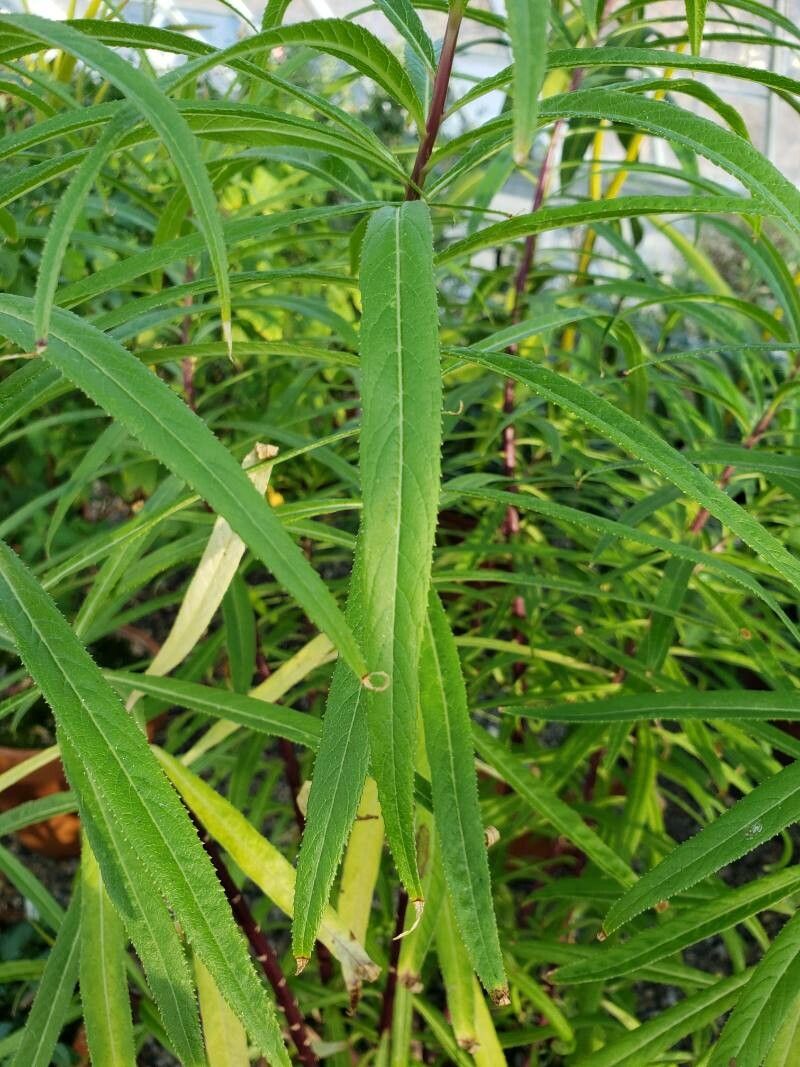
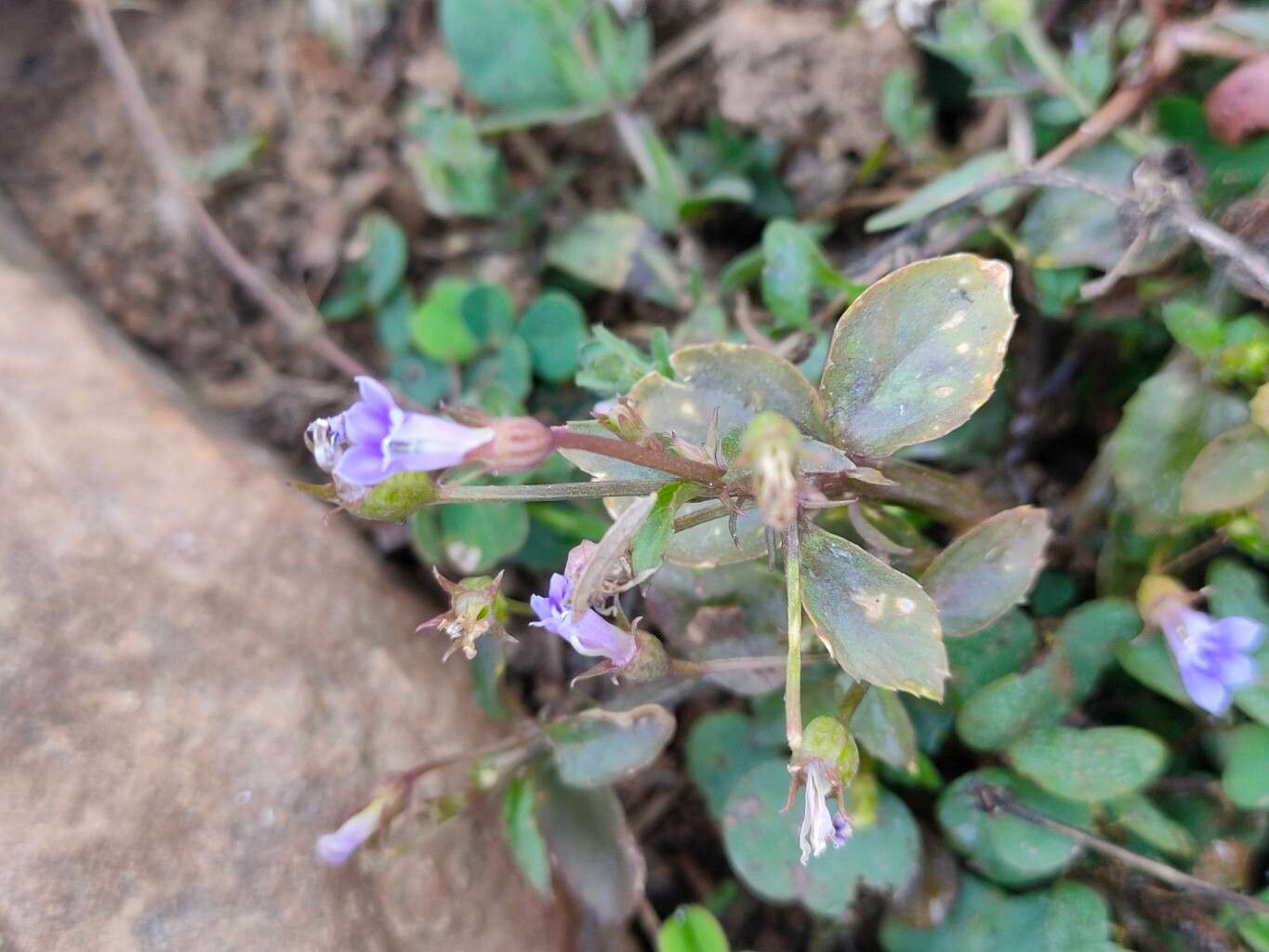
Lobelia kalmii is a species of flowering plant with a distribution primarily across Canada and the northern United States in temperate and boreal regions. It was formerly known as Lobelia strictiflora (Rydb.) It is commonly known as Kalm's lobelia, Ontario lobelia and Brook lobelia.
Ontario lobelia is fairly disease-resistant and usually not prone to illness. Still, it can be vulnerable to pests and diseases present in its environment. Such infections tend to be mild. In terms of care, this plant needs moderate maintenance. It should be pruned regularly to maintain a neat appearance and healthy growth. Fertilizing can also help encourage flowering. Ontario lobelia is suitable for anyone with outdoor space, such as a garden or patio, and does not demand extensive gardening experience. It may require additional care when grown indoors.
How to keep Lobelia Kalmii.
Light
Ontario lobelia performs best in locations that receive sunlight all day. While it can tolerate areas with only partial sun, it will not thrive as well. Its native habitat has substantial sun exposure, and either too much or too little sunlight can harm its health.
Water
Ontario lobelia flourishes in moist environments and needs consistent moisture without becoming waterlogged. For optimal growth, it's best to water it weekly, particularly during its active growing seasons. Outdoor conditions and natural rainfall generally support its water needs, balancing short dry periods with regular care.
Temperature
Ontario lobelia is native to cooler habitats and performs best within a temperature range of 32 to 90 °F (0 to 32 °C). This woody plant prefers cooler conditions, can tolerate warmer climates but should be shielded from extreme heat. Keep it cool in summer and allow it to get cold in winter.
Fertilizer
The best time to fertilize an Ontario lobelia is in early spring, as it is coming out of dormancy and starting active growth. Fertilizer supplies important nutrients needed for healthy development. While Ontario lobelia has fairly low fertilizer requirements, applying fertilizer annually can boost its survival and encourage better, longer-lasting flowers.
Pruning
To help Ontario lobelia flourish, it’s best to prune it regularly, ideally from early to late spring. By removing spent flowers and unhealthy stems, you encourage robust growth and reduce seed formation. This allows the plant to concentrate its energy on producing more blooms. As a result, your garden will have a more vibrant and appealing display.
Botanical profile.
- Plant Type
- Herb
- Life Cycle
- Perennial
- Genus
- Lobelia
- Family
- Campanulaceae
- Hardiness Zone
- 3-7
- Mature Height
- 10 cm to 40 cm
- Mature Spread
- 30 cm to 37 cm
- Leaf Color
- Green, Dark Green
- Leaf Type
- Deciduous
- Flower Color
- White, Blue, Pink, Purple, Red
- Flower Size
- 2.54 cm
- Bloom Time
- Summer
- Planting Time
- Spring, Summer
- Harvest Time
- Late summer, Early fall, Mid fall
Other names.
Reader questions.
How should I water my Ontario lobelia in the best way?
To properly water the Ontario lobelia, it is recommended to use filtered water at room temperature. Filtered water is preferable because tap water may contain harmful particles. It is important to use room temperature water or slightly warmer because the Ontario lobelia is native to warm environments and cold water may shock the plant. Additionally, avoid watering from above as it can lead to issues with the foliage. Instead, directly apply filtered room temperature water to the soil until it is fully soaked. This technique benefits the plant by providing moisture to the roots and aiding in their nutrient absorption and spread throughout the soil.
What are the sun requirements for plants?
Plants have varying sunlight needs categorized mainly into full sun and partial sun requirements. Full sun plants thrive with over 6 hours of sunlight per day, while partial sun plants require about 3-6 hours of sunlight. It's important to observe the movement of sunlight in your garden to ensure plants receive the optimal balance of light and shade. This careful observation and placement contribute significantly to the health and happiness of your plants.
What is the native environment of Ontario lobelia?
Ontario lobelia, botanically known as Lobelia kalmii, thrives in cooler environments native to regions where the temperature ranges from 32 to 90 °F (0 to 32 °C). This woody plant prefers the cooler weather, can adjust to warmer climates but must be shielded from extreme heat. It's essential to keep the plant cool during the summer months and allow it a period of chill during the winter.
What do I need to do if I give too much or too little water to my Ontario lobelia plant?
Both overwatering and underwatering can harm the health of your Ontario lobelia, but overwatering is more commonly seen. When this plant receives excessive water, its stems and leaves may wilt and turn yellow. Overwatering for a long time can even cause serious diseases like root rot, mold, and mildew, which can be fatal to your plant. Underwatering is less likely to occur with the Ontario lobelia, as it can tolerate drought fairly well. However, it is still possible, and if it happens, you'll notice that the leaves become brittle and brown. It's crucial to identify signs of overwatering as soon as possible when taking care of your Ontario lobelia. Some diseases resulting from overwatering, such as root rot, may become irreparable if you wait too long. If you notice early signs of overwatering, you should immediately reduce your watering schedule. It may also be helpful to check the quality of the soil in which your Ontario lobelia is growing. If the soil doesn't drain properly, you should replace it with loose, well-draining potting mix. Conversely, if you observe signs of underwatering, simply water more frequently until those signs disappear.
How does sunlight affect the growth of Ontario lobelia?
Ontario lobelia, known botanically as Lobelia kalmii, is a plant that prospers in full sunlight, echoing its native habitat's conditions. The plant's health is closely linked to the amount of sunlight it receives each day. While it can survive in areas with partial sun exposure, for it to truly flourish and exhibit its full potential, consistent exposure to sunlight throughout the day is preferred. Insufficient or excessive sunlight can adversely affect its growth and overall well-being.
How does Ontario lobelia handle cold temperatures?
Ontario lobelia is highly cold-tolerant and does not require additional measures for frost protection in the winter. However, to prepare it for the colder months, it is recommended to water the plant generously before the first freeze in autumn. This ensures that the soil remains moist and the plant is better equipped to handle drought and water scarcity during the winter and early spring periods.
How often do I need to water my Ontario lobelia?
If your Ontario lobelia plant is in a pot, the most accurate way to determine if it needs watering is by checking the moisture level of the soil. Simply stick your finger into the soil, about two to three inches deep. If that top layer feels dry, it's time to give it some water. For those growing their Ontario lobelia outside in the ground, you can follow a similar method. Once again, check the first few inches of soil and if it's dried out, it's time to water the plant. Typically, during the spring and early fall seasons, you'll need to water about once per week using this method. However, when the weather gets extremely hot, you may need to increase watering to about twice a week or even more. It's worth noting that mature and well-established Ontario lobelia plants have an impressive ability to withstand drought conditions.
What role does artificial lighting play in indoor plant care?
Artificial lighting is crucial for indoor plants, especially in scenarios where natural sunlight is insufficient. This scenario is common during winter or in less sunny locations within a home. The correct application of artificial light can stimulate faster, healthier growth. LED lights are recommended due to their ability to be customized to provide specific light wavelengths needed by plants. The intensity and duration of the light should mimic natural conditions as closely as possible, with suggested light intensities varying depending on the plant's natural sunlight requirements.
What should I do if the winter temperature drops below -35°C for Ontario lobelia?
Ontario lobelia can handle extremely cold temperatures, but it's crucial to keep the winter temperature above -35°C. If temperatures fall below this threshold, the plant may survive winter without visible damage but could show decreased sprouting or fail to sprout at all come spring. To manage this issue, in spring, you should remove any parts of the plant that have failed to sprout.
How much water does my Ontario lobelia plant need?
To properly water your Ontario lobelia, it's important to be generous with the amount of water you use. Make sure the top two to three inches of soil are dry before watering, and then give the plant a thorough watering that completely soaks the soil. You should add enough water that it starts to drain out of the bottom holes of the pot. If you don't see any excess water draining, you may not have given enough water. However, you also don't want water to accumulate in the soil, as this can harm the plant. On the other hand, if water isn't draining properly from the pot, it could mean that the soil doesn't drain well, which is not good for the plant's health. If the lobelia is grown outside, about 1 inch of rain per week should be sufficient.
What are the signs of light deficiency in Ontario lobelia?
Light deficiency in Ontario lobelia can be identified through several symptoms. These include smaller new leaves, leggy or sparse growth, premature leaf drop, halted or no new growth, paler leaves indicating insufficient chlorophyll, and chlorosis, where leaves lose their green color. Additionally, excessive sunlight may cause symptoms like sunscald, leaf curling, wilting, and leaf scorching, indicating damage from too much sun exposure.
How to care for Ontario lobelia in high temperatures?
Ontario lobelia struggles in high temperatures, specifically when temperatures exceed 32°C. Under such conditions, the plant's growth halts, and it becomes prone to rot. To mitigate the effects of high temperatures, you should trim away any sunburned or dried-up parts of the plant. Relocating the Ontario lobelia to a shaded area during the midday and afternoon sun or using a shade cloth can be beneficial. Additionally, watering the plant during the cooler morning and evening hours can help keep the soil sufficiently moist.