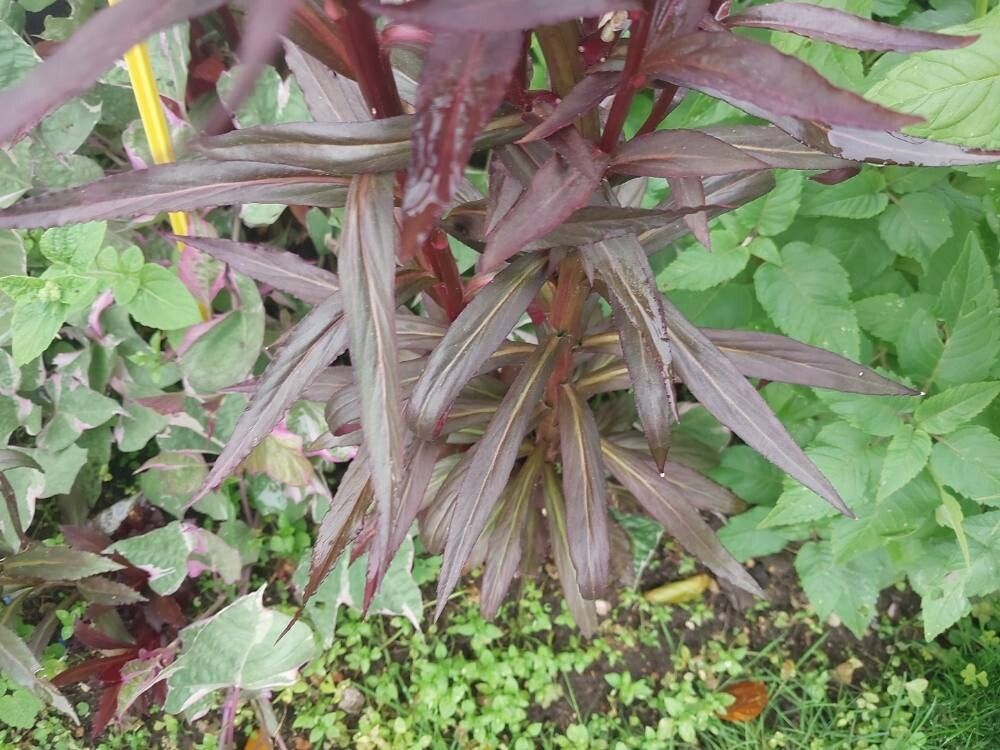
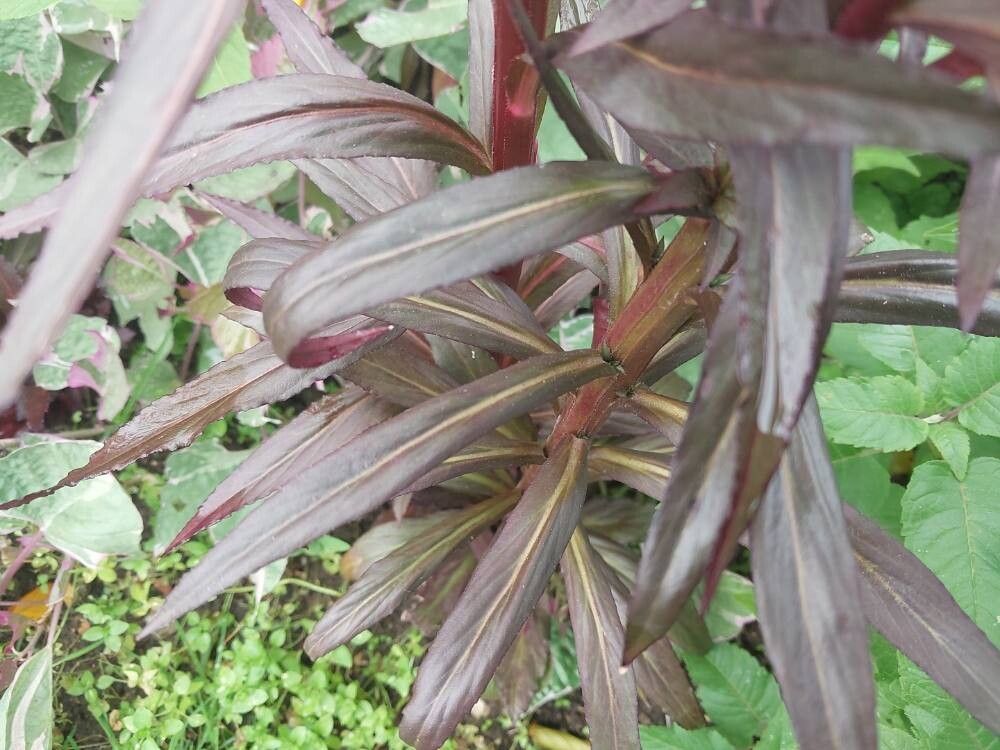
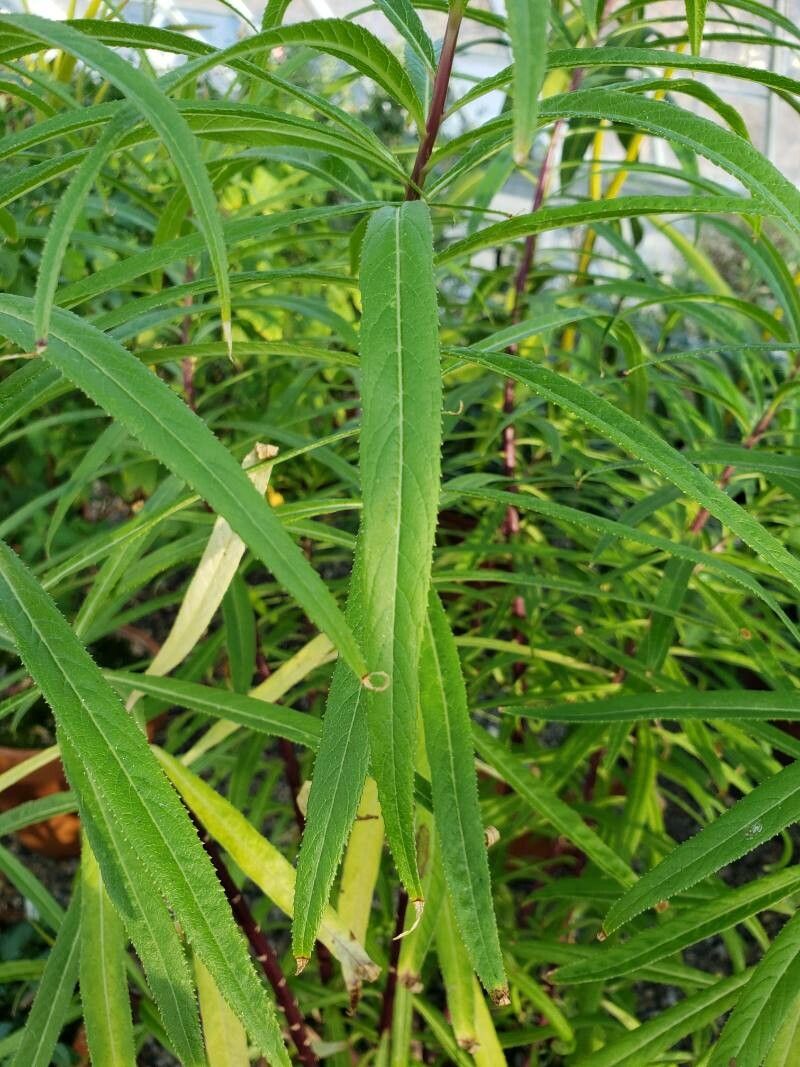
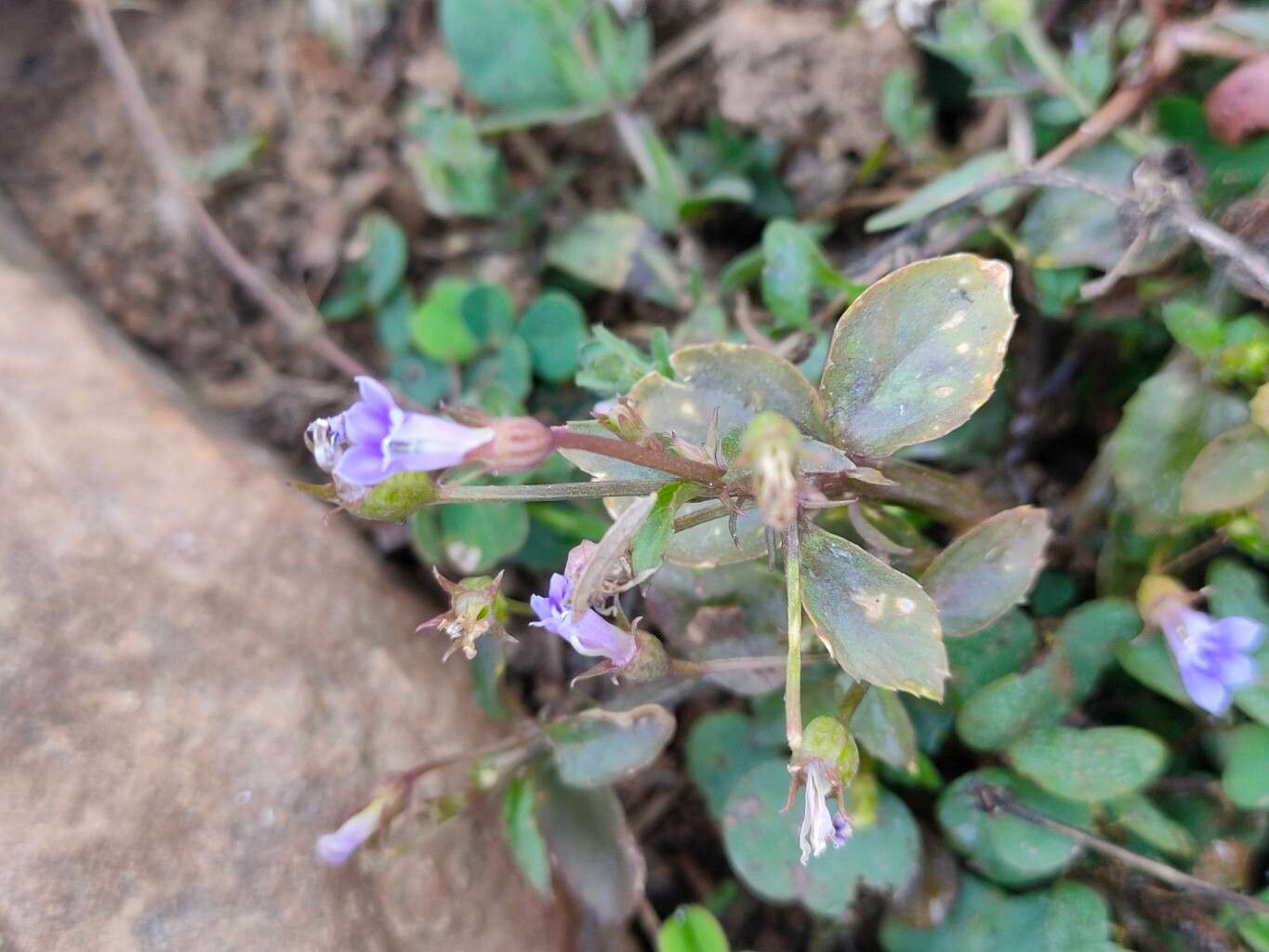
Lobelia cardinalis, the cardinal flower (syn. L. fulgens), is a species of flowering plant in the bellflower family Campanulaceae native to the Americas, from southeastern Canada south through the eastern and southwestern United States, Mexico and Central America to northern Colombia.
The cardinal flower is fairly disease-resistant and is generally unlikely to suffer from illnesses. That said, it can be affected by pests and diseases found nearby. Such infections are typically mild. Regarding care, this plant needs moderate maintenance. It should be trimmed regularly to keep a neat appearance and encourage healthy growth. Applying fertilizer can also help stimulate flowering. The cardinal flower is appropriate for anyone with outdoor space, like a garden or patio, and does not demand extensive gardening experience. It may need more attention if grown indoors.
How to keep Lobelia Fulgens.
Light
Cardinal flower does best when exposed to a full day's light, though it can tolerate some periods of reduced illumination. It originates from open woodland, reflecting its preference for abundant light. While it can survive under weaker light, its best health and growth occur with strong light. However, excessive light exposure can produce negative effects.
Temperature
The cardinal flower naturally grows near water in temperate regions and favors temperatures of 32 to 95 ℉ (0 to 35 ℃). In summer, the plant may benefit from a slight drop in temperature or from being shaded from intense sun. In winter, it can tolerate freezing temperatures but might need protection during particularly severe cold snaps.
Fertilizer
The best time to fertilize a Cardinal flower is in early spring, as it comes out of dormancy and begins active growth. Fertilizing supplies essential nutrients for healthy development. Although the Cardinal flower has relatively low fertilizer requirements, giving it fertilizer once a year can improve its survival and encourage better, longer-lasting blooms.
Pot & Repot
When repotting Cardinal flower, select a pot 1-2 inches (2.5–5.1 cm) larger with good drainage. Use a well-draining potting mix. Repot in spring or fall, making sure the root ball is slightly lower than the rim of the flower pot. Water thoroughly after repotting and place in a warm spot with indirect sunlight.
Botanical profile.
- Plant Type
- Herb
- Life Cycle
- Perennial
- Genus
- Lobelia
- Family
- Campanulaceae
- Hardiness Zone
- 3-9
- Mature Height
- 0.61 m to 1.52 m
- Mature Spread
- 30 cm to 61 cm
- Leaf Color
- Green, Red
- Leaf Type
- Deciduous
- Flower Color
- Red
- Flower Size
- 2.54 cm to 7.62 cm
- Bloom Time
- Mid summer
- Planting Time
- Spring
- Harvest Time
- Mid summer
- Native Area
- Colombia, Belize, Honduras, Mexico, Guatemala, Nicaragua, Costa Rica, Panama
Other names.