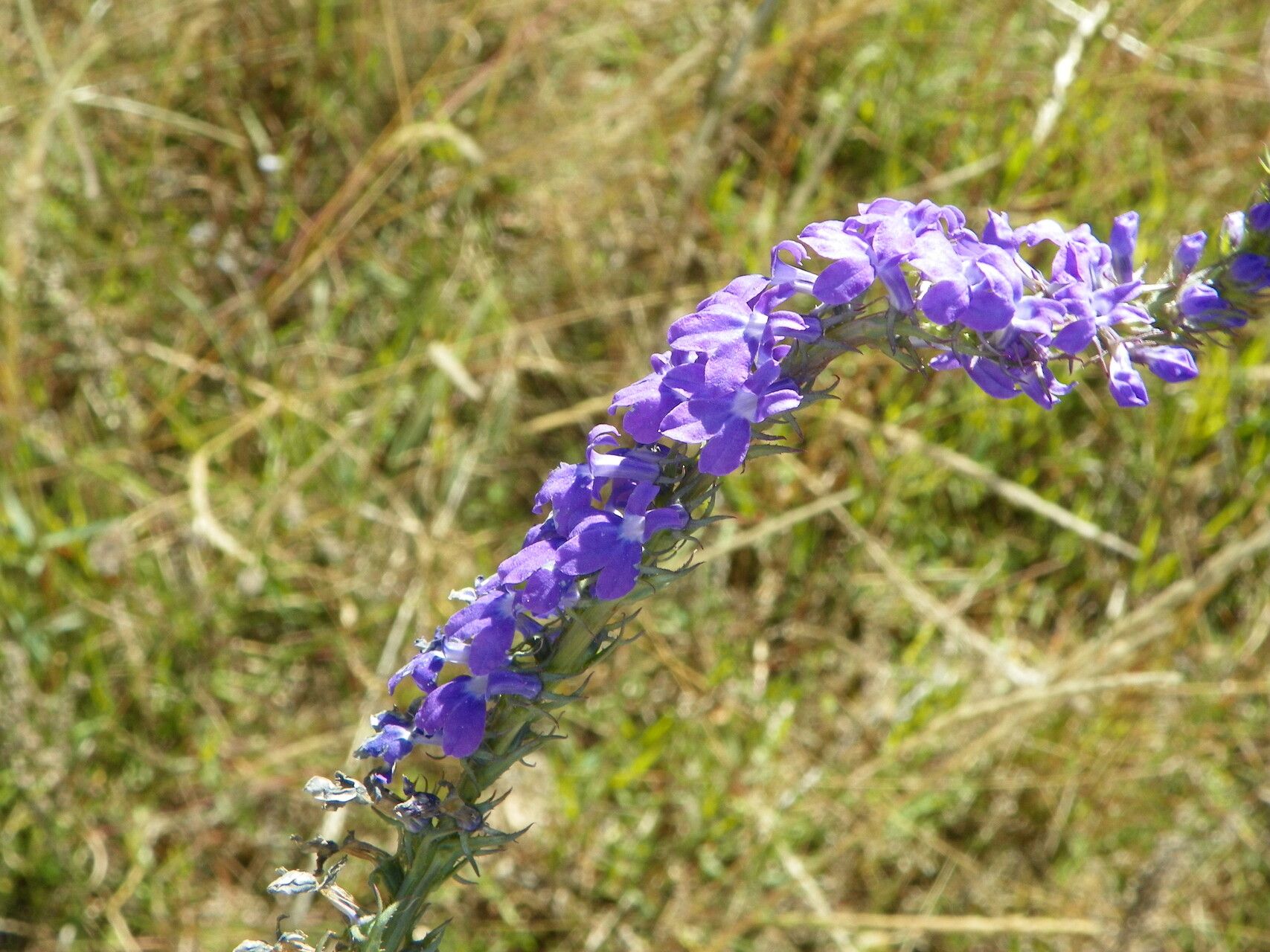
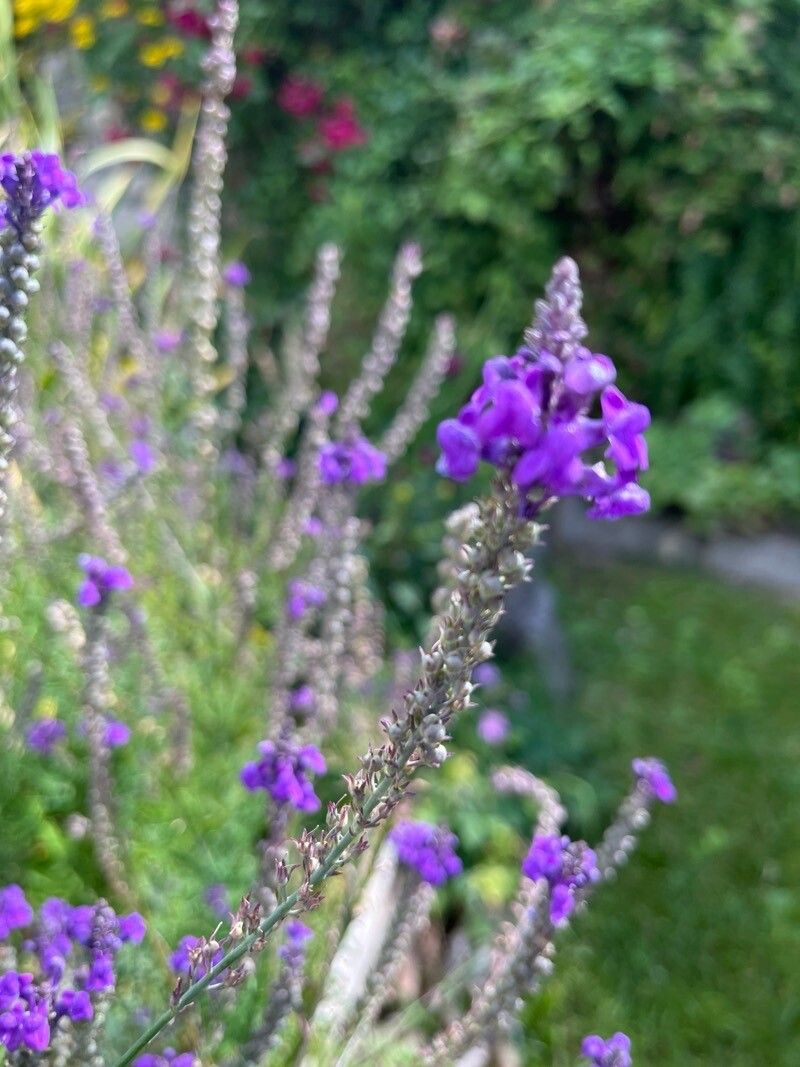
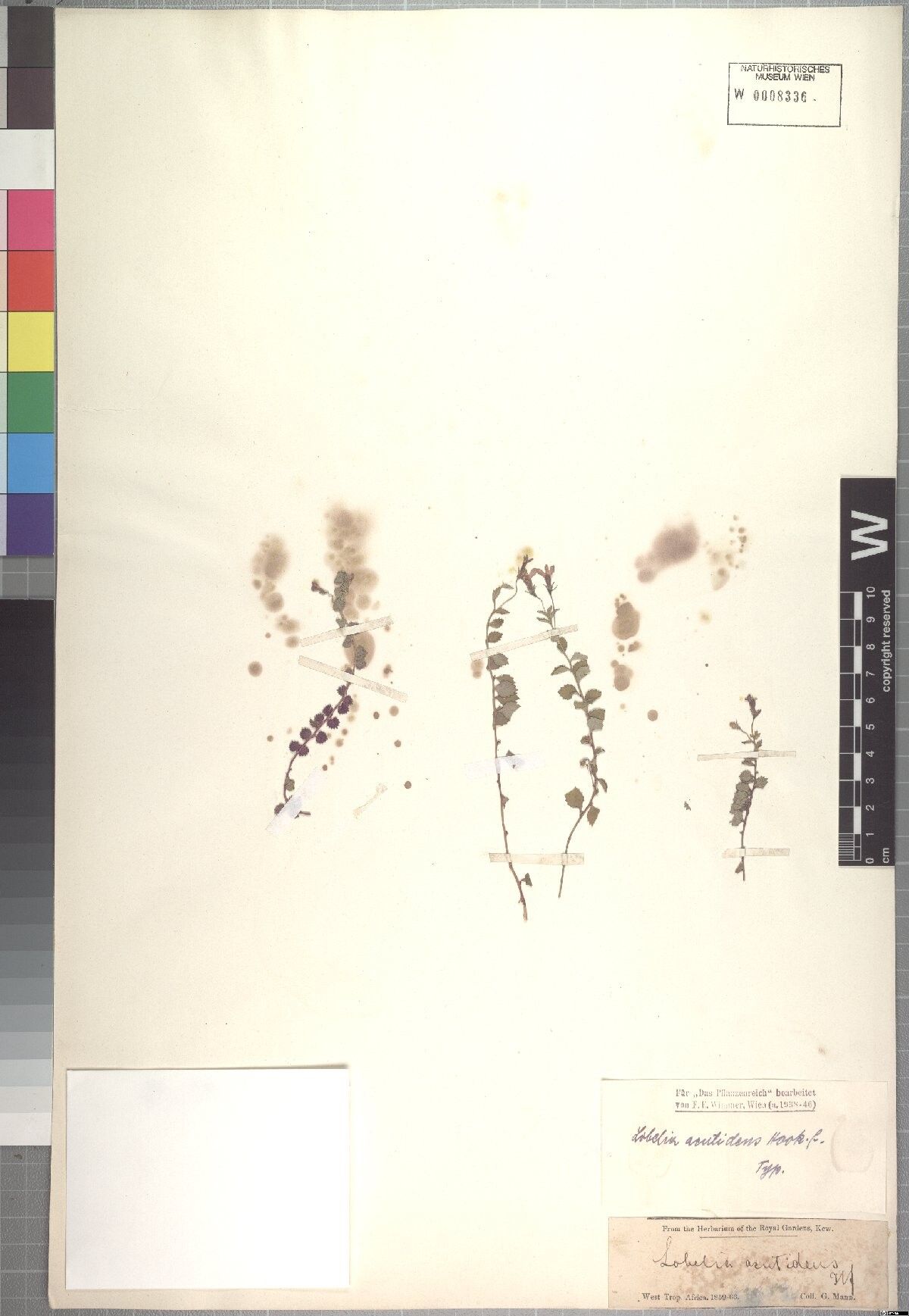
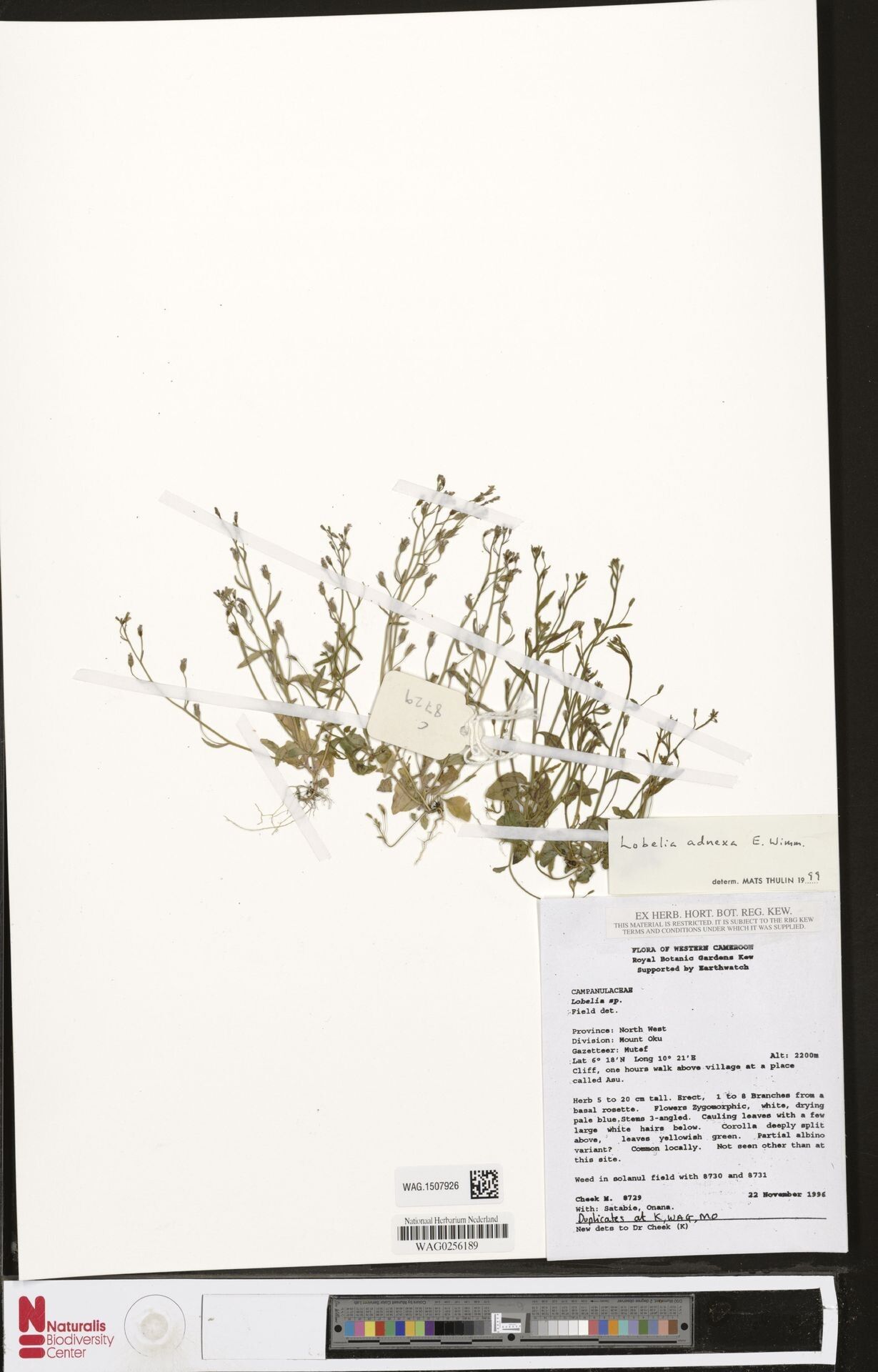
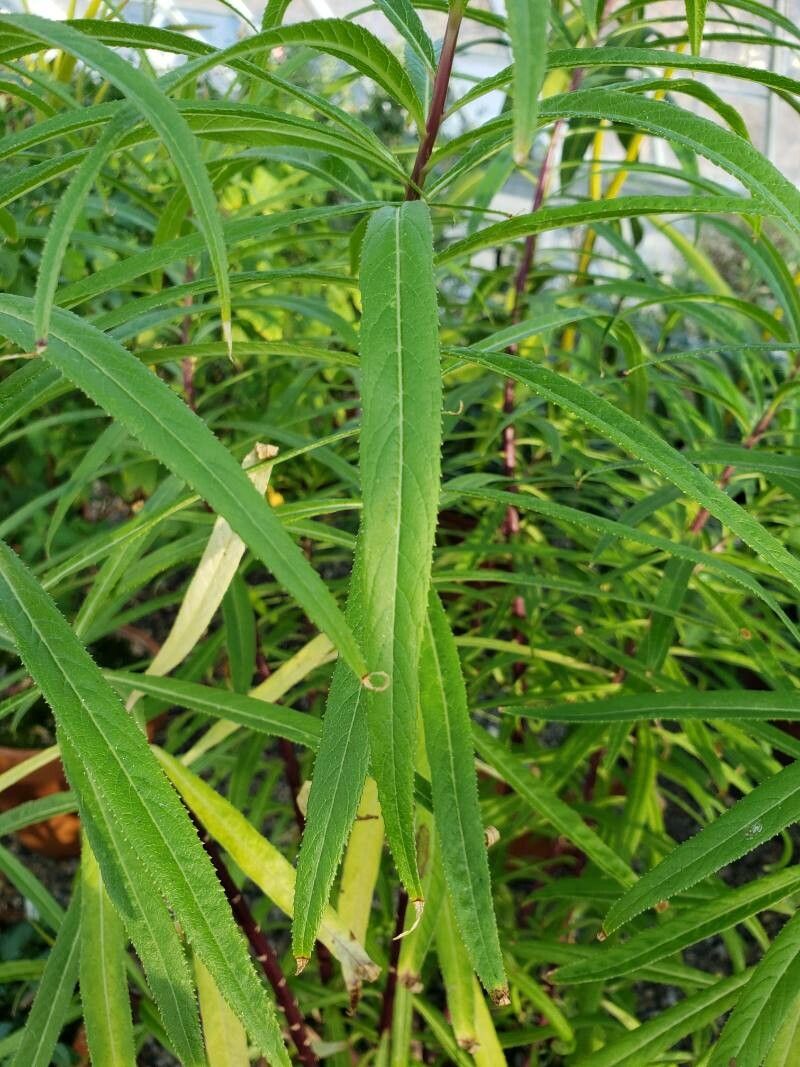
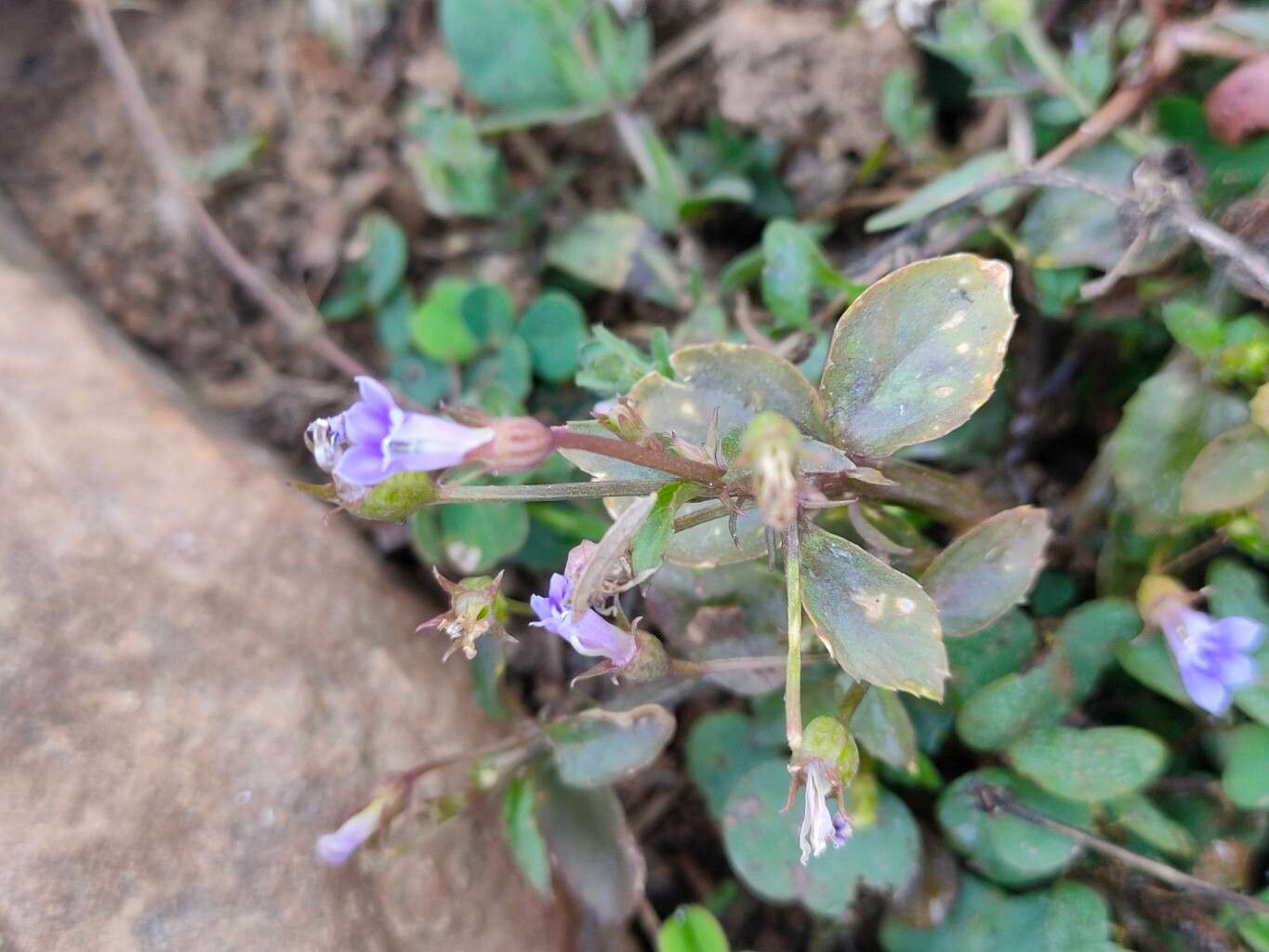
Fringeleaf lobelia is fairly resistant to disease and typically does not suffer from them. However, it can be vulnerable to pests and diseases present in its surroundings. These problems are usually not serious. As for care, the plant requires moderate maintenance. It should be pruned regularly to preserve a neat appearance and encourage healthy growth. Fertilizing can also help to boost flowering. Fringeleaf lobelia is suitable for anyone with outdoor space, such as a garden or patio, and does not demand extensive gardening experience. It may need more attention when cultivated indoors.
How to keep Lobelia Fenestralis.
Light
Fringeleaf lobelia is native to habitats like forest understories and rocky areas, where it experiences natural shade. It prefers partial sun but can also tolerate full sun or full shade, showing its hardy and versatile nature.
Water
To care for your fringeleaf lobelia, make sure to water it generously while ensuring the soil has good drainage. Water should reach a depth of 6 to 8 inches, but allow the top 1 to 2 inches of soil to dry out between waterings. Keep in mind that fringeleaf lobelia is not drought-tolerant. If your area receives less than 1 inch of rain per week, additional watering will be necessary.
Temperature
Fringeleaf lobelia can tolerate a wide range of temperatures, but its distribution may still be constrained by different combinations of moisture and heat. It grows best in warm summer climates with sufficient rainfall or regular watering. Extended periods of cloudy, rainy weather or prolonged high temperatures can raise the chance of Fringeleaf lobelia dying. In winter, proper protection from cold can increase the plant's chances of survival.
Fertilizer
Usually one spring application of fertilizer is enough for Fringeleaf lobelia, though repeated feedings can boost growth. Apply fertilizer about every month to a month and a half. Fertilizing improves the leaves' appearance and function, helping maintain even color and a healthy texture. It also encourages root development and nutrient uptake, supporting long-term plant health.
Pruning
To prune fringeleaf lobelia, begin in early spring by cutting away any dead or damaged stems and trimming back any leggy growth to create a more compact shape. Regular pruning helps improve air circulation, reduces the risk of disease, and promotes healthy, vigorous growth. For the best results, use clean, sharp tools to ensure that your fringeleaf lobelia retains its ornamental appeal.
Botanical profile.
- Plant Type
- Herb
- Life Cycle
- Perennial
- Genus
- Lobelia
- Family
- Campanulaceae
- Hardiness Zone
- 9-11
- Mature Height
- 30 cm to 61 cm
- Mature Spread
- 20 cm to 30 cm
- Leaf Color
- Green
- Leaf Type
- Deciduous
- Flower Color
- Blue, Violet
- Flower Size
- 1.02 cm to 2.03 cm
- Bloom Time
- Summer, Early fall, Mid fall
- Planting Time
- Spring, Summer
- Harvest Time
- Late summer, Fall, Early winter
- Native Area
- Mexico
Other names.
Reader questions.
What are the sunlight requirements for Fringeleaf lobelia?
Fringeleaf lobelia, known botanically as Lobelia fenestralis, thrives under specific sunlight conditions. It requires 'Full sun' which equates to receiving more than 6 hours of sunlight daily, or 'Partial sun,' around 3-6 hours of sunlight per day. It's beneficial to observe the movement of sunlight through your garden to locate the optimal spots that offer a suitable balance of light and shade, ensuring your Fringeleaf lobelia plants are content and healthy.