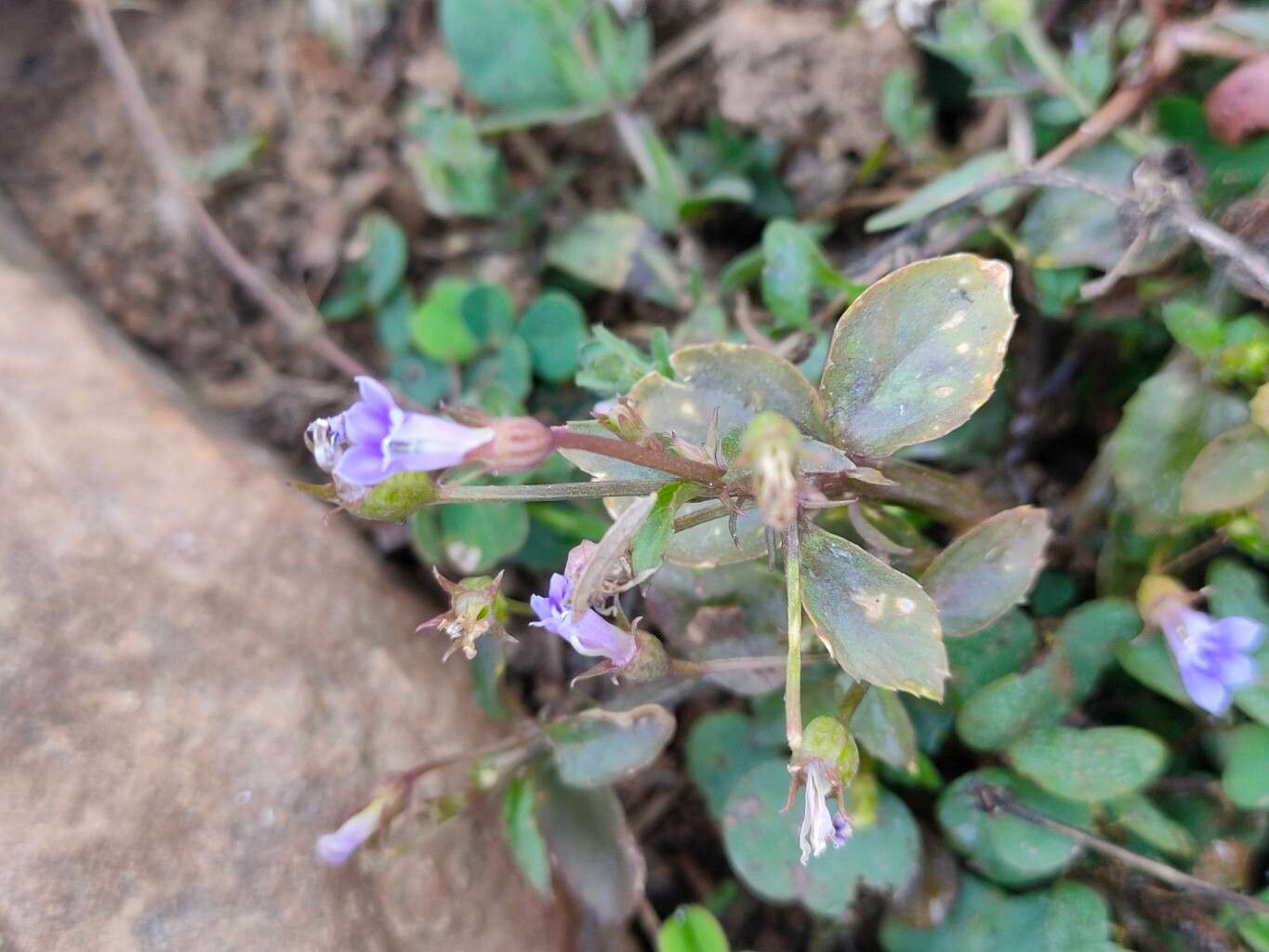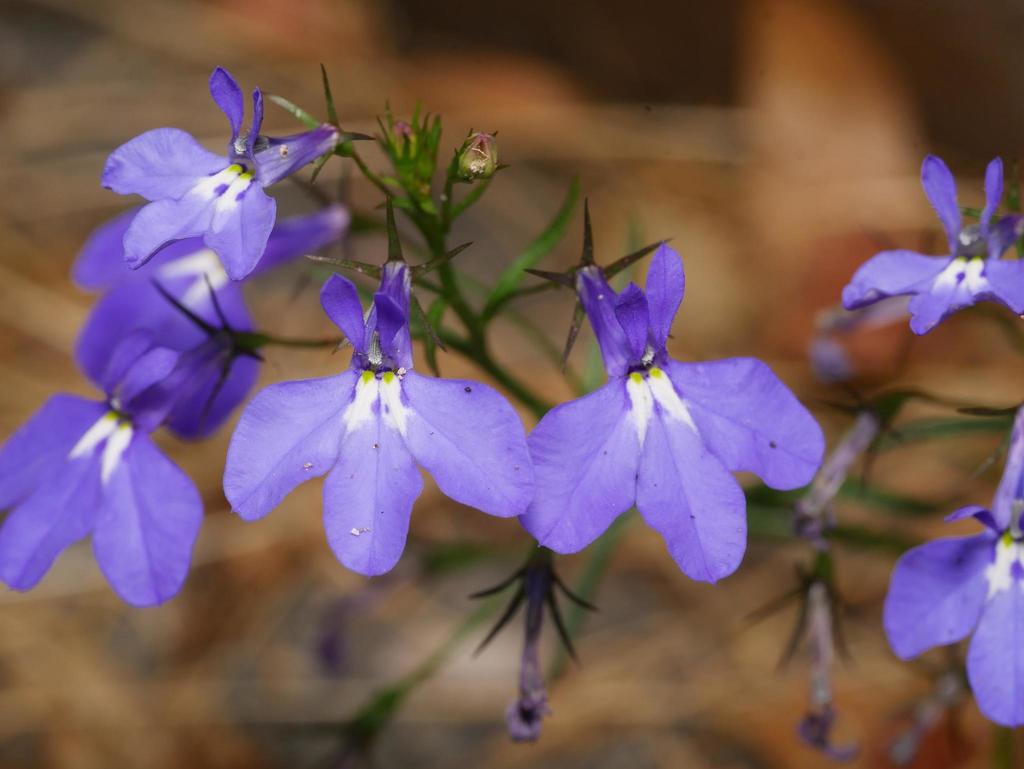
Lobelia erinus, commonly known as trailing lobelia, is a species of flowering plant in the family Campanulaceae. Native to southern Africa, it is widely cultivated as an ornamental plant for its striking blue, purple, or white flowers. The plant has a trailing habit and can grow up to 30 cm in height. Its leaves are small, narrow, and dark green.
Lobelia erinus thrives in full sun to partial shade and prefers well-drained soil that remains moist but not waterlogged. It blooms from spring through fall, producing an abundance of small flowers that attract bees, butterflies, and hummingbirds.
For centuries, indigenous people in southern Africa have used Lobelia erinus for medicinal purposes due to its anti-inflammatory properties. However, it is important to note that ingestion of lobelia can be toxic if consumed in large quantities.
Edging lobelia typically blooms in spring, with flowers that resemble butterflies. These flowers come in a variety of rich colors, including red, pink, purple, and white. The uniquely blue edging lobelia is a popular choice for flowerbeds during the spring season. FUN FACT · FROM THE LIBRARY
Overall, Lobelia erinus makes an excellent addition to any garden or hanging basket due to its beautiful blooms and easy-to-grow nature.
Edging lobelia, named after the 16th-century Flemish botanist Mathias de l'Obel, is a plant often known by its genus name, Lobelia. This plant features small, five-petaled flowers in shades of blue, purple, pink, and white. Some varieties also have petals with distinctive white markings resembling a pair of eyes. Edging lobelia is commonly grown in containers and along borders, which is why it’s referred to as "edging lobelia."
Edging lobelia is generally disease-resistant and is usually not vulnerable to illnesses. However, it can be prone to leaf spots when light and ventilation are poor and watering is excessive. The plant's care level is regarded as easy — it mainly needs regular watering and little additional attention. Edging lobelia is suitable for people who lack the time and energy to devote to regular care.
How to keep Lobelia Erinus.
Light
Edging lobelia performs best in sites that receive abundant sunlight for most of the day, though it will tolerate some partial shade. Too much sun can damage its vigor, while too little light can limit its growth. It comes from habitats where sunlight is plentiful.
Water
Edging lobelia flourishes when it has a consistent supply of moisture, making regular watering and evenly moist soil crucial for its optimal growth. This plant benefits from weekly watering and is a popular choice for container gardening because of its compact size. To ensure healthy growth, proper water retention and drainage in the potting soil are essential, particularly during its active growing season.
Humidity
This plant needs special care because it loves high humidity levels of 60-80% or more. The best way to achieve this is by placing a humidifier near the plant. Daily misting is also essential! Make sure the room has good ventilation.
Temperature
Edging lobelia comes from cooler areas but does best in temperatures of 68 to 95 °F (20 to 35 ℃). Though it likes warmth, it needs careful attention in extreme heat. Provide shade in summer and protect it from frost in winter.
Fertilizer
The ideal time to fertilize an Edging lobelia is in early spring, as it comes out of dormancy and begins active growth. Fertilizing provides the essential nutrients required for healthy development. Although Edging lobelia has relatively low fertilizer needs, applying fertilizer annually can improve its survival and encourage better, longer-lasting flowers.
Pruning
Edging lobelia is known for its vibrant blue flowers and dense growth. To maintain its beauty and encourage continuous blooming, it's important to prune the plant in early to late spring. This involves deadheading spent flowers and trimming any leggy stems to help the plant maintain a compact shape. Proper pruning not only supports a lush display but also improves air circulation and light penetration. Additionally, it helps reduce the risk of disease, ensuring a healthier plant throughout the growing season.
Pot & Repot
When repotting Edging lobelia, select a pot 1–2 inches (2.5–5.1 cm) larger that offers ample drainage. Use a well-draining potting mix. Repot in spring or fall, making sure the root ball sits slightly below the rim of the flower pot. Water thoroughly after repotting and place in a warm spot with indirect sunlight.
Toxicity
It is true that the most vibrant and eye-catching species are oftentimes toxic. Lobelia erinus is one of the many examples. Pet owners should keep an eye on their pets as they might be attracted to this plant. The toxins that it contains can be harmful to humans and animals, especially to felines.
Further reading →
The toxicity and danger assessments provided are for reference only. We do not assure their accuracy, so it's crucial not to depend on them. Seek professional advice when necessary for accurate guidance.
Botanical profile.
- Plant Type
- Herb
- Life Cycle
- Perennial, Annual
- Genus
- Lobelia
- Family
- Campanulaceae
- Hardiness Zone
- 4-9
- Mature Height
- 8 cm to 23 cm
- Mature Spread
- 10 cm to 49 cm
- Leaf Color
- Green
- Leaf Type
- Deciduous
- Flower Color
- Violet
- Flower Size
- 0.76 cm to 2.03 cm
- Bloom Time
- Early spring, Mid spring, Late summer, Fall, Winter
- Planting Time
- Spring
- Harvest Time
- Spring, Fall, Winter
- Native Area
- Malawi, Somalia, Lesotho, Angola, South Africa, Zambia, Sudan, Namibia, Madagascar, Niger, Tanzania, Zimbabwe, Chad, Mozambique, Senegal, Eswatini, Congo (DRC), Botswana
Other names.
Reader questions.
When Should I Water My Edging Lobelia?
Watering edging lobelia correctly is crucial for its health, growth, and bloom. The ideal time to water is when the top 1 inch of the soil feels dry; you can check this by inserting your finger into the soil up to the first knuckle. Observe the plant's leaves for signs of wilting or drooping, which can indicate a need for water but can also warn of overwatering. During its blooming season, a reduction in new blooms can suggest inadequate hydration. Weather affects watering frequency; hot, dry, and windy conditions increase the need, whereas cooler, overcast days reduce it. Both overwatering and underwatering pose risks to the plant, causing health issues like root rot from excessive moisture or dehydration stress from insufficient watering.
Why should I put fertilizer on my Edging lobelia?
Fertilization is important for the Edging lobelia because it provides essential nutrients for the plant's growth above and below ground. While the overall fertilization needs for Edging lobelia are relatively low and the plant can sometimes survive without fertilization, annual fertilization can greatly benefit the plant. It helps maintain the plant's health and may even promote the growth of better and longer-lasting flowers. Therefore, to ensure the Edging lobelia looks its best, regular annual fertilization is recommended.
What are the sunlight requirements for edging lobelia?
Edging lobelia thrives when it receives ample sunlight throughout the day, making full sun exposure above 6 hours of sunlight or partial sun exposure about 3-6 hours of sunlight ideal. However, these plants can also tolerate partial shade. It's essential to observe how sunlight moves through your garden to pick spots that offer a good mix of light and shade, ensuring the plants' well-being. When indoors or in less sunny spaces, artificial lighting can provide the necessary light for optimal growth, especially during winter.
What is the ideal temperature range for edging lobelia?
Edging lobelia, or Lobelia erinus, thrives in cooler regions but prefers a temperature range of 68 to 95 °F (20 to 35 °C). While it enjoys warmth, the plant needs careful monitoring in extreme heat. Adjustments such as shading during the hotter summer months and protection from frost in winter are essential for its well-being.
How Should I Water My Edging Lobelia?
Watering edging lobelia involves specific techniques to ensure optimal hydration. It's best to water at the plant's base, avoiding foliage to reduce disease risk. Use a watering can with a narrow spout for precision, ensuring water reaches the root zone without splashing on the leaves. A moisture meter can help monitor soil moisture, avoiding over or underwatering. Maintaining a consistent soil moisture level is key, checking frequently and watering when the top inch of soil dries out. Special equipment like a saucer under pots can help with humidity and prevent waterlogging.
How should I fertilize my Edging lobelia?
To fertilize an Edging lobelia, the most common way is to apply a granular or pellet fertilizer around the plant's soil. Keep in mind that the best time to fertilize is when the plant is transitioning from its winter dormant growth phase to active growth. During early spring, wait for the plant to start sending shoots through the soil and then apply the fertilizer. Alternatively, some people may opt for a liquid fertilizer instead of granular. If you choose liquid, make sure to dilute it with water before applying. Regardless of the fertilizer type, it's always recommended to moisten the soil both before, during, and after applying fertilizer.
How does inadequate sunlight affect edging lobelia?
Inadequate sunlight can cause several issues for edging lobelia, including the development of small leaves, leggy or sparse growth, accelerated leaf drop, slowed or ceased new growth, lighter-colored new leaves, chlorosis, sunscald, leaf curling, wilting, and leaf scorching. These symptoms indicate either insufficient light for growth or overexposure leading to damage. Monitoring and adjusting the light exposure is critical for maintaining the plant's health.
Does edging lobelia need frost protection in winter?
Edging lobelia has a strong resistance to cold temperatures and usually does not require special frost protection measures during the winter. However, in conditions where winter temperatures are expected to drop below -30°C, it's important to provide cold protection by covering the plant with soil, straw, or similar materials. Additionally, watering the plant abundantly before the first freeze in autumn helps ensure the soil remains moist, preventing drought and water scarcity during the colder months.
How Much Water Does Edging Lobelia Really Need?
The amount of water edging lobelia requires depends on several factors including pot size, plant size, and root depth. Smaller pots dry out faster and need more frequent watering, while larger pots retain moisture longer. Ensure water penetrates at least 6 inches into the soil to reach the shallow root system. The plant's size also affects its water needs, with larger plants requiring more water. Look for signs of proper hydration like vibrant flowers and avoid both over and underwatering to prevent health issues such as root rot or dormancy.
When should I fertilize my Edging lobelia plant for the best results?
The best time to fertilize an Edging lobelia is in late winter to early spring as it transitions from dormancy to active growth. Fertilizing during this time promotes healthy growth and a strong start to the season. While early spring is preferred, fall is also an acceptable time to fertilize. However, it's not recommended to fertilize during summer and winter.
How can I ensure my edging lobelia receives adequate sunlight?
To ensure your edging lobelia gets enough sunlight, gradually transition it to areas with at least 6 hours of direct sunlight daily, especially if it's indoors or in a shaded area. Utilizing south-facing windows and keeping curtains open during daylight hours can maximize natural sunlight. For additional light, or if moving the plant isn't feasible, consider using artificial lights, such as desk lamps or professional grow lights, ensuring they are on for at least 8 hours a day. Outdoors, move plants to sunnier spots gradually to avoid shock and sunburn. For ground plants, reduce obstructions by pruning or transplanting to sunnier locations during dormant periods for better sunlight access and growth.
How does low temperature affect edging lobelia, and what are the solutions?
Edging lobelia is cold-tolerant and thrives when the temperature remains above 20°C. During winter, it should be kept above 0°C. If temperatures fall below -30°C, the plant may not show immediate changes but could have a decrease in sprouting or fail to sprout in spring. To mitigate these effects, remove any parts that have failed to sprout in the spring.