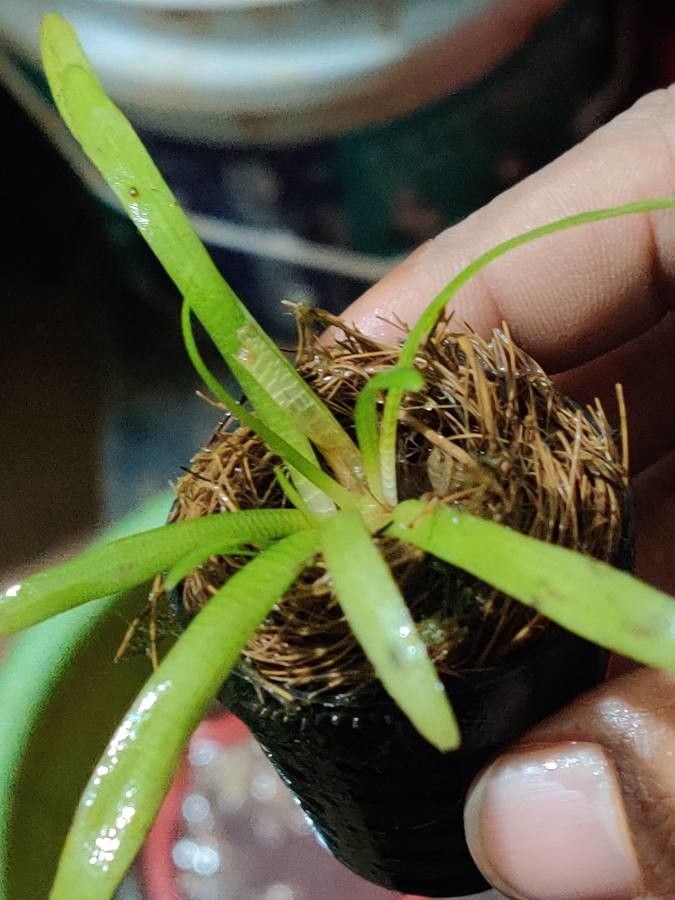
Lobelia dortmanna, commonly known as water lobelia, is a perennial aquatic plant that belongs to the Campanulaceae family. Native to Europe and Asia, it thrives in the shallow waters of lakes, ponds, and slow-moving streams. The plant features a rosette of submerged leaves that are long, narrow, and pointed at the tips. These leaves are green with a slightly reddish tint at the base.
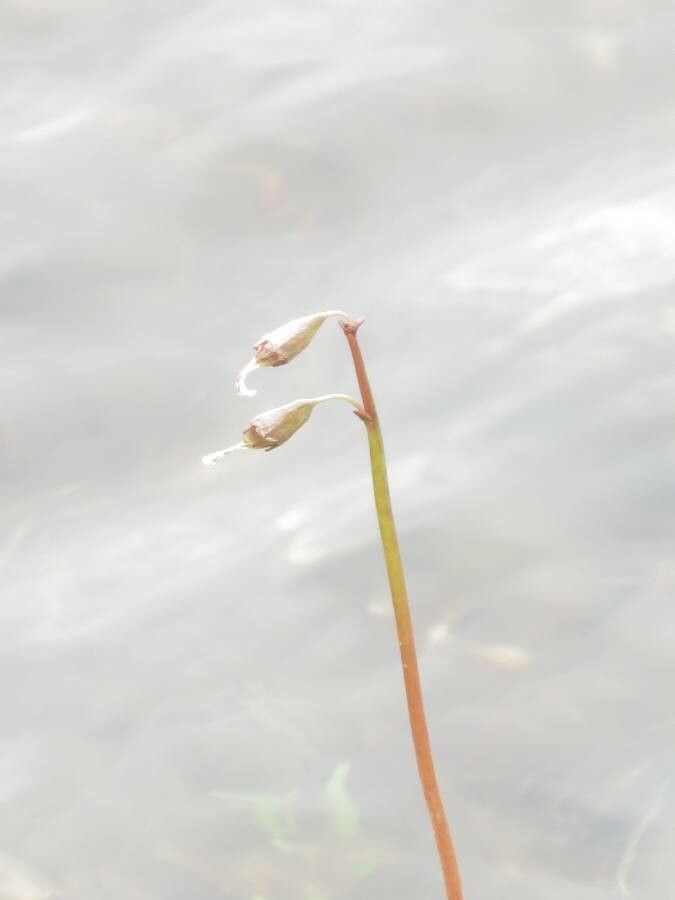
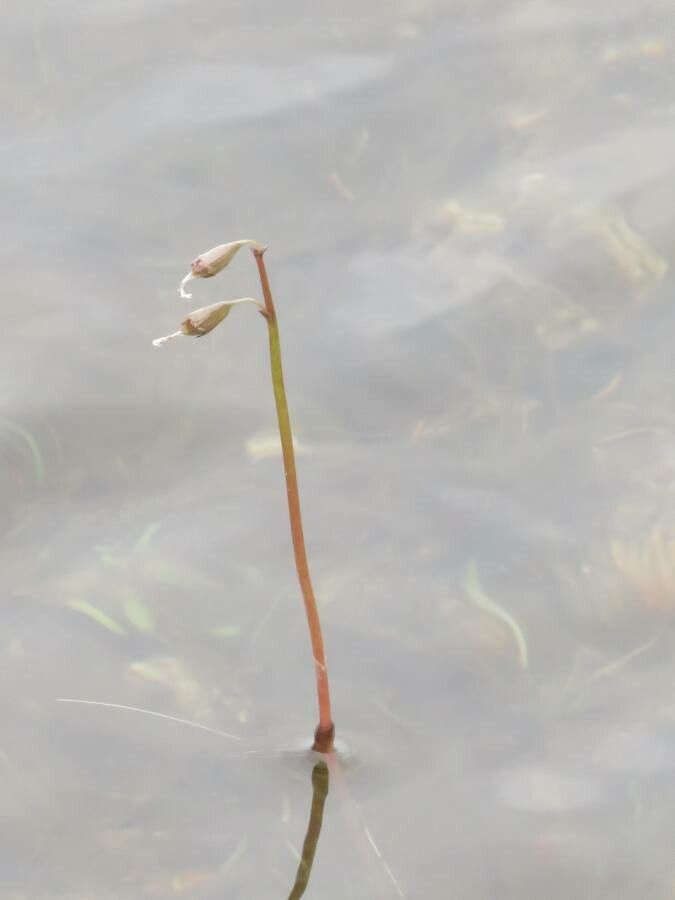
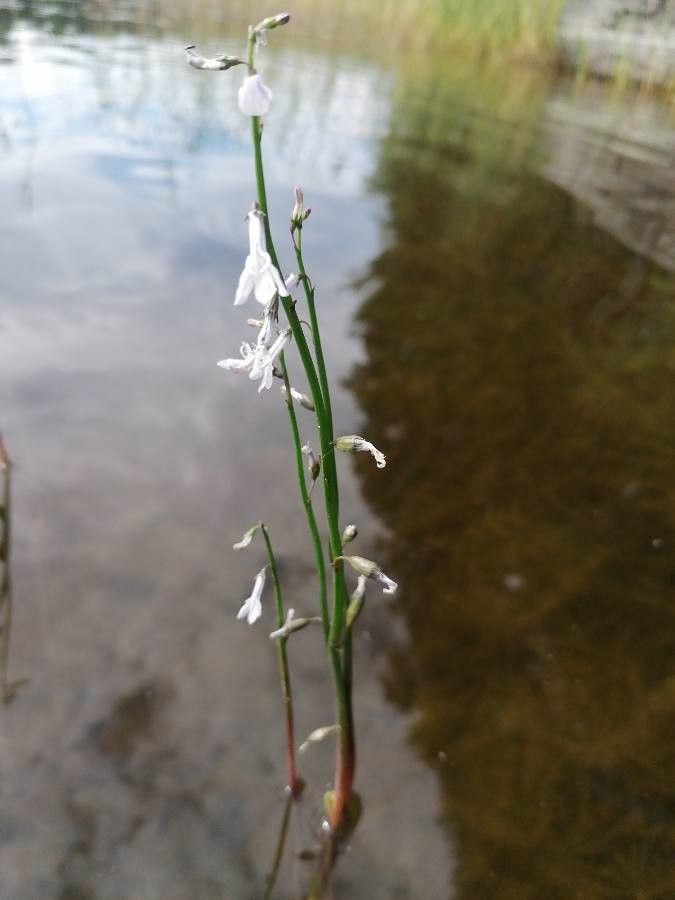
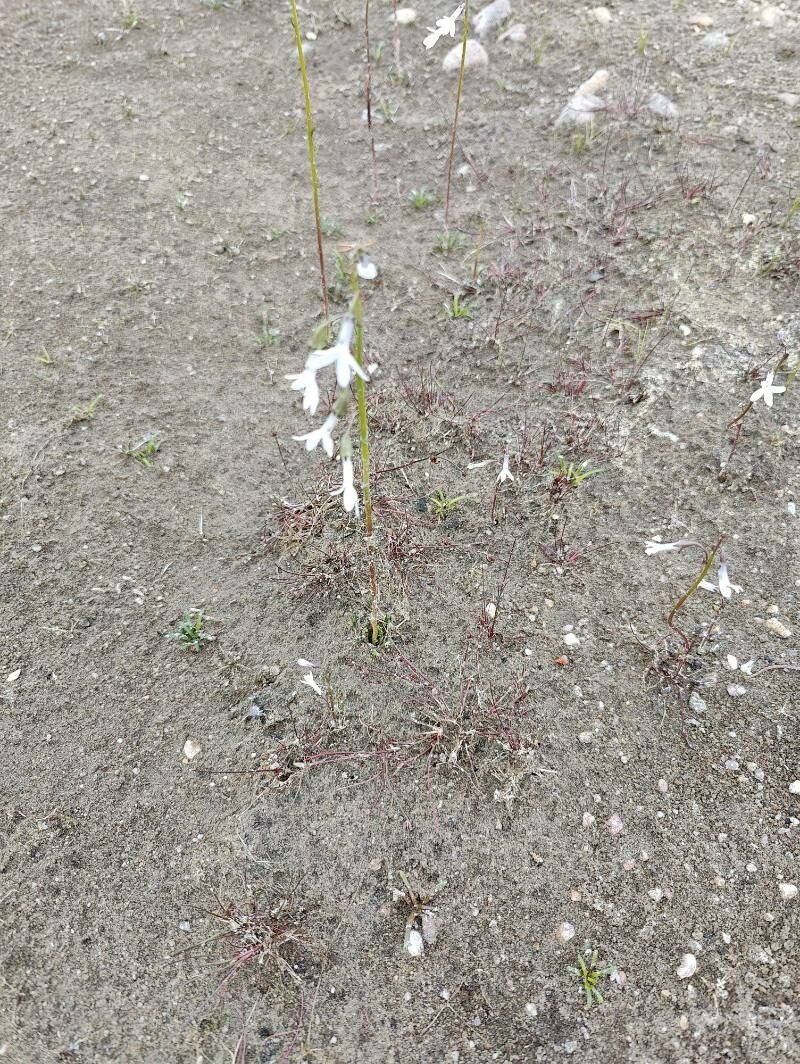
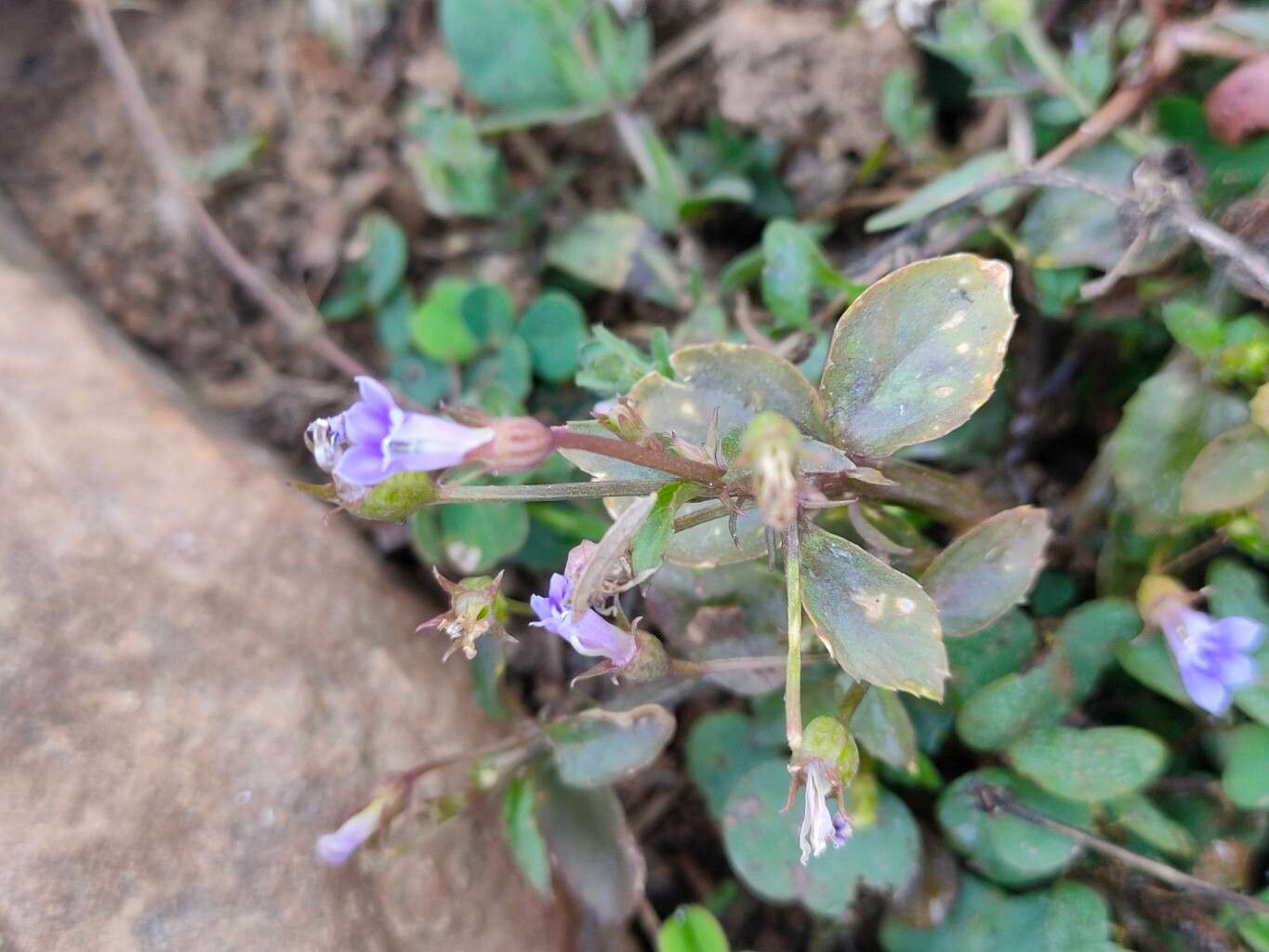
During the summer months, the water lobelia produces small white or pale blue flowers on long stalks that extend above the water's surface. Each flower has five petals fused together to form a tube-like structure with two lips at the top.
The plant serves as an important food source for various aquatic insects, including dragonflies and damselflies, as well as fish species such as roach, tench, and bream, which feed on its seeds.
In traditional medicine, Lobelia dortmanna has been valued for its anti-inflammatory properties and has been used to treat respiratory ailments such as asthma and bronchitis. Additionally, it contains alkaloids that have been employed to treat heart conditions like arrhythmia and hypertension.
Overall, Lobelia dortmanna plays a significant role in maintaining healthy aquatic ecosystems by providing food for various organisms while also offering medicinal benefits to humans.
Dortmann's cardinalflower is fairly resistant to disease and is usually not highly susceptible. Nonetheless, it can be affected by pests and diseases present in its environment. Such infestations are generally mild. In terms of upkeep, the plant requires moderate maintenance. It should be pruned regularly to retain a neat appearance and healthy growth. Fertilizing can also encourage flowering. Dortmann's cardinalflower is well suited to someone with outdoor space, like a garden or patio, and does not need extensive care experience. It may demand more attention when grown indoors.
How to keep Lobelia Dortmanna.
Light
Dortmann's cardinalflower does best with moderate sunlight but can endure strong rays. Originating from habitats where sunlight is abundant yet somewhat shaded, it can prosper under a range of light conditions. Excessive exposure may cause it to dry out, while insufficient light can hinder its growth and flowering.
Water
Dortmann's cardinalflower thrives in moist, wetland environments with high humidity. To maintain its hydration, it needs to be watered weekly. This perennial herbaceous plant has adapted to store water in its fleshy roots, allowing it to survive dry spells, a testament to its resilience.
Humidity
This plant needs special care because it loves high humidity levels of 60-80% or more. The best way to achieve this is by placing a humidifier near the plant. Daily misting is also essential! Make sure the room has good ventilation.
Temperature
Dortmann's cardinalflower is native to habitats with temperatures of 41 to 77 °F (5 to 25 ℃). It does best in these cool to moderate conditions. As seasons shift, gradual temperature changes within this range are recommended to replicate its natural habitat.
Fertilizer
To promote optimal growth for Dortmann's cardinalflower, apply a balanced fertilizer every two weeks during the spring and summer. Dilute the fertilizer to a quarter of its recommended strength. During the cooler months, reduce the frequency to once a month. Opt for eco-friendly, slow-release fertilizers, and pre-dissolve any granules to enhance absorption and prevent over-fertilization.
Pruning
Dortmann's cardinalflower thrives in sunny, aquatic environments and is known for its distinctive tubular blooms. To help it grow healthily, prune the plant from early to late spring. Remove any dead foliage and thin out older stems to improve air circulation and allow better light access, which helps prevent disease and encourages growth. With proper care, you can extend the plant's lifespan and manage its spread effectively.
Botanical profile.
- Plant Type
- Herb
- Life Cycle
- Perennial
- Genus
- Lobelia
- Family
- Campanulaceae
- Hardiness Zone
- 4
- Mature Height
- 0.2 m to 1.52 m
- Mature Spread
- 30 cm
- Leaf Color
- Light Green
- Leaf Type
- Deciduous
- Flower Color
- White, Purple, Blue
- Flower Size
- 1.02 cm to 2.03 cm
- Bloom Time
- Early summer, Mid summer
- Planting Time
- Spring, Summer
- Harvest Time
- Late summer, Early fall
- Native Area
- Sweden, Poland, Belarus, Russia, Lithuania, Norway, Germany, Denmark, Netherlands, Finland, Estonia, Ireland, United Kingdom, Latvia, Belgium, France
Other names.
Reader questions.
How much water does my Dortmann's cardinalflower need?
To properly water your Dortmann's cardinalflower, you should not hesitate to give it a generous amount of water. Make sure the first two to three inches of soil are dry, and then water the plant thoroughly until the soil is completely soaked. You should add enough water so that excess water flows out through the drainage holes at the bottom of the pot. If you don't see any excess water draining, it means you haven't watered enough. However, be careful not to let water collect and accumulate in the soil, as this can harm the plant. Additionally, if water doesn't drain properly through the pot, it may indicate that the soil does not drain well, which is not good for the plant's health. Finally, if the plant is outdoors, it will only need about 1 inch of rainfall per week.
What are the sunlight requirements for Dortmann's cardinalflower?
Dortmann's cardinalflower thrives in environments with moderate to high sunlight exposure. It requires partial sun, defined as about 3-6 hours of sunlight daily, or full sun, which means receiving more than 6 hours of sunlight each day. The plant is adaptable and can tolerate varying light conditions, from intense rays to somewhat filtered sunlight. However, it's crucial to observe the movement of sunlight through your garden to identify the best spots that offer a balance of light and shade, ensuring the plant's well-being and preventing potential risks of overexposure or insufficient light.
What is the native climate for Dortmann's cardinalflower?
Dortmann's cardinalflower, with its botanic name Lobelia dortmanna, is native to environments where temperatures range from 41 to 77 °F (5 to 25 °C). It thrives best in cool to moderate conditions, and gradual temperature adjustments within this range are suggested as seasons change to mimic its natural habitat. This indicates the importance of maintaining temperature conditions that are neither too hot nor too cold for the plant to flourish.
How should I water my Dortmann's cardinalflower when it is growing at different stages?
The water needs of the Dortmann's cardinalflower can vary depending on growth stages. When your plant is in its early years or has just been transplanted, it will require more water. During these stages, the focus of the plant's energy is on developing new roots to support future growth. These roots perform best when they receive a bit more moisture. As the plant matures, it will require less water. Additionally, during the bloom period, the flower development may utilize a significant amount of moisture, so you may need to provide more water to your Dortmann's cardinalflower at this time.
How does artificial lighting benefit indoor plants like Dortmann's cardinalflower?
When natural sunlight is insufficient, particularly for indoor plants during winter or in less sunny spaces, artificial lighting serves as an essential solution for Dortmann's cardinalflower and other indoor plants. It promotes faster and healthier growth by providing adequate lighting conditions. For optimal growth, it's advised to use LED lights that can mimic specific wavelengths needed by plants. The requirements vary based on the plant's sunlight needs: full sun plants need 30-50W/sq ft, partial sun plants require 20-30W/sq ft, and full shade plants should have 10-20W/sq ft. Additionally, the light source should be placed 12-36 inches above the plant, and the duration of exposure should mimic natural daylight hours, typically 8-12 hours per day.
Does Dortmann's cardinalflower require frost protection in winter?
Dortmann's cardinalflower is highly cold-tolerant and doesn't require additional frost protection measures during the winter months. However, it's recommended to water the plant generously before the first freeze in autumn. This practice helps ensure the soil remains moist and enters a frozen state, which aids in preventing drought and water scarcity for the plant during the cold months of winter and the early thaw of spring.
How should I water my Dortmann's cardinalflower?
To properly water the Dortmann's cardinalflower, it is best to use filtered water at room temperature. Tap water may contain harmful particles, so filtered water is preferable. It is important to use water that is at room temperature or slightly warmer because this plant is accustomed to a warm environment, and cold water can be stressful for it. Avoid watering the plant from above as this can cause problems with the foliage. Instead, water the soil directly until it is completely saturated. This helps to moisten the roots and promotes their healthy growth, allowing them to absorb the necessary nutrients from the soil.
What are the symptoms of light deficiency in Dortmann's cardinalflower?
Light deficiency in Dortmann's cardinalflower can lead to several symptoms, indicating the plant's struggle to adapt to insufficient light conditions. These symptoms include smaller new leaves, leggy or sparse growth, faster leaf drop, slower or halted new growth, lighter-colored or pale new leaves, and chlorosis, where leaves lose their green color and turn yellow. Other signs of excessive sunlight exposure are sunscald, leaf curling, wilting, and leaf scorching. Each of these symptoms reflects the plant's response to its light environment, highlighting the need for appropriate light management.
How should I care for Dortmann's cardinalflower in extremely cold temperatures?
Despite its high cold tolerance, Dortmann's cardinalflower should be kept in conditions where the winter temperature is maintained above -30°C to ensure its health and growth. If the temperature dips below this critical threshold, the plant may not show immediate damage but could experience a decrease in sprouting, or in some cases, fail to sprout at all during the following spring. To mitigate this, remove any parts of the plant that have failed to sprout as the warmer weather arrives.
What should I do if I give too much or too little water to my Dortmann's cardinalflower?
Overwatering is a more common issue for Dortmann's cardinalflower than underwatering. Overwatering can cause wilting, yellowing, and diseases like root rot, mold, and mildew, which can be fatal. Underwatering is less common but can make the leaves brittle and brown. It's important to recognize the signs of overwatering early on. If you notice them, reduce watering and check the soil's drainage. Replace poorly draining soil with a loose, well-draining mix. If your plant shows signs of underwatering, increase watering until the signs go away.
What solutions can help manage light conditions for Dortmann's cardinalflower?
To optimize Dortmann's cardinalflower's growth and health in varying light conditions, several strategies can be employed. For indoor plants, gradually increasing direct sunlight exposure or using artificial lights, such as a desk or ceiling lamp for at least 8 hours daily, can significantly improve growth conditions. Outdoor plants benefit from a gradual transition to sunnier spots, avoiding sudden changes that may cause sunburn. Additionally, minimizing obstructions by pruning or relocating the plant to a sunnier location with good drainage can enhance light availability. It's important to note that while damaged parts may not recover, new growth will be healthy with improved light conditions.
What care does Dortmann's cardinalflower need in high temperatures?
Dortmann's cardinalflower is not tolerant to high temperatures, particularly above 25°C. Exposure to excessive heat can halt its growth and make it more susceptible to rot. To protect the plant in such conditions, it's advisable to trim away sunburned or dried-up parts, and relocate it to a shaded area away from the harsh midday and afternoon sun. Employing a shade cloth can also offer protection. Additionally, watering the plant in the cooler parts of the day, such as in the morning and evening, helps keep the soil moist, aiding in the plant's overall health and resistance to heat stress.