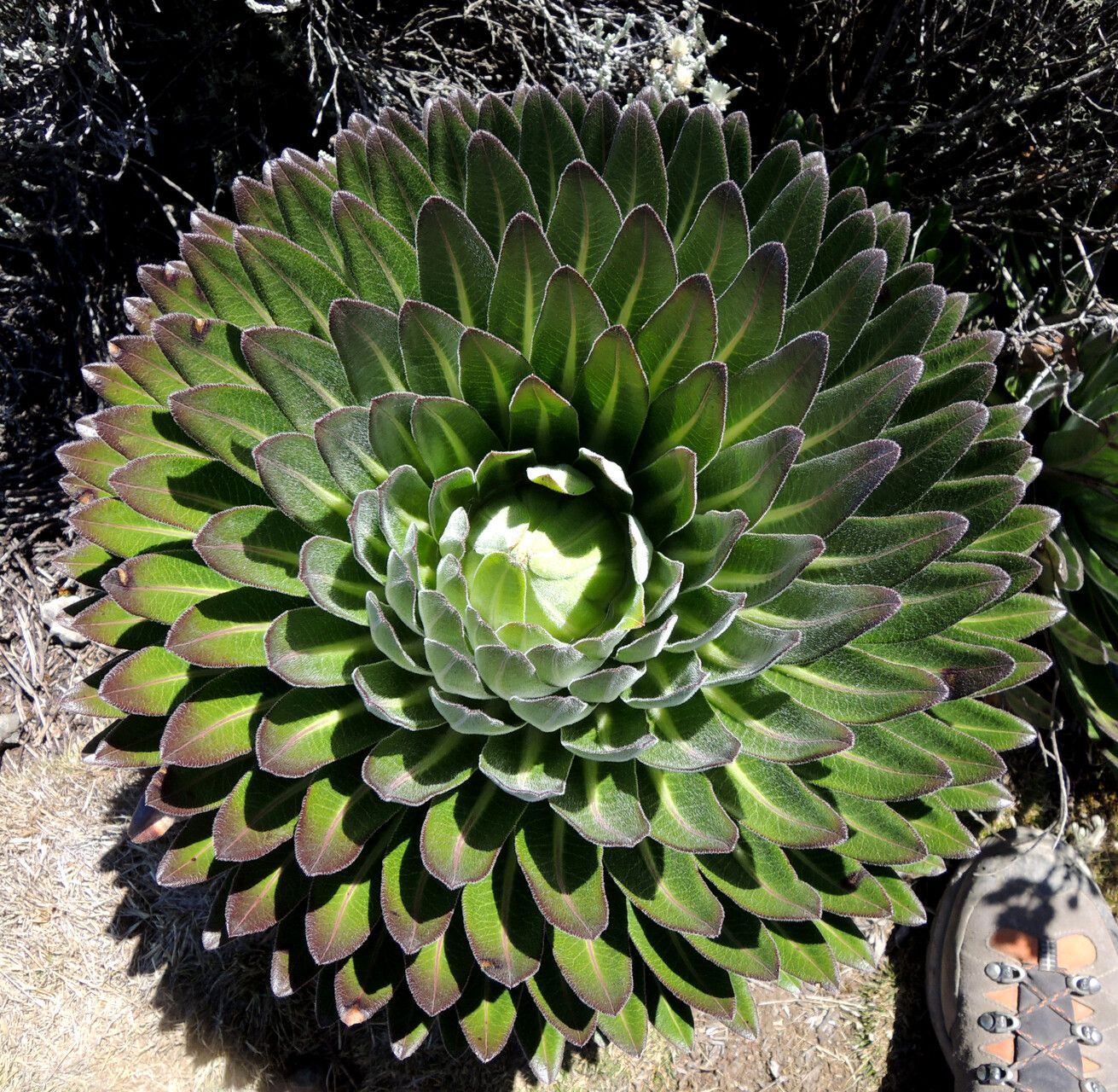
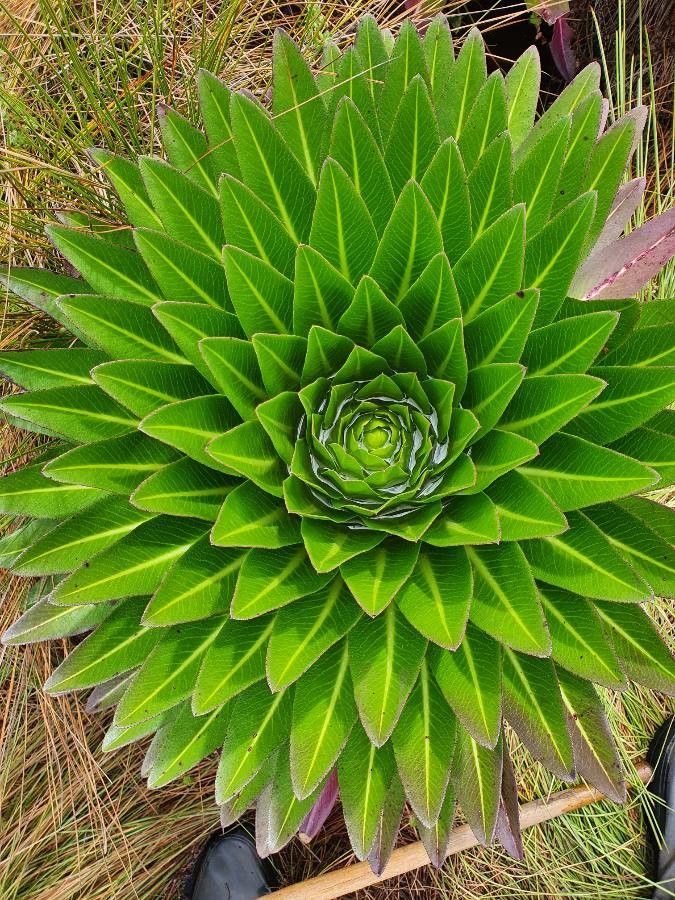
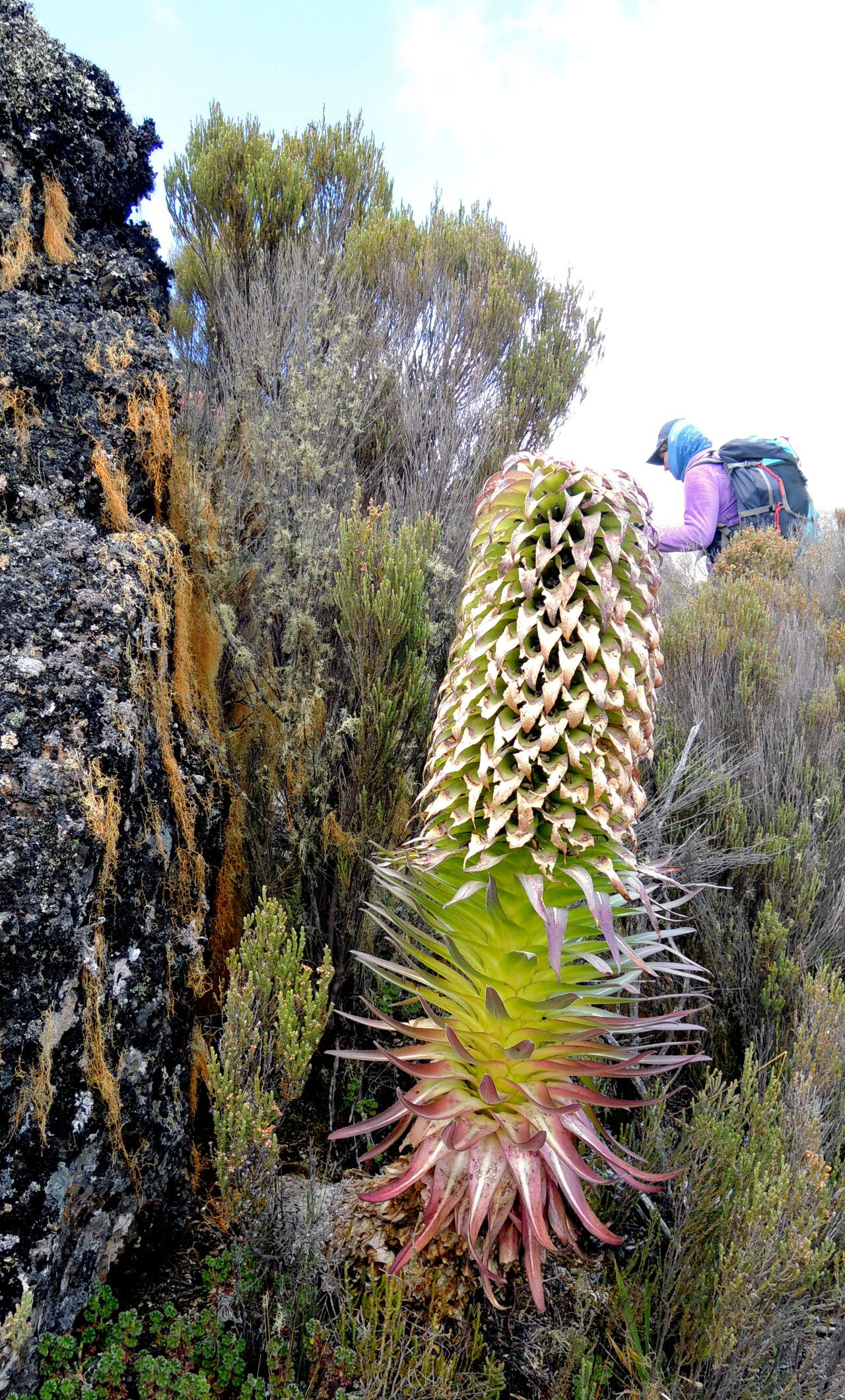
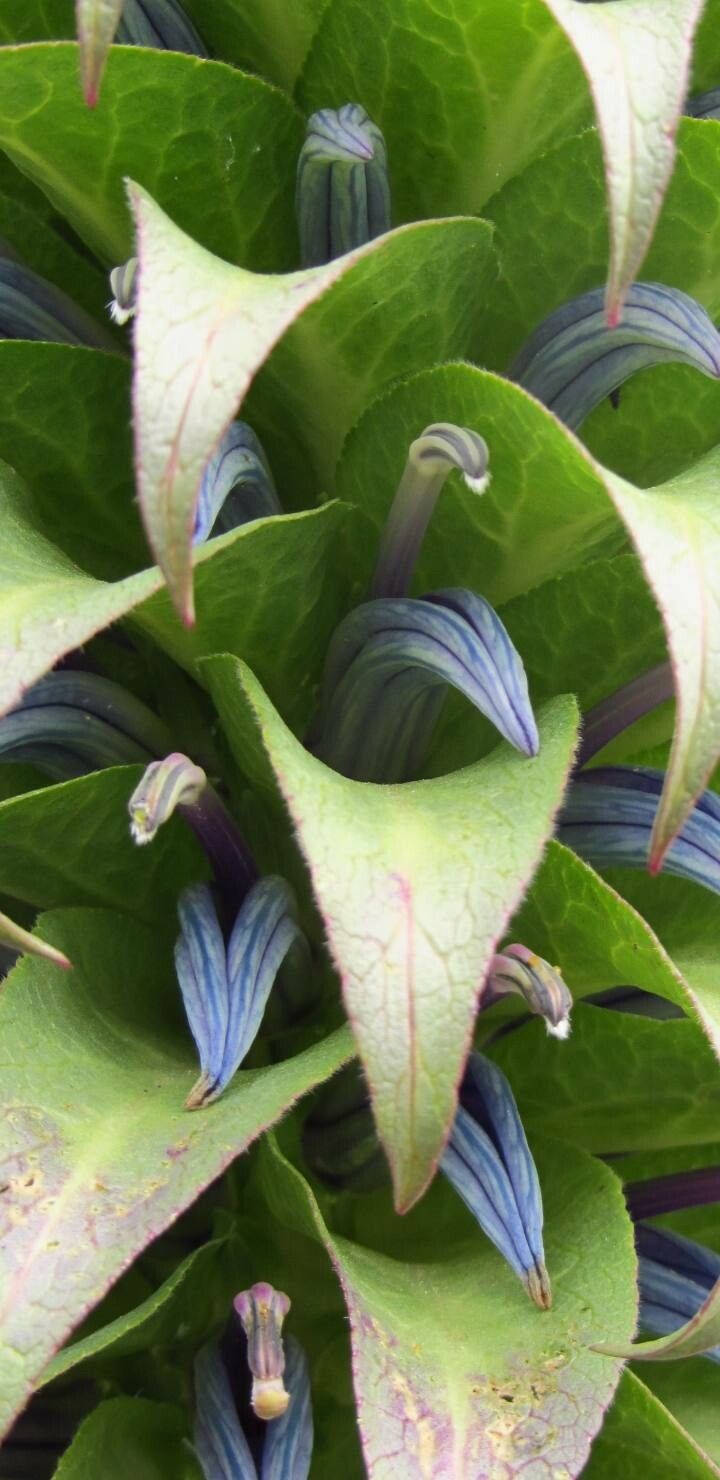
Lobelia deckenii is a species of flowering plant in the family Campanulaceae. It is a giant lobelia endemic to the mountains of Tanzania. It is listed as a threatened plant of the forests of Cherangani hills, Kenya. It grows in moist areas, such as valley bottoms and moorland, in contrast to Lobelia telekii which grows in a similar but drier habitat. These two species produce occasional hybrids. Lobelia deckenii plants usually produce multiple rosettes. Each rosette grows for several decades, produces a single large inflorescence and hundreds of thousands of seeds, then dies. Because individual plants have multiple rosettes, they survive to reproduce repeatedly, and plants with more rosettes flower more frequently. It is iteroparous.Lobelia deckenii plants usually form between one and eighteen rosettes which are connected underground. The individual rosettes grow slowly in the alpine environment, and may take decades to reach reproductive size. The rosette that produces an inflorescence dies after flowering, but the remaining connected rosettes live on.Lobelia deckenii is the only alpine species of lobelia that is native to Kilimanjaro, occurring between 3,800 and 4,300 m (12,500 and 14,100 ft).Lobelia deckenii subsp. keniensis is the variety of Lobelia deckenii that occurs on Mount Kenya, between 3,300 and 4,600 m (10,800 and 15,100 ft). It is eaten less by rock hyrax than Lobelia telekii, which occurs more often in hyrax habitat. The lobelia species on Mount Kenya are both pollinated by birds, especially the scarlet-tufted sunbird and the alpine chat.This species of giant lobelia is known for the reservoirs of water held in its rosettes, which freeze at night and protect the apical meristem which is contained in a dense central leaf bud. When this reservoir is drained, the temperature of the inner meristem drops below freezing, which does not occur when the fluid is left intact. The crescent-shaped ice cubes formed in these rosettes gave rise to the nickname, "gin and tonic lobelia".
How to keep Lobelia Deckenii.
Pruning
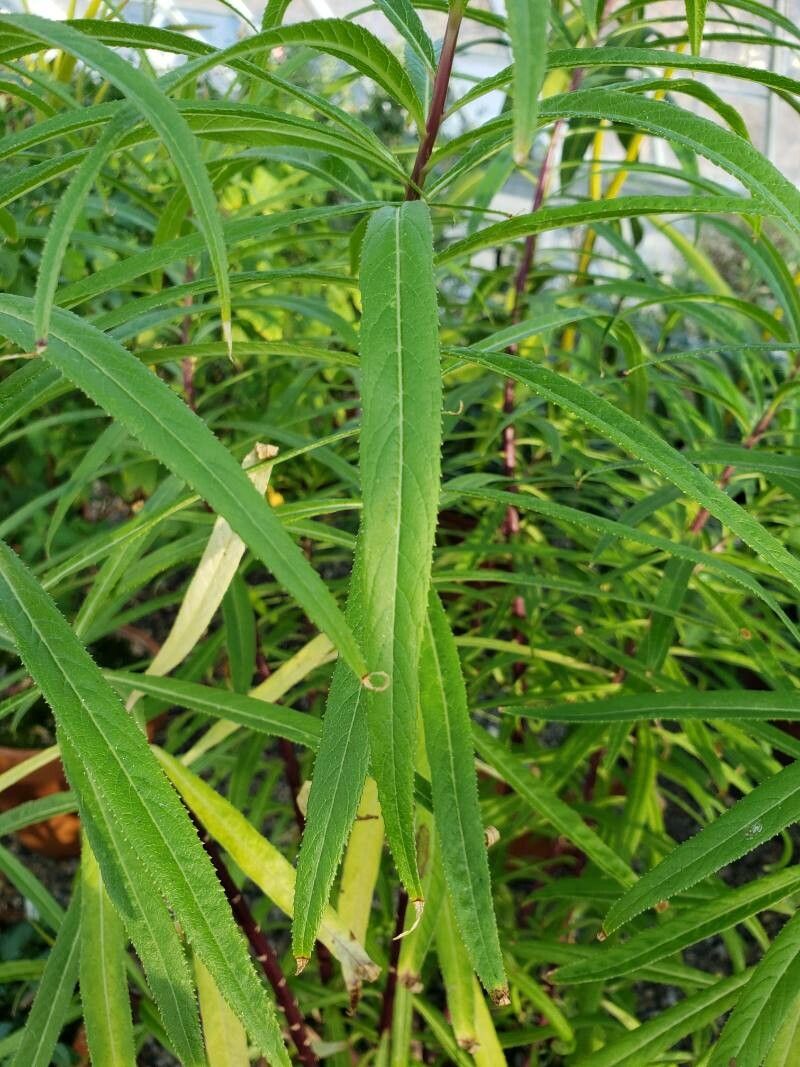
Lobelia deckenii features stunning blooms and a multi-branched structure that can enhance any garden. To keep the plant healthy, prune it in early spring. This involves removing any damaged branches and shaping the plant to promote good air circulation. Regular pruning encourages robust growth and abundant flowering, while avoiding pruning late in the season helps prevent damage during winter. With consistent care, you can improve both the vigor and the visual appeal of your Lobelia deckenii.
Botanical profile.
- Plant Type
- Herb
- Genus
- Lobelia
- Family
- Campanulaceae
Reader questions.
What are the sunlight requirements for Lobelia deckenii?
Lobelia deckenii thrives in conditions that meet its specific sunlight requirements. For full sun exposure, it requires above 6 hours of sunlight daily. Alternatively, for partial sun, about 3-6 hours of sunlight per day is adequate. It is crucial to observe the way sunlight moves through your garden, allowing you to select spots that offer an ideal balance of light and shade. This consideration ensures that your Lobelia deckenii plants remain healthy and happy.