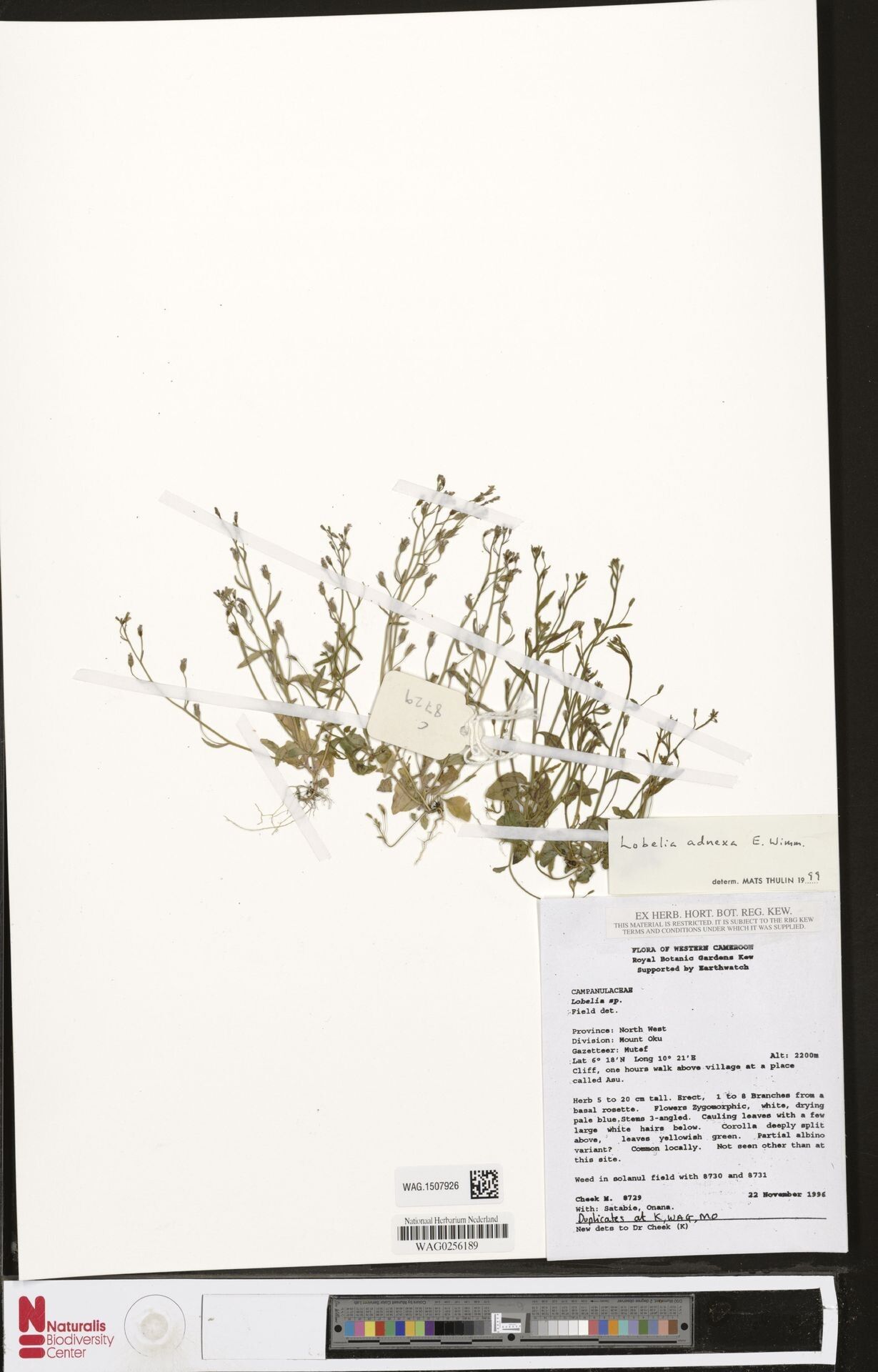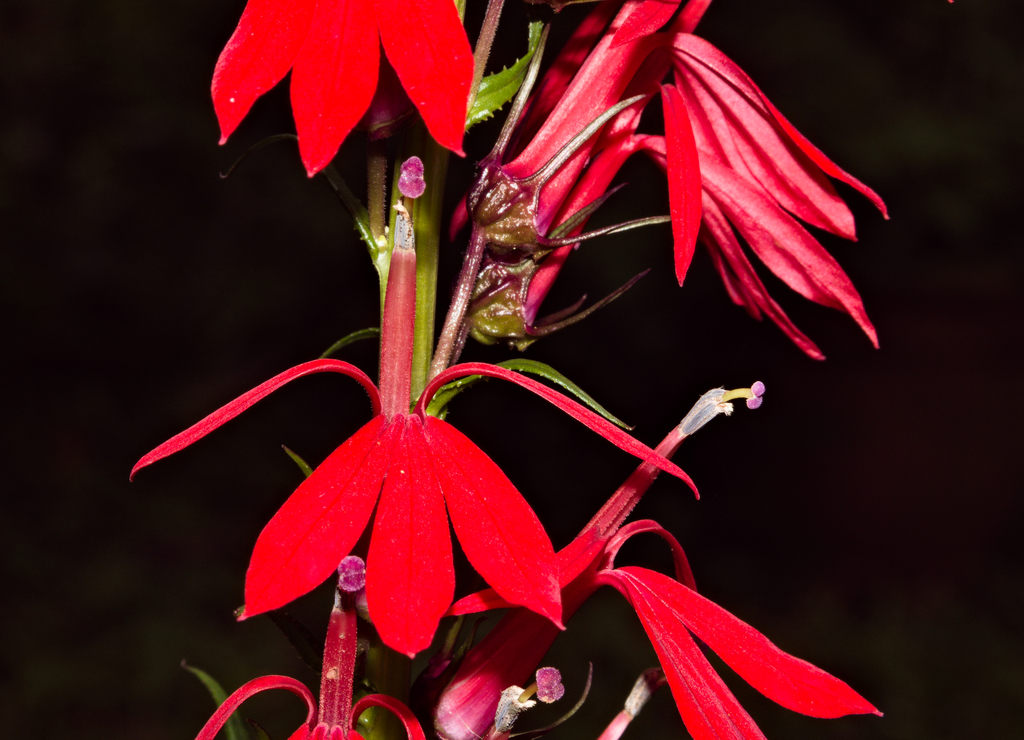
Lobelia cardinalis, the cardinal flower (syn. L. fulgens), is a species of flowering plant in the bellflower family Campanulaceae native to the Americas, from southeastern Canada south through the eastern and southwestern United States, Mexico and Central America to northern Colombia.
Cardinal Flower: This plant was introduced to Europe in the mid-1620s. It was named 'Cardinal Flower' because its vibrant color resembles the robes worn by Roman Catholic cardinals.
The cardinal flower is fairly disease-resistant and is generally unlikely to suffer from illnesses. That said, it can be affected by pests and diseases found nearby. Such infections are typically mild. Regarding care, this plant needs moderate maintenance. It should be trimmed regularly to keep a neat appearance and encourage healthy growth. Applying fertilizer can also help stimulate flowering. The cardinal flower is appropriate for anyone with outdoor space, like a garden or patio, and does not demand extensive gardening experience. It may need more attention if grown indoors.
How to keep Lobelia Cardinalis.
Light
Cardinal flower does best when exposed to a full day's light, though it can tolerate some periods of reduced illumination. It originates from open woodland, reflecting its preference for abundant light. While it can survive under weaker light, its best health and growth occur with strong light. However, excessive light exposure can produce negative effects.
Water
The cardinal flower flourishes in moist environments and consistently needs water. Although it can tolerate moderate drought, watering it weekly encourages lush growth. As an herbaceous perennial, it benefits from natural rainfall, which enhances its water cycle and supports vibrant blooms during the growing season.
Humidity
This plant will thrive in moderate humidity, which is probably the level in your home. However, misting it a few times a week can be very beneficial. Make sure the room has good ventilation.
Temperature
The cardinal flower naturally grows near water in temperate regions and favors temperatures of 32 to 95 ℉ (0 to 35 ℃). In summer, the plant may benefit from a slight drop in temperature or from being shaded from intense sun. In winter, it can tolerate freezing temperatures but might need protection during particularly severe cold snaps.
Fertilizer
The best time to fertilize a Cardinal flower is in early spring, as it comes out of dormancy and begins active growth. Fertilizing supplies essential nutrients for healthy development. Although the Cardinal flower has relatively low fertilizer requirements, giving it fertilizer once a year can improve its survival and encourage better, longer-lasting blooms.
Pruning
Prune cardinal flowers from early to late spring to promote healthy growth and remove any dead stems. After the plant has finished flowering, cut it back to the base. This prepares the plant for the next season and prevents it from self-seeding. Regular pruning also improves air circulation and reduces the risk of disease, supporting vigorous flowering.
Pot & Repot
When repotting Cardinal flower, select a pot 1-2 inches (2.5–5.1 cm) larger with good drainage. Use a well-draining potting mix. Repot in spring or fall, making sure the root ball is slightly lower than the rim of the flower pot. Water thoroughly after repotting and place in a warm spot with indirect sunlight.
Botanical profile.
- Plant Type
- Herb
- Life Cycle
- Perennial
- Genus
- Lobelia
- Family
- Campanulaceae
- Hardiness Zone
- 3-9
- Mature Height
- 0.61 m to 1.52 m
- Mature Spread
- 30 cm to 61 cm
- Leaf Color
- Green, Red
- Leaf Type
- Deciduous
- Flower Color
- Red
- Flower Size
- 2.54 cm to 7.62 cm
- Bloom Time
- Mid summer
- Planting Time
- Spring
- Harvest Time
- Mid summer
- Native Area
- Colombia, Belize, Honduras, Mexico, Guatemala, Nicaragua, Costa Rica, Panama
Other names.
Reader questions.
How should I water my Cardinal flower?
When watering the Cardinal flower, it is best to use filtered water at room temperature or slightly warmer. Tap water may contain harmful particles for the plant's health. Since the Cardinal flower comes from a warm environment, it is important to avoid using cold water to prevent shocking its system. It is also recommended to avoid overhead watering as it can lead to foliage complications. Instead, apply filtered room temperature water directly to the soil until it is completely soaked. This assists in moisturizing the roots and allowing them to spread through the soil and absorb necessary nutrients.
What will happen if I give my Cardinal flower too much fertilizer?
When caring for your Cardinal flower, remember that it doesn't require much fertilizer and can suffer if it receives too much. Overfertilizing can lead to fertilizer burn, where excessive fertilizer draws nutrients and moisture away from the roots, causing the plant to decline. It can also weaken the plant and make it more susceptible to disease. Overfertilization may result in fewer or no flowers, which is a significant disadvantage since the blooms are highly valued by gardeners.
What are the sunlight requirements for a Cardinal flower?
The Cardinal flower, or Lobelia cardinalis, thrives under various light conditions but shows optimal growth with ample sunlight. It requires full sun, meaning above 6 hours of sunlight daily, but can also grow under partial sun, which is about 3-6 hours of sunlight. The plant's native environment being open woodlands, indicates its preference for significant light exposure, though it can manage with less. It's essential to observe the movement of sunlight in your garden to choose the best spot for your plants, providing them with the ideal balance of light and shade.
What is the native growth environment of the cardinal flower?
The cardinal flower, Lobelia cardinalis, flourishes in environments close to water sources within temperate regions. It prefers temperatures ranging from 32 to 95°F (0 to 35°C). During the hot summer months, the plant may benefit from a slight decrease in temperature or some shading from the intense sun. Conversely, in winter, while the cardinal flower shows strong cold resistance and generally does not need special frost protection measures, it can adapt to freezing temperatures. However, in the case of severe cold snaps where temperatures are expected to drop significantly, it's important to provide additional protection by covering the plant with insulating materials like soil or straw. Furthermore, watering the plant abundantly before the first freeze of autumn is recommended to ensure that the soil remains moist and enters the frozen state, which helps prevent drought and water scarcity during the winter and early spring.
What do I do if I give my Cardinal flower too much or too little water?
Both overwatering and underwatering can harm your Cardinal flower's health, but overwatering is more commonly problematic. Too much water can cause the stems and leaves to wilt and turn yellow. Prolonged overwatering can also lead to diseases like root rot, mold, and mildew, which can kill the plant. While underwatering is less common, it is still possible for the Cardinal flower. In such cases, the leaves may become brittle and brown. It is important to quickly identify signs of overwatering when caring for your Cardinal flower. Some diseases caused by overwatering, such as root rot, may not be reversible if you delay action. If you observe early signs of overwatering, reduce your watering schedule immediately. Additionally, check the soil quality where your Cardinal flower is growing. If the soil drains poorly, replace it with a loose, well-draining potting mix. Conversely, if you notice signs of insufficient watering, simply water more regularly until the signs improve.
Why should I put plant food on my Cardinal flower?
Fertilization is important for the Cardinal flower for a few reasons. It provides essential nutrients for the plant's growth both above and below the surface. While the Cardinal flower's fertilization requirements are generally minimal, periodic fertilization can benefit the plant, promoting its survival and enhancing the blooming period of its flowers. For optimal growth and appearance, regular annual fertilization is recommended.
How does artificial lighting affect the growth of indoor Cardinal flowers?
Indoor Cardinal flowers may require artificial lighting to supplement natural sunlight, especially in spaces with limited light exposure or during less sunny seasons like winter. Adequate lighting is crucial for optimal growth. LED lights are a popular choice, as they can be customized to provide specific wavelengths needed by the plants. Full sun plants need 30-50W/sq ft, partial sun plants 20-30W/sq ft, and full shade plants 10-20W/sq ft of artificial light. The light source should be placed 12-36 inches above the plant for 8-12 hours per day to mimic natural sunlight.
How does the cardinal flower respond to low temperatures?
The cardinal flower is notably cold-tolerant and thrives best when the temperature is maintained above its specified minimum acceptable level. During the winter months, it's crucial to keep the plant above this minimum threshold to avoid negative impacts. If temperatures drop below a critical limit, though there might not be any noticeable changes in the plant during the winter, it could result in decreased sprouting or potentially no sprouting at all come springtime. In response to such occurrences, removing any parts that have failed to sprout during spring is advised as a remedial action.
How much should I water my Cardinal flower?
If your Cardinal flower is in a pot, the best way to check if it needs water is by putting your finger in the soil. If the top two to three inches of soil are dry, then it's time to water the plant. If your Cardinal flower is planted in the ground, you can use the same method to check the soil. When the top few inches of soil have dried out, it's time to water it. Normally, you would water it about once a week in spring and early fall. In very hot weather, you may need to water it twice a week or even more. However, keep in mind that mature Cardinal flowers that are well-established can tolerate drought quite well.
What is the ideal time to fertilize my Cardinal flower plant?
The best time to fertilize a Cardinal flower is in late winter to early spring. This is when the plant transitions from dormancy to active growth, and fertilizing at this time promotes healthy growth for the season. While it's typically best to fertilize in early spring, fall is also acceptable. However, it's not recommended to fertilize in summer or winter.
What are the signs of inadequate lighting for a Cardinal flower?
Signs of inadequate lighting in Cardinal flowers include smaller new leaves, leggy or sparse growth, faster leaf drop, slower or halted growth, lighter-colored new leaves, chlorosis, sunscald, leaf curling, wilting, and leaf scorching. These symptoms indicate that the plant is not receiving enough light, leading to poor health and growth. Conversely, chlorosis and sunscald can occur from too much direct sunlight. Observing these signs can guide adjustments in the plant's exposure to light for better health.
What should be done if the cardinal flower experiences high temperatures?
During the summer, it is important to ensure that the cardinal flower is kept below its maximum temperature tolerance. Exceeding this temperature can lead to the plant's leaves becoming lighter in color, curling, becoming susceptible to sunburn, or, in severe cases, causing the entire plant to wilt and dry out. To mitigate these effects, any sunburned or dried-up parts of the plant should be trimmed away. Moving the plant to a location that provides shade during the midday and afternoon sun, or using a shade cloth, can help protect the plant from excessive heat. Additionally, watering the plant in the morning and evening to maintain soil moisture can be beneficial in keeping the plant healthy under high temperature conditions.