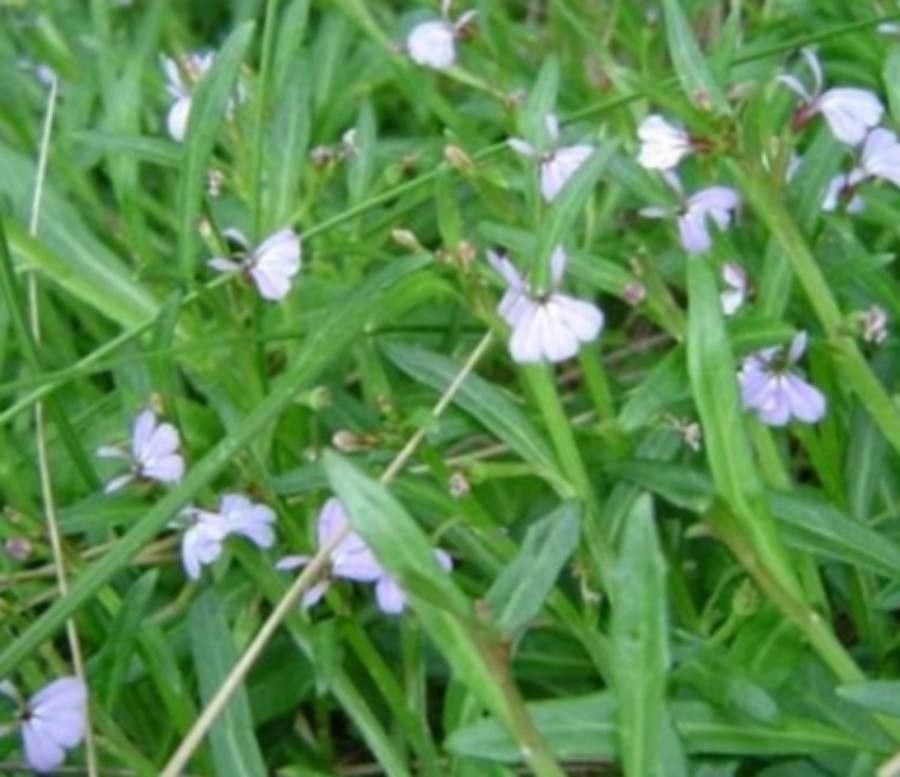
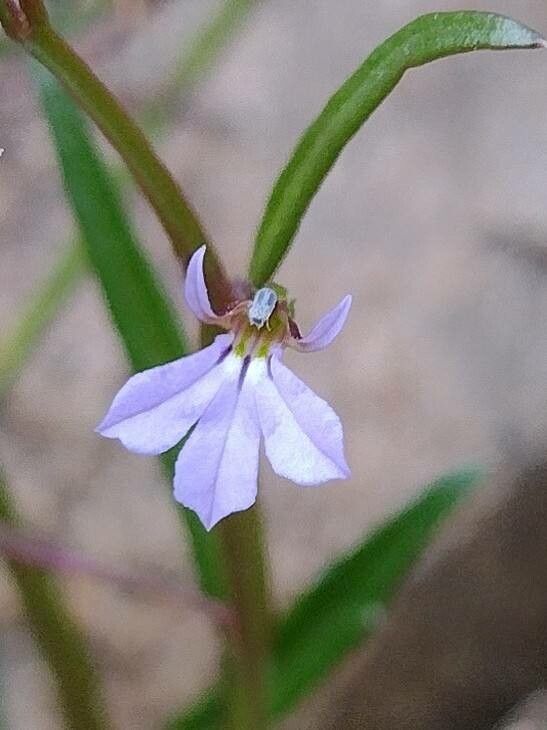
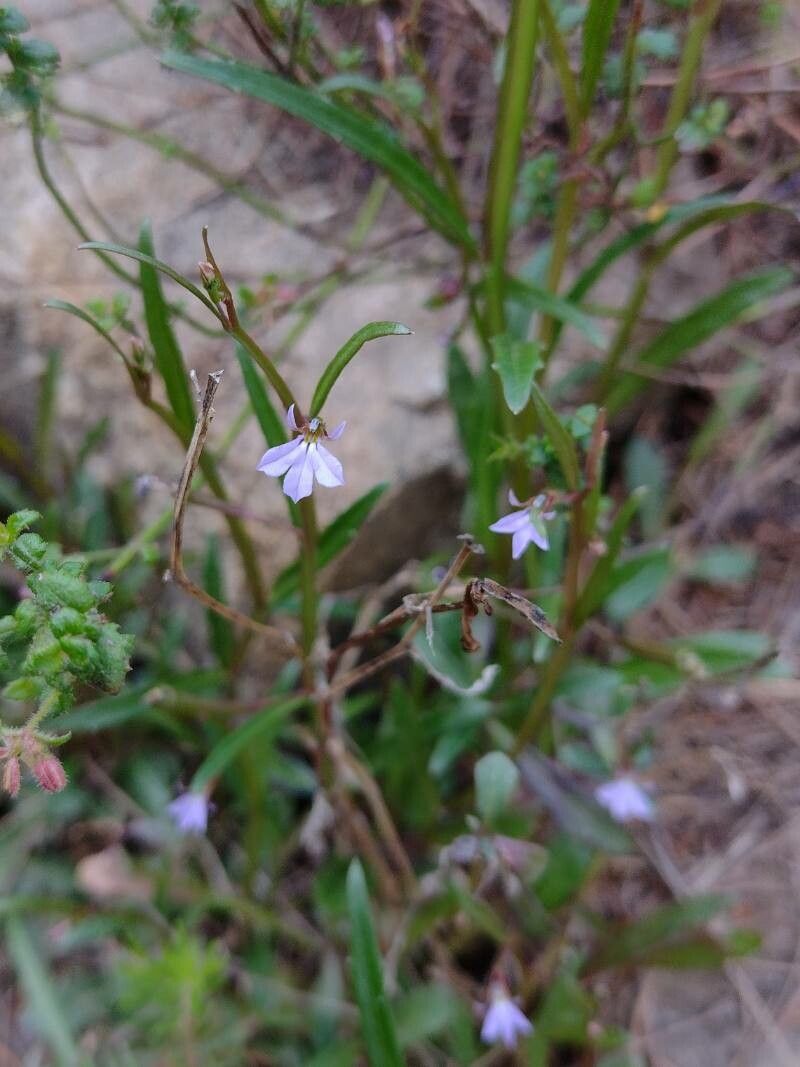
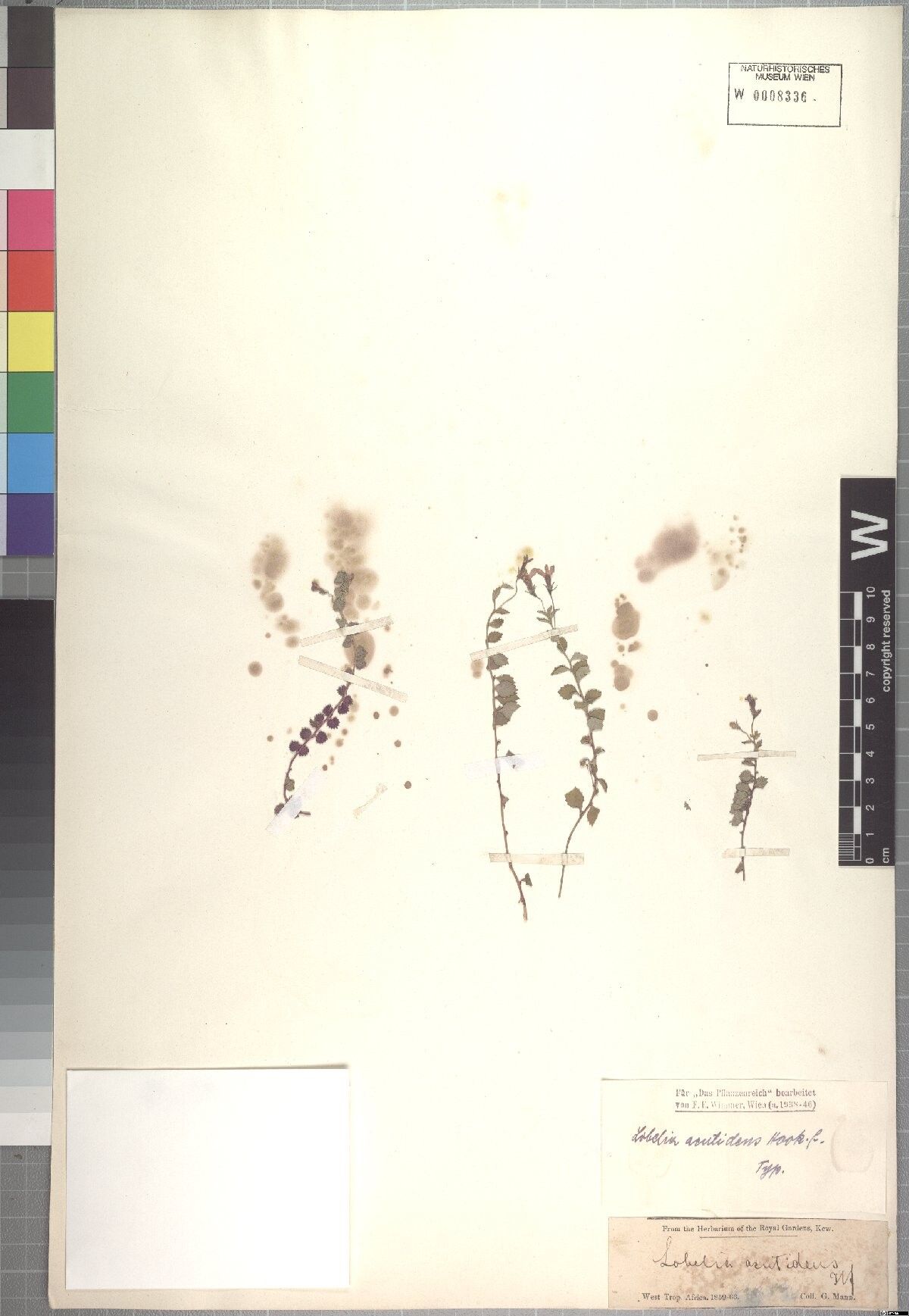
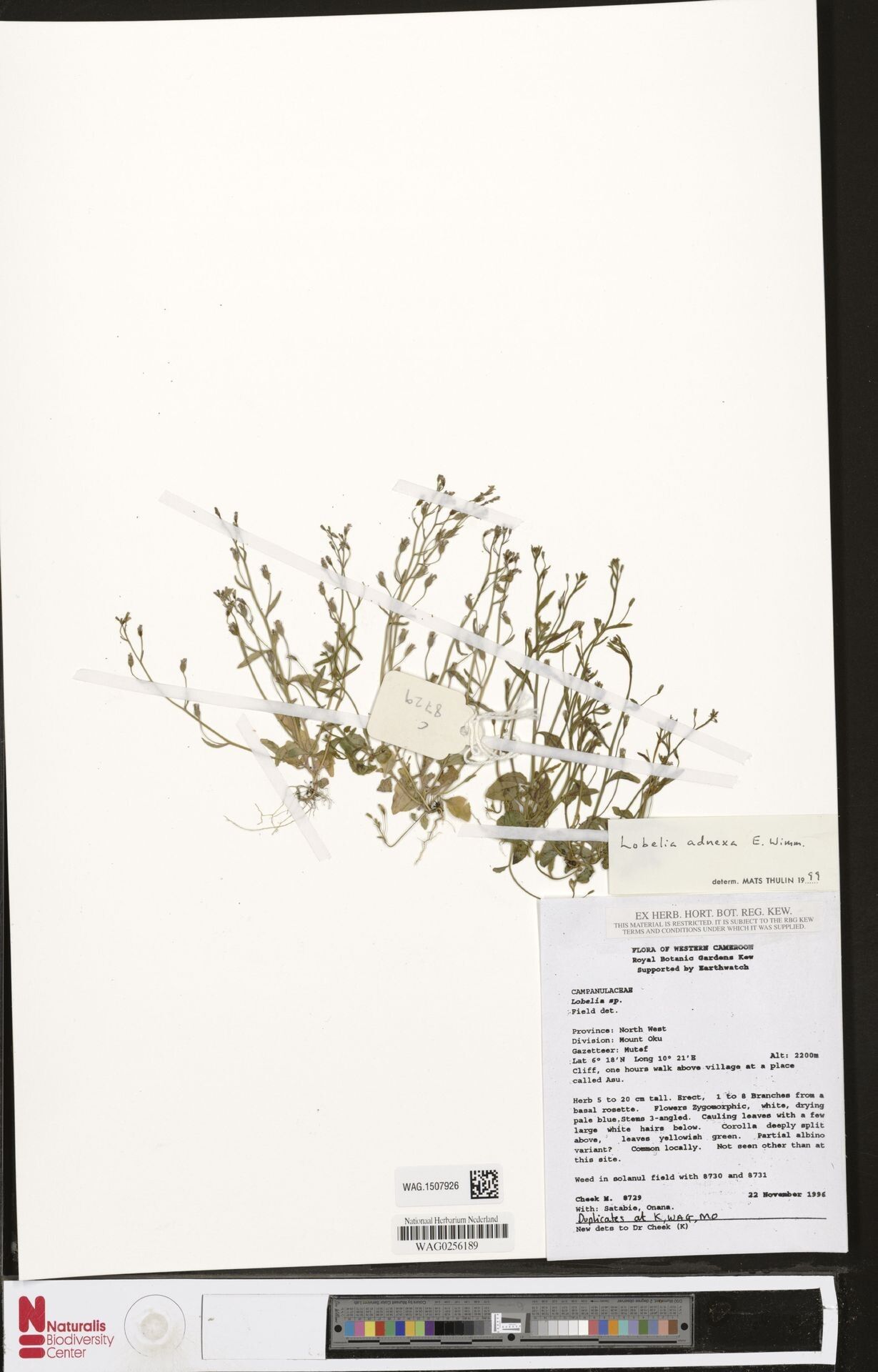
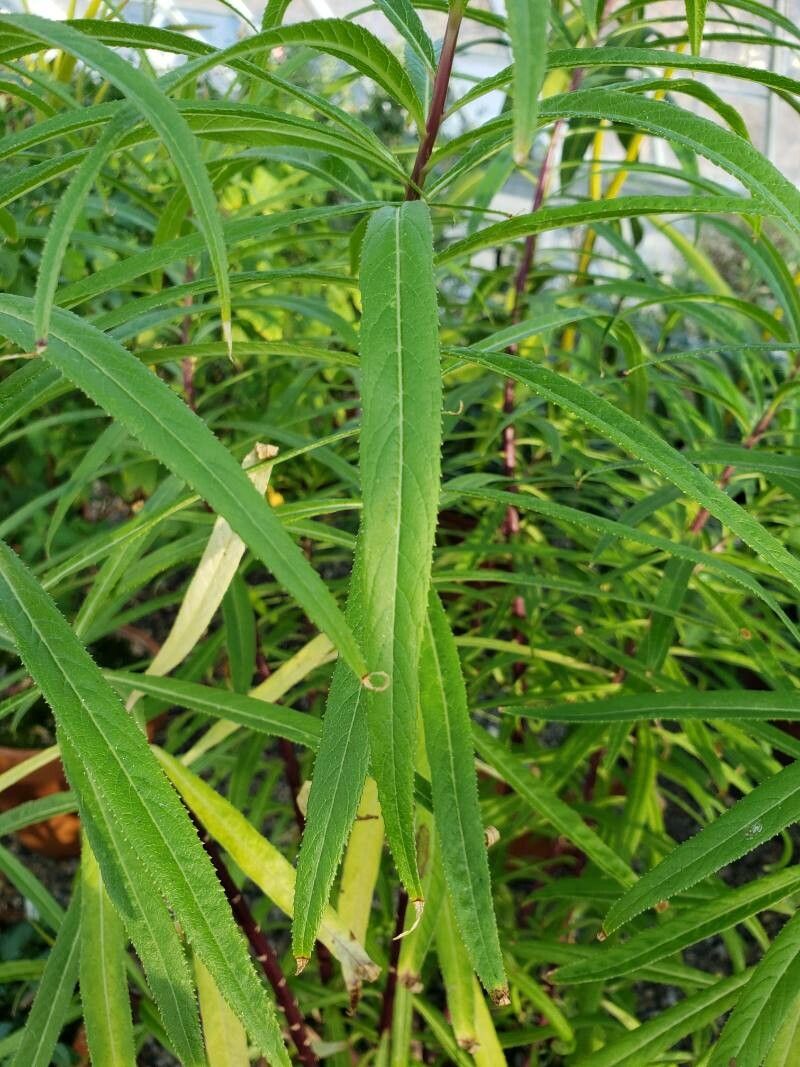
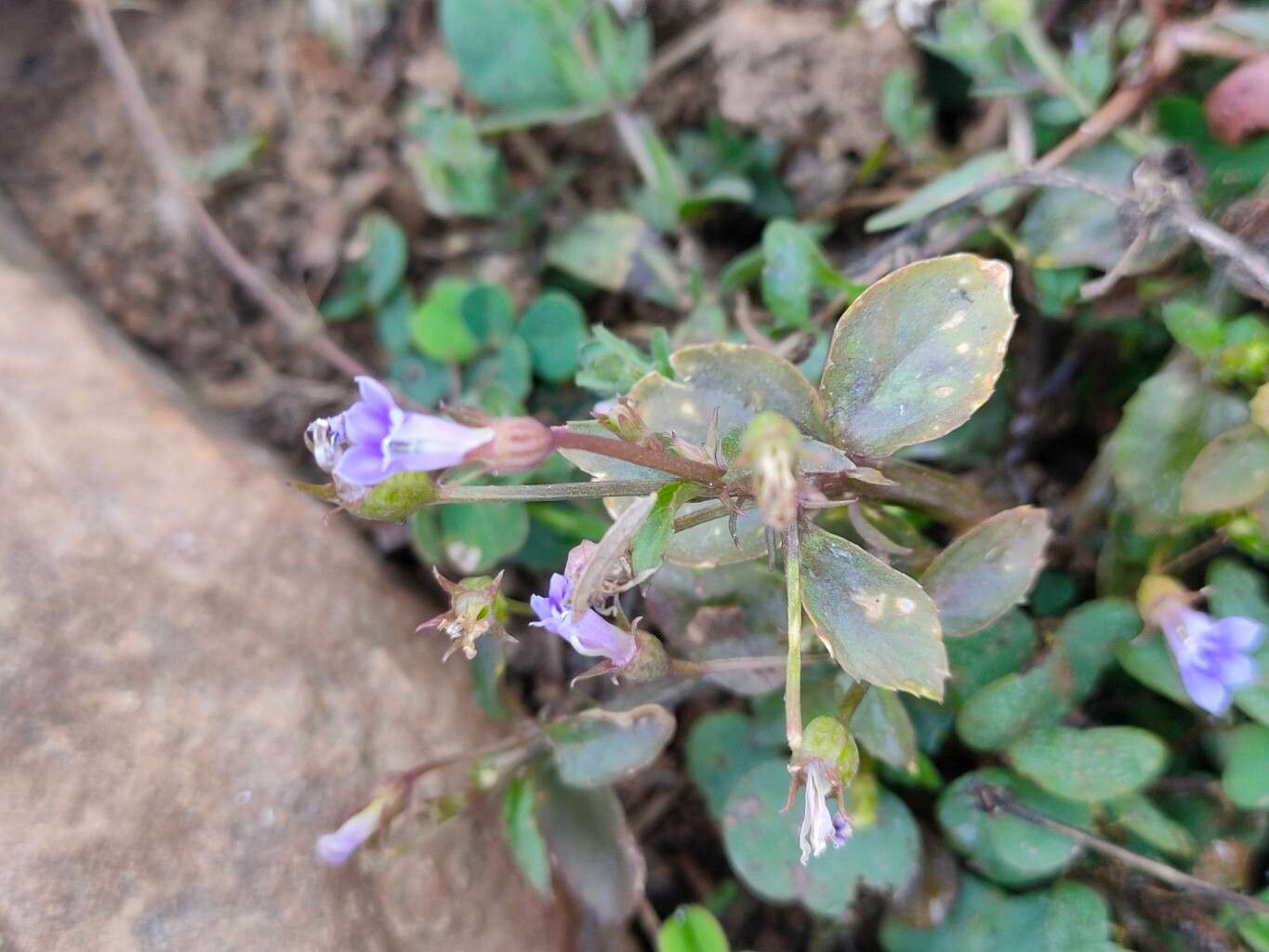
Lobelia anceps, commonly known as angled lobelia, is a small herbaceous plant in the family Campanulaceae it grows in several states of Australia, New Zealand, South America and South Africa. It is a small, perennial herb with blue to purple flowers.
Angled lobelia is fairly resistant to disease and typically does not easily contract illnesses. However, it can be affected by pests and diseases present in its surroundings. These issues are generally minor. As for care, this plant needs a moderate level of maintenance. It should be pruned regularly to preserve a neat appearance and support healthy growth. Fertilizing can also help encourage flowering. Angled lobelia is suitable for anyone with an outdoor area, such as a garden or patio, and does not demand extensive care experience. It may need more attention when grown indoors.
How to keep Lobelia Anceps.
Light
Angled lobelia thrives with plenty of sunlight but can also tolerate a moderate amount of light or even shady locations. Both too much and too little sun can be damaging. Insufficient light can stunt its growth, while excessive exposure can scorch its leaves.
Water
Angled lobelia, native to moist environments, performs best with consistent watering and has moderate drought tolerance. To keep the soil optimally moist, water the plant weekly. When grown outdoors, using mulch can help retain soil moisture and reduce how often you need to water.
Temperature
Angled lobelia is native to habitats where temperatures range from 68 to 95 °F (20 to 35 ℃). It prefers warm conditions, so adjustments during cooler seasons are advisable to maintain its preferred temperature.
Fertilizer
The best time to fertilize an Angled lobelia is in early spring, when it is coming out of dormancy and starting active growth. Fertilizing supplies essential nutrients for healthy development. Although Angled lobelia has relatively low fertilizer requirements, applying fertilizer annually can improve its survival and encourage better, longer-lasting flowers.
Pruning
Angled lobelia is known for its trailing stems and vibrant blue flowers. To keep the plant healthy, prune it from early to late spring by removing dead stems and pinching the tips to promote bushier growth. Pruning after the plant blooms can extend the flowering period. Regular trimming also helps prevent the plant from becoming leggy, encouraging a healthier and more robust lobelia.
Botanical profile.
- Plant Type
- Herb
- Life Cycle
- Perennial
- Genus
- Lobelia
- Family
- Campanulaceae
- Hardiness Zone
- 9-10
- Mature Height
- 1.22 m
- Mature Spread
- 20 cm to 49 cm
- Leaf Color
- Green
- Leaf Type
- Semi-evergreen
- Flower Color
- Lavender
- Flower Size
- 7.62 cm
- Bloom Time
- Summer, Early fall, Mid fall
- Planting Time
- Winter
- Harvest Time
- Late summer, Fall, Early winter
- Native Area
- South Africa, Zambia, Mozambique, New Zealand
Reader questions.
What are the sunlight requirements for Angled lobelia?
Angled lobelia flourishes best when it receives adequate sunlight. It requires above 6 hours of sunlight for full sun conditions and about 3-6 hours of sunlight for partial sun or full shade. It's important to observe how sunlight moves through your garden to find the perfect balance of light and shade for your plants, ensuring they thrive.
What is the native temperature range for Angled lobelia?
Angled lobelia thrives in environments where the temperature ranges between 68 to 95 °F (20 to 35 °C). It prefers warm conditions and requires adjustments during cooler seasons to maintain its preferred temperature range. While it has some tolerance for cold, with general hardiness above 0°C, protective measures need to be taken if temperatures are expected to drop below freezing.
How do artificial lights affect the growth of indoor Angled lobelia plants?
When natural sunlight is insufficient, especially during winter or in less sunny spaces indoors, artificial lighting can greatly assist the growth of Angled lobelia. LED lights are recommended as they can be tailored to provide specific light wavelengths needed by the plant. Full sun plants should receive 30-50W/sq ft, partial sun plants 20-30W/sq ft, and full shade plants 10-20W/sq ft of artificial light. The lights should be placed 12-36 inches above the plant to simulate natural sunlight and kept on for 8-12 hours per day depending on the specific needs of your plant species.
How does Angled lobelia react to low temperatures?
Angled lobelia has a moderate tolerance to low temperatures and thrives best when the temperature remains above 20°C. During winter, its survival threshold is above 0°C. Exposure to temperatures below -5°C may cause the leaves to droop; while they may recover from mild exposure, severe conditions will result in wilted leaves that eventually fall off. To protect your angled lobelia from frost, trim off frost-damaged parts, and before the cold season, wrap the plant with insulating materials such as non-woven fabric or cloth, and consider setting up a wind barrier.
What are the common symptoms of inadequate lighting on Angled lobelia?
When Angled lobelia does not receive sufficient light, several symptoms may occur: smaller new leaves, leggy or sparse growth, faster leaf drop, slowed or halted growth, lighter-colored new leaves, chlorosis, sunscald, leaf curling, wilting, and leaf scorching. These symptoms indicate that the plant is either getting too much or too little sunlight, affecting its health and ability to thrive.
What should be done if Angled lobelia is exposed to high temperatures?
During the summer, it's important to ensure that Angled lobelia's environment does not exceed 35°C. Exposure to temperatures above 41°C can cause the leaves to lighten in color, tips to become dry and withered, leaves to curl, and increase the plant's susceptibility to sunburn. If this happens, trim away the sunburned and dried parts of the plant. Move the plant to a shadier location or use a shade cloth to protect it from the harsh midday and afternoon sun. Additionally, keep the soil moist by watering the plant in the morning and evening.
How can I address light-related issues for indoor and outdoor Angled lobelia plants?
To address insufficient sunlight for indoor Angled lobelia plants, gradually relocate them to sunnier spots to receive at least 6 hours of direct sunlight daily, use a south-facing window, or consider artificial lighting if the plant is not easily movable. For outdoor plants, move them gradually to avoid sudden exposure which may cause sunburn. For plants blocked by obstructions, pruning or relocating plants to areas with better sunlight exposure may be necessary. Note that affected parts may not fully recover, but new growth should be healthy.