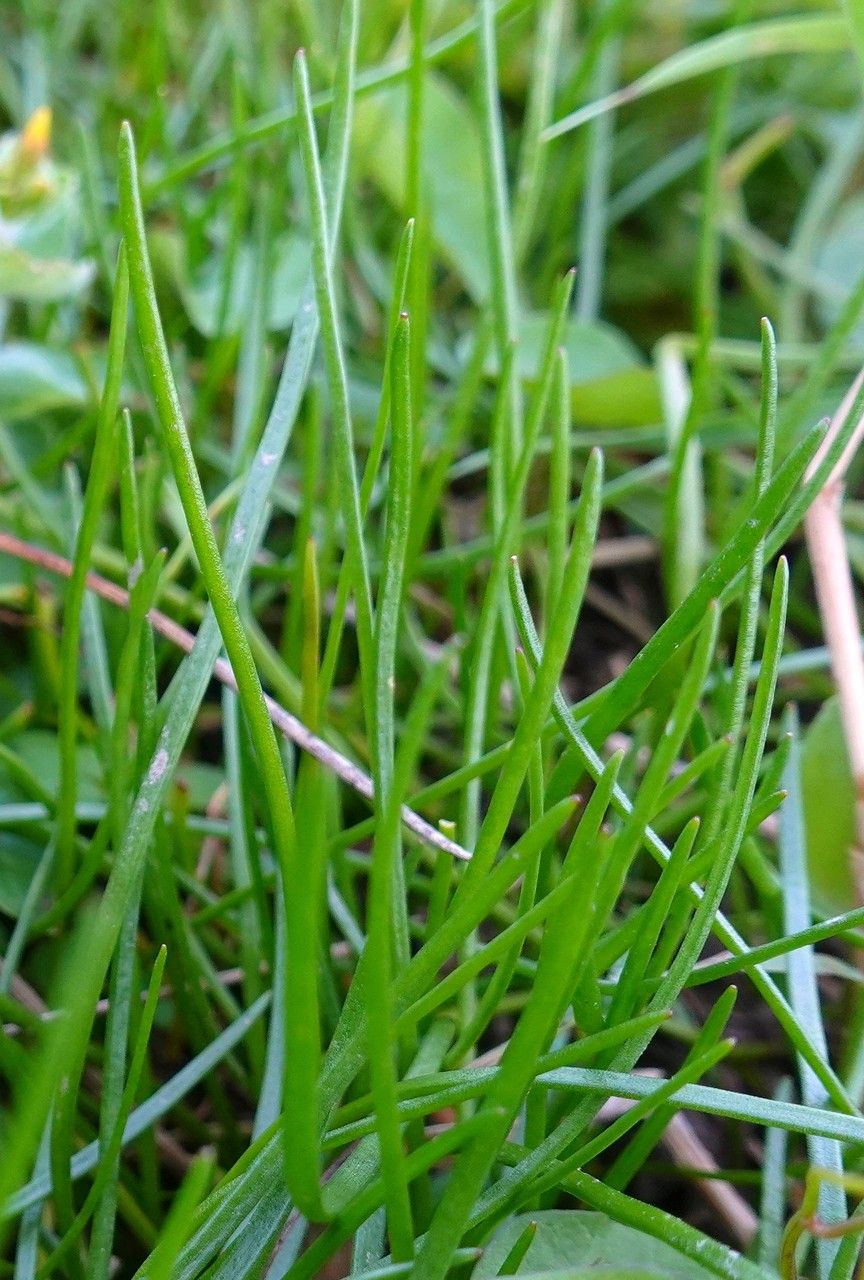
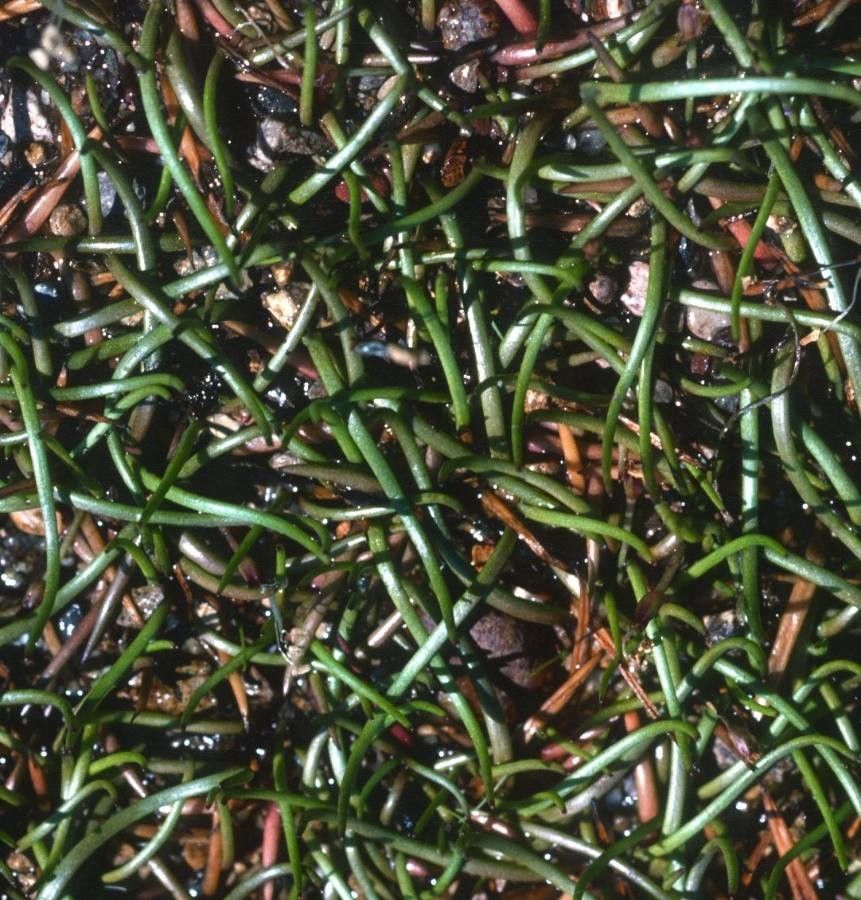
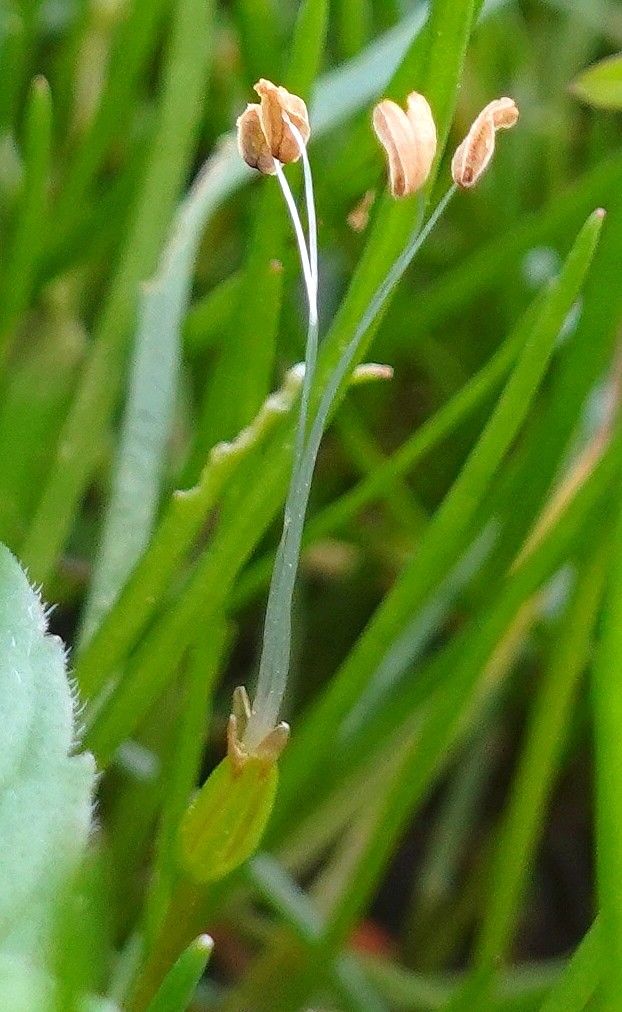
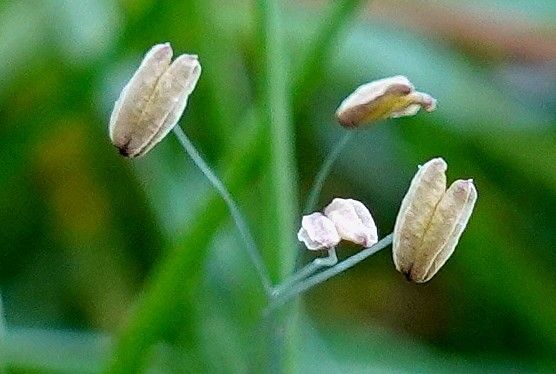
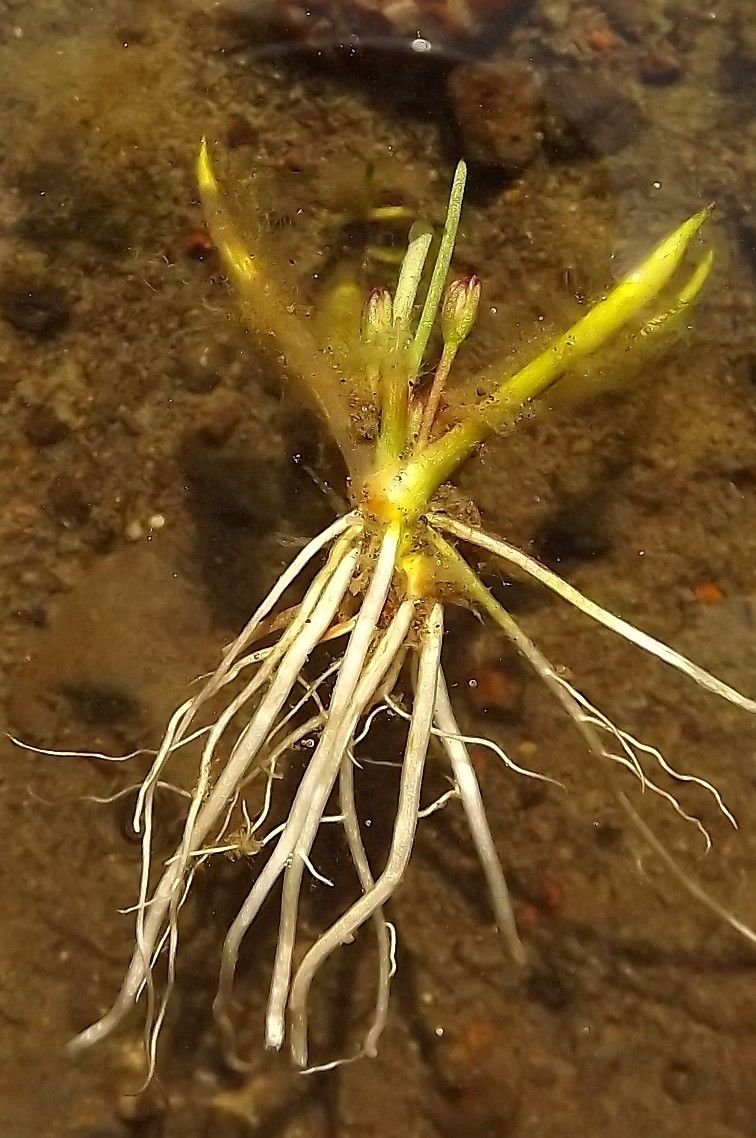
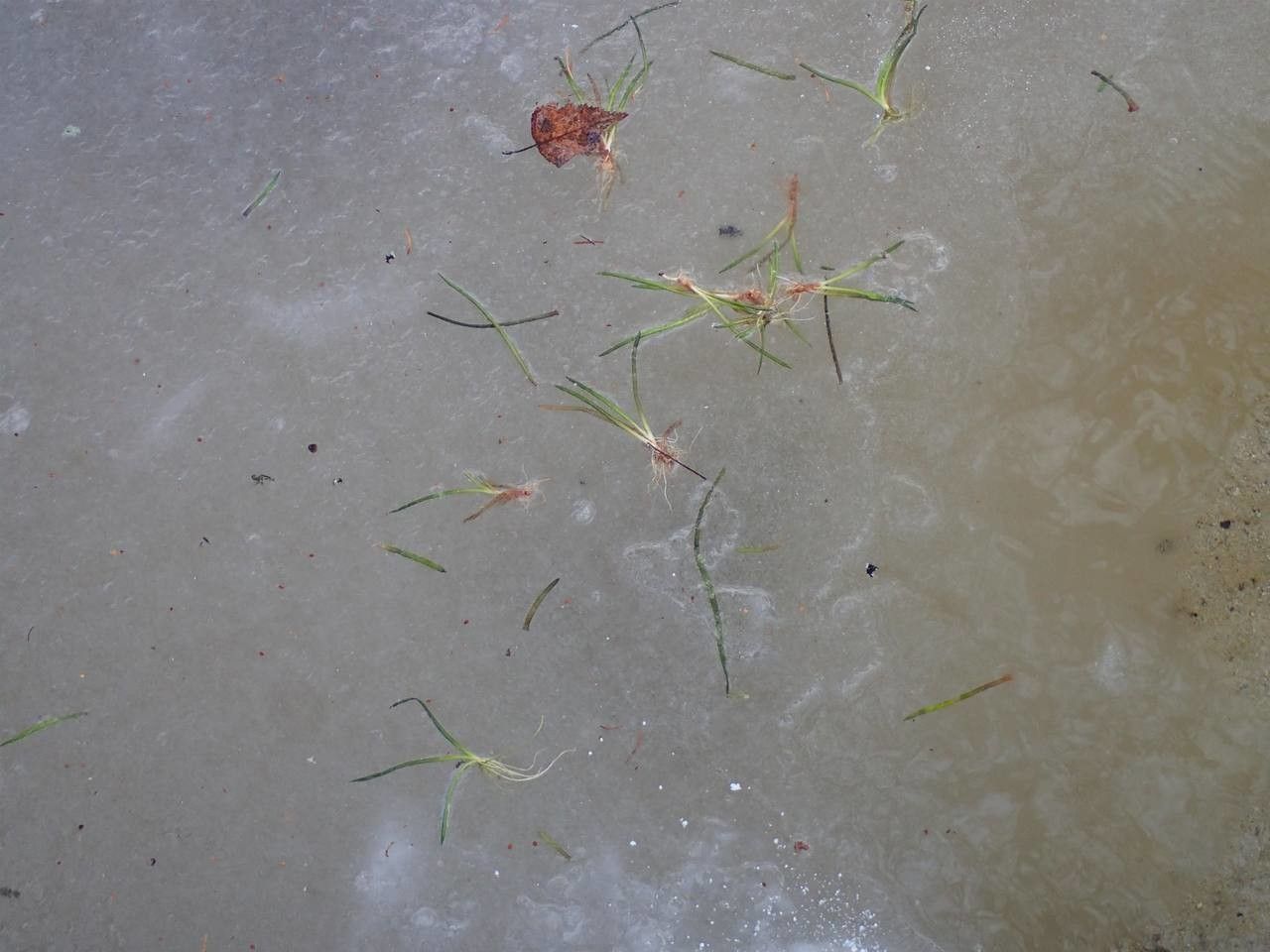
Littorella uniflora, commonly known as shoreweed, is a small aquatic plant native to North America and Europe. It thrives in shallow waters and wetlands, often found in sandy or rocky areas along the shorelines of lakes and ponds. This plant has a unique appearance with long, narrow leaves that grow from a central rosette. The leaves, typically less than an inch long, exhibit a distinctive spiral pattern.
Shoreweed plays an essential role in aquatic ecosystems by providing habitat for small fish and invertebrates. Additionally, it helps stabilize shorelines by reducing erosion caused by waves.
Historically, Native American tribes have used this plant for medicinal purposes, believing it to have healing properties for ailments such as headaches, fever, and stomach issues.
Despite its ecological significance, Littorella uniflora populations have been declining due to habitat loss from human activities like shoreline development and pollution. Conservation efforts are currently underway to protect this unique aquatic plant species from further decline.
American shoreweed shows strong disease resistance and is generally not prone to illnesses. Still, it can be affected by pests and diseases present in its environment; such infections are typically mild. Carewise, the plant has moderate maintenance needs. It should be pruned regularly to keep a tidy appearance and encourage healthy growth, and fertilizing can help boost flowering. This species is well suited for anyone with outdoor space, like a garden or patio, and does not demand extensive care experience. It may need more attention when cultivated indoors.
How to keep Littorella Uniflora.
Light
American shoreweed is a sun-loving, perennial herbaceous plant that originates in open habitats and often grows in meadows and grasslands. It prefers full sun but can also tolerate partial sun.
Temperature
American shoreweed can tolerate a wide spectrum of temperatures, but its range may still be constrained by particular combinations of moisture and heat. It performs best in warm summer conditions with sufficient rainfall or watering. Extended stretches of cloudy, rainy weather and prolonged high temperatures both raise the chance that American shoreweed will die. During winter, shielding the plant from cold improves its likelihood of survival.
Fertilizer
A single application of fertilizer in spring is usually sufficient for American shoreweed, although repeated feedings can maximize growth. Apply fertilizer every month to every month and a half. Fertilization improves the leaves' appearance and function, maintaining even color and a healthy texture. It also encourages root development and nutrient uptake, supporting long-term plant health.
Botanical profile.
- Plant Type
- Herb
- Life Cycle
- Perennial
- Genus
- Littorella
- Family
- Plantaginaceae
- Hardiness Zone
- 5-9
- Mature Height
- 2 cm to 10 cm
- Mature Spread
- 5 cm to 15 cm
- Leaf Color
- Green
- Leaf Type
- Semi-evergreen
- Flower Color
- White, Yellow
- Flower Size
- 0.25 cm to 0.51 cm
- Bloom Time
- Early summer, Mid summer
- Planting Time
- Spring, Autumn
- Harvest Time
- Late summer, Early fall
Other names.