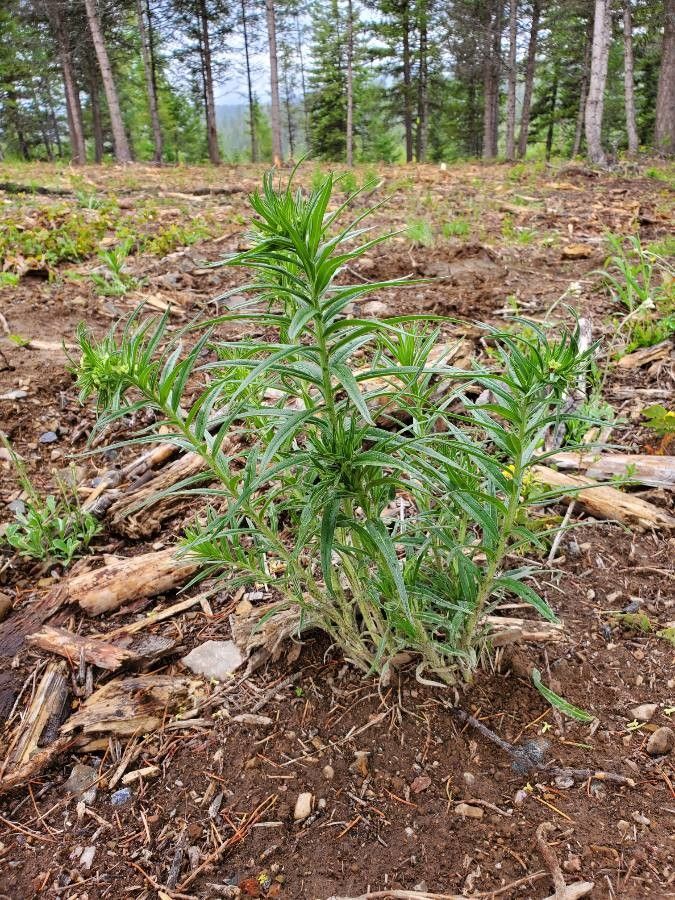
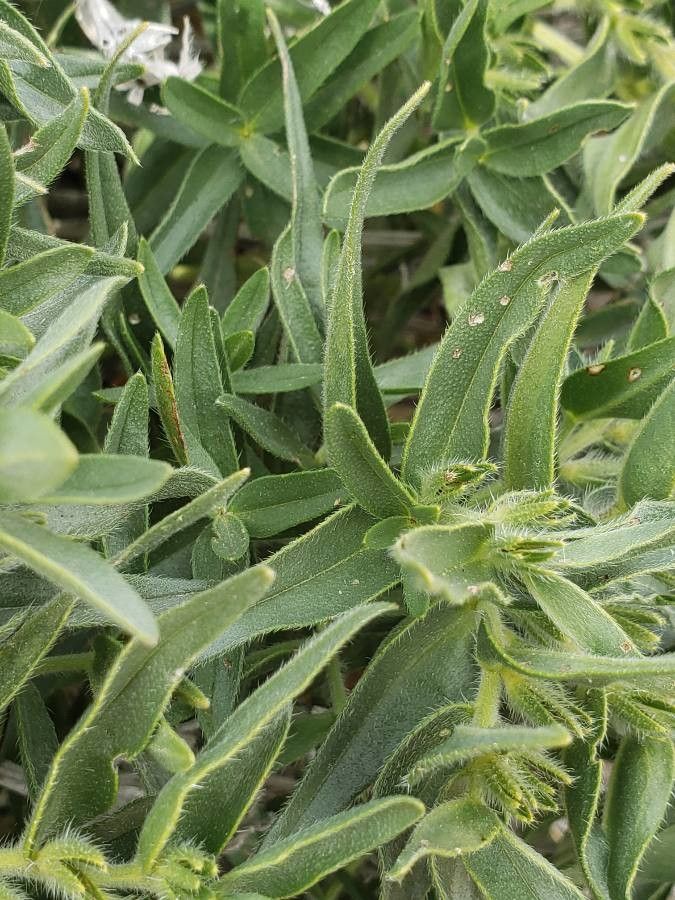
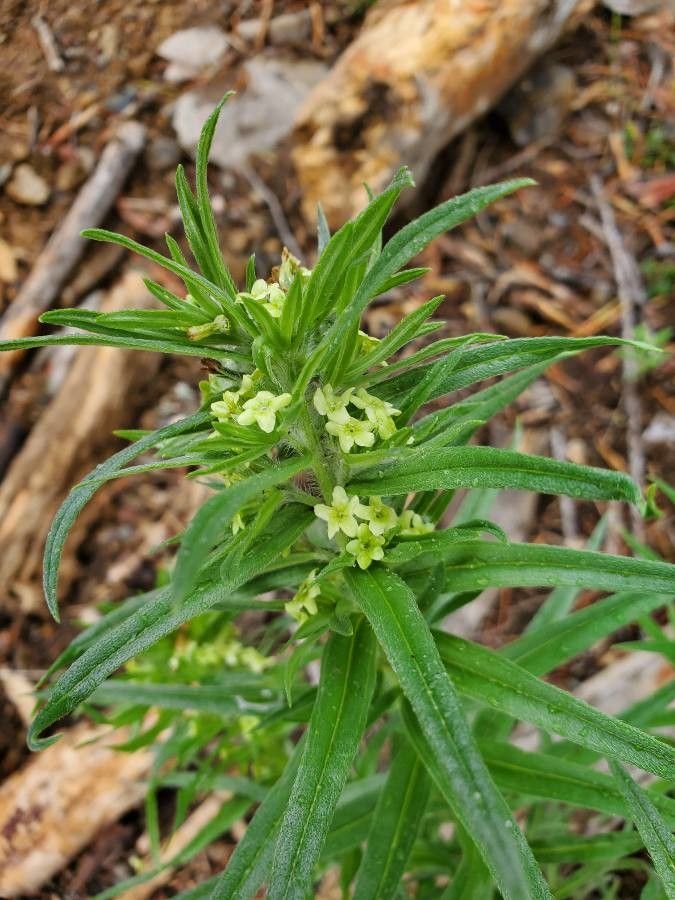
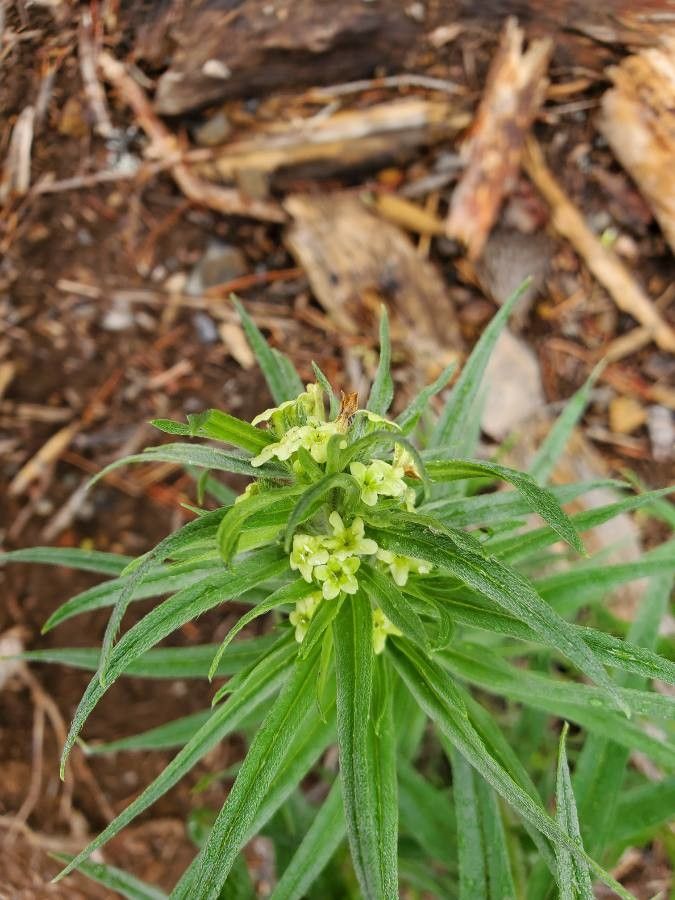
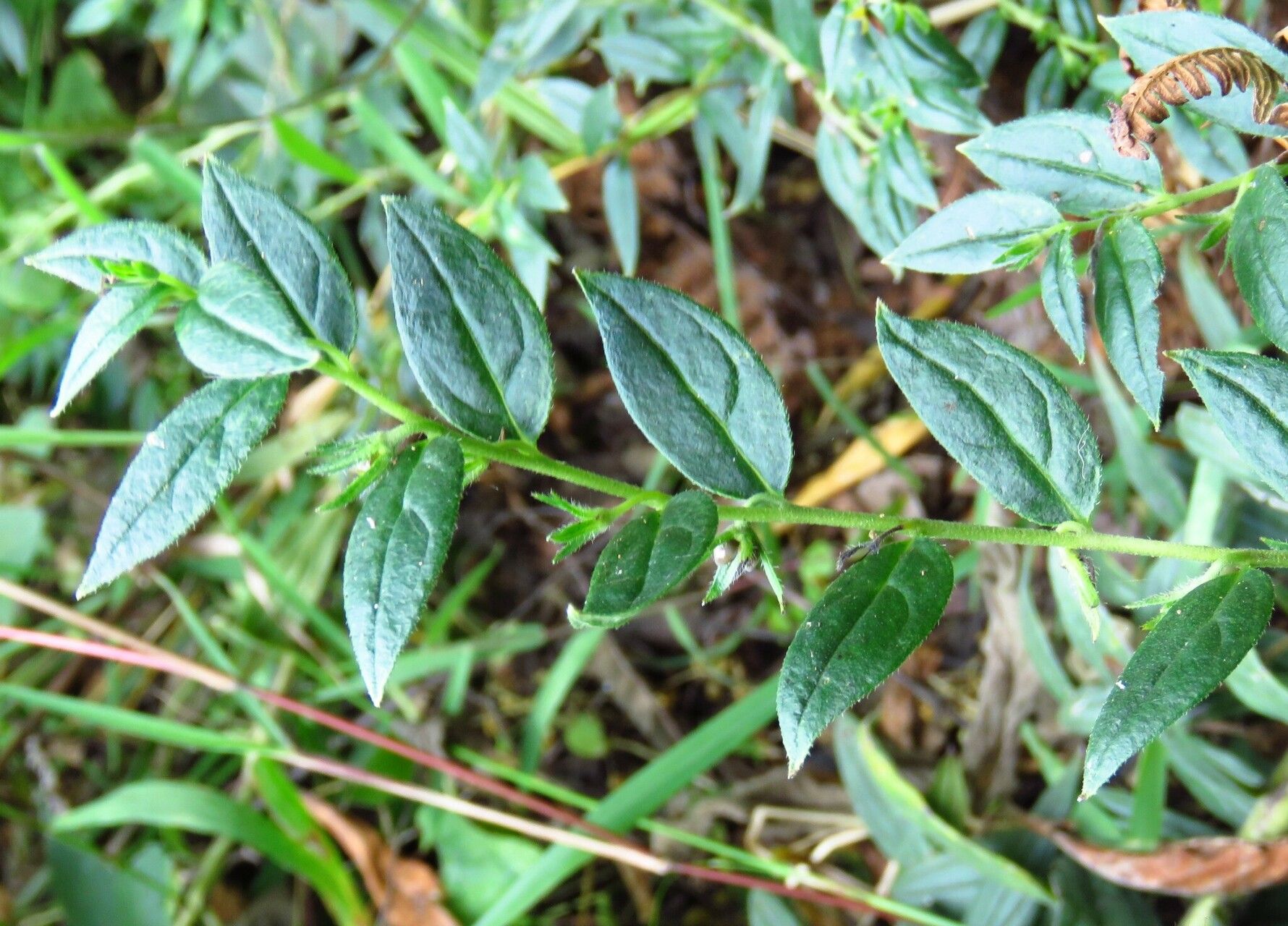
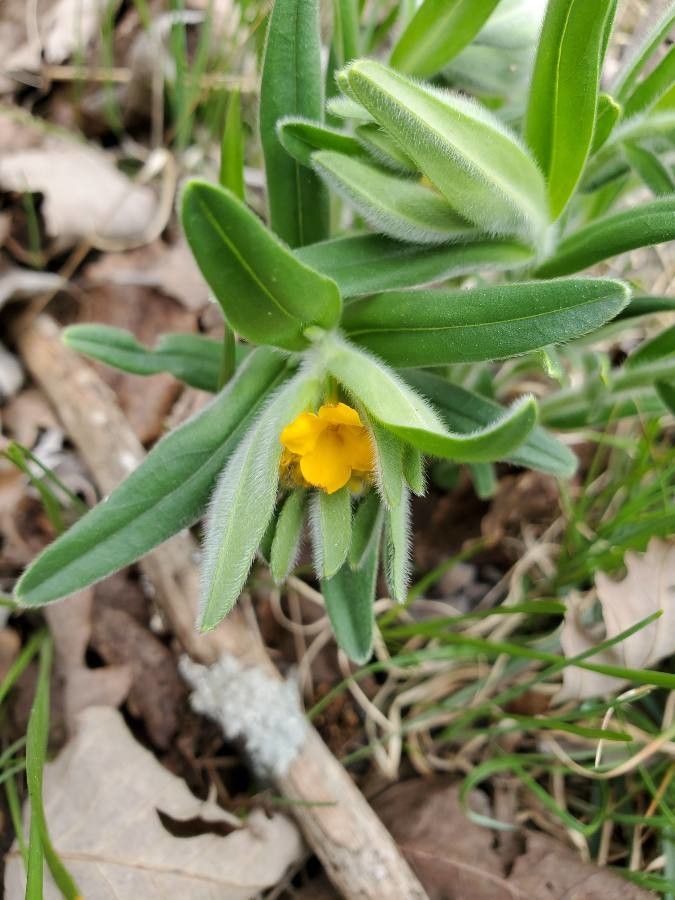
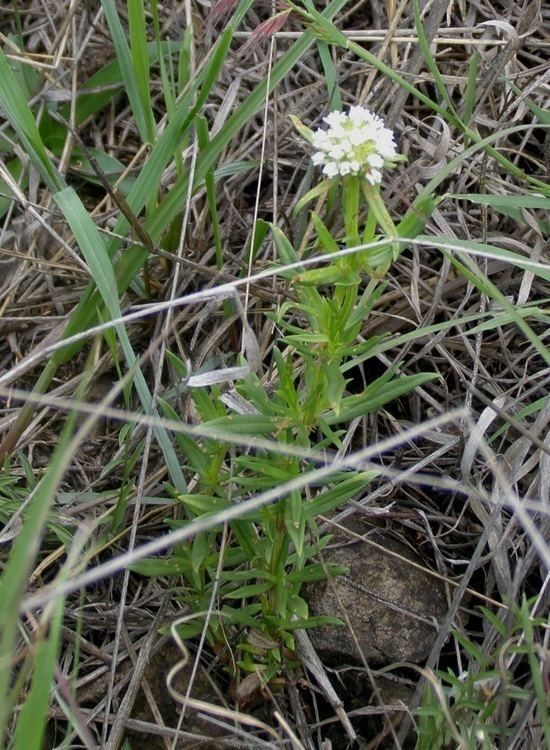
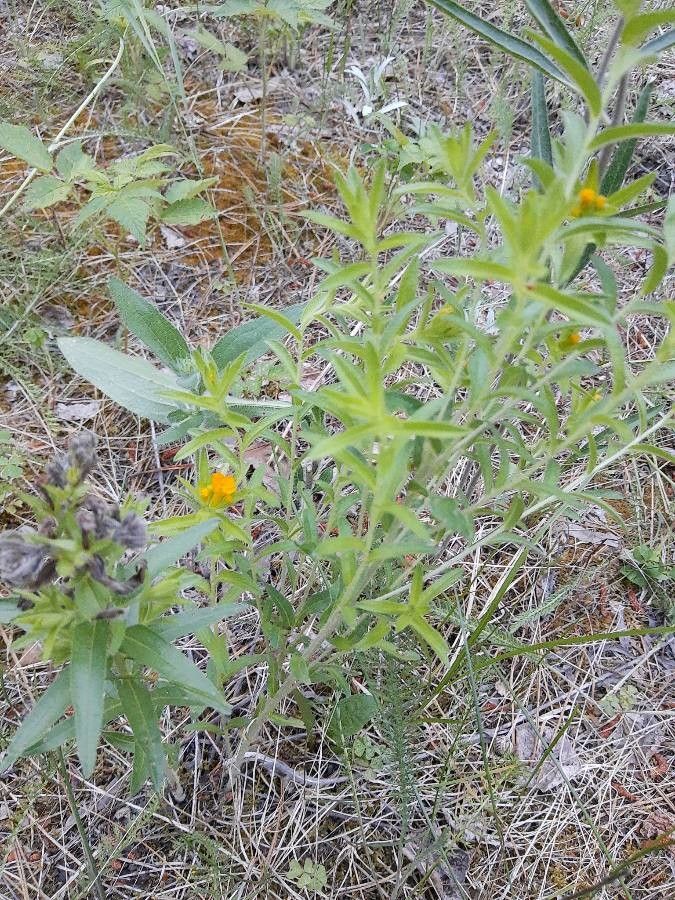
Lithospermum ruderale is a species of flowering plant in the borage family known by the common name western stoneseed or lemonweed. It is native to western Canada and the western United States, where it can be found in many types of habitat. A perennial herb growing from a taproot and woody caudex, it is covered with fine, more or less upright, hairs, especially on the stems. It produces a cluster of erect leafy stems ranging from 20 to 50 centimetres (7+7⁄8 to 19+5⁄8 in) centimeters in height. The stems support lance-shaped leaves ranging from 2.5–10 cm (1–4 in) in length. Bunches of flowers with leaf-like bracts appear toward the top of the stem amongst the leaves. The corolla is fused at the base with five lobes which are light yellow, often slightly greenish, and about a centimeter long and wide. The style is short. The fruit consists of one or two, sometimes four, clustered glossy grey nutlets, 3.5 to 6, sometimes as much as 8 mm long. The plant was used as a contraceptive by several Native American groups, including the Navajo and Shoshone. Studies on mice show the plant reduced their fertility. Plains Indians also used the roots to treat respiratory issues and cooked them as food.
Western stoneseed has strong disease resistance and is usually not prone to illnesses. However, it can be affected by pests and diseases present in its environment. These problems are typically not serious. For care, this plant is of medium maintenance. It requires regular pruning to keep a good appearance and support healthy growth. Fertilizing can also encourage flowering. Western stoneseed is suitable for anyone with outdoor space, such as a garden or patio, and does not need extensive plant-care experience. It may demand more attention if grown indoors.
How to keep Lithospermum Ruderale.
Light
The western stoneseed needs extended exposure to sunlight to develop healthily. Its native habitat is an area with abundant sun, providing ideal conditions for growth. It can tolerate a lack of light, but that situation may hinder its normal flowering and overall vigor.
Water
Western stoneseed thrives in its native arid environment and requires minimal watering—about once a week—to stay healthy. Ideally, it should be grown outdoors, where it can benefit from natural rainfall and well-draining soil that mimics its dry habitat, which enhances its drought tolerance.
Temperature
Western stoneseed originates from areas that favor mild climates and prefers temperatures from 41 to 90 °F (5 to 32 °C). Careful temperature regulation is advised, particularly during the extreme conditions of each season.
Fertilizer
One application of fertilizer in spring is generally enough for Western stoneseed, although repeated feedings can maximize growth. Feed every one to one and a half months. Fertilization improves the leaves' appearance and function, maintaining even color and a healthy texture. It also promotes root development and nutrient uptake for the plant's long-term health.
Pruning
Western stoneseed is characterized by its yellow-green flowers and rough leaves. To keep it healthy and vibrant, it benefits from regular pruning between early and late spring. Remove any dead branches and spent blooms to encourage new growth, but be careful not to over-prune. This practice enhances airflow, reduces the risk of disease, and helps maintain the plant's vigor. For specific care recommendations, consult local horticultural sources.
Botanical profile.
- Plant Type
- Herb
- Life Cycle
- Perennial
- Genus
- Lithospermum
- Family
- Boraginaceae
- Hardiness Zone
- 4-8
- Mature Height
- 20 cm to 52 cm
- Mature Spread
- 30 cm
- Leaf Color
- Green, Dark Green
- Leaf Type
- Semi-evergreen
- Flower Color
- Yellow, Green
- Flower Size
- 2.54 cm
- Bloom Time
- Mid spring, Late spring, Early summer
- Planting Time
- Spring, Summer
- Harvest Time
- Summer
Other names.
Reader questions.
What are the sunlight requirements for Western Stoneseed?
Western Stoneseed requires full sun, which means it needs above 6 hours of sunlight daily for optimal growth. It's crucial to observe the movement of sunlight through your garden to find the ideal balance of light and shade for your plants. This ensures their health and happiness. Western Stoneseed thrives in environments with considerable solar illumination, akin to its natural habitat, which promotes its growth and flowering process. However, it can survive with less sunlight, though this might impede its normal flowering and overall vitality.
What is the native climate preference for Western stoneseed?
The Western stoneseed is native to regions that prefer moderate climates, thriving in temperatures ranging from 41 to 90 °F (5 to 32 °C). It has a strong resistance to cold and does not require special frost protection in most cases. However, special care in temperature adjustment is recommended during the extreme seasons. In particular, to prepare for winter, it's advised to water the plant abundantly before the first freeze, ensuring the soil remains moist which helps prevent drought and water scarcity during the colder months.
How can artificial lighting support plant growth indoors?
Indoor plants, including Western Stoneseed, may require artificial lighting to compensate for insufficient natural sunlight, especially in winter or less sunny spaces. LED lights are a popular option because they can provide the specific wavelengths of light needed by plants. The general guideline suggests that full sun plants need 30-50W/sq ft of artificial light, partial sun plants need 20-30W/sq ft, and full shade plants need 10-20W/sq ft. The light source should be placed 12-36 inches above the plant, mimicking natural sunlight conditions, and most plants will need 8-12 hours of artificial light per day.
How does low temperature affect Western stoneseed, and what are the solutions?
Western stoneseed is cold-tolerant and best kept above 5°C. However, if temperatures drop below -30°C, while immediate noticeable changes may not be evident in winter, the plant may show decreased sprouting or fail to sprout at all come spring. To mitigate this, it's recommended to remove any parts of the plant that have failed to sprout by spring, ensuring the healthier parts can grow unimpeded.
What symptoms indicate light deficiency in plants?
Symptoms of light deficiency in Western Stoneseed and other plants can include small or smaller new leaves, leggy or sparse growth, faster leaf drop, slower or no new growth, lighter-colored new leaves, chlorosis (yellowing leaves due to loss of chlorophyll), sunscald, leaf curling, wilting, and leaf scorching. These symptoms indicate that the plant is not receiving adequate sunlight, which is essential for its process of photosynthesis and overall health.
How does high temperature affect Western stoneseed, and what are the solutions?
Western stoneseed should ideally be kept below 32°C during the summer. Exceeding 35°C can result in the leaves lightening in color, curling, and becoming prone to sunburn; in severe cases, the plant may wilt and dry out entirely. To address this, trim away the sunburned and dried parts of the plant. Moving the plant to a location that offers shade during the midday and afternoon sun or using a shade cloth can help. It's also beneficial to water the plant in the morning and evening to maintain soil moisture.
What solutions can address light deficiency in plants?
To address light deficiency, gradually relocate your plants to sunnier locations, ensuring they receive at least 6 hours of direct sunlight daily. For indoor plants that are large or difficult to move, consider using artificial light, such as keeping a lamp on for at least 8 hours a day or investing in professional grow lights. For outdoor plants, it's essential to avoid sudden changes in light intensity to prevent sunburn. Additionally, you can prune obstruction such as trees to allow more sunlight to reach your plants, or transplant smaller ones during their dormant period to a location with ample sunlight and good drainage. Remember, parts of the plant affected by insufficient sunlight may not recover, but new growth should be healthy after improving light exposure.