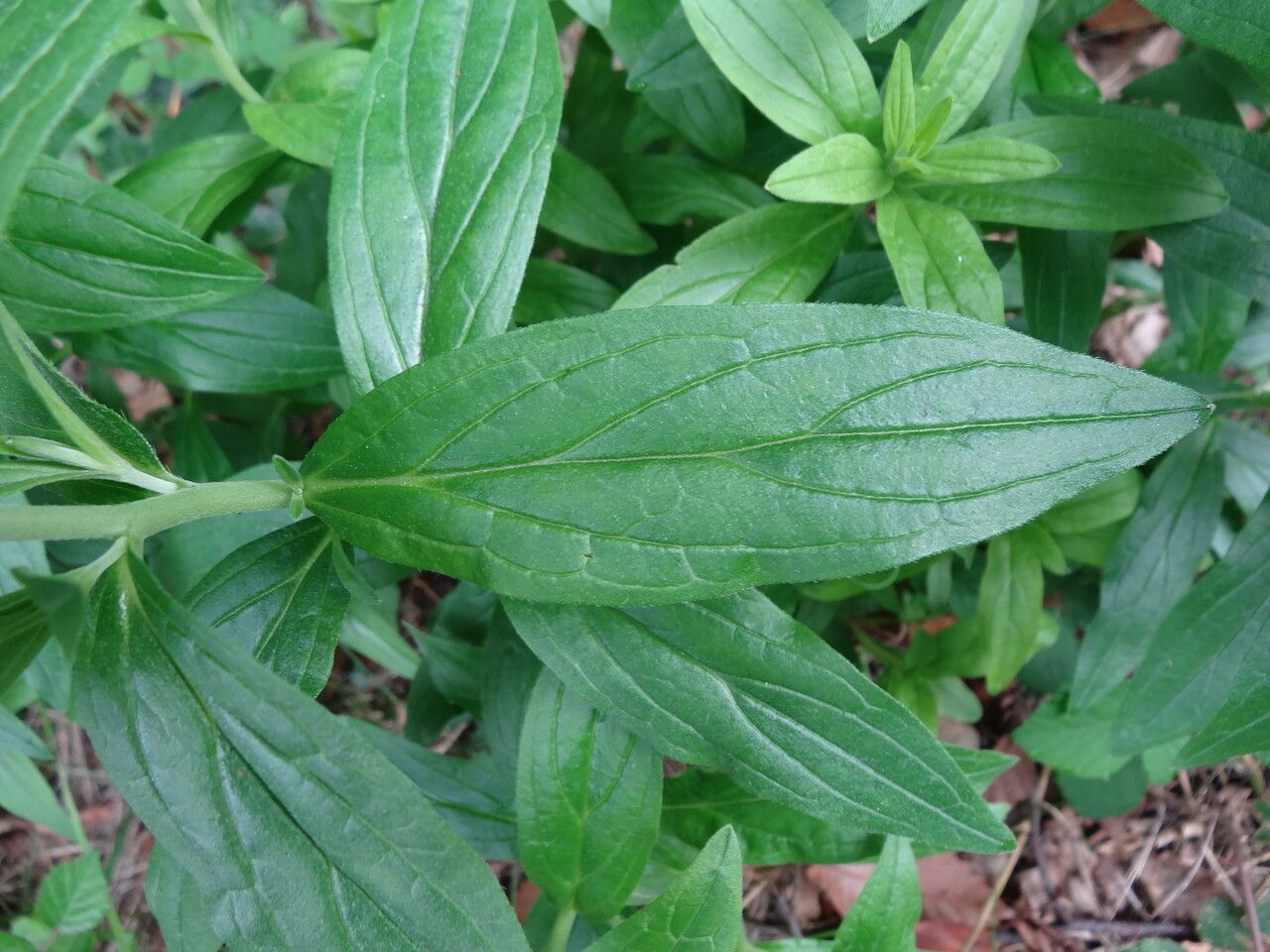
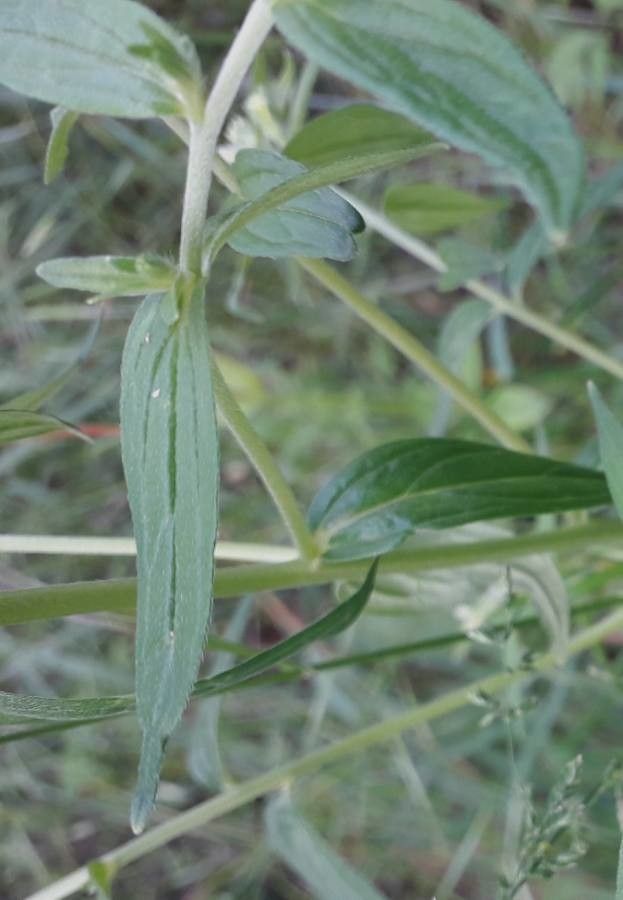
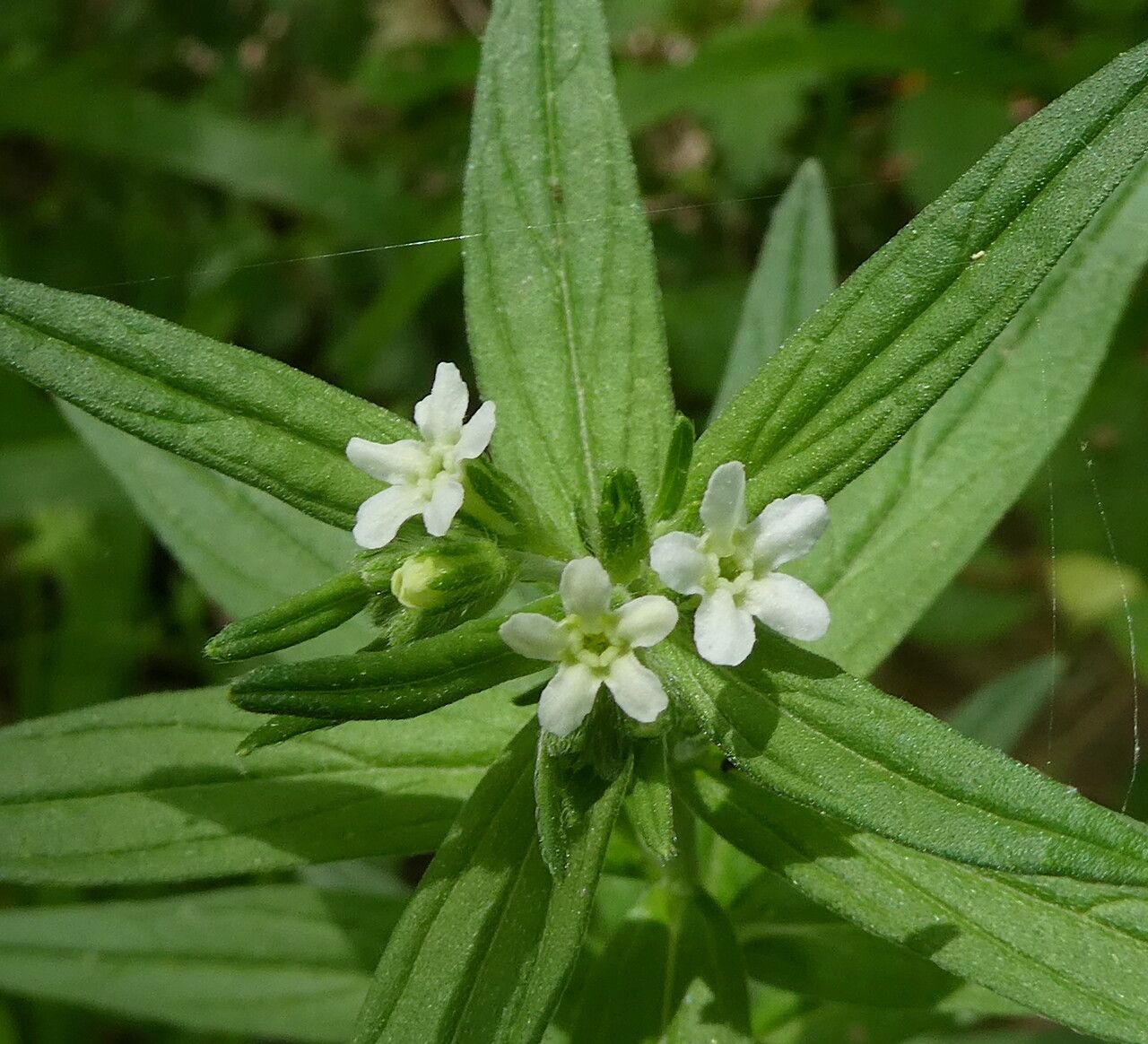
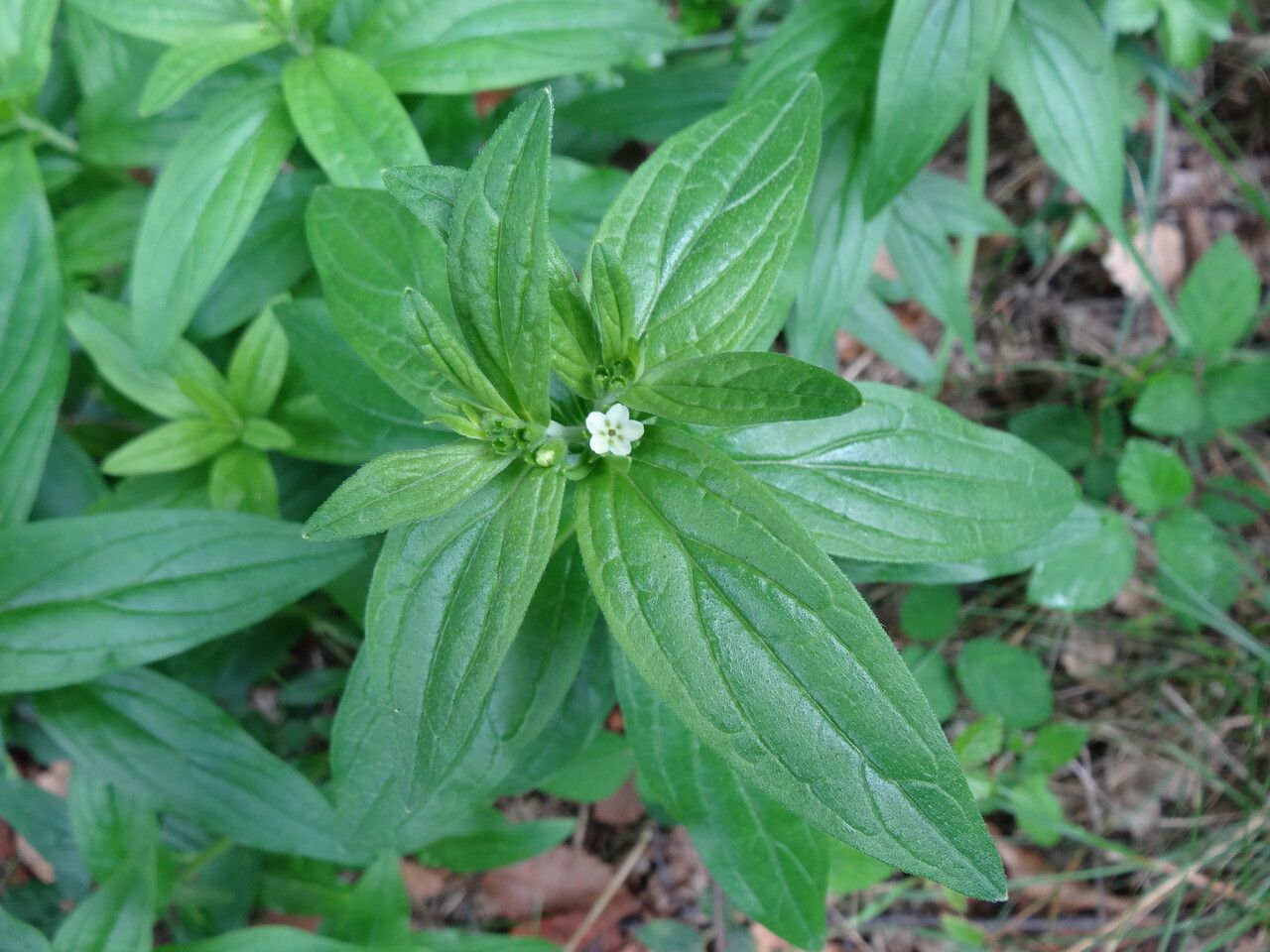
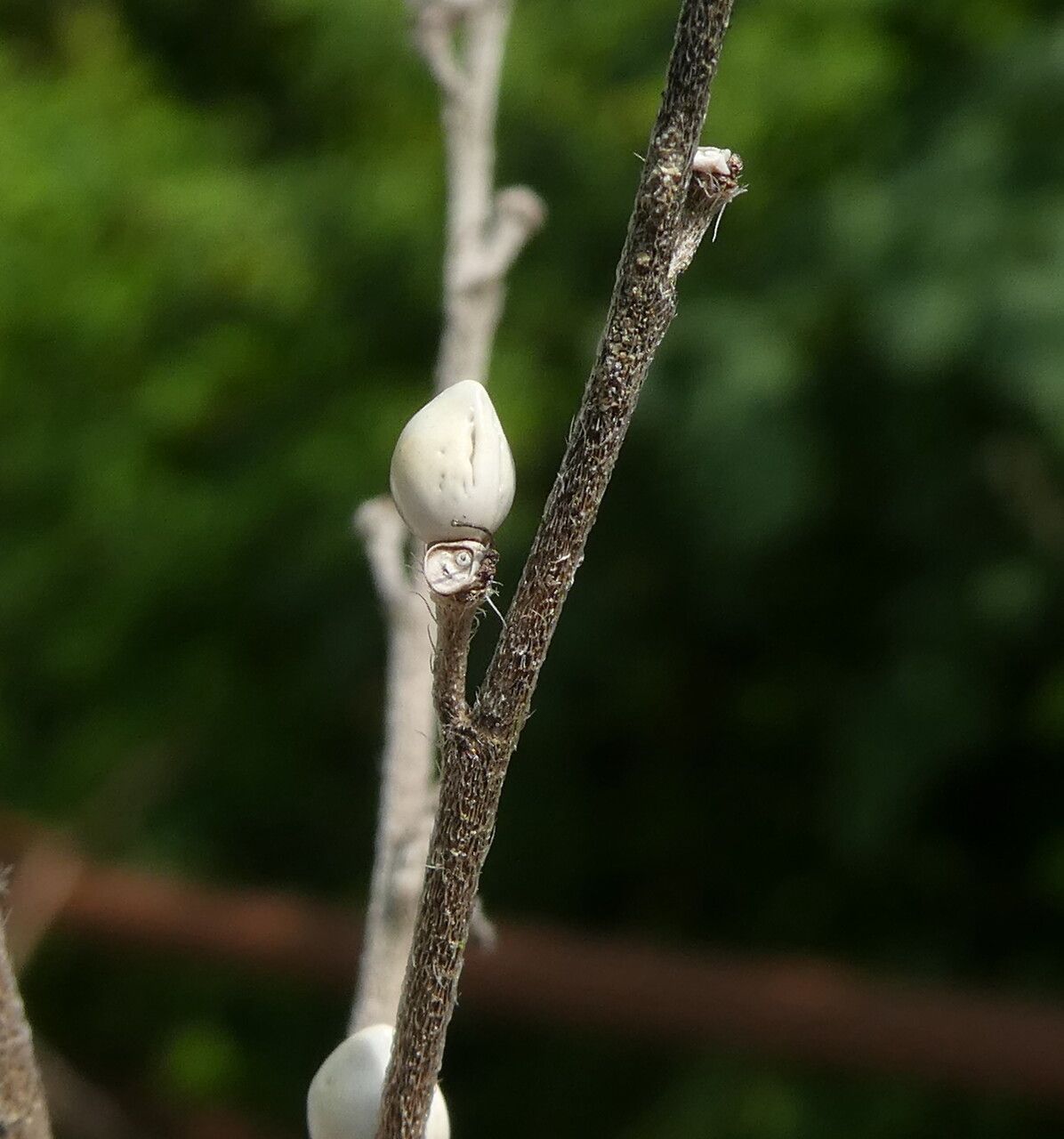
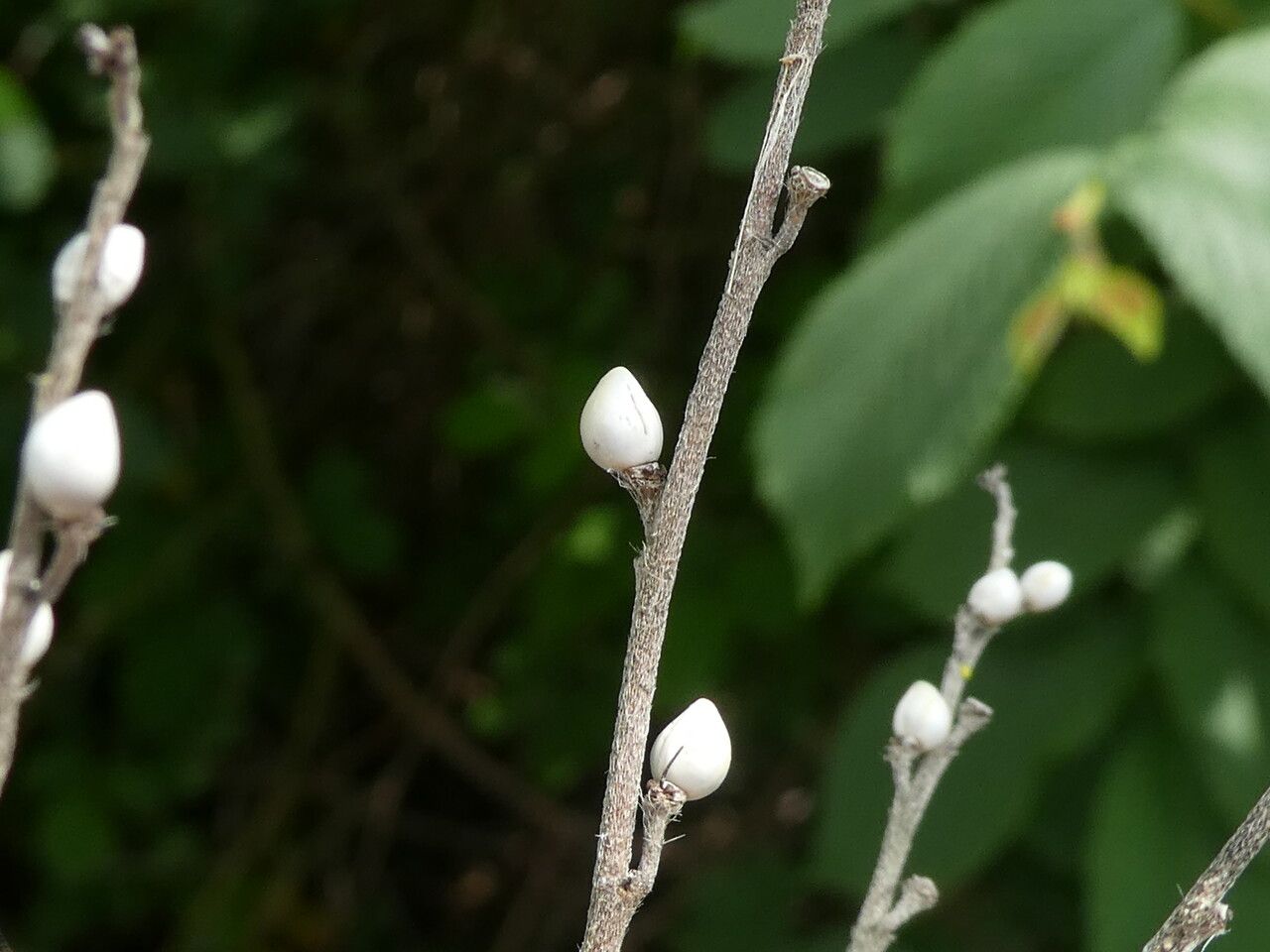
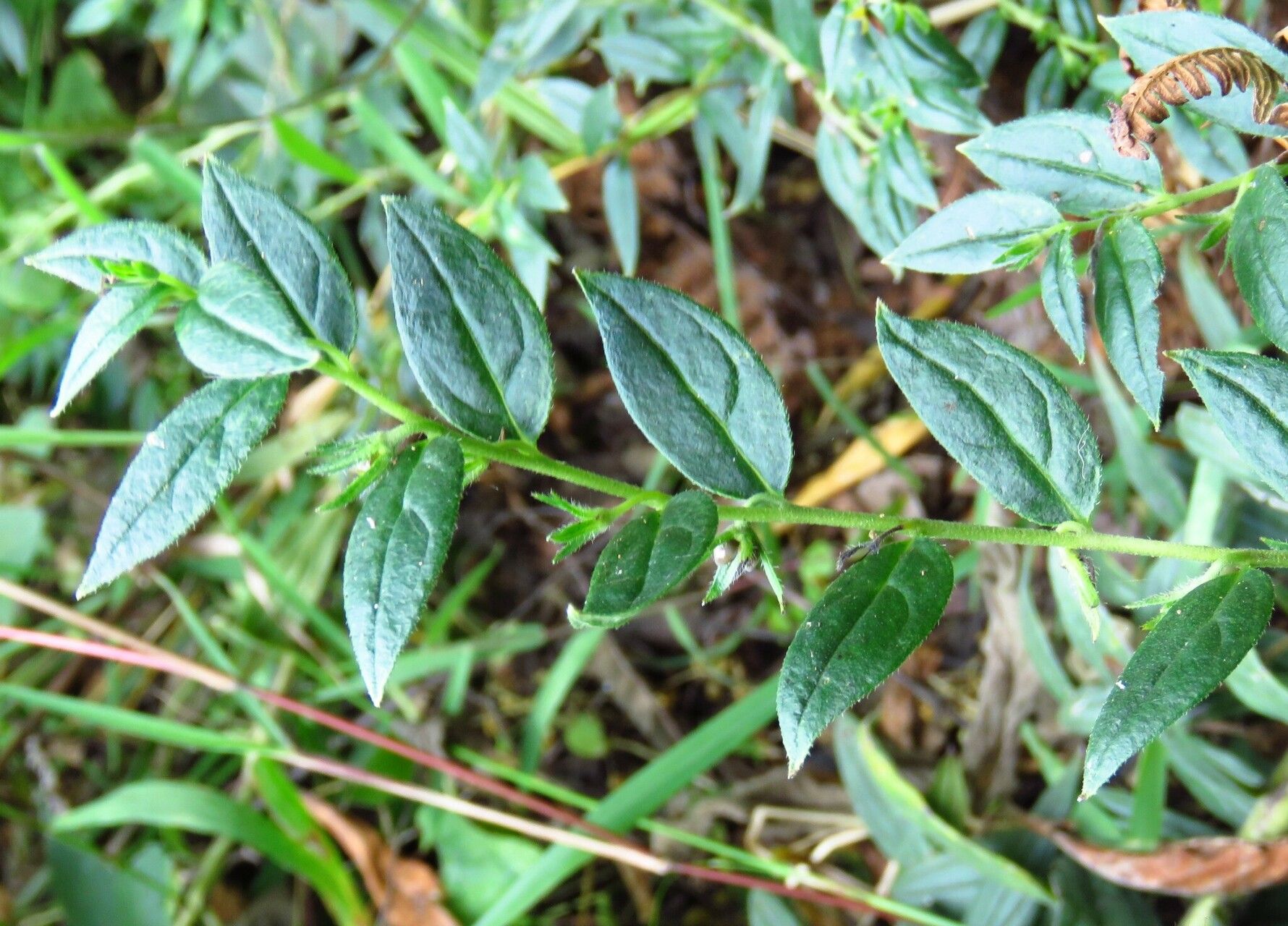
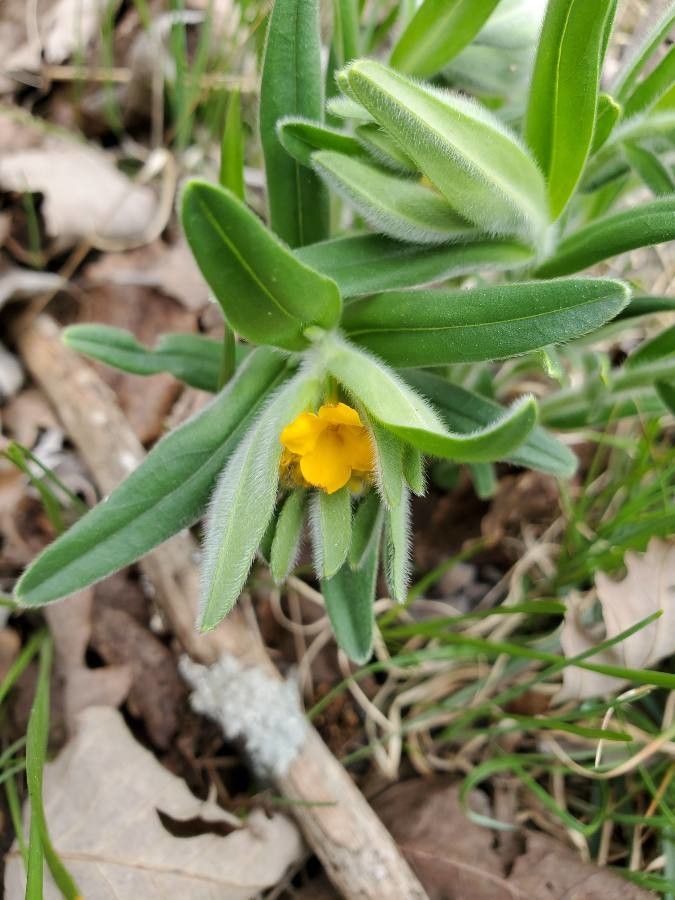
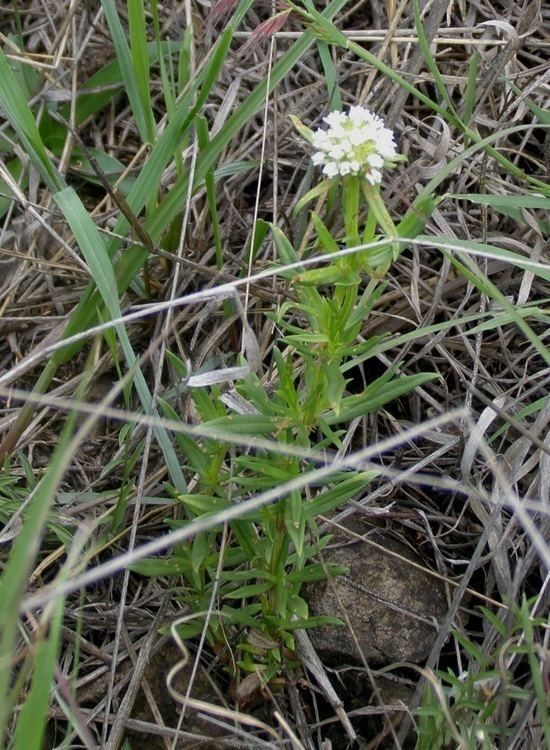
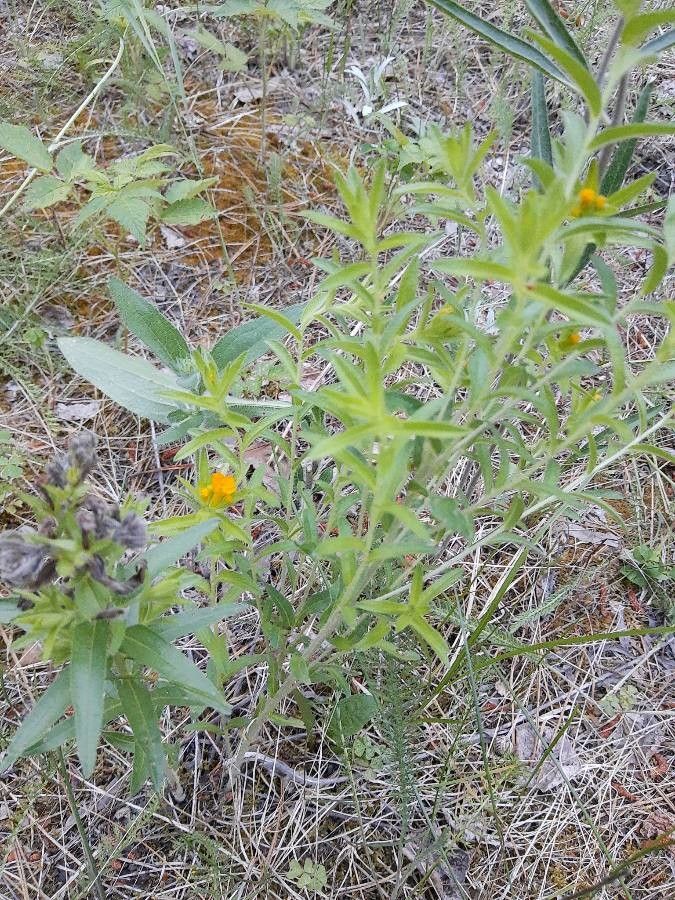
Lithospermum officinale, or common gromwell or European stoneseed, is a flowering plant species in the family Boraginaceae, native to Eurasia. It is the host plant for caterpillars of the monophagous moth Ethmia dodecea.
Gromwell is fairly resistant to disease and generally not prone to illness. Nevertheless, it can be vulnerable to pests and diseases present in its surroundings. Such infections are usually mild. In terms of care, the plant requires moderate maintenance. Regular pruning is needed to maintain a tidy appearance and healthy growth. Fertilizing can also help encourage flowering. Gromwell is appropriate for anyone with an outdoor area, such as a garden or patio, and does not demand extensive care experience. It may need more attention when grown indoors.
How to keep Lithospermum Officinale.
Light
The gromwell thrives in strong sunlight, though it also tolerates partial shade. Growing in sunny areas promotes its best development in well-lit conditions. A lack of light or excessive exposure can impede its vigorous growth, leading to reduced vigor or potential sunscorch.
Water
Gromwell grows best in well-drained soils and needs moderate moisture to thrive. For optimal growth, it should be watered weekly to replicate its natural environment. When grown indoors, gromwell requires consistent moisture, but it's important to avoid waterlogging. This makes it perfect for container cultivation, as it helps prevent root rot.
Humidity
This plant will thrive in moderate humidity, which is probably the level in your home. However, misting it a few times a week can be very beneficial. Make sure the room has good ventilation.
Temperature
Gromwell is a plant that grows best in locations with temperatures between 41 and 95 °F (5 and 35 ℃). Native to temperate regions, it needs cooler winter temperatures to trigger dormancy and warmer temperatures in spring and summer to encourage vigorous growth.
Fertilizer
One application of fertilizer in spring is typically adequate for Gromwell, although several feedings can maximize its growth. Fertilize every month to every month and a half. Feeding improves the leaves' appearance and function, helping maintain even color and a healthy texture. It also promotes root development and nutrient uptake, supporting the plant's long-term health.
Pruning
Gromwell is known for its hard, white fruits and lance-shaped leaves. Pruning should be done from early to late spring and involves removing dead wood and thinning branches to improve air circulation and light penetration. It's essential to sterilize your tools to prevent disease, which promotes healthier growth and enhances flowering.
Botanical profile.
- Plant Type
- Herb
- Life Cycle
- Perennial
- Genus
- Lithospermum
- Family
- Boraginaceae
- Hardiness Zone
- 5-9
- Mature Height
- 76 cm
- Mature Spread
- 20 cm to 40 cm
- Leaf Color
- Green
- Leaf Type
- Deciduous
- Flower Color
- White
- Flower Size
- 0.76 cm
- Bloom Time
- Late spring, Early summer, Mid summer
- Planting Time
- Spring, Summer
- Harvest Time
- Late summer, Early fall, Mid fall
- Native Area
- Turkey, Sweden, India, Austria, Slovakia, Montenegro, Pakistan, Slovenia, Croatia, Belarus, Uzbekistan, Russia, Iraq, Germany, Estonia, Romania, Latvia, Belgium, Portugal, Nepal, Netherlands, France, Tajikistan, Czech Republic, Bulgaria, Armenia, Poland, Greece, Ukraine, Serbia, Lebanon, Lithuania, Norway, China, Afghanistan, Kyrgyzstan, Kazakhstan, Italy, Spain, Switzerland, Denmark, Finland, Bhutan, Iran, Albania, Ireland, United Kingdom, Hungary, Azerbaijan, Turkmenistan
Other names.
Reader questions.
How should I water my Gromwell plant?
To properly water the Gromwell, it's best to use filtered water that is at room temperature. Tap water may contain harmful particles, so filtered water is safer. The Gromwell prefers warm environments, so avoid using cold water as it can shock the plant. Additionally, overhead watering should be avoided to prevent issues with the foliage. Instead, gently pour the filtered room temperature water onto the soil until it is completely soaked. This helps moisten the roots and allows them to spread and absorb nutrients from the soil effectively.
Why do I have to put fertilizer on my Gromwell plant?
The main structure of the Gromwell is comprised of its leaves. Fertilization is crucial for maintaining the appearance and function of these leaves. Proper fertilization ensures consistent color and a healthy texture in the leaves. Additionally, fertilization helps the Gromwell develop new roots and maintain existing ones beneath the soil's surface. This not only promotes current plant health but also improves the plant's ability to absorb nutrients from the soil in the future.
What are the sunlight requirements for Gromwell?
Gromwell requires full sun exposure of above 6 hours of sunlight daily for optimal growth but can also adapt to partial sun conditions with about 3-6 hours of sunlight. It's essential to observe how sunlight moves through your garden to find the perfect balance of light and shade for your plants. This ensures they thrive in their environment.
What are the ideal temperature conditions for growing Gromwell?
Gromwell, botanically known as Lithospermum officinale, is a plant that grows best in temperate regions, requiring temperatures between 41 to 95°F (5 to 35°C) to thrive. It possesses strong cold resistance, making special frost protection measures unnecessary in most cases. However, during winter, it's crucial to ensure that the plant is protected if temperatures are expected to drop below -25°C. One way to protect Gromwell during extreme cold is by covering it with soil or straw. Additionally, watering the plant abundantly before the first freeze of autumn helps maintain soil moisture, preventing drought and ensuring the plant remains hydrated during winter and early spring.
How frequently should I pour water on my Gromwell?
If your Gromwell plant is in a pot, the most precise way to determine if it needs water is by checking the moisture level in the soil. Simply stick your finger into the soil and if the top two to three inches are dry, it's time to water. If you have your Gromwell planted outdoors in the ground, you can use a similar method to test the soil. When the top few inches of soil are dry, it's a sign that watering is needed. Depending on the season, watering once every week is typically sufficient during spring and early fall. However, during extremely hot weather, you may need to water twice or more per week. It's worth noting that mature and well-established Gromwell plants have the ability to withstand drought.
When should I fertilize my Gromwell plant for maximum growth?
If you grow your Gromwell outdoors, it will send out new growth in early spring, indicating that it's time to fertilize. Typically, one application of fertilizer is sufficient for a Gromwell to thrive in the spring. However, if you want to maximize its growth, you can fertilize it multiple times during the spring and early summer. In this case, feeding the Gromwell every month to a month and a half is recommended.
How does insufficient or excessive sunlight affect Gromwell?
Gromwell flourishes best under robust solar illumination and can adapt well to partial luminosity. Optimal growth is seen in regions of abundant sunshine, where the plant can enjoy well-lit environments. Both the scarcity and overabundance of light can negatively impact the plant, leading to suppressed vitality, possible sunscorch, or hindered vigorous development.
How does Gromwell react to low temperatures, and what are the recommended solutions?
Gromwell is cold-tolerant and generally thrives best when the temperature remains above 5°C. During the winter months, it's important to ensure that temperatures stay above -20°C. If temperatures fall below -25°C, the plant may not exhibit immediate visible changes, but there could be a noticeable decrease in sprouting, or in some cases, no sprouting at all come spring. To manage this, any parts of the plant that have failed to sprout by spring should be removed to encourage new growth and preserve the plant's health.
How much water does my Gromwell plant need?
When it's time to water your Gromwell, don't be shy with the amount of water you give. Make sure the first two to three inches of soil are dry before watering. It's best to give the plant a good, deep watering so that the soil is completely soaked. You should add enough water for it to flow out of the drainage holes at the bottom of the pot. If you don't see excess water draining, you may not have given enough water. However, be careful not to let water accumulate inside the soil, as this can be harmful to the plant. Conversely, if water isn't draining through the pot, it may indicate poorly draining soil, which is bad for the plant's health. If the Gromwell is outside, one inch of rain per week is enough.
When is not a good time to fertilize my Gromwell?
During late fall and winter, your Gromwell enters a dormant phase, meaning it stops growing. So, you shouldn't fertilize it during this time. When spring and summer come, you can fertilize your Gromwell multiple times, but as summer gets closer, you should reduce the amount of fertilizer you use because the growth rate of your Gromwell also slows down. Remember, it's never a good idea to fertilize your Gromwell when the weather is unusually hot or the soil is extremely dry. Fertilizing in those conditions can stress your Gromwell and cause it to die sooner.
Can artificial lighting be used for Gromwell, and how?
Yes, artificial lighting can support Gromwell's growth, especially indoor, when natural sunlight is insufficient. This is relevant during winter or in less sunny spaces. LED lights are preferred for their capability to provide specific wavelengths needed for the plant. Full sun plants require 30-50W/sq ft, partial sun plants 20-30W/sq ft, and full shade plants 10-20W/sq ft of artificial light. The light source should be placed 12-36 inches above the plant to mimic natural sunlight and left on for 8-12 hours per day to ensure optimal growth.
How should Gromwell be cared for during high temperatures?
Gromwell should ideally be kept in conditions below 35°C during the summer. If temperatures soar above 38°C, the plant may show signs of stress, such as leaves becoming lighter, curling at the edges, becoming prone to sunburn, or in severe cases, the plant may wilt and dry out entirely. To mitigate these effects, sunburned and dried-up parts of the plant should be trimmed away promptly. Moving the plant to a shaded location, especially away from the harsh midday and afternoon sun, or utilizing a shade cloth can provide necessary protection. Additionally, watering the plant during the cooler morning and evening hours helps keep the soil at an optimal moisture level.