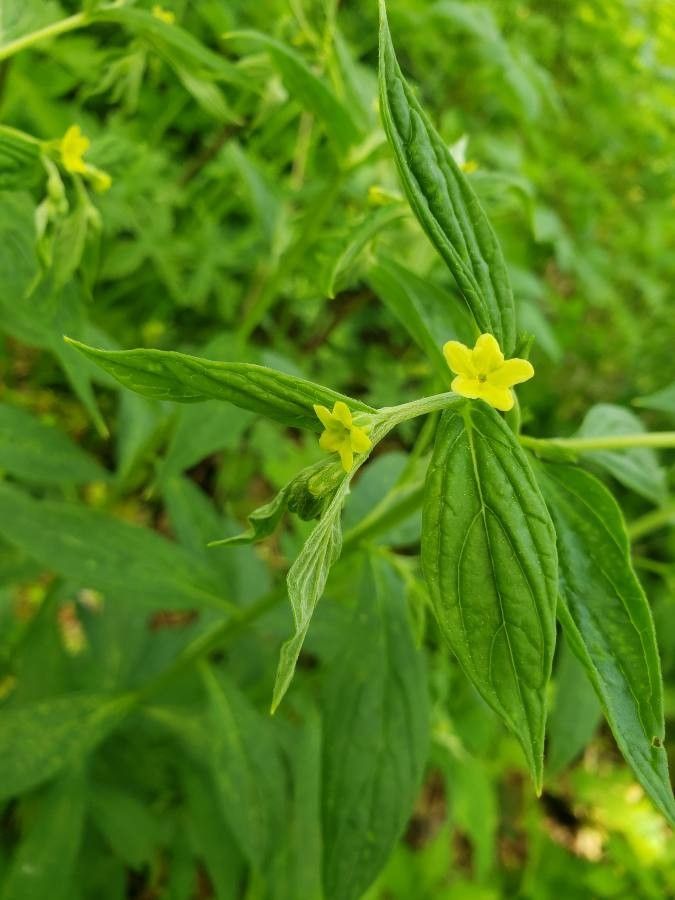
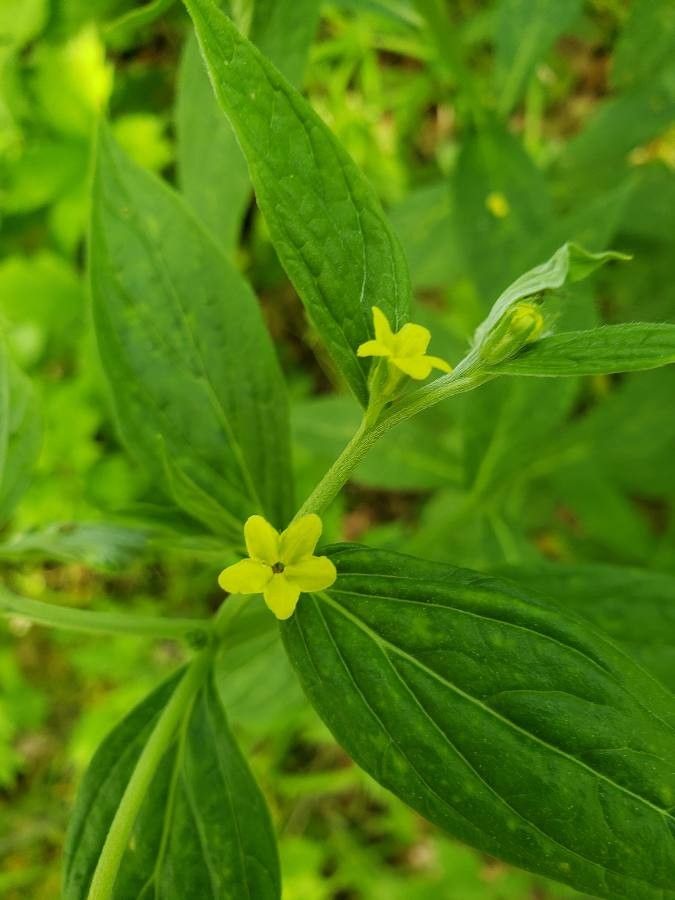
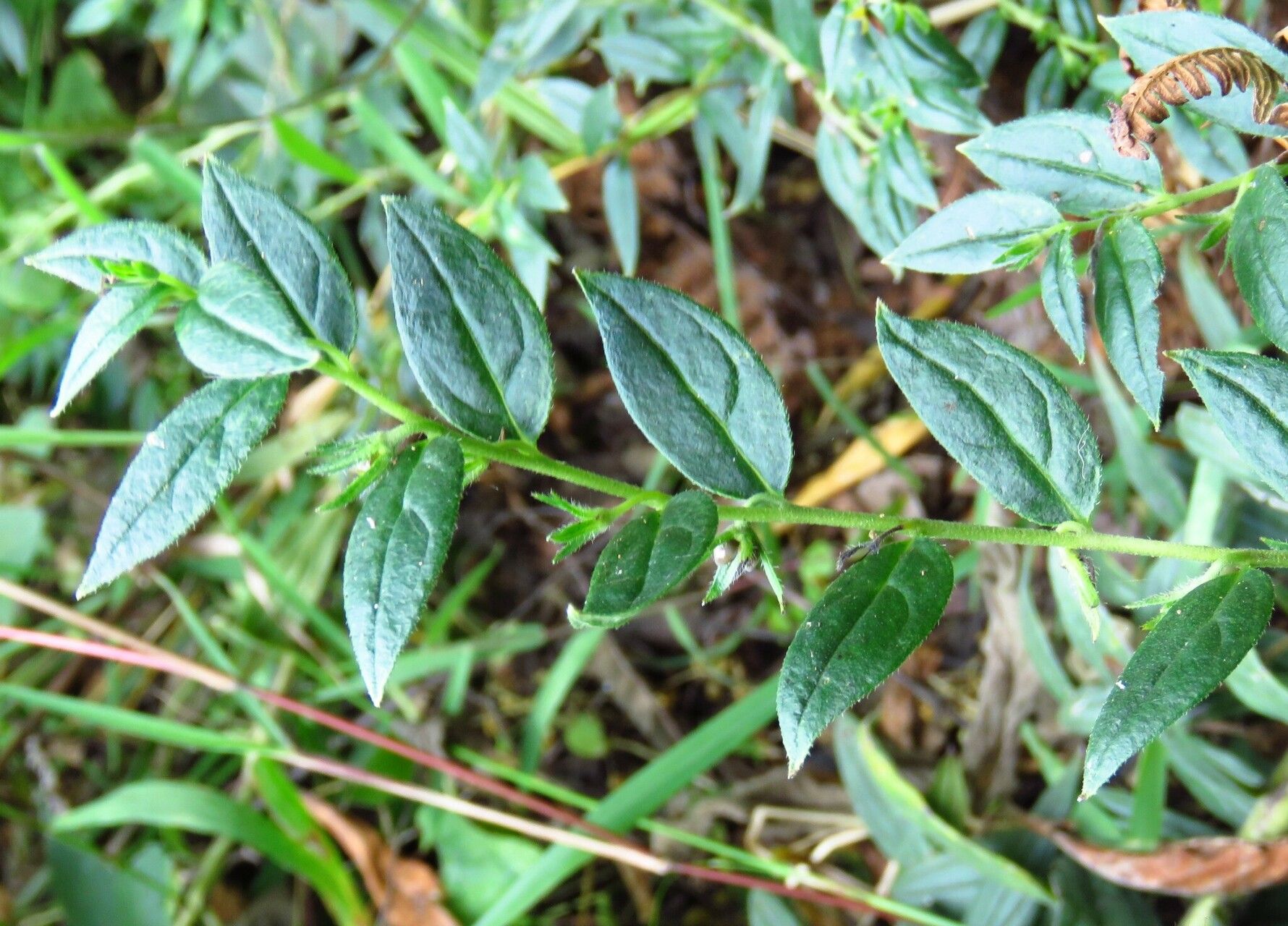
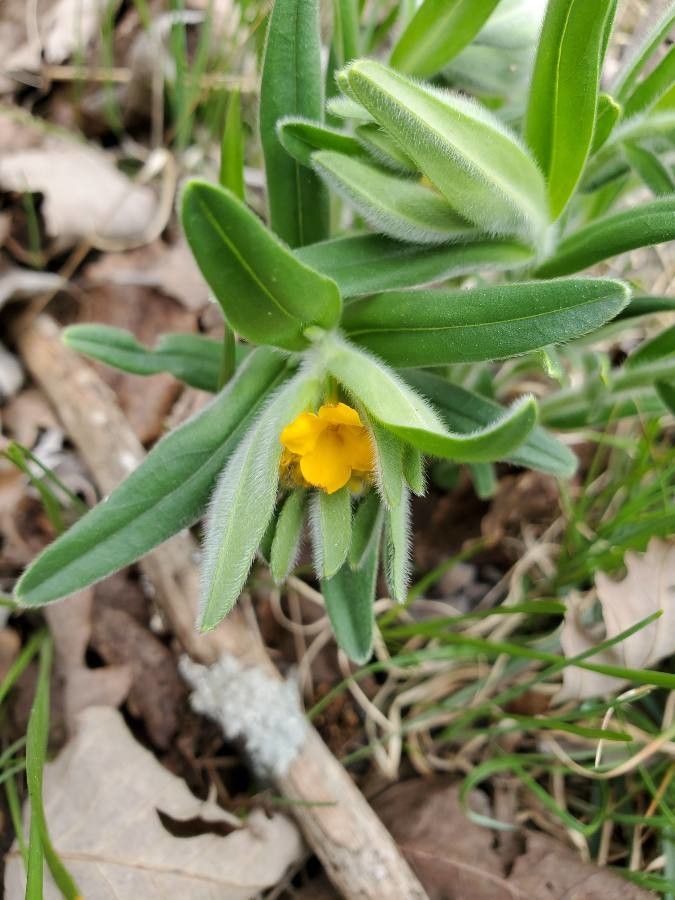
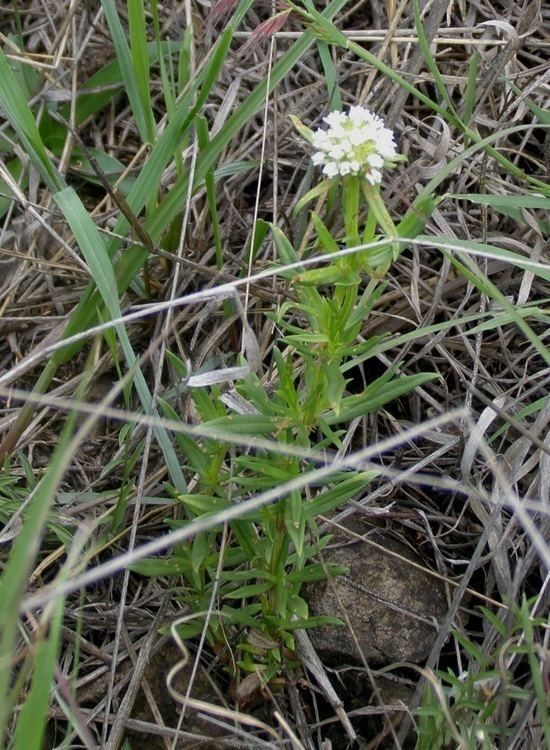
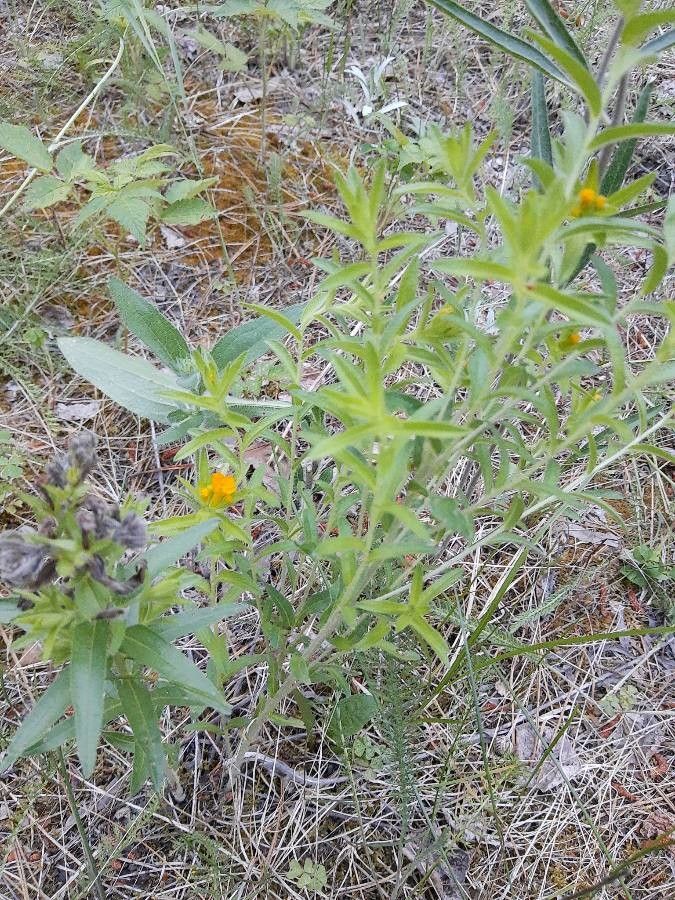
Lithospermum latifolium is a species of flowering plant in the borage family known by the common names American gromwell and American stoneseed. Its native range is centered in the Midwestern United States, where it is found in calcareous forests. It is a hairy, tall perennial herb that produces small yellow flowers in late spring.Lithospermum latifolium is a conservative species that is uncommon throughout its range. It is generally restricted to areas of high quality native vegetation.
American stoneseed shows strong resistance to disease and is typically not vulnerable to illnesses. Still, it can be affected by pests and diseases found in its environment. When infections do occur, they are generally mild. Regarding maintenance, this plant is moderately demanding. It should be pruned on a regular basis to preserve its appearance and encourage healthy growth. Applying fertilizer can also support blooming. American stoneseed is a good choice for anyone with outdoor areas like a garden or patio and does not demand extensive gardening experience. If cultivated indoors, it may need more attention.
How to keep Lithospermum Latifolium.
Light
American stoneseed is a sun-loving perennial herb that is native to open habitats, frequently occurring in meadows and grasslands. It prefers full sun but can also tolerate partial sunlight.
Water
American stoneseed, a plant native to temperate regions, thrives best in soil that remains consistently moist but not waterlogged. For optimal growth, especially as a perennial species, it should be watered weekly. When grown outdoors, it benefits from natural rainfall, which supports its robust development.
Temperature
American stoneseed naturally occurs in habitats where temperatures range from 41 to 95°F (5 to 35°C). Preferring moderate conditions, it adapts to seasonal shifts and thrives within those limits. Seasonal temperature variations should be regulated to replicate these conditions.
Fertilizer
One fertilizer application in spring is generally enough for American stoneseed, though repeated feedings can maximize growth. Apply about once every one to one-and-a-half months. Fertilizing improves the appearance and function of the leaves, helping maintain even color and a healthy texture. It also promotes root development and nutrient uptake, supporting the plant’s long-term health.
Pruning
American stoneseed flourishes in well-drained soils, with its broad leaves and striking flowers. Prune the plant in early spring to encourage recovery and growth, concentrating on removing dead stems and improving air circulation. Regular pruning promotes healthier foliage, enhances its aesthetic appeal, and helps prevent disease.
Botanical profile.
- Plant Type
- Herb
- Life Cycle
- Perennial
- Genus
- Lithospermum
- Family
- Boraginaceae
- Hardiness Zone
- 5-9
- Mature Height
- 40 cm to 76 cm
- Mature Spread
- 30 cm to 46 cm
- Leaf Color
- Dark Green
- Leaf Type
- Deciduous
- Flower Color
- White
- Flower Size
- 0.51 cm to 0.76 cm
- Bloom Time
- Late spring, Early summer
- Planting Time
- Spring, Summer, Autumn
- Harvest Time
- Mid summer, Late summer
Other names.
Reader questions.
How frequently do I need to water my American stoneseed plant?
If your American stoneseed is in a pot, the easiest way to know if it needs water is by checking the soil with your finger. If the top two to three inches of soil are dry, it's time to water. For American stoneseed planted outside, you can also use this method. Once the top few inches of soil have dried out, it's time to water. Typically, this means watering once a week during spring and early fall. However, during extremely hot weather, you may need to water twice or more per week. Nevertheless, mature and well-established American stoneseed plants have an impressive ability to tolerate drought.
What are the sunlight requirements for American Stoneseed?
American Stoneseed, botanically known as Lithospermum latifolium, is a sun-loving perennial herb that thrives in open habitats like meadows and grasslands. It requires full sun conditions, defined as above 6 hours of sunlight daily, to flourish. However, it can also tolerate partial sun, which means it can grow with about 3-6 hours of sunlight. It's crucial to observe how sunlight moves through your garden to find spots that offer a perfect balance of light and shade, ensuring the plant's optimal growth and happiness.
What is the ideal temperature range for American stoneseed?
American stoneseed, also known by its botanical name Lithospermum latifolium, thrives in temperate environments with a temperature range of 41 to 95°F (5 to 35°C). It adjusts well to moderate temperatures and seasonal fluctuations within this range. Keeping the temperature within these limits is essential for the plant's health and growth.
How should I water my American stoneseed as it grows?
The water needs of the American stoneseed can vary depending on its growth stages. During the first few years or when you have just transplanted it, you should provide more water than usual. During these stages, the plant focuses on sprouting new roots to support future growth, so they require more moisture. However, as the plant matures, it will require less water. Additionally, during the bloom period, the plant may need more water due to the significant amount of moisture used for flower development.
How can artificial lighting support American Stoneseed's growth indoors?
When natural sunlight is insufficient, especially during winter or in less sunny spaces, artificial lighting becomes essential for the healthy growth of indoor plants like the American Stoneseed. LED lights are a popular choice because they can be tailored to provide specific light wavelengths needed by plants. For plants that prefer full sun, 30-50W per square foot of artificial light is recommended. For partial sun plants, 20-30W per square foot is adequate, and for full shade plants, 10-20W per square foot. The artificial light source should be placed 12-36 inches above the plant to mimic natural sunlight, and it's necessary to simulate the natural daylight hours, usually 8-12 hours of light per day, depending on the plant's requirements.
Does American stoneseed require special frost protection during winter?
American stoneseed possesses strong cold resistance, so special frost protection measures are usually not necessary during winter. However, if winter temperatures are expected to fall below -25°C, it's crucial to protect the plant. This can be done by covering it with soil or straw. Additionally, watering the plant abundantly before the first freeze in autumn helps ensure the soil remains moist and enters a frozen state to prevent drought and water scarcity during winter and early spring.
What are the symptoms of light deficiency in American Stoneseed?
American Stoneseed may show several symptoms when exposed to inadequate lighting conditions. These include the development of smaller new leaves compared to the older ones, leggy or sparse growth as the distance between leaves or stems increases, and early dropping of older leaves to conserve resources. There can be a noticeable delay or complete halt in new leaf production, signaling the plant's entry into a survival mode due to poor lighting. Leaves that do develop in low-light conditions may appear lighter in color or show signs of chlorosis, turning yellow due to a breakdown in chlorophyll. Additionally, intense sunlight exposure can lead to sunscald, leaf curling as a defense mechanism against water loss, wilting, and leaf scorching, characterized by brown, dry edges on leaves.
How does American stoneseed react to low temperatures?
American stoneseed is cold-tolerant, thriving best when temperatures are kept above 5°C. In winter, temperatures should remain above -20°C. Below -25°C, while there may not be noticeable changes during winter, a decrease in sprouting or no sprouting may occur in spring. In such cases, removing parts of the plant that have failed to sprout in spring is recommended.
How can you manage light exposure for healthier American Stoneseed growth?
To ensure American Stoneseed receives optimal light for growth, gradually acclimate it to sunnier conditions by moving it to a location with at least 6 hours of direct sunlight daily. For indoor plants that are large or difficult to move, consider using artificial light sources like desk or ceiling lamps for at least 8 hours daily, or invest in professional plant grow lights. When transitioning plants outdoors, it's vital to do so gradually to avoid sunburn, moving them to progressively sunnier spots each week. If sunlight is obstructed, investigate the cause and consider pruning or relocating smaller plants to sunnier locations with good drainage. Unfortunately, parts of the plant affected by insufficient sunlight may not recover, but new growth should be healthy with improved light conditions.
How should you care for American stoneseed during high temperatures?
During summer, it's important to keep American stoneseed below 35°C. Temperatures exceeding 38°C may result in leaves becoming lighter in color, prone to curling, vulnerable to sunburn, and in severe cases, the entire plant may wilt and dry up. To manage this, trim away sunburned and dried parts, move the plant to a shaded area or use a shade cloth during midday and afternoon sun, and water the plant in the morning and evening to keep the soil moist.