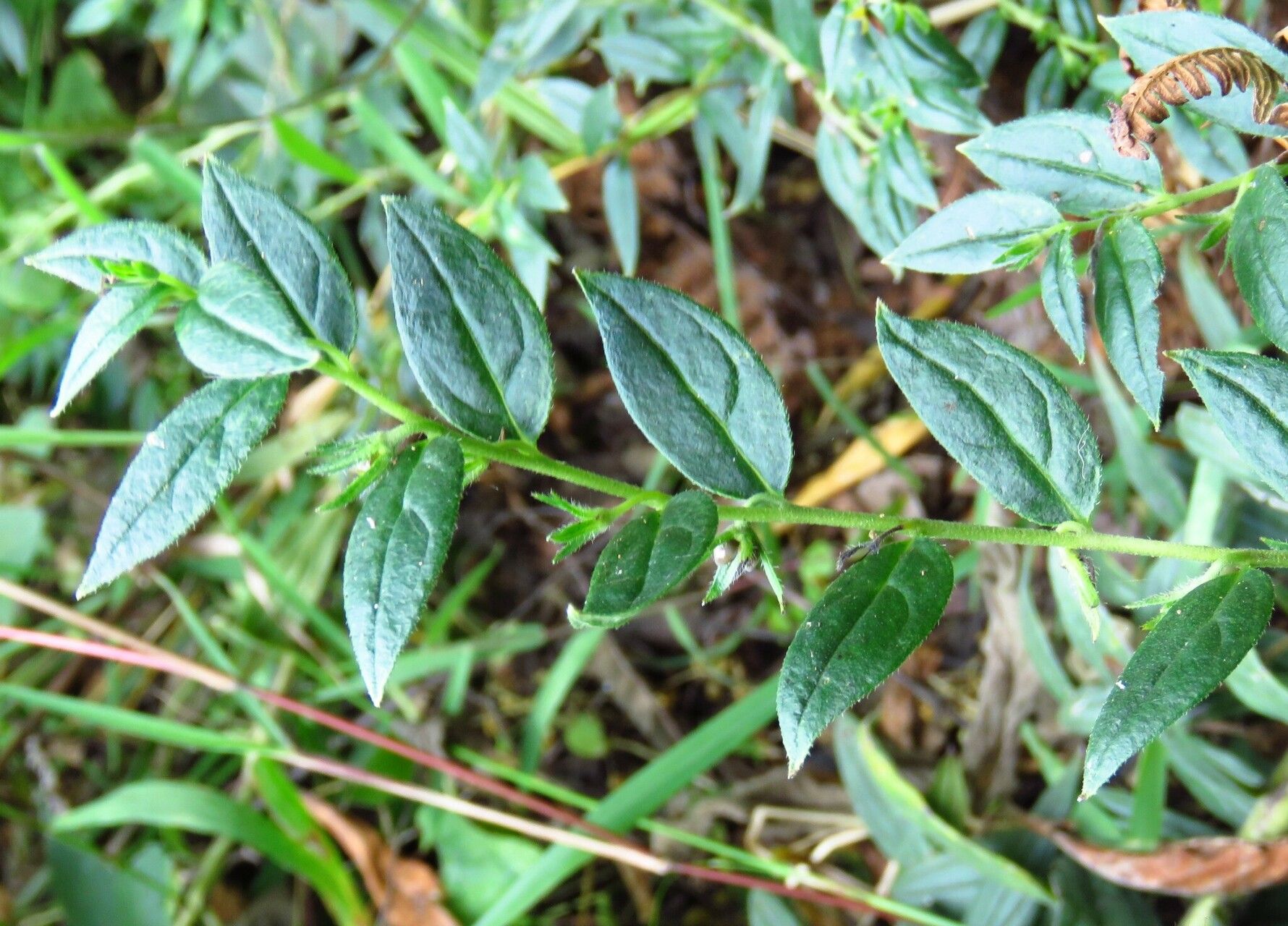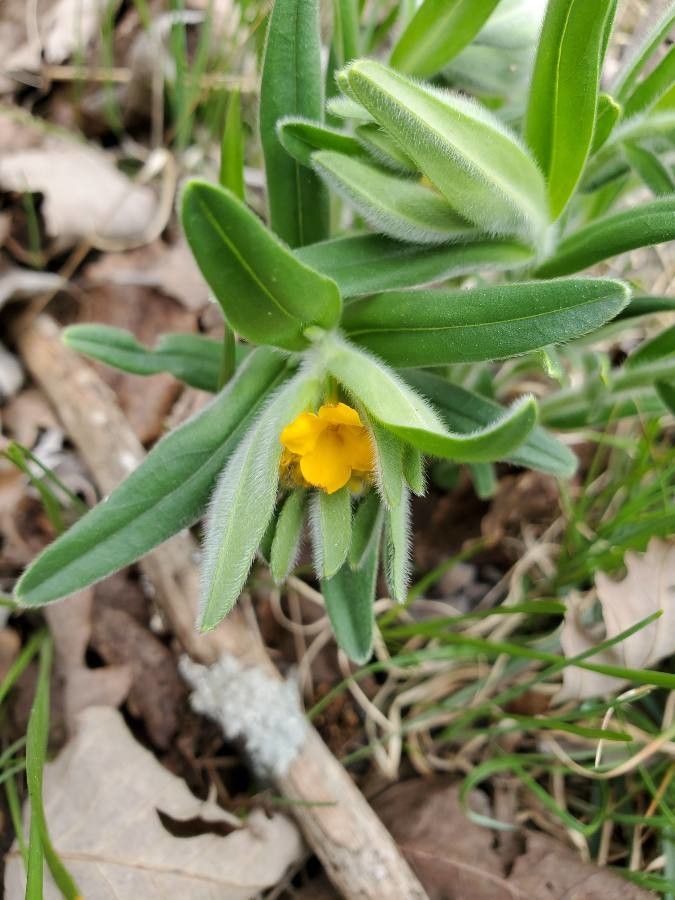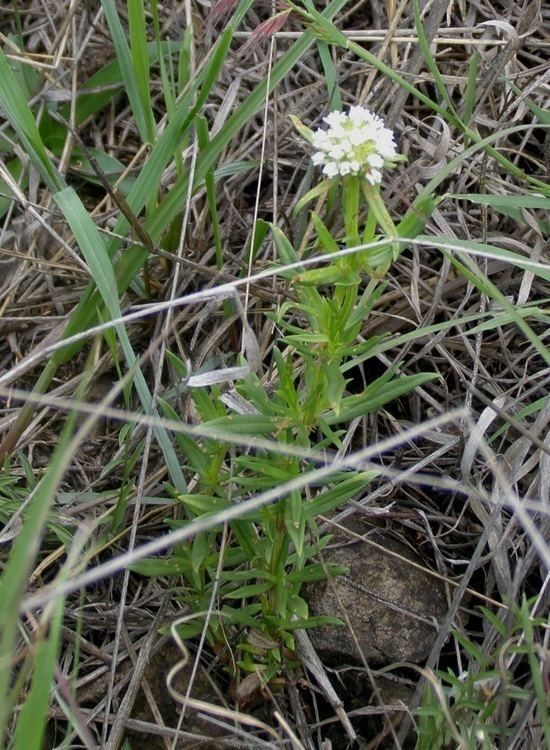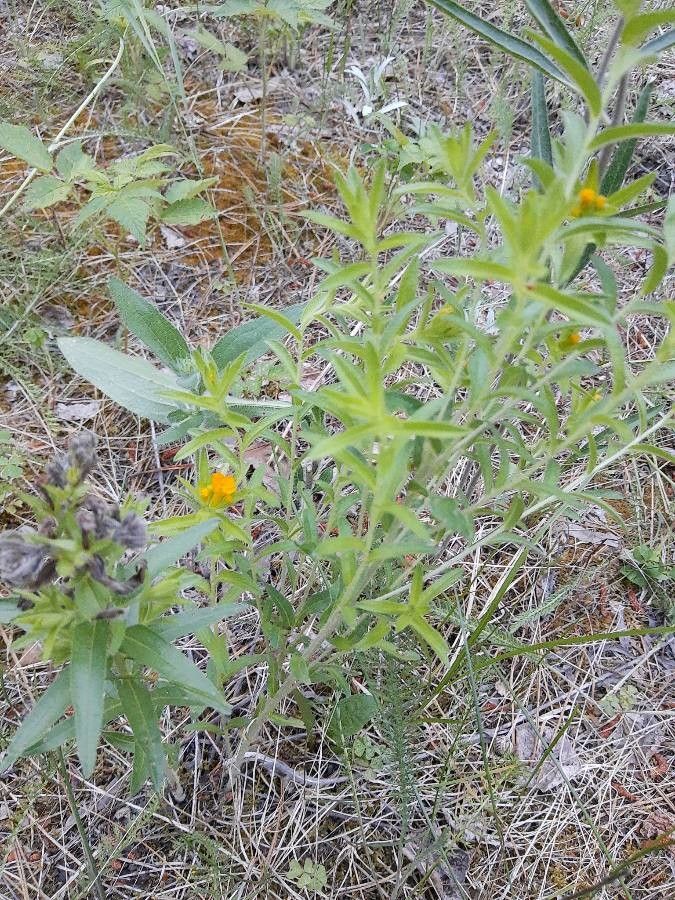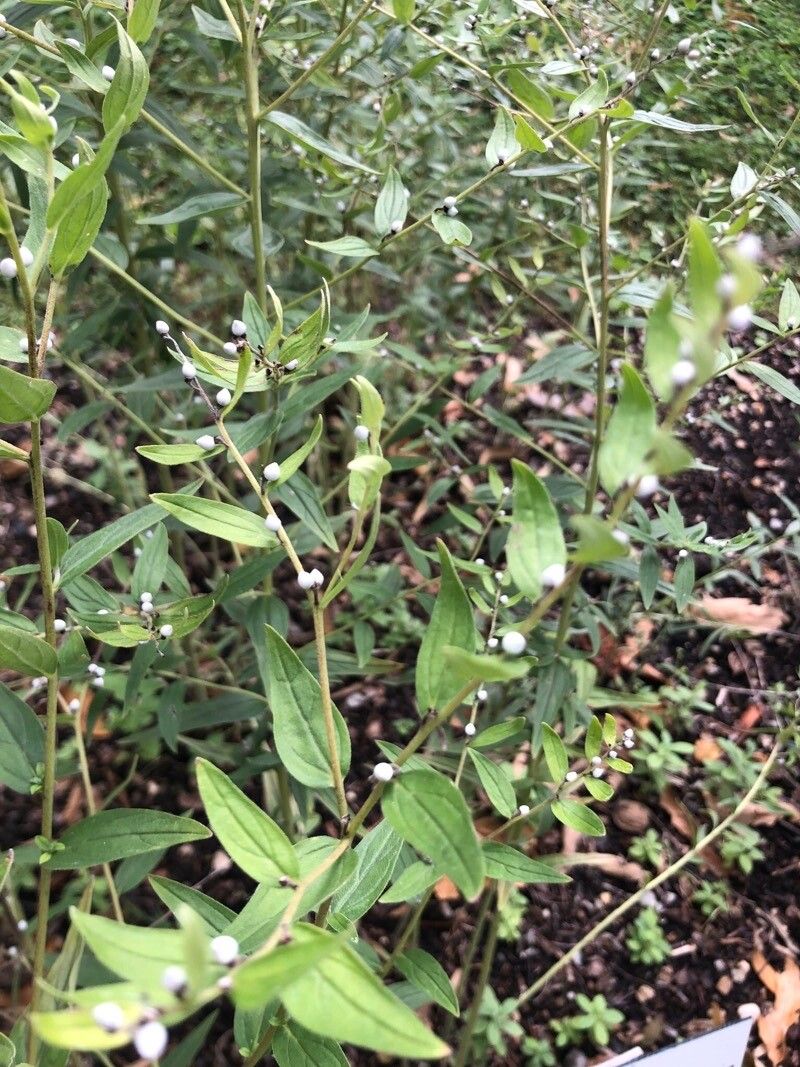
Lithospermum erythrorhizon, commonly called purple gromwell, red stoneroot, red gromwell, red-root gromwell and redroot lithospermum, is a plant species in the family Boraginaceae. It is called zǐcǎo (紫草) in Chinese, jichi (지치) in Korean, and murasaki in Japanese.
Lithospermum shows strong resistance to disease and is generally not vulnerable to illnesses. Still, it can be affected by pests and diseases present in its environment. Such infections are typically mild. Regarding care, this plant needs a moderate level of maintenance. It should be pruned regularly to keep a neat appearance and encourage healthy growth. Applying fertilizer can also help increase flowering. Lithospermum is well suited for anyone with outdoor areas like a garden or patio and does not demand extensive gardening experience. It may need more attention when cultivated indoors.
How to keep Lithospermum Erythrorhizon.
Light
Lithospermum is indigenous to habitats like forest undergrowth or stony regions, where it is naturally shaded. It mostly favors semi-sunny conditions, but it has the ability to adjust to full sun or complete shade, which signifies its adaptable and robust characteristics.
Temperature
Lithospermum possesses the capacity to acclimatize to diverse temperature circumstances, although certain mixtures of heat and moisture levels may still constrain its spread. It flourishes optimally in hot summer climates provided there is sufficient rainfall or irrigation. Extended spans of overcast and wet weather, in addition to long durations of extreme heat, can heighten the chances of Lithospermum perishing. During winter, appropriate guarding against the cold can enhance the plant's chances of surviving.
Fertilizer
The optimal period for fertilizing a Lithospermum is early spring, as it emerges from dormancy and commences active growth. The fertilization process supplies vital nutrients necessary for its healthy development. Even though Lithospermums do not require too much fertilization, providing it yearly can improve its lifespan and stimulate the production of superior, long-lasting blooms.
Pruning
Lithospermum, known for its vibrant purple roots, thrives with regular pruning from early to late spring. To support the plant's health and encourage blooming, concentrate on removing dead branches and thinning crowded areas. This enhances air circulation without causing stress from over-pruning.
Botanical profile.
- Plant Type
- Herb
- Life Cycle
- Perennial
- Genus
- Lithospermum
- Family
- Boraginaceae
- Hardiness Zone
- 5-9
- Mature Height
- 91 cm
- Mature Spread
- 30 cm
- Leaf Color
- Green
- Leaf Type
- Deciduous
- Flower Color
- White
- Flower Size
- 2.03 cm to 6.35 cm
- Bloom Time
- Summer
- Planting Time
- Spring, Summer, Autumn
- Harvest Time
- Late summer, Early fall, Mid fall
- Native Area
- Russia, Japan, Koppen, South Korea, China