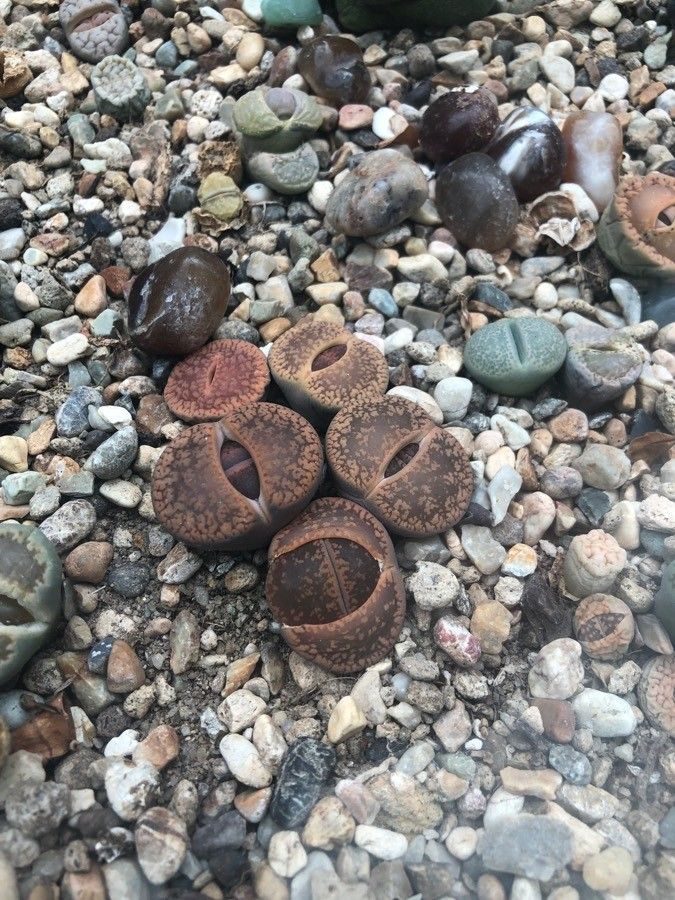
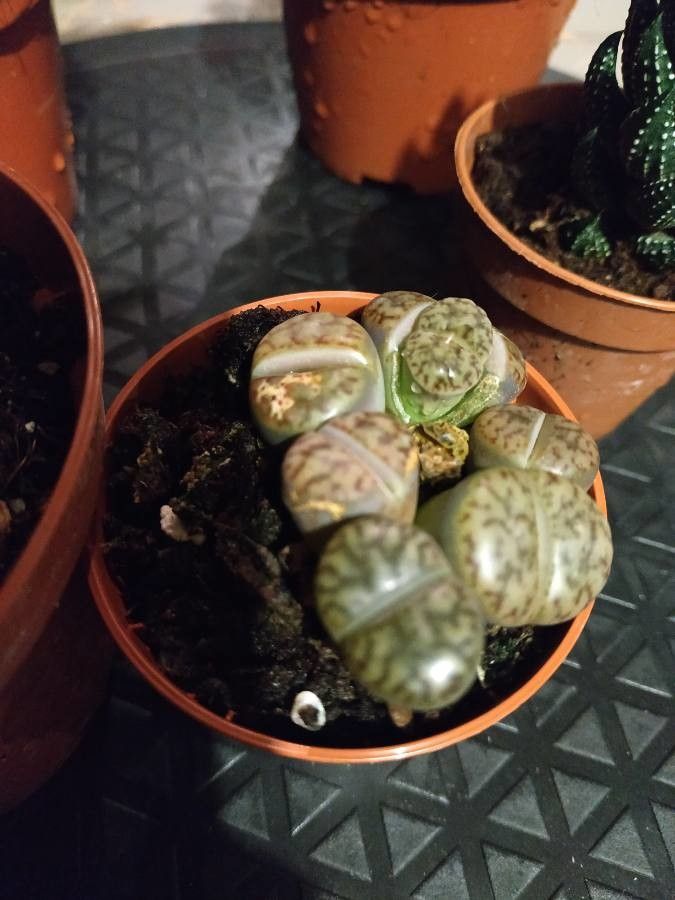
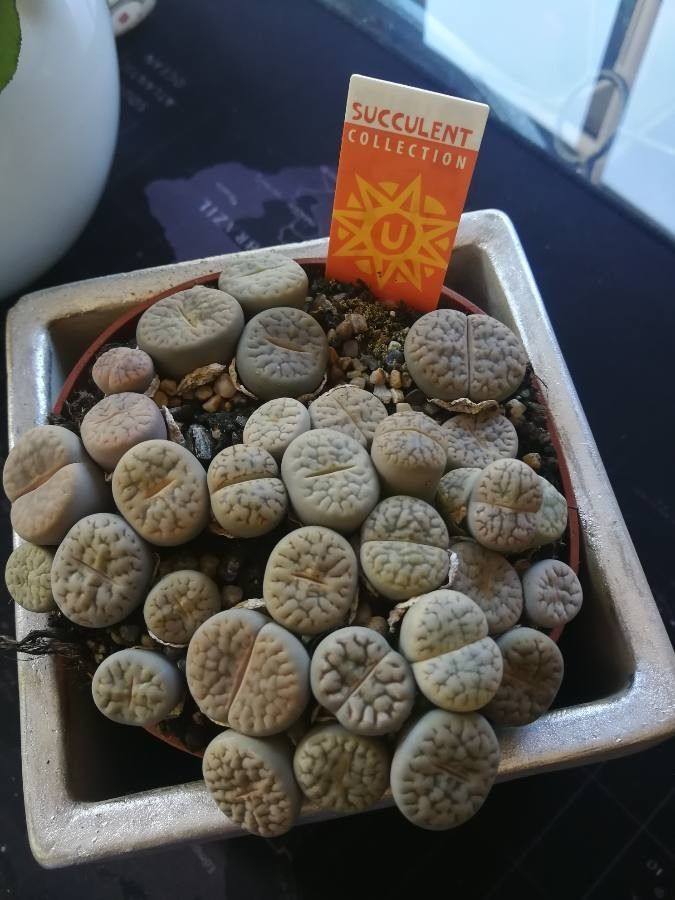
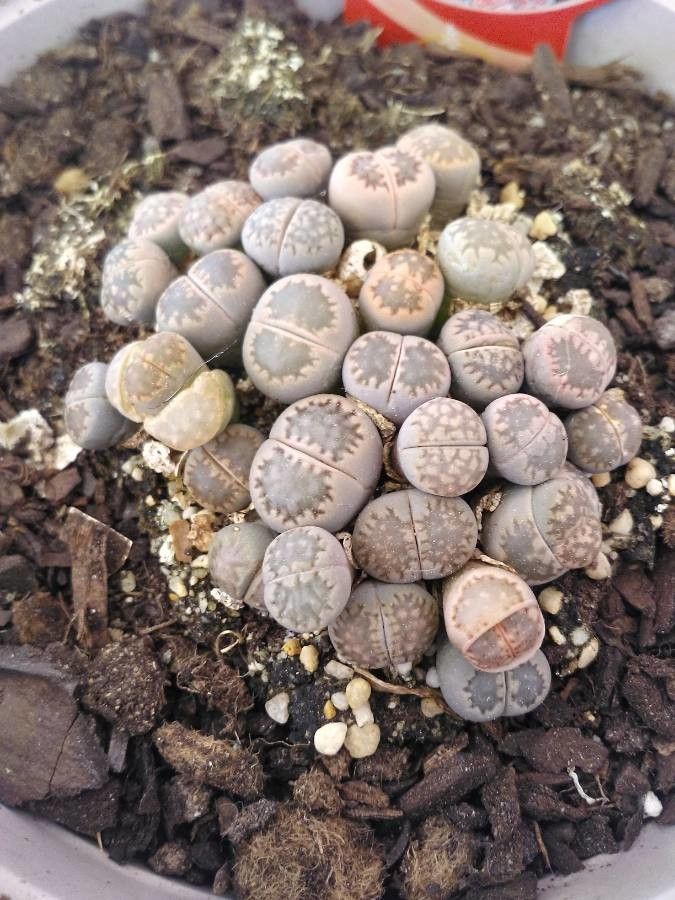
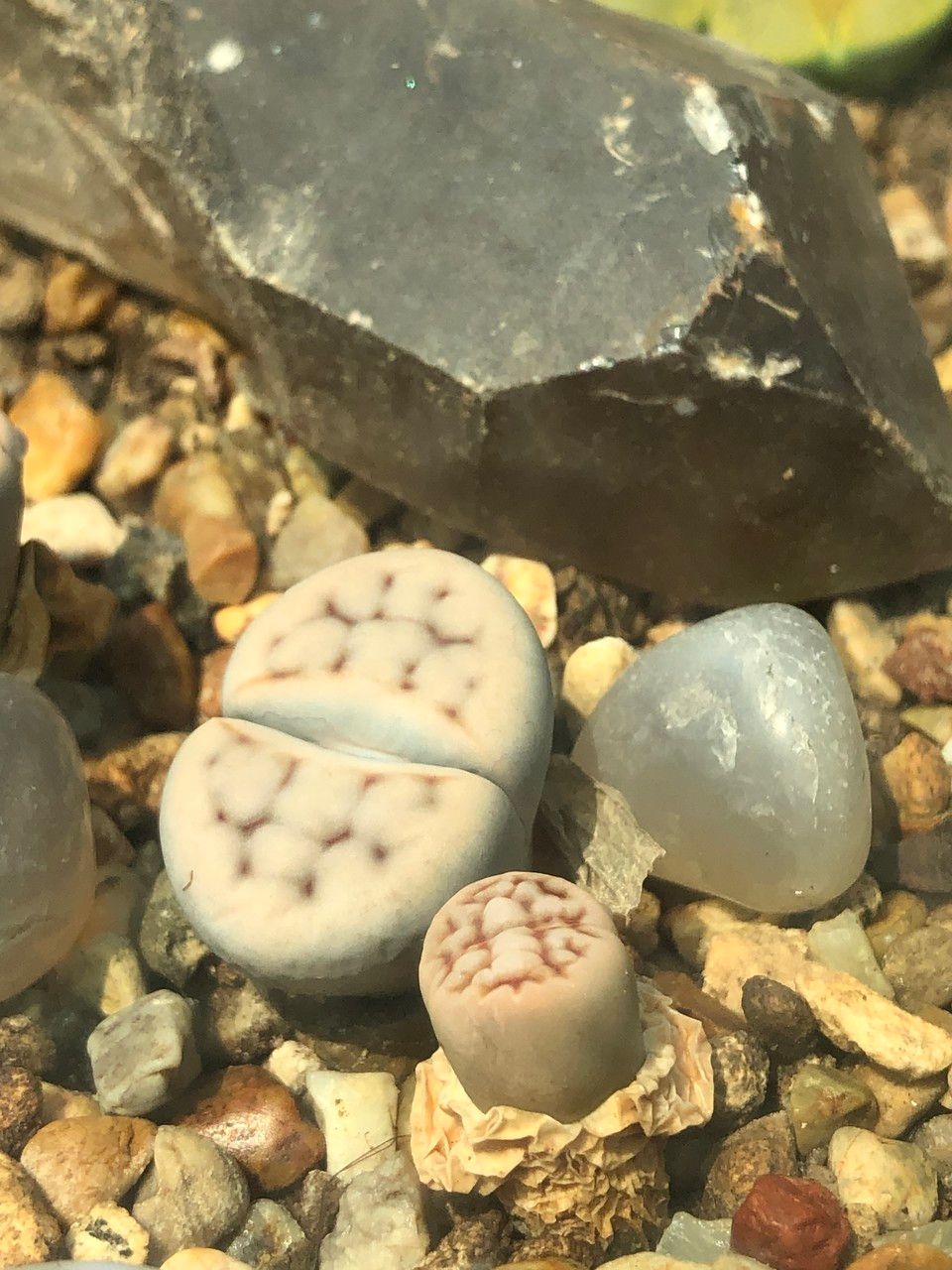
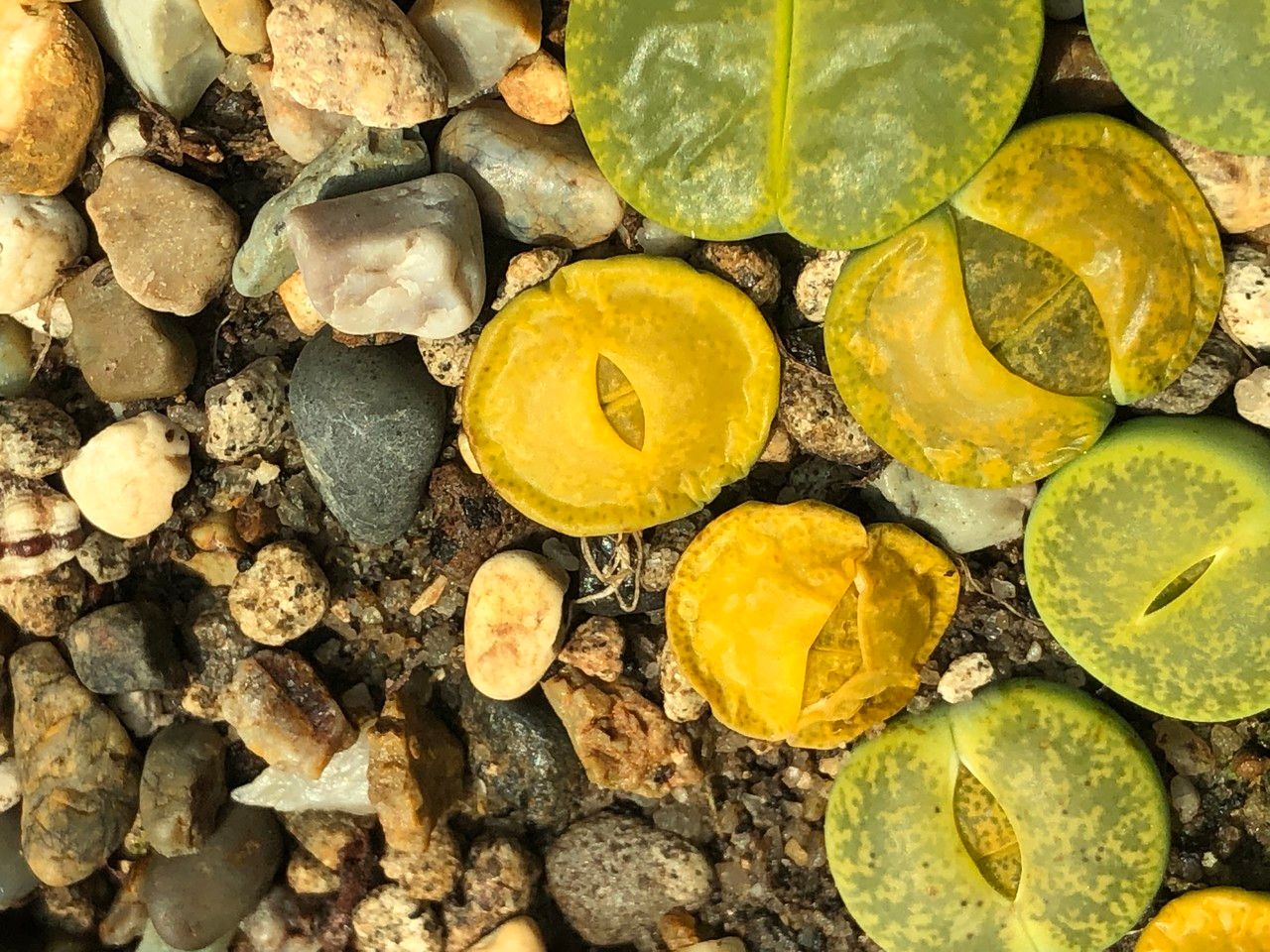
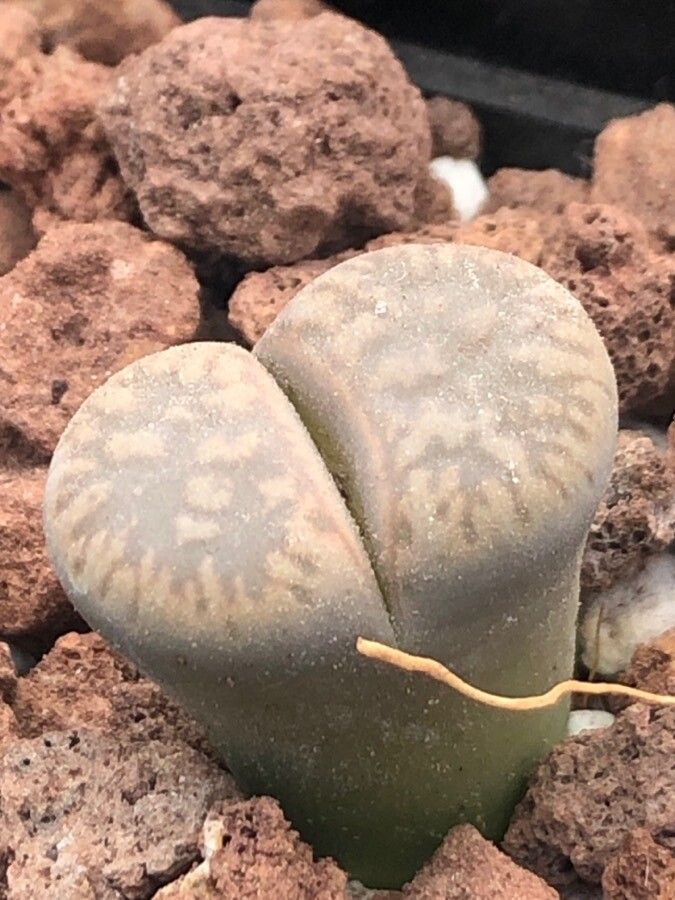
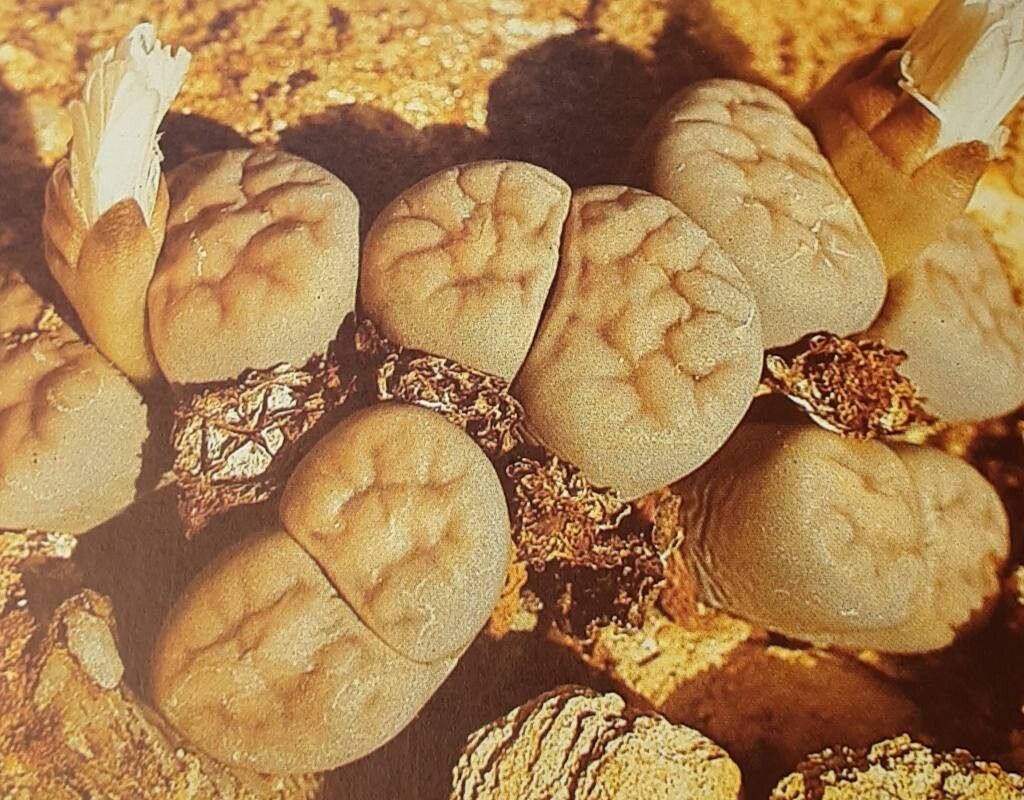
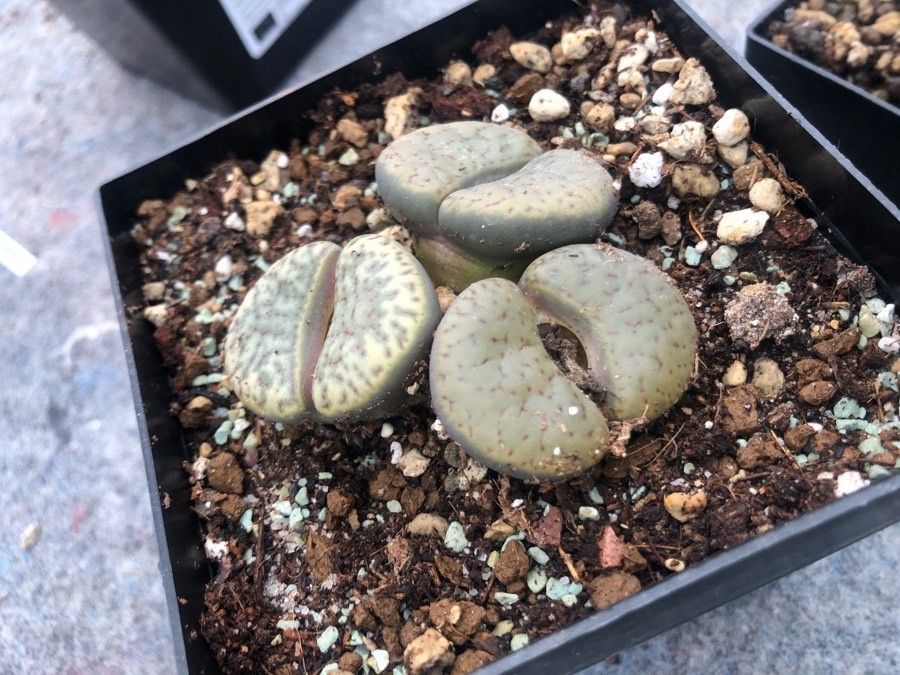
These succulents look more like rocks than plants. They are called Lithops or Living Stones. It came from a genus of succulents native to Southern Africa. These succulents are a great accent piece for the garden as they are colorful and eye-catching. As small and slow-growing plants, they are very easy to take care of. They are extremely slow in growing to the point that they rarely get more than 1-inch above the soil. They usually only have a pair of leaves, which look more like stones than leaves with a fissure separating them and epidermal windows.
How to keep Lithops Spp.
Water
Lithops have the ability to store water in their leaves for months. Meaning they do not need to be watered every day. Water your lithops once every two weeks at the end of summer where this plant is growing. But as soon as winter starts, it is best to leave it be and not water at all. You can also check if the plant starts to wrinkle or pucker. If it appears to be sinking deeper into the pot and feels softer than usual when given a gentle squeeze, then it is time to water it again.
Temperature
Lithops' natural habitat are deserts. These pebble-like plants can tolerate temperatures up to 90°F to 100°F. However, they thrive in conditions between 65°F to 80°F. While its preferred humidity ranges between 30% to 40%.
Fertilizer
This plant does not really need fertilization to thrive. But it can also be fed just before its usual blooming season to encourage this plant to produce flowers. Do this by simply feeding your Living Stones with a small amount of heavily diluted cactus fertilizer that is low in nitrogen and high in potassium during the Spring season. Keep in mind that the fertilizer should make contact with the leaves of the plant as it may burn them.
Pruning
Living stones do not need pruning. The only removal that will help this plant is the removal of papery remnants from older leaves once the plant has reabsorbed all of its moisture and nutrients.
Toxicity
Lithops are safe for humans and house pets. It has a sweet and spicy smell but the smell does not reflect its flavor which suggests that this plant is not a food source although not poisonous. Even though it is generally non-toxic, any chemical sprayed on it can be poisonous to both humans and animals. If medical problems happen because of this plant, seek the doctor’s help immediately.
Further reading →
The toxicity and danger assessments provided are for reference only. We do not assure their accuracy, so it's crucial not to depend on them. Seek professional advice when necessary for accurate guidance.
Botanical profile.
Other names.