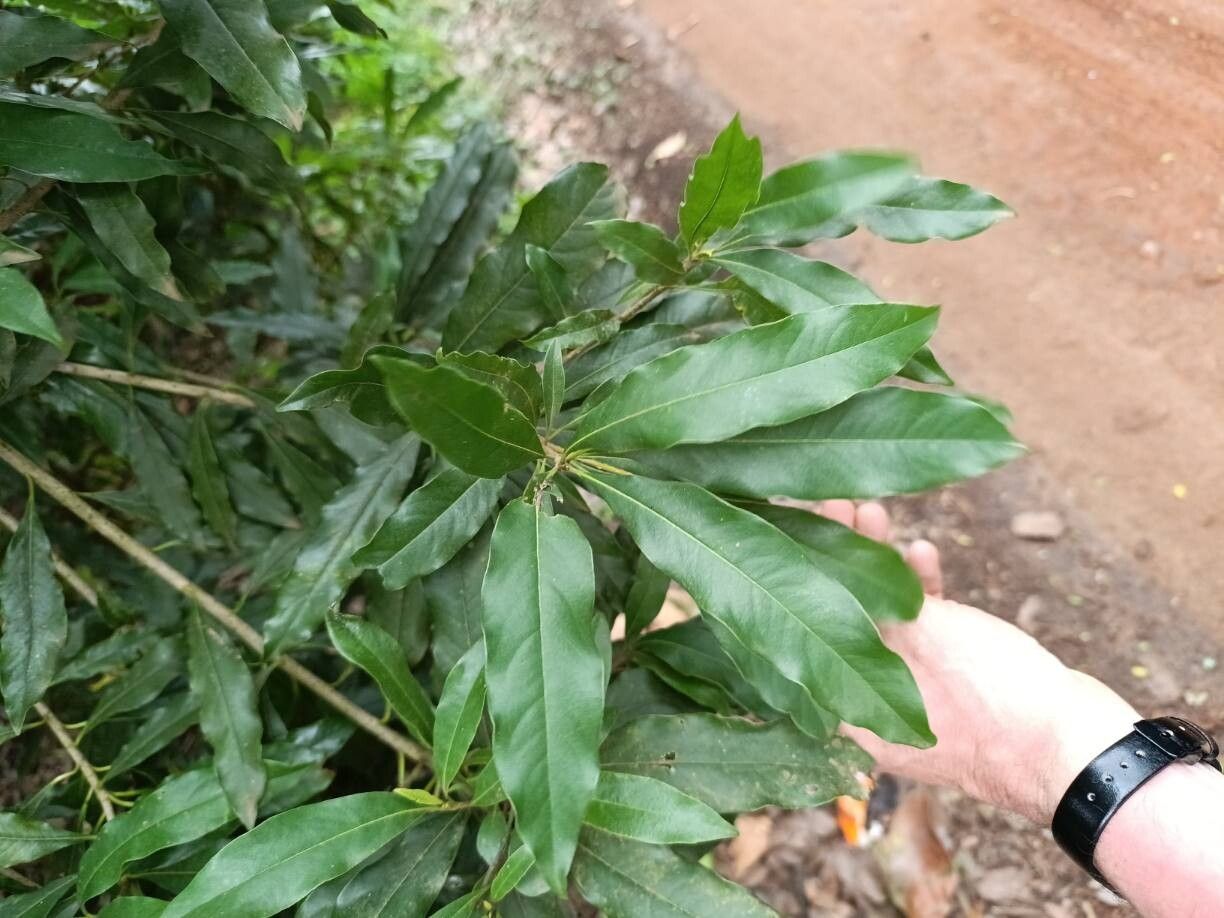
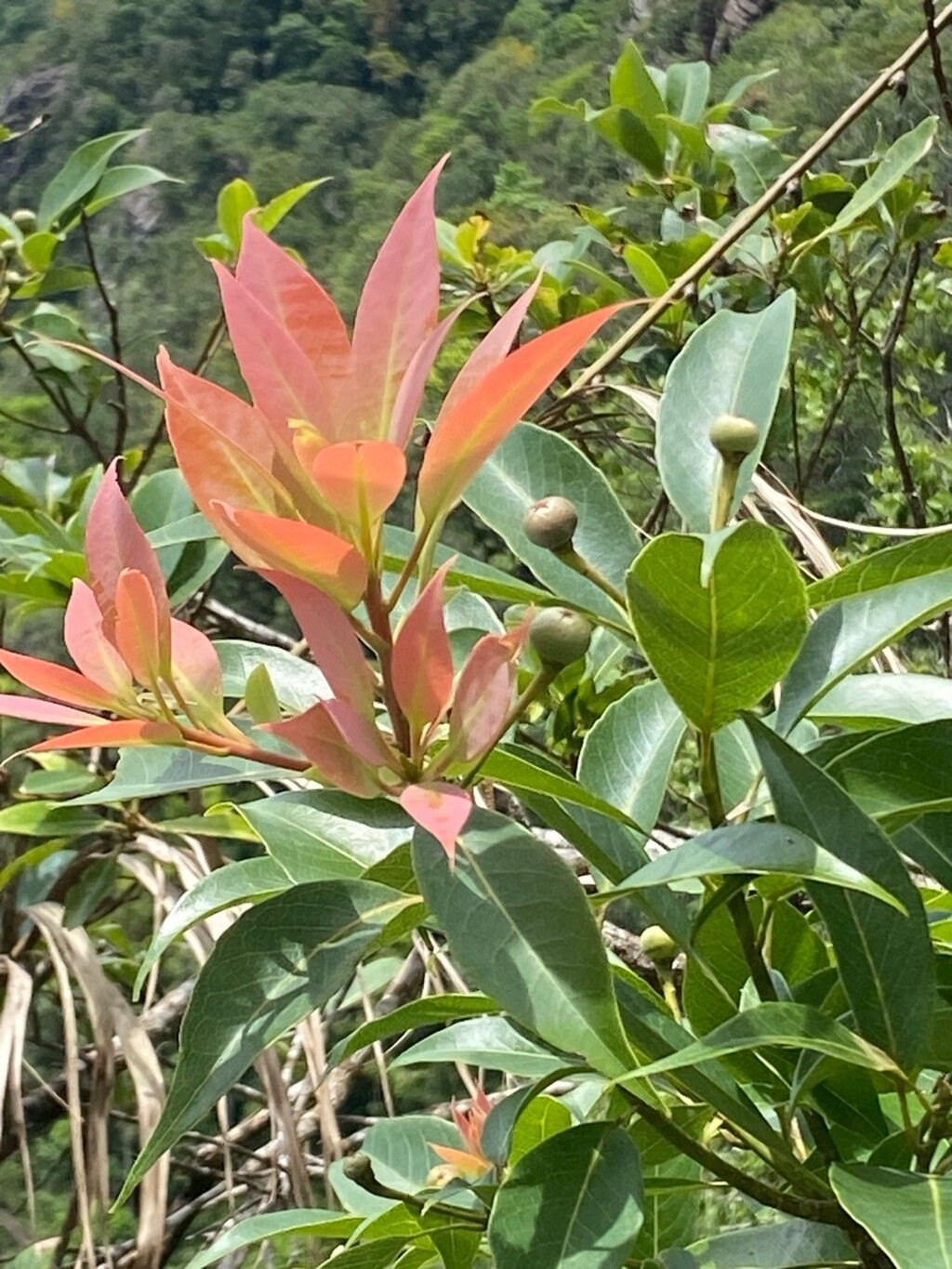
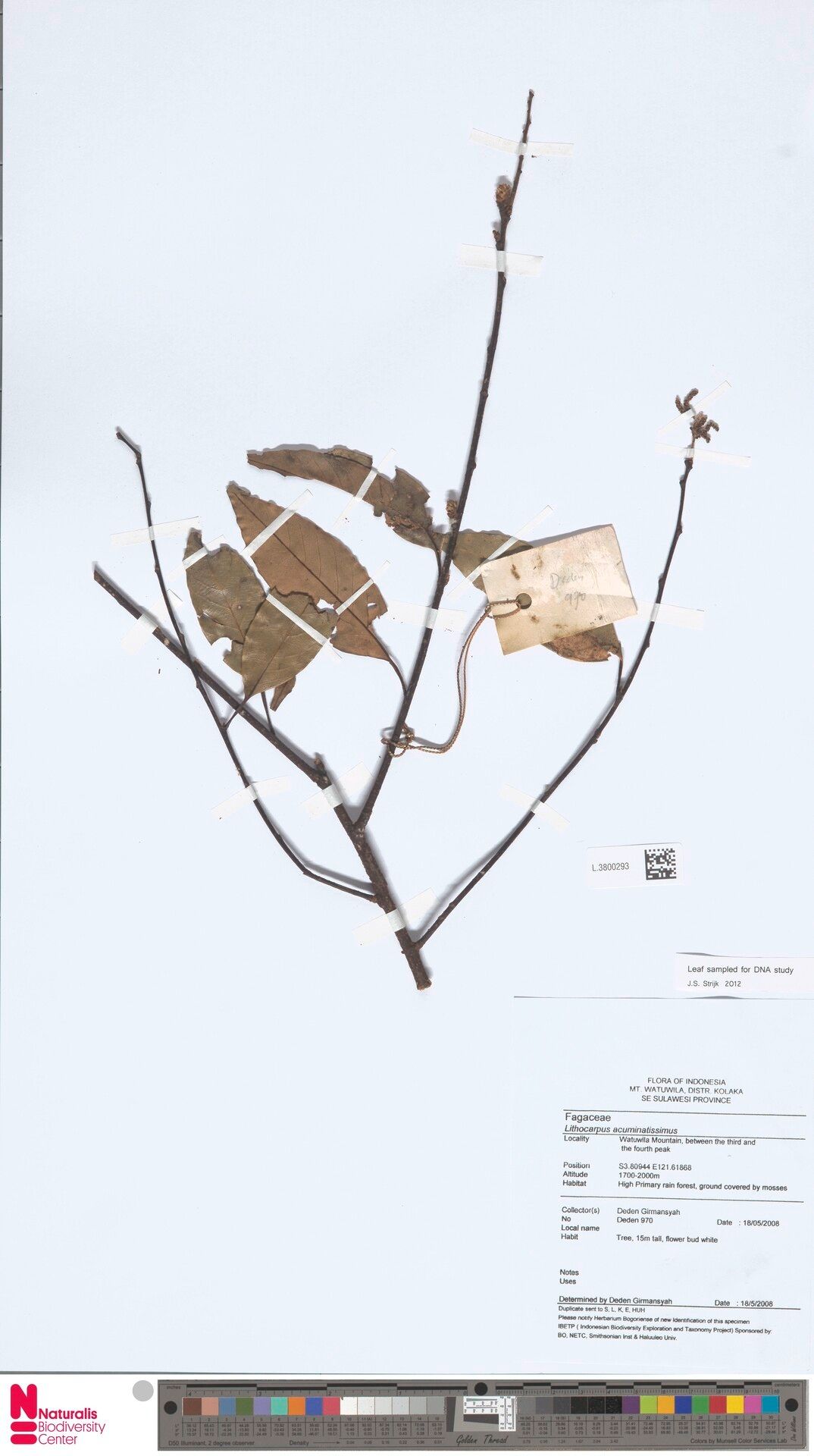
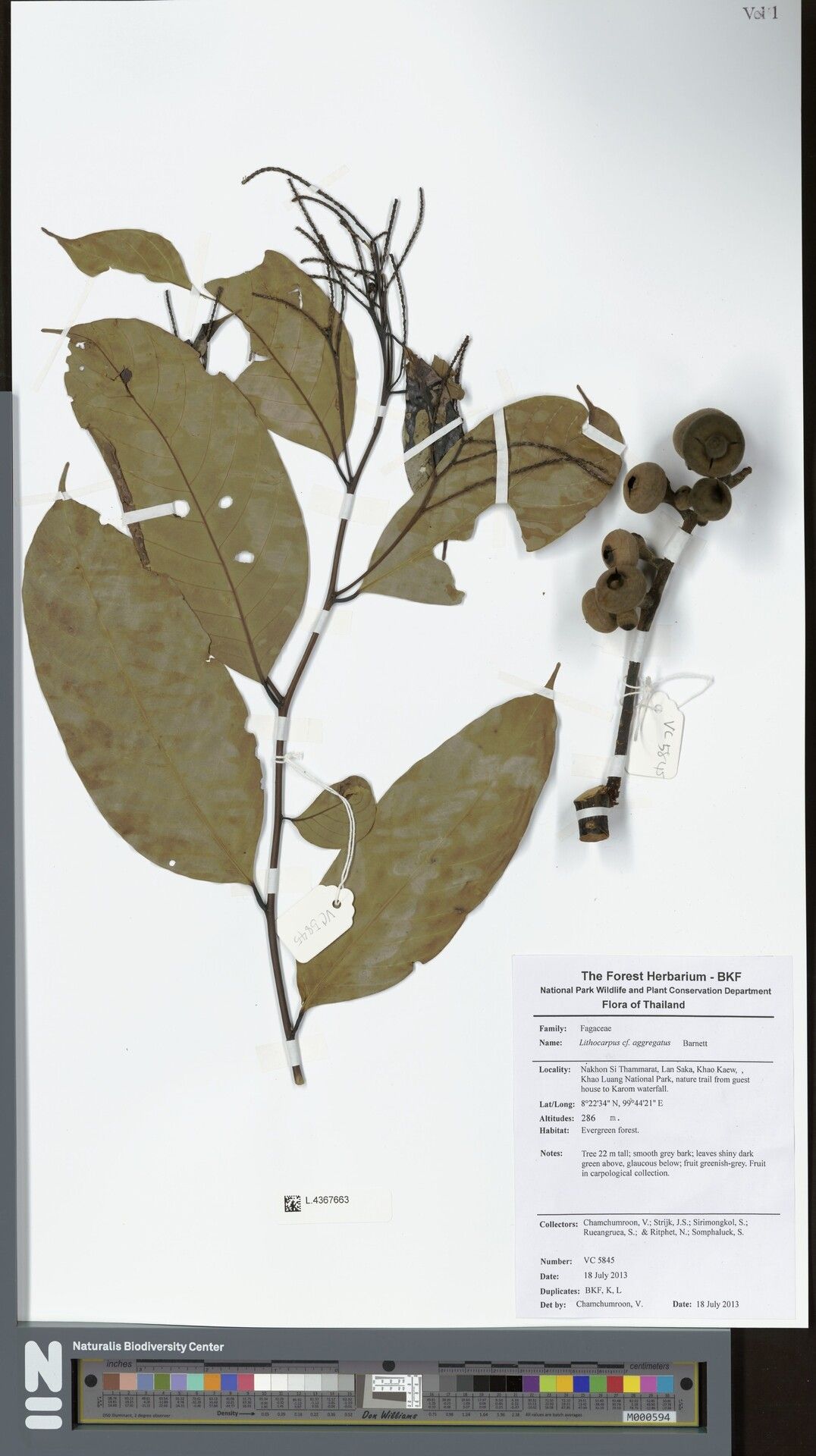
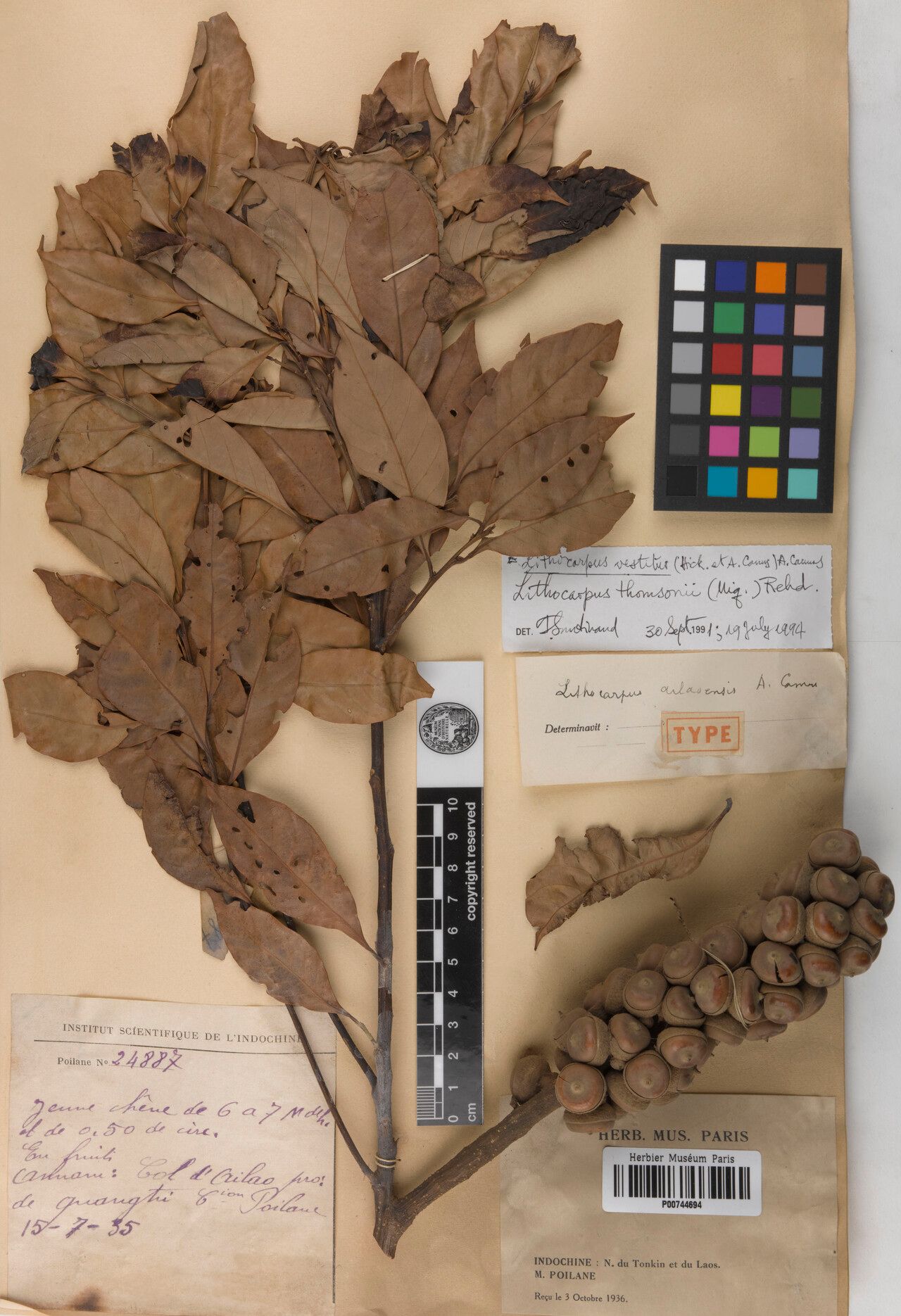
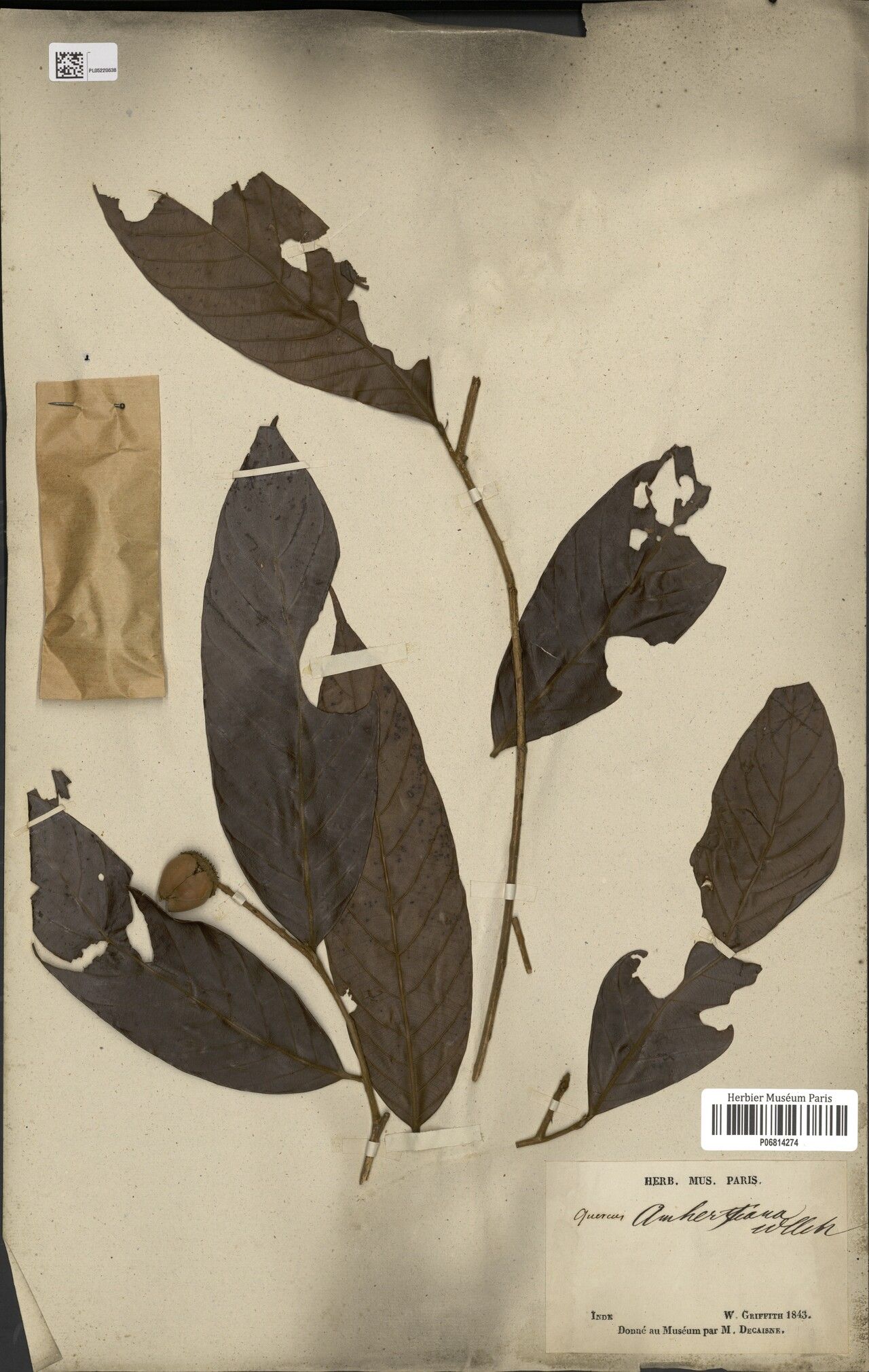
Hances tanbark is well resistant to disease and is usually not susceptible to illnesses. Regarding care, this plant is fairly low-maintenance. Outdoors it needs little watering, and mature specimens typically don't require pruning. Smaller plants, however, should be trimmed after flowering. Hances tanbarkt is appropriate for anyone who has an outdoor area, such as a garden or deck, and does not demand extensive care experience.
How to keep Lithocarpus Hancei.
Light
Hances Tanbark is indigenous to habitats like forest understories or rocky terrains, which naturally offer it shade. It tends to favor conditions with partial sunlight, but it's adaptable and robust enough to thrive in either full sunlight or complete shade.
Temperature
Hances tanbark shows good temperature adaptability, tolerating higher heat and broader temperature swings. In hot weather, attention should be given to watering and providing suitable shade to prevent sunburn. Conversely, Hances tanbark is relatively sensitive to low temperatures. While it can endure some cold, extremely low temperatures can cause frost damage.
Fertilizer
For the healthy development of your Hances tanbark, apply fertilizer in the early spring. Regular fertilizing boosts general health, leading to robust growth, better endurance against difficult circumstances, and enhanced resistance to diseases and pests. Follow a certain fertilization timetable for your Hances tanbark to guarantee richly-colored and lush-looking foliage.
Botanical profile.
- Plant Type
- Tree
- Life Cycle
- Perennial
- Hardiness Zone
- 8
- Mature Height
- 14.94 m
- Mature Spread
- 7.92 m to 11.89 m
- Leaf Color
- Dark Green, Olive Drab
- Leaf Type
- Evergreen
- Flower Color
- Yellow, Green
- Flower Size
- 10.16 cm
- Bloom Time
- Late spring, Early summer
- Planting Time
- Spring, Summer, Autumn
- Harvest Time
- Late summer, Early fall, Mid fall
- Native Area
- Vietnam, China