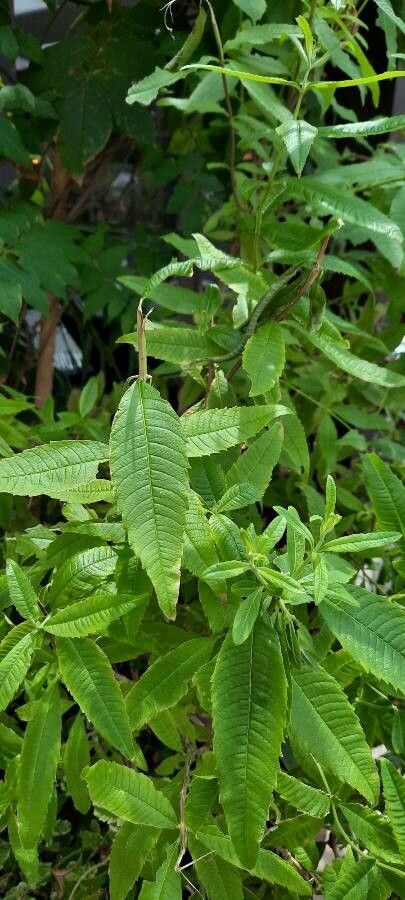
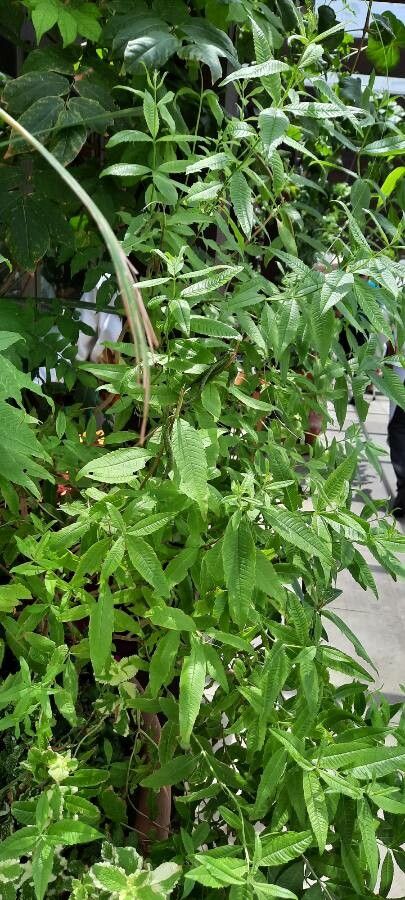
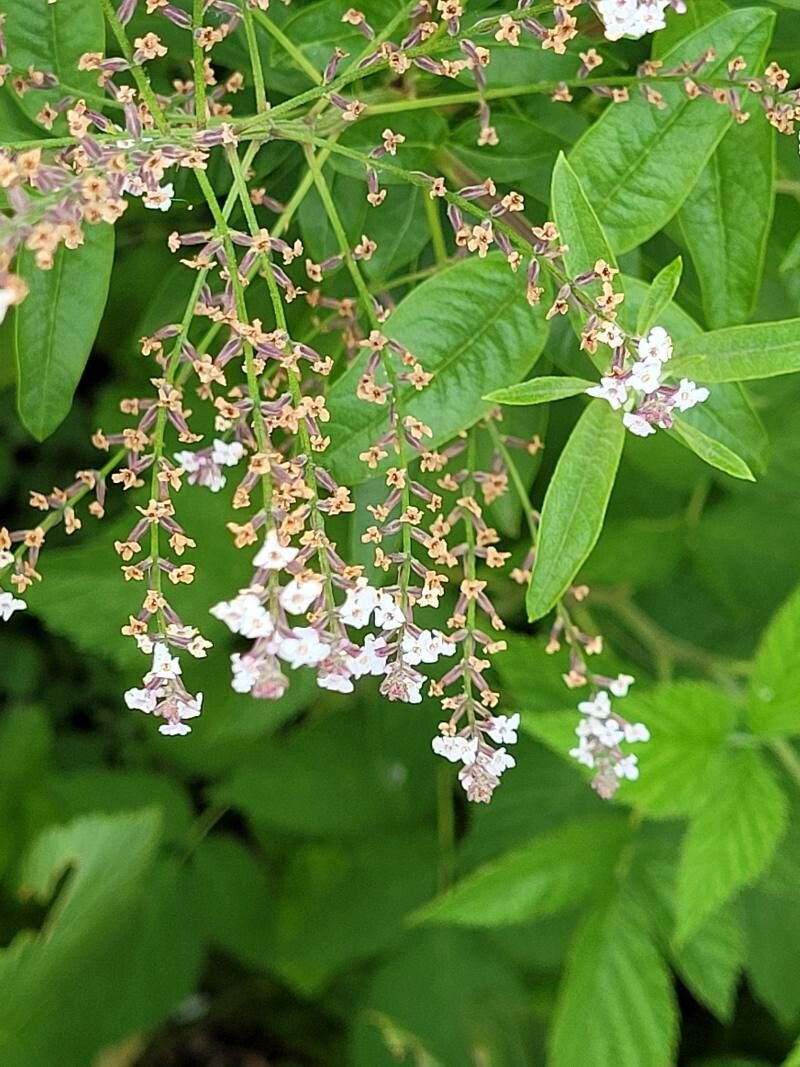
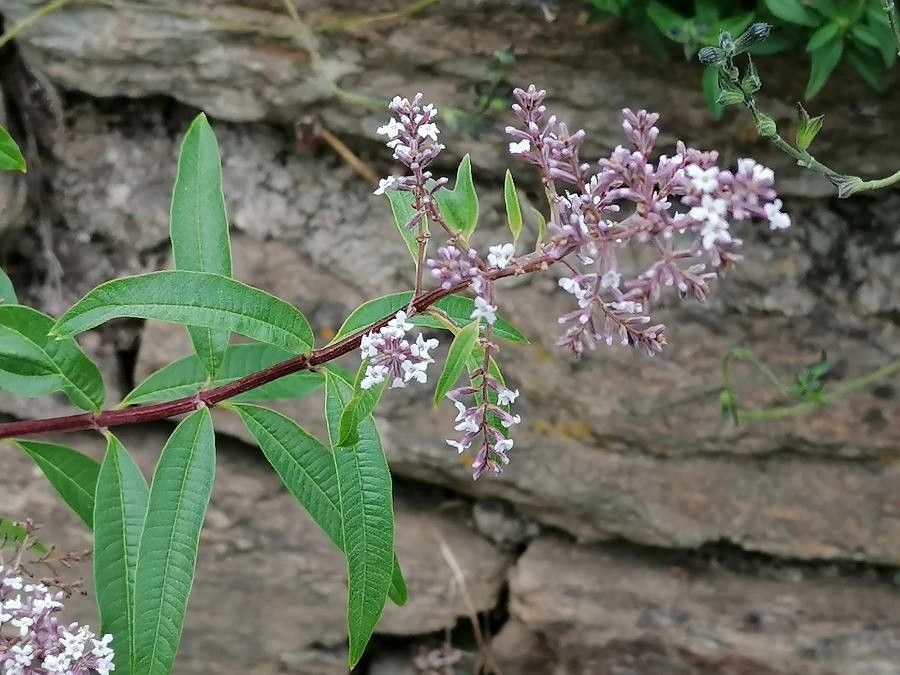
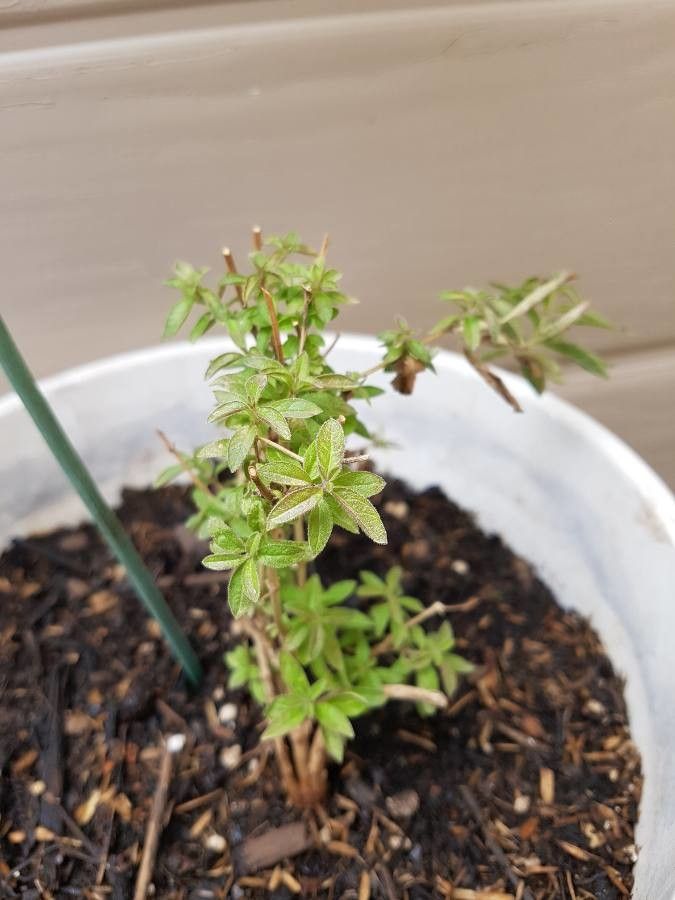
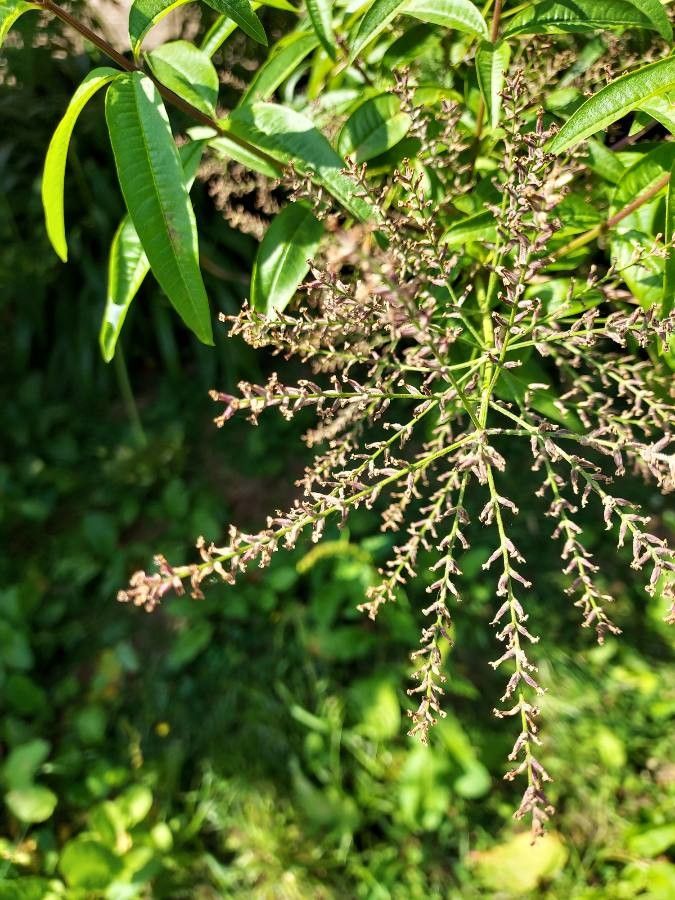
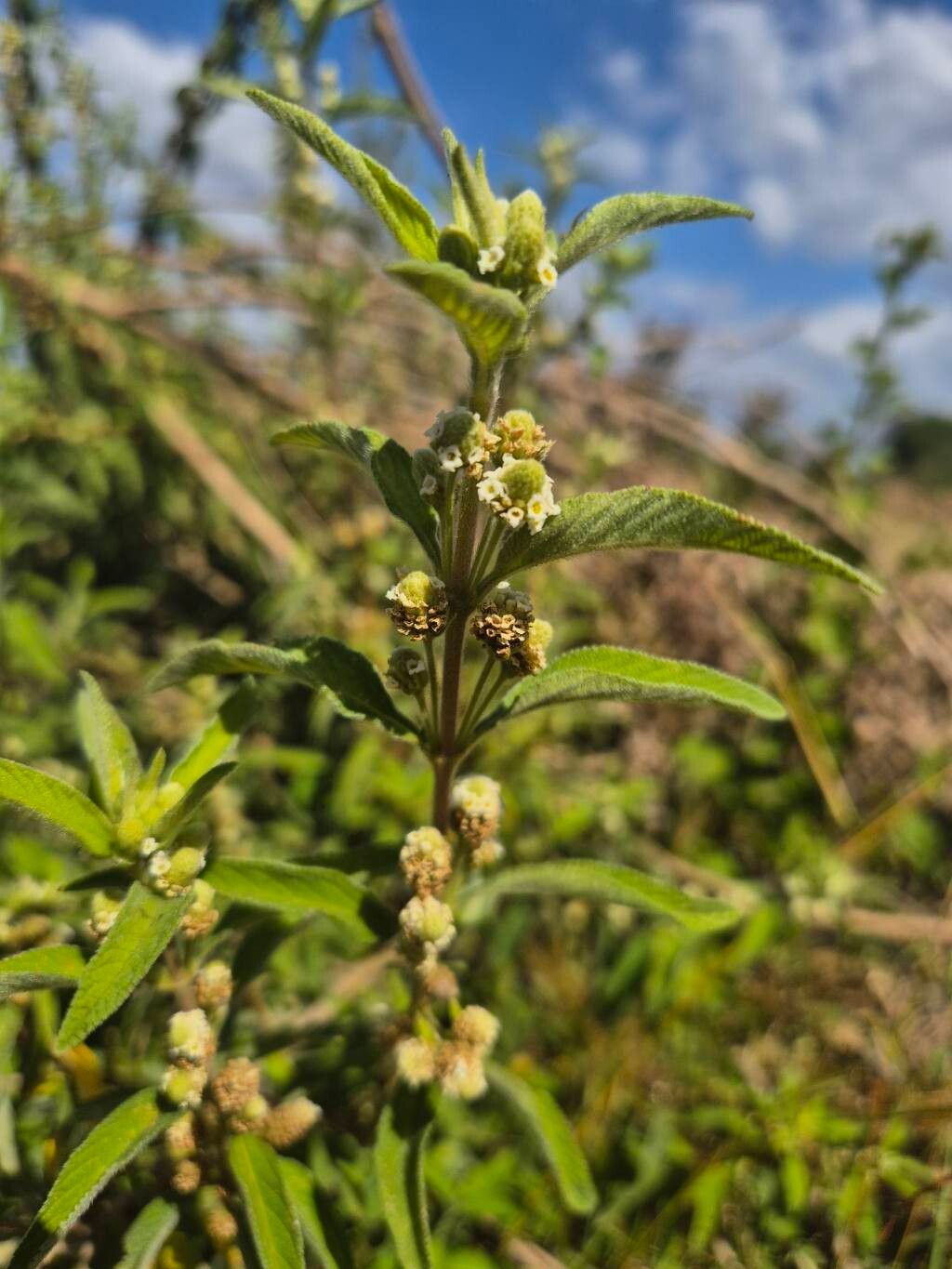
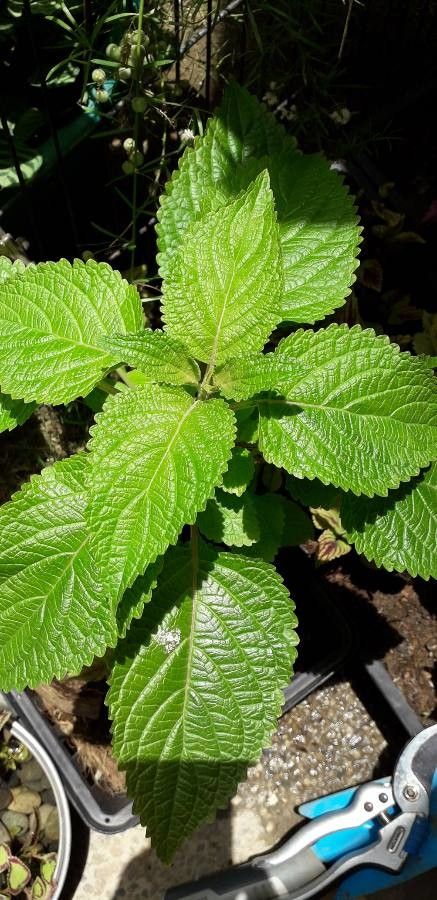
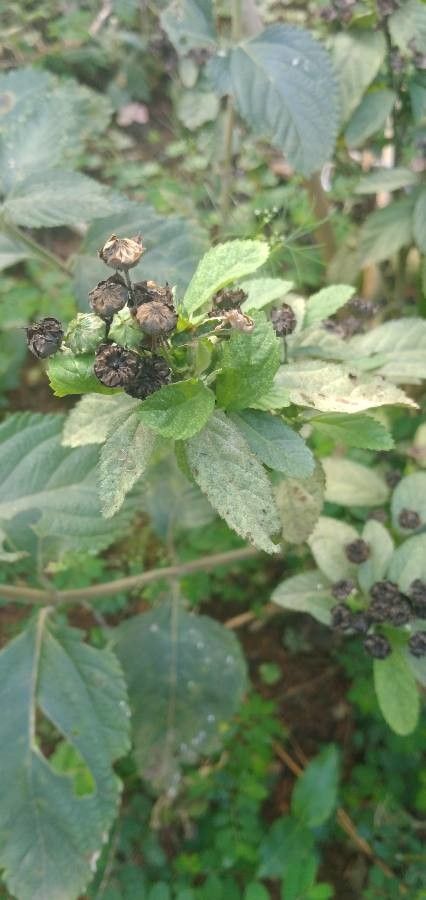
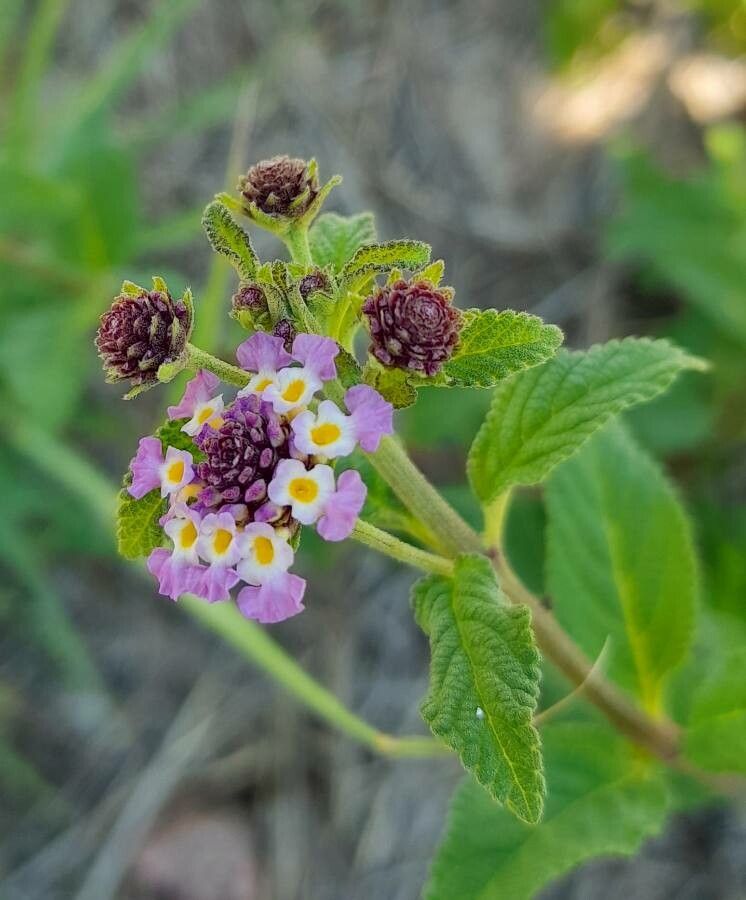
Lemon verbena has moderate resistance to disease but can be prone to issues like leaf spot. Its vulnerability to insect pests varies by variety, though most cultivars are not highly resistant to pests. For care, lemon verbena needs consistent watering and fertilizing, along with regular removal of yellowing leaves. Pests and diseases should be controlled as soon as they appear, and the plant should be harvested promptly. Lemon verbena is suitable for people who can spare some time and effort for regular maintenance.
How to keep Lippia Triphylla.
Light
Lemon verbena grows best in places that receive abundant sunlight throughout the day. This intensity of light, characteristic of its native habitat, supports healthy growth. Too much or too little light can cause stunting and other growth problems.
Temperature
Lemon verbena comes from warmer regions and flourishes in temperatures of 59 to 95 °F (15 to 35 °C). While it can tolerate cooler conditions, it prefers warmth. In winter, bring it inside or provide some heat if the temperature falls too low.
Fertilizer
To maximize yield, Lemon verbena does well with regular applications of a balanced fertilizer, especially one high in nitrogen. Apply fertilizer before planting, at planting, and when seedlings are 2 inches tall. Adding compost or manure also provides a continual supply of nutrients. If the soil is lacking nutrients, leaves and stems will be underdeveloped, flavors will be inferior, stems will be thin, and the taste may become bitter.
Botanical profile.
- Plant Type
- Shrub
- Life Cycle
- Perennial
- Genus
- Lippia
- Family
- Verbenaceae
- Hardiness Zone
- 7-10
- Mature Height
- 1.83 m to 2.44 m
- Mature Spread
- 1.83 m to 2.44 m
- Leaf Color
- Green
- Leaf Type
- Deciduous
- Flower Color
- White, Purple
- Flower Size
- 1.02 cm to 5.08 cm
- Bloom Time
- Early summer, Mid summer
- Planting Time
- Spring, Autumn
- Harvest Time
- Mid summer, Late summer
- Native Area
- Argentina, Bolivia, Paraguay
Other names.