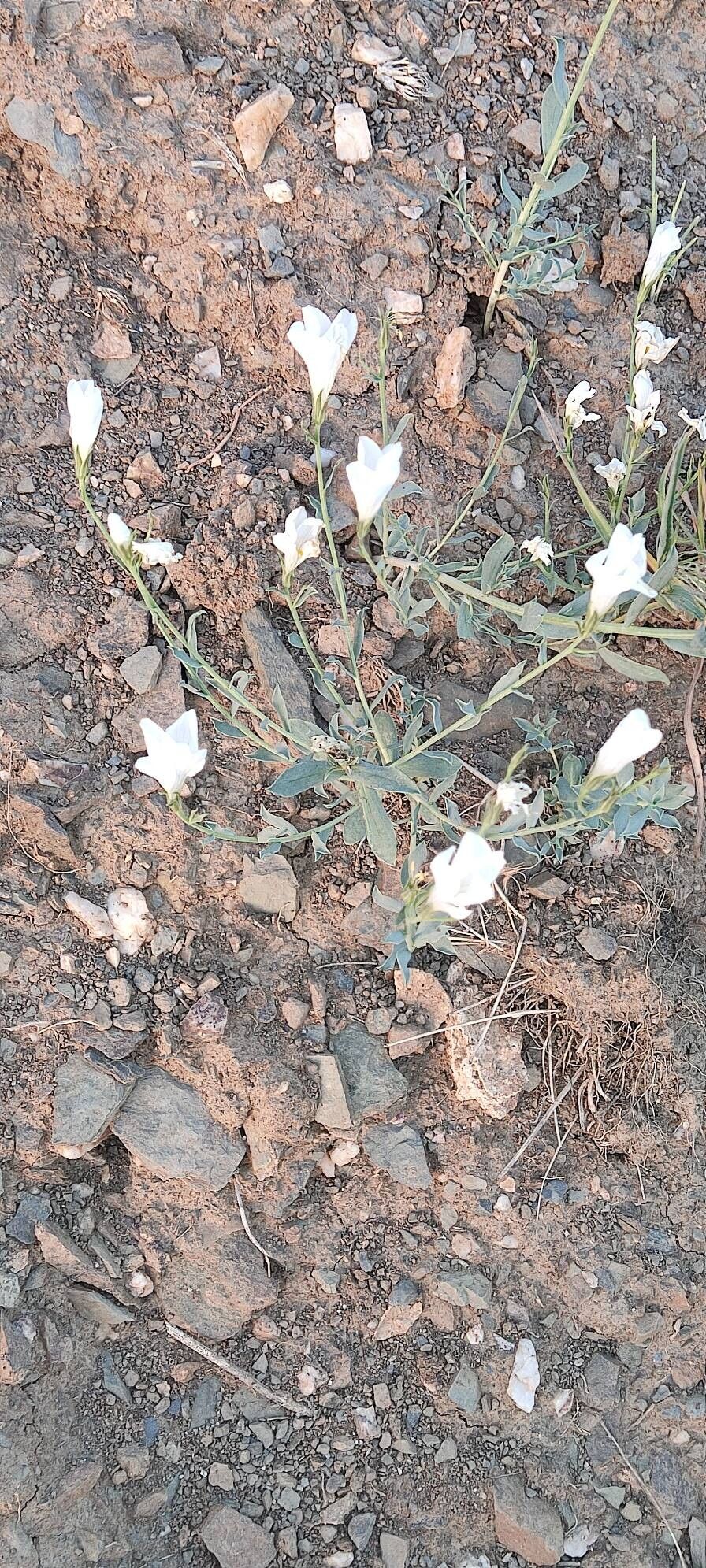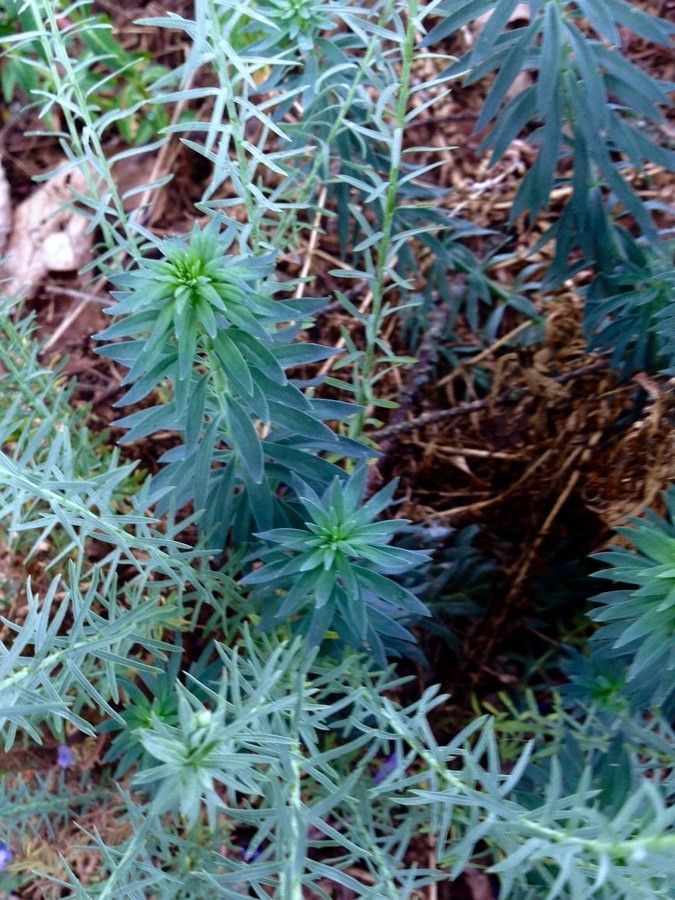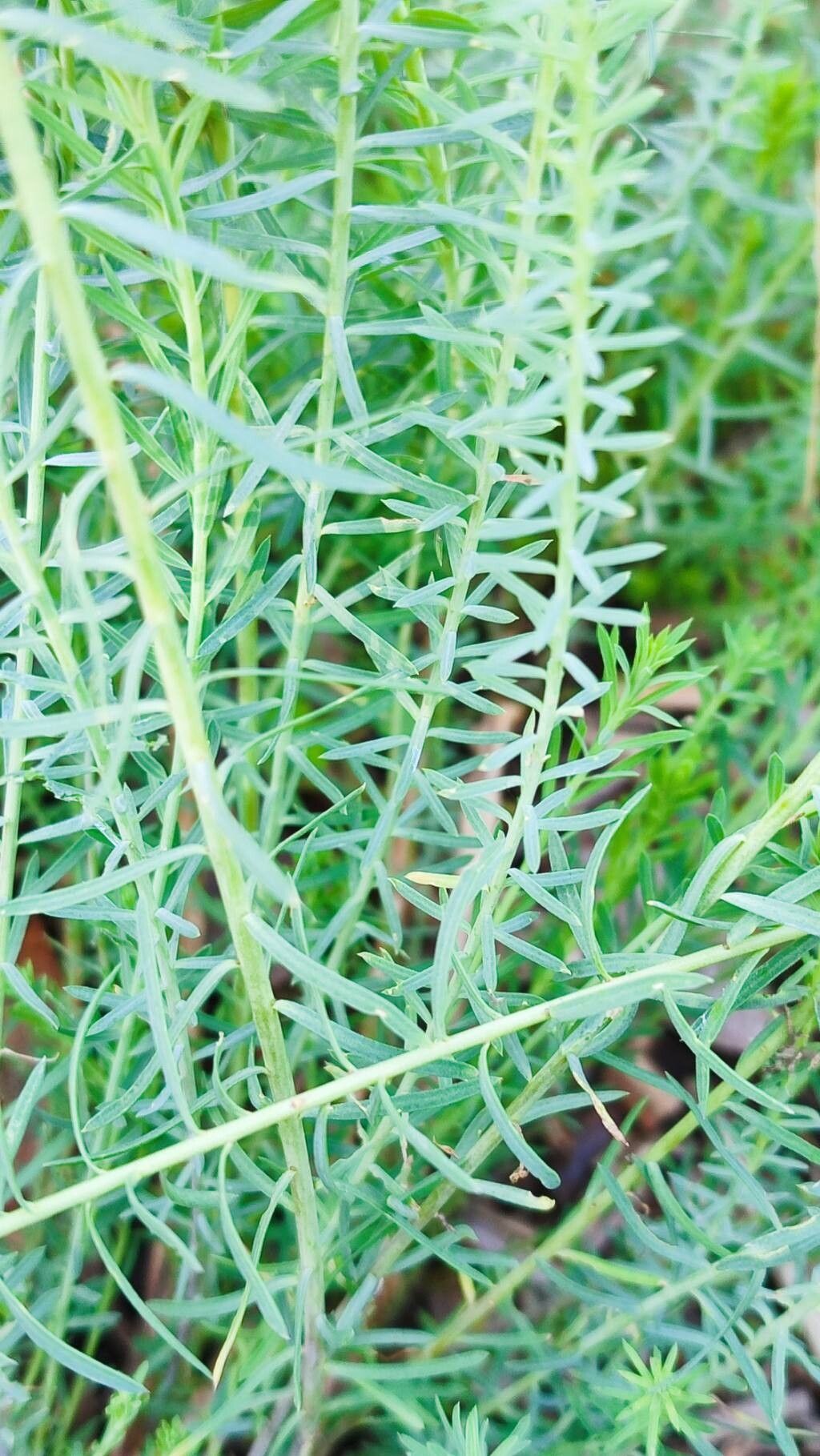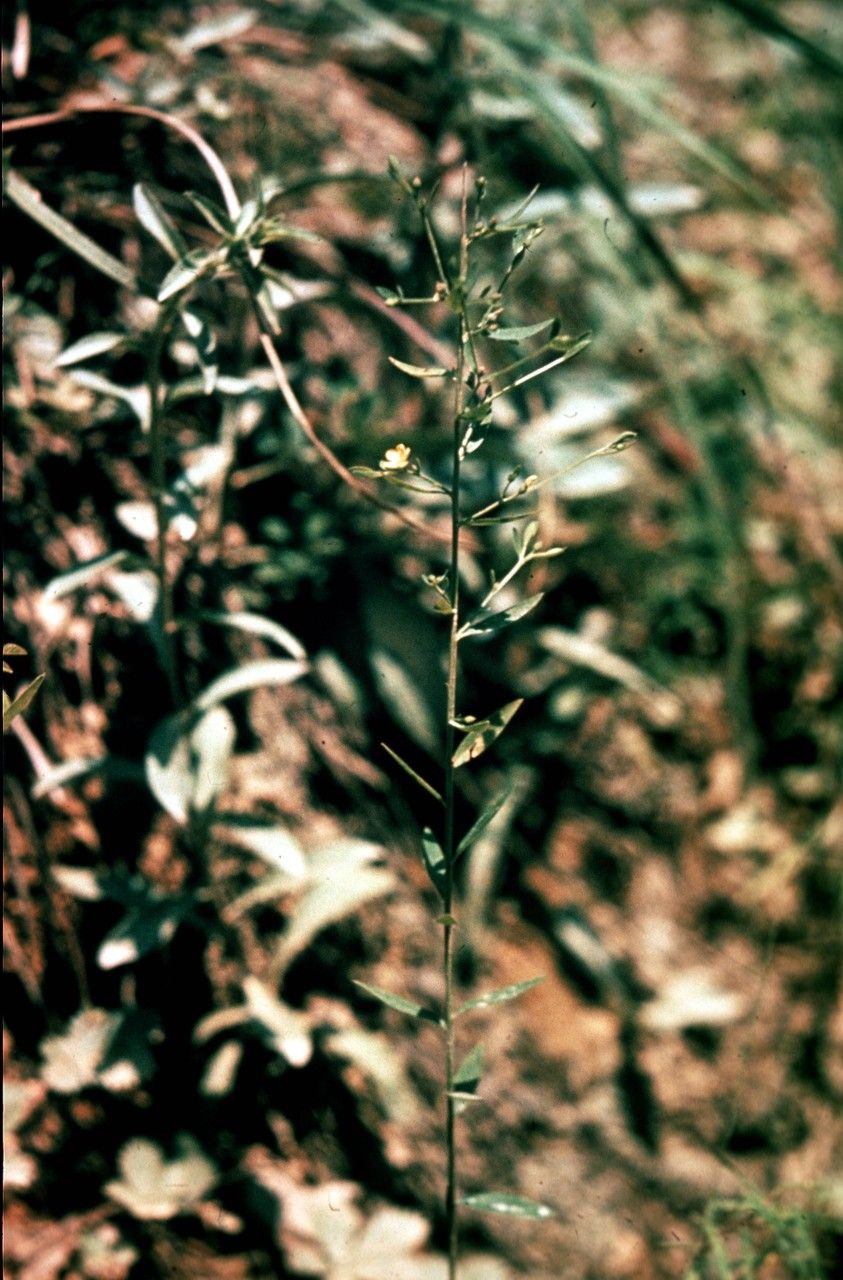
Woodland flax is fairly disease-resistant and is generally not prone to illnesses. However, it can be affected by pests and diseases present in its environment. Such infections are usually mild. In terms of care, this plant needs moderate maintenance. It should be pruned regularly to preserve a tidy appearance and promote healthy growth. Fertilizing can also help encourage flowering. Woodland flax is appropriate for anyone with outdoor space, like a garden or patio, and does not demand much gardening experience. It may need more attention when cultivated indoors.
How to keep Linum Virginianum.
Light
Woodland flax is indigenous to surroundings like forest understories and rocky terrain which naturally provide it with shade. It favors partially sunny conditions but has the capability to acclimate to either complete sunlight or total shade, thereby showcasing its adaptable and resilient character.
Temperature
The capability of Woodland flax to adapt to diverse temperature ranges does exist, yet its dispersion might still be constrained by various combinations of aquatic and thermal conditions. It flourishes optimally in summer's warm climates, provided sufficient rainfall or irrigation is present. Extended durations of overcast and wet weather, plus sustained high temperatures, can bolster the chances of the Woodland flax perishing. During winter, adequate safeguards against the cold can enhance the plant's life expectancy.
Fertilizer
Woodland flax typically requires just one application of fertilizer in the spring, but to optimize growth, fertilizing multiple times is advised. It's recommended to fertilize once every one to one and a half months. Fertilizing not only improves leaf look and performance, leading to a uniform color and a robust texture but also encourages root development and nutrient uptake, thereby contributing to the long-standing well-being of the plant.