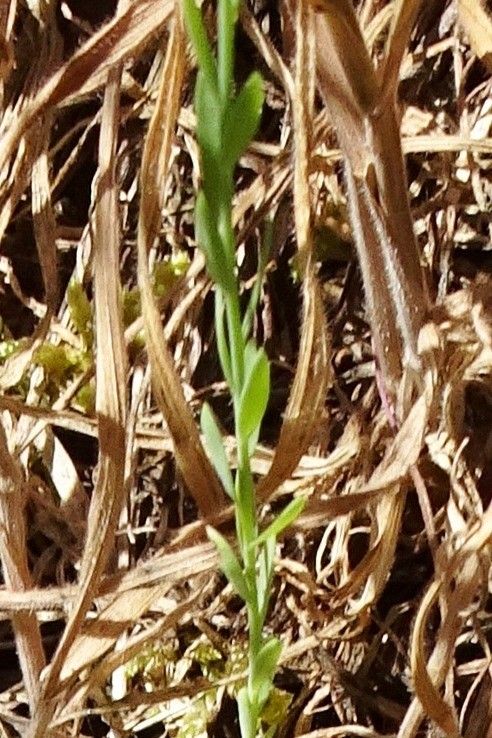
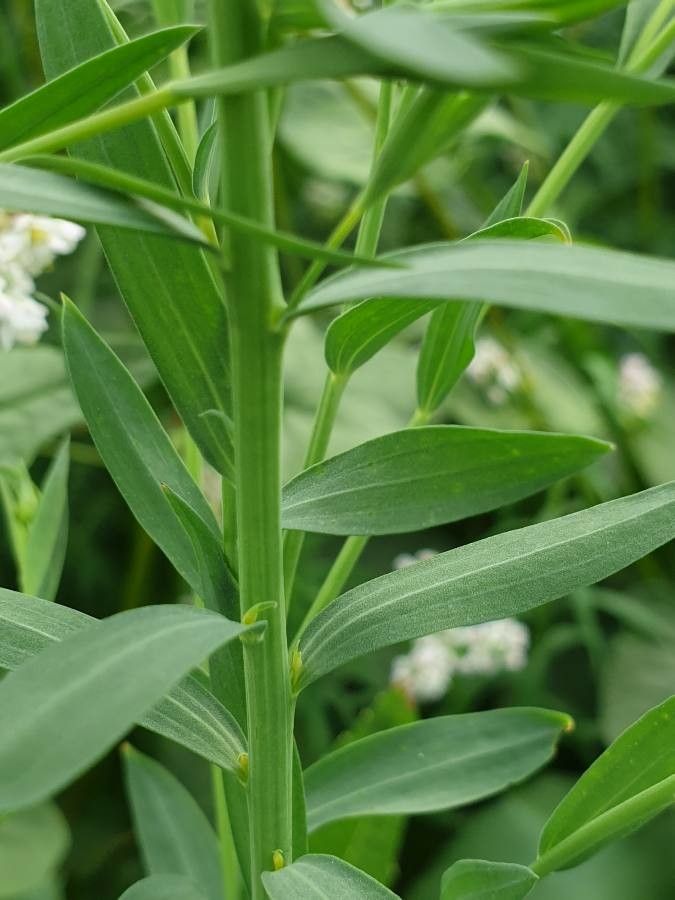
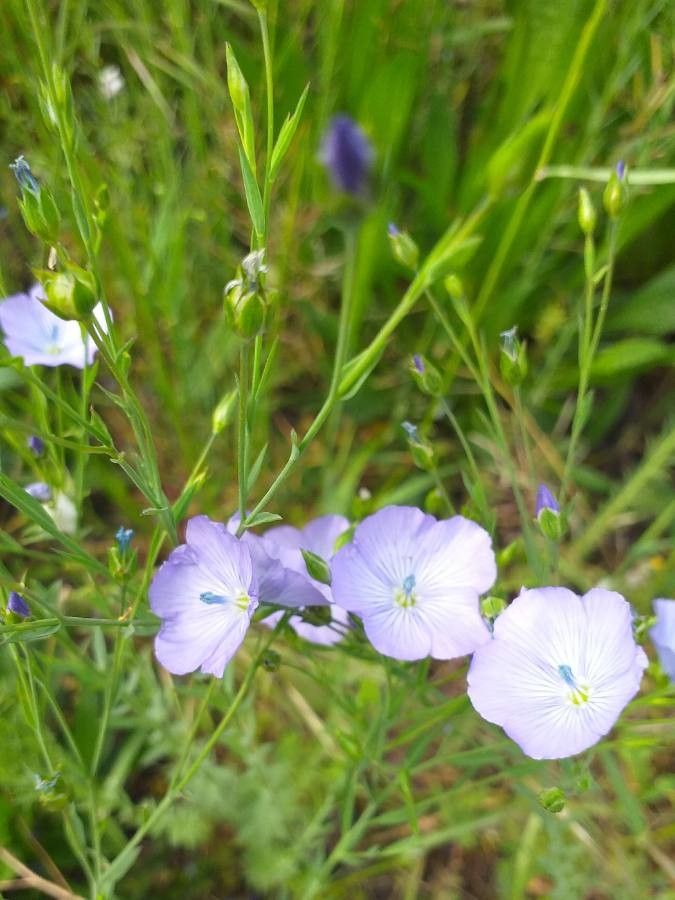
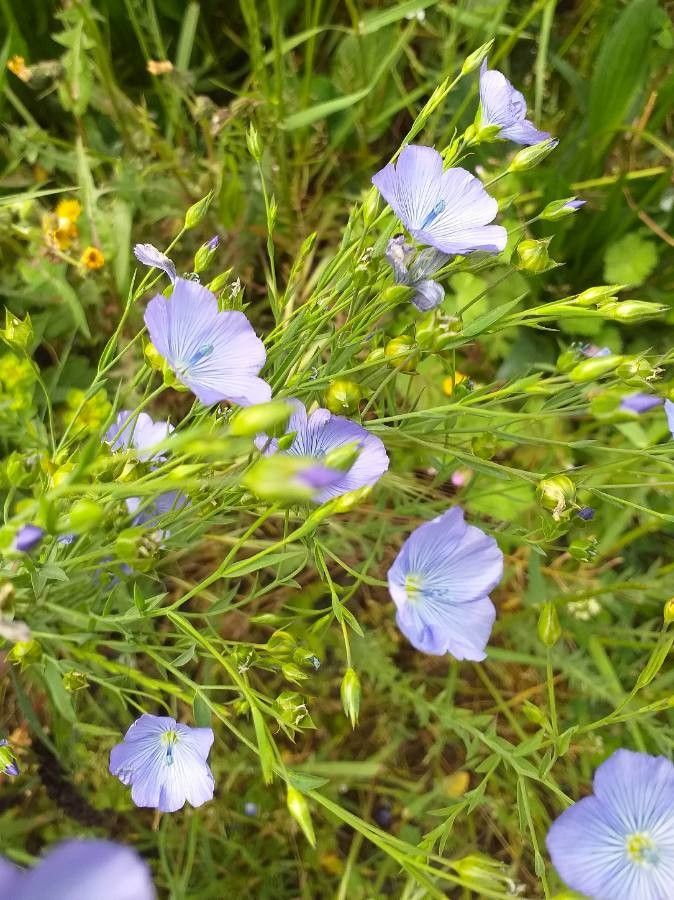
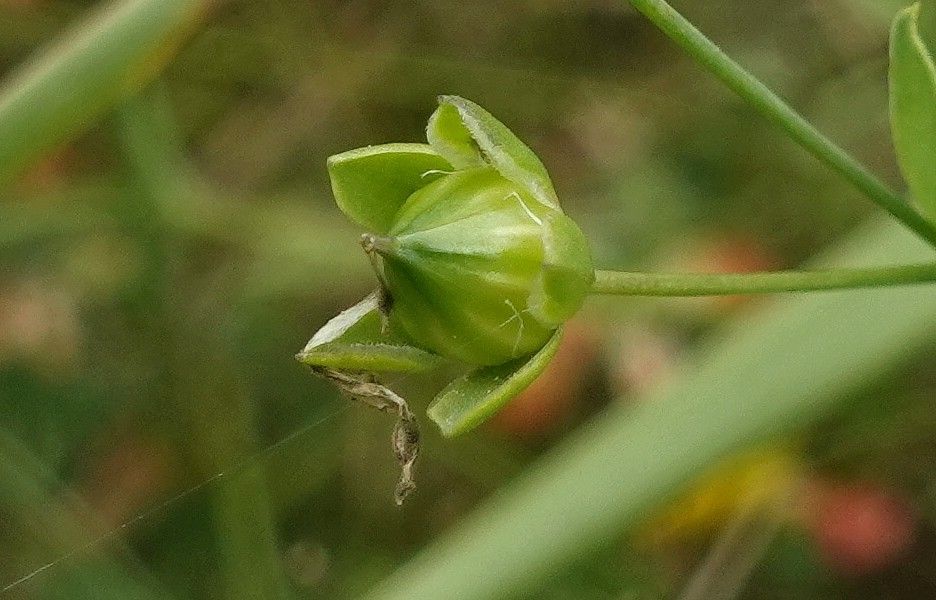
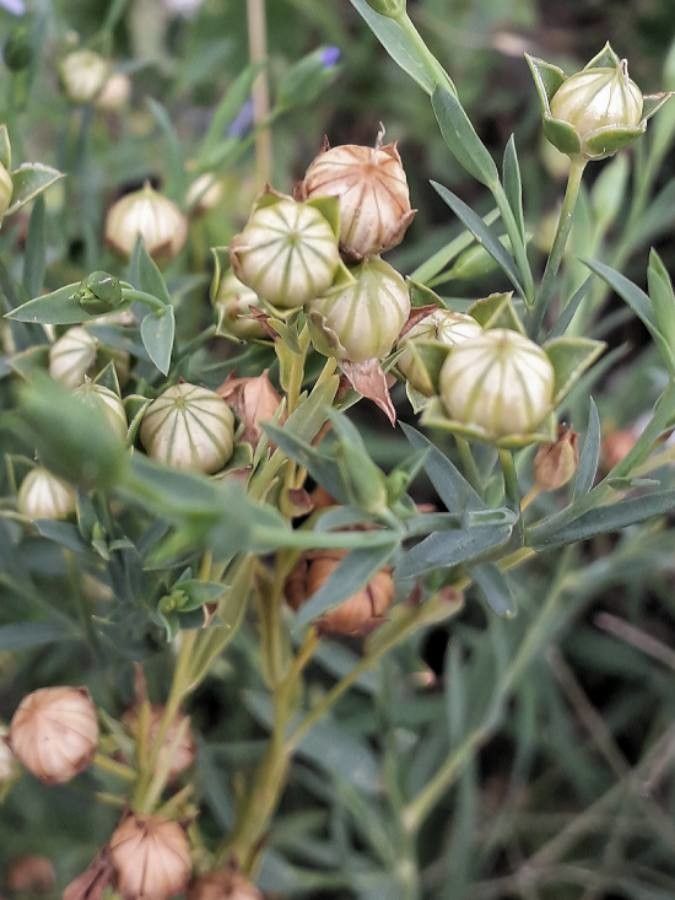
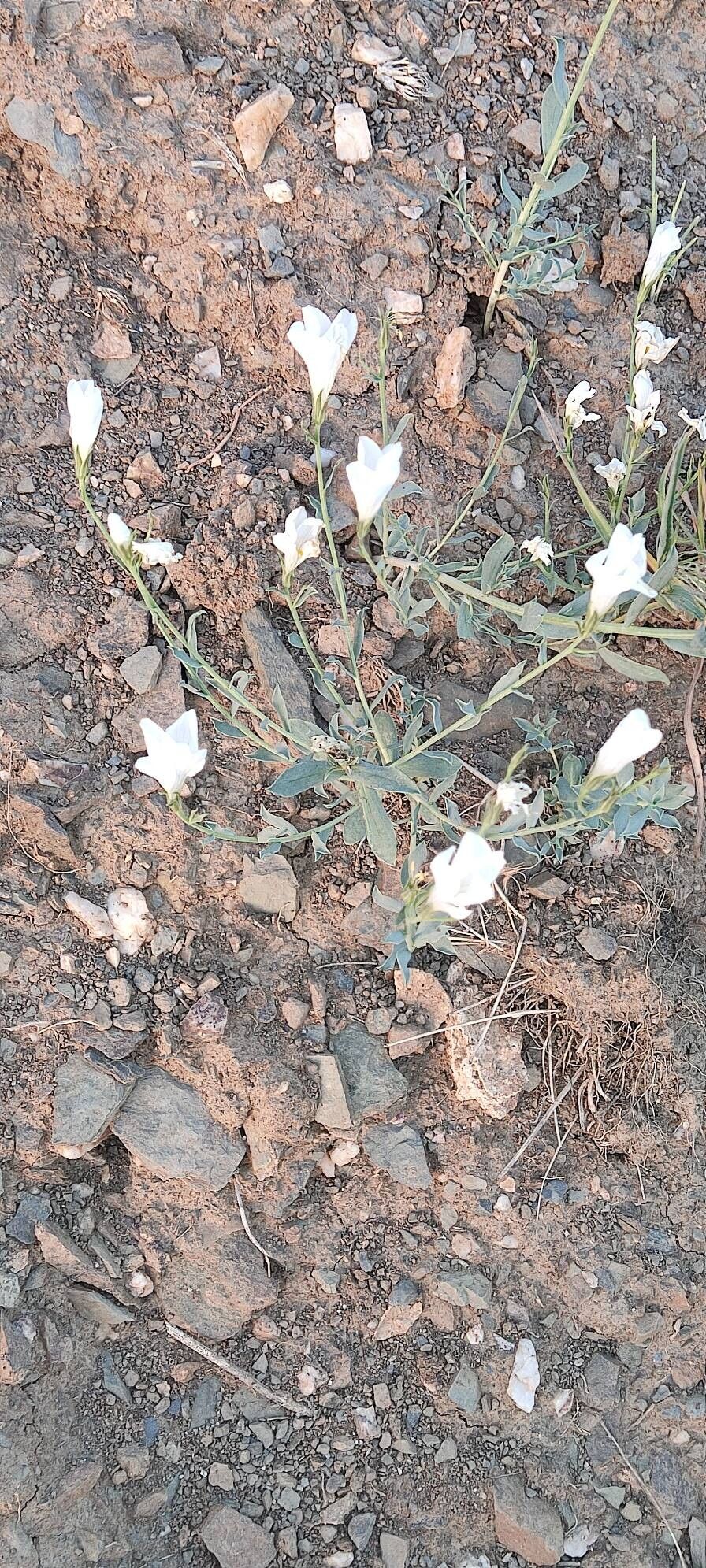
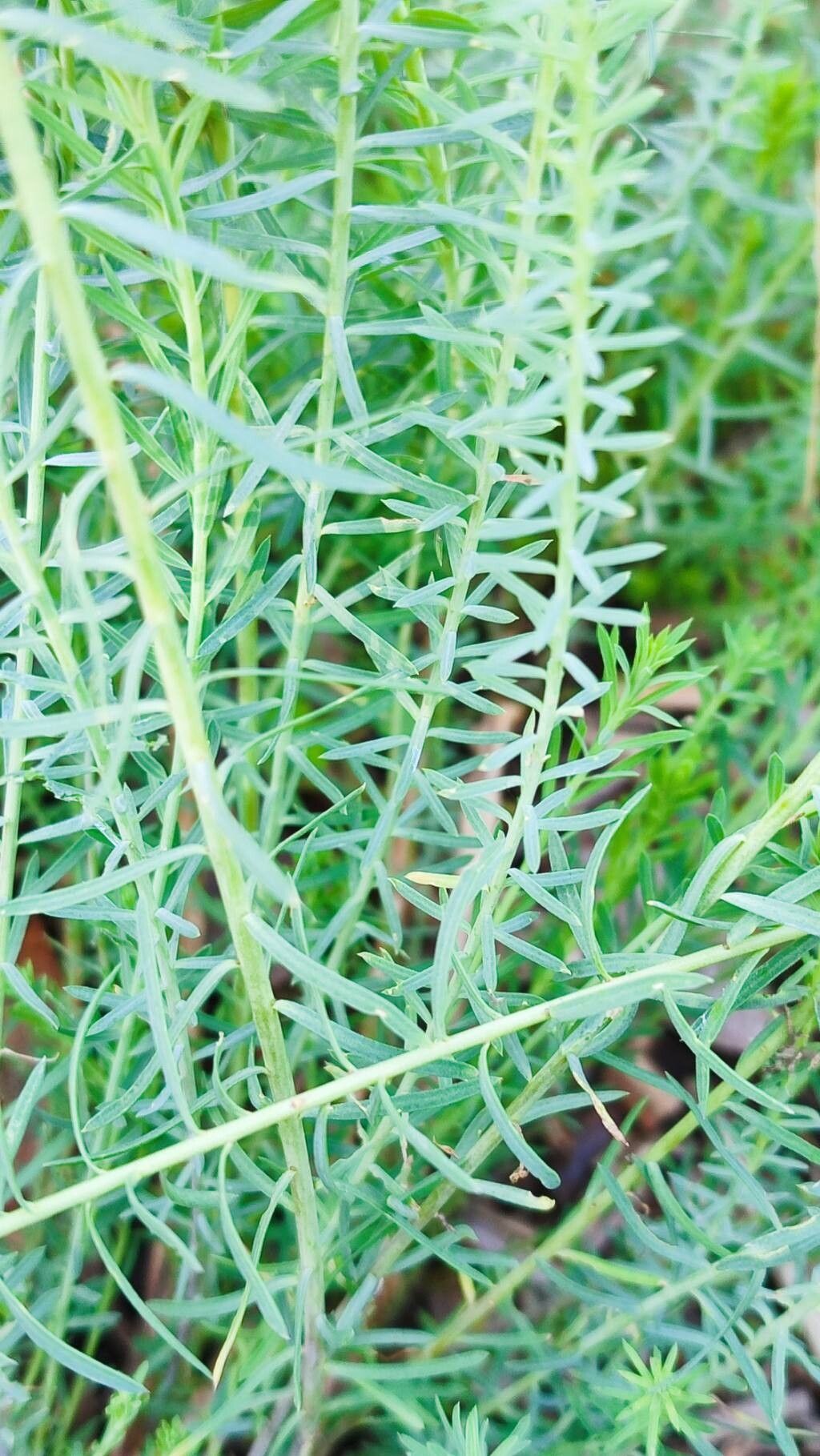
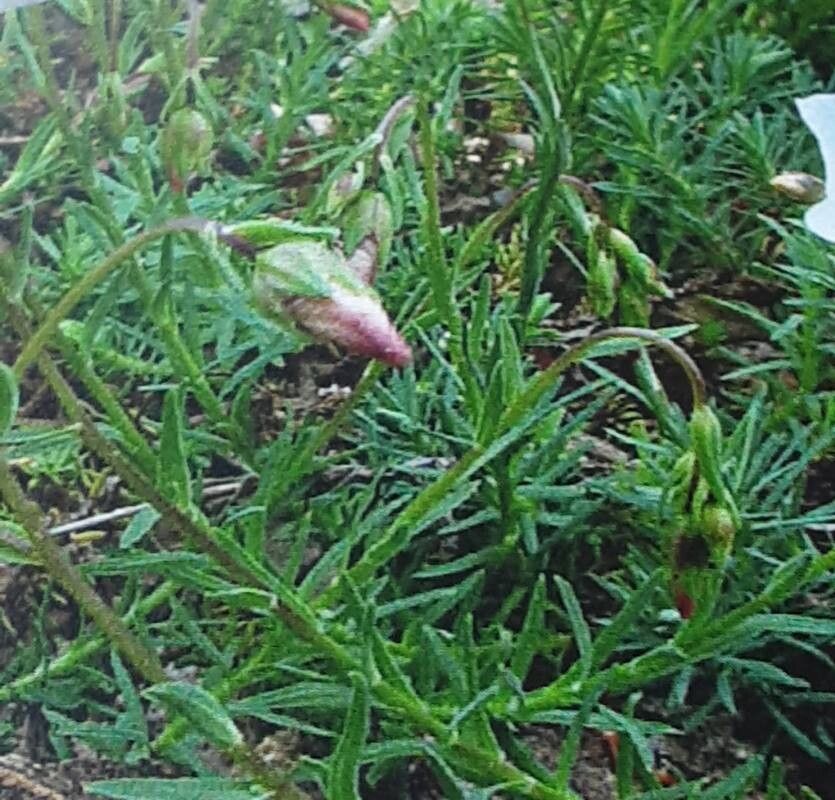
Flax, also known as common flax or linseed, is a flowering plant, Linum usitatissimum, in the family Linaceae. It is cultivated as a food and fiber crop in regions of the world with temperate climates. Textiles made from flax are known in Western countries as linen and are traditionally used for bed sheets, underclothes, and table linen. Its oil is known as linseed oil. In addition to referring to the plant, the word "flax" may refer to the unspun fibers of the flax plant. The plant species is known only as a cultivated plant and appears to have been domesticated just once from the wild species Linum bienne, called pale flax. The plants "flax" in New Zealand are, by contrast, members of the genus Phormium.
Flax is fairly disease-resistant and usually does not suffer from many illnesses. Still, it can be affected by pests and diseases present in its environment. These problems tend to be minor. For care, this plant needs a moderate amount of attention. It should be pruned regularly to keep a neat appearance and encourage healthy growth. Fertilizing can also help boost flowering. Flax is well suited for anyone with outdoor space, like a garden or patio, and does not demand extensive care experience. It may require more attention when grown indoors.
How to keep Linum Usitatissimum.
Light
Flax flourishes with abundant sunlight, favoring open-sky exposure so it can absorb substantial solar energy for photosynthesis and achieve optimal growth. In its natural habitat where sunlight is plentiful, it can tolerate locations with somewhat less sun. Excessive shade or overcast weather may impair its development, causing malnutrition and stunted growth.
Water
Flax, which originates from moderate climates, thrives when it receives balanced moisture. It is somewhat drought-tolerant and does best with weekly watering. Natural rainfall during the growing season also benefits flax, supporting its overall health and lifecycle.
Temperature
Flax is native to regions with temperate climates. The optimal temperature for their growth is 68 to 95°F (20 to 35°C). When seasonal variations are extreme, it is advisable to adjust temperatures to imitate these conditions.
Fertilizer
When most of Flax's blooms have fully opened, resume fertilizing. During the period of peak bloom production, apply fertilizer every three to four weeks, as weather permits. Then, once Flax begins to produce fewer new blooms, stop fertilizing; there's no need to fertilize when the plant can no longer produce more blooms.
Pruning
Flax plants have slender stems and vibrant blue flowers. To encourage dense growth and maximize flowering, prune them in early to late spring. Be sure to use clean, sharp tools to prevent disease, which will enhance the overall health and productivity of the flax.
Pot & Repot
When repotting Flax, choose a pot 1-2 inches (2.5–5.1 cm) larger in diameter that has good drainage. Use a well-draining potting mix and consider adding perlite for extra drainage. Repot in spring or early summer, water thoroughly afterward, and initially place it in a shady location.
Botanical profile.
- Plant Type
- Herb
- Life Cycle
- Annual, Perennial
- Genus
- Linum
- Family
- Linaceae
- Hardiness Zone
- 4-8
- Mature Height
- 1.22 m
- Mature Spread
- 20 cm to 25 cm
- Leaf Color
- Green
- Leaf Type
- Deciduous
- Flower Color
- Blue
- Flower Size
- 1.52 cm to 2.54 cm
- Bloom Time
- Late spring, Early summer
- Planting Time
- Spring, Summer
- Harvest Time
- Mid summer
- Native Area
- Russia, Saudi Arabia, Afghanistan, Iraq, Syria, Turkey, Oman, Montenegro, Iran, Cyprus, Yemen, Lebanon
Other names.
Reader questions.
How should I water my Flax plant?
Watering Flax is quite simple and versatile. You have various options available, such as using a garden hose with a spray nozzle, a watering can, or any other common watering tool. Flax is not too particular about the type of water it receives, whether it's rainwater, tap water, or filtered water. It's important to avoid watering this plant from overhead as it may harm the leaves and flowers, and potentially lead to diseases. In these cases, a drip irrigation system works best for Flax by delivering water evenly and directly to the soil. When it comes to watering Flax in a container, the same principles apply, but you can switch up the tools you use. Consider using a cup, watering can, or your tap to water the soil directly.
Why should I put fertilizer on my Flax?
Plants, including Flax, require nutrients to survive. This is common knowledge among most gardeners, regardless of their experience. The absence of proper nutrition after the first pollination will result in Flax dying out quickly. To ensure Flax thrives and produces large, beautiful flowers throughout the blooming season, it is crucial to provide the right nutrients in the appropriate quantities. Fertilizer plays a vital role in helping Flax develop a strong and healthy root system. This is especially important for Flax as it has a thin and delicate root system that is prone to damage. By fertilizing at planting, Flax can establish a sturdy root structure that not only offers stability to the plant but also sets the stage for an impressive flowering display. Timely fertilization can also significantly extend Flax's flowering period.
What are the sunlight requirements for flax plants?
Flax plants thrive under full sun, requiring above 6 hours of sunlight to flourish optimally. They can also grow under partial sun conditions, with about 3-6 hours of sunlight. It's essential to observe how sunlight moves through your garden throughout the day to find spots that offer the right balance of light and shade, ensuring your flax plants remain happy and healthy.
What is the origin and ideal growth temperature for Flax?
Flax, scientifically known as Linum usitatissimum, is originally found in regions that have moderate climates. The ideal temperature range for flax growth is between 68 to 95°F (20 to 35°C). To ensure the best growth outcomes, it's encouraged to adjust conditions to stay within this temperature range, especially in areas experiencing extreme seasonal variations.
What should I do if I give my Flax plant too much water or too little water?
The solution to underwatering Flax is simple: when you see that your plant is dry, water it more regularly. Overwatering, on the other hand, can be a serious problem if not noticed early. If your Flax is overwatered, it can develop diseases that may cause it to decline and die. To prevent this, choose a suitable location for growing, one with plenty of sunlight to dry the soil and good drainage to prevent water from pooling. If you have overwatered Flax in a pot, you may need to transfer it to a new pot with proper drainage. When repotting, use loose soil and ensure the new pot drains efficiently.
When should I fertilize my Flax plant?
Flax experiences rapid growth early in the growing season, once the last frost risk has passed. This is the best time to fertilize Flax, ideally during planting. Whether you plant it in the ground or in planters, applying fertilizer at this stage is crucial. This initial dose of fertilizer will be sufficient until later in the year when the blooms are at their peak. As the season progresses and Flax's blooms reach their full size, it is time to resume fertilizing. Begin fertilizing every three to four weeks, adjusting based on weather conditions, around the time when the blooms are producing the most. However, once Flax begins to produce fewer new blooms, there is no need to continue fertilizing.
What are the essentials for growing flax successfully?
Flax plants need abundant sunlight exposure to perform photosynthesis effectively, which is crucial for their growth. In its natural habitat, flax can withstand somewhat lesser sun but prefers open sky exposure. Excessive shade or prolonged overcast conditions can lead to malnutrition and stunted growth. When natural sunlight is inadequate, especially indoors or during winter, artificial lighting can be a vital solution to ensure optimal growth. LED lights are recommended because they can be customized to provide specific wavelengths necessary for the plant. The intensity of artificial lighting should vary based on the plant's sunlight needs, ranging from 30-50W/sq ft for full sun plants to 10-20W/sq ft for full shade plants. Proper placement and duration of artificial light are crucial for mimicking natural sunlight conditions.
How does Flax react to cold temperatures?
Flax possesses strong cold resistance and typically does not require special frost protection measures during winter. If there are expectations of winter temperatures dropping below the plant's cold tolerance limit, it's important to mitigate the cold's impact by covering the flax with soil or straw. Additionally, watering the plant abundantly before the first freeze of autumn to maintain moist soil can help prevent drought and water scarcity during the colder months.
How often do I need to water my Flax plant?
Flax plants need regular watering throughout the growing season. In spring, you should water them once a week. As the season progresses and temperatures rise, you may need to increase watering to two or three times a week. However, be careful not to exceed this rate as it can harm the Flax. It is important to keep the soil relatively moist but not overly wet, regardless of how often you need to water. Watering Flax in a pot is slightly different. Potted plants tend to dry out faster, so you will generally need to water them a few times a week compared to once a week for plants in the ground.
When should I not add fertilizer to my Flax plant?
Regular fertilizing is crucial for Flax, but it is important to apply it at the right time. There are certain situations, mainly related to climate and other controllable factors, where it is necessary to withhold fertilization. If something is wrong with the plant, soil, or climate, it is best to wait until the issue has been resolved and the plant has recovered. For example, if there are severe or unexpected weather changes like a sudden cold snap during summer, it is advisable to wait for warm weather before fertilizing. Similarly, if the soil is too dry or compacted, it won't be able to effectively absorb the fertilizer, which could harm the plant's roots. It is also important to avoid fertilizing when temperatures reach extreme levels, especially during the hottest parts of the day. Fertilizers can break down at different speeds depending on temperature, so it is crucial not to expose them to high temperatures that could cause rapid breakdown. Additionally, any pests or diseases should be addressed and resolved before applying fertilizer again.
What symptoms indicate insufficient light for flax plants?
When flax plants do not receive enough light, several symptoms may arise, including smaller new leaves, leggy or sparse growth, faster leaf drop, slower or halted growth, and paler new leaves. These symptoms indicate a lack of chlorophyll and essential nutrients. Additionally, flax plants can experience chlorosis, sunscald, leaf curling, wilting, and leaf scorching due to poor light conditions or overexposure to sunlight. These conditions affect the plant's ability to photosynthesize and maintain overall health.
What should be done if a Flax plant is exposed to temperatures below its growth limit?
If a Flax plant experiences temperatures below its growth limit, it may not show immediate effects during winter but could exhibit decreased sprouting or fail to sprout at all come spring. In such cases, the recommended action is to remove any parts of the plant that have failed to sprout as spring arrives.