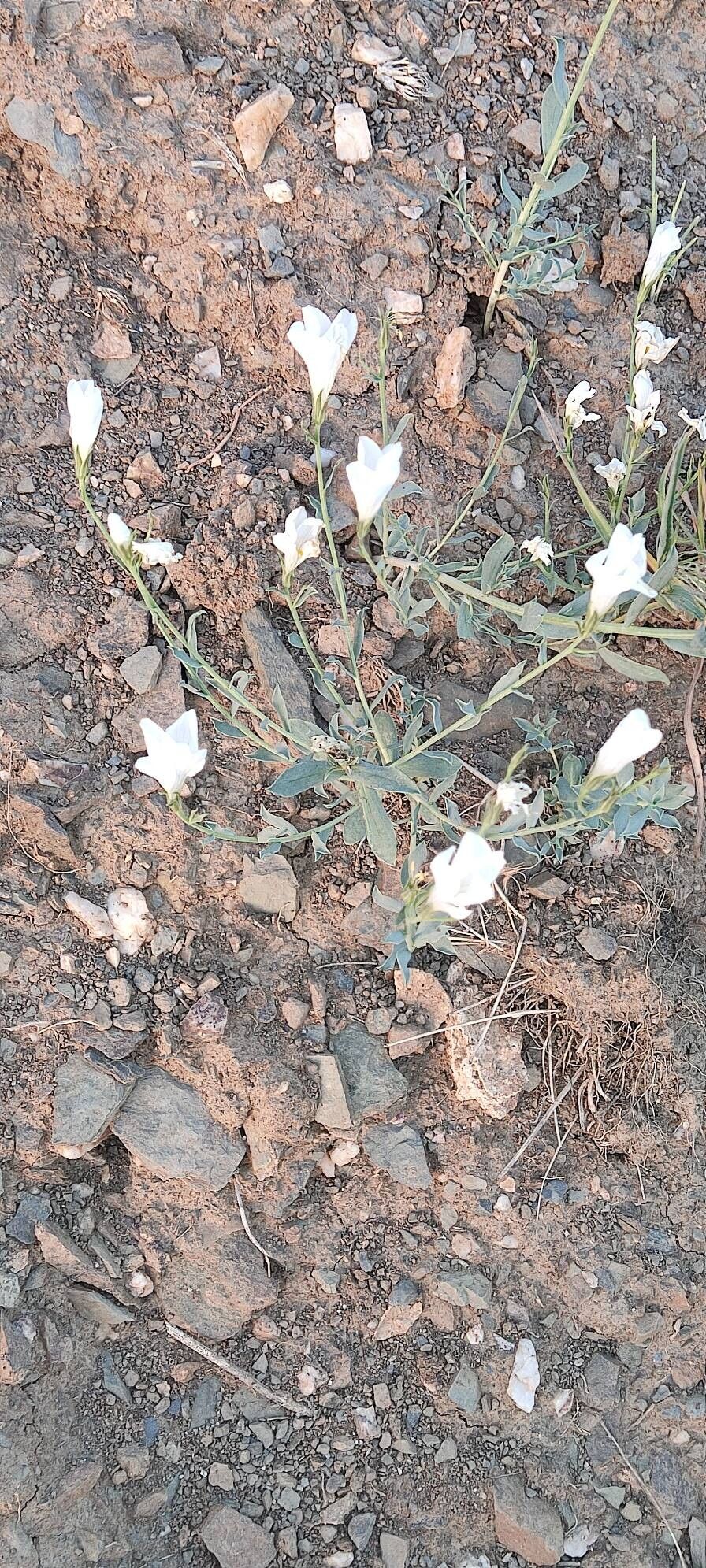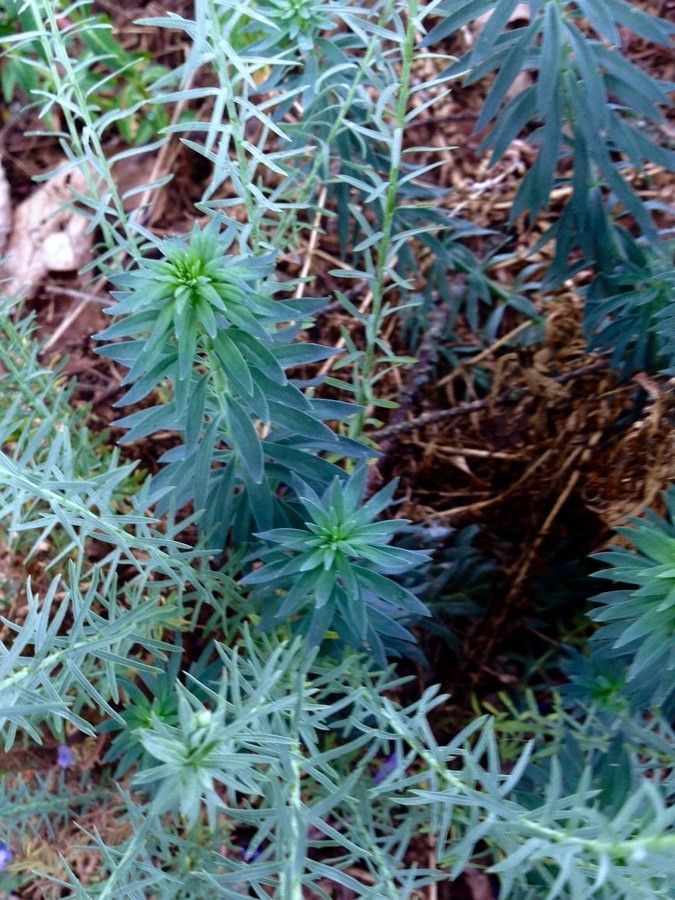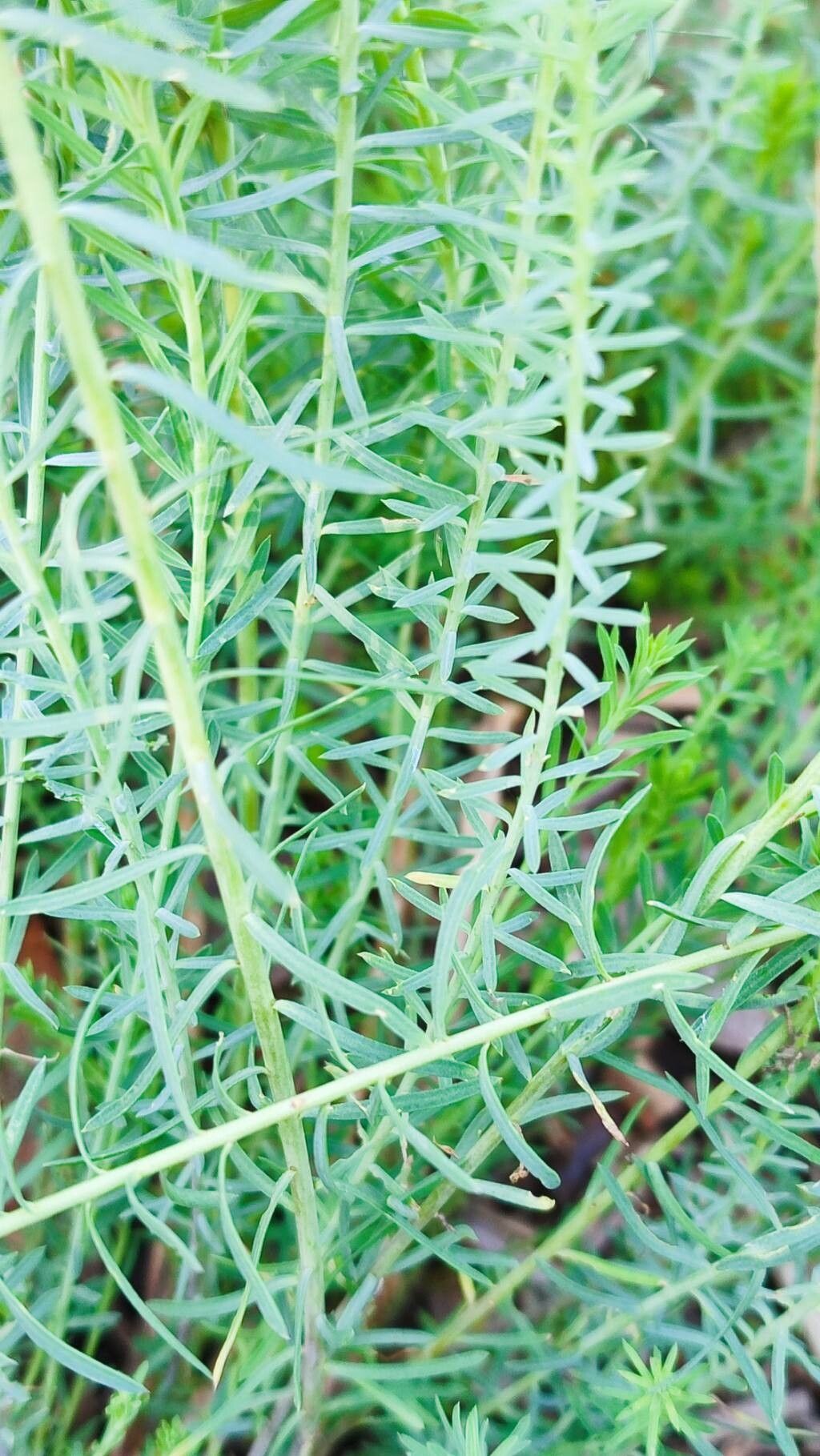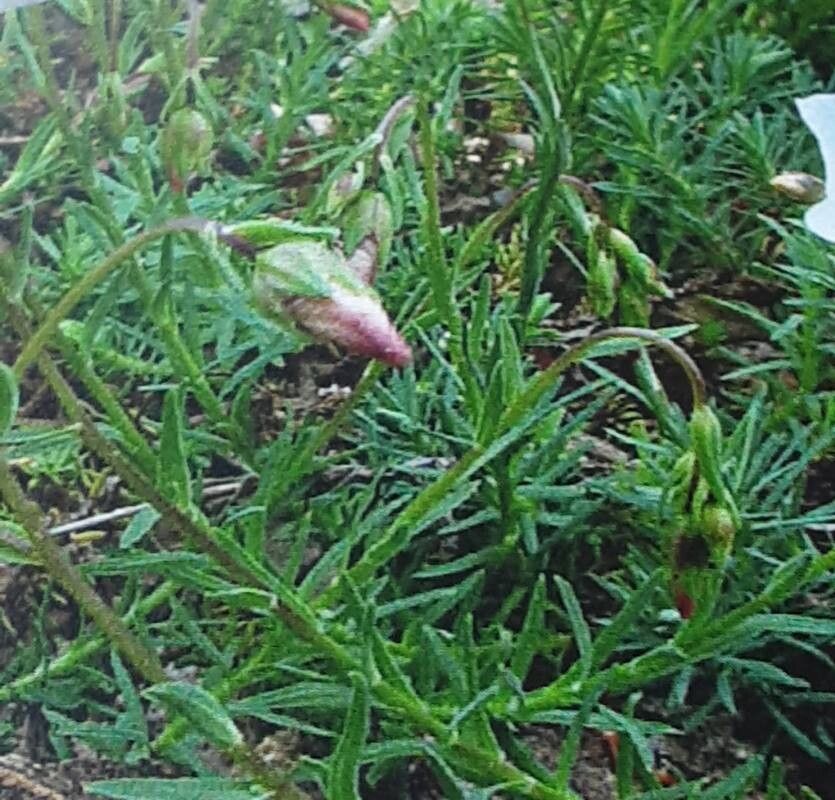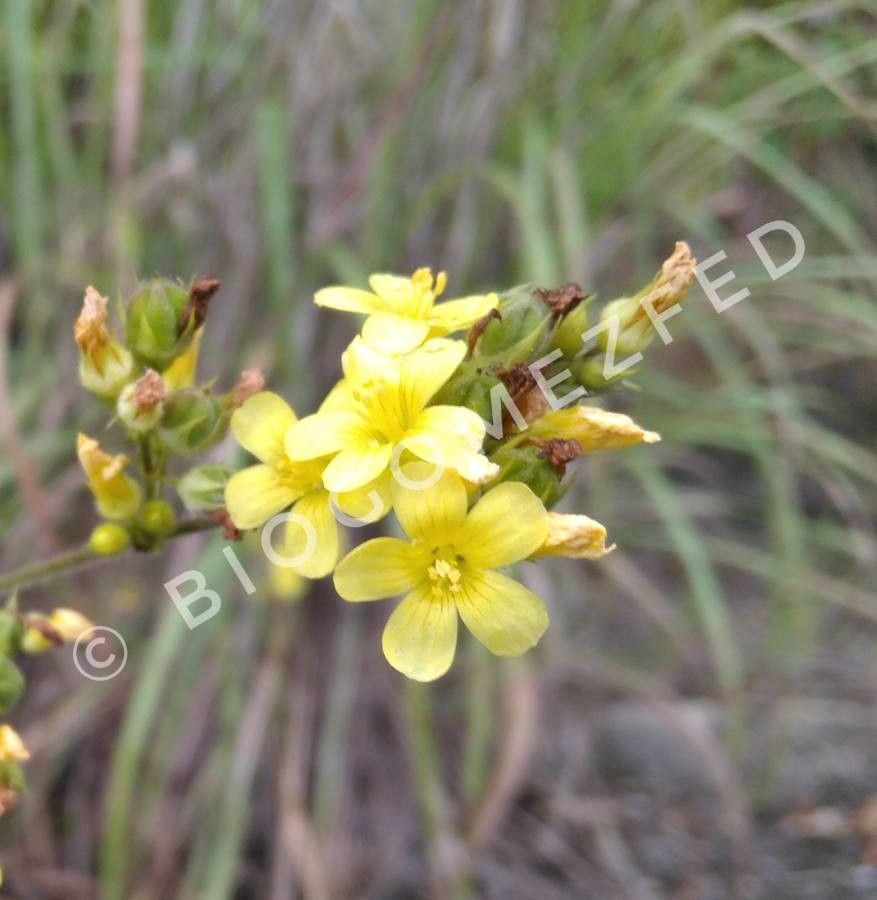
Linum sulcatum, common names yellow flax, grooved yellow flax, grooved flax, and yellow wild flax is a plant native to the United States and Canada.
Grooved flax is fairly disease-resistant and generally not prone to illnesses. However, it can be affected by pests and diseases present in its surroundings. These infections are typically not serious. In terms of care, the plant requires moderate maintenance. It should be pruned regularly to maintain a neat appearance and support healthy growth. Fertilizing can also help encourage flowering. Grooved flax is suitable for people with outdoor spaces such as a garden or patio and does not demand extensive gardening experience. It may need more attention when grown indoors.
How to keep Linum Sulcatum.
Light
Grooved flax favors locations where it gets constant sunlight. This preserves its health and encourages optimal growth throughout its stages of development. Coming from open habitats, it is suited to direct, unfiltered sun. Too much or too little light can influence its growth, although strong exposure is less problematic because the plant is resilient.
Water
Grooved flax, native to moderate climates, thrives with consistent moisture and needs watering once a week. It prefers well-draining soil to prevent waterlogging and benefits from natural rainfall when grown outdoors. This helps it remain resilient to both drought and over-saturation.
Temperature
Grooved flax can tolerate a wide range of temperatures, yet its range may still be constrained by different combinations of moisture and heat. It grows best in warm summers with adequate rainfall or watering. Extended periods of cloudy, rainy weather, as well as prolonged high temperatures, can increase the chance of Grooved flax dying. In winter, proper protection from cold can enhance the plant's survival rate.
Fertilizer
Once most of Grooved flax's blooms have opened and reached full size, resume fertilizing. When the blooms are at peak production, apply fertilizer every three to four weeks, as weather permits. Then, when Grooved flax begins to produce fewer new blooms, stop fertilizing; there's no point in fertilizing once the plant can no longer produce additional blooms.
Pruning
For healthy growth of grooved flax, prune it from early to late spring. Remove dead or weak stems to encourage vigorous development. This approach helps prevent overcrowding, promotes good airflow to reduce the risk of disease, and boosts flowering. Be sure to use clean, sharp tools for effective care and optimal plant recovery.
Botanical profile.
- Plant Type
- Herb
- Life Cycle
- Annual
- Genus
- Linum
- Family
- Linaceae
- Hardiness Zone
- 4-8
- Mature Height
- 20 cm to 61 cm
- Mature Spread
- 15 cm to 30 cm
- Leaf Color
- Green
- Leaf Type
- Semi-evergreen
- Flower Color
- Yellow
- Flower Size
- 1.02 cm to 2.03 cm
- Bloom Time
- Summer
- Planting Time
- Spring, Summer
- Harvest Time
- Late summer, Early fall, Mid fall
Other names.
Reader questions.
What should I do if I give my Grooved flax plant too much water or too little water?
The solution for underwatering Grooved flax is simple
What are the sunlight requirements for Grooved Flax?
Grooved Flax requires full sun, meaning it needs above 6 hours of sunlight daily to thrive. It's crucial to observe how sunlight moves through your garden to find spots that offer a perfect balance of light and shade, ensuring your plants remain healthy. Originating from open habitats, Grooved Flax is adapted to strong, unfiltered solar exposure. Both over or under-exposure to sunlight can affect its growth; however, it generally faces fewer issues with intense exposure due to its resilient nature.
How do I provide sufficient lighting for indoor Grooved Flax plants?
For indoor Grooved Flax plants, when natural sunlight is insufficient, especially in winter or less sunny spaces, artificial lights can serve as an excellent solution to support optimal growth. LED lights are popular as they can be customized to the plant’s needs. Full sun plants need 30-50W/sq ft, partial sun 20-30W/sq ft, and full shade plants 10-20W/sq ft of artificial light. The light source should be placed 12-36 inches above the plant, mimicking natural sunlight conditions, and most plants require 8-12 hours of light per day.
What symptoms indicate insufficient light exposure in Grooved Flax?
Grooved Flax shows several symptoms when lacking light, including smaller new leaves, leggy or sparse growth, a tendency to drop older leaves early, delayed or halted growth, paler new leaves, and symptoms like chlorosis, sunscald, leaf curling, wilting, and leaf scorching. These symptoms can indicate light deficiency or excessive sunlight exposure, emphasizing the importance of monitoring and adjusting the plant's exposure to light.
How can I address light exposure issues in Grooved Flax?
To ensure Grooved Flax receives optimal light, gradually move plants to sunnier locations, allowing at least 6 hours of sunlight daily. For indoors, use a south-facing window or artificial light sources, keeping them on for 8 hours daily. Outdoors, avoid sudden light intensity changes to prevent sunburn. Reduce light obstructions by pruning trees or relocating plants to sunnier spots. Although parts of the plant affected by insufficient sunlight may not recover, new growth should be healthy with improved light conditions.