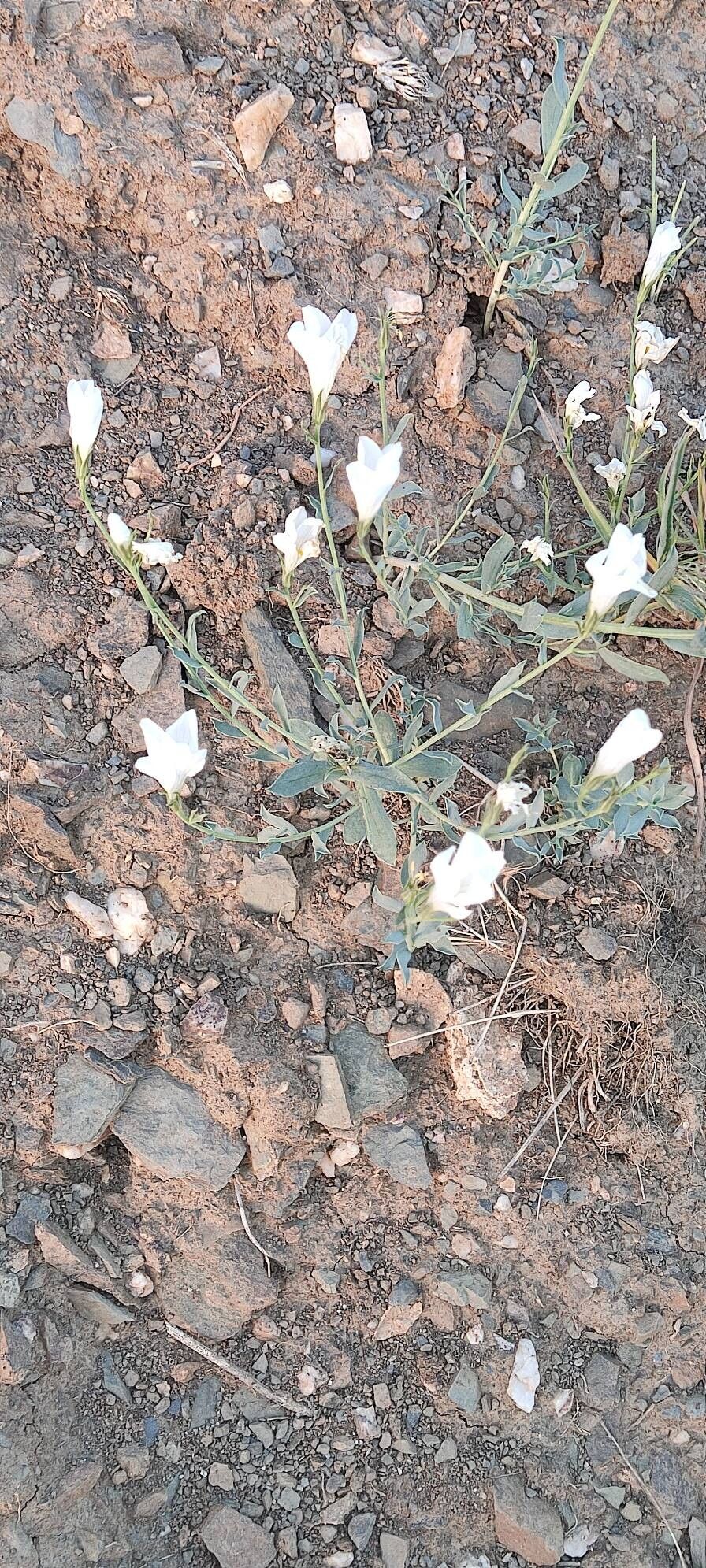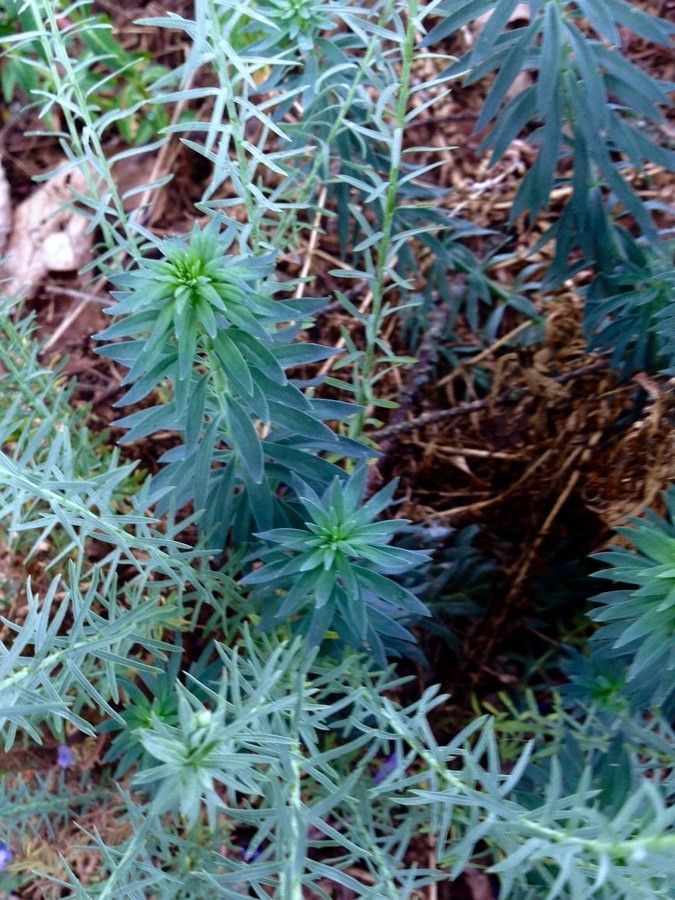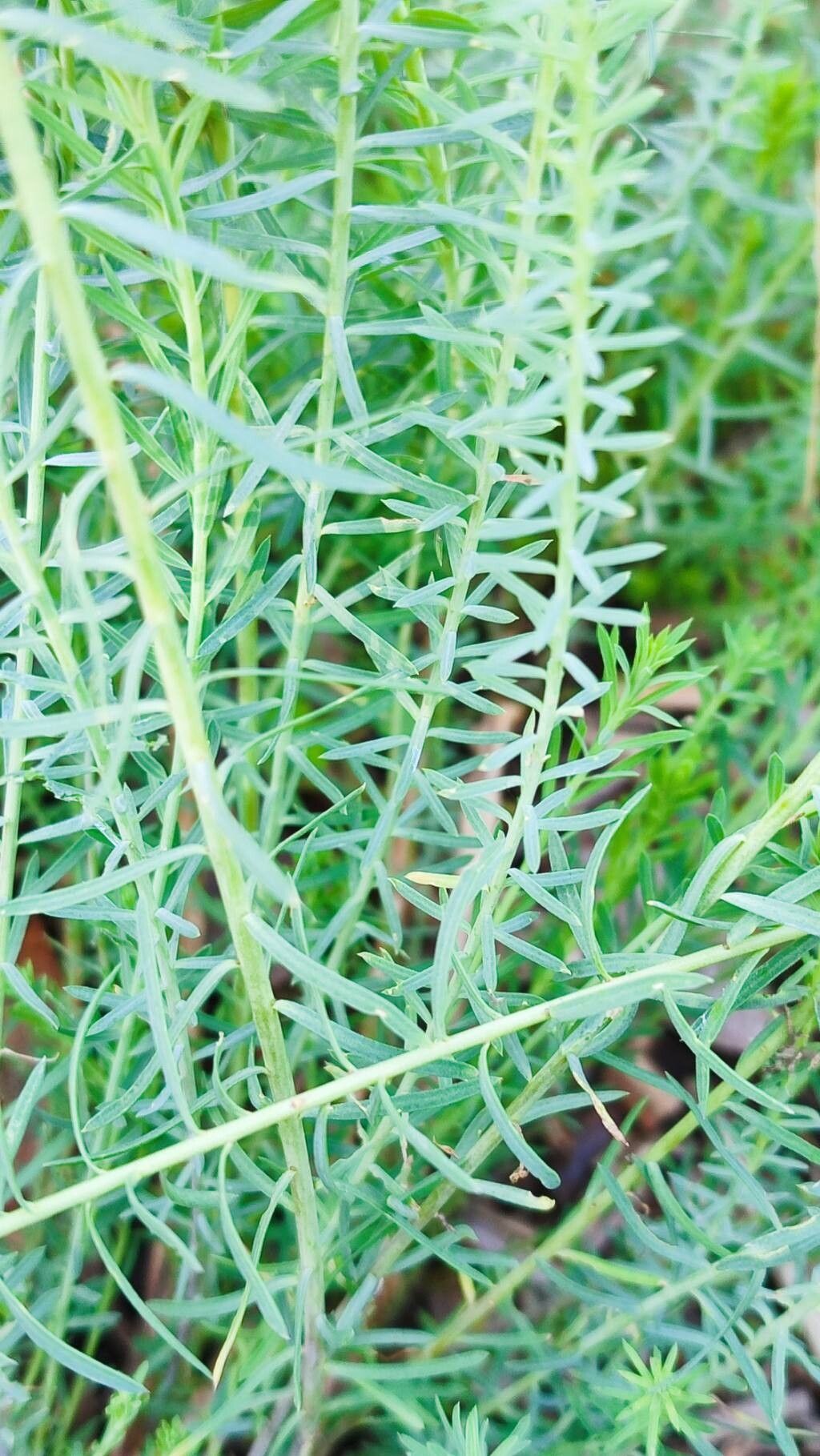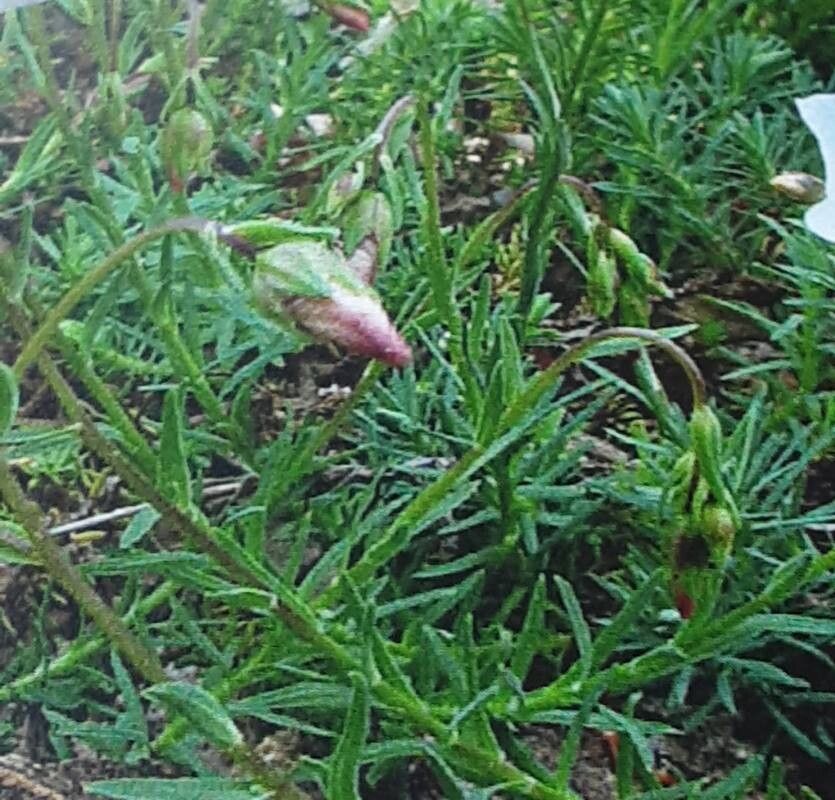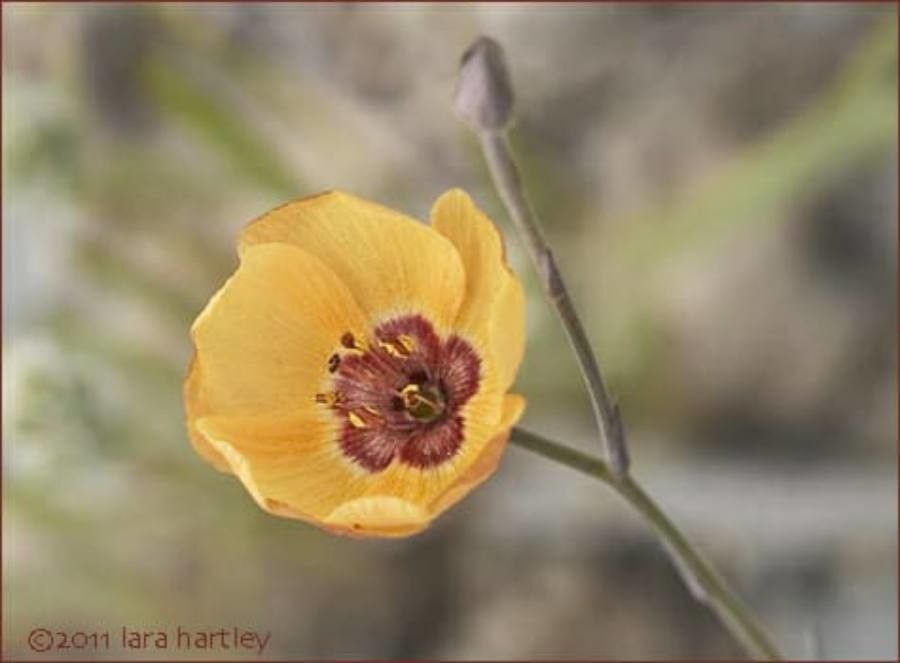
Linum puberulum is a species of flax known by the common name plains flax. It is native to the western and midwestern United States from California to Nebraska to Texas, where it grows in dry, open habitat including desert, semi-desert, hills and low mountains. It is a downy-haired perennial herb producing an erect, branching stem lined with glandular linear leaves up to about 1 centimeter long. The inflorescence is a wide open cyme of golden yellow to yellow-orange flowers each with five petals 1 to 1.5 centimeters in length. The fruit is a capsule about 4 millimeters wide.
Plains flax has strong resistance to disease and is generally unlikely to develop illnesses. Still, it can be vulnerable to pests and diseases present in its environment. When infections do occur, they are typically mild. Regarding care, this plant needs a moderate level of maintenance. It should be pruned on a regular basis to preserve its appearance and encourage healthy growth. Applying fertilizer can also assist in boosting flower production. Plains flax is a good choice for anyone with outdoor space, such as a garden or patio, and does not demand extensive plant-care experience. It may, however, need more attention if cultivated indoors.
How to keep Linum Puberulum.
Fertilizer
Plains flax does well with regular, weak applications of fertilizer to encourage healthy leaf growth. You should feed Plains flax about once a month during the summer. Nitrogen is vital for the foliage, and providing nitrogen-rich sources supports Plains flax in thriving.
Botanical profile.
Other names.
Reader questions.
What are the sunlight requirements for Plains flax (Linum puberulum)?
Plains flax (Linum puberulum) requires full sun exposure, which means it needs above 6 hours of sunlight daily. It's important to observe the way sunlight moves through your garden to find locations that offer the right balance of light and shade. This attentiveness ensures that your Plains flax plants grow healthy and happy.