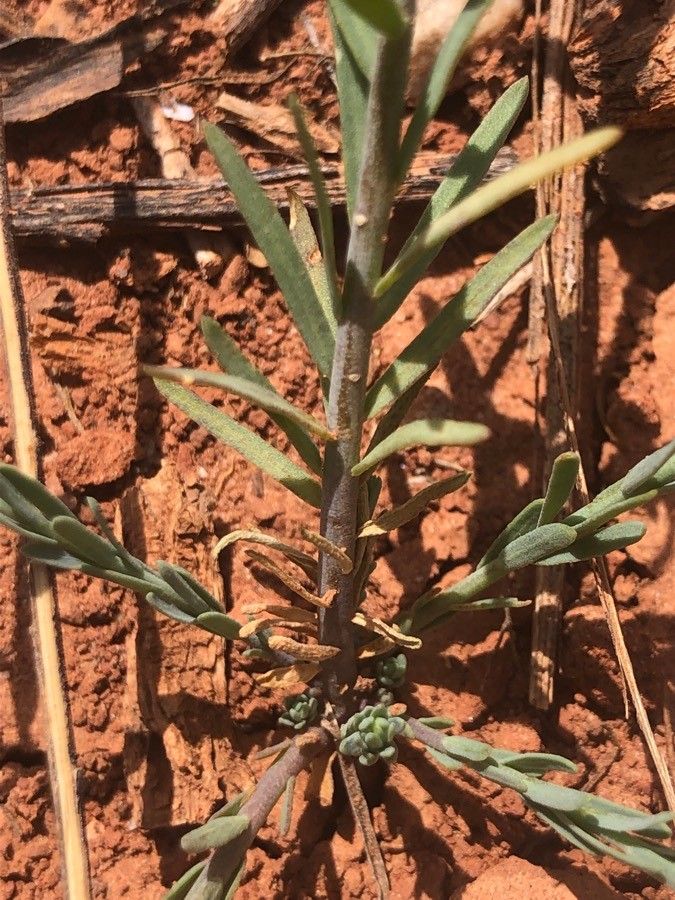
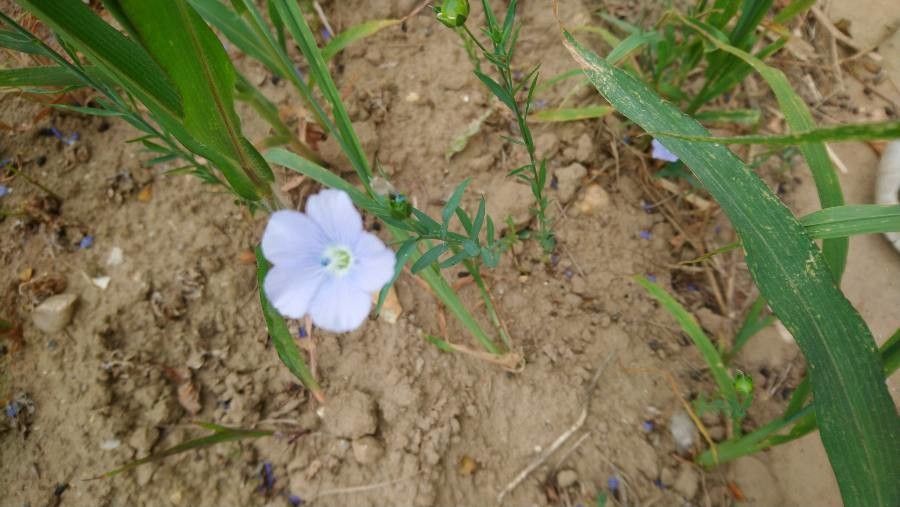
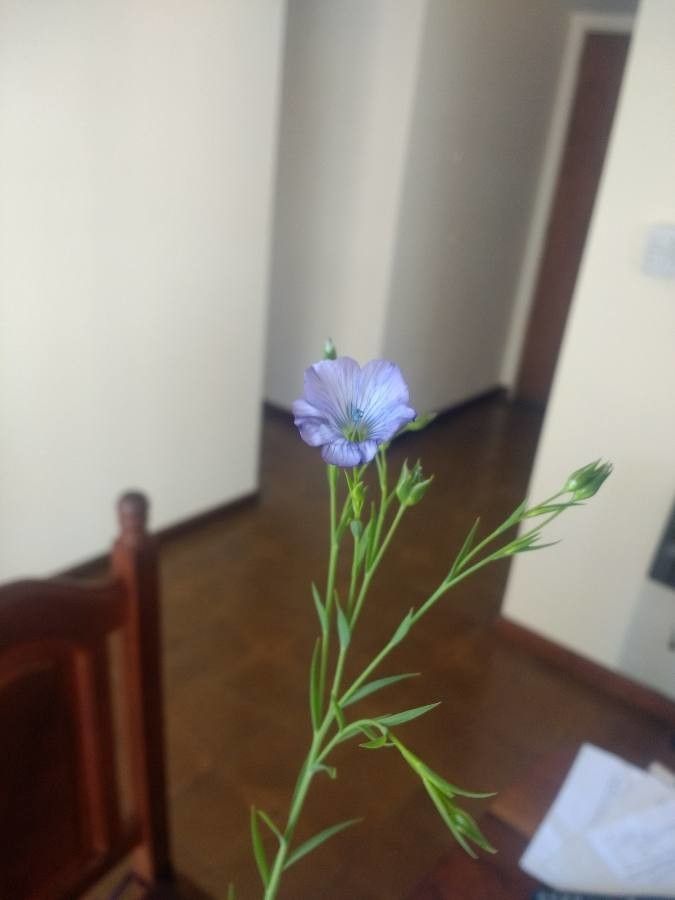
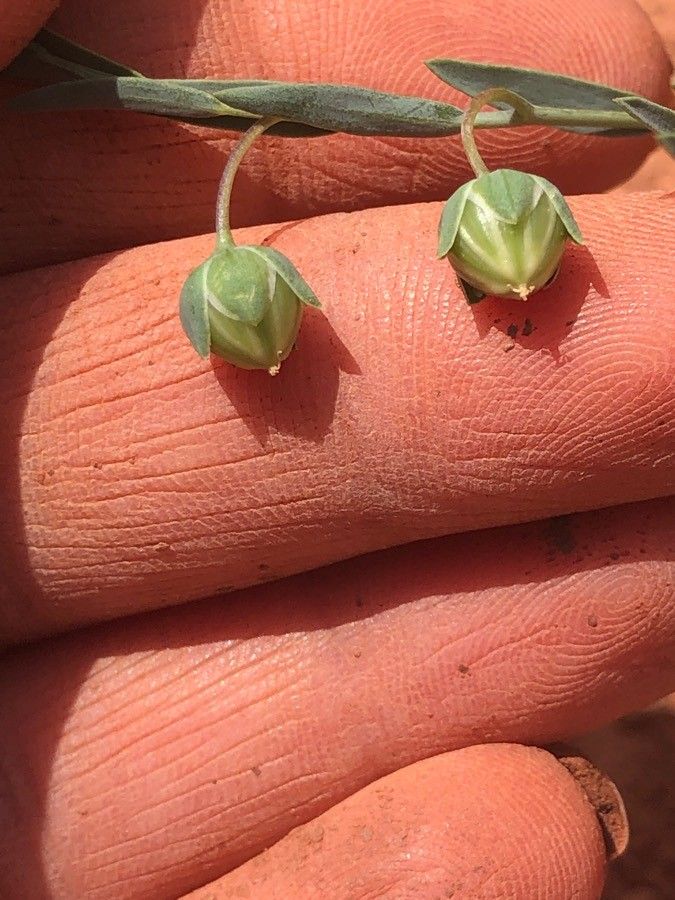
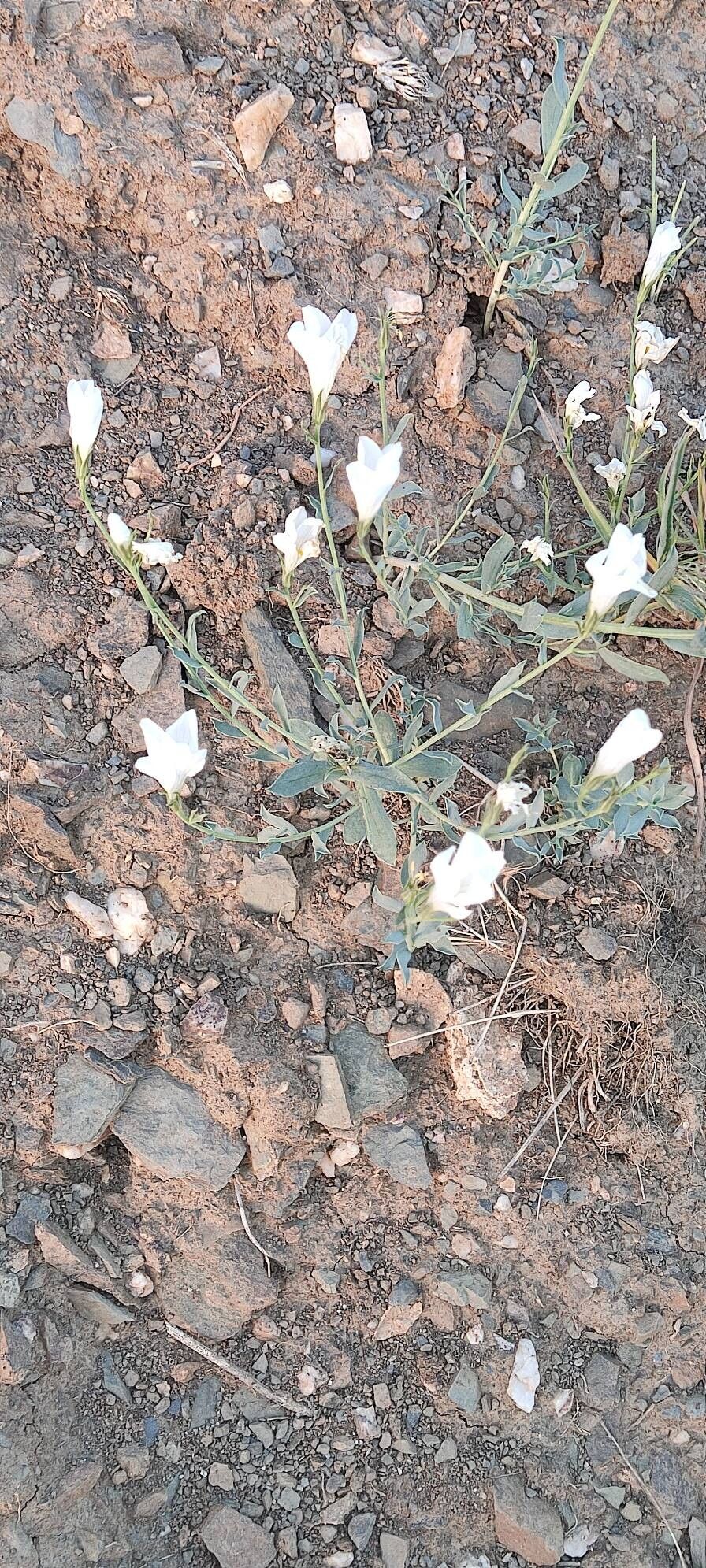
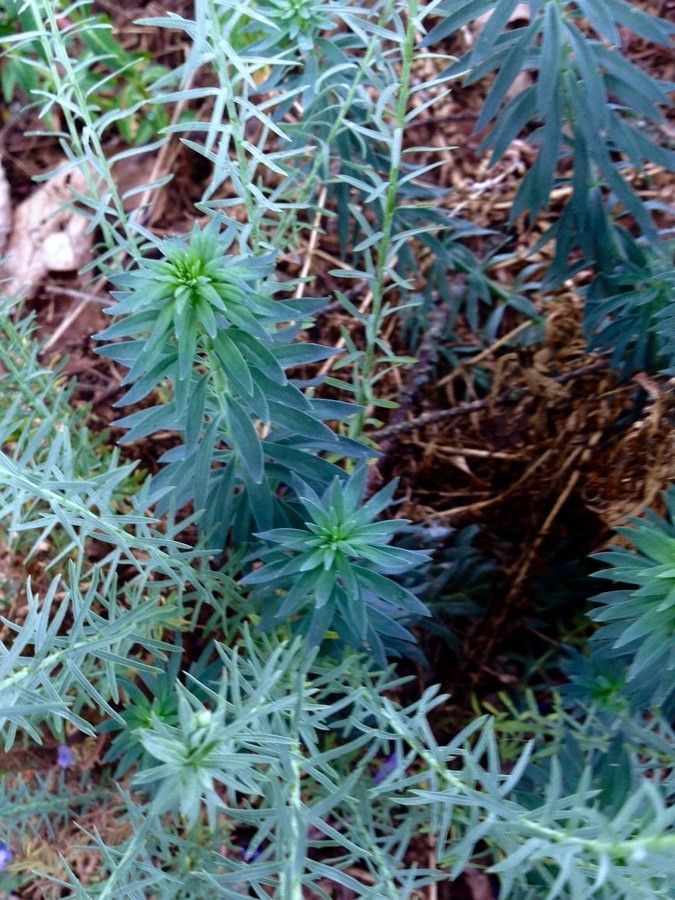
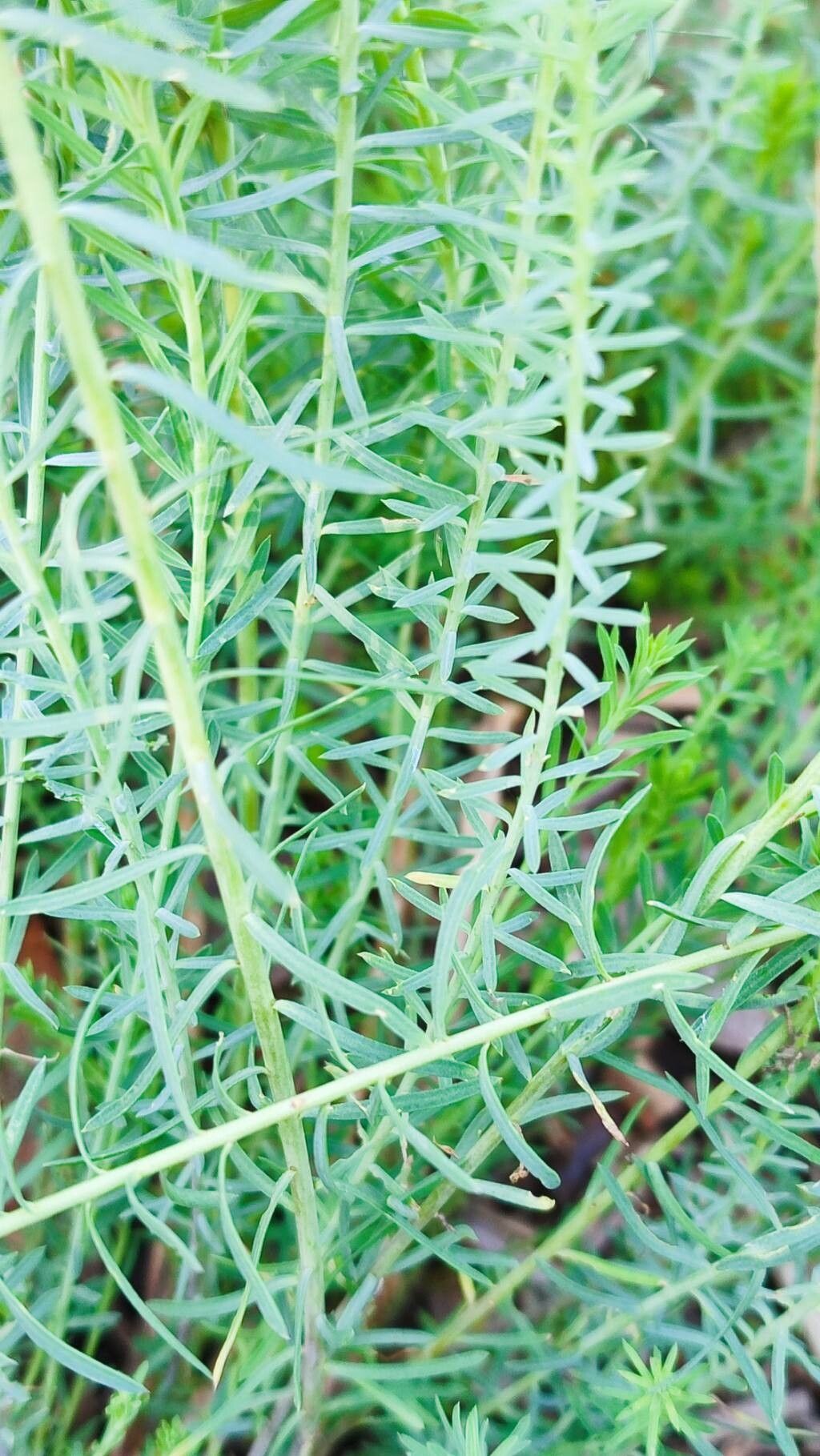
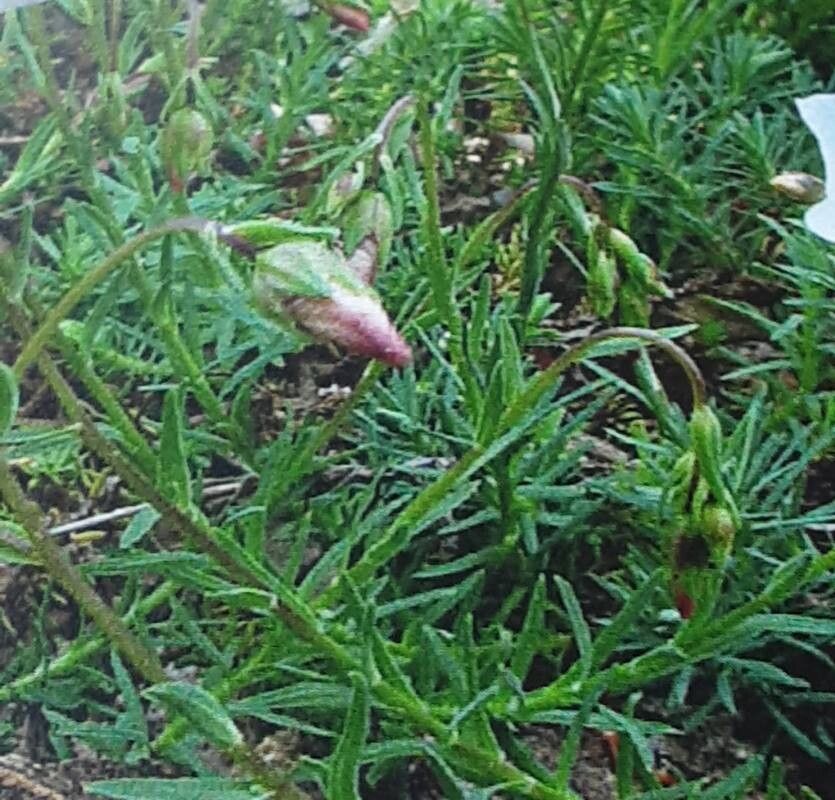
Linum pratense, commonly known as meadow flax or blue flax, is a perennial flowering plant that belongs to the Linaceae family. Native to Europe and Asia, it has also been introduced and naturalized in North America. The plant typically grows up to 60 cm tall, featuring slender stems with narrow leaves. From June to August, its blue or purple flowers, each with five petals, are in full bloom.
Meadow flax thrives in well-drained soils and can grow in both full sun and partial shade. Once established, it can tolerate drought conditions. This plant is often used as an ornamental addition to gardens, thanks to its attractive flowers. Moreover, it possesses medicinal properties and acts as a natural laxative.
The seeds of Linum pratense are valuable for oil production, which can be used for cooking or various industrial purposes, including making soap and paint. Historically, the fibers from its stems have been used to produce linen fabric.
In summary, Linum pratense is a versatile plant with both ornamental and practical applications, making it an important component of many ecosystems around the world.
Meadow flax is fairly resistant to diseases and generally does not readily suffer from them. Nonetheless, it can be vulnerable to pests and diseases present in its surroundings. These infections are typically not serious. In terms of care, the plant requires moderate maintenance. It should be pruned regularly to maintain an attractive appearance and healthy growth. Fertilizing can also help encourage flowering. Meadow flax is suitable for anyone with outdoor space, such as a garden or patio, and does not demand extensive care experience. It may need more attention when grown indoors.
How to keep Linum Pratense.
Light
Meadow flax grows best with a generous amount of sunlight, similar to the conditions in its native open-meadow habitat. Too little light can slow its growth or leave the plant weak, while too much exposure can scorch the foliage. It is not good at coping with fluctuations in light levels.
Water
Meadow flax is native to temperate regions and prefers moderate moisture levels. It should be watered weekly, with the soil slightly drying out between waterings. Primarily an outdoor plant, meadow flax benefits from natural rainfall and light cycles, which affect its water absorption and growth patterns.
Temperature
Meadow flax can tolerate a wide range of temperatures, but its distribution may still be restricted by different combinations of moisture and heat. It grows best in warm summer climates with adequate rainfall or watering. Prolonged stretches of cloudy, rainy weather, as well as extended high temperatures, can increase the likelihood of Meadow flax dying. In winter, appropriate protection against cold can improve the plant's survival rate.
Fertilizer
When Meadow flax has opened most of its blooms to full size, resume fertilizing. At about the time of peak bloom production, fertilize again every three to four weeks, weather permitting. Then, after Meadow flax begins to produce fewer new blooms, discontinue fertilizing; there's no need to fertilize when the plant can no longer produce additional blooms.
Pruning
Meadow flax is characterized by its delicate blue flowers and slender stems, and it requires minimal pruning. To promote denser growth, trim the plant in early to late spring. Additionally, remove any dead branches to improve the plant's health and ensure better air circulation. Always use clean, sharp tools to prevent damage and reduce the risk of disease.
Botanical profile.
- Plant Type
- Herb
- Life Cycle
- Annual
- Genus
- Linum
- Family
- Linaceae
- Hardiness Zone
- 5-9
- Mature Height
- 5 cm to 40 cm
- Mature Spread
- 20 cm to 30 cm
- Leaf Color
- Green
- Leaf Type
- Deciduous
- Flower Color
- White, Purple, Blue
- Flower Size
- 1.27 cm to 2.54 cm
- Bloom Time
- Late spring, Early summer, Mid summer
- Planting Time
- Spring, Summer, Autumn
- Harvest Time
- Mid summer, Late summer, Early fall
- Native Area
- Mexico
Other names.
Reader questions.
What do I do if I give my Meadow flax too much or too little water?
The remedy for underwatering Meadow flax is simple: water it more regularly when you notice it lacks moisture. However, overwatering can be more serious and can lead to diseases and even death. To prevent this, choose a location with plenty of sunlight and good drainage to allow excess water to drain. If you have overwatered your Meadow flax in a pot, consider changing it to a new pot with better drainage. Use loose soils and a pot that drains efficiently when repotting.
Should I make sure that the Meadow flax plant doesn't get too much sun?
The Meadow flax thrives in the sun and can even be heliotropic. To ensure their optimal growth, plant them in south-facing gardens where they can enjoy exposure from morning until afternoon. However, be aware that while the sun is beneficial, some species may be prone to sunburn. To protect them, consider providing shade in the afternoon and midday, such as by placing them under a tree or against a wall. It is not possible to grow Meadow flax in shady areas as the larger flowers require significant energy to develop and bloom. For the best results, always provide ample sunlight and choose a location with full sun when planting Meadow flax.
How much water does my Meadow flax plant need?
There are a few different ways to determine how much water to give your Meadow flax. One option is to feel the soil to check for moisture and water until the top six inches are moist. Another option is to use a set measurement, like two gallons per week, depending on weather conditions and soil dryness. However, be cautious of overwatering if your plant needs less water. When growing Meadow flax in a container, you need to check the soil moisture by sticking your finger in or ensuring excess water is draining out of the pot.
How can I know if I'm giving enough water to my Meadow flax?
Avoiding overwatering your Meadow flax can be a bit tricky. While they need their deep roots to be moisturized weekly, they are highly vulnerable to root rot and browning if given too much water. Underwatering is less of a concern as these plants can survive without additional watering for a while. However, if you neglect to water them for too long, they may wilt and develop dry leaves.
How do I water my Meadow flax when it is growing at different stages?
Throughout the year, Meadow flax goes through various growth stages, each with different water requirements. Initially, when starting Meadow flax from a seed, you should provide more water than needed to promote germination. This will involve regular watering to maintain consistent soil moisture. After a few weeks, as the Meadow flax grows above the soil, it will require slightly less water than during the seedling phase. Once the plant is fully mature, you can switch to a regular watering schedule of about once per week. During flower development, you may need to increase the amount of water slightly to facilitate the process.