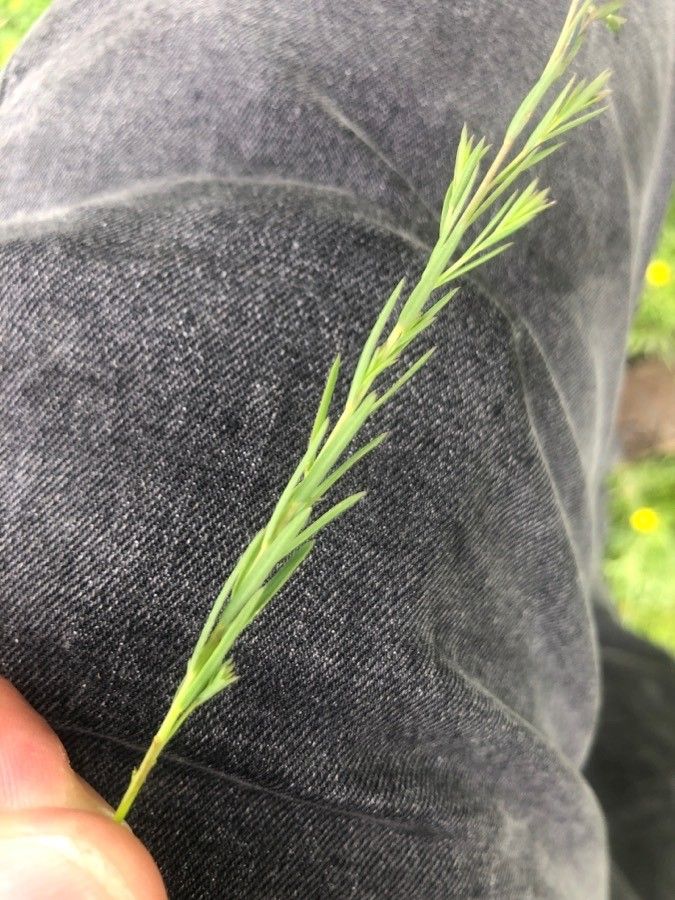
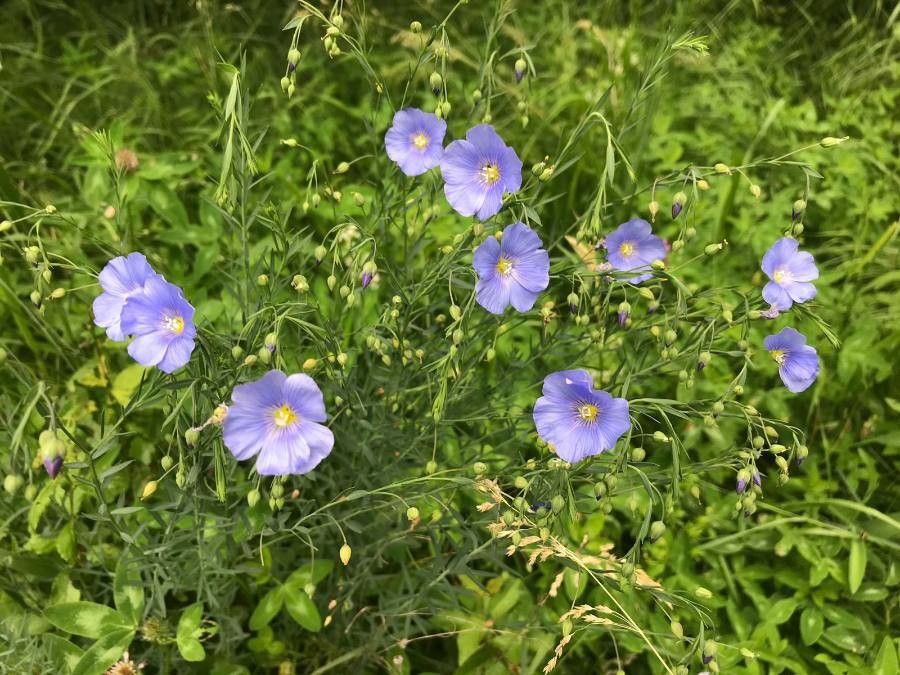
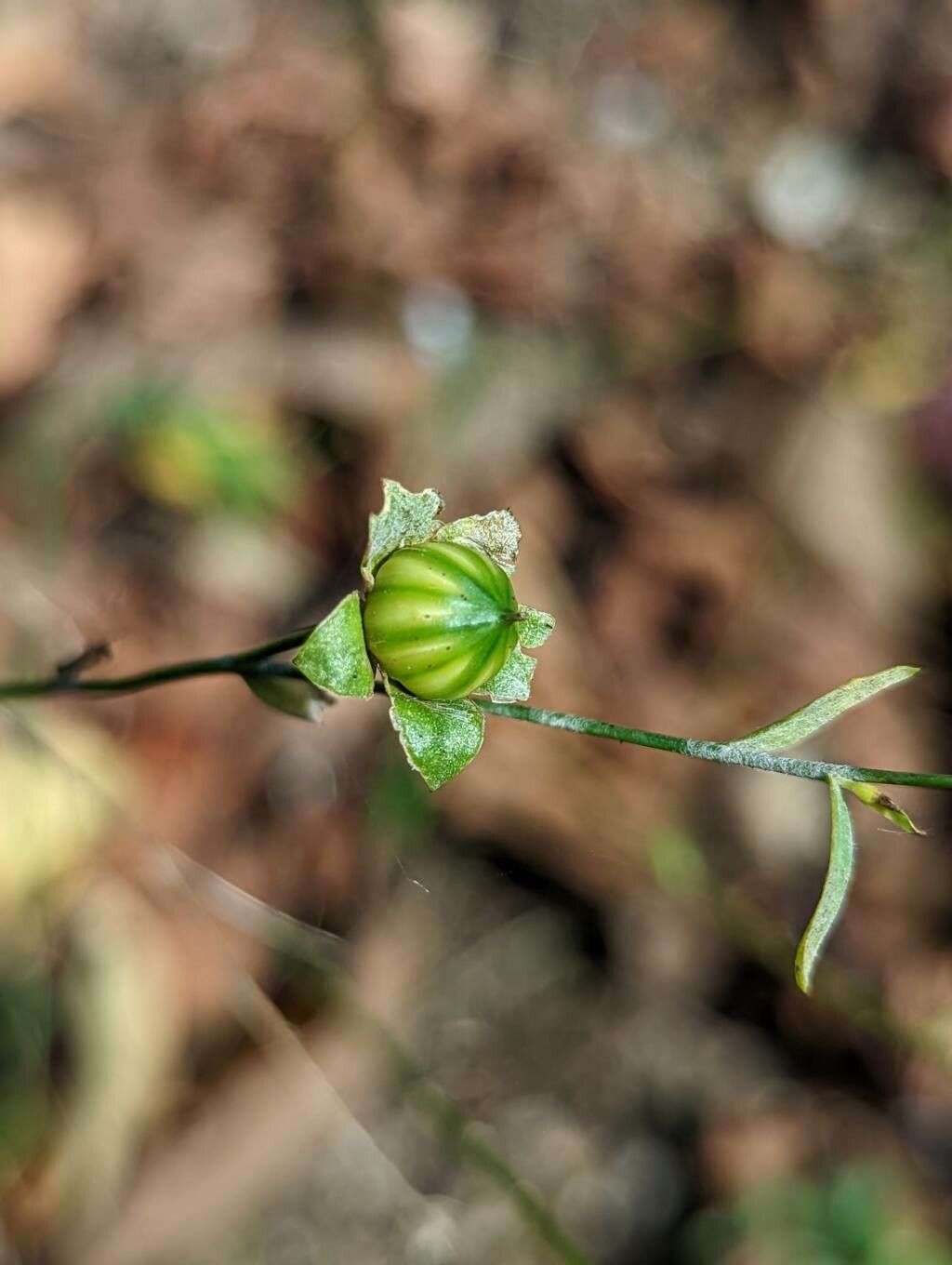
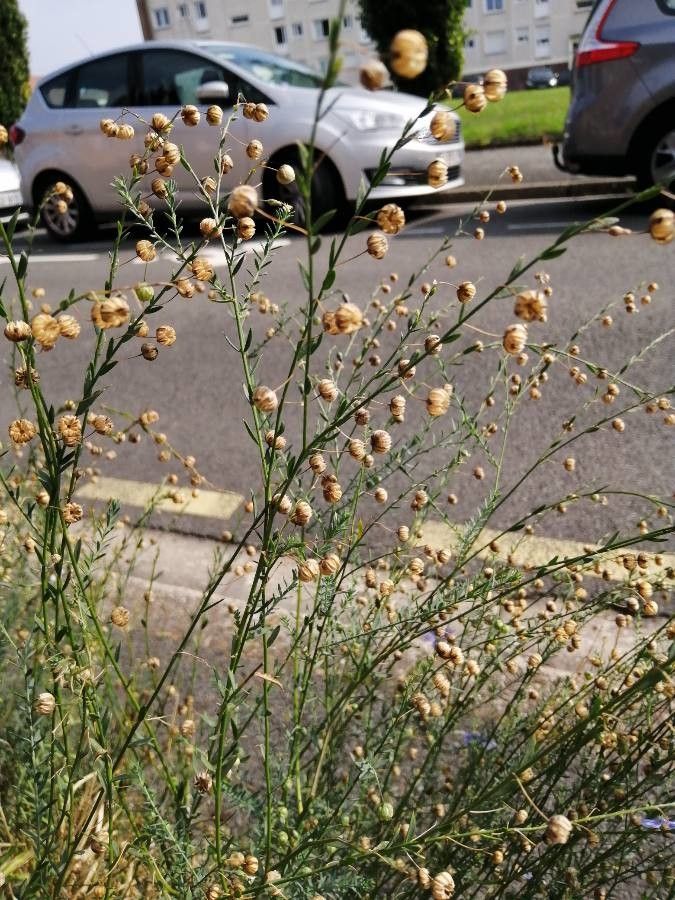
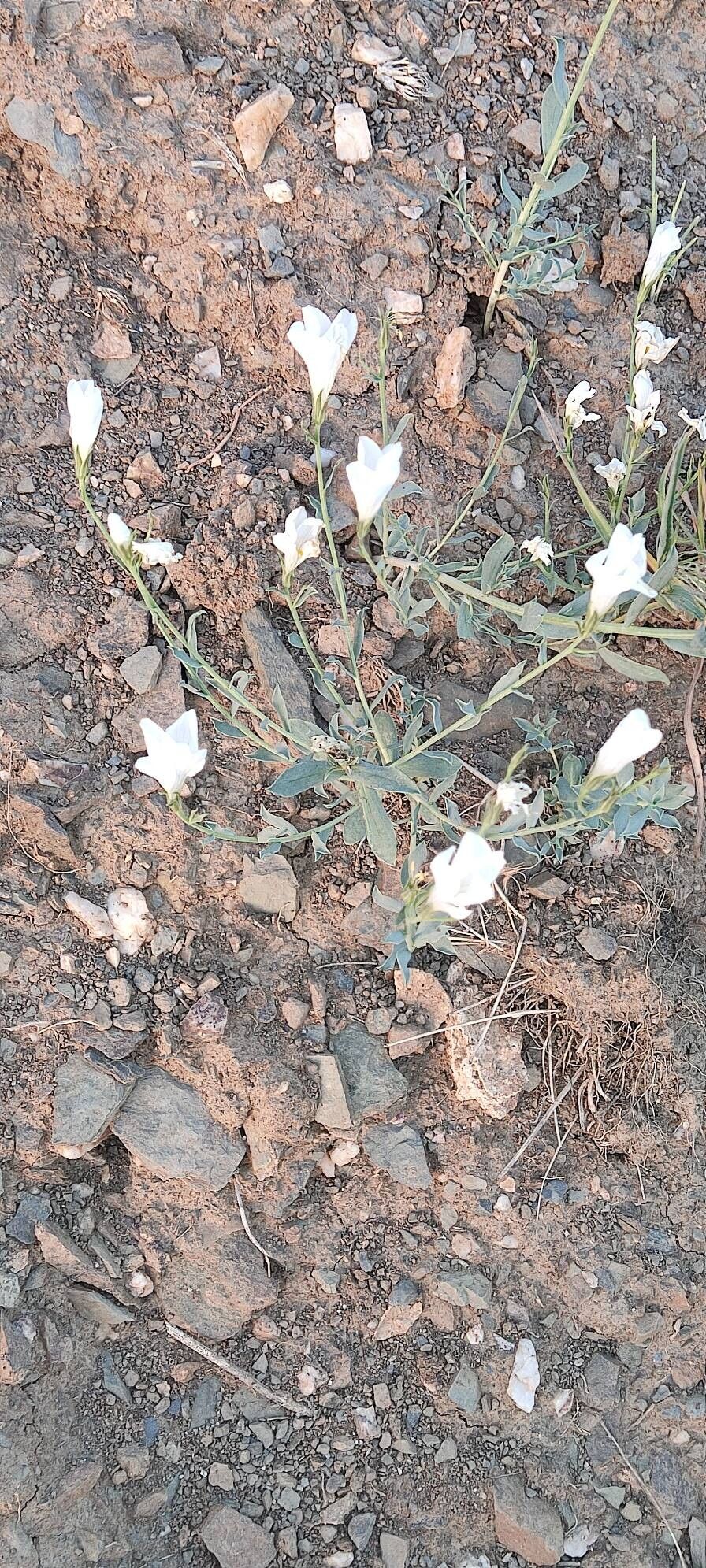
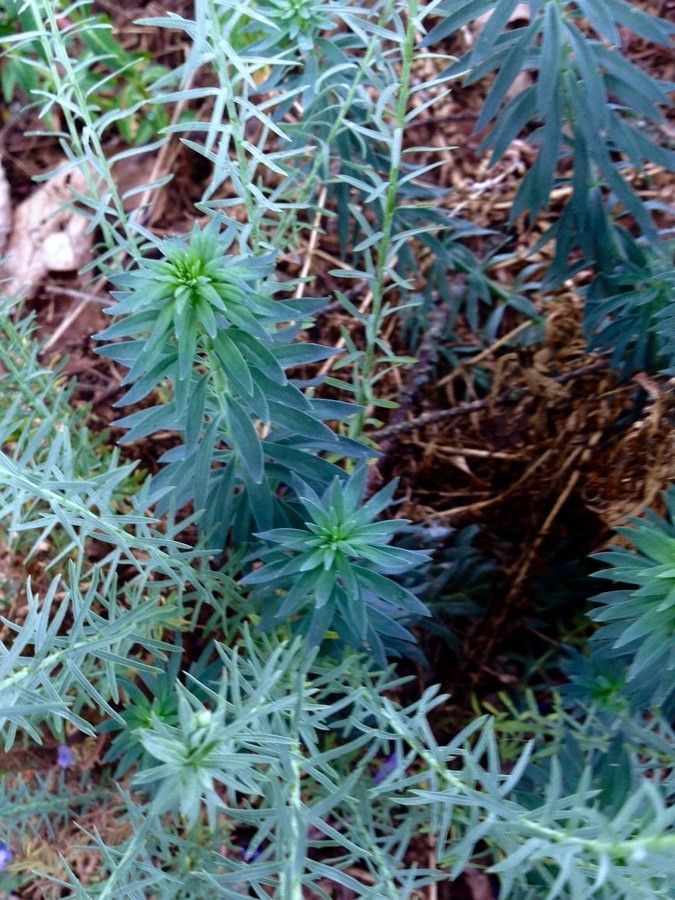
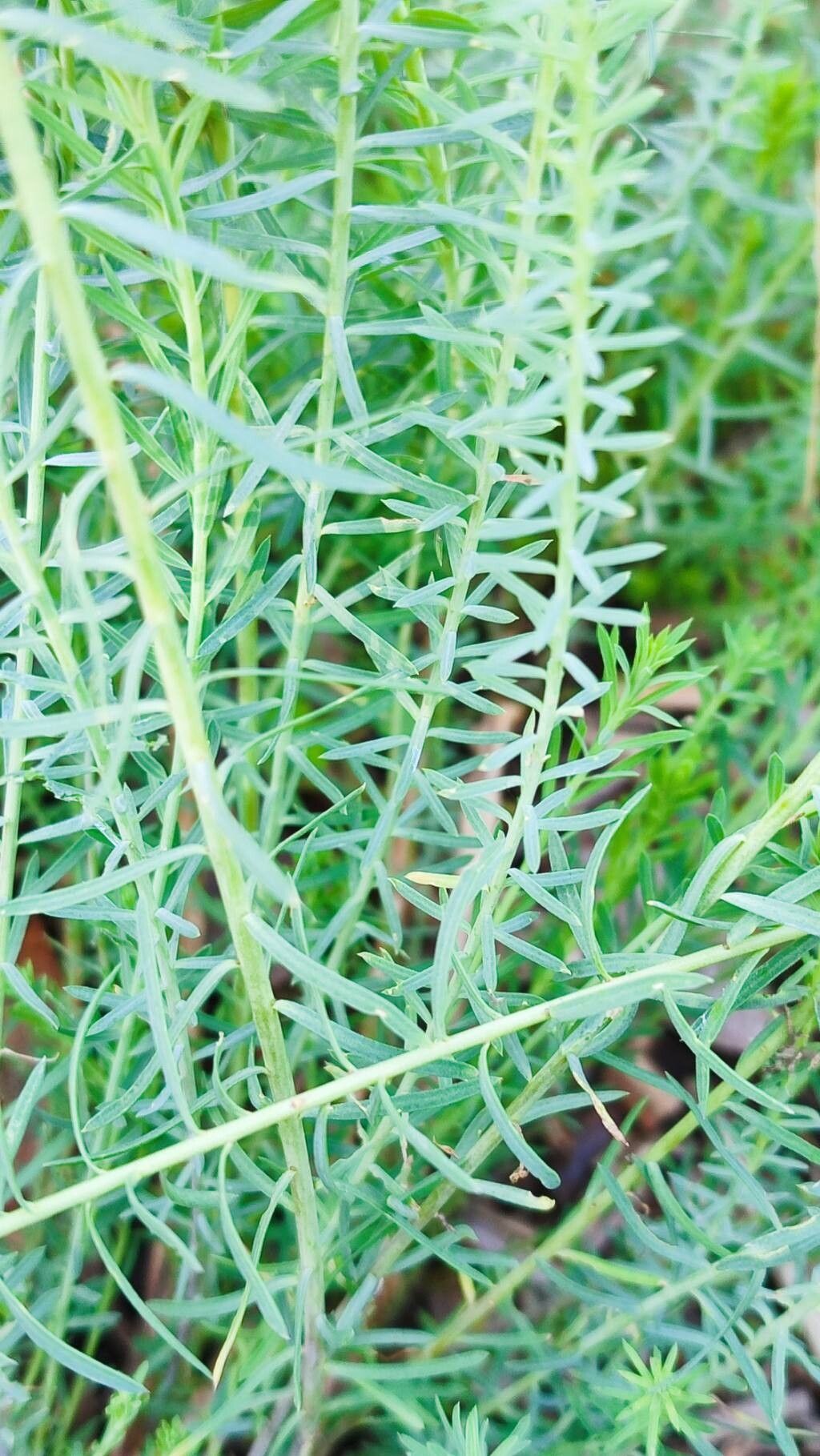
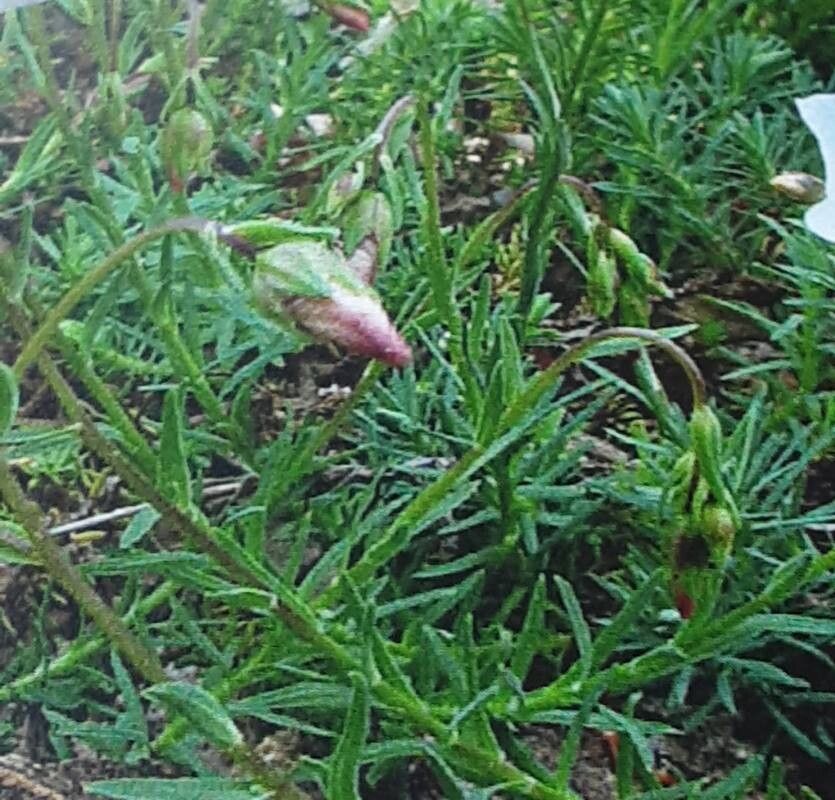
Linum perenne, commonly known as perennial flax or blue flax, is a herbaceous perennial plant that belongs to the Linaceae family. Native to Europe and Asia, it has also been introduced and naturalized in North America. This plant can reach up to 60 cm in height, featuring slender stems and narrow, alternately arranged leaves.
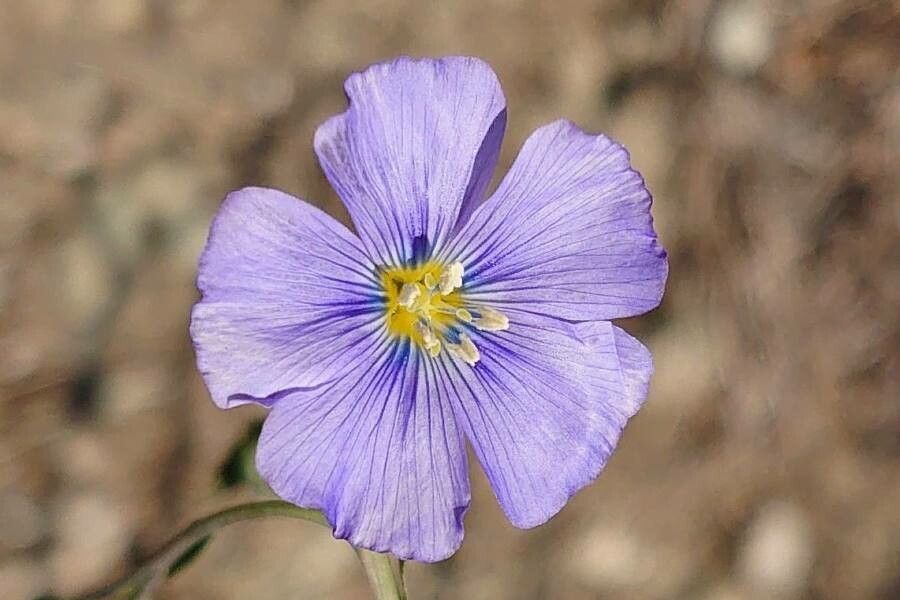
The flowers of Linum perenne, which bloom from June to August, are blue or violet-blue and consist of five petals. They are hermaphroditic, containing both male and female reproductive organs.
Perennial flax thrives in well-drained soils under full sunlight but can tolerate some shade. It is a hardy plant capable of withstanding drought conditions once established.
The plant serves various purposes, including as an ornamental garden flower and for medicinal uses like treating skin conditions such as eczema and psoriasis. Additionally, its fibers have been used for centuries to make linen fabric due to their strength and durability.
In summary, Linum perenne is a beautiful flowering perennial with numerous practical applications, making it an excellent addition to any garden or landscape design.
Blue Flax is fairly resistant to disease and typically not vulnerable to illnesses. Still, it can be affected by pests and diseases present in its environment. When infections do occur, they are generally mild. Regarding care, this plant needs moderate maintenance. It should be pruned on a regular basis to keep a tidy appearance and healthy growth. Applying fertilizer can also encourage flowering. Blue Flax is appropriate for anyone with outdoor space, like a garden or patio, and does not demand extensive care experience. It may need more attention if cultivated indoors.
How to keep Linum Perenne.
Light
Blue Flax prefers abundant sunlight throughout the day. It can still thrive in semi-shade. The plant’s healthy growth depends on enough light reaching its leaves. In its natural habitat, blue Flax does best in full sun. Excessive exposure can scorch the foliage, while insufficient sun can lead to straggly growth and fewer blooms.
Water
Blue Flax flourishes in temperate conditions where it receives consistent moisture without becoming waterlogged. This drought-tolerant plant benefits from weekly watering to keep the soil lightly moist. As a perennial, it efficiently uses water throughout the growing season, adapting well to varying rainfall. During this time, it produces delicate blue flowers, adding to its charm and resilience.
Temperature
Blue Flax originates from temperate regions and grows well in temperatures from 41 to 95 °F (5 to 35 ℃). It is best suited to cooler conditions in fall and warmer conditions in spring and summer.
Fertilizer
The best time to fertilize a Blue Flax is in early spring, when it is coming out of dormancy and starting active growth. Fertilization supplies essential nutrients needed for healthy development. Although Blue Flax has fairly low fertilizer requirements, applying fertilizer annually can boost its survival and encourage better, longer-lasting blooms.
Pruning
Blue Flax is known for its delicate blue flowers and tall stems. To encourage continuous flowering and maintain a neat appearance, prune it in early spring by cutting the stems back to half their height. Additionally, remove spent blooms, a process known as deadheading, to further promote blooming. Regular maintenance not only enhances flowering but also helps control the plant's size and prevents legginess, ensuring robust growth and an attractive display.
Pot & Repot
To promote growth, repot blue flax every 2-3 years in the spring, using a medium-sized pot with good drainage. After repotting, water sparingly, as overwatering can be harmful. Ensure the plant receives bright, indirect light, and avoid using oversized pots to maintain a snug fit for optimal health.
Botanical profile.
- Plant Type
- Herb
- Life Cycle
- Perennial
- Genus
- Linum
- Family
- Linaceae
- Hardiness Zone
- 5-9
- Mature Height
- 61 cm
- Mature Spread
- 30 cm to 46 cm
- Leaf Color
- Green, Gray, Silver
- Leaf Type
- Deciduous
- Flower Color
- Blue, White
- Flower Size
- 2.03 cm to 2.54 cm
- Bloom Time
- Late spring, Early summer, Mid summer
- Planting Time
- Spring
- Harvest Time
- Mid summer
Other names.
Reader questions.
How should I water my Blue Flax plant?
To ensure the health of the Blue Flax, follow these watering tips: Use filtered water at room temperature or slightly warmer, as tap water may contain harmful particles. Cold water can be a shock, so avoid it. Also, avoid overhead watering to prevent issues with the foliage. Instead, soak the soil with filtered room temperature water until it is fully saturated. This helps moisten the roots, enabling them to spread and gather the necessary nutrients.
Do I have to put fertilizer on my Blue Flax?
Fertilization is important to the Blue Flax for various reasons. It provides key nutrients that aid in the plant's growth both above and below ground. Although the Blue Flax has relatively low fertilization needs and can survive without it at times, annual fertilization can greatly benefit the plant. It helps keep the plant alive and may also lead to better and longer-lasting flowers. Therefore, those who want their Blue Flax to thrive should consider annual fertilization.
What are the sunlight requirements for Blue Flax?
Blue Flax requires exposure to a significant amount of sunlight throughout the day for healthy growth, prospering under full sun conditions. It can still grow in semi-shade but thrives best with unrestricted sunlight. The plant needs more than 6 hours of sunlight for full sun conditions and about 3-6 hours for partial sun conditions. Be mindful of the light and shade in your garden to ensure the best spots are chosen for planting, maintaining a balance that ensures plant happiness.
What are the ideal temperature conditions for growing Blue Flax?
Blue Flax thrives in temperate regions with temperatures ranging from 41 to 95 °F (5 to 35 °C), ideally adapting to cooler temperatures in fall and warmer conditions in spring and summer. It possesses strong cold resistance, generally not requiring special frost protection measures during winter. Nonetheless, if temperatures are forecasted to fall below the plant's growth limit, it's crucial to provide cold protection, which can be done by covering the plant with soil or straw. Additionally, to combat drought and water scarcity during winter and early spring, it's recommended to water the plant abundantly before the first freeze in autumn, ensuring the soil stays moist.
What do I do if I give my Blue Flax plant too much water or too little water?
Both overwatering and underwatering can harm the health of your Blue Flax, but overwatering is more common. When Blue Flax gets too much water, the stems and leaves may wilt and turn yellow. Overwatering can also lead to diseases like root rot, mold, and mildew, which can kill the plant. Underwatering is less common because Blue Flax is drought-tolerant, but it can still happen. When underwatering occurs, the leaves become brittle and brown. It's important to recognize signs of overwatering early to prevent irreversible damage. If you see signs of overwatering, reduce watering immediately and check the soil drainage. If the soil doesn't drain well, replace it with a loose, well-draining potting mix. If you notice signs of underwatering, simply water more regularly until the signs go away.
When should I fertilize my Blue Flax plant?
The best time to fertilize a Blue Flax is in late winter to early spring when it is transitioning from its dormant phase to active growth. This encourages healthy growth and sets the plant up for a successful season. While early spring is generally the most advantageous time for fertilization, it is also possible to fertilize in the fall. However, it is not recommended to fertilize during the summer or winter.
What are the essentials for growing Blue Flax successfully?
Successful growth of Blue Flax relies heavily on sufficient light reaching its leaves. In its natural habitat, it flourishes under full sun, although it can adapt to semi-shade conditions. Overexposure can lead to foliage scorch, while insufficient sunlight may cause weaker, straggly growth and fewer flowers. When natural sunlight is insufficient, especially during winter or in less sunny locations, artificial lighting such as LED lights can be used to provide the necessary wavelengths of light. Full sun plants require 30-50W/sq ft, partial sun plants need 20-30W/sq ft, and full shade plants need 10-20W/sq ft of artificial light. The light source should be placed 12-36 inches above the plant for 8-12 hours per day to mimic natural sunlight conditions.
How does Blue Flax respond to low temperatures, and what measures can be taken?
Blue Flax is quite resilient to cold temperatures but thrives best when it is above its minimum suitable growth temperature. While the plant should be kept above its tolerable growing temperature minimum during winter, temperatures falling below its growth limit might not show immediate noticeable changes. However, this could lead to decreased sprouting or even a complete lack of sprouting in the spring. To address such issues, it's advised to remove any parts of the plant that have failed to sprout once spring arrives.
How many times should I water my Blue Flax plant?
If your Blue Flax plant is in a pot, the best way to check if it needs water is by inserting your finger into the soil. If the top two to three inches of soil are dry, it's time to water it. If you have planted the Blue Flax outdoors in the ground, you can use a similar method to test the soil. Once again, if the top few inches of soil have dried out, it needs watering. Usually, during spring and early fall, you'll need to water this plant about once a week using this method. However, when it gets extremely hot, you may have to water it twice a week or even more frequently. That being said, mature and well-established Blue Flax plants have a remarkable ability to survive drought.
When is not a good time to fertilize my Blue Flax?
To avoid overfertilization and complications, it is best to only fertilize your Blue Flax during late winter and early spring. This plant has low fertilization needs, so a single annual feeding is sufficient. If you didn't fertilize in spring, it is also permissible to feed it in fall. During the growing season, refrain from fertilizing and there is no need to fertilize in winter either. The Blue Flax enters a dormant growth phase during winter, where new growth is not produced. Therefore, it is not advisable to fertilize during most of the winter.
What symptoms indicate insufficient or excessive sunlight for Blue Flax?
Symptoms of insufficient sunlight in Blue Flax include small new leaves, leggy or sparse growth, faster leaf drop, slower or halted new growth, lighter colored new leaves, and chlorosis. Excessive sunlight can lead to symptoms like sunscald, leaf curling, wilting, and leaf scorching. These symptoms indicate either a lack of sufficient light for chlorophyll production and nutrient absorption or damage from too much direct sunlight, affecting the plant's overall health and ability to photosynthesize properly.
What should be done if Blue Flax is affected by high temperatures?
During the summer, it's essential to ensure that Blue Flax remains below its maximum suitable growth temperature. Exceeding the tolerable growing temperature maximum can cause the plant's leaves to lighten in color, curl, and become susceptible to sunburn. Severe cases may result in the plant wilting and drying out. To mitigate these effects, sunburned and dried parts should be trimmed away, the plant should be moved to a shaded location or covered with shade cloth during the midday and afternoon sun, and the soil should be kept moist by watering in the morning and evening.