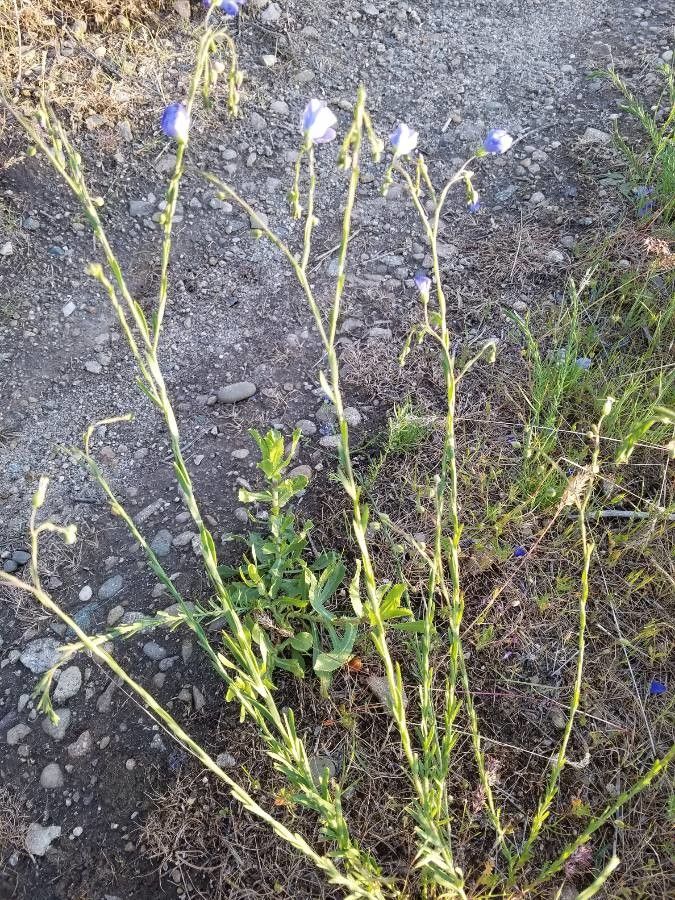
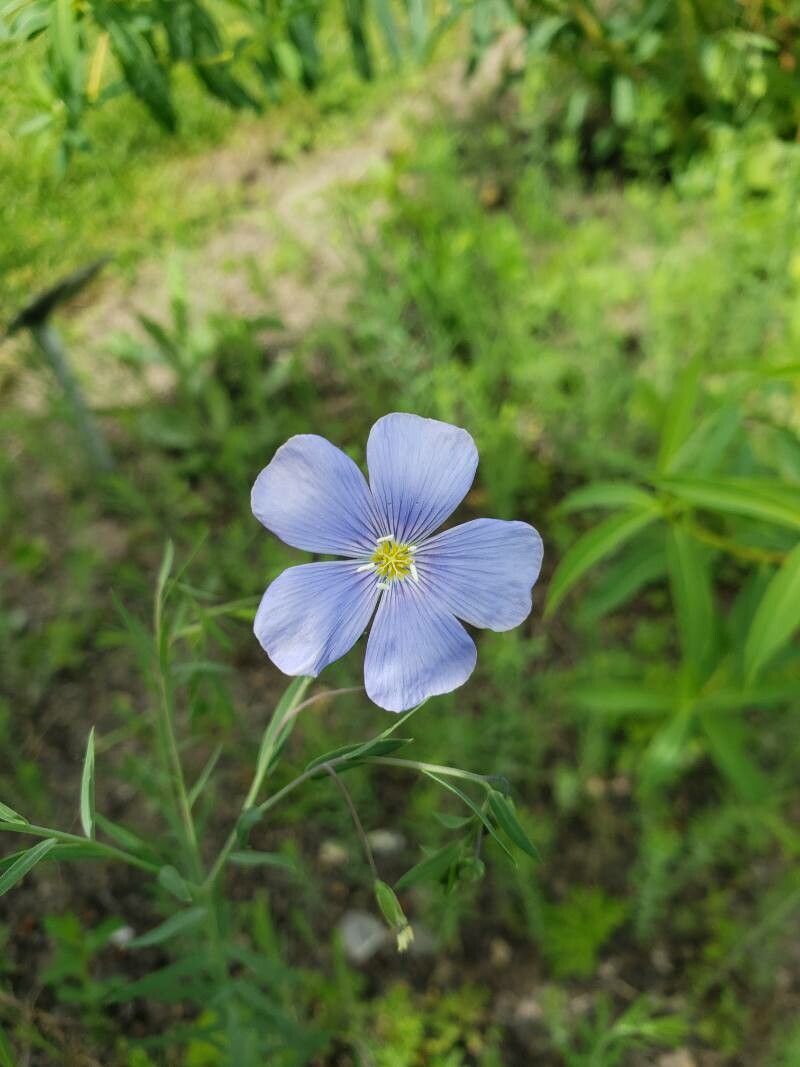
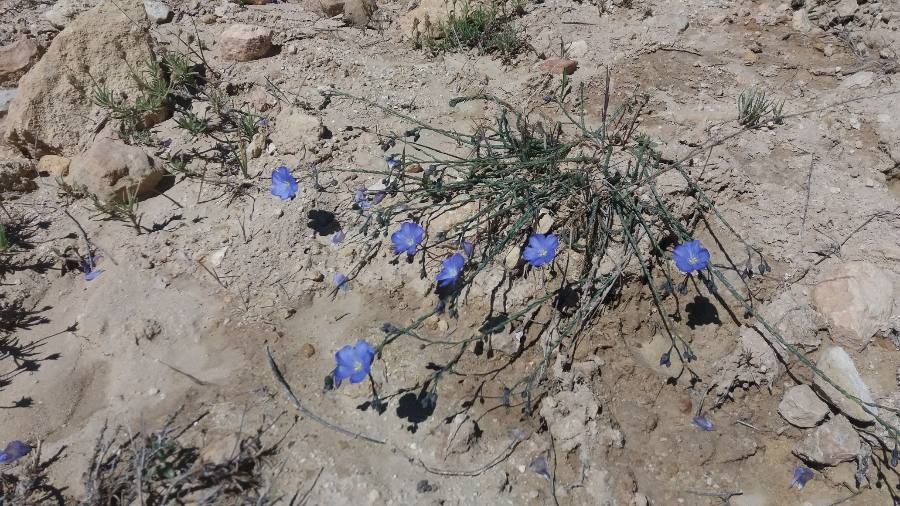
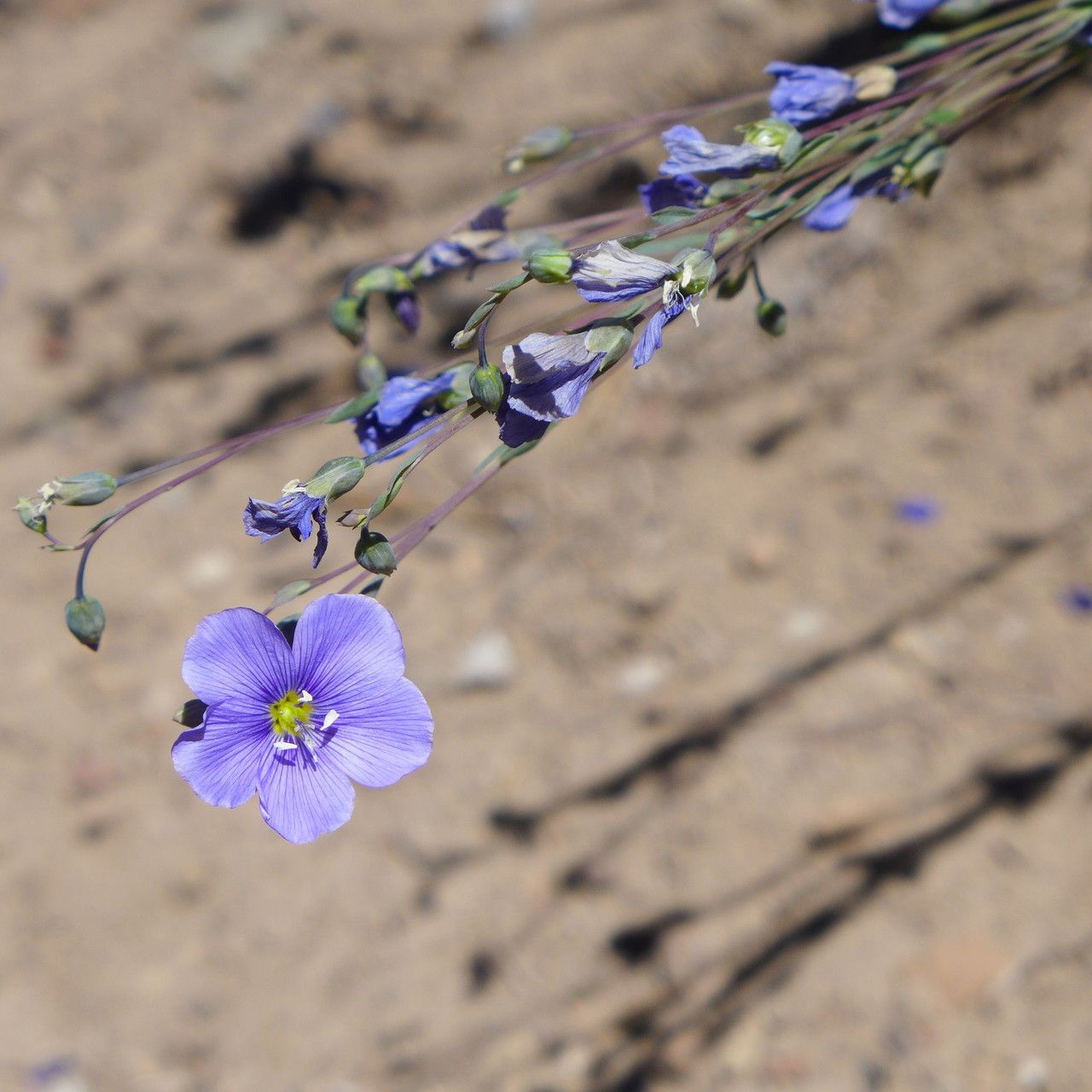
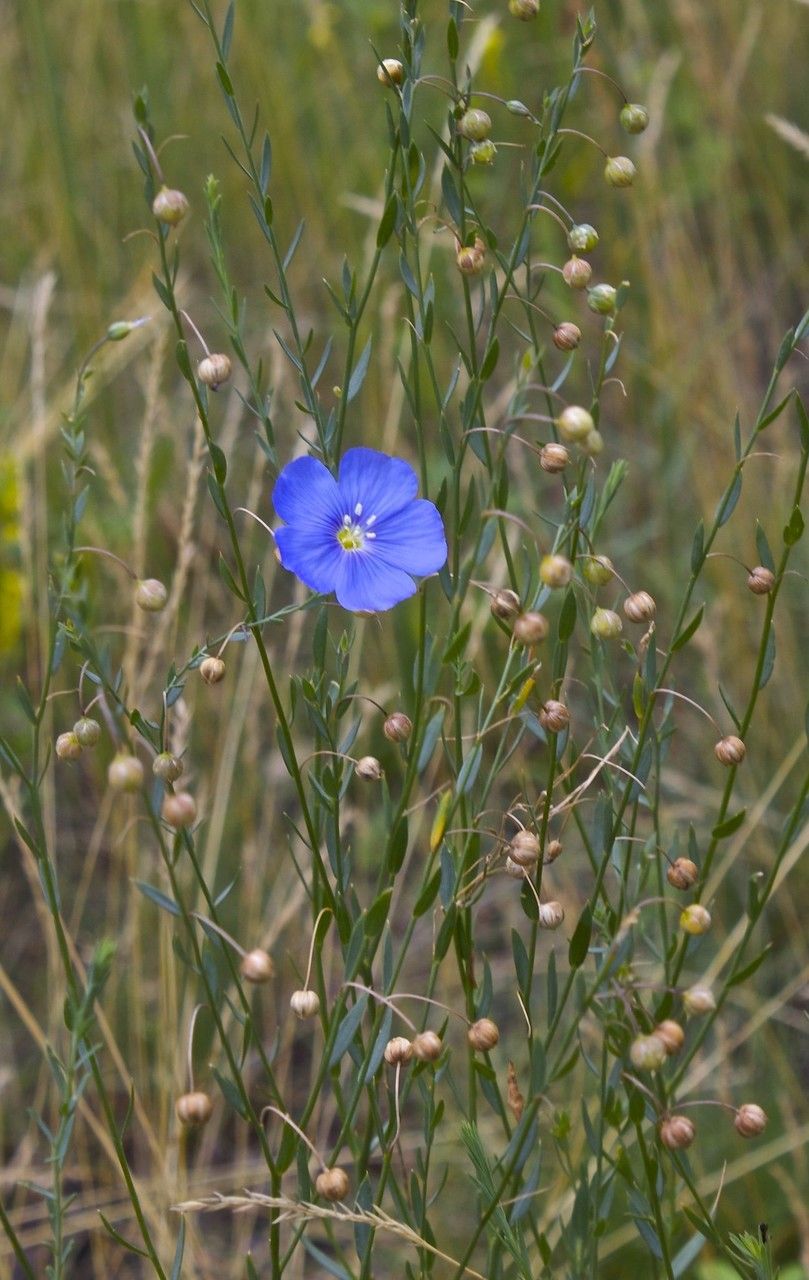
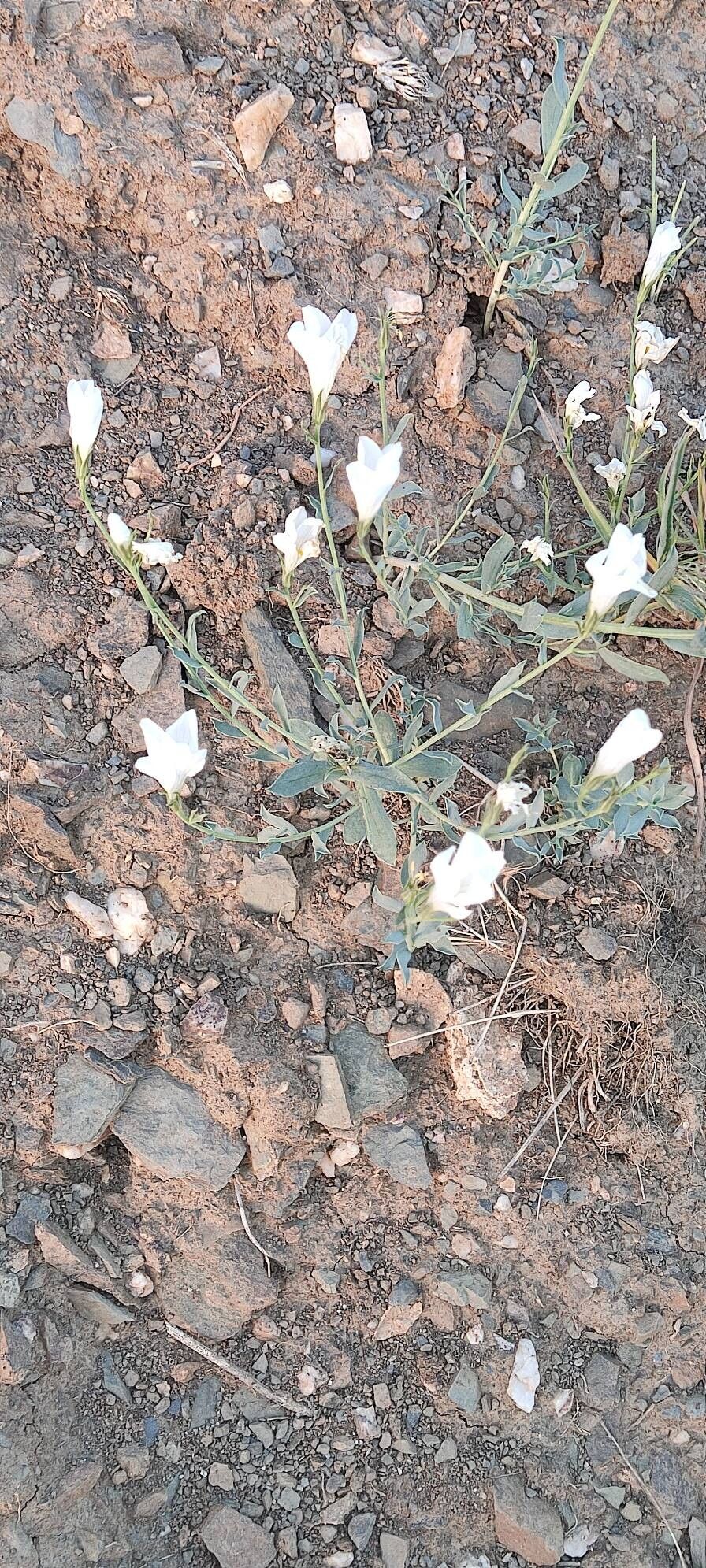
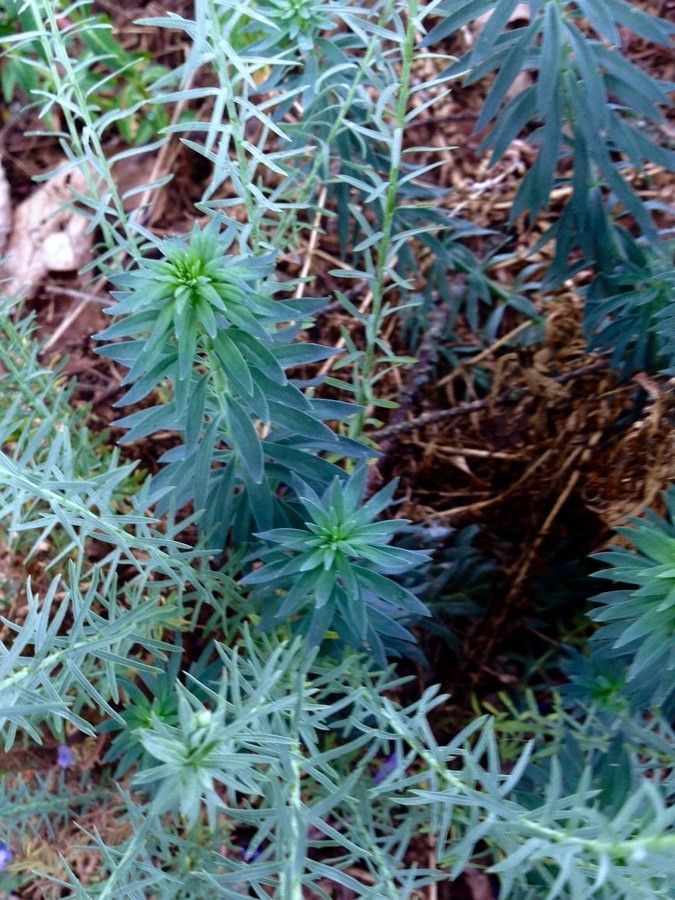
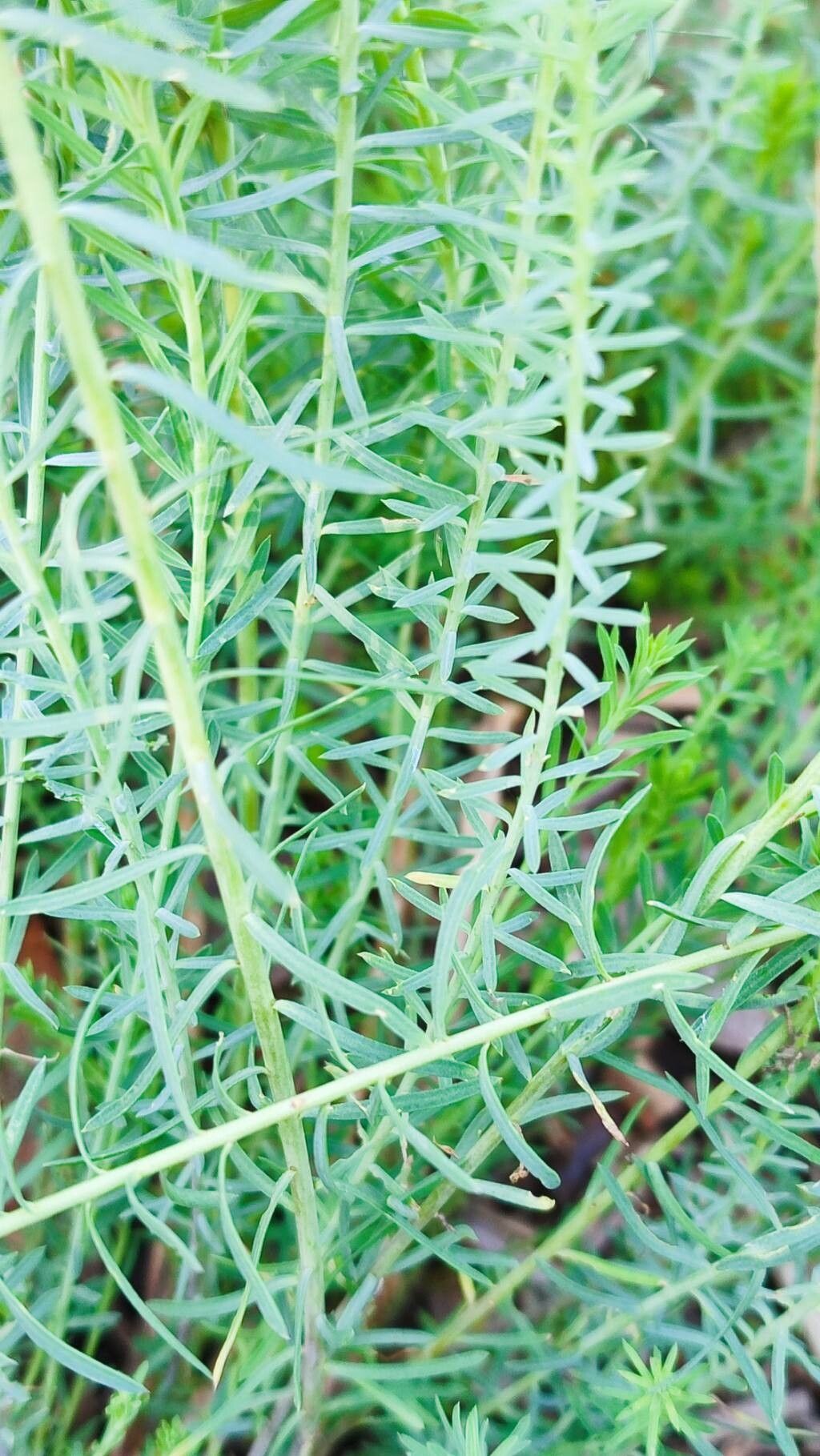
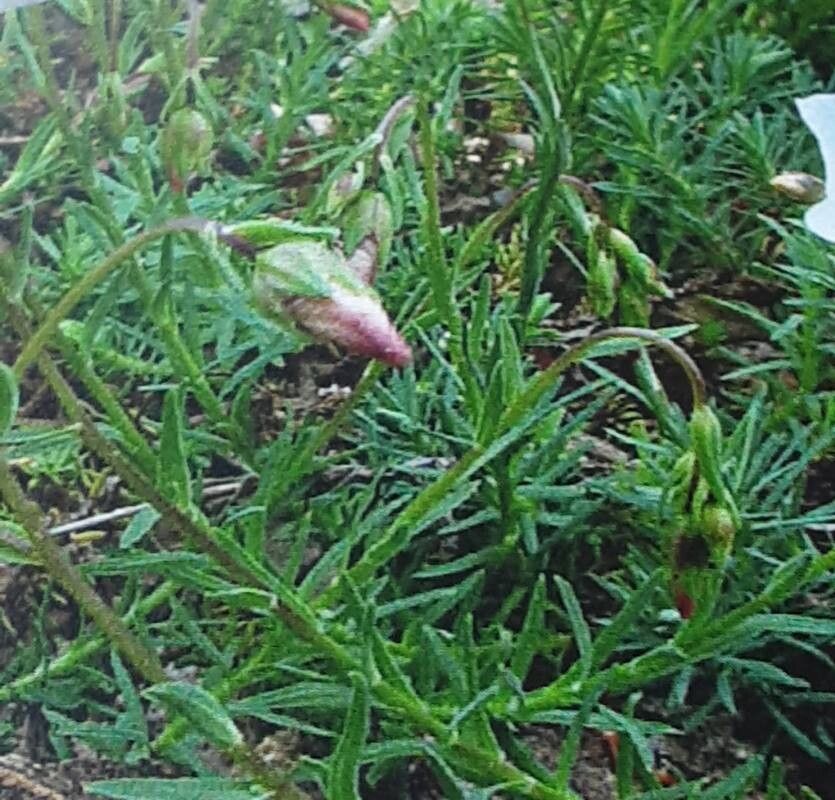
Linum lewisii, commonly known as Lewis flax or blue flax, is a perennial plant native to western North America and belongs to the Linaceae family. It can grow up to 60 cm tall, featuring slender stems with narrow leaves. The plant produces delicate, five-petaled blue flowers that bloom from late spring to early summer, attracting bees and other pollinators.
Lewis flax thrives in well-drained soils with full sun or partial shade and is drought-tolerant once established. It is commonly found in dry meadows, rocky slopes, and open woodlands at elevations between 500 and 3,000 meters.
Native American tribes have used Lewis flax for medicinal purposes for centuries, treating ailments such as coughs, colds, sore throats, and skin irritations.
Gardeners also favor Lewis flax for its charming blue flowers that enhance any garden or landscape design. The plant requires minimal maintenance once established but may benefit from occasional pruning after the flowering season.
Overall, Linum lewisii is an easy-to-grow perennial that adds beauty to both the wild landscapes of western North America and gardens around the world.
Lewis flax shows strong disease resistance and is usually not prone to illness. However, it can be affected by pests and diseases present in its environment. These problems are typically mild. Regarding care, the plant is medium maintenance. It should be pruned regularly to keep a neat appearance and support healthy growth. Fertilizing can also encourage flowering. Lewis flax is well suited to someone with outdoor space, such as a garden or patio, and does not demand extensive care experience. When grown indoors it may need more attention.
How to keep Linum Lewisii.
Light
Lewis flax flourishes when exposed to ample sunlight, which supports vigorous growth. In its native environments it is accustomed to abundant light, though it can also sustain healthy growth with moderate sun exposure. Insufficient light or excessive exposure can negatively affect it.
Water
Lewis flax thrives in environments with moderate moisture and can withstand short periods of dryness, favoring well-drained soils. To ensure optimal health, water it weekly. Although it is typically grown outdoors, Lewis flax benefits from natural rain patterns during its active growing season, reflecting its native habitat in the North American prairies.
Temperature
The lewis flax prefers temperatures between 32 and 95 ℉ (0 and 35 ℃). It is native to areas with temperate climates. During the summer months it can tolerate higher temperatures, but will need extra watering to compensate.
Fertilizer
The best time to fertilize a Lewis flax is in early spring, as it comes out of dormancy and begins active growth. Fertilization supplies important nutrients needed for healthy growth. Although Lewis flax has fairly low fertilizer requirements, applying fertilizer once a year can improve its survival and encourage better, longer-lasting flowers.
Pruning
Lewis flax benefits from pruning from early to late spring, which involves removing dead stems and shaping the plant to improve airflow. Pruning at this time encourages new growth and flowering, enhancing the plant's aesthetic appeal, resilience, and longevity.
Pot & Repot
When repotting Lewis flax, select a pot 1-2 inches (2.5–5.1 cm) larger that provides good drainage. Use a well-draining potting mix. Repot in spring or fall, making sure the root ball sits slightly below the rim of the flower pot. Water thoroughly after repotting and keep it in a warm location with indirect sunlight.
Botanical profile.
- Plant Type
- Herb
- Life Cycle
- Perennial
- Genus
- Linum
- Family
- Linaceae
- Hardiness Zone
- 3-9
- Mature Height
- 15 cm to 91 cm
- Mature Spread
- 61 cm
- Leaf Color
- Green
- Leaf Type
- Semi-evergreen
- Flower Color
- Blue
- Flower Size
- 2.03 cm to 2.54 cm
- Bloom Time
- Late spring, Early summer, Mid summer
- Planting Time
- Spring
- Harvest Time
- Mid summer
- Native Area
- Mexico
Other names.
Reader questions.
How should I water my Lewis flax plant to keep it healthy?
To properly water the Lewis flax plant, it is recommended to use filtered water at room temperature. Tap water may contain harmful particles, making filtered water a better choice. The water temperature should be at room temperature or slightly warmer to avoid shocking the plant, as it is accustomed to a warm environment. Additionally, overhead watering should be avoided as it can cause issues with the foliage. Instead, watering the soil directly until it is completely soaked is ideal. Doing so will benefit the plant by keeping the roots moist and aiding in their spread throughout the soil to gather necessary nutrients.
Why should I add fertilizer to my Lewis flax plant?
Fertilization is important for the growth of Lewis flax. It provides essential nutrients for the plant both above and below the ground. Although Lewis flax has low fertilization needs, annual fertilization can greatly benefit the plant. It helps the plant survive and encourages the production of longer-lasting flowers. Therefore, those who want their Lewis flax to thrive should prioritize annual fertilization.
What are the sunlight requirements for Lewis flax?
Lewis flax requires full sun, meaning it thrives in locations that receive more than 6 hours of sunlight daily. It can also grow well in partial sun, which means about 3-6 hours of sunlight. Observing how sunlight moves through your garden helps in choosing spots that provide an ideal balance of light and shade for your plants. This not only ensures their health but also promotes healthy growth. In its native habitats, Lewis flax is accustomed to abundant light but can sustain healthy growth with moderate sun exposure as well.
What are the ideal temperature conditions for Lewis flax?
Lewis flax thrives in temperatures ranging from 32 to 95°F (0 to 35°C), suitable for temperate climates. It can endure the heat of summer if provided with extra watering. Remarkably resistant to cold, Lewis flax doesn't require special frost protection measures in winter. However, if temperatures are anticipated to drop below -35°C, protective covering with soil or straw is advisable. To prevent drought and water scarcity during winter and early spring, it's recommended to water the plant abundantly before the first freeze in autumn, ensuring the soil stays moist.
What should I do if I give my Lewis flax plant too much or too little water?
Taking care of your Lewis flax requires you to be mindful of both overwatering and underwatering. Overwatering is a more common issue, causing wilting and yellowing of stems and leaves. It can also lead to serious problems like root rot, mold, and mildew, which can be fatal to your plant. While underwatering is less common due to the plant's drought tolerance, it is still a possibility that can result in brittle and brown leaves. To prevent overwatering, it's crucial to notice the signs early and reduce watering immediately. Checking the soil's drainage quality is also important, and if it doesn't drain well, replace it with a loose, well-draining potting mix. If you notice signs of underwatering, simply increase your watering frequency until the signs disappear.
When should I fertilize my Lewis flax for best results?
The best time to fertilize a Lewis flax is in late winter or early spring. This is when the plant is transitioning from dormancy to active growth and fertilization at this time promotes strong and healthy growth. It is also possible to fertilize a Lewis flax in the fall, though early spring is generally preferred. Avoid fertilizing during summer and winter as these are not ideal seasons for feeding the plant.
How can artificial lighting be used for indoor plants?
Indoor plants, including Lewis flax, require adequate lighting for optimal growth. When natural sunlight is insufficient, artificial lights offer a vital solution. LED lights are popular for indoor plant lighting as they can provide the specific wavelengths of light that plants need. Full sun plants need 30-50W/sq ft, partial sun plants need 20-30W/sq ft, and full shade plants need 10-20W/sq ft. of artificial light. The light source should be placed 12-36 inches above the plant, mimicking natural sunlight, and most plants need 8-12 hours of light per day.
How does Lewis flax respond to low temperatures, and what care should be taken?
Lewis flax is notably cold-tolerant, performing best in conditions above 0°C. It is advisable to keep the plant above -30°C during winter. If temperatures dip below -35°C, you may not notice immediate changes during winter; however, there can be a significant decrease in sprouting or even a complete lack of sprouting in spring. To manage this, in spring, it's recommended to remove any parts of the plant that have failed to sprout, ensuring the plant remains healthy and vibrant.
How often should I water my Lewis flax plant?
To determine if your potted Lewis flax plant needs watering, simply stick your finger into the soil. If the top two to three inches are dry, then it's time to water. The same method can be used for Lewis flax plants grown outdoors in the ground. When the top few inches of soil are dry, it's time to water. Typically, watering once a week is sufficient during spring and early fall. However, during hot weather, watering may need to be increased to twice a week or even more. It's worth noting that mature, well-established Lewis flax plants have a remarkable ability to withstand drought.
When is not a good time to put fertilizer on my Lewis flax?
The best time to fertilize your Lewis flax is during late winter and early spring. This plant has low fertilization needs, so one annual feeding is enough. It's important not to continue fertilizing during spring, summer, and fall, as this can result in overfertilization and its associated problems. However, if you didn't fertilize in spring, it is acceptable to feed the plant in fall. Additionally, there is no need to fertilize the plant during winter when it is in a dormant growth phase and not producing new growth. Therefore, it is not recommended to fertilize during most of the winter.
What are common symptoms of inappropriate lighting conditions in Lewis flax?
Lewis flax may exhibit several symptoms under poor lighting conditions, including smaller new leaves, leggy or sparse growth, faster leaf drop, slower or no new growth, lighter-colored new leaves, and chlorosis. Excessive sunlight can cause symptoms like sunscald, leaf curling, wilting, leaf scorching, and chlorosis. These symptoms highlight the need for balancing light exposure to ensure the health and vigor of Lewis flax.
What should be done if Lewis flax experiences high temperatures?
During the summer, it's crucial to ensure Lewis flax remains below 35°C. Exposure to temperatures above 38°C can lead to leaves becoming lighter, prone to curling, suffering sunburn, and, in severe cases, causing the plant to wilt and dry out completely. To mitigate these issues, trim away any sunburned and dried parts of the plant. Relocate the plant to a shaded location, especially away from the midday and afternoon sun, or employ a shade cloth for protection. It's also important to water the plant in the morning and evening to maintain soil moisture, helping the plant cope with the heat effectively.