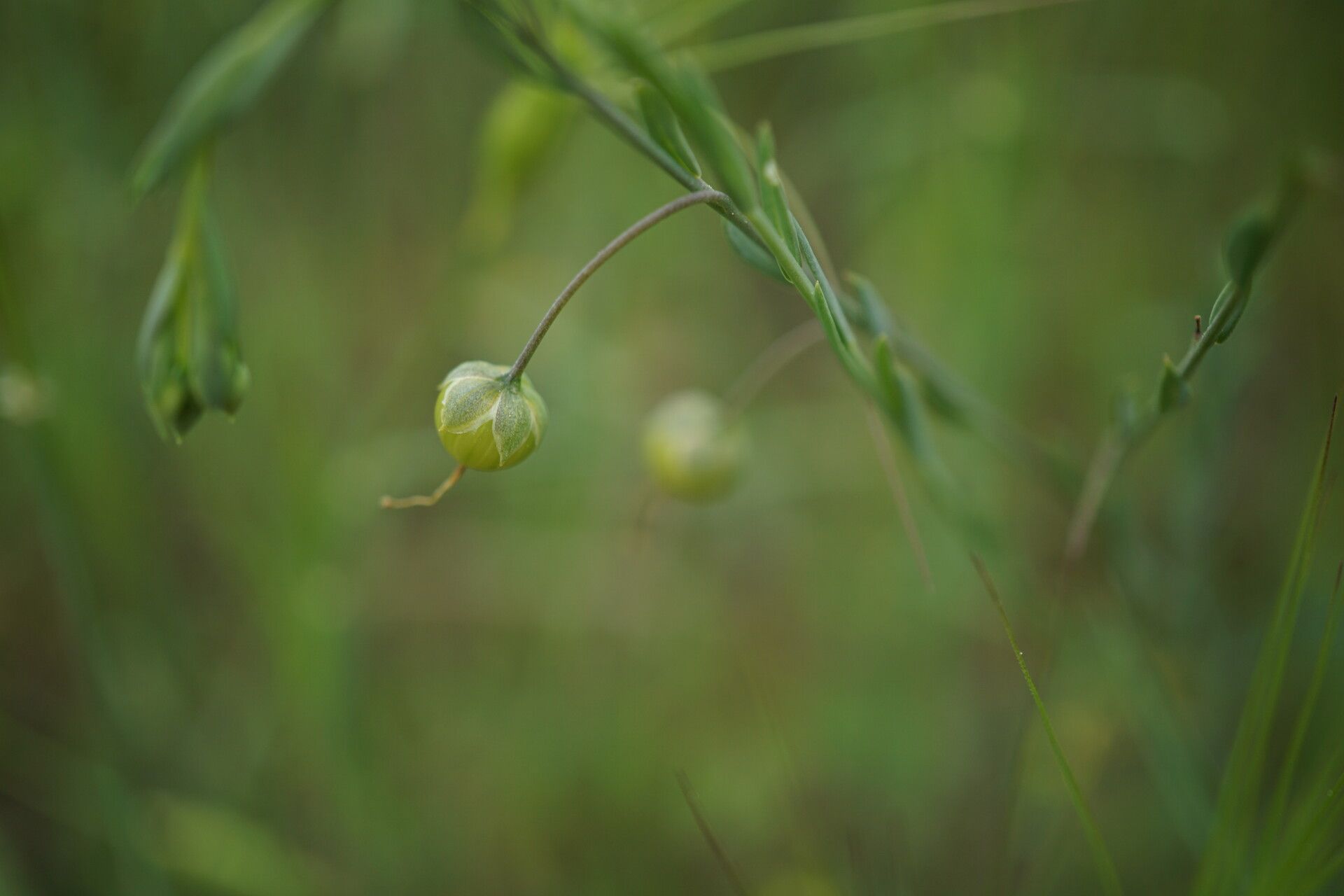
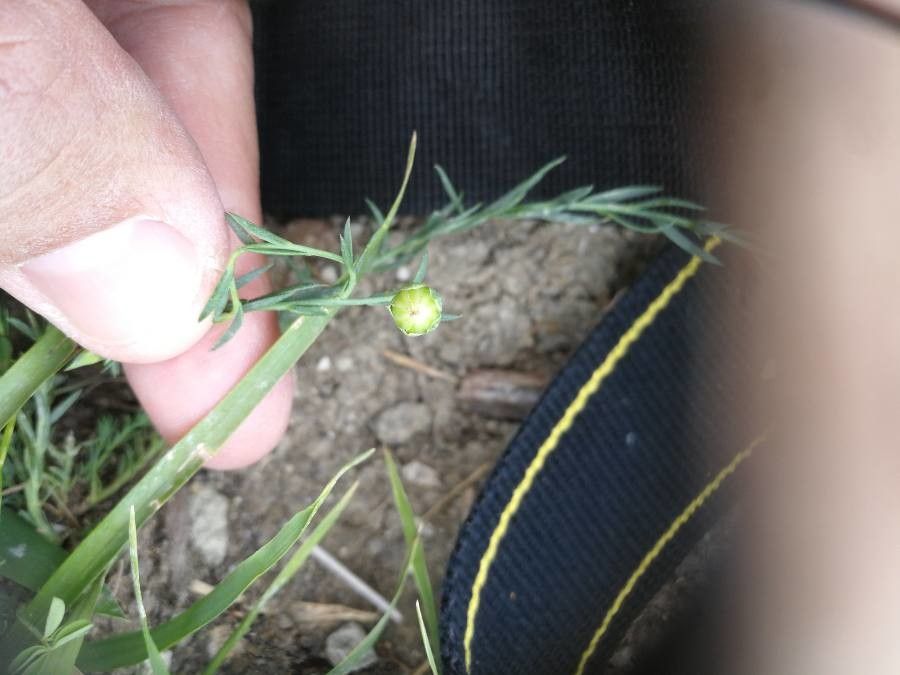
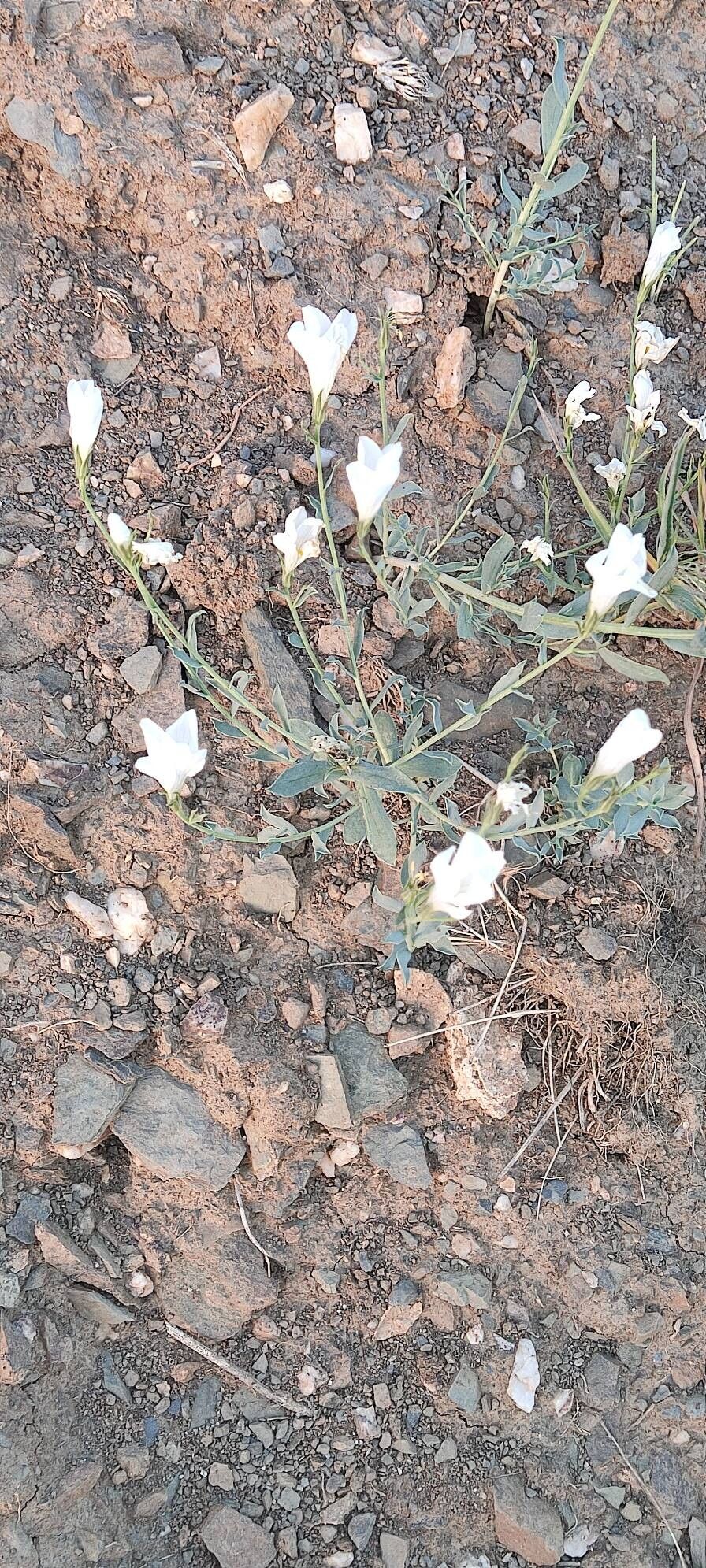
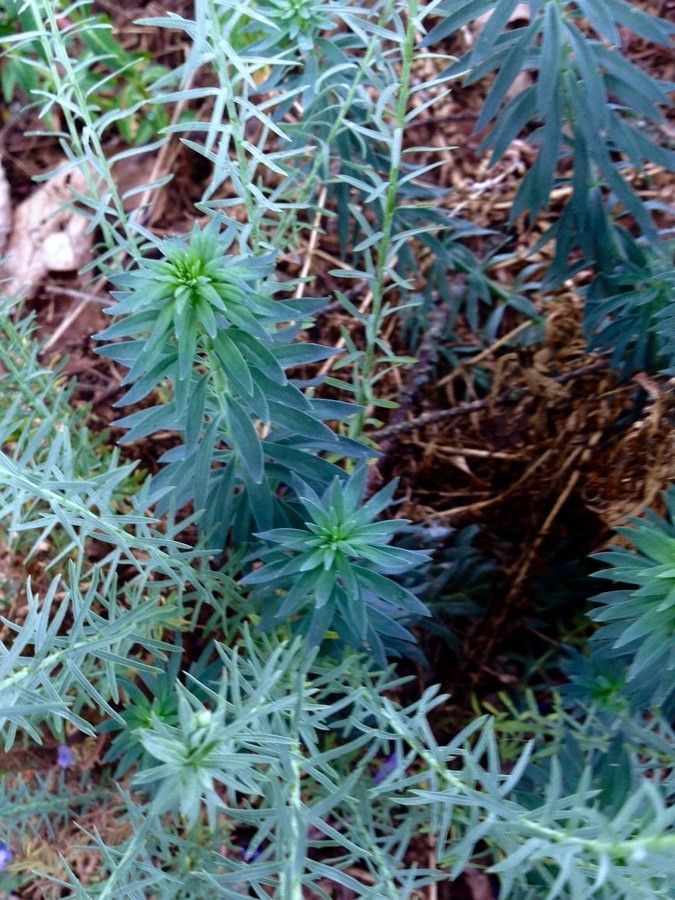
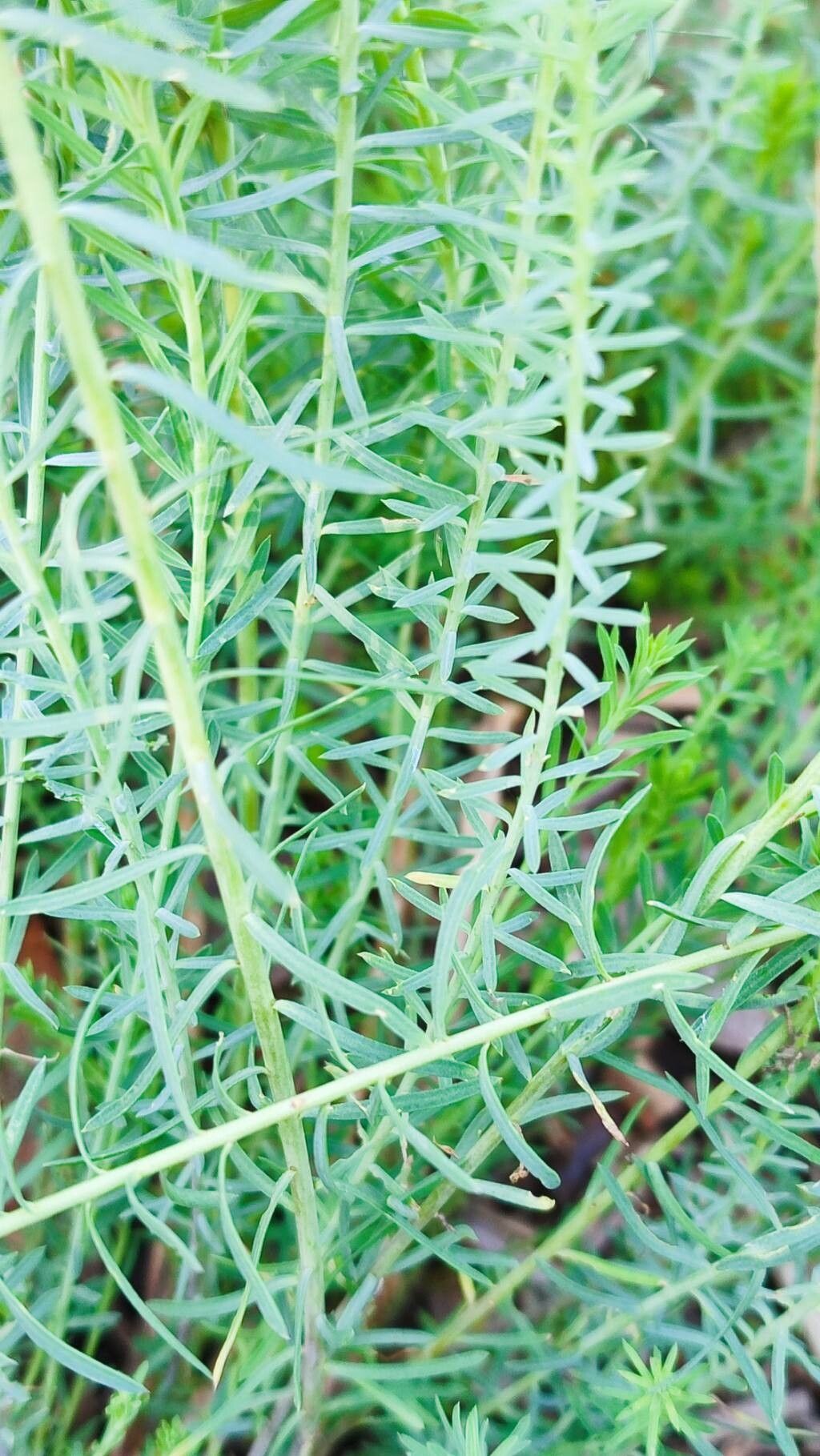
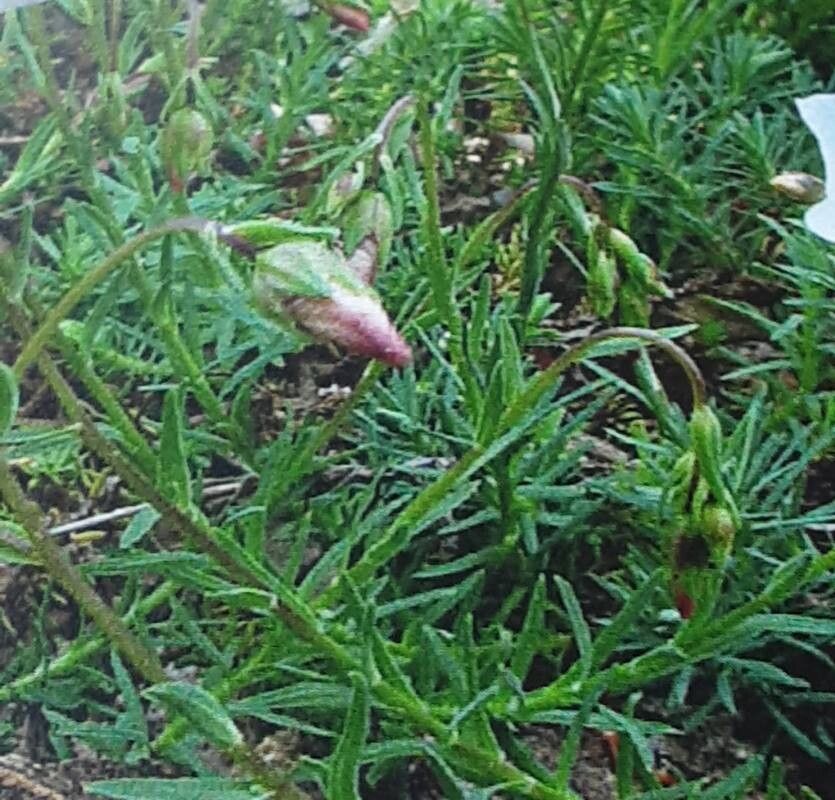
Linum austriacum, Asian flax, is a species of flowering plant belonging to the family Linaceae.Its native range is Eastern Central Europe to Western and Central Asia.
Pale flax is relatively disease-resistant and usually not very prone to illnesses. Still, it can be vulnerable to pests and diseases present in its environment, though such infections are typically mild. Its maintenance needs are moderate. Regular pruning is necessary to preserve a neat appearance and support healthy growth. Fertilizing can also encourage increased flowering. Pale flax is appropriate for anyone with outdoor space, such as a garden or patio, and does not need extensive care experience. It may need more attention if kept indoors.
How to keep Linum Austriacum.
Light
Pale flax does best when it receives continuous, direct sunlight throughout the day. Originating from brightly lit habitats, the plant is likely to develop poorly or flower inadequately if it lacks sufficient light. However, exposure to overly intense sunlight can make the plant display signs of stress.
Water
Austrian flax thrives in moderate moisture conditions and generally needs to be watered once a week. This evergreen plant, native to temperate climates, keeps its foliage throughout the year and requires regular hydration, even during the colder months.
Temperature
Pale flax originates from temperate regions and is accustomed to temperatures of 68 to 95 °F (20 to 35 ℃). When adjusting to seasonal changes, it needs careful monitoring of temperature to prosper, particularly in severe winters.
Fertilizer
Pale flax benefits from regular, light applications of fertilizer to encourage healthy leaf development. You should fertilize Pale flax about once a month during the summer. Nitrogen is essential for foliage, and providing nitrogen-rich sources helps Pale flax thrive.
Pruning
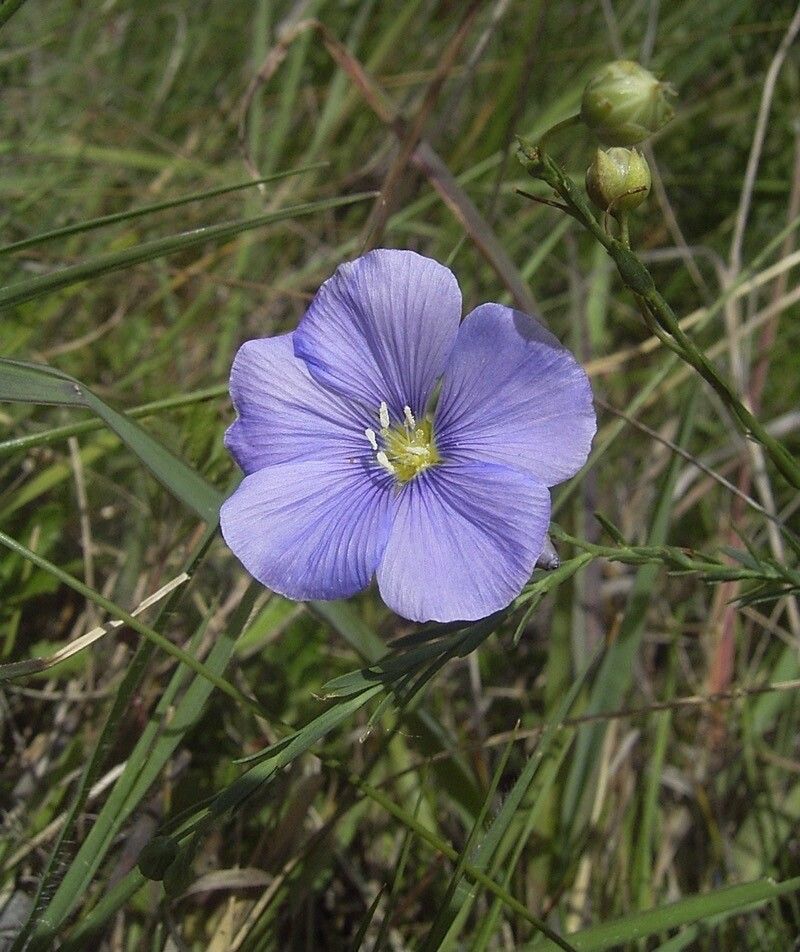
Austrian flax has slender stems and delicate blue flowers, which should be pruned from early to late spring. Removing dead or damaged stems promotes growth, prevents legginess, and improves air circulation. Regular seasonal pruning encourages vibrant blooms and healthy foliage, aligning with the natural growth cycle of Austrian flax for optimal rejuvenation.
Botanical profile.
- Plant Type
- Herb
- Life Cycle
- Annual, Perennial, Biennial
- Genus
- Linum
- Family
- Linaceae
- Hardiness Zone
- 6-9
- Mature Height
- 61 cm
- Mature Spread
- 20 cm
- Leaf Color
- Light Green
- Leaf Type
- Semi-evergreen
- Flower Color
- White, Purple, Blue
- Flower Size
- 1.52 cm
- Bloom Time
- Mid spring, Late spring, Early summer
- Planting Time
- Spring, Summer
- Harvest Time
- Summer
- Native Area
- Libya, Tajikistan, Turkey, Tunisia, Montenegro, Cyprus, Bulgaria, Greece, Croatia, Slovenia, Morocco, Lebanon, Uzbekistan, Russia, Serbia, Iraq, Syria, Italy, Spain, France, Iran, Albania, Ireland, United Kingdom, Algeria, Turkmenistan, Portugal
Other names.
Reader questions.
What's the different way to water my Austrian flax plants inside versus outside?
For gardeners living in non-temperate and non-tropical regions, it is common to grow Austrian flax indoors. It's important to know that soil in a container dries out faster than ground soil. If you have drying elements like air conditioning, your Austrian flax will need more frequent watering. However, if you plant it outside, you may not need to water it much at all due to natural rainfall. On the other hand, if you grow the plant indoors, you will need to water it more often since rainwater won't be an option.
What are the sunlight requirements for Austrian flax?
Austrian flax, botanically known as Linum austriacum, is a perennial herbaceous plant that thrives in full sun conditions, requiring more than 6 hours of sunlight daily. However, it can also tolerate partial sun conditions, receiving around 3-6 hours of sunlight. Observing how sunlight moves through your garden can help you find the perfect spot that provides the right balance of light and shade, ensuring your Austrian flax plants stay happy and healthy.
What is Austrian flax?
Austrian flax, known botanically as Linum austriacum, is a species related to the more commonly known flax plant. While specific details about its uses, appearance, and cultivation practices were not provided, this plant shares its genus with others that are often valued for their fibers and seeds.
How should I water my Austrian flax in the best way?
To properly water the Austrian flax, use filtered water at room temperature or slightly warmer. Tap water may contain harmful particles, so filtered water is preferable. Since the Austrian flax originates from a warm environment, avoid using cold water as it can shock the plant. Additionally, do not water the plant from above as it can lead to issues with the foliage. Instead, carefully pour the filtered room temperature water onto the soil until it becomes fully saturated. This helps moisten the roots and aids in their spread through the soil to obtain necessary nutrients.
How can artificial lighting be used for Austrian flax indoors?
For Austrian flax grown indoors, where natural sunlight may be insufficient, especially in winter or less sunny spaces, artificial lighting provides an essential solution for optimal growth. LED lights are favored for their ability to be customized to specific plant needs, with full sun plants requiring 30-50 watts per square foot, partial sun plants 20-30 watts per square foot, and full shade plants 10-20 watts per square foot. The artificial light source should be placed 12-36 inches above the plant, mimicking natural sunlight exposure and duration, where most plants thrive with 8-12 hours of light per day.
What should I do if I give my Austrian flax too much or too little water?
Overwatering is a common issue that can harm your Austrian flax. It can cause the stems and leaves to wilt and turn yellow. Prolonged overwatering can lead to diseases like root rot, mold, and mildew, which can be fatal for your plant. Underwatering is less common because Austrian flax is drought tolerant, but it can still happen. Signs of underwatering include brittle and brown leaves. It's important to recognize the signs of overwatering early and reduce watering immediately. If the soil doesn't drain well, replace it with a loose, well-draining potting mix. If your Austrian flax needs more water, simply water it more regularly until the signs disappear.
What are the symptoms of light deficiency in Austrian flax?
When Austrian flax is exposed to inadequate lighting, it may display several symptoms indicating light deficiency. These include developing smaller new leaves, experiencing leggy or sparse growth due to extended spaces between leaves or stems, dropping older leaves earlier to conserve resources, showing delayed or halted growth, presenting paler new leaves due to insufficient chlorophyll, and exhibiting chlorosis where leaves lose their green color. Damage from excessive sunlight can manifest as sunscald, leaf curling as a defense mechanism, wilting from increased water loss, and leaf scorching characterized by brown, dry edges on leaves.
How often do I need to water my Austrian flax plant?
If your Austrian flax is in a pot, the most accurate way to determine if it needs water is by sticking your finger into the soil. If the top two to three inches of soil are dry, it's time to water it. If you have your Austrian flax planted outdoors, you can use the same method to test the soil. Once the top few inches of soil have dried out, it's time to water. Typically, in the spring and early fall, you'll need to water this plant about once a week. However, during extremely hot weather, you may need to increase watering to around twice a week or even more. It's worth noting that mature and well-established Austrian flax plants have a good ability to withstand drought.
What solutions can address light deficiency problems for Austrian flax?
To address light deficiency in Austrian flax, indoor plants benefit from gradually being moved to sunnier locations to receive at least 6 hours of sunlight daily, or by utilizing artificial light sources like desks or ceiling lamps, or professional plant grow lights for at least 8 hours daily. Outdoor plants should be moved gradually to adapt to increased sunlight without causing sunburn. If trees obstruct sunlight, consider pruning to allow more sunlight. For smaller plants that can be moved, transplant them during their dormant period in late winter or early spring to a brighter location with good drainage. Note that parts of the plant already affected by insufficient sunlight may not recover, but new growth under improved light conditions will be healthy.
How much water does my Austrian flax plant need?
When watering your Austrian flax, don't be hesitant to give it a generous amount of water. Make sure the top two to three inches of soil are dry before watering and give it a thorough soak. The water should be enough to completely saturate the soil and flow out of the drainage holes in the pot. If there is no excess water draining, you may have underwatered it. However, be cautious of water accumulating in the soil, as this is harmful to the plant. On the other hand, if water doesn't drain through the pot, it may indicate poorly draining soil, which is not good for the plant's health. For outdoor plants, an inch of rain per week is sufficient.
How do I water my Austrian flax plants as they grow?
The water needs of Austrian flax can change at different growth stages. In the first few years or after transplanting, more water is required because the plant is focusing on growing new roots. These roots need additional moisture to support future growth. As the plant matures, less water is needed. Additionally, during the bloom period, extra water may be necessary as flower development requires a significant amount of moisture.
How often should I water my Austrian flax throughout the year?
The water needs of Austrian flax vary throughout the year. During the hottest months, it will require more frequent watering, possibly even more than once a week, depending on how quickly the soil dries out. Conversely, during the winter, the plant enters a dormant phase and needs significantly less water. In fact, you may not need to water it at all during this time. If you do choose to water in winter, it should be done sparingly, no more than once a month, to avoid the risk of disease.