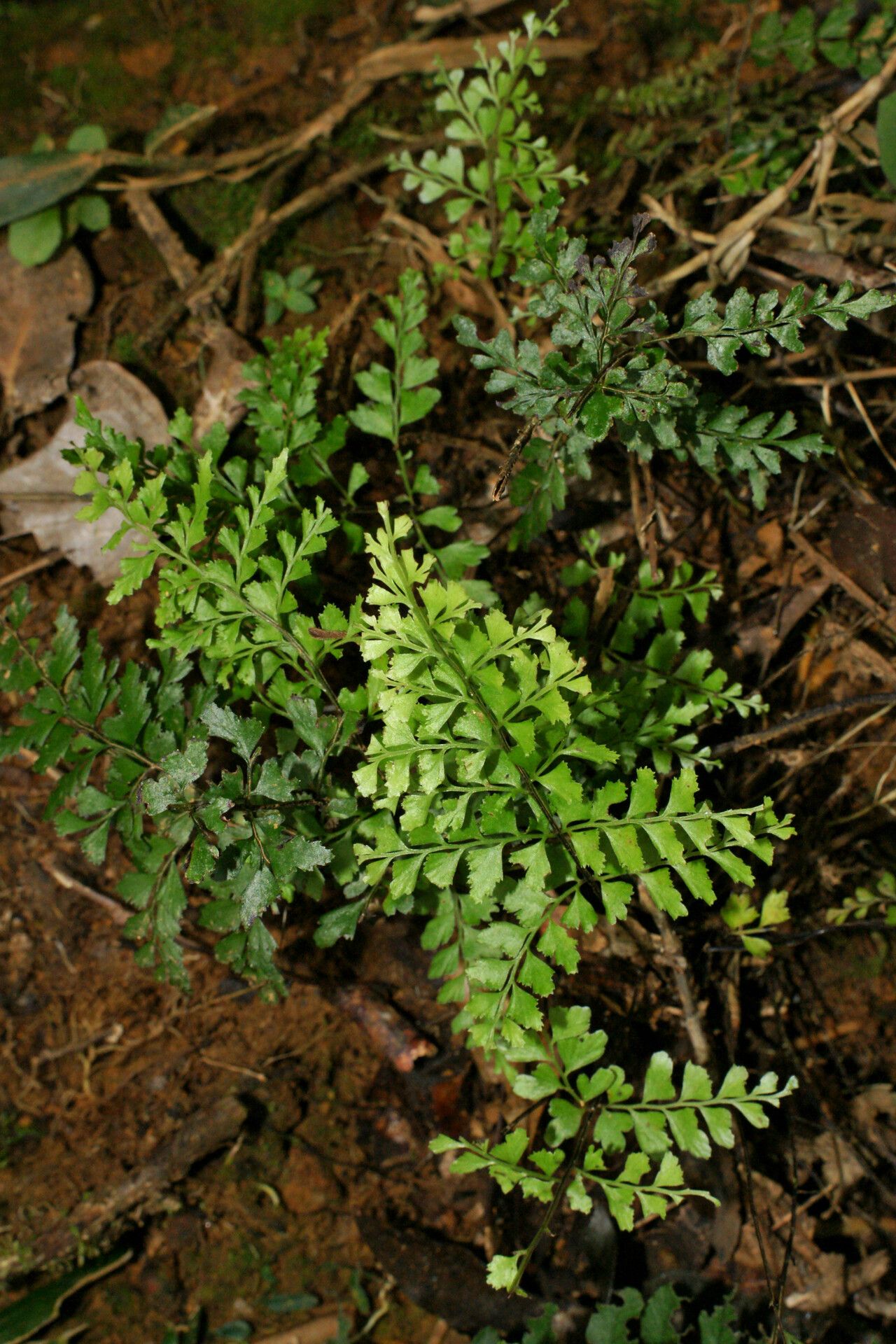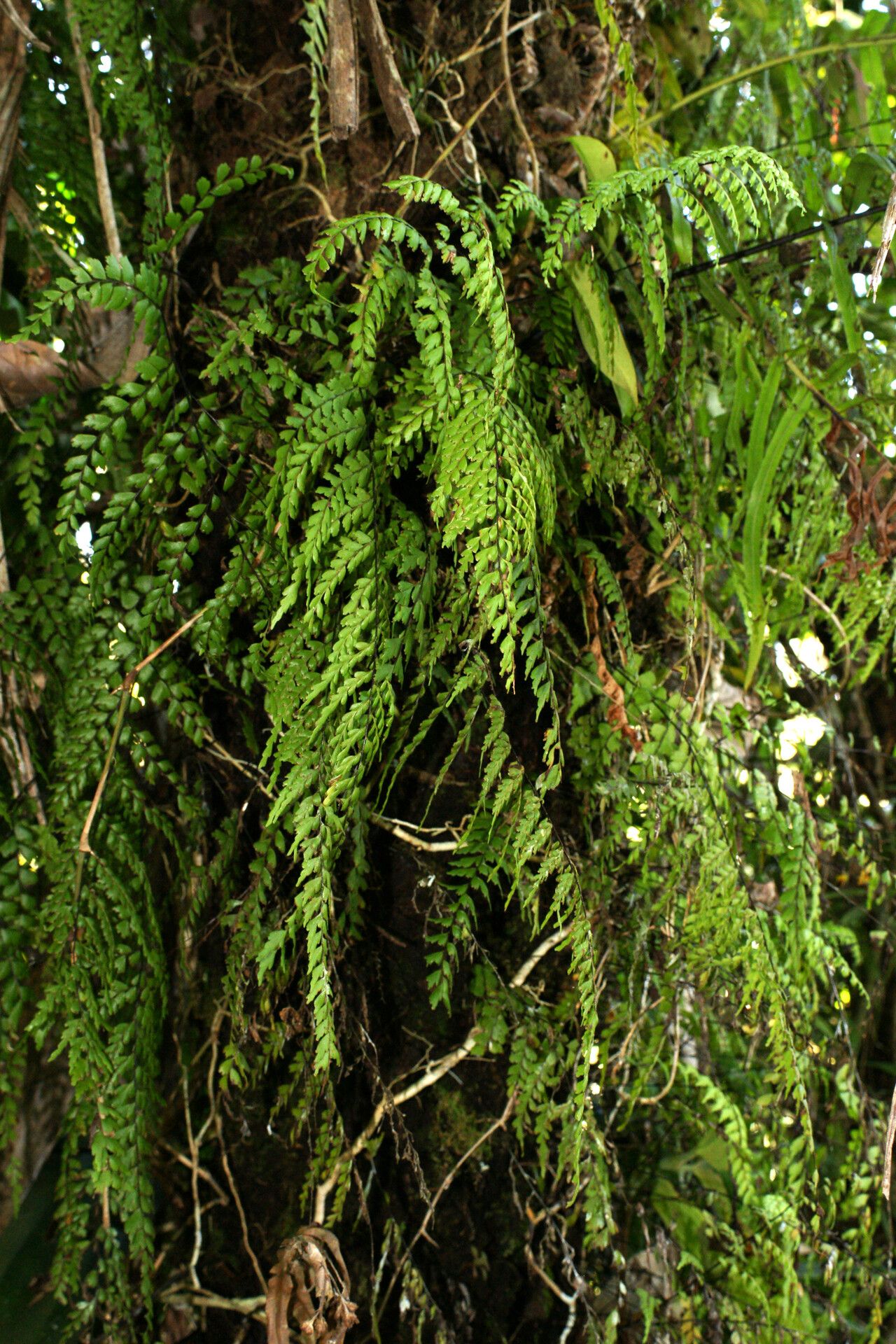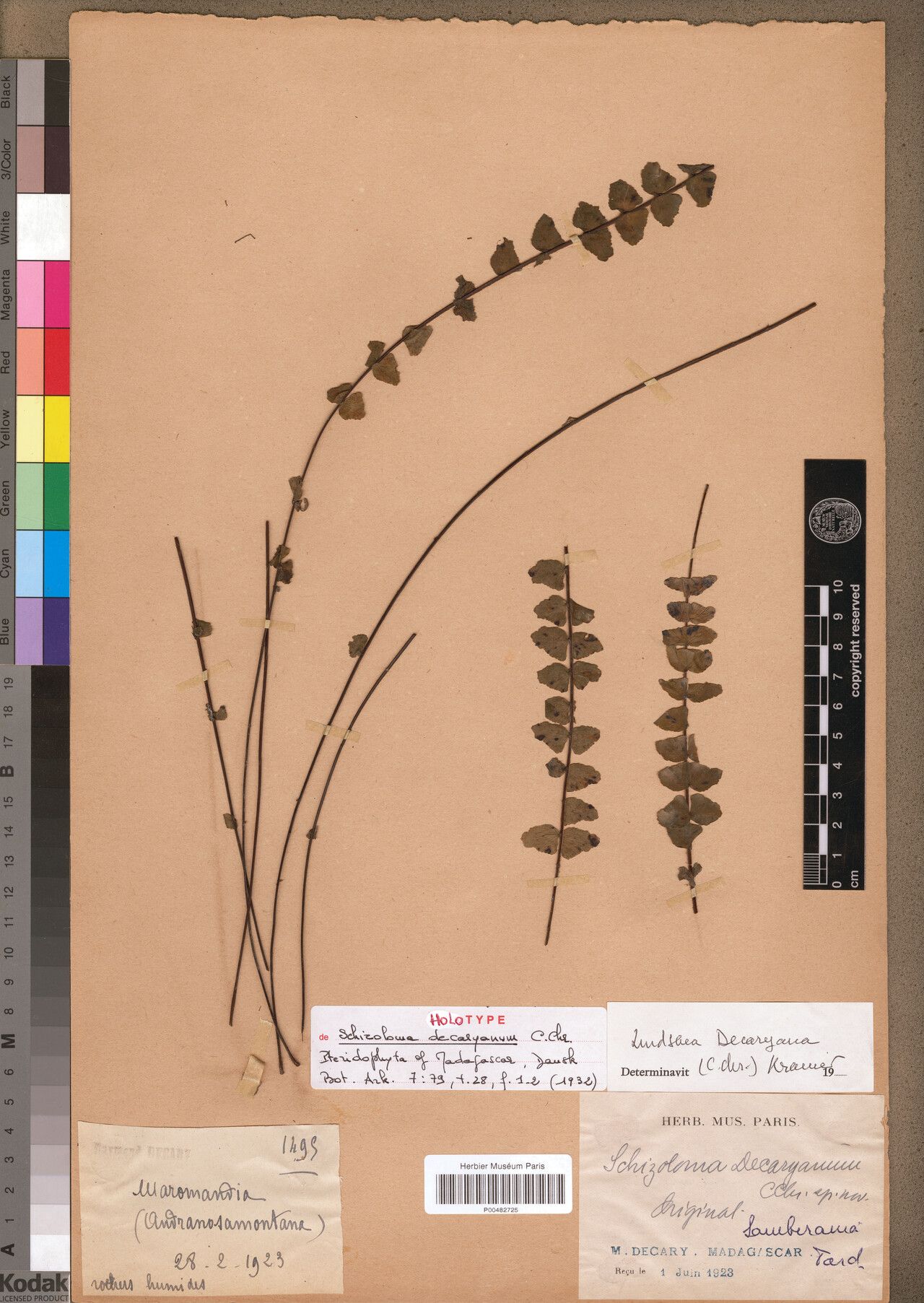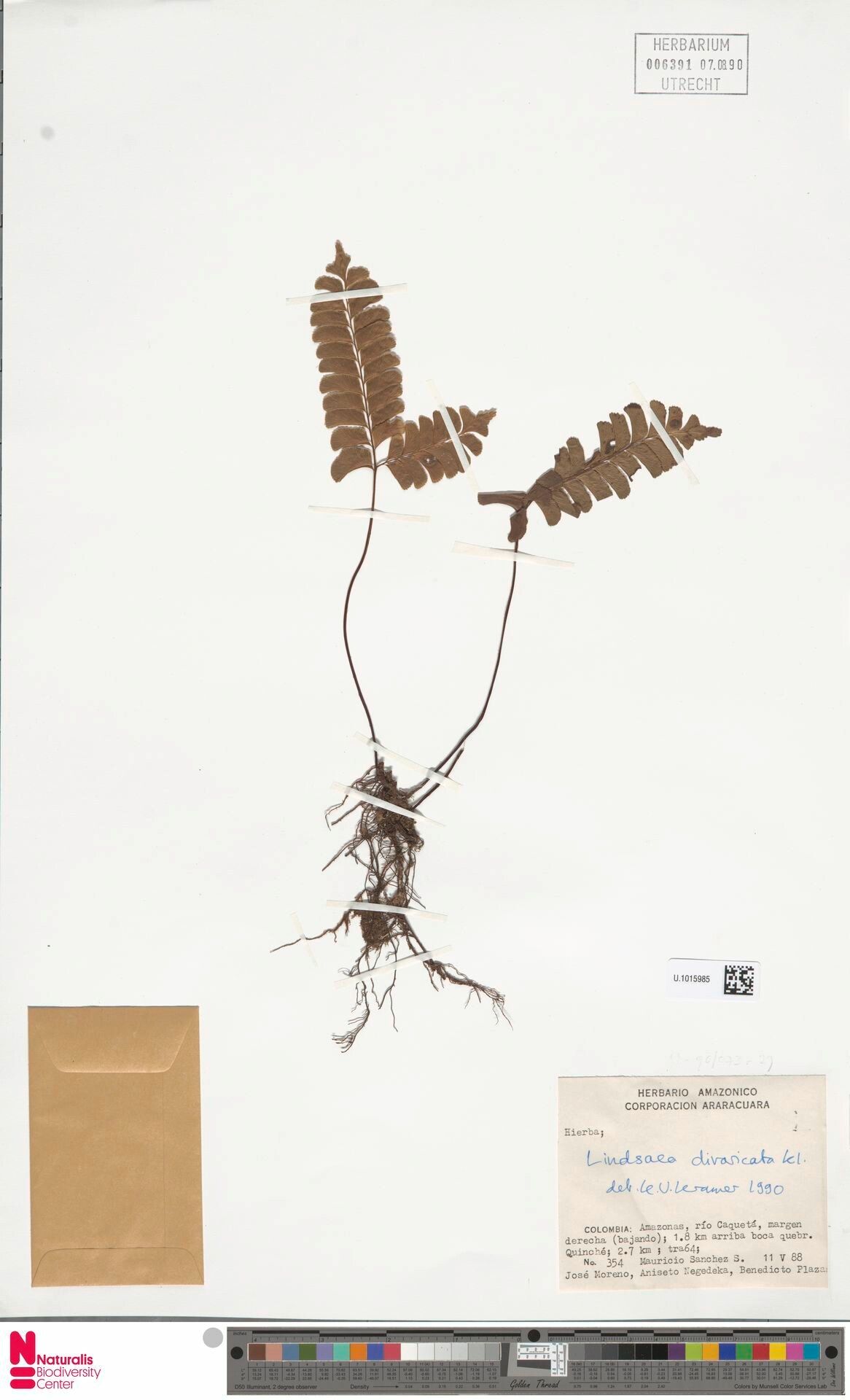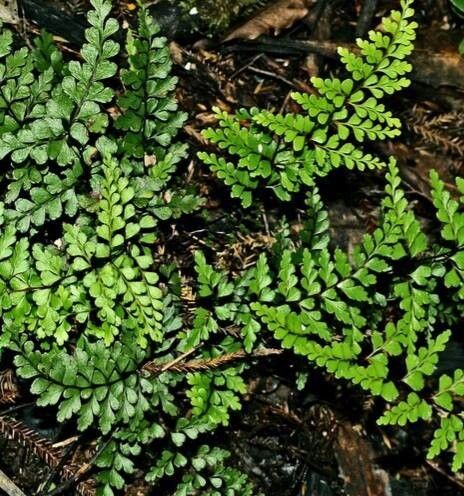
Lindsaea trichomanoides is a small, tufted fern from Australia and New Zealand. It is typically found on dry sites in lowland to montane forest and shrubland.
Oval wedge-fern is generally resistant to disease and encounters relatively few insect pests. Caring for Oval wedge-fern is considered challenging because it requires a consistently moist environment and frequent watering. Its roots are, however, vulnerable to rotting if overwatered or kept in poorly ventilated conditions. The plant is better suited to growers with some experience, as most people can keep it alive for a limited time. Nevertheless, Oval wedge-fern can struggle to thrive, and its leaves may dry out and decline in health over time.
How to keep Lindsaea Trichomanoides.
Light
The oval wedge-fern is native to habitats such as forest understories and rocky regions where natural shade is abundant. While it thrives best in complete shade, it can also withstand partial sun exposure.
Temperature
The oval wedge-fern hails from the tropics, regions known for their heat and humidity. Consequently, it is highly equipped to thrive in conditions of elevated heat and moisture levels. Sudden shifts in temperature are not favorable to this plant, making it crucial to maintain a consistent indoor temperature. It generally can't endure cool temperatures, necessitating warmer conditions for its progression. Should the environmental temperature fall excessively, the plant's growth could halt or it could potentially perish.
Botanical profile.
- Plant Type
- Fern
- Life Cycle
- Perennial
- Genus
- Lindsaea
- Family
- Lindsaeaceae
- Hardiness Zone
- 9-11
- Mature Height
- 10 cm to 30 cm
- Mature Spread
- 15 cm to 25 cm
- Leaf Color
- Light Green, Forest Green
- Leaf Type
- Semi-evergreen
- Planting Time
- Spring, Summer, Autumn
- Native Area
- New Zealand