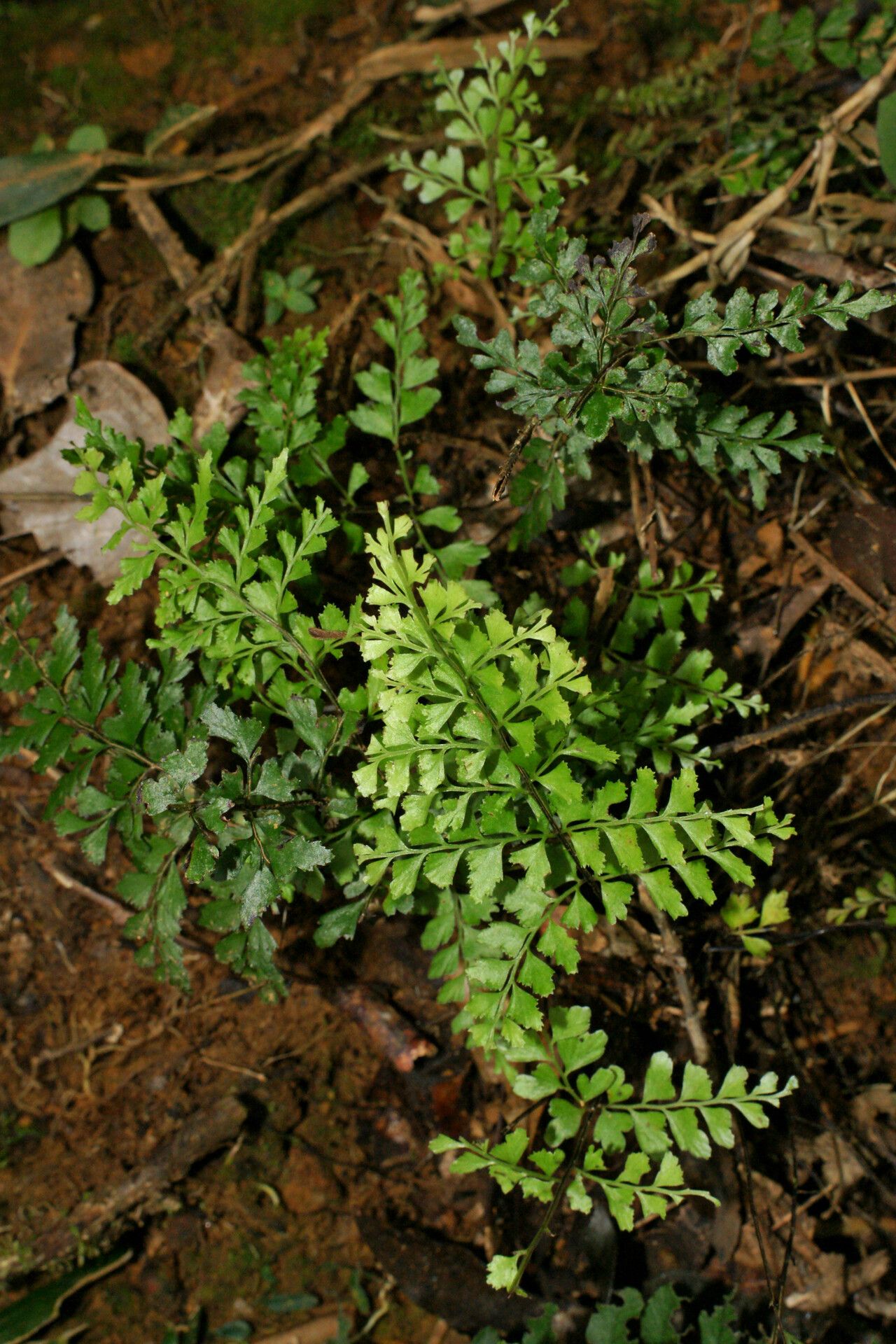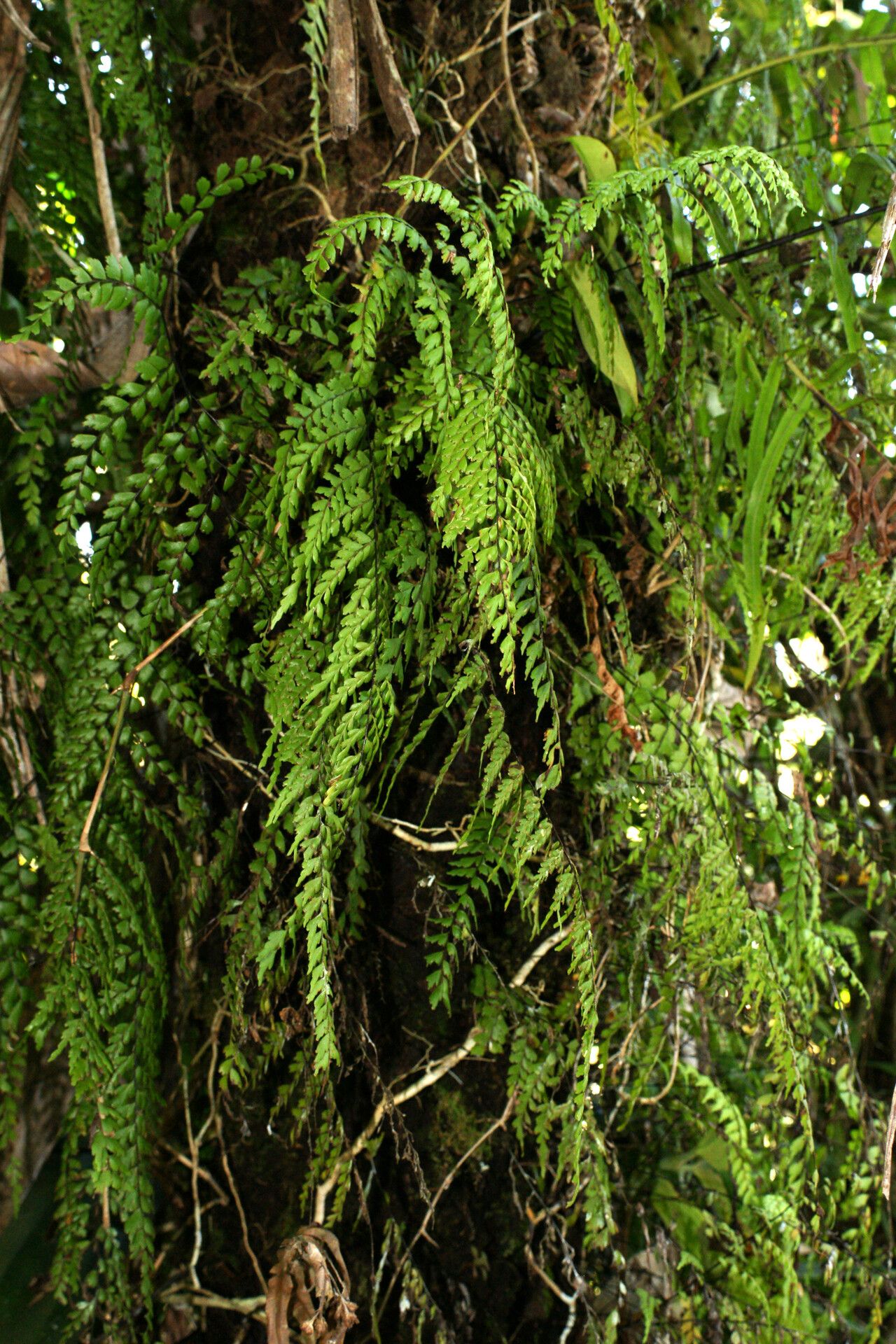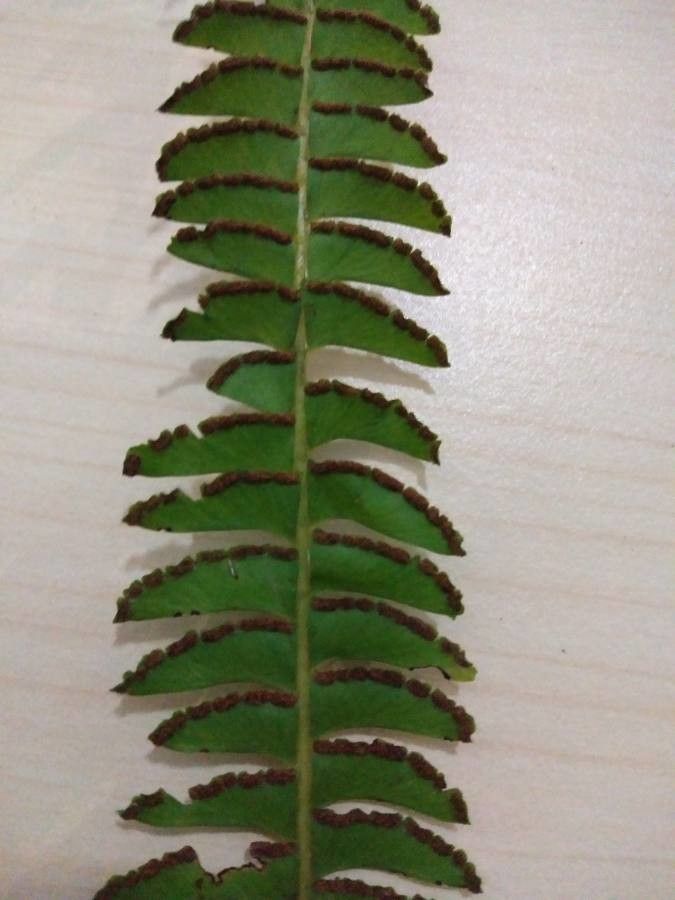
Osmolindsaea odorata is generally resistant to disease and is affected by relatively few insect pests. Caring for Osmolindsaea odorata is considered difficult because it needs a consistently moist environment and frequent watering. However, its roots can rot if they are overwatered or if the surroundings are poorly ventilated. Osmolindsaea odorata is appropriate for people with some growing experience, as most individuals can keep it alive for a certain amount of time. Nevertheless, Osmolindsaea odorata may struggle to thrive, and over time its leaves can dry out and become less healthy.
How to keep Lindsaea Odorata.
Light
Osmolindsaea odorata is native to habitats such as forest understories or rocky regions, which provide natural shade. It prefers Full Shade in terms of sunlight exposure, but can also endure Partial Sun.
Temperature
The plant Osmolindsaea odorata flourishes in chilly climates and elevated regions. It favors low temperatures, plenty of air circulation, and damp surroundings. In times of summer, extra steps should be implemented to decrease its temperature due to its high vulnerability to heat, causing it to die effortlessly. Moreover, arid conditions can negatively affect the plant. During the winter season, there's no need for particular actions for insulation from cold, however, preserving the soil's wetness is crucial.
Botanical profile.
- Plant Type
- Fern
- Life Cycle
- Perennial
- Genus
- Lindsaea
- Family
- Lindsaeaceae
- Hardiness Zone
- 3-7
- Mature Height
- 0.91 m to 1.83 m
- Mature Spread
- 20 cm to 40 cm
- Leaf Color
- Green, Dark Green
- Leaf Type
- Evergreen
- Planting Time
- Spring, Summer, Autumn
- Native Area
- Nepal, Sri Lanka, India, Malaysia, Indonesia, Vietnam, Myanmar, Japan, Philippines, Bhutan, Bangladesh, Thailand, China