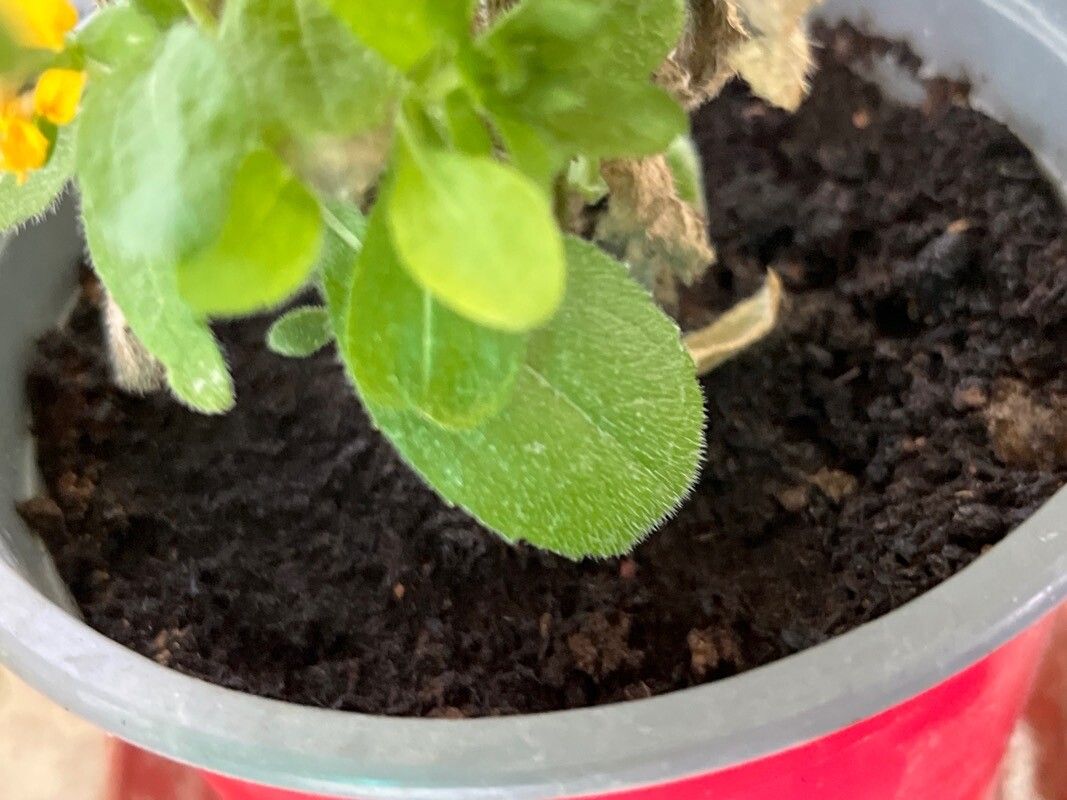
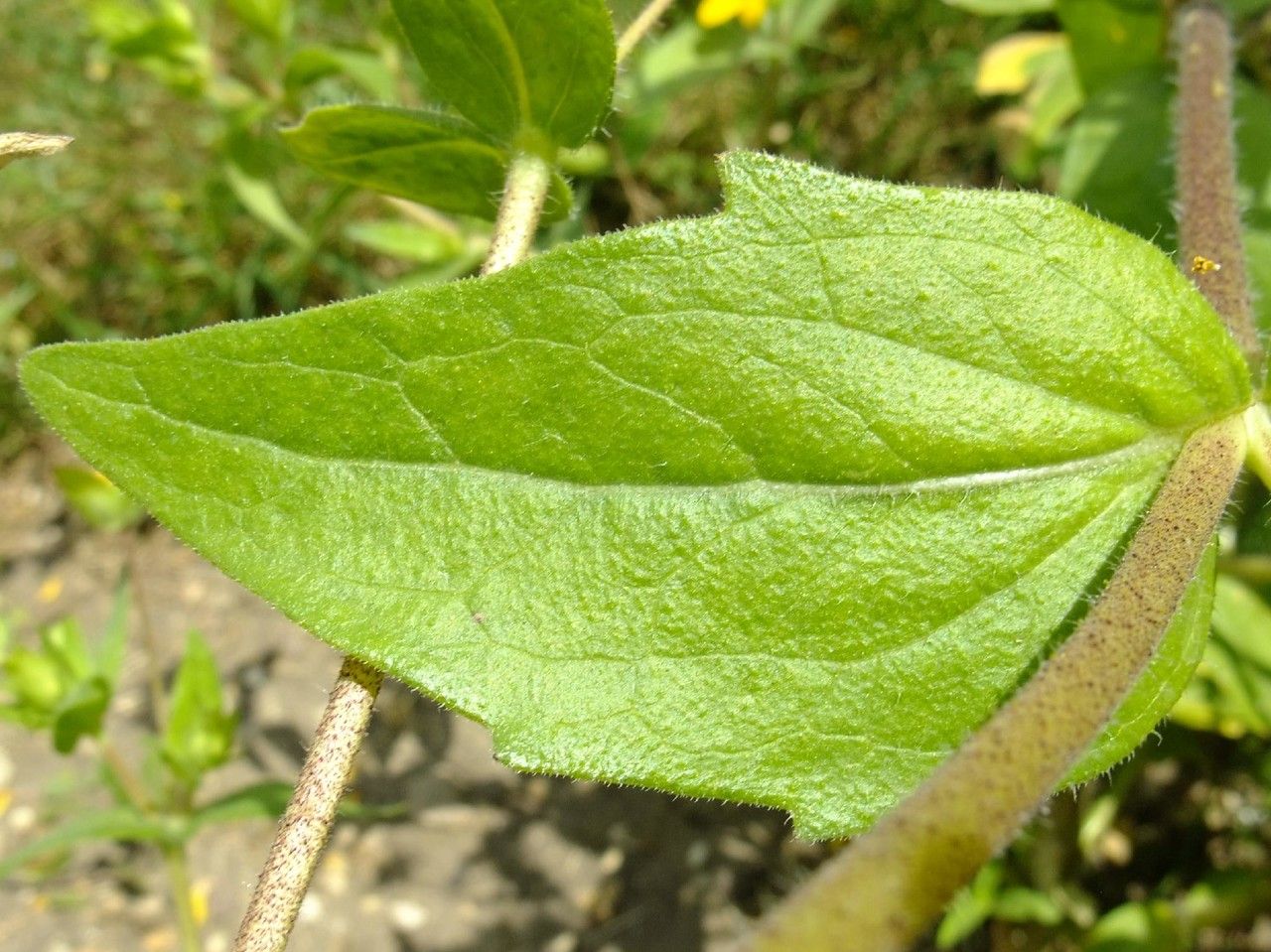
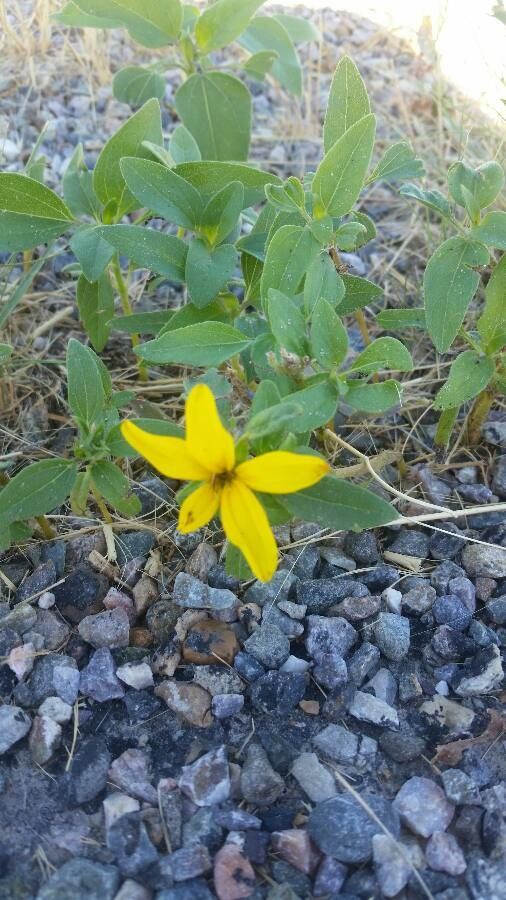
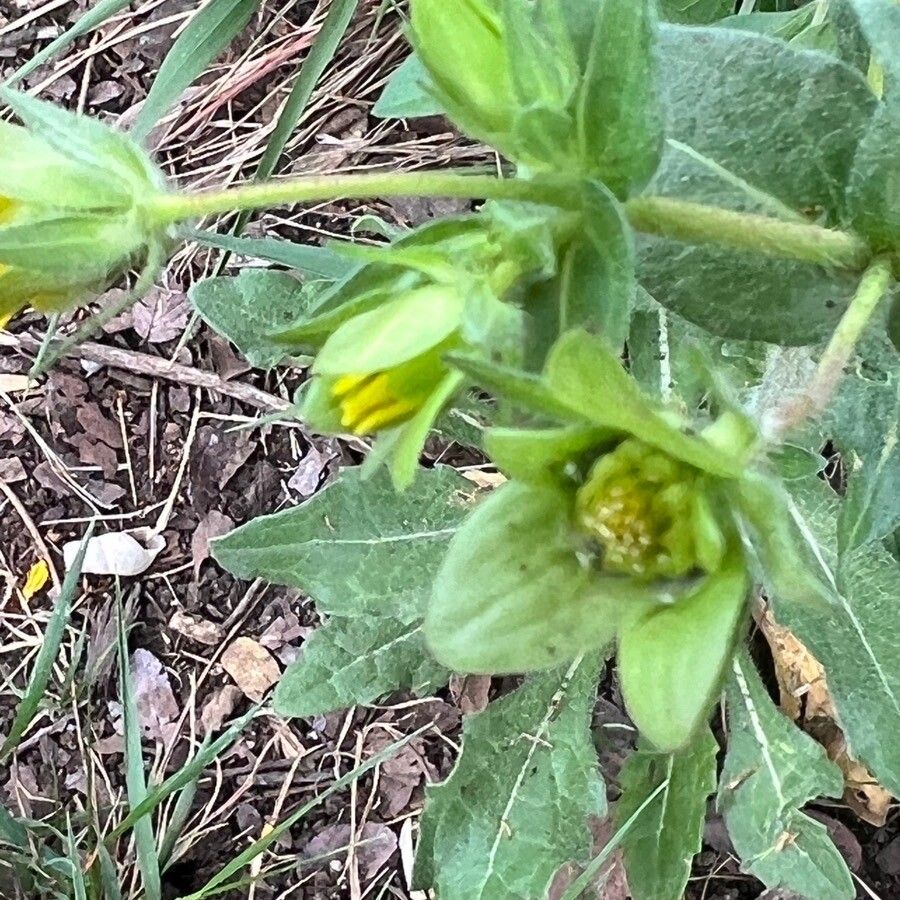
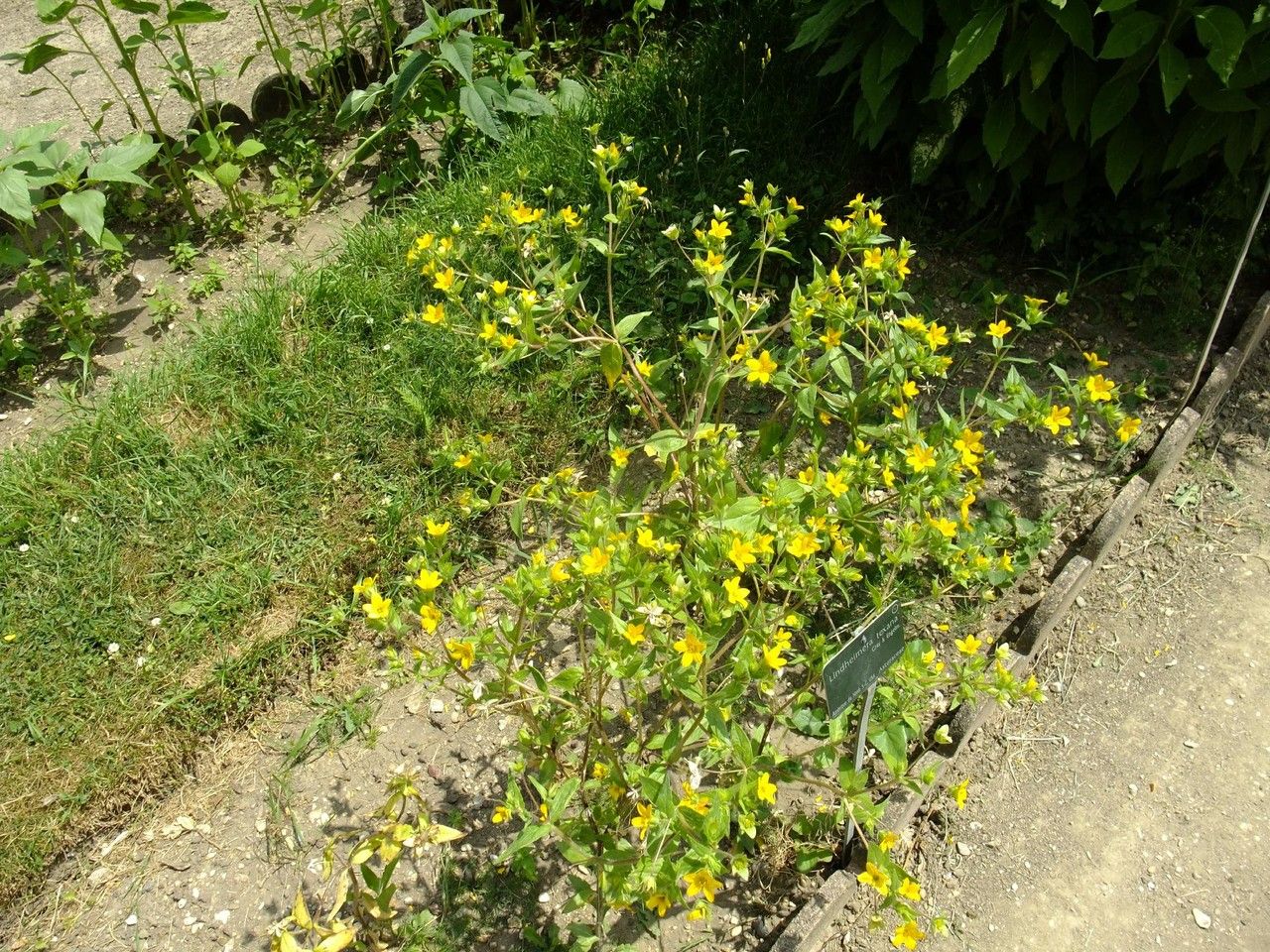
Lindheimera texana, commonly known as Texas yellow star, is a species of flowering plant in the tribe Heliantheae within the family Asteraceae. It is found in the south-western United States (Oklahoma and Texas) and northern Mexico (Coahuila). Other common names include star daisy, Texas star and Lindheimer daisy,
Texas Yellow-Star exhibits strong resistance to disease and typically does not suffer from illnesses. Still, it can be vulnerable to pests and diseases present in its environment. Such infections are generally mild. Regarding upkeep, this plant demands moderate maintenance. Regular pruning is necessary to preserve an attractive form and encourage healthy growth. Applying fertilizer can also aid in boosting blooms. Texas Yellow-Star is appropriate for people who have outdoor areas, like a garden or patio, and it doesn't call for extensive gardening experience. It can need extra attention when cultivated indoors.
How to keep Lindheimera Texana.
Light
Texas Yellow-Star favors high sun exposure and performs very well with abundant sunlight. It can also grow in partial sun, though not as successfully. Its native habitat is sunlit, but too little or too much sunlight can potentially harm the plant's health.
Water
The Texas Yellow-Star is well-suited for arid environments, needing minimal moisture and thriving in drier conditions. It's best to water it weekly, but be careful not to over-saturate the soil. This plant is ideal for outdoor cultivation, as it benefits from natural rainfall, making it an excellent choice for xeriscaping in suitable climate zones.
Temperature
Texas Yellow-Star is a plant that prospers in the warm climates of its native habitat, preferring a temperature range of 68 to 100 °F (20 to 38 ℃). Seasonal temperature changes should be kept within this range for optimal growth.
Fertilizer
When most of the Texas Yellow-Star's blooms are fully open, resume fertilizing. At the time of peak bloom production, apply fertilizer once every three to four weeks, as the weather allows. After the plant begins producing fewer new blooms, stop fertilizing; there is no need to feed it when it can no longer produce more flowers.
Pruning
The Texas Yellow-Star benefits from light pruning, which involves removing spent blooms and shaping the plant. This is ideally done from early to late spring. Pruning encourages branching and abundant flowering, and helps prevent disease by eliminating dead stems. By following these practices, you can ensure a vibrant and healthy Texas Yellow-Star.
Botanical profile.
- Plant Type
- Herb
- Life Cycle
- Annual
- Genus
- Lindheimera
- Family
- Asteraceae
- Hardiness Zone
- 8-11
- Mature Height
- 15 cm to 61 cm
- Mature Spread
- 61 cm
- Leaf Color
- Green
- Leaf Type
- Deciduous
- Flower Color
- Yellow
- Flower Size
- 2.54 cm to 3.30 cm
- Bloom Time
- Spring
- Planting Time
- Autumn, Spring
- Harvest Time
- Late spring, Early summer, Mid summer
- Native Area
- Mexico
Other names.
Reader questions.
What do I do if I give my Texas Yellow-Star plant too much or too little water?
To remedy underwatering the Texas Yellow-Star, simply water it more regularly when you notice it lacks moisture. Overwatering, on the other hand, can be a serious problem, as it can lead to diseases, decline, and death for the plant. To avoid this, choose a suitable location with sunlight to dry the soil and good drainage to prevent waterlogging. If you overwater your potted Texas Yellow-Star, consider changing the pot to improve drainage. When repotting, use loose soil and an efficiently draining pot.
What kind of sunlight does Texas Yellow-Star plant require?
The Texas Yellow-Star thrives in full sunlight, so it's important to avoid crowding the plants together, allowing them to evenly soak up the sun. It's crucial not to deprive the leaves of sunlight. If planting in pots, position the herbaceous flowers in windows that receive direct sun, ensuring they always enjoy full sunlight throughout the year. Partial or filtered light is not ideal for these plants, as it results in weak stems and unhealthy flowers. So, aim to keep the Texas Yellow-Star always exposed to the sun for the best outcomes.
What is the best temperature for Texas Yellow-Star?
Plants can be impacted by colder temperatures because they match the temperature of the air surrounding them. Normally, when they are under the sun, they warm up again. However, this doesn't happen in winter. The Texas Yellow-Star typically thrives in temperatures between 70 to 85℉ (21 to 30℃). It may endure temperatures as low as 20 to 30℉ (-6 to 0℃) or even 15℉ (-10℃), but not for extended periods as it could lead to frost damage. To maintain optimal conditions, aim for temperatures no higher than 70 to 85℉ (21 to 30℃), ensure they are regularly watered, and provide some shade to prevent wilting.
How do I water my Texas Yellow-Star plant at different stages of growth?
The Texas Yellow-Star goes through different growth stages throughout the year, each with varying water requirements. Starting as a seed, it needs more water during the germination stage. Keep the soil consistently moist by watering frequently. Once it grows above the soil, it needs slightly less water. When the plant is mature, water it once a week. During flower development, you may need to give it a little extra water.
Should I keep Texas Yellow-Star away from the sun to protect it?
The Texas Yellow-Star thrives in the sun and is even heliotropic in certain species. It is best to plant them in south-facing gardens so they can enjoy sun exposure from morning till afternoon. However, it's important to note that while they benefit from the sun, some may be susceptible to sunburn. To protect them from the intense afternoon and midday sun, providing shade from a tree or wall is recommended. It's not possible to grow the Texas Yellow-Star in shady areas due to the energy requirements of the larger flowers. For optimal growth, always ensure that they are placed in an area with full sun exposure.
Do I need to change the temperature for Texas Yellow-Star at different stages of growing?
Before growing Texas Yellow-Star, research the proper temperature conditions. Some growers might lower the plants' thermostats to save on HVAC costs. However, it's important to note that temperature can impact flowering, pest management, and plant quality. When winter arrives, some species, including Texas Yellow-Star, may enter a dormant state and stop growing. As seasons change, the base temperature increases, allowing Texas Yellow-Star to grow faster. Species that naturally thrive in warm habitats have higher optimum temperatures compared to those in cooler climates. Cool temperatures during seed exposure can lead to less uniformity and delays. During flowering, it may be beneficial to lower the temperature while maintaining regular temperatures during other stages. Cooler night temperatures also require less water, so adjust irrigation accordingly.
How should I water my Texas Yellow-Star plant?
Texas Yellow-Star can easily be watered using a garden hose, watering can, or any other common watering tool. Luckily, Texas Yellow-Star isn't too fussy about the type of water it receives; rainwater, tap water, or filtered water will all suffice. It's generally best to avoid watering this plant from above, as it can harm the leaves, flowers, and possibly cause disease. For optimal watering, consider using a drip irrigation system for Texas Yellow-Star, as it ensures even and direct watering of the soil. If you have a potted Texas Yellow-Star, you can still use the same watering technique, simply switching to a cup, watering can, or even tap water to directly water the soil.
How many hours of sunshine does Texas Yellow-Star need each day to grow well?
To ensure the best growth and survival of the plants, it is important to provide them with a minimum of 6 to 8 hours of sunlight every day. Ideally, they would benefit from more exposure to morning light, particularly during the summer. The Texas Yellow-Star plant in particular thrives in full sun and requires as much sunlight as possible. The greater the amount of light these species receive, the more they can produce food, display vibrant flowers, and thrive in their environment.
How can I make sure that Texas Yellow-Star stays warm during cold seasons?
To help the Texas Yellow-Star plant withstand colder temperatures, stop fertilizing it to prevent new growth and promote hardiness in the existing leaves. To provide additional warmth, you can construct protective structures like cages or trellises around the plant. Another option is using heat mats, which gently warm the soil and maintain a consistently ideal temperature range for the Texas Yellow-Star.
How often do I need to water my Texas Yellow-Star?
Texas Yellow-Star needs regular watering throughout the growing season. In the spring, water the plant once a week. As the season progresses and it gets warmer, you may need to increase watering to two to three times a week. However, watering more than that can harm the plant. It's important to keep the soil moist but not wet, regardless of how often you water. When the Texas Yellow-Star is in a pot, you'll need to water it more frequently. Potted soil can heat up and dry out faster than soil in the ground. Generally, water a container-grown Texas Yellow-Star a few times a week, compared to just once a week for a plant in the ground.
Can the sun damage plants? How can the Texas Yellow-Star plant be protected from damage caused by the sun and heat?
The Texas Yellow-Star is sensitive to extreme temperatures above 90℉(32℃). To prevent damage, it's important to provide some shade in the afternoon during the summer. Keep in mind that sunlight in the summer is stronger and lasts 50% longer compared to winter. If the plant is stressed from too much sunlight, ensure it is well-watered and consider moving it indoors if it's too hot outside, particularly if it's in a container. While some leaf wilting during the day is normal, if the plant continues to droop it means it's losing water quickly and needs immediate watering.
How can I protect Texas Yellow-Star from getting damaged by the temperature?
To protect the Texas Yellow-Star from frost in winter, you can cover it with cloths, tarps, burlaps, sheets, or plastic buckets. Just make sure to secure them so they stay in place and don't get blown away by the wind. However, be careful not to let the plastic sheets or burlap covers touch any part of the fruit or foliage, as this could transfer the cold temperatures and cause burns. Once the daytime temperatures start to rise, go ahead and remove the covers.