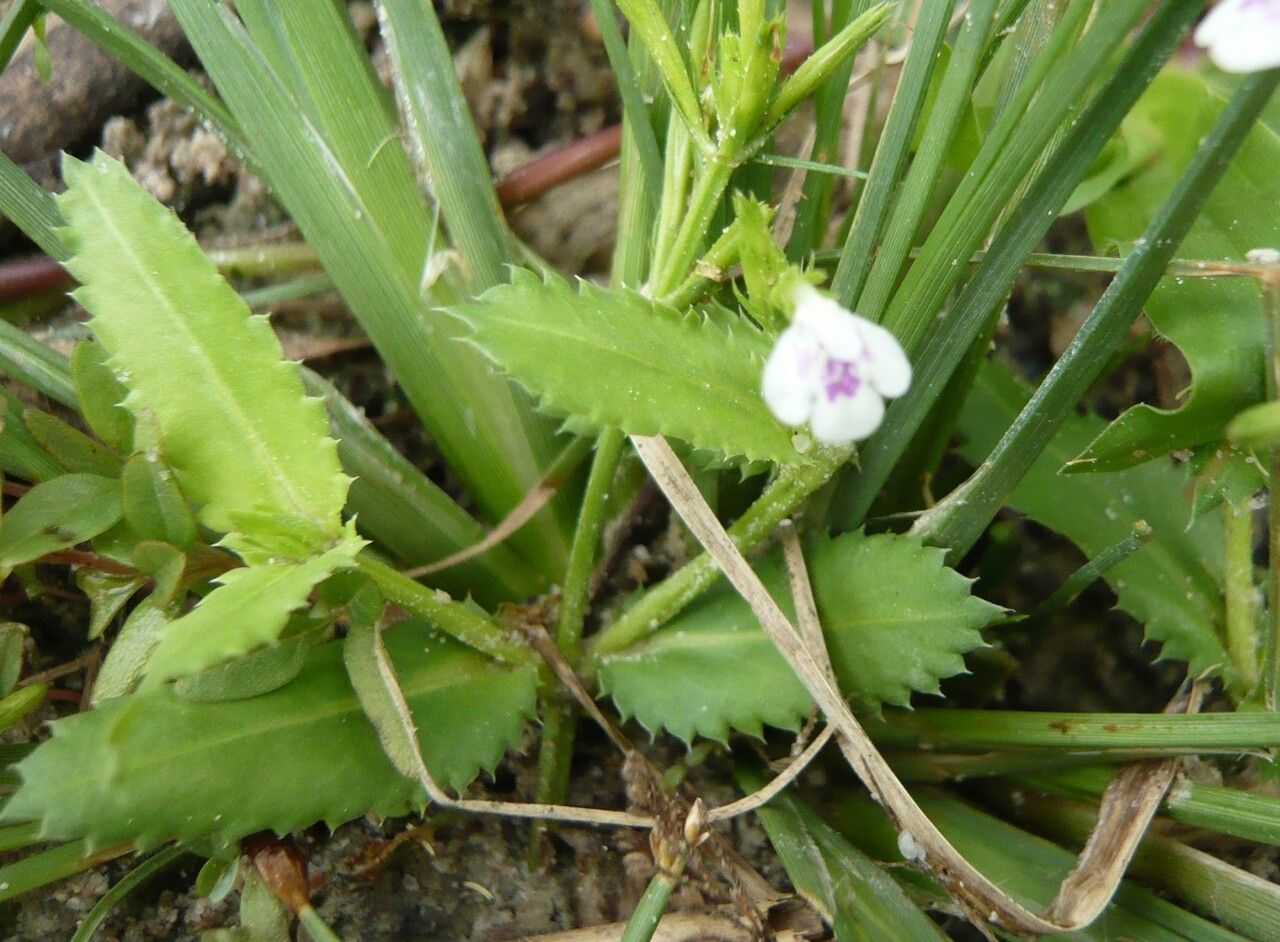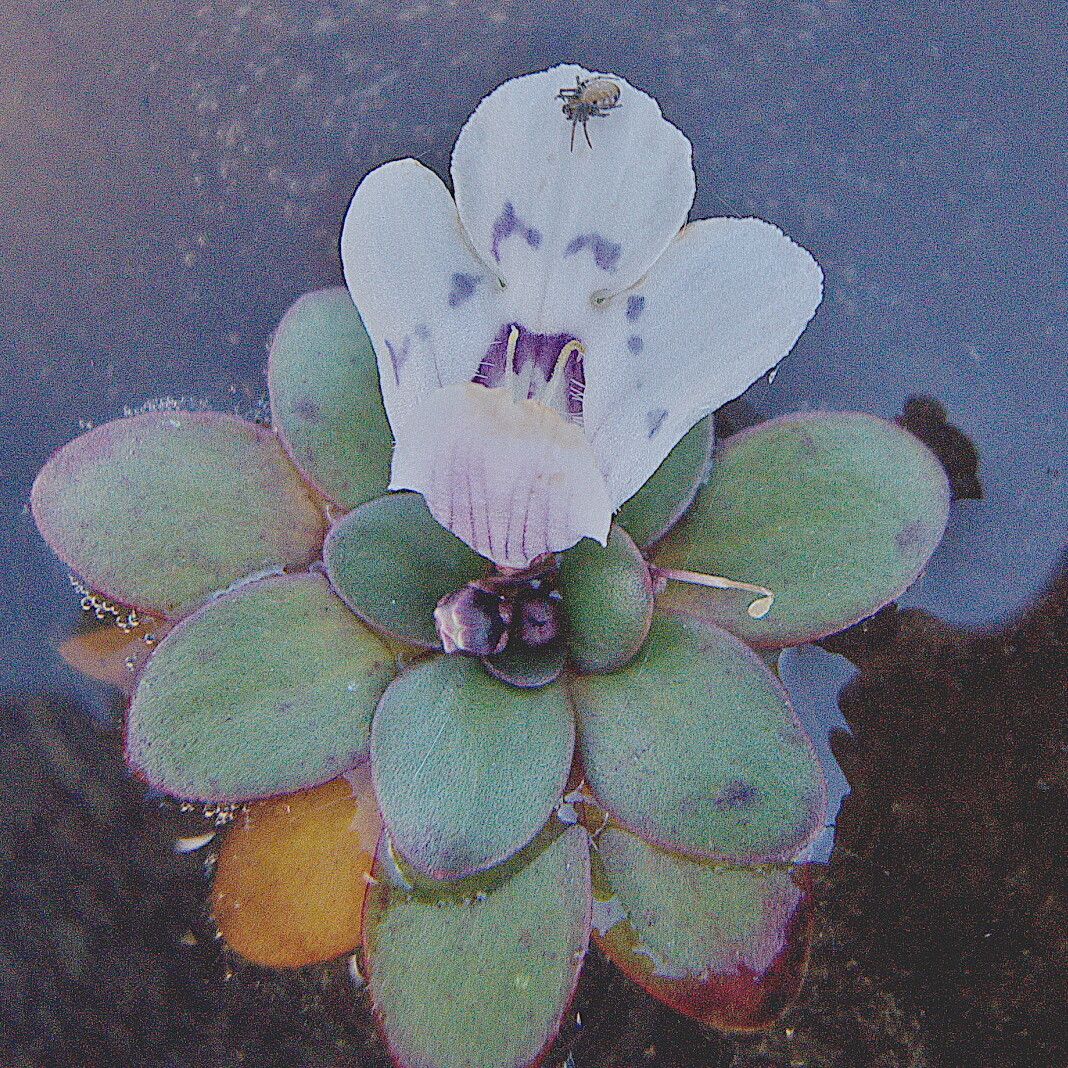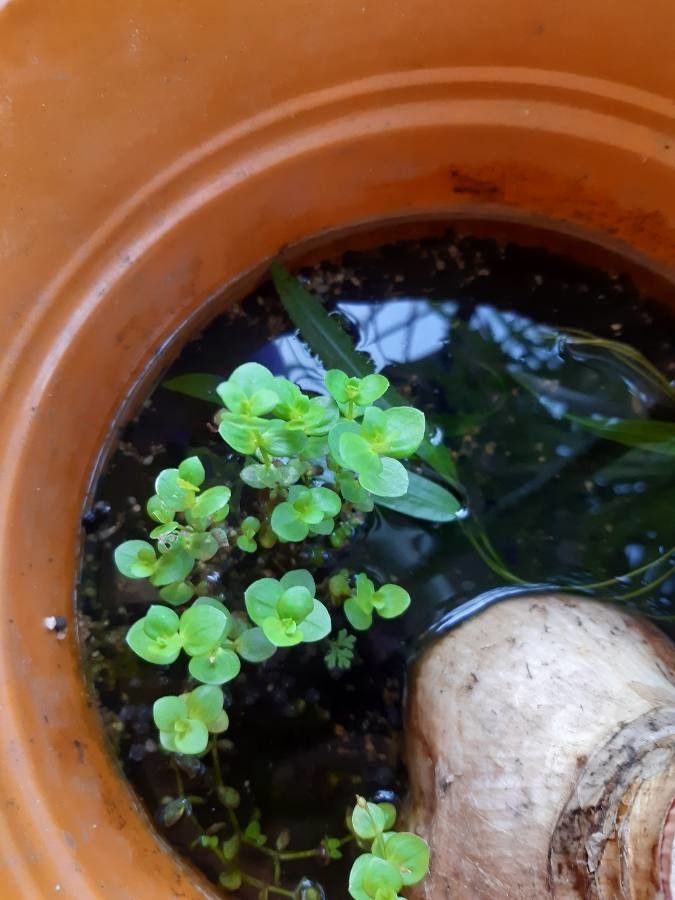
Baby tear is fairly resistant to disease and typically does not suffer from many illnesses. However, it can be vulnerable to pests and diseases present in its surroundings. These infections are usually mild. In terms of care, this plant requires moderate maintenance. It needs regular pruning to keep a neat appearance and encourage healthy growth. Fertilizing can also help stimulate flowering. Baby tear is suitable for anyone with outdoor space, such as a garden or patio, and does not demand extensive care experience. It may need more attention when grown indoors.
How to keep Lindernia Rotundifolia.
Light
Baby tear comes from habitats that receive dappled light, like forest understories or rocky sites that provide natural shade. It does best in partial sun but can also tolerate full sun conditions.
Water
Baby's tears is a plant that thrives in moist environments. It prefers consistent moisture but can tolerate moderate drought. To keep the soil evenly damp, water it twice a week. This aquatic plant also flourishes when submerged in aquariums with stable pH and temperature conditions.
Temperature
Baby tear is a plant indigenous to temperate regions, thriving best at temperatures between 68 and 95 °F (20 to 35 ℃). For optimal growth, adjust the ambient temperature to resemble its native environment, particularly during seasonal shifts.
Fertilizer
Baby tear does well with regular, dilute applications of fertilizer to encourage healthy leaf growth. You should feed Baby tear about once a month during the summer. Nitrogen is important for foliage, and providing nitrogen-rich sources helps Baby tear thrive.
Pruning
Baby tears have small, lush leaves and thrive in humid conditions. To encourage growth and maintain their shape, prune them in early to late spring. Use sterilized scissors to cut above the leaf nodes. Careful pruning enhances the plant’s aesthetics, density, and health. Be cautious not to over-prune, as this can lead to sensitivity and disease.
Botanical profile.
- Plant Type
- Herb
- Life Cycle
- Annual, Perennial
- Genus
- Lindernia
- Family
- Linderniaceae
- Hardiness Zone
- 7-10
- Mature Height
- 30 cm
- Mature Spread
- 10 cm to 20 cm
- Leaf Color
- Green
- Leaf Type
- Evergreen
- Flower Color
- White
- Flower Size
- 1.02 cm
- Bloom Time
- All year round
- Planting Time
- Spring, Summer, Autumn
- Harvest Time
- All year round
- Native Area
- Malawi, Sri Lanka, India, Madagascar, Rwanda, Bangladesh, Nigeria, Congo, Kenya, Uganda, Tanzania, Cameroon, Myanmar, Ethiopia, Congo (DRC), Central African Republic
Other names.
Reader questions.
What are the sunlight requirements for Baby Tear (Lindernia rotundifolia)?
Baby Tear (Lindernia rotundifolia) thrives in conditions ranging from partial to full sun exposure. Partial sun refers to about 3-6 hours of sunlight daily, while full sun means the plant should receive above 6 hours of sunlight each day. It's essential to observe how sunlight moves through your garden to identify spots that offer a balance of light and shade, ensuring the optimal growth and happiness of your plants.
What is the native environment of the Baby tear plant?
The Baby tear plant, botanically known as Lindernia rotundifolia, is native to temperate environments. It thrives best in temperatures ranging from 68 to 95 °F (20 to 35 °C). To ensure optimal growth, it's beneficial to adjust the ambient temperature to closely mimic its natural habitat, particularly with the changing seasons.