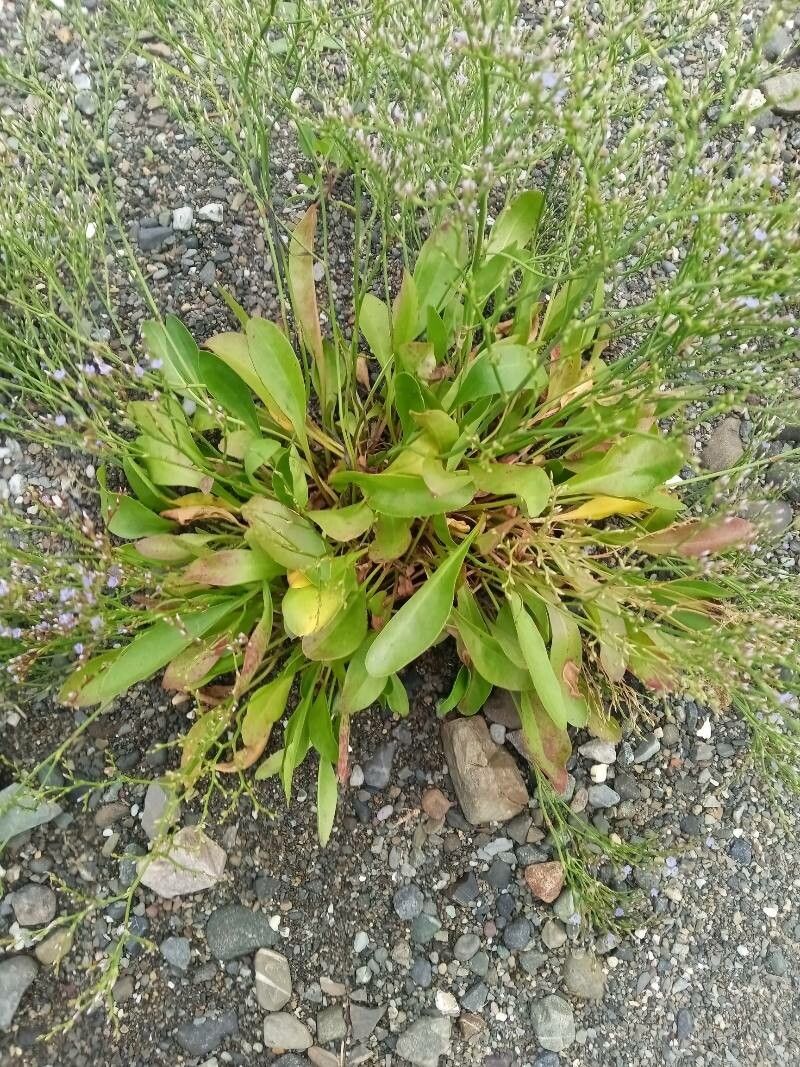
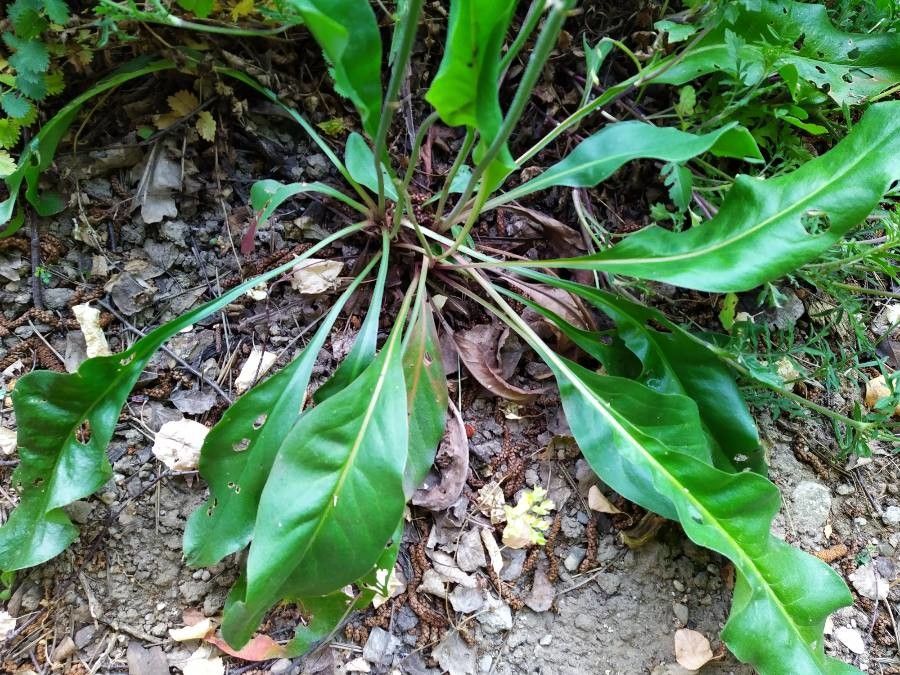
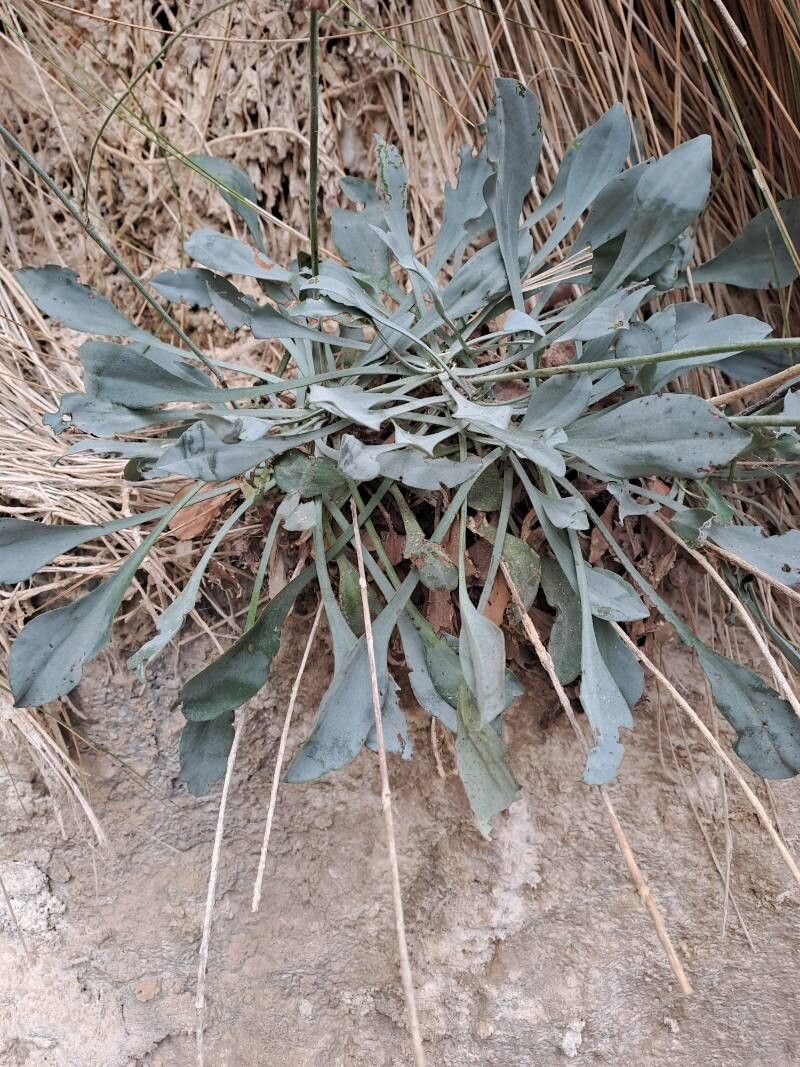
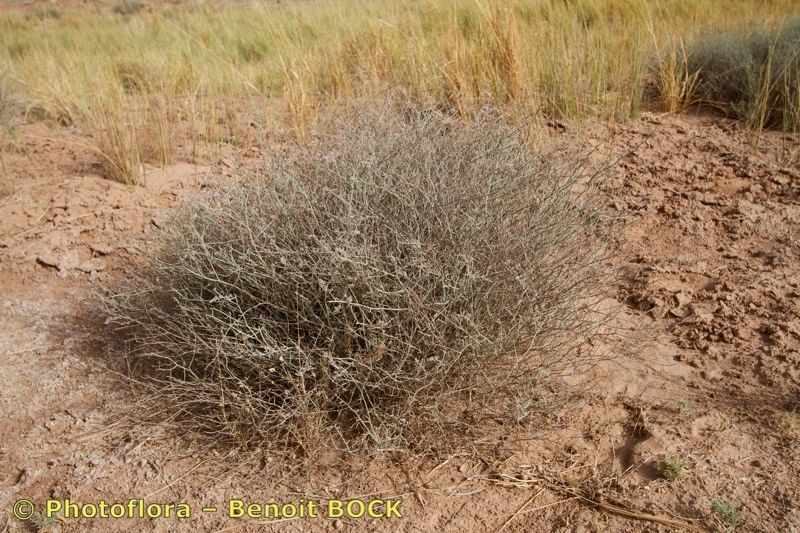
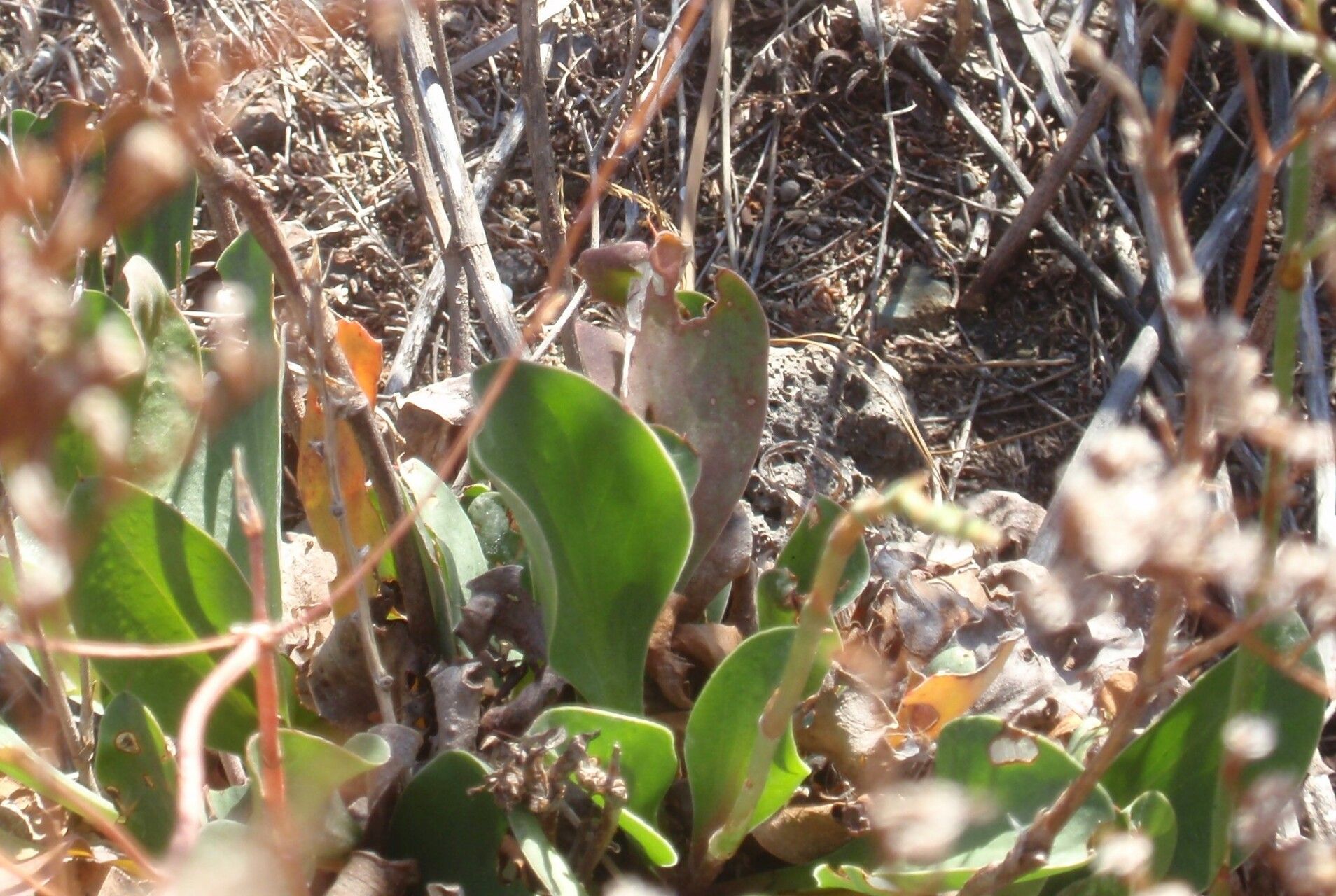
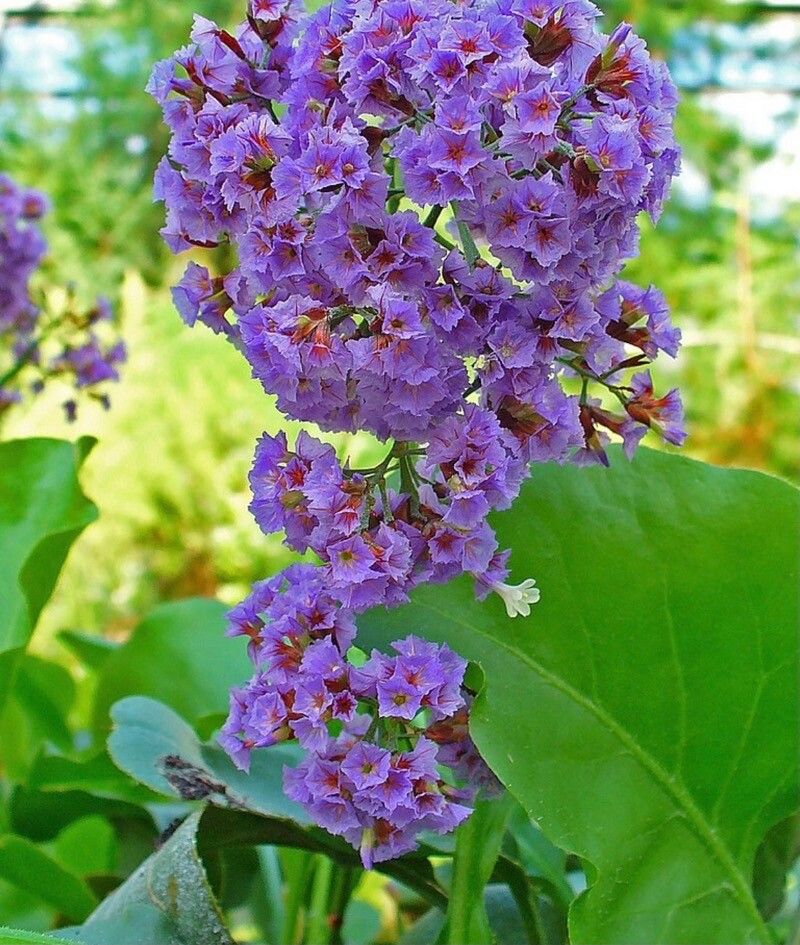
Limonium carolinianum, commonly known as Carolina sea lavender, is a perennial herbaceous plant in the Plumbaginaceae family. Native to the southeastern United States, it thrives in coastal areas like salt marshes and dunes.
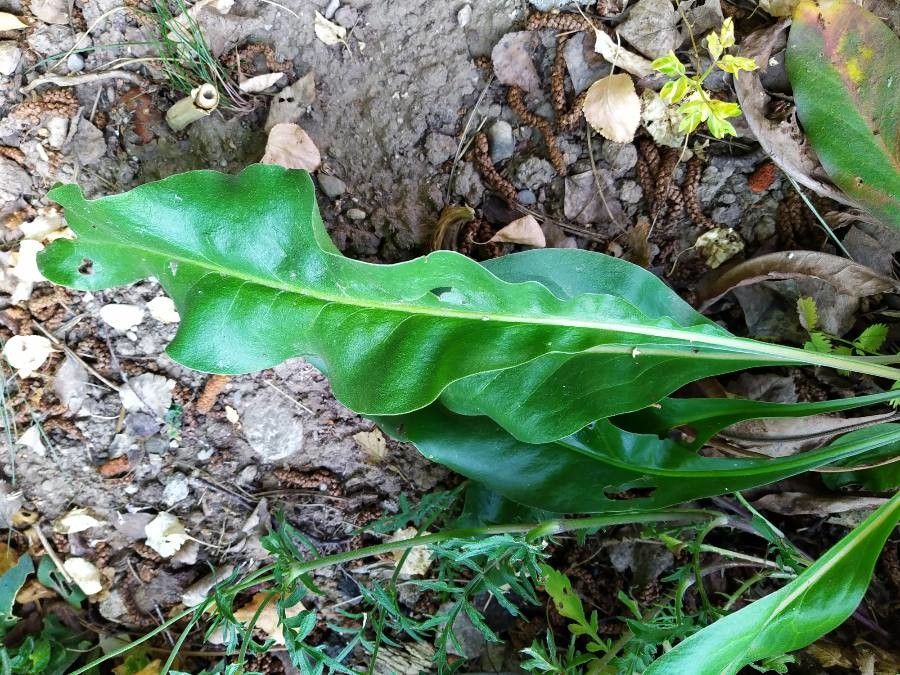
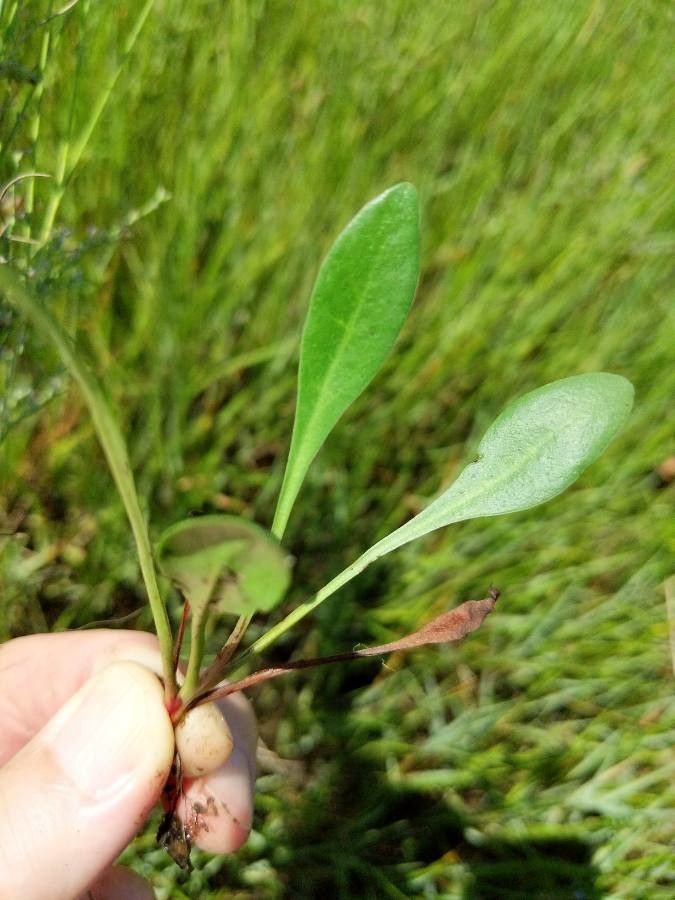
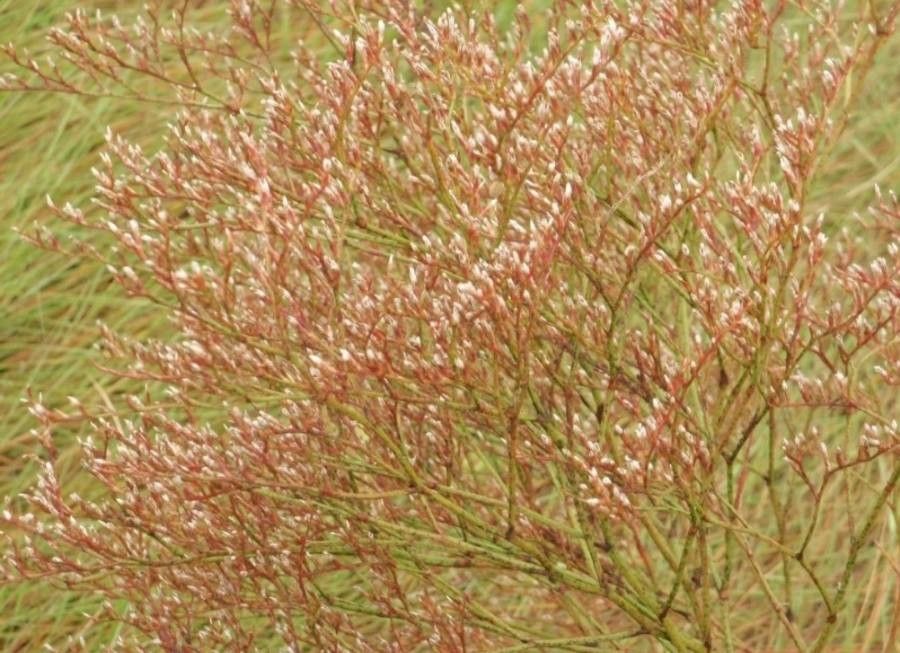
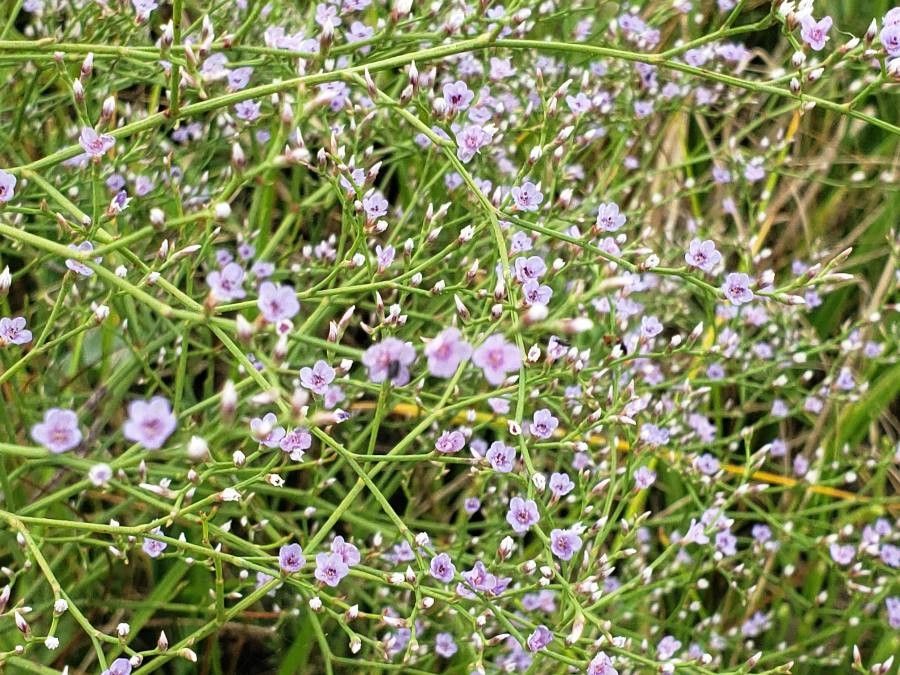
This plant features a woody base with multiple stems that can reach up to 3 feet in height. Its narrow, lance-shaped leaves are bluish-green, and its small lavender-colored flowers form dense spikes at the top of each stem.
Carolina sea lavender is crucial for coastal ecosystems as it stabilizes soil in sandy areas and provides food for pollinators such as bees and butterflies. Additionally, Native Americans have historically used it for its anti-inflammatory properties.
Overall, Limonium carolinianum is an attractive plant that contributes significantly to coastal ecosystem health while also offering medicinal benefits to humans.
Lavender thrift is resistant to many diseases and is generally not highly prone to illness. Nevertheless, it can be vulnerable to pests and pathogens present in its environment. These issues are usually not serious. For care, the plant needs a moderate level of maintenance. It should be pruned regularly to preserve a neat appearance and promote healthy growth. Fertilizing can also help encourage flowering. Lavender thrift is well suited to people with outdoor spaces, such as a garden or patio, and does not require extensive experience in plant care. It may need more attention when kept indoors.
How to keep Limonium Carolinianum.
Light
Lavender thrift grows best with a plentiful amount of light. For optimal development it requires the full spectrum of wavelengths for most of the day. Insufficient light can produce stunted growth and a duller appearance, while too much light can cause the plant to dry out. Originally it thrived in open habitats, becoming adapted to unobstructed sunlight.
Water
Lavender thrift is well-suited for coastal salt marshes, as it easily adapts to both saline conditions and periods of drought. This plant thrives in drier environments, needing only minimal watering on a weekly basis. As an outdoor plant, lavender thrift benefits from full sunlight and extended daylight hours, requiring thorough but infrequent watering sessions.
Temperature
Lavender thrift comes from a native habitat where temperatures range between 41 and 89.6 °F (5 to 32 ℃). The plant does best within these limits and may need adjustments to replicate that range across different seasons.
Fertilizer
The best time to fertilize a Lavender thrift is in early spring, when it is coming out of dormancy and starting active growth. Fertilizing supplies essential nutrients for healthy development. Although Lavender thrift has relatively low fertilizer requirements, an annual application can boost its survival and encourage better, longer-lasting blooms.
Pruning
To ensure vibrant growth and abundant blooms, it's important to prune lavender thrift in early spring. This encourages strong growth and flowering. Remove any spent flowers and damaged stems, but be careful to avoid cutting into the old wood, as the plant blooms on new growth. Regular pruning also improves air circulation, which enhances the plant's overall health and reduces the risk of disease.
Botanical profile.
- Plant Type
- Herb
- Life Cycle
- Perennial
- Genus
- Limonium
- Family
- Plumbaginaceae
- Hardiness Zone
- 4-8
- Mature Height
- 61 cm
- Mature Spread
- 30 cm
- Leaf Color
- Green
- Leaf Type
- Evergreen
- Flower Color
- Lavender
- Flower Size
- 2.54 cm
- Bloom Time
- Mid summer, Late summer, Early fall
- Planting Time
- Spring, Summer, Autumn
- Harvest Time
- Fall
Other names.
Reader questions.
What is the easiest way to water my Lavender thrift?
To properly water Lavender thrift, it is recommended to use filtered water at room temperature. Tap water may have particles that are harmful to the plant, so filtered water is preferable. Since Lavender thrift originates from warm environments, it is best to avoid using cold water as it may shock the plant. Additionally, overhead watering should be avoided to prevent foliage problems. Instead, directly apply filtered room temperature water to the soil until it is fully saturated. This method benefits the plant by providing moisture to the roots, helping them expand and absorb necessary nutrients from the soil.
Why should I put fertilizer on my Lavender thrift?
The Lavender thrift relies on its leaves for its main structure. Fertilizing is important for maintaining healthy and vibrant leaves. Proper fertilization not only ensures consistent color and texture but also promotes new root growth and maintains existing roots. This not only keeps the plant healthy in the present but also improves its ability to absorb nutrients from the soil in the long term.
How much sunlight does Lavender thrift require?
Lavender thrift, or Limonium carolinianum, thrives best in full sun conditions, requiring more than 6 hours of sunlight daily to ensure optimal growth. It is vital to observe the movement of sunlight in your garden to find the perfect balance between light and shade, promoting your plant's health and happiness. Originally flourishing in open habitats, Lavender thrift has adapted to thrive under unobstructed sun exposure.
What are the ideal temperature conditions for Lavender thrift?
Lavender thrift, known botanically as Limonium carolinianum, thrives in a temperature range of 41 to 89.6 °F (5 to 32 °C). To ensure the health of this plant, it's important to maintain conditions within this range throughout the year. Lavender thrift possesses notable cold resistance, meaning it typically doesn't require special frost protection measures in winter. However, in regions where winter temperatures may plummet below -30°C, taking steps to keep the plant insulated with site-appropriate materials such as soil or straw is advisable. Additionally, watering the plant generously before the onset of the first freeze in autumn will help keep the soil moist, aiding the plant through winter into early spring.
What should I do if I give my Lavender thrift too much or too little water?
Overwatering and underwatering can harm the health of your Lavender thrift, but overwatering is more common. Too much water can cause wilting and yellowing of stems and leaves. It can also lead to diseases like root rot, mold, and mildew, which can be fatal to the plant. Underwatering is less common because Lavender thrift is drought-tolerant, but it is still possible. Signs of underwatering include brittle and brown leaves. It is important to recognize the signs of overwatering early to prevent irreversible damage. Reduce watering immediately if you notice these signs. Check the soil quality and replace it with a well-draining mix if it drains poorly. If your Lavender thrift is not receiving enough water, simply water more regularly until the signs improve.
When should I put fertilizer on my Lavender thrift?
When you grow your Lavender thrift outdoors, it will start to grow new shoots in early spring. This is a sign that it's time to fertilize the plant for the year. Normally, one application of fertilizer is enough for the plant to thrive. However, if you want to promote maximum growth, you can fertilize it multiple times throughout spring and early summer. In this case, you should feed your Lavender thrift about once a month to a month and a half.
What are the benefits of artificial lighting for Lavender thrift?
Artificial lighting can be essential for Lavender thrift, especially when natural sunlight is insufficient, such as in winter or less sunny spaces. Adequate lighting, particularly from LED lights that can be tuned to provide specific wavelengths, supports faster and healthier growth. Full sun plants like Lavender thrift require 30-50W/sq ft of artificial light. The light source should be placed 12-36 inches above the plant for 8-12 hours per day, mimicking natural daylight hours to ensure the plant's well-being.
How should I care for Lavender thrift in low temperatures?
Lavender thrift shows a good level of tolerance to cold, ideally staying above 5°C even in winter conditions. However, if temperatures are expected to drop below -25°C, and especially beneath -30°C, it's crucial to pay attention since, while immediate damage may not be obvious during the winter, the plant's ability to sprout in spring could be significantly impacted. If, after enduring low temperatures, parts of the Lavender thrift fail to sprout in spring, those parts should be removed to foster new growth and maintain the health of the plant.
How often should I water my Lavender thrift plant?
If your Lavender thrift plant is in a pot, the best way to determine if it needs water is by sticking your finger in the soil. If the top two to three inches feel dry, it's time to water it. If you have your Lavender thrift growing outdoors in the ground, you can use the same method. When the top few inches of soil are dry, it's time to water. Usually, during spring and early fall, you'll need to water this plant once a week using this method. However, in very hot weather, you may need to water it twice a week or even more. It's important to note that mature, well-established Lavender thrift plants can tolerate drought well.
When should I not add fertilizer to my Lavender thrift?
During the late fall and winter, your Lavender thrift will go into a dormant phase and stop producing new growth. It's best to avoid fertilizing during this time. In the spring and summer, if you decide to fertilize multiple times, start reducing the amount as summer approaches because the growth rate of your Lavender thrift will naturally slow down. It is not recommended to fertilize when the weather is extremely hot or the soil is very dry, as this can stress your Lavender thrift and lead to premature death.
What symptoms indicate Lavender thrift is receiving inadequate light?
Symptoms of inadequate lighting in Lavender thrift include smaller new leaves, leggy or sparse growth, faster leaf drop, slower or no new growth, paler new leaves, and symptoms of overexposure like chlorosis, sunscald, leaf curling, wilting, and leaf scorching. These signs highlight the plant's struggle with either too little or too much sunlight, affecting its growth, appearance, and health.
How does Lavender thrift react to high temperatures, and what care is recommended?
During the warmer months, it's important to ensure that Lavender thrift's environment does not exceed 32°C. Should temperatures surpass 35°C, you may observe the leaves lightening in color, curling, or even getting sunburned, which in severe cases can lead to the wilting and drying of the entire plant. To counteract the effects of high temperatures, remove any parts of the plant that have been sunburned or dried up. It's also beneficial to relocate the plant to a shaded area during the peak sun hours of midday and afternoon or use a shade cloth to reduce direct sun exposure. Ensuring the soil remains moist through morning and evening watering can also help alleviate stress from high temperatures.