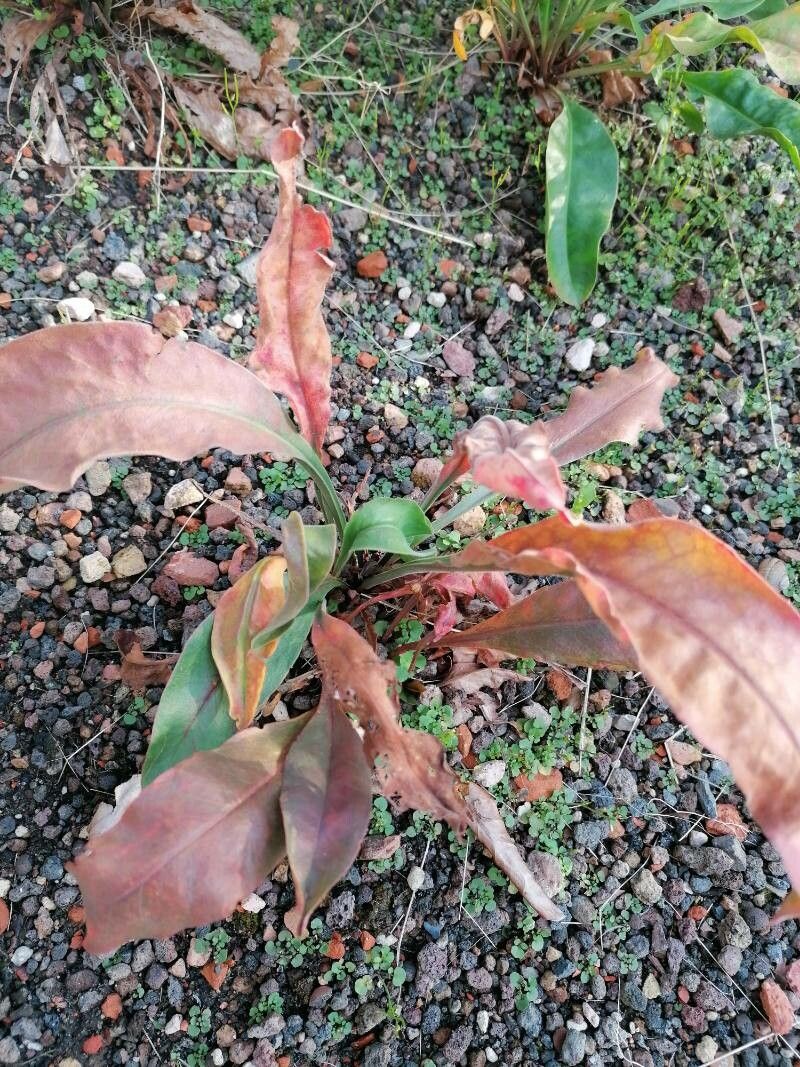
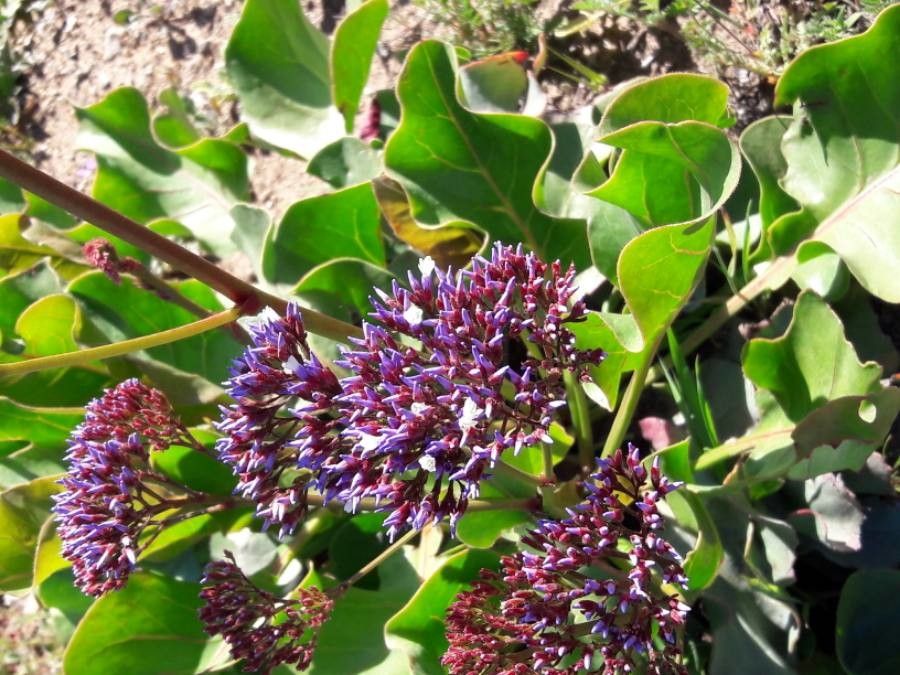
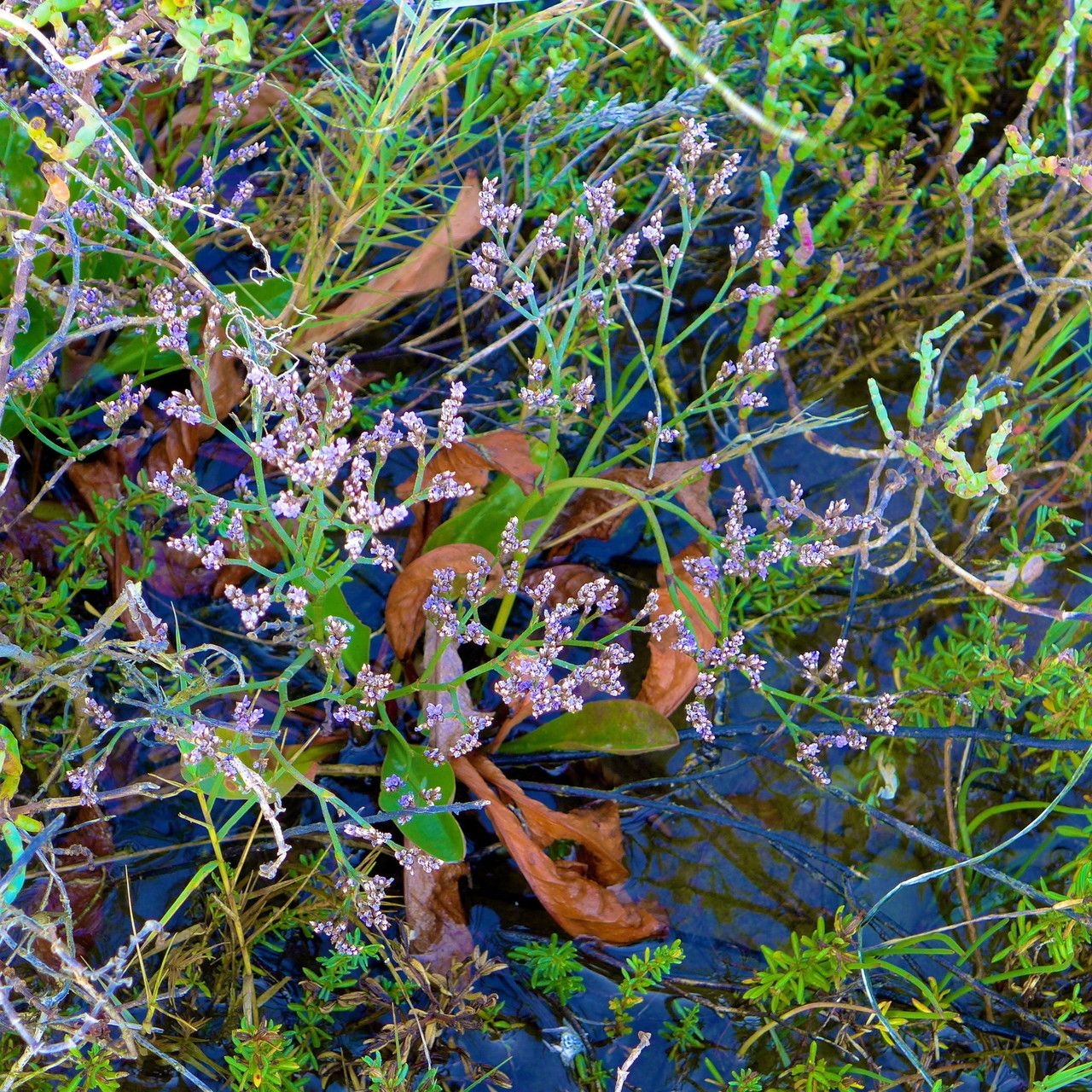
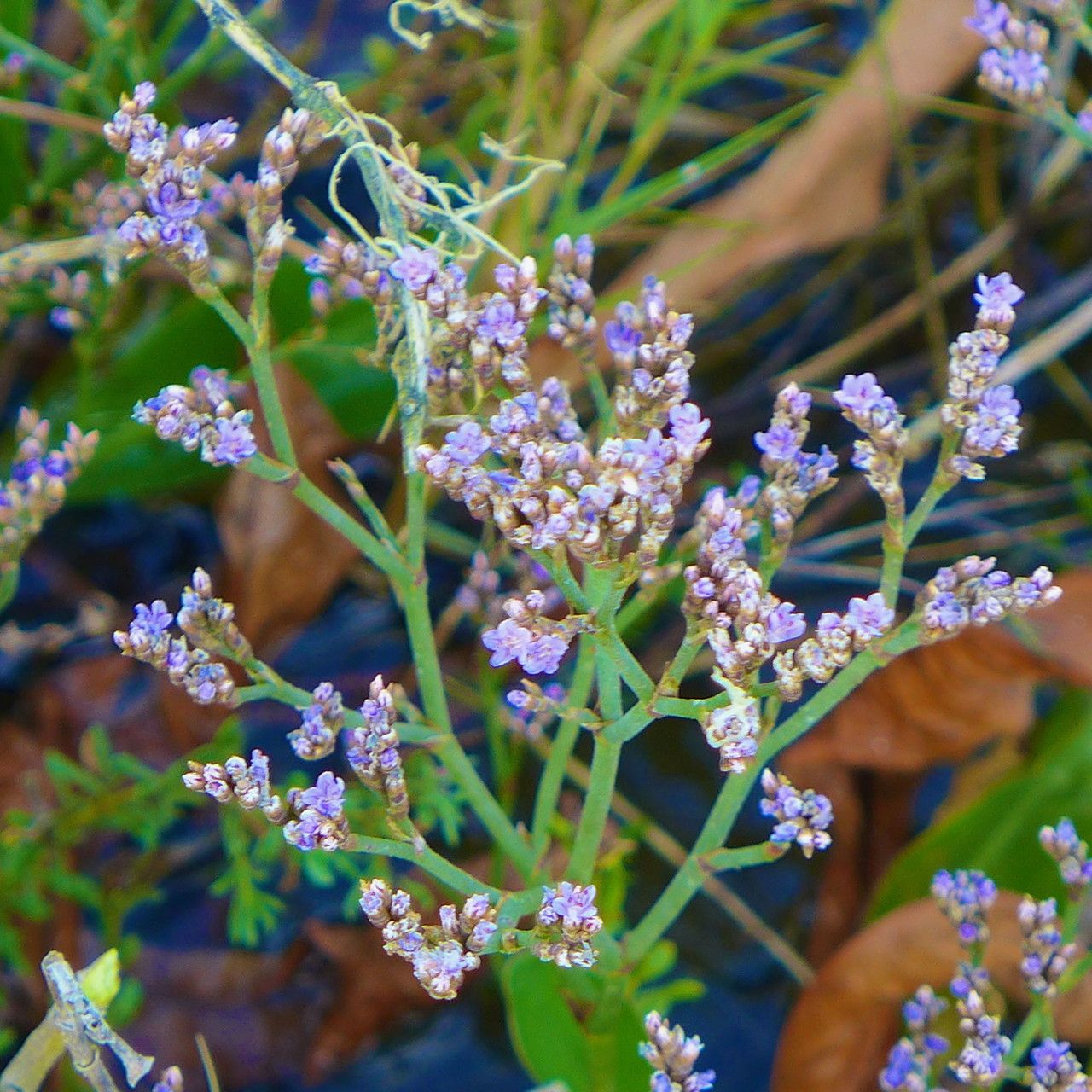
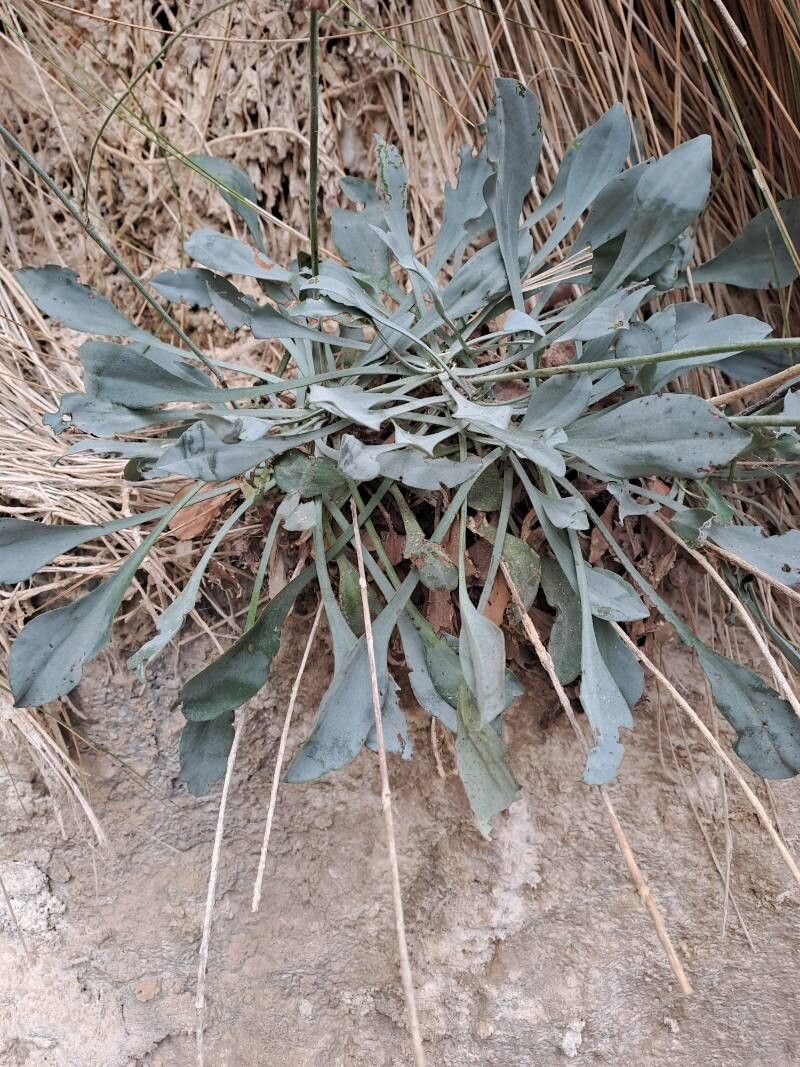
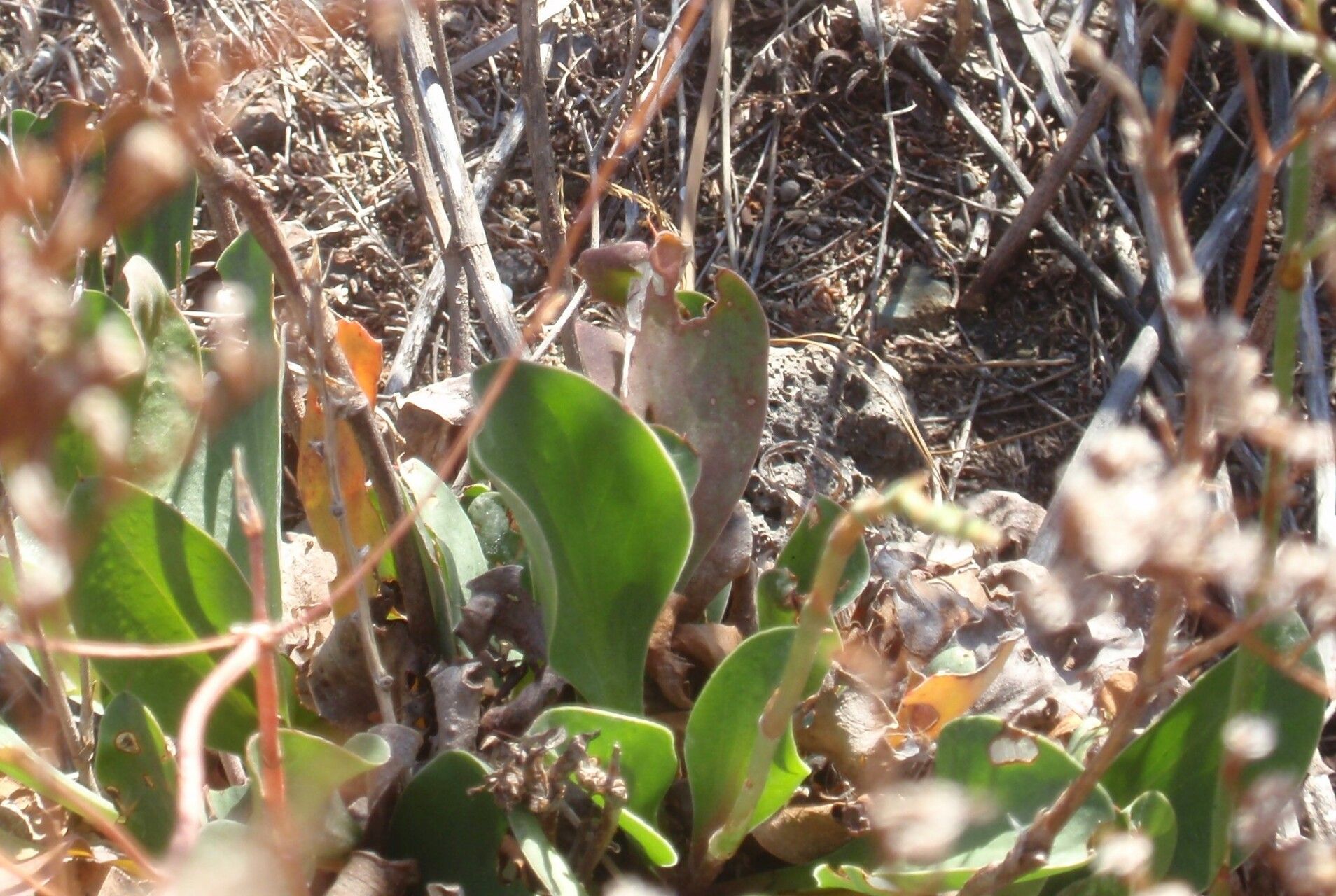
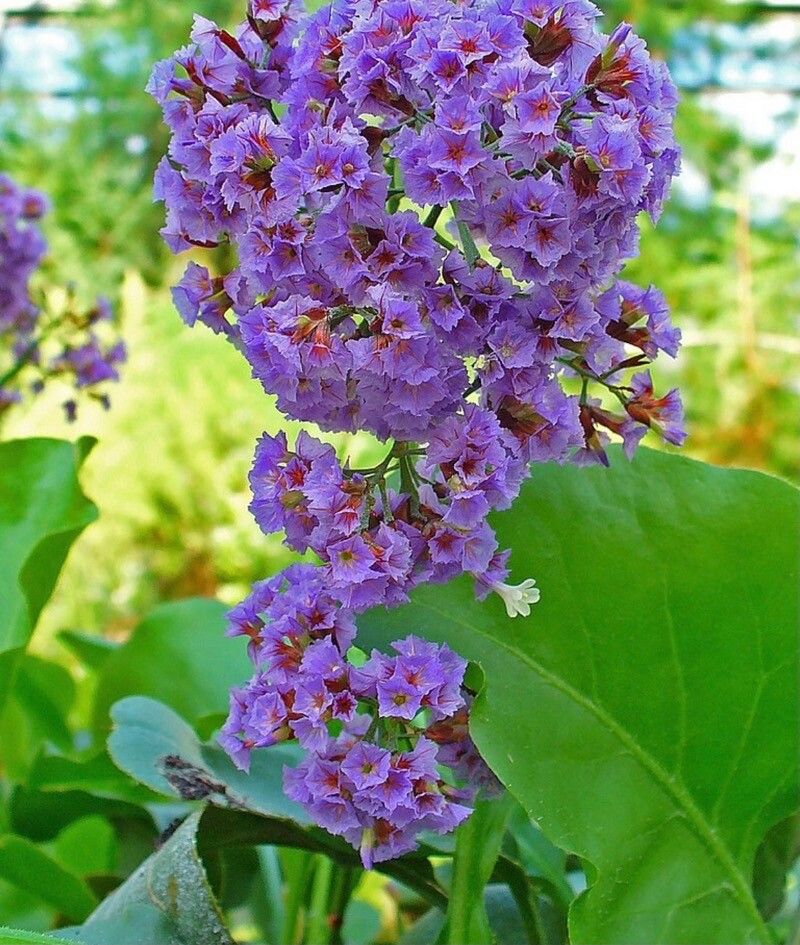
Limonium californicum is a species of sea lavender in the family Plumbaginaceae. It is known by the common names western marsh rosemary and California sea lavender.
Marsh rosemary has strong disease resistance and is generally unlikely to suffer from illnesses. Nevertheless, it can be affected by pests and diseases present in its environment. Such infections are typically not serious. Regarding care, this plant needs moderate maintenance. Regular pruning is necessary to preserve a neat appearance and encourage healthy growth. Applying fertilizer can also aid in promoting blooms. Marsh rosemary is appropriate for anyone with outdoor space, like a garden or patio, and does not demand extensive gardening experience. It may need extra attention if kept indoors.
How to keep Limonium Californicum.
Light
Marsh rosemary strongly prefers large amounts of sunlight and performs best with exposure throughout the day. Its native habitat receives plentiful sun, which explains this light requirement. Excessive shade or inadequate light can harm the plant, potentially causing weaker growth and reduced flowering.
Water
Marsh rosemary flourishes in saline wetlands, favoring consistently moist soil without being waterlogged. To mimic its coastal environment, it should be watered weekly. As an herbaceous perennial, marsh rosemary stores water in its fleshy leaves, helping it withstand high tides and increased soil salinity.
Temperature
Marsh rosemary originates from temperate climates where temperatures typically range from 59 to 95 °F (15 to 35 °C). It grows best in areas that reproduce this type of climate. If temperatures drop below or rise above its preferred range, you may need to make adjustments such as providing extra shade or using warm coverings to manage its temperature needs.
Fertilizer
The best time to fertilize Marsh rosemary is in early spring, when it is coming out of dormancy and beginning active growth. Fertilization supplies the essential nutrients needed for healthy development. Although Marsh rosemary has relatively low fertilizer requirements, applying fertilizer annually can improve its survival and encourage better, longer-lasting blooms.
Pruning
To help marsh rosemary thrive, prune it during its dormant phase, which occurs from late winter to early spring. Use clean tools to remove old and damaged stems, encouraging new growth and preventing disease. Pruning also improves air circulation, reduces the risk of mold, and promotes a compact, healthy appearance.
Botanical profile.
- Plant Type
- Herb
- Life Cycle
- Perennial
- Genus
- Limonium
- Family
- Plumbaginaceae
- Hardiness Zone
- 8-10
- Mature Height
- 30 cm to 61 cm
- Mature Spread
- 30 cm to 61 cm
- Leaf Color
- Green
- Leaf Type
- Evergreen
- Flower Color
- Lavender, Purple
- Flower Size
- 2.54 cm
- Bloom Time
- Summer
- Planting Time
- Spring, Summer, Autumn
- Harvest Time
- Late summer, Early fall, Mid fall
- Native Area
- Mexico
Other names.
Reader questions.
How should I water my Marsh rosemary plant in the best way?
To properly water the Marsh rosemary, use filtered water that is at room temperature. Tap water may contain harmful particles, so filtered water is preferred. The Marsh rosemary is accustomed to warm environments, so avoid using cold water as it can shock the plant. Additionally, avoid overhead watering to prevent foliage issues. Instead, water the plant by applying filtered room temperature water directly to the soil until it is thoroughly soaked. This method benefits the plant by moisturizing the roots and aiding their spread through the soil to gather essential nutrients.
When should I fertilize my Marsh rosemary plant?
The best time to fertilize a Marsh rosemary is in the late winter or early spring when the plant is transitioning from dormancy to active growth. Fertilizing at this time promotes healthy growth and helps the plant thrive. Although early spring is the optimal time, fall is also an acceptable time to fertilize. However, it is not recommended to fertilize in summer or winter.
If Marsh rosemary doesn't get enough sunlight, what will happen?
If your Marsh rosemary is not getting enough sunlight, you will see signs of inadequate requirements in your plants. They will not produce as many blooms compared to when they are exposed to full sun. Some plants may develop dry spots on their leaves, but most of them will still bloom, although the flowers will be smaller and less full.
If the temperature is too high or too low, how will it affect the Marsh rosemary?
The first cold snap can be damaging for Marsh rosemary, while other plants may enter a dormant state when it gets cold. Some plants can be affected when temperatures are between 20~30℉(-6~0℃), and they can freeze when it drops below 32℉(0℃). Species that hide most of their parts underground may lose above-ground structures but can recover in spring. Low temperatures also cause issues with resource availability, such as water and nutrients, with subtropical plants suffering when it falls below 20℉(-6℃). Additionally, plants can be damaged by extreme heat stress, which reduces transpiration rate and impacts the growth and productivity of Marsh rosemary.
What should I do if I give too much water or too little water to my Marsh rosemary?
Both overwatering and underwatering can harm your Marsh rosemary, but overwatering is more common. When the plant gets too much water, the stems and leaves may wilt and turn yellow. Overwatering for a long time can also cause diseases like root rot, mold, and mildew, which can kill the plant. Underwatering is less common because the Marsh rosemary can handle drought. However, it can still happen and result in brittle, brown leaves. It's important to quickly recognize signs of overwatering. Some diseases caused by overwatering, like root rot, may not be fixable if you wait. If you notice early signs of overwatering, reduce your watering schedule immediately. Also, check the soil quality. If it drains poorly, replace it with a loose, well-draining potting mix. If the signs indicate your Marsh rosemary needs more water, simply water more regularly until the signs go away.
Why should I put fertilizer on my Marsh rosemary?
Fertilization is important for the Marsh rosemary for several reasons. It provides key nutrients that help the plant grow above and below ground. However, the Marsh rosemary has relatively low fertilization needs and can survive without it. Even so, annual fertilization can greatly benefit the Marsh rosemary by keeping it alive and improving the longevity of its flowers. Therefore, those who want their Marsh rosemary to thrive should regularly fertilize it.
What kind of sunlight does Marsh rosemary require?
Marsh rosemary requires full sun each day, with a minimum of six hours of sunlight to maintain its leaves, roots, and blooms in a healthy condition. While most perennials also need six hours of sunlight per day, certain plants like the Orange Daylily or Giant Coreopsis can survive with a minimum of three hours of sun each day. However, it is important to note that these perennial flowering plants will not flourish as they would in sunnier conditions.
What is the best temperature for Marsh rosemary?
Plants can be affected by colder temperatures because they adapt to the temperature of the air around them. In winter, when they are not exposed to the sun, they struggle to warm up. The Marsh rosemary, for example, prefers temperatures between 70~85℉(21~30℃). It can tolerate temperatures as low as 20~30℉(-6~0℃), and sometimes even 15℉(-10℃), but for only a short period of time because frost damage can occur. To keep these plants healthy, it is important to maintain temperatures between 70~85℉(21~30℃), while also providing occasional water spray and shade to prevent wilting.
How much water does my Marsh rosemary need?
If your Marsh rosemary is in a pot, the best way to determine if it needs water is to stick your finger into the soil. If the top two to three inches of soil are dry, it's time to water it. The same method can be used if you're growing Marsh rosemary outdoors in the ground. Once again, if the top few inches of soil are dry, it's time to water. Typically, during the spring and early fall, watering once a week is sufficient. However, during extremely hot weather, watering twice or more per week may be necessary. It's worth noting that mature, well-established Marsh rosemary plants can withstand drought quite well.
When is it not a good time to fertilize my Marsh rosemary?
To properly care for your Marsh rosemary, it is recommended to fertilize only during the late winter and early spring. This plant has low fertilization needs, so one annual feeding is sufficient. Fertilizing during spring, summer, and fall can easily lead to overfertilization and complications. However, if you didn't fertilize in spring, it is permissible to feed the plant in fall. Additionally, there is no need to fertilize during winter when the plant is dormant and not producing new growth.
Does sunlight harm Marsh rosemary? How can I keep Marsh rosemary from being damaged by the sun and heat?
In warm climates, some Perennial Flowering Plants may struggle with excessive heat and suffer from sun damage. They can wilt, dry out, or even experience growth problems if they are consistently exposed to the intense afternoon sun. However, not all plants require protection from the light afternoon sun. For those that are harmed by intense afternoon exposure, it is recommended to provide them with some shade in warmer climates. Gardeners can achieve this by planting these plants in areas that do not receive direct heat during the afternoon, such as under trees or behind bushes.
Do I need to change the temperature for Marsh rosemary at different stages of growth?
When growing Marsh rosemary, it is important to conduct research and ensure that the temperature is suitable. Some growers may consider reducing the plants' thermostats to save on HVAC costs during the growing season. However, it is crucial to understand that temperature can affect the flowering, pest management, and overall quality of the plants. During the winter, there is a temperature threshold at which the Marsh rosemary will stop growing, and some species may enter a dormant state. As the season changes and temperatures rise, the base temperature for growth increases, leading to faster growth of the Marsh rosemary. It is worth noting that species naturally accustomed to warmer habitats have higher optimum temperatures compared to those adapted to cooler climates. Exposing the seeds of Marsh rosemary to cooler temperatures can result in decreased uniformity and delays. If desired, the temperature can be lowered during flowering but must be maintained at appropriate levels during other phases. Additionally, cooler nighttime temperatures will require less water, so it is important to adjust irrigation accordingly.