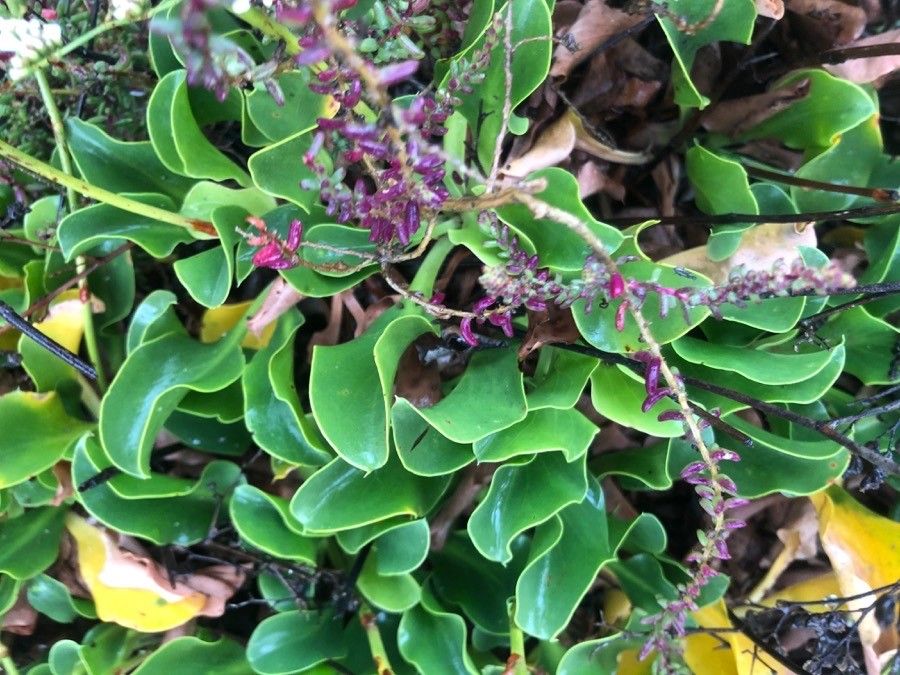
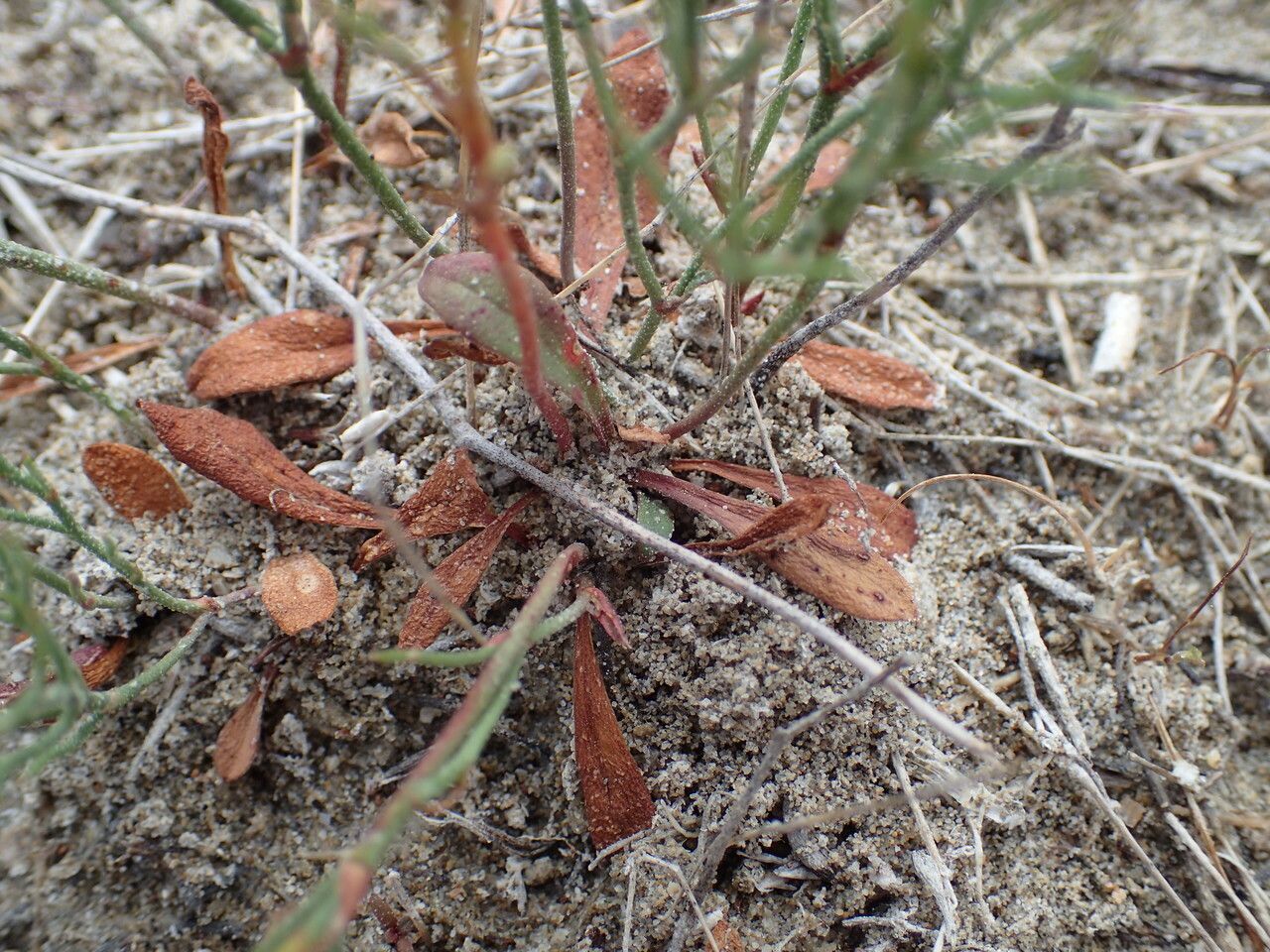
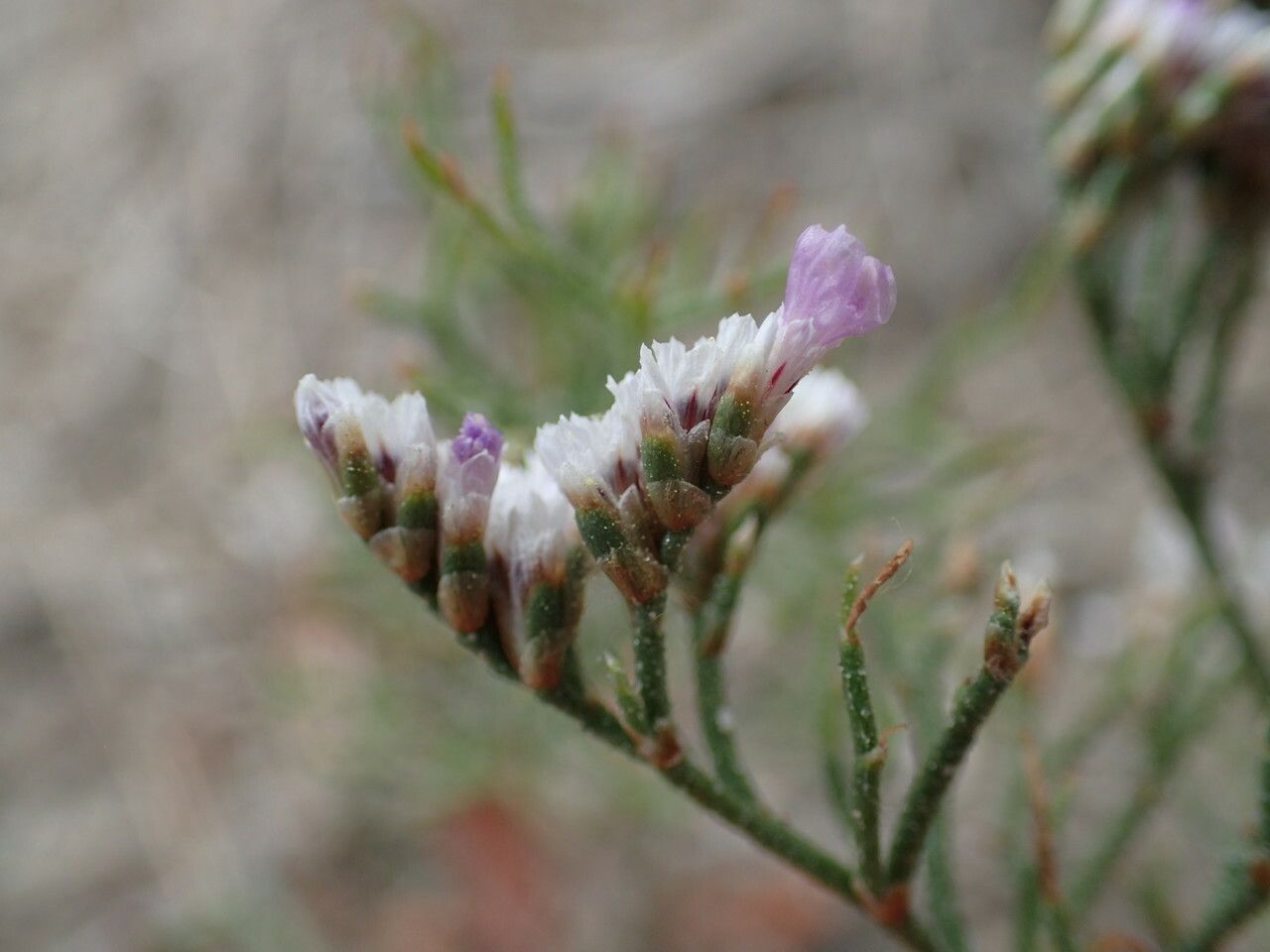
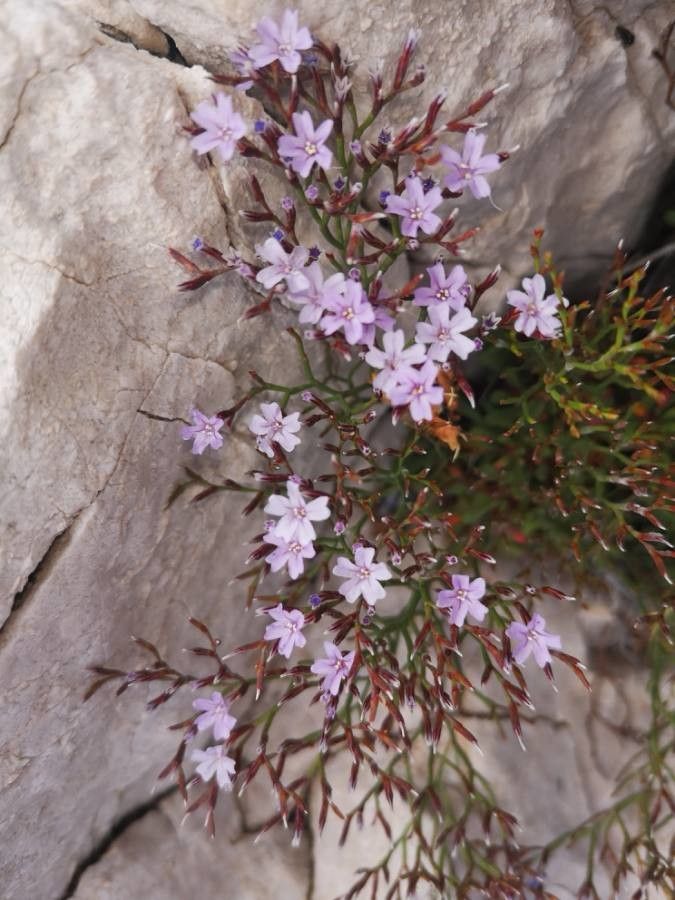
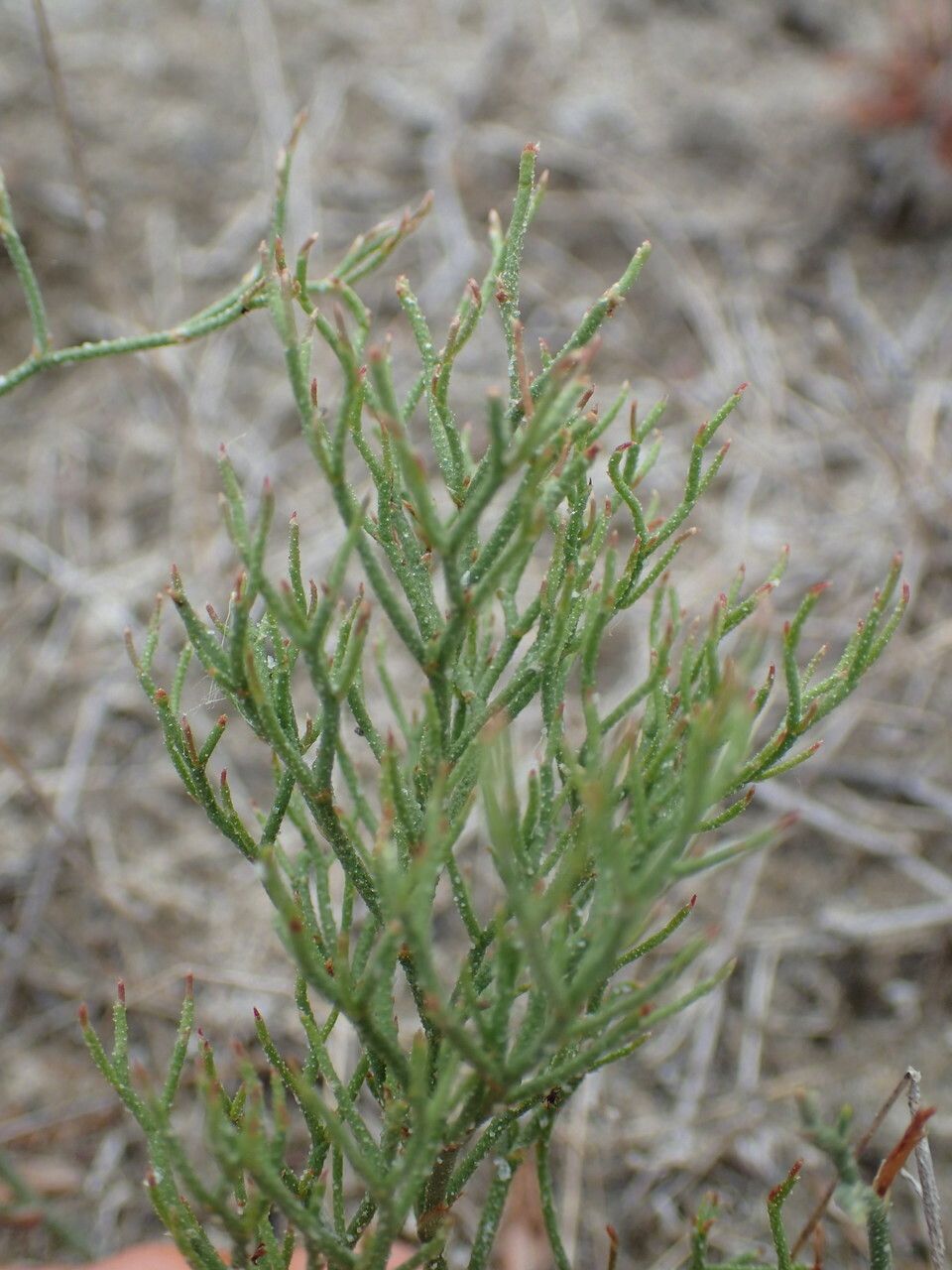
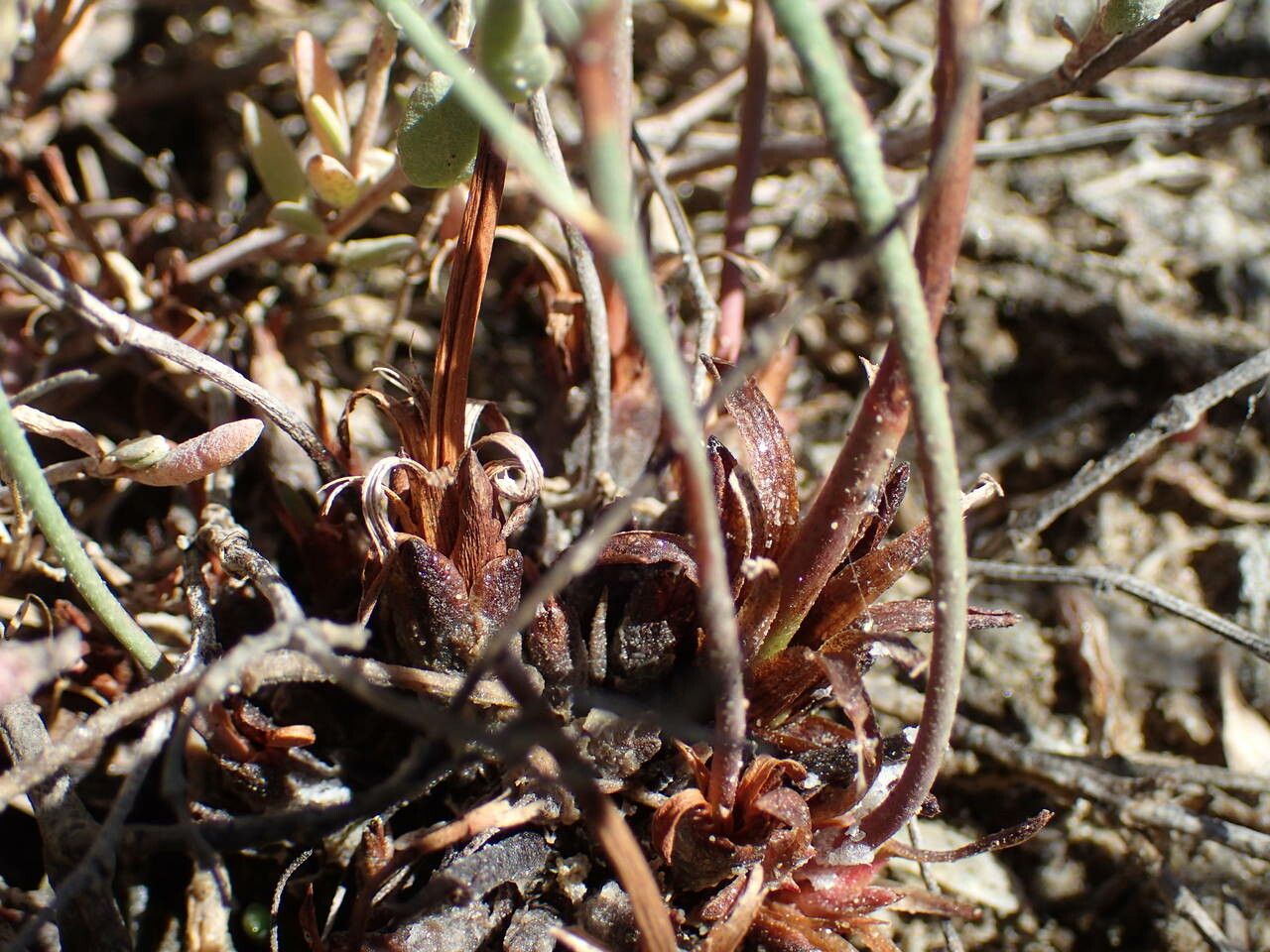
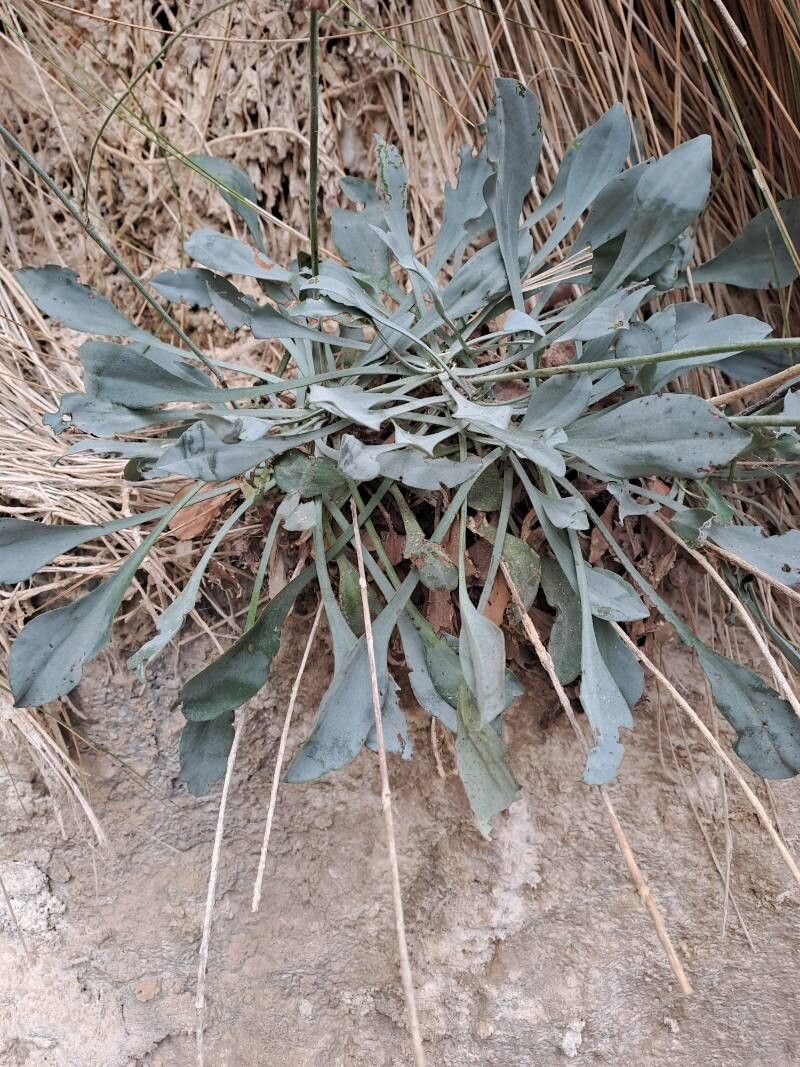
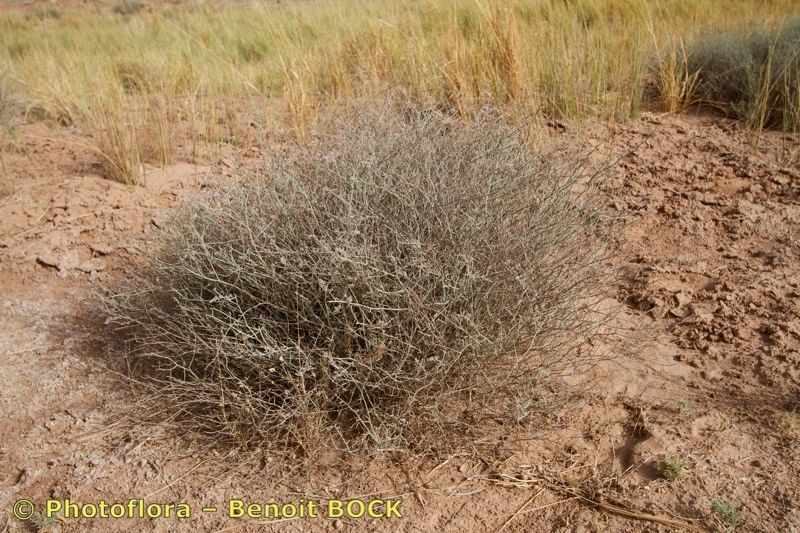
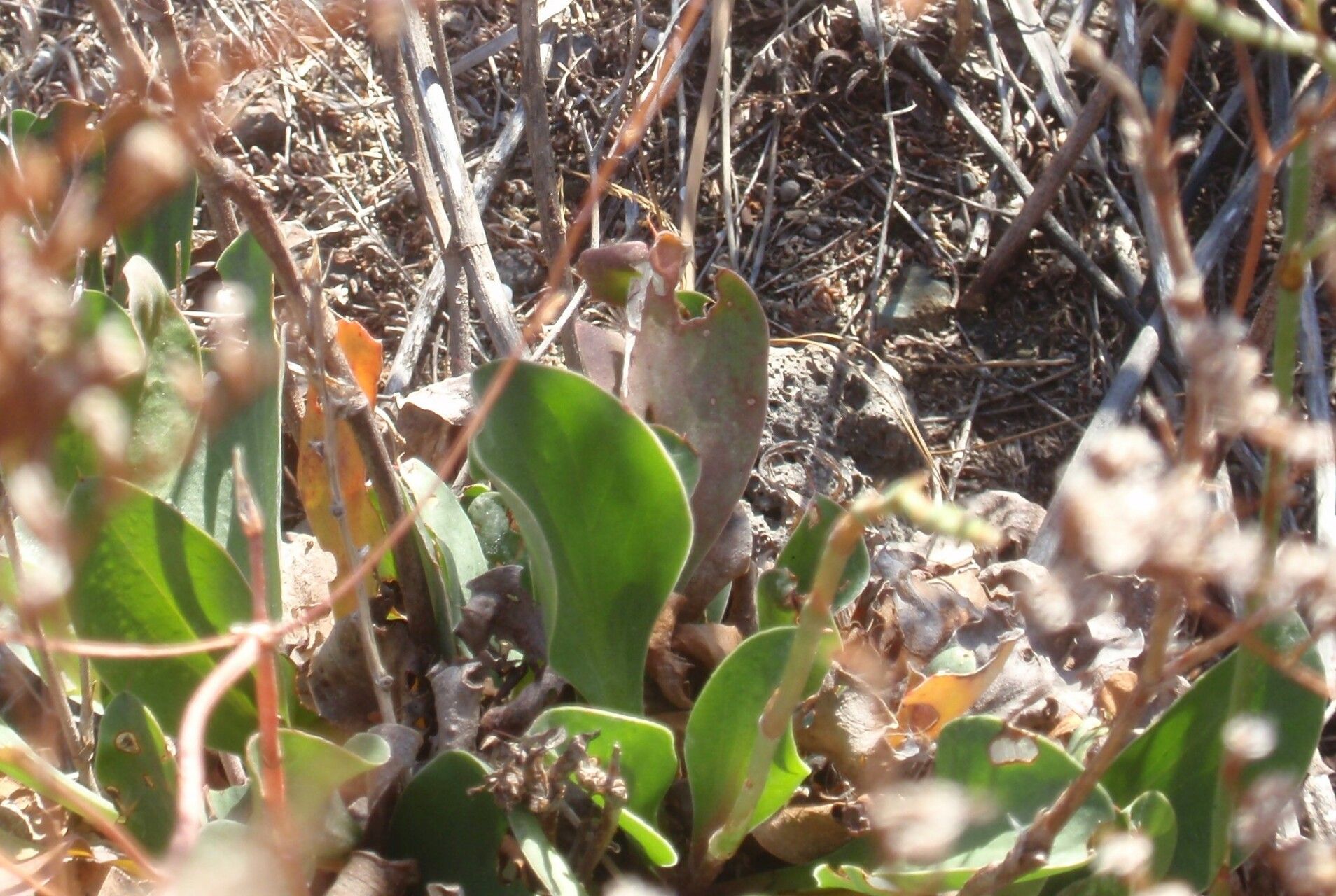
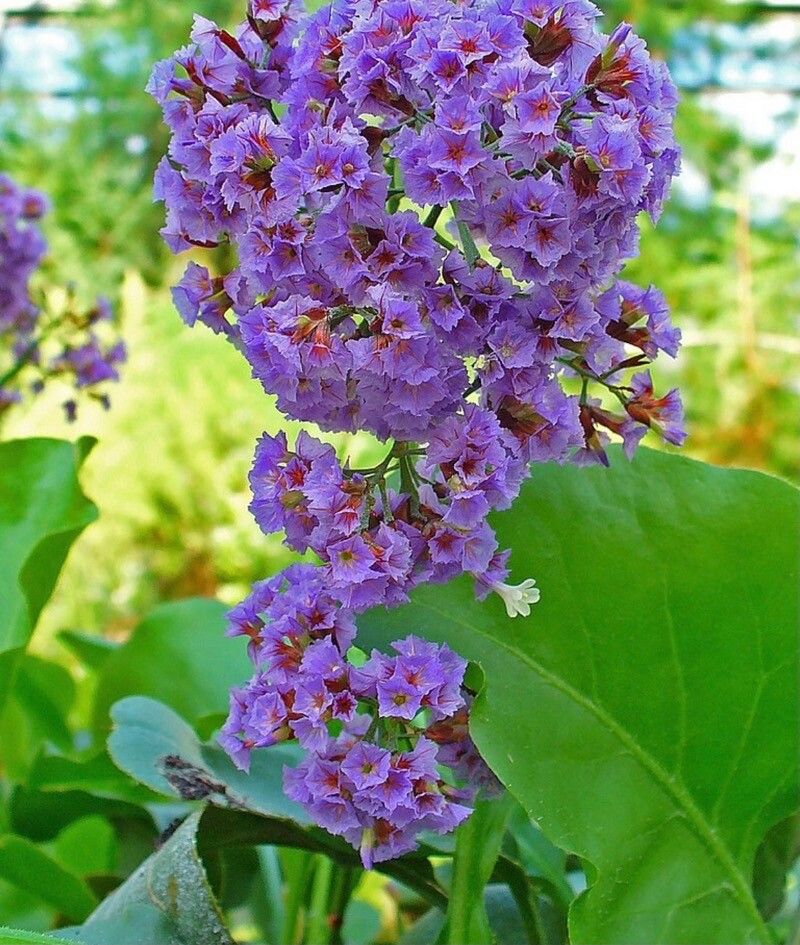
Limonium bellidifolium: Daisy-Leaf Sea Lavender Limonium bellidifolium, commonly known as Daisy-leaf sea lavender, is a perennial herbaceous plant belonging to the family Plumbaginaceae. Native to the Mediterranean region, it thrives in sandy and rocky coastal areas. This plant exhibits a compact growth habit, with numerous stems that can reach up to 50 cm in height. Its basal leaves form a rosette at the base of the stem and are lanceolate or oblong in shape, featuring toothed margins. The small flowers are arranged in dense clusters atop long stems that rise above the foliage. The blooms of Limonium bellidifolium appear from late spring through summer, producing small pink or purple flowers, each with five petals. These petals encircle a central cluster of stamens, creating an attractive display. Limonium bellidifolium is easy to grow, requiring full sun exposure and well-drained soil for optimal growth. It is drought-tolerant once established but benefits from occasional watering during prolonged dry spells. This species adds ornamental value to gardens and landscapes with its vibrant colors when planted en masse. Additionally, it serves well as cut flowers for floral arrangements due to its long-lasting blooms, which retain their color even when dried. Traditionally, Limonium bellidifolium has been used for medicinal purposes to treat respiratory ailments like coughs, thanks to its expectorant properties. It also possesses anti-inflammatory properties, making it useful for treating skin conditions like eczema and other ailments such as rheumatism. Overall, Limonium bellidifolium is an excellent addition to any garden due to its attractive appearance and ease of cultivation. It is ideal for novice gardeners looking to add color to their outdoor spaces while also enjoying some medicinal benefits.
Matted sea lavender is fairly disease-resistant and usually not prone to illness. Nonetheless, it can be affected by pests and diseases present in its environment. These problems tend to be minor. For care, the plant requires moderate maintenance. It should be pruned regularly to maintain a neat appearance and healthy growth. Fertilizing can also help encourage flowering. Matted sea lavender is suitable for anyone with outdoor space, such as a garden or patio, and does not demand extensive gardening experience. It may need more attention when grown indoors.
How to keep Limonium Bellidifolium.
Light
Matted sea lavender requires ample sunlight to grow well. Its native habitats — rocky coastlines and salty soils where sun is plentiful — demonstrate its preference for full sun. Insufficient light can stunt its growth, while too much can scorch the leaves.
Water
Matted sea lavender, native to coastal areas, thrives in moist environments and prefers consistent hydration. Although it can tolerate brief droughts, it's important to water it twice a week to prevent root rot. Being an evergreen plant, matted sea lavender requires careful water management, particularly indoors where humidity levels can fluctuate.
Temperature
Matted sea lavender originates from habitats with temperatures ranging from 59 to 95°F (15 to 35℃). It does well in those conditions, preferring consistent warmth year-round. Plan your seasonal care according to these temperatures to achieve the best growth.
Fertilizer
The best time to fertilize a matted sea lavender is in early spring, as it comes out of dormancy and begins active growth. Fertilization supplies essential nutrients for healthy growth. Although matted sea lavender has relatively low fertilizer needs, applying fertilizer annually can improve its survival and encourage better, longer-lasting flowers.
Pruning
Matted sea lavender forms compact rosettes in coastal areas. To encourage growth and promote more blooms, prune early in the spring to remove dead foliage and trim away faded flowers. Be sure to use clean tools to prevent the spread of disease. Proper pruning enhances the plant's shape, vigor, and overall health, ensuring that matted sea lavender thrives in your garden.
Botanical profile.
- Plant Type
- Herb
- Life Cycle
- Perennial
- Genus
- Limonium
- Family
- Plumbaginaceae
- Hardiness Zone
- 7-9
- Mature Height
- 20 cm
- Mature Spread
- 20 cm
- Leaf Color
- Green
- Leaf Type
- Evergreen
- Flower Color
- Lavender, Pink
- Flower Size
- 2.54 cm
- Bloom Time
- Summer
- Planting Time
- Spring, Summer, Autumn
- Harvest Time
- Late summer, Early fall, Mid fall
- Native Area
- Russia, Turkey, Tunisia, Italy, Kazakhstan, Spain, Romania, Montenegro, Iran, Cyprus, United Kingdom, Greece, Croatia, Moldova, France
Other names.
Reader questions.
How should I water my Matted sea lavender?
To properly water the Matted sea lavender, it is best to use filtered water at room temperature. Tap water can potentially harm the plant due to particles it may contain. Since this plant comes from a warm environment, it is important to avoid using cold water as it can shock the plant. Overhead watering should be avoided to prevent issues with its foliage. Instead, it is recommended to thoroughly soak the soil with room temperature filtered water. This helps to moisten the roots and facilitates their spread through the soil, allowing them to collect the necessary nutrients.
Why should I put fertilizer on my Matted sea lavender?
The main structure of the Matted sea lavender is made up of its leaves. Fertilization is a crucial way to enhance the appearance and functionality of these leaves. Proper fertilization promotes consistent color and a healthy texture in the leaves. It also benefits the plant below the soil's surface by stimulating the growth of new roots and maintaining existing ones. This ensures the plant's current and future ability to absorb nutrients from the soil.
What are the sunlight requirements for Matted sea lavender?
Matted sea lavender, known botanically as Limonium bellidifolium, requires full sun exposure, meaning it needs above 6 hours of sunlight daily to thrive. Its natural habitat, characterized by rocky coasts and saline soils, receives abundant sunlight, underscoring the plant's preference for substantial sun exposure. Without enough sunlight, the plant may experience stunted growth, whereas too much direct sunlight can lead to leaf burn. It's essential to observe how sunlight moves through your garden, ensuring that you pick spots offering a perfect balance of light and shade to ensure your plant's happiness.
What is the ideal temperature range for Matted sea lavender?
Matted sea lavender, botanically known as Limonium bellidifolium, is native to environments where temperatures fluctuate between 59 to 95°F (15 to 35°C). It thrives in these climates, preferring steady warmth throughout the year. For optimal growth, it's essential to design your seasonal care around these temperature ranges. Despite its strong cold resistance, in locations where winter temperatures are expected to dip below -15°C, it's crucial to take steps to protect the plant from the cold.
What should I do if I give my Matted sea lavender too much water or too little water?
Overwatering is a common issue for Matted sea lavender and can cause wilting, yellowing, and potentially deadly diseases like root rot, mold, and mildew. Underwatering is less common but can cause brittle, brown leaves. It's important to notice signs of overwatering early to prevent irreversible damage. Reduce watering schedule if you see early signs and check the soil for poor drainage. If underwatering occurs, simply increase watering until signs subside.
When should I fertilize my Matted sea lavender?
If you grow your Matted sea lavender outdoors each year, you'll notice new growth in early spring. As soon as the leaves start to emerge, it's a signal to start fertilizing. Usually, one application of fertilizer is sufficient for a Matted sea lavender. However, if you want to promote maximum growth, you can feed it multiple times throughout the spring and early summer, about once every month to a month and a half.
How can artificial lighting be used for Matted sea lavender?
For indoor Matted sea lavender plants or in situations where natural sunlight is insufficient, artificial lighting is a crucial supplement to promote healthy growth. Indoor plants benefit greatly from adequate lighting, especially during winter or in less sunny spaces. LED lights are highly recommended as they can be tailored to provide specific light wavelengths needed by plants. Depending on the plant's sunlight needs, the intensity of artificial light should range from 10-50W/sq ft. The light source should be placed 12-36 inches above the plant, mimicking natural sunlight as closely as possible, and should be left on for 8-12 hours a day to simulate the length of natural daylight hours.
How can I protect Matted sea lavender from cold temperatures?
Matted sea lavender possesses significant cold tolerance, meaning special frost protection measures are typically unnecessary. However, if winter temperatures are forecasted to fall below -15°C, you should protect your plant. Protection can be provided by covering the plant with insulating materials such as soil or straw. Additionally, watering the plant abundantly before the first autumn freeze, ensuring the soil is moist and will freeze, can prevent drought and water scarcity during winter and early spring.
How often do I need to water my Matted sea lavender?
If your Matted sea lavender plant is in a pot, you can check if it needs water by sticking your finger into the soil. If the top two to three inches of soil feel dry, it's time to water it. For Matted sea lavender plants grown outdoors in the ground, the same method applies. When the top few inches of soil have dried out, it's time to water. Normally, during spring and early fall, watering once a week is sufficient. However, during extremely hot weather, you may need to water twice or more per week. It's worth noting though that mature, well-established Matted sea lavender plants can tolerate drought well.
When is the best time to not add fertilizer to my Matted sea lavender?
During the late fall and winter, your Matted sea lavender will go into a dormant phase with no new growth. It is important to avoid fertilizing it during this time. In the spring and summer, if you choose to fertilize, start reducing the amount as summer approaches because the growth rate of your Matted sea lavender will slow. It is generally not recommended to fertilize when the weather is excessively hot or the soil is extremely dry. Fertilizing in these conditions can stress your Matted sea lavender and lead to premature death.
What are the symptoms of insufficient or excessive sunlight in Matted sea lavender?
Matted sea lavender displays several symptoms when it doesn't receive adequate sunlight, including smaller new leaves, leggy or sparse growth, faster leaf drop, slower or no new growth, and lighter-colored new leaves. Insufficient sunlight leads to a reduction in chlorophyll, resulting in pale or irregularly colored leaves. Conversely, excessive sunlight can cause symptoms such as chlorosis, where leaves lose their green color, sunscald that damages plant tissues, leaf curling as a defense mechanism to reduce surface area exposed to sunlight, wilting from increased water loss, and leaf scorching indicated by brown, dry patches on leaves. These symptoms highlight the plant's struggle in inappropriate light conditions.
What are the symptoms of Matted sea lavender being exposed to low temperatures?
When exposed to low temperatures, specifically below -15°C, Matted sea lavender might not show noticeable changes during the winter. However, a significant concern is the potential decrease in sprouting or, in some cases, a complete lack of sprouting during the spring. To address this, remove any parts of the plant that have failed to sprout as part of your spring care routine.